
09 Apr Verständnis der Brandschutzstandards für Aluminium-Verbundwerkstoffe
Brandschutznormen schützen Menschen und Gebäude. Diese Regeln geben Bauherren vor, wie sie Aluminium-Verbundwerkstoffe auswählen und verwenden sollen. Nicht alle Paneele sind im Brandfall sicher. Einige Kernmaterialien, wie Polyethylen, brennen schnell. Andere, wie feuerbeständige oder mineralische Kerne, sind in risikobehafteten Bereichen sicherer. Die folgende Tabelle zeigt, wie sich Kernmaterialien auf die Sicherheit auswirken :
Kernmaterial | Brandverhalten | Eigenschaften |
|---|---|---|
Polyethylen (PE) | Niedriger (entzündlich) | Leicht, günstig, am besten geeignet für Orte mit geringerem Risiko |
Feuerbeständig (FR) | Höher (feuerbeständig) | Erfüllt strenge Brandschutzbestimmungen, gut geeignet für risikobehaftete Gebäude |
Mineral/Waben | Superior | Hervorragender feuerbeständiger Kern, perfekt für höchste Sicherheitsanforderungen |
Feuerbeständige Aluminium-Verbundwerkstoffe: Normen und Sicherheit sind wichtig, da lokale Vorschriften und die Gebäudenutzung die Sicherheit beeinflussen können. Bauherren müssen diese Vorschriften prüfen, bevor sie mit einem Projekt beginnen.
Update 2026: Kurzantwort zum Verständnis der Brandschutzbestimmungen für Aluminium-Verbundwerkstoffe
Geprüft am 29. Juli 2026. Das Brandverhalten muss sowohl für das jeweilige Paneel als auch für die gesamte Wandkonstruktion bewertet werden. Kennzeichnungen, Markennamen oder einzelne Laborergebnisse reichen nicht aus, um die Konformität jeder Fassadenkonfiguration zu belegen.
- Geben Sie die Zuständigkeit, den Gebäudetyp, die Höhe, die Belegung und die erforderliche Prüfmethode an.
- Überprüfen Sie die genaue Konstruktion der getesteten Paneele, die Verbindungen, die Isolierung, die Hohlraumbarrieren, den Unterbau und die Befestigungen.
- Gleichen Sie Zertifikate und Berichte mit dem gelieferten Produkt und dem aktuellen Geltungsbereich ab.
- Lassen Sie die Systemanforderungen von einem Brandschutzexperten und der zuständigen Behörde prüfen.
Dieses Update behält das ursprüngliche Thema und die Suchintention bei und stellt die Entscheidungskriterien von Anfang an klar. Projektspezifische technische Anforderungen, Vorschriften, Testergebnisse und Lieferantendokumentation bleiben maßgeblich.
Wichtige Erkenntnisse
Brandschutznormen helfen Bauherren bei der Auswahl sicherer Aluminium-Verbundwerkstoffe. Dies verringert die Brandgefahr. Die Verwendung feuerbeständiger Materialien kann die Versicherungskosten senken und teure Reparaturen nach einem Brand vermeiden. Kenntnisse über Brandschutzklassen helfen Bauherren, die richtigen Materialien für Schulen und Hochhäuser auszuwählen und so die Sicherheit der Menschen zu gewährleisten. Die Verwendung nicht brennbarer Paneele ist für die Einhaltung der Sicherheitsvorschriften unerlässlich und trägt zum Schutz von Menschenleben in Notfällen bei. Die regelmäßige Überprüfung der Brandschutzeinrichtungen und die Dokumentation der Ergebnisse tragen dazu bei, dass Gebäude dauerhaft sicher bleiben und den Vorschriften entsprechen.
Überblick über Brandschutzstandards
 Zweck und Bedeutung
 Zweck und Bedeutung
Brandschutzbestimmungen tragen zur Sicherheit von Menschen und Gebäuden bei. Diese Regeln helfen Bauherren, schwer entflammbare Materialien auszuwählen. Sie gewährleisten zudem die Sicherheit von Gebäuden im Brandfall. Durch die Einhaltung dieser Regeln verringern Bauherren das Brandrisiko und vermeiden später hohe Reparaturkosten und Probleme mit der Versicherung.
Brandschutzbestimmungen gewährleisten, dass die verwendeten Materialien strengen Sicherheitsregeln entsprechen.
Sie helfen, die schnelle Ausbreitung von Bränden zu verhindern.
Diese Regeln retten Leben und tragen dazu bei, dass Gebäude in Notfällen länger halten.
Bauherren, die sich mit Zertifizierungen auskennen, können Geld sparen und teure Änderungen nach dem Bau vermeiden.
Die Wahl der richtigen Materialien kann auch zu günstigeren Versicherungspreisen führen.
Brandschutzklassen geben Auskunft darüber, wie gut ein Material Feuer widersteht. Die folgende Tabelle zeigt die Bedeutung gängiger Brandschutzklassen für Aluminium-Verbundwerkstoffe :
Brandschutzklasse | Beschreibung |
|---|---|
A2 | Nicht brennbar oder nahezu unbrennbar. Diese Materialien tragen kaum zur Brandförderung bei und sind schwer zu entzünden. |
B1 | Schwer entflammbar oder bremst die Flammen. Diese Materialien verlangsamen das Feuer, nachdem der erste Funke erloschen ist. |
B2 | Diese Materialien sind zwar brennbar, verfügen aber über eine feuerhemmende Behandlung. Sie können zwar Feuer fangen, enthalten aber Zusätze, die die Flammenausbreitung verlangsamen. |
B3 | Diese Materialien sind leicht entzündlich. Sie brennen schnell und die Flammen breiten sich rasch aus. Die meisten Bauvorschriften verbieten ihre Verwendung als Fassadenverkleidung. |
Aufsichtsorgane
Einige Gruppen erstellen und überprüfen Brandschutzstandards für asbesthaltige Materialien. Diese Gruppen testen die Materialien und entscheiden, ob sie für Gebäude geeignet sind.
In den Vereinigten Staaten sind ASTM International und die National Fire Protection Association (NFPA) von Bedeutung.
Der NFPA 285-Test prüft, ob ACM-Platten die Brandausbreitung in hohen Gebäuden begünstigen.
ASTM E84 prüft, wie schnell sich Flammen und Rauch auf einer Materialoberfläche ausbreiten.
Im Vereinigten Königreich schreiben die Bauvorschriften (Änderung) 2018 vor, dass ACM an Hochhäusern strenge Brandschutzklassifizierungen wie A2-s1, d0 oder A1 erfüllen muss.
Australien und andere Länder haben ebenfalls ihre Vorschriften geändert, um die Verwendung brennbarer Materialien in Hochhäusern zu unterbinden.
Beschreibung der Beweise | Auswirkungen auf ACM im Bauwesen |
|---|---|
NFPA 285 Standard-Brandprüfverfahren | Stellt sicher, dass ACM-Produkte die schnelle Ausbreitung von Bränden in hohen Gebäuden nicht begünstigen. |
ASTM E84-Konformität | Zeigt, dass ACM-Materialien die Brandschutzbestimmungen erfüllen und in Gebäuden verwendet werden können. |
Hinweis: Strengere Brandschutzbestimmungen weltweit veranlassen Bauunternehmen dazu, nicht brennbare Paneele zu verwenden. Dies trägt zur Sicherheit der Bewohner in Neubauten bei.
Arten von Aluminium-Verbundwerkstoffen und deren Feuerbeständigkeit
Kernmaterialien: PE, FR, A2
 Kernmaterialien: PE, FR, A2
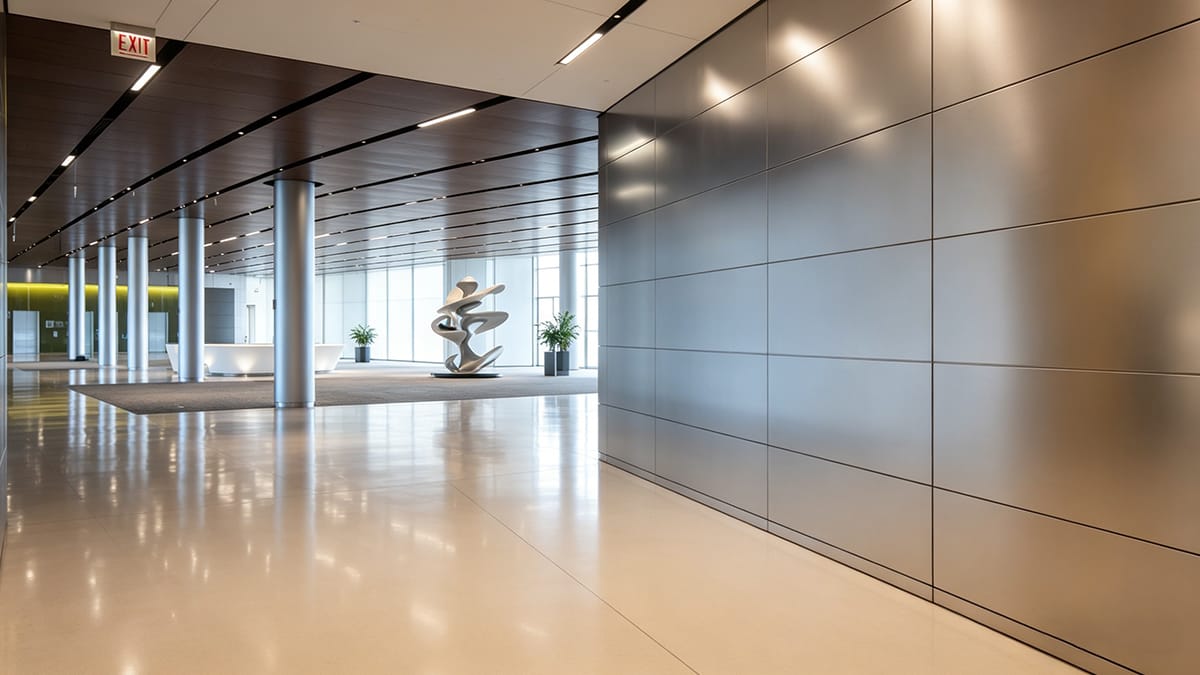
Aluminium-Verbundwerkstoffe gibt es in verschiedenen Ausführungen. Der Hauptunterschied liegt im Kern. Bauherren wählen zwischen Polyethylen (PE), feuerfestem (FR) oder A2-Mineralkern. Die Art des Kerns beeinflusst die Sicherheit der Platte.
Funktion | FR Core ACM | |
|---|---|---|
Kernzusammensetzung | Polyethylen-Thermoplast. | Mit Mineralien gefüllter Kern zur Verlangsamung von Hitze und Flammen. |
Relatives Gewicht | In der Regel leichter. | Etwas schwerer aufgrund der Mineralien. |
Brandverhalten | Brennbar; wird daher bei hohen Gebäuden selten verwendet. | Entwickelt für strengere Regeln und Tests. |
Typische Anwendungen | Schilder, niedrige Gebäude, Innenräume, wo dies zulässig ist. | Wird an höheren Gebäuden, Ausgängen und risikoreichen Orten verwendet. |
Kosten | Niedrigere Einstiegskosten. | Höhere Kosten, aber aufgrund der Regeln notwendig. |
A2-Kernplatten verwenden Mineralien, um sie sicherer zu machen. Sie sind feuerbeständiger als PE- oder FR-Kernplatten. Bauherren verwenden A2-Platten für Projekte, die einen hohen Brandschutz erfordern.
Kerntyp | Feuerwiderstandsstufe | Typische Anwendungen | Einhaltung von Vorschriften |
|---|---|---|---|
Polyethylen (PE) | Niedrige Temperatur; brennt schnell | Im Inneren befinden sich niedrige Gebäude | Verstößt oft gegen strenge Regeln |
Feuerbeständig (FR) | Mittel bis hoch; verlangsamt das Abbrennen | Hohe oder riskante Gebäude | Verabschiedet strenge Brandschutzbestimmungen |
A2-Kern | Hohe Leistung; brennt nicht | Große Projekte, die Sicherheit erfordern | Erfüllt strenge Standards |
Auswirkungen auf das Brandverhalten
Das Kernmaterial beeinflusst das Brennverhalten von Paneelen. PE-Kerne brennen schnell und begünstigen die Flammenausbreitung. FR-Kerne verlangsamen die Brandausbreitung. A2-Kerne verhindern die Entstehung eines Brandes nahezu vollständig. Bauherren müssen daher vor der Auswahl der Paneele deren Brennverhalten prüfen.
Tipp: Durch die Verwendung eines Mineralkerns werden die Paneele sicherer und die Brandgefahr verringert.
Brandversuche zeigen deutliche Unterschiede im Brandverhalten. Paneele mit Mineralkern halten die Flammen unter 10 Metern und die Wärmeentwicklung unter 1 MW. Paneele mit PE-Kern erreichen Flammenhöhen von über 25 Metern und eine Wärmeentwicklung von über 6 MW. Das Brandverhalten der Paneele bestimmt ihren Einsatzort.
Panel Type | Kernmaterial | Flammenhöhe bei groß angelegten Brandversuchen | Maximale Wärmefreisetzungsrate | Einhaltung der Brandschutzbestimmungen und Nutzung |
|---|---|---|---|---|
Feuerbeständige ACP-Platte | Mineralkern | Unter 10 Fuß | Unter 1 MW | Erfüllt strenge Brandschutzbestimmungen; wird in Hochhäusern, Krankenhäusern und Schulen eingesetzt. |
Standard-ACP-Platte | Polyethylenkern | Über 25 Fuß | Über 6 MW | Brennt leicht; tritt bei schweren Bränden auf; ist nicht sicher für wichtige Orte |
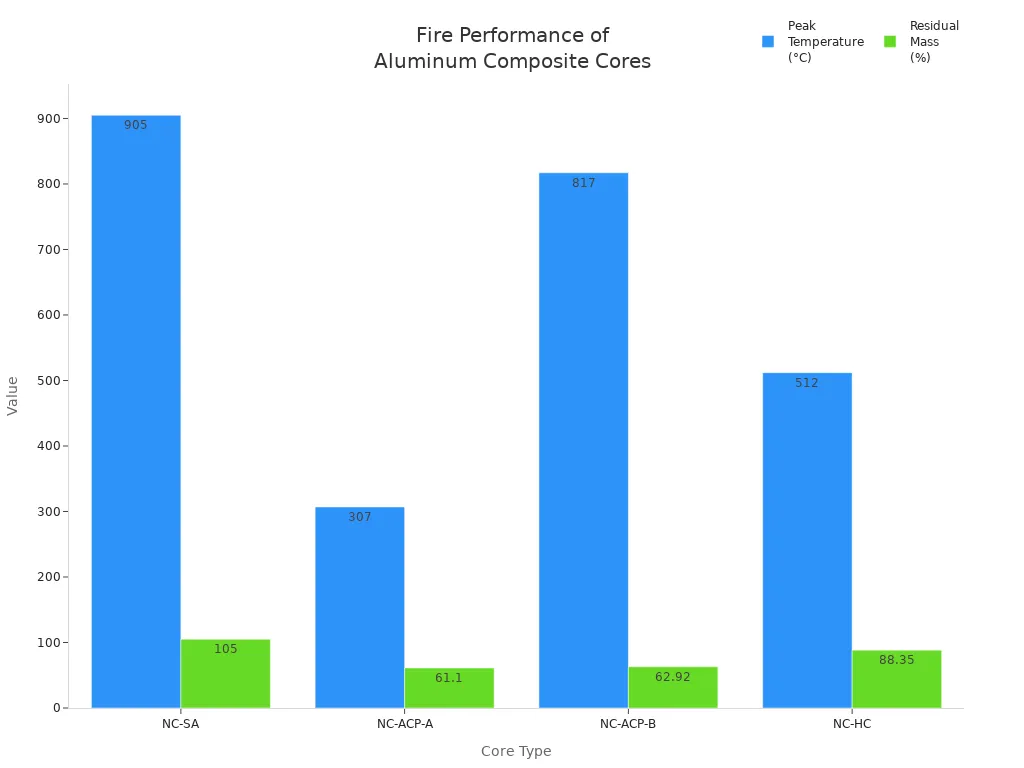
Das Brandverhalten von Paneelen beeinflusst die tatsächliche Sicherheit. In Australien breitete sich ein Feuer innerhalb von 15 Minuten über 13 Stockwerke aus, weil die Paneele einen PE-Kern hatten. Bauherren haben gelernt, dass die Verwendung schnell brennender Paneele zu Katastrophen führen kann.
Minderwertige Kernmaterialien, wie beispielsweise reines Polyethylen, führen zu einer schnellen Brandausbreitung.
Feuerbeständige Kernmaterialien wie Polyethylen/Mineralfaser schneiden im Brandfall besser ab.
Der Brand des Grenfell Towers hat die Gefahren der Verwendung nicht feuerbeständiger Paneele aufgezeigt. Mit etwas mehr Geld hätte dies vermieden werden können.
Die thermische Stabilität ist für das Brandverhalten von entscheidender Bedeutung. Paneele mit mineralischen Kernen bleiben formstabil und blockieren das Feuer. PE-Kerne verlieren schnell an Masse und zersetzen sich. Bauherren müssen über Brandverhalten Bescheid wissen, um die Sicherheit von Menschen und Gebäuden zu gewährleisten.
Feuerbeständiger Aluminium-Verbundwerkstoff: Normen und Sicherheit
Wichtige Prüfmethoden (ASTM E136, NFPA 285, S134)
Prüfungen helfen Bauherren festzustellen, ob Materialien im Brandfall sicher sind. Diese Tests zeigen, ob feuerbeständige Aluminium-Verbundwerkstoffe den Bauvorschriften hinsichtlich Normen und Sicherheit entsprechen. Jeder Test prüft einen anderen Aspekt der Brandsicherheit.
Methodik | Beschreibung |
|---|---|
Mit dieser Methode wird geprüft, ob die Materialien nicht brennen. Dies ist wichtig, um zu wissen, wie sich Aluminium-Verbundwerkstoffe im Brandfall verhalten. | |
NFPA 285 | Dieser Test untersucht, wie sich Außenwände aus Aluminium-Verbundwerkstoffen in realen Brandsituationen verhalten. |
S134 | Dieser Test überprüft das Verhalten von Baumaterialien bei einem Raumbrand. Er zeigt, wie sie die Ausbreitung von Feuer und Rauch in der Realität begünstigen. |
ASTM E136 prüft die Brennbarkeit eines Materials. NFPA 285 testet die Brandausbreitung an einer Wand mit feuerbeständigen Aluminium-Verbundplatten. S134 untersucht das Verhalten von feuerbeständigen Aluminiumverkleidungen bei einem Raumbrand. Diese Tests helfen Bauherren, die passenden feuerbeständigen Materialien für jedes Bauvorhaben auszuwählen.
Brandschutzklassen und ihre Bedeutung
Brandschutzklassen geben Auskunft darüber, wie gut ein Material Feuer standhält. Bauherren nutzen diese Klassen, um sichere Produkte für Schulen, Krankenhäuser und Hochhäuser auszuwählen. Feuerbeständige Aluminium-Verbundwerkstoffe : Normen und Sicherheitsstandards verwenden Brandschutzklassen, um ihre Sicherheit zu belegen.
Brandschutzklasse | Beschreibung |
|---|---|
Hohe Feuerbeständigkeit, nahezu kein Polymeranteil, verlangsamt das Feuer, trägt wenig zur Brandlast bei. Notwendig für hohe Gebäude, um die Sicherheit der Bewohner zu gewährleisten. |
A2-Kern bedeutet hohe Feuerbeständigkeit.
Enthält fast kein Polymer im Inneren.
Verlangsamt das Feuer und fügt nicht viel Brennstoff hinzu.
Sorgt für mehr Sicherheit für Menschen in hohen Gebäuden.
Bei manchen Projekten werden Angaben wie -/60/30 verwendet. Das bedeutet, dass das Material 60 Minuten lang feuerbeständig ist und 30 Minuten lang seine Festigkeit behält. Diese Werte helfen Bauherren, die Feuerbeständigkeit einer Wand oder eines Paneels im Brandfall einzuschätzen.
Feuerbeständige Aluminium-Verbundplatten müssen diese Tests bestehen, um in feuergefährdeten Bereichen eingesetzt werden zu dürfen. Feuerbeständige Aluminiumverkleidungen der Klasse A2 geben den Menschen mehr Zeit zur Flucht und unterstützen die Feuerwehr bei der Brandbekämpfung.
Warum Brandschutzklassen und deren Einhaltung wichtig sind
Der Brandschutz hängt von mehr als nur dem Kern ab. Auch die Bauweise der Wand ist entscheidend. Die Art und Weise, wie die Paneele zusammengefügt sind und wie widerstandsfähig sie im Brandfall sind, kann den Brandverlauf beeinflussen.
Die Studie zeigt, dass die Brandsicherheit von Aluminium-Verbundplatten von der Wandkonstruktion , der Anordnung der Platten und der Ablösefähigkeit des Kerns abhängt. Selbst schwer entflammbare Kerne können unter Umständen brennen. Das bedeutet, dass nicht nur der Kern entscheidend ist. Das gesamte Wandsystem ist für die Brandsicherheit von Bedeutung.
Bauherren müssen sowohl den Kern als auch die gesamte Wand betrachten. Feuerbeständige ACM-Paneele eignen sich am besten, wenn die Wand stabil ist und ein Ablösen des Kerns verhindert.
Bei feuerbeständigen Aluminium-Verbundwerkstoffen sind Normen und Sicherheit von höchster Bedeutung. Normen wie ASTM E84, ASTM E136, NFPA 285 und S134 gewährleisten, dass die Materialien die Brandausbreitung nicht begünstigen. Diese Regeln schützen Menschen und Gebäude.
Standard | Zweck |
|---|---|
ASTM E84 | Prüft, wie schnell sich Flammen auf Materialien ausbreiten, um sicherzustellen, dass sie nicht zur Brandausbreitung beitragen. |
ASTM E136 | Prüft, ob die Materialien brennbar sind, was wichtig ist für ihre Verwendung in Gebäuden, die nicht brennen dürfen. |
NFPA 285 | Testet, wie sich ein Feuer an der Außenseite eines Gebäudes ausbreitet, um die Ausbreitung des Feuers zu stoppen. |
S134 | Führt einen Test zur Überprüfung der Brandsicherheit kanadischer Fassadensysteme durch und stellt sicher, dass diese den Sicherheitsvorschriften entsprechen. |
Feuerbeständige Aluminium-Verbundwerkstoffe: Normen und Sicherheitsvorkehrungen helfen Bauherren, unsichere Produkte zu vermeiden. Feuerbeständige Materialien müssen in Brenntests gut abschneiden. Nicht brennbare Materialien erhöhen die Gebäudesicherheit und erleichtern die Einhaltung von Versicherungs- und Rechtsvorschriften.
Feuerbeständige ACM-Paneele und feuerfeste Aluminiumverkleidungen retten Leben. Bauherren, die die Normen und Sicherheitsstandards für feuerbeständige Aluminium-Verbundmaterialien einhalten, verringern das Risiko von Großbränden. Sie tragen außerdem dazu bei, dass ihre Gebäude die Sicherheitsprüfungen bestehen und länger halten.
Compliance, Risiken und Lehren aus der Praxis
Folgen der Nichteinhaltung
 Folgen der Nichteinhaltung
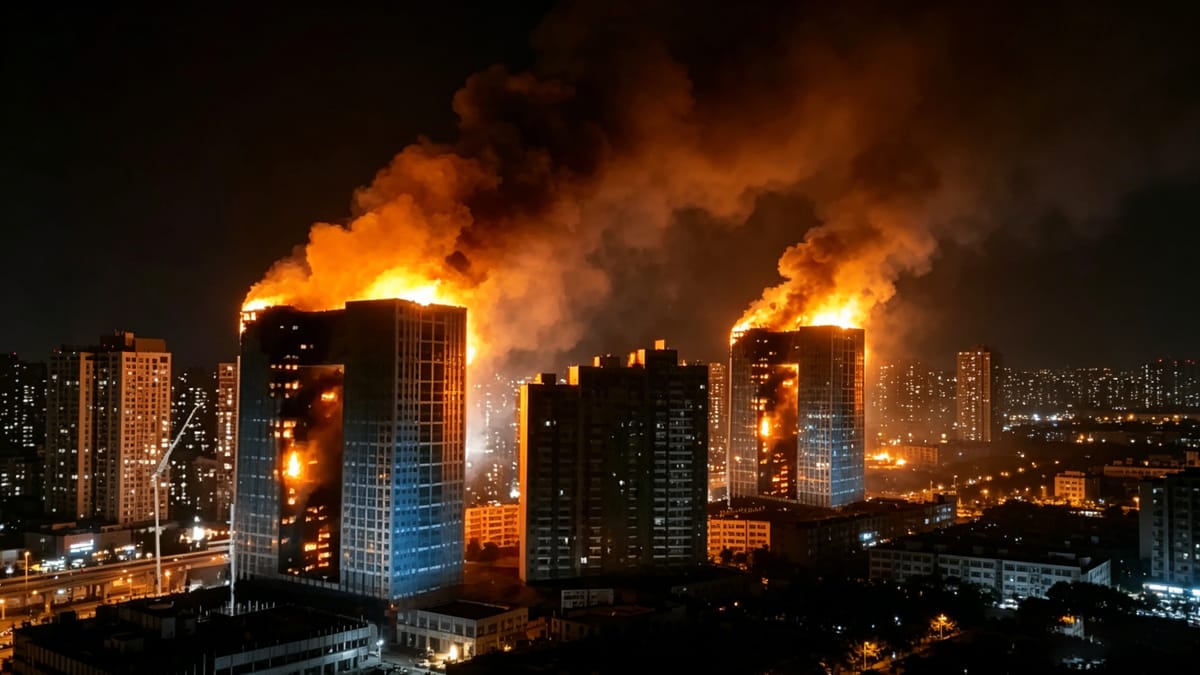
Die Nichtbeachtung von Brandschutzbestimmungen kann schwerwiegende Probleme verursachen. Einige Brände entstanden, weil Bauarbeiter unsichere Aluminiumverbundwerkstoffe verwendeten.
Beim Brand des Grenfell Tower in London kamen 72 Menschen ums Leben . Dies lenkte die weltweite Aufmerksamkeit auf die Brandsicherheit in Gebäuden.
In Valencia, Spanien, kamen bei einem Brand in einem luxuriösen Apartmentgebäude 10 Menschen ums Leben.
In Twer, Russland, brannte ein noch im Bau befindliches Wohnhaus durch ein schnelles Feuer nieder.
Diese Geschichten verdeutlichen, warum Brandschutzbestimmungen so wichtig sind. Verwenden Bauunternehmen nicht zertifizierte Platten, können sich Brände schnell ausbreiten und Menschen verletzen. Versicherungen haften unter Umständen nicht für die Schäden. Eigentümer müssen dann möglicherweise hohe Reparaturkosten tragen. Bauunternehmen, die zertifizierte, feuerbeständige Aluminium-Verbundwerkstoffe (ACM) wählen, sorgen für die Sicherheit der Bewohner und vermeiden rechtliche Probleme.
Regulatorische Entwicklung und Fallbeispiele
Nach diesen Katastrophen wurden die Regeln geändert. Regierungen überprüfen Gebäude nun genauer und fordern sicherere Materialien. Die folgende Tabelle zeigt, wie sich die Regeln nach Großbränden verändert haben:
Jahr | Ereignis/Aktion | Beschreibung |
|---|---|---|
2017 | Brand im Grenfell Tower | |
2019 | Regierungsankündigung | Großbritannien übernahm die Kosten für die Entfernung und den Austausch unsicherer ACM-Fassadenverkleidungen an hohen Wohnhäusern. |
Zertifizierte, feuerbeständige Aluminium-Verbundwerkstoffe (ACM) bieten viele Vorteile. Sie sind feuerhemmend, langlebig und wartungsarm. Gebäudeeigentümer sparen Kosten und können ihre Gebäude besser vermieten. Die folgende Tabelle listet diese Vorteile auf:
Vorteile | Beschreibung |
|---|---|
Feuerwiderstand | Die Paneele bilden eine stabile Brandschutzwand und sorgen für mehr Sicherheit für die Menschen. |
Langlebigkeit | Diese Materialien sind witterungsbeständig und bleiben robust. |
Geringer Wartungsaufwand | Da die Besitzer sie nicht oft reparieren müssen, sparen sie Geld. |
Energieeffizienz | Paneele helfen, die Energie im Inneren zu halten, indem sie verhindern, dass Wärme entweicht. |
Ästhetische Vielseitigkeit | Mit diesen Paneelen können Architekten Gebäuden ein cooles Aussehen verleihen. |
Um die Vorschriften einzuhalten, sollten Architekten und Bauherren die Brandschutzklasse jeder einzelnen Wandplatte überprüfen . Sie sollten die gesamte Wand testen und gegebenenfalls lokale Experten hinzuziehen. Diese Maßnahmen gewährleisten die Sicherheit von Gebäuden und entsprechen den gesetzlichen Bestimmungen.
Die Kenntnis der Brandschutzbestimmungen für Aluminiumverbundwerkstoffe trägt zur Sicherheit von Menschen und Gebäuden bei. Bauherren, die zertifizierte, feuerbeständige Platten verwenden , verringern das Brandrisiko. Sie halten sich zudem an Versicherungs- und Rechtsvorschriften. Bauherren sollten folgende Maßnahmen ergreifen, um Bauprojekte sicherer zu gestalten:
Wählen Sie Paneele mit den richtigen Brandschutzklassen und Zertifizierungen.
Verwenden Sie keine leicht entflammbaren Verkleidungsmaterialien, insbesondere nicht solche mit Polyethylenkern.
Bewahren Sie Aufzeichnungen über alle Brandschutzeinrichtungen auf.
Planen Sie regelmäßige Kontrollen ein, um sicherzustellen, dass alles sicher bleibt.
Organisation | Zertifizierungsstandards |
|---|---|
UL | NFPA 285 |
EN | EN-Normen |
ASTM | ASTM-Standards |
Viva! | NFPA 285, EN 13501, ASTM E-84 |
QAI | QAI Listing Mark |
Die Einhaltung neuer Regeln und die Verwendung nicht brennbarer Materialien tragen dazu bei, dass Gebäude lange Zeit sicher bleiben.
FAQ
 FAQ
FAQWas ist ein Aluminium-Verbundwerkstoff (ACM)?
Ein Aluminium-Verbundwerkstoff besteht aus zwei dünnen Aluminiumplatten mit einem Kern in der Mitte. Bauherren verwenden Aluminium-Verbundwerkstoffe für den Bau von Wänden, Schildern und Dekorationen. Der Kern kann das Brandverhalten des Paneels beeinflussen.
Warum sind Brandschutzklassen für ACM-Platten wichtig?
Die Brandschutzklasse gibt an, wie gut ein Paneel Feuer stoppen oder verlangsamen kann. Bauherren nutzen diese Klassen, um sichere Materialien für Schulen, Krankenhäuser und Hochhäuser auszuwählen.
Wie kann man überprüfen, ob eine ACM-Platte feuerbeständig ist?
Achten Sie auf Prüfzeichen oder Zertifikate von anerkannten Organisationen wie ASTM, NFPA oder EN. Diese Dokumente belegen, dass die Platte die Brandprüfung bestanden hat.
Was passiert, wenn ein Bauunternehmer nicht feuerbeständige Aluminium-Verbundwerkstoffe verwendet?
Risiko | Lösung |
|---|---|
Schnelle Brandausbreitung | Mehr Schaden und Gefahr |
Rechtliche Schwierigkeiten | Geldstrafen oder Klagen |
Versicherungsprobleme | Ansprüche werden möglicherweise nicht gedeckt. |