
01 Nov Comparing Aluminum Composite Panels and Other Wall Cladding Solutions
You often see aluminium composite panel use for wall cladding. These panels are popular because they do not let water in. They protect against bad weather and keep their color in bright sun. They also provide good insulation and are light, making them easy to install. Many builders appreciate that the panels look flat and strong on buildings. Sometimes, other materials are better for special jobs, like old buildings or places with unique requirements. When planning a project, you should consider factors such as durability, cost, maintenance, aesthetics, ease of installation, and environmental impact. Using aluminium composite panels for wall cladding offers many options, but the best choice depends on your project’s specific needs.
2026 Update: Quick Answer for Comparing Aluminum Composite Panels and Other Wall Cladding Solutions
Reviewed 29 July 2026. The useful answer is not a universal winner. The right option depends on exposure, fire requirements, panel construction, finish, fabrication, support system, maintenance, budget, and the evidence required by the project.
- Compare products against one written project specification.
- Separate total panel thickness from aluminum skin thickness and core type.
- Check coating and finish suitability for the actual exposure.
- Confirm test reports, warranty scope, fabrication, packing, and delivery basis before comparing price.
This update keeps the original topic and search intent while making the decision criteria clear at the start. Project-specific engineering, regulations, test evidence, and supplier documentation remain controlling.
Key Takeaways
Aluminum composite panels are light, strong in bad weather, and simple to put up. This makes them a top pick for new buildings.
Think about things like how long it lasts, price, care, and looks when picking wall cladding. This helps make sure it fits your project’s needs.
Cleaning and taking care of wall cladding often, especially aluminum composite panels, keeps them looking good and lasting longer.
Each material has its own good points. For example, fiber cement boards are great against fire. Vinyl siding costs less but might need more care.
Always look at local building rules and green laws. This makes sure your cladding is allowed and good for the environment.
Wall Cladding Material Overview

Aluminum Composite Panels
You see aluminum composite panels on new buildings. These panels are light and simple to put up. They do not get damaged by rain or sun. Their color stays bright for a long time. You can use them inside or outside. They also work well for signs and ads.
Tip: Aluminum composite panels help keep buildings quiet and save energy.
Key Properties | Description |
|---|---|
Makes buildings look nice inside and outside. | |
Lightweight | Easy to carry and install on job sites. |
Handles rain, wind, and sunlight without problems. |
Fiber Cement Boards
Fiber cement boards protect walls very well. They last for years and do not burn easily. They also stand up to bad weather. These boards are heavy, so they are harder to install. If you drop them, they might break.
Advantages | Disadvantages |
|---|---|
Durability | Heavy to move |
Weather resistance | Hard to install |
Fire rating | Can break if dropped |
Natural Stone Veneer
Natural stone veneer makes buildings look special. Each piece has its own shape and feel. It is easier to put up than thick stone. But it is still heavier than other wall coverings.
Feature | Natural Stone Veneer | Cultured Stone Veneer |
|---|---|---|
Weight | 7-12 lbs per square foot; heavier than cultured stone | About half as much as natural stone, around 13 lbs per square foot |
Installation | Harder to install because it is heavy | Easier to put up, fits many surfaces |
Appearance | Looks different and real, every stone is unique | Made to look like stone, color may fade |
Brick and Masonry
Brick and masonry make buildings strong and nice to look at. You can pick from many colors and styles. Brick walls last a long time and do not need much care.
Lasts for years
Stays strong
Does not burn easily
Vinyl Siding
Vinyl siding is used on many homes. It is fast to install and costs less. Over time, it may bend, crack, lose color, or get damaged by bugs.
Note: Vinyl siding can get wet and grow mold or rot wood.
Wood Cladding
Wood cladding gives buildings a warm and natural look. You must clean it often to keep it nice. Some wood uses recycled parts, which is better for the planet.
High-Pressure Laminates
High-pressure laminates protect walls from scratches and sunlight. You can use them inside or outside. They come in many colors and styles, so you can match your design.
Does not scratch easily
Blocks sunlight
Handles bad weather
Looks smooth and modern
Other Modern Materials
There are many new wall cladding materials. Some are Thermowood, Norx, Jatoba, Garapa, Ipe, bamboo, and cork. These choices last long, look different, and are good for the environment.
Some new wall coverings clean themselves and have smart sensors for advanced buildings.
You have lots of wall cladding choices. Aluminum composite material is great for new buildings, but other materials might fit your project better.
Durability of Aluminum Composite Panels vs. Alternatives
 Weather and Impact Resistance
 Weather and Impact Resistance
Buildings need to stay safe from rain, wind, and sun. Aluminum composite panels are strong against bad weather and hard hits. These panels do not crack or bend. They keep their color even in tough places. The aluminum stops rust, so they work well near the ocean. Vinyl and wood cladding need more care. They may not last as long when the weather is rough.
Property | Aluminum Composite Panels (ACPs) | Traditional Materials (Vinyl/Wood) |
|---|---|---|
Stays strong in sun, rain, and heat; does not crack or fade | Needs more care; can get damaged by weather | |
Corrosion Resistance | Aluminum does not rust; good for wet places | Can rust or break down in wet air |
Impact Resistance | Handles hits from storms and flying things | Not as tough; can break in bad weather |
Tip: If you live where storms or salty air happen, aluminum composite material keeps your building safer.
Longevity and Wear
You want your wall cladding to last a long time. Aluminum composite panels usually last about 10 years. If they have a PVDF coating, they can last 15-20 years. Some high-quality aluminum cladding lasts 25-40 years. How long panels last depends on the material, thickness, and how they are put up. Special coatings like PVDF or nano-coatings help protect panels from sun and rain.
Aluminum composite panels last about 10 years, or 15-20 years with PVDF coating.
High-quality aluminum cladding can last 25-40 years, depending on grade and weather.
Lifespan depends on material, thickness, installation, and weather.
PVDF and nano-coatings give extra protection from sun and rain.
Common Durability Issues
It is important to know about problems before picking wall cladding. Aluminum composite panels can get dents, bend out of shape, or have spots on the coating. Cleaning them often helps them look good. Other materials have their own problems. Steel can rust if its coating wears off. Zinc is soft and may not work well in busy places. Copper lasts a long time but costs a lot.
Material | Notes | |
|---|---|---|
Aluminum Composite Panels (ACPs) | Can get dents, bend, or spots on coating | Needs cleaning and care; weather and pollution can cause problems. |
Steel | Can rust if coating is damaged | Tough but needs careful care. |
Zinc | Softness can be a problem | May not work in busy or rough places. |
Copper | Costs a lot | Lasts long but is expensive. |
Note: Good installation and regular cleaning help avoid most problems. Always check your panels for damage.
Cost Comparison for Wall Cladding
Material and Installation Costs
When you start a wall cladding job, you need to think about two things. You pay for the material and for putting it up. This helps you plan your money and pick the best choice. Aluminum composite panels are popular because they are not too expensive and work well. You pay for the panels and for the work to install them.
Here is a simple look at costs for common wall cladding:
Aluminum composite panels cost $3 to $10 per square foot for the material.
You pay $5 to $8 per square foot to install them.
The total cost for aluminum composite panels is $8 to $18 per square foot.
Fiber cement boards cost $6 to $12 per square foot, and installation adds $4 to $8 per square foot.
Natural stone veneer costs $10 to $25 per square foot, plus $10 to $20 for installation.
Brick and masonry cost $6 to $15 per square foot, and installation is $8 to $12 per square foot.
Vinyl siding is cheaper, costing $2 to $7 per square foot, and installation is $3 to $5 per square foot.
Wood cladding costs $6 to $12 per square foot, and installation is $5 to $10 per square foot.
Tip: Always check the total cost before you choose. Some materials look cheap, but installation can make them cost more.
Long-Term Value
You want your wall cladding to last and not cost too much later. This looks at how often you need to fix or change your cladding. Some materials need more care, which makes them cost more over time.
Material | Durability | Maintenance Frequency | Long-term Costs |
|---|---|---|---|
Aluminum Composite | Moderate | Minimal | Higher in harsh conditions |
Stone | High | Rare | Economical over time |
Brick | High | Rare | Economical over time |
Vinyl | Low | Frequent | Higher long-term costs |
Aluminum composite panels do not need much care, but bad weather can make them cost more later. Stone and brick last a long time and need little care, so their long-term costs stay low. Vinyl siding costs less at first, but you may pay more for repairs and replacements. When you compare choices, think about both the starting price and what you will pay later.
Maintenance Needs for Aluminum Wall Cladding and Others
 Cleaning and Upkeep
 Cleaning and Upkeep
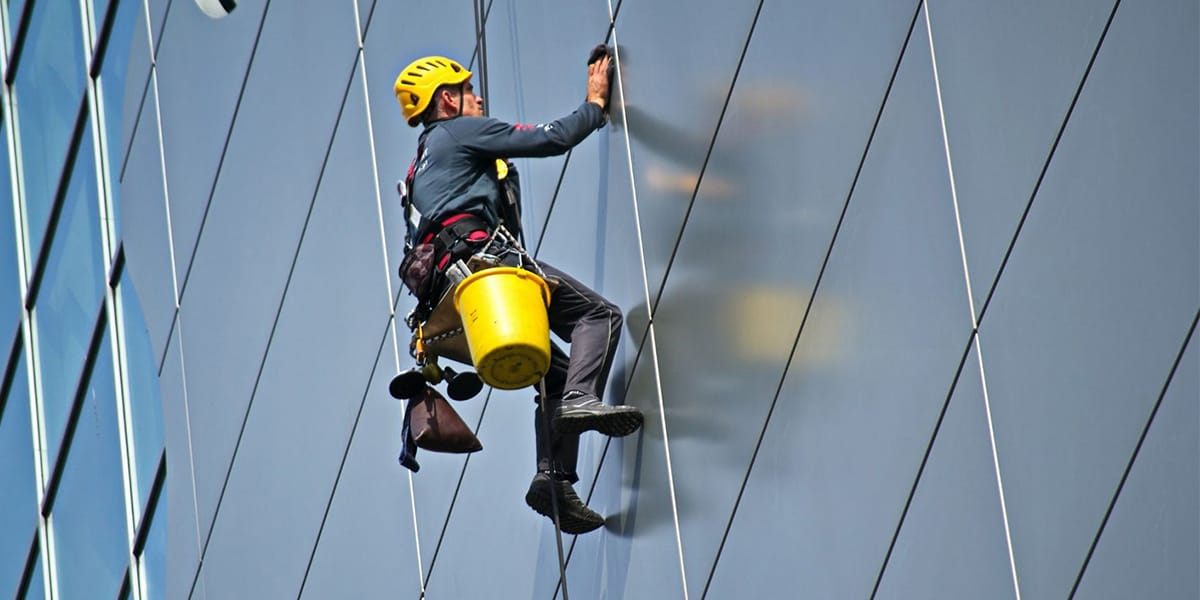
You want your building to look nice and last long. Cleaning helps keep it looking good. Aluminum composite panels need cleaning sometimes. Use mild soap and water. Wipe with a soft cloth or sponge. This removes dust and dirt. It keeps panels shiny and stops stains. Check for dents or scratches every few years.
Other wall cladding needs more work. Wood siding needs painting and sealing often. This stops rot and keeps color bright. Fiber cement panels may crack or chip. You might need to patch or repaint them. Vinyl siding needs cleaning every year. This removes dirt and stops mold. You do not paint vinyl, but it can fade or crack.
Here is a table showing cleaning needs for wall cladding:
Material | Cleaning and Upkeep |
|---|---|
Aluminum Composite Panels | Clean sometimes; check for dents and scratches |
Wood Siding | Paint and seal often; check twice a year |
Fiber Cement Panels | Patch and repaint if needed |
Vinyl Siding | Clean every year; check for cracks and fading |
Tip: Clean wall cladding often. This keeps your building fresh and helps you find problems early.
Repair and Replacement
Sometimes wall cladding gets damaged. You may need to fix or replace it. Aluminum composite panels do not need many repairs. Dents or deep scratches can happen. You can replace one panel without removing the whole wall. This saves time and money.
Wood siding needs more repairs. Boards can rot or split. You may need to replace them. You also repaint or reseal wood every few years. Fiber cement panels can crack. You might patch or swap out broken pieces. Vinyl siding can break or fade. You may need to replace sections more often.
Here is a table showing repair and replacement needs:
Material | Repair and Replacement Needs |
|---|---|
Aluminum Composite Panels | Not often; replace panels if dented or scratched |
Wood Siding | Often; replace boards, repaint, reseal |
Fiber Cement Panels | Sometimes; patch cracks, repaint |
Vinyl Siding | More often; replace cracked or faded sections |
Note: Fix problems quickly. This stops bigger issues. You save money and keep your building safe.
Aesthetic Options with Aluminum Composite Material
Color and Finish Choices
 Color and Finish Choices
When you choose aluminum composite material, you get many options. These panels come in lots of colors and finishes. You can match almost any design or brand. Some panels have more than 90 color choices. You can also order special colors if you want. There are different finishes like metallic, woodgrain, solid, and patterns. This helps you make a modern look or copy other styles.
Here is a table that compares aluminum cladding and composite panels:
Feature | Aluminum Cladding | Composite Panels |
|---|---|---|
Color Choices | 30+ standard, custom | 91+ options, custom |
Finishes | Metallic, woodgrain | Solid, metallic, patterns |
Tip: You can use these panels for bright, bold looks or soft, natural styles. This makes it easy to fit your project and make the building look better.
Design Flexibility
You can shape aluminum composite panels in many ways. These panels let you follow new building trends. You can bend, cut, or form them into curves or sharp lines. This helps you make buildings that look different.
You can pick from many textures, colors, and finishes to match your idea.
These panels can look like wood, metal, marble, or granite. This gives you more ways to be creative.
You can use them on flat or curved walls. They are light, so they are easy to move and put up.
Aluminum composite panels help you make cool designs without spending too much. You can use them for simple walls or bold shapes. This makes them a good choice for many projects.
Installation Process for Aluminum Composite Panel Use for Wall Cladding
Installation Steps
You can install aluminum composite panels by following a clear process. Each step helps you get a strong and neat finish. Here is a table that shows the main steps:
Step | Description |
|---|---|
Measurement | You measure each area to make sure the panels fit well. |
Fabrication | You cut, fold, and drill the panels using special tools. |
Waterproofing | You add a weather barrier to keep water out and protect the building. |
Mounting system | You set up a mounting system so the panels stay straight and in order. |
ACM panel installation | You attach the panels to the mounting system, using shims to keep them level and connected. |
Tip: Careful measurement and waterproofing help you avoid problems later.
Labor and Time Factors
You save time when you use aluminum composite panels. These panels are light, so you do not need heavy lifting. You can move and install them quickly. The interlocking clip systems make the job even faster. You often finish the work 15-20% quicker than with wood cladding. Wood takes longer because it can warp or expand. Stone cladding needs skilled workers and more time because it is heavy.
You spend less time on the job compared to wood or stone.
Clip systems help you work faster and keep panels in place.
Stone and wood need more labor and time because they are heavy and can change shape.
Note: Fast installation means you save money on labor and finish your project sooner.
Fire Performance and Safety in Wall Cladding
Aluminum Composite Panels Fire Performance
You want your building to stay safe during a fire. Aluminum composite panels can help if you pick the right kind. These panels have different fire resistance levels. Some panels have special cores that slow down fire. This helps stop flames from spreading. Many panels follow strict building rules from around the world.
Here is a table that shows the grades and standards for aluminum composite panels:
Grade | Description | Corresponding Standard |
|---|---|---|
A2 | Non-combustible materials | EU standard A2 |
B1 | Flame-retardant materials | EU standard B or C |
Grade A2 panels are very hard to catch on fire. They do not let flames move and make little smoke.
Grade B1 panels are slow to catch fire. They can put out small flames and help stop fires from spreading.
Tip: Always look at fire resistance ratings before picking panels for your project.
Comparison with Other Materials
It is important to know how other wall cladding does in a fire. Some materials protect better than others. Fiber cement boards have a Class A fire rating. They are very good at stopping fire. Wood cladding burns fast and does not protect well. Vinyl siding catches fire easily and melts quickly.
Here is a table that compares fire safety for common wall cladding materials:
Material Type | Fire Resistance Level | Compliance with Fire Safety Standards |
|---|---|---|
Aluminum Composite Panels (A2/A1) | High to Highest | Complies with stringent standards |
Fiber Cement | Class A Fire Rating | Superior fire resistance |
Wood | Naturally flammable | Generally lower protection |
Vinyl | Highly flammable | Less suitable for fire safety |
You can see aluminum composite panels and fiber cement boards protect best from fire. Wood and vinyl do not meet high safety rules. If you want strong fire safety, choose materials with high fire resistance. This helps keep your building and everyone inside safer.
Sustainability of Aluminum Composite Panels and Alternatives
Material Sourcing and Recycling
 Material Sourcing and Recycling
You help the earth when you pick wall cladding with recycled stuff. Many companies make aluminum composite panels using recycled aluminum, polymers, and minerals. These panels can be recycled all the way. You can reuse them when buildings change or get taken down. This means less trash and saves natural resources. Other cladding, like wood and vinyl, sometimes use recycled parts. But they are not as easy to recycle as aluminum composite panels. Stone and brick come from nature, but recycling them is hard and not done much.
Aluminum composite panels have recycled aluminum, polymer, and minerals.
You can recycle these panels fully.
Wood and vinyl may use recycled pieces, but recycling is harder.
Stone and brick are hard to recycle and often become trash.
Picking cladding you can recycle helps lower your building’s effect on the planet.
Energy Efficiency
You want your building to use less energy and feel good inside. Aluminum composite panels help with this. They have two thin aluminum sheets and a core that is not aluminum. The core works as insulation and stops heat from moving in or out. You pay less for heating and cooling because the panels keep rooms at a steady temperature. Steel and solid aluminum need more insulation to work as well. Wood gives some insulation, but you must take care of it often. Stone veneer and brick do not insulate much, so energy bills can go up.
Here is a table that shows how cladding materials work:
Material | 30-Year Maintenance Cost | Energy Savings / Value Additions |
|---|---|---|
Aluminum Composite Panels | Low | Good insulation, lower energy bills |
Solid Aluminum | Low to Moderate | Needs added insulation |
Steel | High | Poor insulation, extra insulation needed |
Wood | Moderate to High | Natural insulation, but high upkeep |
EIFS | $12,500 | $200-$500 annual energy savings |
James Hardie | $9,700 | Minimal direct energy savings |
You can save energy and money by picking cladding with strong insulation.
Choosing the Right Wall Cladding Solution
Project Type and Use Case
Think about your project before picking cladding. The building type and how it is used help you choose. If you work on a business building, you want strong materials that look nice. For homes, you may want a cozy look or easy cleaning. Composite panels fit many jobs, but check if they work for you.
How your building looks is important. You may want it to stand out or blend in.
Saving energy helps keep your building comfy. Composite cladding can lower bills and make rooms nicer.
Strong and long-lasting cladding matters for business buildings. You want your walls to last and protect your money.
Some cladding works better in wet or windy places. Pick what fits your weather.
Compare the good and bad sides of composite panels and other cladding. If you want a modern look and easy work, aluminum composite panels save money. For old buildings or special styles, other cladding might be better.
Budget and Performance Priorities
You need to balance your money with how well your walls work. Think about the price for materials, putting them up, and fixing them later. Composite panels often cost less than solid aluminum or stone. You save money because composite cladding is light and easy to use.
Description | |
|---|---|
Material Type | Aluminum composite panels usually cost less than solid aluminum or honeycomb panels. |
Panel Thickness | Thicker panels are stronger but cost more. |
Custom Designs | Fancy designs cost more because they need special work. |
Installation Complexity | Hard jobs with hidden fasteners or custom frames cost more to install. |
Maintenance Requirements | Different panels need different care, which changes costs. |
Regional Market Conditions | Prices change by place; North America and Europe are often higher. |
Installation Cost Savings | Aluminum panels can cut install costs by about 30% compared to steel. |
Overall Value | Aluminum panels last longer and need less care, so they are a better deal. |
Look at the good and bad sides of composite panels and other cladding. If you want to save money, composite cladding is a smart choice. Some other cladding, like high-pressure laminates, also save money on install and care. Always check if your pick fits your budget and works well.
Environmental and Regulatory Factors
You must follow rules and think about the planet when picking cladding. Many places now want green building methods. More buildings have green labels like LEED or BREEAM. These programs ask for safe paints and recycled stuff in your walls.
The International Building Code sets safety and quality rules for cladding.
LEED wants eco-friendly materials, which changes what you can use.
Local rules may ask for green ways and materials.
LEED and BREEAM push for checked green materials and tough energy rules.
Check if composite panels or other cladding meet these rules. Composite cladding often uses recycled aluminum and plastics, so it is good for green buildings. Some other cladding, like wood or stone, may not meet all green rules or may be hard to recycle.
Tip: Always ask your supplier if their composite panels or other cladding meet local rules and green building labels.
How to Prioritize Your Decision
Look at all the things before picking cladding for your walls. Here is a simple guide:
Decide what matters most: strength, price, care, looks, install, or being green.
Compare the good and bad sides of composite panels and other cladding for each thing.
Check if your pick fits your budget and local rules.
Think about how your walls will work and what you will need later.
You can use composite panels for most jobs if you want a cheap, strong, and flexible choice. For special styles or tough rules, other cladding may be better. Always match your pick to your project’s needs.
There are lots of wall cladding choices. Aluminum composite panels last long, go up easily, and let you pick many designs. Other materials, like stone, wood, or vinyl, might work better for some projects.
You need to pick what fits your project’s needs, money, and local rules.
Ask a building expert before you choose. This helps you find the right material for your walls and keeps you from having trouble later.
FAQ
What makes aluminum composite panels a good choice for wall cladding?
You get strong, lightweight panels that resist weather and last for years. These panels come in many colors and finishes. You can install them quickly and keep them clean with little effort.
Can you use aluminum composite panels on both homes and commercial buildings?
Yes, you can use them on homes, offices, schools, and stores. They fit many building types because they look modern and protect well.
How do you clean aluminum composite panels?
Use mild soap and water. Wipe the panels with a soft cloth or sponge. Avoid harsh cleaners.
Tip: Clean panels every few months to keep them looking new.
Are aluminum composite panels safe in a fire?
Many panels have fire-resistant cores. Look for panels with A2 or B1 ratings. These meet strict safety rules and help slow down fire spread.
Do aluminum composite panels help save energy?
Yes, they provide good insulation. You can keep your building cooler in summer and warmer in winter. This helps lower your energy bills.