

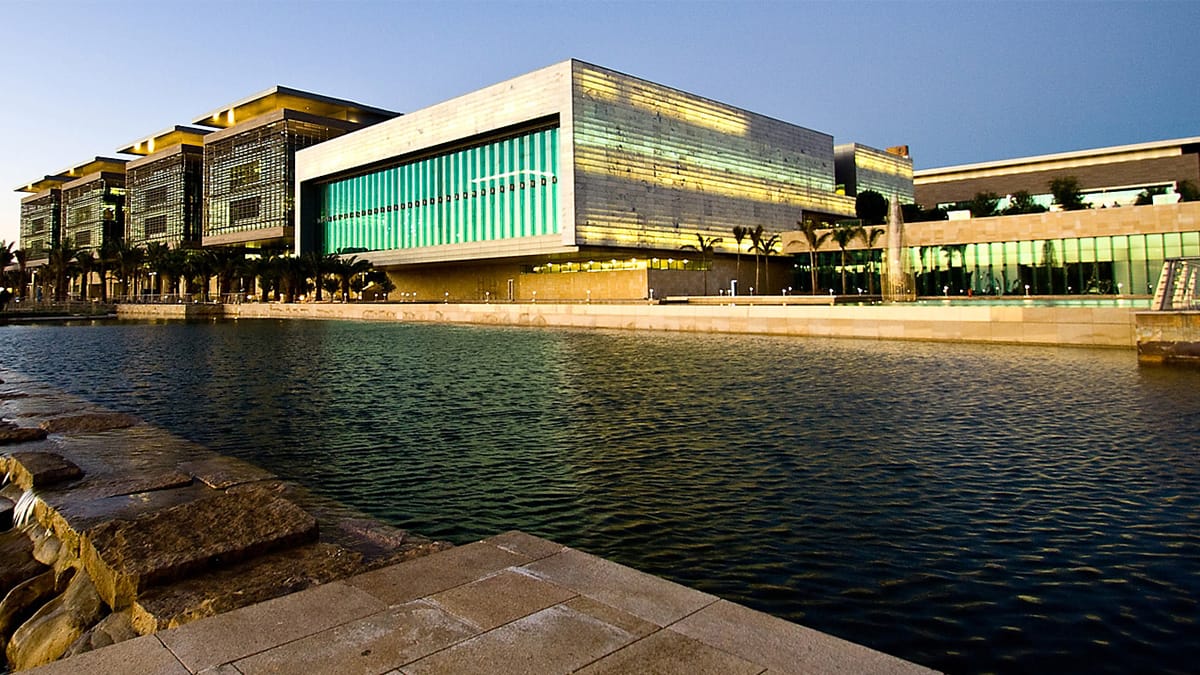
03 Dec What Sets Cladding Apart from Paneling in Building Projects
You should know what is the difference between cladding and paneling before starting a building project. Cladding covers the outside of a building and keeps it safe. It also helps keep heat in or out. On the other hand, paneling is used inside and changes how rooms look. Cladding makes your building stronger and helps save energy, while paneling adds style but does not protect as much. Understanding this distinction helps you pick the right materials, how to put them in, and how to take care of them.
2026 Update: Quick Answer for What Sets Cladding Apart from Paneling in Building Projects
Reviewed 29 July 2026. The useful answer is not a universal winner. The right option depends on exposure, fire requirements, panel construction, finish, fabrication, support system, maintenance, budget, and the evidence required by the project.
- Compare products against one written project specification.
- Separate total panel thickness from aluminum skin thickness and core type.
- Check coating and finish suitability for the actual exposure.
- Confirm test reports, warranty scope, fabrication, packing, and delivery basis before comparing price.
This update keeps the original topic and search intent while making the decision criteria clear at the start. Project-specific engineering, regulations, test evidence, and supplier documentation remain controlling.
Key Takeaways
Cladding covers the outside of a building to stop bad weather. Paneling is used inside to make rooms look nice. Cladding is good for saving energy and keeping people safe. It helps keep buildings warm in winter and cool in summer. Paneling is simple to put up and you can do it yourself. This makes it a good pick for decorating inside. Think about how long materials last and how much care they need. Cladding stays good for a long time but needs more work to keep it nice. Always pick materials that fit your local weather. This helps your building stay strong and safe.
What Is the Difference Between Cladding and Paneling?
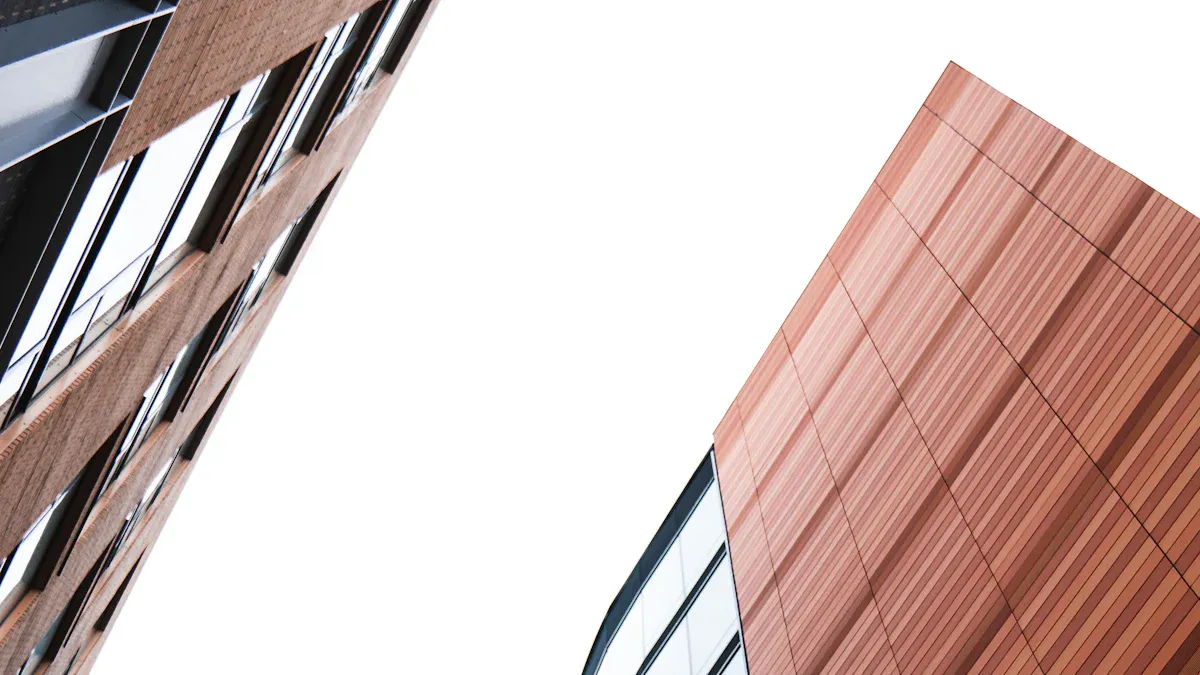
Cladding Explained
Cladding goes on the outside of a building. It helps protect your building from rain and wind. Cladding works like a shield to stop water from getting in. It keeps your building warm in winter and cool in summer. Cladding can make a building look new or stylish. But its main job is to keep the building safe and strong. In building, cladding means putting one layer over another. This layer blocks bad weather and makes the building stronger. You see cladding on stores and houses. People pick cladding for better insulation and a new look. Builders use cladding to fix old buildings or save energy.
Paneling Explained
Paneling is used inside your building. You put wall paneling up to decorate rooms. It can also cover marks or damage on walls. Paneling can make a room feel warm, bright, or fancy. It does not protect your building from weather. But it can help with sound and warmth inside. Wall paneling is a material for inside walls. Its main job is to make rooms look nice and hide things like cracks or wires. You see paneling in living rooms, offices, and halls. Some people use paneling in kitchens and bathrooms. It can handle water better than paint or wallpaper.
Main Functional Differences
You may wonder about the difference between cladding and paneling. The answer is where you use them and what they do. Cladding protects the outside of your building. It keeps out rain, wind, and sun. It also helps save energy by adding insulation. Paneling changes how the inside of your building looks. It hides flaws and adds style. But it does not protect against weather.
Tip: Use cladding if you want to keep your building safe from weather. Use paneling if you want your rooms to look better.
Here is a table to show the main differences:
Feature | Wall Paneling | Wall Cladding |
|---|---|---|
Structural Role | Decorative, for interiors | Adds strength, protects from weather |
Insulation | Improves sound and warmth inside | Improves energy efficiency and thermal insulation |
Moisture Resistance | Good for kitchens and baths | Shields against rain, wind, and moisture |
You use wall cladding for protection and saving energy. You use wall paneling to make rooms look and feel better. Cladding is for outside safety and strength. Paneling is for inside decoration and hiding flaws. Knowing the difference helps you pick the right material for your project.
Materials & Installation
Cladding Materials & Methods
You can choose from many materials for cladding. Some of the most popular options include:
Precast concrete panels
Natural stone
Brick
Glass
Wood
Steel
Precast concrete panels give you a strong and affordable choice. They resist weather and need little care. Natural stone lasts a long time and keeps heat inside, but it costs more. Brick works well with other materials and helps with insulation. Glass looks modern and lets in light, but it may not save energy. Wood is good for the environment and keeps rooms warm. Steel stands up to harsh weather and lasts many years. Aluminum cladding is light, strong, and does not rust easily.
When you install cladding, you must check the wall for cracks or moisture. You often add a waterproof barrier and flashing to keep water out. You may need a keel to support the cladding. Installers use screws to fasten the panels. Sometimes, they make slots at splicing points to help the panels fit together.
Paneling Materials & Methods
Paneling uses different materials than cladding. You often see wood, MDF, PVC, or laminate in homes and offices. These materials help you decorate rooms and cover up wall flaws. You can use glue to attach paneling, which makes the process easier. You do not need a waterproof barrier for paneling. You can cut and fit panels to match the size of your walls.
Installation Process
You need to follow clear steps for installing cladding and paneling. Here is a simple guide:
Clean the wall and remove anything that gets in the way.
Mark where you want to place each panel.
Handle panels with care to avoid damage.
Make sure the back of each panel is clean.
Start with the bottom row and use adhesive or screws.
Check that each panel is straight and spaced evenly.
Cut panels to fit at the ends or near corners.
Move up the wall, row by row.
Fill joints with caulk if needed.
Here is a table showing how long cladding installation can take:
Phase | Duration |
|---|---|
Planning & Ordering | 1–2 weeks |
Old Siding Removal | 1–3 days |
Wall Prep & Repairs | 1–2 days |
New Siding Installation | 3–7 days |
Painting or Caulking | 2–3 days |
Finishing & Cleanup | 1–2 days |
5–10 working days |
Tip: You can finish paneling faster than cladding because it needs fewer steps and less wall prep.
Function & Looks
 Protection & Durability
 Protection & Durability
You want your building to be safe and last long. Cladding helps protect your building from wind, rain, and sun. It acts like a shield on the outside walls. Cladding keeps heat inside in winter and outside in summer. This helps save energy and money. Cladding also makes your building safer from fire. It makes your walls stronger and harder to damage.
Paneling is different because it is used inside. It makes rooms look nicer and feel more cozy. Paneling does not keep out weather or stop fires. It can help with sound and warmth, but only inside. Paneling does not make your building stronger.
Here is a table that shows how cladding and paneling are different:
Feature | Cladding | Paneling |
|---|---|---|
Primary Function | Protective shield against external elements | Interior aesthetics and functionality |
Structural Role | Enhances structural integrity and durability | Limited to interior use |
Protection from Elements | Shields against wind, rain, and UV rays | No external protection |
Thermal Insulation | Improves energy efficiency and reduces heat loss | Minimal insulation benefits |
Fire Resistance | Increases overall safety and durability | Not designed for fire safety |
Tip: Pick cladding if you want your building to last longer and stay safe from bad weather.
Aesthetic Impact
You want your building to look good. Cladding changes how the outside looks. It can make your building look new or old-fashioned. Cladding uses stone, metal, or glass for a strong look. You usually need experts to put cladding on because it covers big areas.
Paneling lets you change how your rooms look inside. You can choose wood, MDF, or PVC to match your style. Most people can put up paneling by themselves. Paneling makes rooms feel warm, bright, or fancy. It hides marks and gives you many ways to decorate.
Here is a table that shows how cladding and paneling look different:
Aspect | Wall Cladding | Wall Paneling |
|---|---|---|
Purpose | Primarily for exterior protection and decoration | Mainly for interior decoration |
Materials | More robust materials like stone, metal, and composites | Softer materials like wood, MDF, and PVC |
Installation | Often requires professional installation for exteriors | Generally easier, often DIY-friendly |
Benefits | Significant protection from environmental factors and insulation | Enhances interior aesthetics with minor protection |
Note: Cladding changes how your building looks outside and keeps it safe. Paneling gives you more ways to decorate inside your rooms.
Cost, Durability & Maintenance
Cladding Costs & Lifespan
You should think about cost when picking cladding. The price depends on the material you choose. Some types cost more but last longer. Here is a table that shows the price range for different cladding panels:
Panel Type | Price Range (per m²) |
|---|---|
Aluminum Composite Panels | $20 – $60 |
Solid Aluminum Panels | $40 – $80 |
Corrugated Panels | $25 – $50 |
Perforated Panels | $30 – $70 |
Honeycomb Panels | $50 – $120 |
People also use fiber cement panels and metal panels for cladding. Fiber cement panels cost $9–$11 for each square foot. Metal panels cost $5–$35 for each square foot. Cladding can last a long time if you care for it. Metal siding can last 40–70 years. Fiber cement siding lasts 30–50 years. Stucco siding can last up to 80 years if you take care of it.
Paneling Costs & Lifespan
Paneling usually costs less than cladding. You use paneling inside, so it does not have to be as tough. How long it lasts depends on the material. Here is a table that shows how long some paneling materials last:
Material | Lifespan |
|---|---|
WPC | 15–25 years |
PVC | 5–10 years |
ACP | 10–15 years |
Wood paneling can last 20–40 years if you take care of it. Vinyl paneling also lasts 20–40 years and does not need much care. You might need to replace paneling sooner if it cracks or loses color.
Maintenance Needs
You want your building to look nice and stay strong. Cladding needs regular checks and care. You may need to paint, fix dents, or clean off rust. Here is a table that shows what you need to do for cladding and paneling:
Aspect | Cladding Maintenance Requirements | Paneling Maintenance Requirements |
|---|---|---|
Durability | Lasts 20–40 years with proper care | Often less durable than cladding |
Maintenance Frequency | Regular inspections and repairs | May need more frequent upkeep |
Common Issues | Corrosion, peeling paint, fading | Warping, cracking, fading |
Protective Measures | Re-coating and repairs extend lifespan | May need replacement or bigger repairs |
Good cladding costs more to keep up but lasts longer. Old cladding may need to be replaced after 40–50 years. Paneling needs repairs more often, especially if it is soft. You should plan for these costs when you pick materials for your project.
Tip: Taking care of cladding and paneling helps them last longer and look better. 🛠️
Key Differences & Best Uses
Direct Comparison Table
 Direct Comparison Table
You can look at this table to see how cladding and paneling are different. The table shows their main features so you can compare them quickly:
Aspect | Cladding | Paneling |
|---|---|---|
Function | Interior decoration and minor sound control | |
Cost | Lower, often DIY-friendly | |
Durability | Strong, resists weather and moisture | Less durable, mostly for indoor use |
Application | Outside and sometimes inside walls | Inside walls only |
Maintenance | Needs regular checks and repairs | Easier upkeep, may need more frequent fixes |
Fire Safety | Some types slow fire spread | Not designed for fire protection |
Energy Efficiency | Minimal impact on energy use |
Note: Cladding protects your building and helps save energy. Paneling is easier to put up and changes how rooms look.
Where to Use Cladding vs. Paneling
Cladding is best when you need to keep your building safe from rain, wind, or sun. It works well for outside walls, especially if the weather is rough. Cladding helps your building stay warm in winter and cool in summer. If you live near the ocean or in a wet place, pick cladding that does not get damaged by water or salt. In hot and dry places, stone or porcelain cladding can help keep things cool.
Paneling is good when you want to make the inside of your house or office look better. You can use paneling to hide marks or add style to a room. Paneling works in living rooms, offices, and hallways. It is also a good choice if you want to do the work yourself.
Think about what your project needs before you pick cladding or paneling. Ask yourself if you need to protect your building from weather or just want to make a room look nicer. You can talk to a contractor or architect for help. They will help you choose the right material for your weather and building.
Tip: Always pick materials that fit your local weather and building rules. This helps your building last longer and stay safe.
Cladding keeps your building safe on the outside. Paneling makes rooms look nice inside. Pick the right material for your project. Think about what you need, how much it costs, and where you will use it. Here is an easy table to help you see the differences:
Criteria | Cladding | Paneling |
|---|---|---|
Initial Cost | Higher | Lower |
Lifespan | Longer | Shorter |
Maintenance | Less frequent | More frequent |
Main Use | Exterior protection | Interior decoration |
You get the best results when you plan your budget, think about how long things last, and know what you want for your building. 🏗️
FAQ
What is the main reason to choose cladding over paneling?
You should pick cladding if you want to protect your building from rain, wind, or sun. Cladding keeps your building safe and helps save energy. Paneling only changes how rooms look inside.
Can you use paneling outside?
You should not use paneling outside. Paneling does not stand up to weather. It works best inside where it stays dry and safe from sun or rain.
Does cladding help with energy savings?
Yes, cladding adds a layer that keeps heat in during winter and out during summer. This helps lower your energy bills and keeps your building comfortable.
Is paneling easy to install by yourself?
You can install most paneling by yourself. Many types use glue or simple tools. You do not need special skills or equipment. Just follow the instructions and measure carefully.