

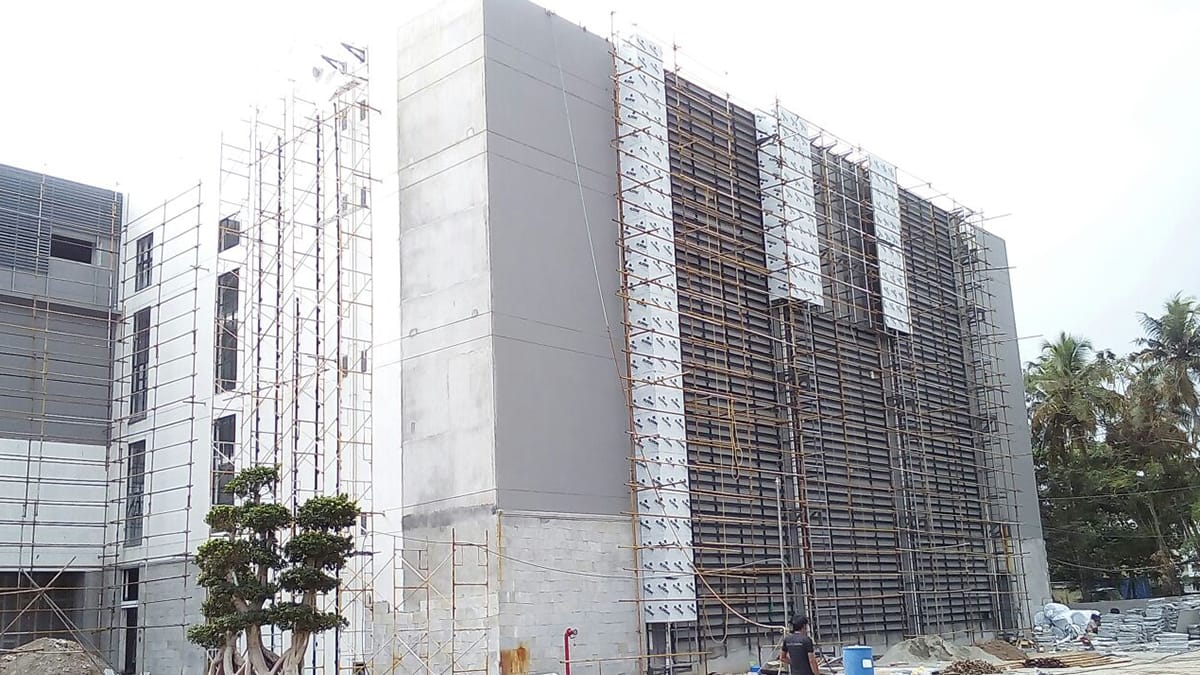
02 Dec Comprehensive Guide to Installing Aluminum Sandwich Panels for Commercial Buildings
You achieve successful aluminum sandwich panels installation by following clear steps. Proper installation strengthens buildings and ensures the safety of occupants. It also contributes to energy efficiency and maintains the integrity of your structure. Diligent work allows you to complete the job more quickly and with fewer mistakes. Always review your work to ensure optimal results.
2026 Update: Quick Answer for Comprehensive Guide to Installing Aluminum Sandwich Panels for Commercial Buildings
Reviewed 29 July 2026. A reliable installation starts with an engineered substrate, coordinated panel layout, controlled joints, suitable fasteners, drainage, ventilation, and allowance for movement. The panel alone does not make a compliant wall system.
- Approve shop drawings, support spacing, joint widths, corners, penetrations, and interfaces before fabrication.
- Use the specified routing, folding, fixing, sealant, and protective-film procedure.
- Keep coating direction and batch information consistent across connected elevations.
- Inspect drainage paths, fastener engagement, sealant adhesion, surface damage, and completed tolerances.
This update keeps the original topic and search intent while making the decision criteria clear at the start. Project-specific engineering, regulations, test evidence, and supplier documentation remain controlling.
Key Takeaways
Installing aluminum sandwich panels the right way makes buildings stronger and safer. It also helps save energy.
Pick the best core material for your panels. Think about how much insulation you need. Make sure it follows local fire safety rules.
Always get the site ready before you start. The base must be clean and smooth. This helps the panels stay in place.
Take care of the panels often. Clean them and check the joints. This helps the panels last longer and stops damage.
Follow safety rules and use good materials. This keeps your project safe and strong. It also makes sure you follow the rules.
What Are Sandwich Wall Panels?
Definition and Structure
Sandwich wall panels are used in many new buildings. These panels have layers that make them strong and help with insulation. Each panel has three main sections. The outside layers are made from aluminum sheets. The middle part, called the core, sits between these sheets. The core gives the panel strength and helps keep heat in or out. Strong glue holds all the layers together.
Here is a table that shows the main parts of sandwich panels:
Component | Description |
|---|---|
Made from tough aluminum alloys. These sheets do not rust and are 0.5mm to 3mm thick. | |
Core Material | Gives the panel its shape and insulation. Common cores are Polyethylene, Polyurethane, PVC, and Mineral Wool. |
Adhesive/Bonding | Strong glue keeps the layers together and makes the panel stiff. |
Sandwich panels are used for walls, roofs, and building fronts. The core material changes how the panel works. Polyethylene is used a lot, but you need to check fire safety rules before using it. Some rules do not allow certain core materials in some buildings.
Benefits for Commercial Buildings
Sandwich panels have many good points for your projects. They are light but still very strong. These panels keep heat and noise out. You can save energy in your buildings. The panels last a long time and do not need much care.
These panels keep heat out and help with insulation. They stay strong even when it is hot.
You spend less money over time. The panels can handle bad weather, like sandstorms, and you do not have to fix them often.
You can use many designs. Sandwich panels work for many looks and uses in buildings.
You can use them for walls, roofs, and building fronts, so they are useful for many projects.
You get strong and long-lasting panels made from aluminum composite panels and other composite panels.
Tip: Always check what the core is made of and follow your local building rules. This helps you get the best results from sandwich panels in your buildings.
Preparation for Aluminum Sandwich Panels Installation
 Site Assessment and Planning
 Site Assessment and Planning
You need to plan before you install aluminum sandwich panels. Good planning helps you not make mistakes. It also saves time. Here are the main steps:
Engineers pick the right panels for the building. They check how strong the building needs to be. They also look at how much insulation is needed. They think about how the building should look.
You pick the core material for the panels. Some cores help save energy. Other cores help protect against fire.
You make sure your plan follows all safety rules.
You should hire workers who know how to install panels. Look for workers with special certificates like NRCA PROCertified® Metal Panel Roof Systems Installer. These workers have at least three years of experience. They have passed tests to show their skills. A skilled foreman should stay at the site during the job. Look at the installation drawings before you start. This helps you know where each panel goes. It also helps you know what tools you need.
Material Handling and Inspection
Be careful when you move and store materials. When the panels arrive, check them for dents or bends. Store the panels flat and off the ground. This keeps them from getting damaged. Always follow the maker’s rules for storage and handling. Check each panel before you put it up. Make sure the panels are not damaged. Make sure they match your order. Check fastener spacing and sealant as you work. Check your work often to find problems early. This helps you finish the project on time.
Tip: Seal the joints well to keep out air and water. This helps your building last longer and work better.
Safety and Compliance
You must follow safety rules when you install aluminum sandwich panels. Many buildings must meet strict fire safety standards. Here are some common standards:
Standard | What It Measures | Typical Threshold |
|---|---|---|
CAN/ULC-S134 | Full-scale wall fire test | Flame height below roof line, limited heat flux |
NFPA 285 | Fire spread in multi-story walls | No spread beyond set limits |
ASTM E119 | Fire resistance over time | 1- to 2-hour ratings for important walls |
Top panel brands meet or beat these standards. Always check local rules before you start. Following these steps keeps your project safe and helps you follow all rules.
Aluminum Sandwich Panels Installation Steps
Tools and Equipment
You need the right tools to install sandwich panels. Special tools help you work faster and make fewer mistakes. Here are the main tools you will need for the job:
Power drill with drill bits
Measuring tape
Chalk line
Circular saw or jigsaw
Screwdriver
Level
Caulking gun
Hammer
Nibbler
Aluminum panels
Screws
Sealant
Backer rod
Foam tape
Z clips or J channels
Corner trim
Tip: Check your tools before you start. Good tools help you work better and finish faster.
Surface and Structure Preparation
You must get the surface ready before you put up the panels. This step helps the panels fit right and last longer. Follow these steps to prepare:
Make sure the base is clean and dry.
Look for bumps or holes on the surface.
Fix or clean the base so it is smooth.
A flat and strong base helps the panels stay in place. Do not skip this step. Good prep work makes your building stronger and saves time later.
Panel Placement and Alignment
Placing and lining up the panels the right way is very important. Always start at the right corner and use the drawings to help you. Here is what you should do:
Line up the panels with the support bars.
Use screws or rivets to hold the panels.
Start at one corner and move across the wall. Make sure each panel is straight and even.
Lift the panels onto the base you made ready.
Line them up with the frame.
Use the right screws and follow the maker’s rules for spacing.
Note: Skilled workers help you avoid mistakes. Careful work makes your building look good and last longer.
Vertical Installation Method
The vertical way works well for many buildings. You start at the bottom and go up, fixing each panel from the top. This way helps you keep the panels straight and makes the job easier. Follow these steps:
Start at the bottom corner of the wall.
Put the first panel up and make it stand tall.
Use a level to check if it is straight.
Fasten the top, then the sides and bottom.
Keep going up, making sure joints overlap to stop water.
Vertical panels give strong support and look neat. Always check the drawings for where to put each panel.
Horizontal Installation Method
You can also put the panels on sideways. This way is good for some building styles and can be faster. Here is how you do it:
Begin at the bottom edge of the wall.
Place the first panel sideways, lined up with the frame.
Use a level to check if it is straight.
Fasten the top edge, then the sides and bottom.
Keep going across the wall, overlapping the joints.
Horizontal panels go up quickly and are good for big walls. Always follow the maker’s rules and the drawings.
Fastening and Joint Sealing
Fastening and sealing the joints keeps the panels safe from wind and rain. You need to use the right ways to stop leaks. The table below shows what you need to know:
Aspect | Details |
|---|---|
Joints that lock together, like tongue-and-groove, stop leaks. Use sealants and gaskets to keep out water and air. | |
Fastening Systems | Hidden or visible fasteners are used. Hidden fasteners make the wall look better and stop leaks. Fasteners must match wind needs and maker’s rules. |
Always seal the joints well. Use good sealant and foam tape to keep out water and wind. Good fastening keeps the panels in place for a long time.
Final Checks and Finishing
After you finish, you need to check your work and do the last steps. These checks help you make sure your work is good and safe. The table below shows what to do:
Step | Description |
|---|---|
1 | Check the raw materials when they arrive to make sure they are right. |
2 | Test during making to see if each step works. |
3 | Test the finished product to meet world standards before sending it out. |
4 | Look for problems or mistakes before sending the panels out. |
You should also look at the aluminum for size and straightness. Test the PE for water and weight. Check the membrane for width and thickness. Paint samples should be tested for hardness and stickiness.
Tip: Careful checks at the end help you avoid fixing mistakes later and make sure your building is safe and strong.
Common Issues and Solutions in Commercial Projects
Alignment and Leveling Problems
 Alignment and Leveling Problems
Sometimes, sandwich panels do not line up right. This can make buildings look bad or weak. You should check the wall frame for bends or soft spots before you start. Use tools like lasers or string to help keep things straight. Always follow what the manufacturer says. Check your work often to catch mistakes early. The table below shows ways to fix these problems:
Solution | Description |
|---|---|
Check for Bends | Look at the wall frame and fix weak spots before you start. |
Use Leveling Tools | Use levels, lasers, or string to keep panels straight. |
Hire Experienced Professionals | Get skilled workers to install the panels the right way. |
Align Structural Components | Make sure all parts fit together as they should. |
Use Appropriate Hardware | Use the right fasteners and let panels move if needed. |
Regular Inspections | Check panels after you put them up to find problems early. |
Panel Damage and Replacement
Sandwich panels can get scratched or dented when you move or install them. Small marks do not need fixing if the coating is not broken. For scratches, use touch-up paint to cover them. Big dents or holes need more work. You can patch the spot, put a new skin on, or change the panel. Here are the steps for replacing a panel:
Look at the damage and decide if you need to fix or change it.
Patch or cover big dents.
Change the panel if it is badly damaged.
Tip: Be gentle with sandwich panels. Do not leave them in the sun or near water. Do not stack too many or put them on a sloped floor, or they might get damaged.
Weather and Environmental Factors
Weather can change how sandwich panels work in buildings. Strong winds mean you need tough panels. Heavy rain means you need panels that keep water out. Very hot or cold weather needs panels that keep heat in or out. If you are near the ocean or in a wet place, use panels that do not rust. The table below shows how weather changes what panels you should use:
Environmental Factor | Impact on Panel Selection |
|---|---|
High Winds | Pick panels that are strong and can handle bad weather. |
Heavy Rainfall | Use panels that keep water out. |
Extreme Temperatures | Choose panels that keep heat in or out well. |
Coastal or Humid Regions | Use panels that do not rust easily. |
Thermal Expansion Considerations
Thermal insulation helps buildings, but you must think about thermal expansion. Aluminum sandwich panels get bigger or smaller when it gets hot or cold. Use hardware that lets the panels move a little. Always follow the manufacturer’s rules to stop problems. Check the panels often to find issues early. Good planning and the right materials keep your building safe and strong.
Note: Some insulation can catch fire. Always pick panels that meet fire safety rules for commercial buildings.
Best Practices for Commercial Buildings
Maintenance Tips
You can make sandwich panels last longer with regular care. Clean the panels two times each year. Use mild soap and warm water. Use a soft sponge or cloth so you do not scratch them. Check the joints and sealants every six months. If you see cracks or gaps, add more sealant. Mark areas where heavy equipment moves to stop dents. Fix any damage on the surface right away. Look for rust near the edges and use anti-rust primer if needed. Keep gutters and downspouts clean so water does not build up. Check the fasteners once a year and change any that are worn out.
Wash panels with gentle soap and warm water.
Check joints and sealants every six months.
Mark movement zones to stop damage.
Watch for rust and treat it if you see it.
Keep drainage and air systems working well.
Make sure fasteners are tight and replace old ones.
These steps help keep sandwich panels working well. They help with insulation and save energy in prefabricated buildings.
Ensuring Safety and Quality
You need to think about safety and quality when you put in sandwich panels. Pick suppliers with good quality certificates like ISO, CE, or SGS. Ask for test reports and check how long the material is guaranteed. Look for after-sales service promises. Test panels by gently bending the corners to see if they hold up. Make sure the panels stay strong against wind and hits. Use different tests to check how the panels work. Do a 4-point bending test to see how much they bend under stress. Think about temperature and how long the panels will hold weight.
Testing Method | Description |
|---|---|
Deformation Resistance Test | Bend corners or press to check strength. |
Structural Stability Test | Make sure panels stand up to wind and impact. |
These steps help keep sandwich panels strong and good at insulation in prefabricated buildings.
Efficient Project Management
Good project management helps commercial jobs with sandwich panels go well. Plan each step before you begin. Look at the drawings and schedules. Give jobs to skilled workers. Watch progress every day and fix problems fast. Talk with your team so you do not get behind. Write down checks and repairs. Use prefabricated buildings to make installation faster and easier. Regular checks help keep sandwich panels working well. They save energy and last a long time in all kinds of buildings.
Tip: Careful planning and teamwork help you finish on time and keep buildings safe.
You can install aluminum sandwich panels safely if you follow these steps: First, lift the panel carefully and put it in place. Next, make sure each panel is tight and lined up right. Then, seal the joints so air and water cannot get in. Last, check if everything is straight and do a final look.
Good planning and skilled workers help stop leaks and rust. Paying attention to details saves money on repairs. If you follow these tips, your building will stay strong and save energy for many years.
FAQ
How do you choose the right aluminum sandwich panel for your building?
You should look at the building’s needs for strength, insulation, and fire safety. Check local codes. Ask for test reports from the supplier. Pick a panel that matches your project’s design and climate.
Can you install aluminum sandwich panels in rainy weather?
You should avoid installing panels during rain. Wet surfaces can cause poor sealing and damage. Wait for dry weather to keep panels safe and joints tight.
What is the best way to clean aluminum sandwich panels?
Use mild soap and warm water. Wipe with a soft cloth or sponge. Do not use harsh chemicals or rough brushes. Clean panels twice a year for best results.
How do you fix a loose panel after installation?
Check the fasteners first. Tighten any loose screws. If the panel still moves, replace damaged hardware. Seal the joints again to keep water out.
Do aluminum sandwich panels help save energy?
Yes. These panels have insulation in the core. You keep heat out in summer and keep warmth in during winter. This helps lower energy bills.