

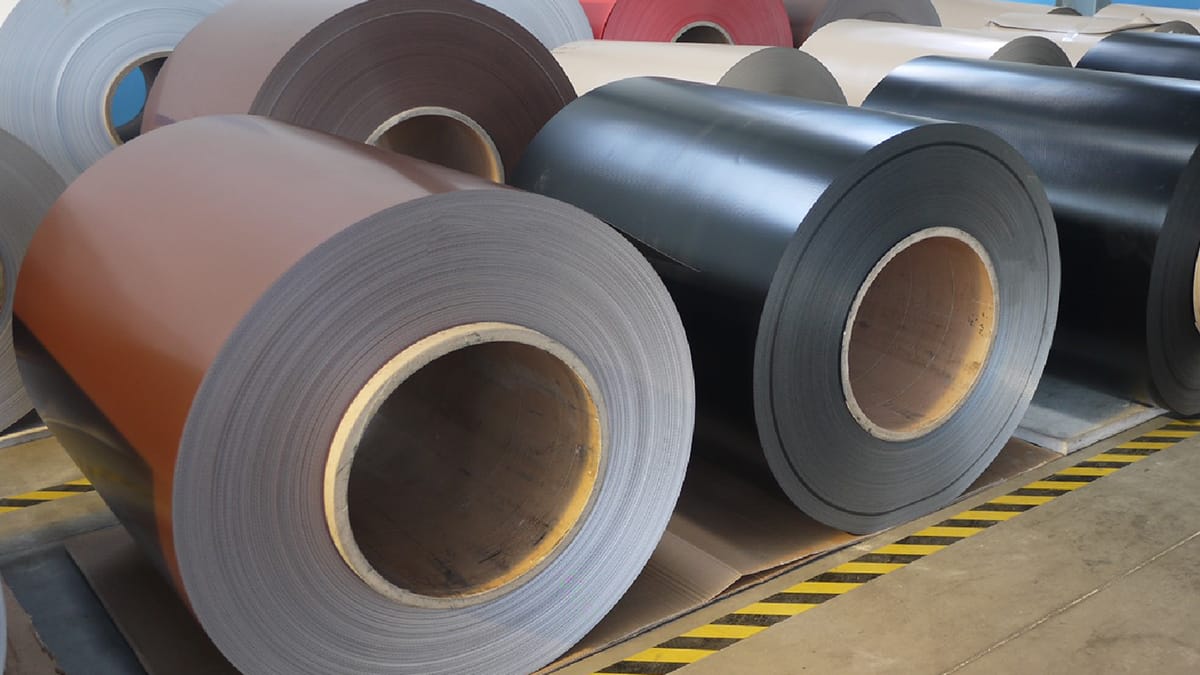
15 Dec What Are the Structural Properties of Aluminum Sandwich Panels
Aluminum sandwich panels are known for their strong yet lightweight structural properties, making them a popular choice in various applications. They have a long lifespan and are effective at retaining heat while blocking fire and water. The design resembles an I-beam, where the outer aluminum layer supports most of the weight, while the core contributes to the panel’s stability without adding significant weight. Some panels feature special films or colors, and others come with different core shapes. These structural properties of aluminum sandwich panels enhance their functionality across multiple uses. Their popularity is on the rise, with applications in building walls, vehicles, and advertising.
Application Type | Examples |
|---|---|
Building Facades | Wall facade, siding, cladding |
Interior Applications | Wall partitioning, false ceilings, wall decoration, kitchen decoration |
Transportation | Lightweight vehicles, rail transportation |
Advertising | Advertisement panels, road signs |
Key Takeaways
Aluminum sandwich panels are strong but not heavy. This makes them good for buildings, cars, and signs.
These panels are strong for their weight. This is very important in planes and trains. Saving weight matters a lot in these fields.
These panels last a long time. Special coatings help them last 25 to 50 years. The coatings stop rust and damage from bad weather.
Aluminum sandwich panels keep heat and sound out. This helps save energy and makes places quieter.
The inside part of the panels helps them take hits. This makes them good for safety in cars and planes.
Key Structural Properties of Aluminum Sandwich Panels
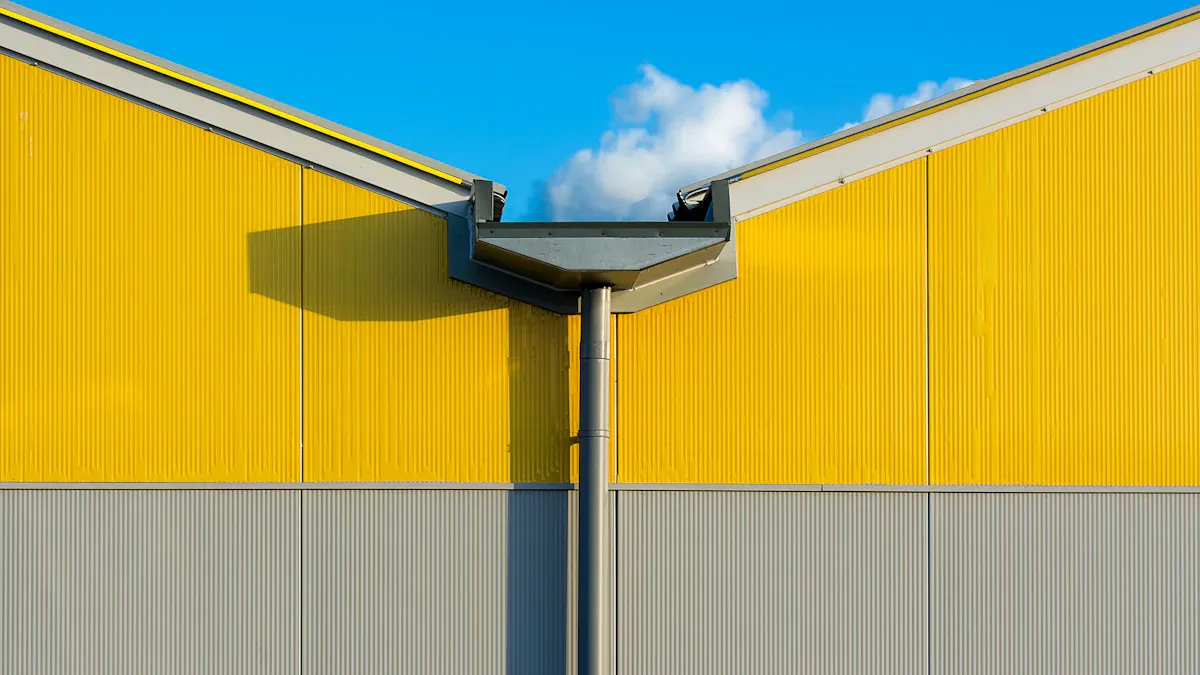
Aluminum sandwich panels are special because they are strong and light. These panels mix strength, durability, and flexibility in a unique way. The design is like an I-beam. The outside layers hold most of the weight. The core keeps the panel steady and stops it from bending. This makes the panel light but also strong. That is why people use them in many places.
Strength-to-Weight Ratio
One important property is the strength-to-weight ratio. Aluminum is not heavy, so the panels are strong but light. This helps when weight is important, like in cars or planes.
Aluminum sandwich panels have a better strength-to-weight ratio than solid aluminum or steel.
You can use them where saving weight is very important, like in aerospace and transportation.
Material | Strength-to-Weight Ratio | Application Areas |
|---|---|---|
Aluminum Sandwich Panels | High | Aerospace, Marine, Automotive |
Solid Aluminum | Moderate | General Construction |
Steel | Lower | Heavy Construction |
These panels are a top pick for projects that need to be strong and light. The I-beam idea shows how the layers and core work together. They stop bending and help carry weight. You use less material but still get great results.
Durability and Protective Coatings
Durability is another important property. Aluminum sandwich panels last a long time, even in tough weather. The outside layers do not rust or corrode easily. Special coatings make them even stronger.
Anodizing helps stop corrosion and lets you pick colors.
Powder coating gives a hard finish and many color choices.
Chromate conversion coating helps other coatings stick and adds protection.
E-coating covers the panel evenly and sticks well.
Thermal spraying protects the panel in very tough conditions.
PVD coating adds a hard, nice-looking finish.
Silicon coating resists heat and keeps electricity away.
Fluoropolymer coatings make the surface non-stick and safe from chemicals.
Marine coatings protect panels near saltwater.
With these coatings, panels can last 25 to 50 years outside. The coatings protect from sun, salt, and pollution. You do not need to worry about the panels wearing out fast.
Feature | Description |
|---|---|
Aesthetic Appeal | Color coating makes the panels look nice and improves building design. |
Durability | The coating and film help the panels last longer and resist damage. |
Environmental Protection | Protective films keep the panels safe from weather and help them stay strong. |
A protective film also keeps the panel safe when you install it. This helps the panel stay good and work well for a long time.
Dimensional Stability
Dimensional stability means the panel keeps its shape. It does not change when the weather or humidity changes. The aluminum layers and core work together to stop warping or swelling.
Property | Description |
|---|---|
Corrosion Resistance | Aluminum oxide layer protects the panel |
Waterproof | Surface does not let water in |
Temperature Stability | Panel does not expand or shrink much |
Maintenance | Easy to clean and does not need much care |
These panels do not change size much, so they stay strong and in place. This makes them good for buildings, cars, and other things that face different weather. You can clean them easily, which saves time and work.
Tip: Aluminum sandwich panels let you pick from many finishes, colors, and patterns. You can make your project look just how you want, with bright colors, sharp edges, or cool designs.
Aluminum sandwich panels are a smart choice for many uses. They give you strength, durability, and stability in a light and flexible panel.
Insulation and Resistance Features
 Thermal Insulation
 Thermal Insulation
Aluminum foam sandwich panels give great insulation. The foam core inside stops heat from leaving. This helps save energy in buildings and cars. The R-value shows how well something blocks heat. A 6-inch foam core can reach an R-value of 48. This is much better than regular materials.
R-value goes from 7 to 48, based on foam thickness.
A 6-inch foam core gives the best insulation.
The kind of core changes how well the panel insulates. Look at how different cores work:
Core Material Type | Thermal Conductivity Reduction | Energy Absorption Improvement |
|---|---|---|
Type 3 | 49.02% | |
Hybrid Sandwich | Better thermal insulation | Stronger load support |
Acoustic Insulation
Aluminum foam sandwich panels help block noise and shaking. You can use these panels in quiet places like schools or offices. The honeycomb core absorbs sound and energy from hits. This makes rooms more calm and comfy.
Honeycomb panels lower noise and shaking.
You get good heat insulation and strong energy absorption.
The core design makes the panel stiff and strong.
Fire Resistance
Aluminum foam sandwich panels help keep you safe from fire. These panels pass tough fire safety tests. Aluminum composite panels have ratings like EN 13501-1, ASTM E119, and BS 8414. These tests check how well panels stop flames, smoke, and heat.
Tip: Fire safety depends on fire load, building methods, and core materials. Always look at the rating before picking a panel.
Factor | Description |
|---|---|
Fire Load | |
Construction Practices | Good building stops fire from spreading. |
Materials Used | The kind of insulation changes how fire acts. |
Water and Corrosion Resistance
Aluminum foam sandwich panels protect from water and rust. Aluminum composite panels use special films and coatings to stop corrosion. These layers keep water, sun, and chemicals away from the metal. Tedlar® film shows no damage after 50 years. Alumoxane film makes a tight, water-proof layer on aluminum.
Test Type | Result Description |
|---|---|
Accelerated Corrosion Testing | Panels last up to 240 hours in salt spray tests. |
Mechanical Property Impact | Rusty panels lose strength and stiffness. |
Tensile Strength Reduction | 41% less strength after two weeks in a corrosive place. |
Comparison with Nomex Specimens | Nomex panels lose less strength, so corrosion hurts aluminum more. |
Special layers stop rust and corrosion.
Aluminum composite panels stand up to water, sun, and tough places.
Core Design and Impact Performance
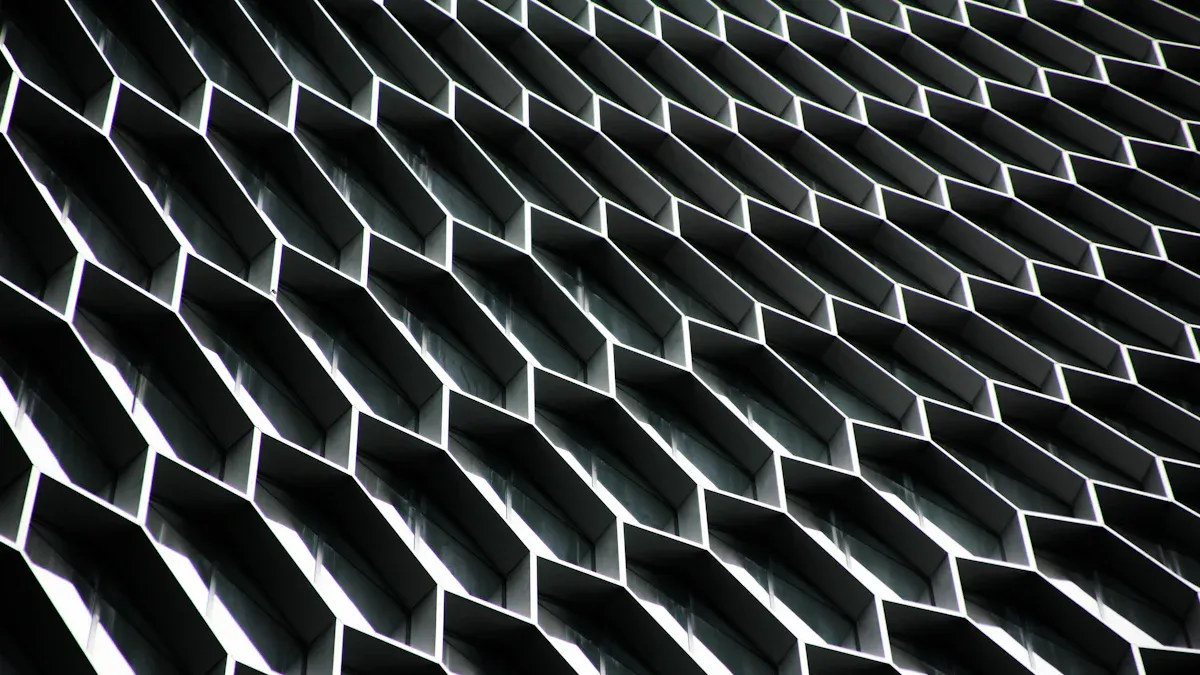
Core Materials and Structure
You can pick from many core materials for aluminum sandwich panels. Each core changes how the panel works and how strong it is. The most common cores are polyethylene, polyurethane, polyvinyl chloride, mineral wool, aramid paper, thermoplastics, aluminum, and steel. These materials help with insulation, strength, or fire resistance.
Core Material | Properties |
|---|---|
Polyethylene (PE) | Lightweight, low cost, good at keeping heat in. |
Polyurethane (PU) | Great for keeping heat in and blocking sound. |
Polyvinyl Chloride (PVC) | Keeps heat in and resists fire. |
Mineral Wool | Stops fire, blocks sound, keeps heat in. |
Aramid Paper | Used in honeycomb cores, strong and keeps heat in. |
Thermoplastics | Good at keeping heat in, absorbs energy, keeps water out. |
Aluminum | Best for strength and weight, moves heat well, not expensive. |
Steel | Moves heat well, blocks electromagnetic waves, resists heat. |
Honeycomb cores give the best strength for their weight. Polyurethane foam cores help keep heat in and save energy. Aluminum foams are good at spreading force when hit. If you need protection, honeycomb cores can help stop bullets and take in impacts.
Tip: The shape and thickness of the core can change how well the panel stops damage. Thicker cores and sheets usually make the panel stronger.
Impact Resistance
Aluminum sandwich panels are good at taking hits. You can use them where you need to stop damage from crashes or bumps. Studies show that aluminum foam sandwich panels with stainless steel sheets can take in almost all the energy from a hit. If you hit the panel harder, it takes in more energy. Thicker foam and outer sheets help the panel take in more force and protect better.
Aluminum foam sandwich panels take in a lot of energy from hits.
Thicker foam and sheets help the panel take in more energy.
Honeycomb cores help stop dents and cracks.
Solid aluminum sheets are better at stopping damage than composite panels. Composite panels are strong but can break more easily if hit very hard.
Crashworthiness
Crashworthiness means how well a panel keeps you safe in a crash. You want panels that take in energy and protect people. Aluminum sandwich panels go through tests to check how safe they are in crashes. These tests start with small pieces and then use bigger panels. In cars and planes, safety rules like FMVSS 200 Series make sure panels protect people in accidents.
Crash tests check how much energy a panel can take in.
A sandwich panel with a special fabric core took in 3.53 joules of energy in a bending test.
Foam cores help spread out force and stop injuries.
You should pick panels that meet safety rules if you need them for cars or planes. Aluminum sandwich panels give strong protection and take in energy well during crashes.
When you pick aluminum sandwich panels, you get many good things. These panels can cover big areas without much support. They make buildings and vehicles strong and steady. People use them in cold storage to save energy and keep things safe. New ideas use eco-friendly materials and smart sensors. Custom designs are also popular now. As technology gets better, these panels will have even more uses.
FAQ
What makes aluminum sandwich panels different from solid panels?
Aluminum sandwich panels are strong but not heavy. The core makes the panel lighter and keeps heat in. The outside aluminum sheets protect the panel and make it last longer. This design is better for many jobs than solid panels.
Can you use aluminum sandwich panels outdoors?
Yes, you can use these panels outside. Special coatings and films help them stand up to rain, sun, and weather. You do not have to worry about rust or color fading.
How do you clean aluminum sandwich panels?
You can wash the panels with gentle soap and water. Use a soft sponge or cloth to wipe them. Do not use rough tools or strong cleaners. This helps your panels stay nice.
Are aluminum sandwich panels fire resistant?
Many panels can resist fire. Always check the fire rating before you buy. Some panels have special cores that help stop fire from spreading.