
04 Feb Choosing Between PVDF and PE Aluminum Composite Panels for Your Project
If you鈥檙e deciding between a pvdf aluminum composite panel VS PE aluminum composite panel, consider where you鈥檒l use it. For outdoor applications, a PVDF ACP panel is the best choice because it maintains its color and gloss for over 20 years, even in harsh weather conditions. On the other hand, PE-coated panels are more suitable for indoor use or short-term projects where saving money is a priority. The main difference between pvdf aluminum composite panel VS PE aluminum composite panel lies in their coatings: PVDF coatings protect against UV rays and preserve color, while PE coatings are ideal indoors but may fade when exposed to sunlight. Many builders choose aluminum composite panels for their affordability and versatility. PVDF ACP panel options currently hold 45.3% of the market share for exterior panels due to their superior durability and attractive appearance.
2026 Update: Quick Answer for Choosing Between PVDF and PE Aluminum Composite Panels for Your Project
Reviewed 29 July 2026. The useful answer is not a universal winner. The right option depends on exposure, fire requirements, panel construction, finish, fabrication, support system, maintenance, budget, and the evidence required by the project.
- Compare products against one written project specification.
- Separate total panel thickness from aluminum skin thickness and core type.
- Check coating and finish suitability for the actual exposure.
- Confirm test reports, warranty scope, fabrication, packing, and delivery basis before comparing price.
This update keeps the original topic and search intent while making the decision criteria clear at the start. Project-specific engineering, regulations, test evidence, and supplier documentation remain controlling.
Key Takeaways
Pick PVDF panels if your project is outside. They can handle bad weather. Their color stays bright. They last more than 20 years.
Use PE panels for inside jobs or short projects. They cost less money. You can put them up easily.
Know that PVDF panels are stronger than PE panels. PVDF panels also block UV rays better.
Think about how much you will spend later. PVDF panels cost more at first. But you do not need to fix them often.
Always look at fire safety ratings for PE panels. Some PE panels are not safe for outside use.
PVDF Aluminum Composite Panel vs PE Aluminum Composite Panel
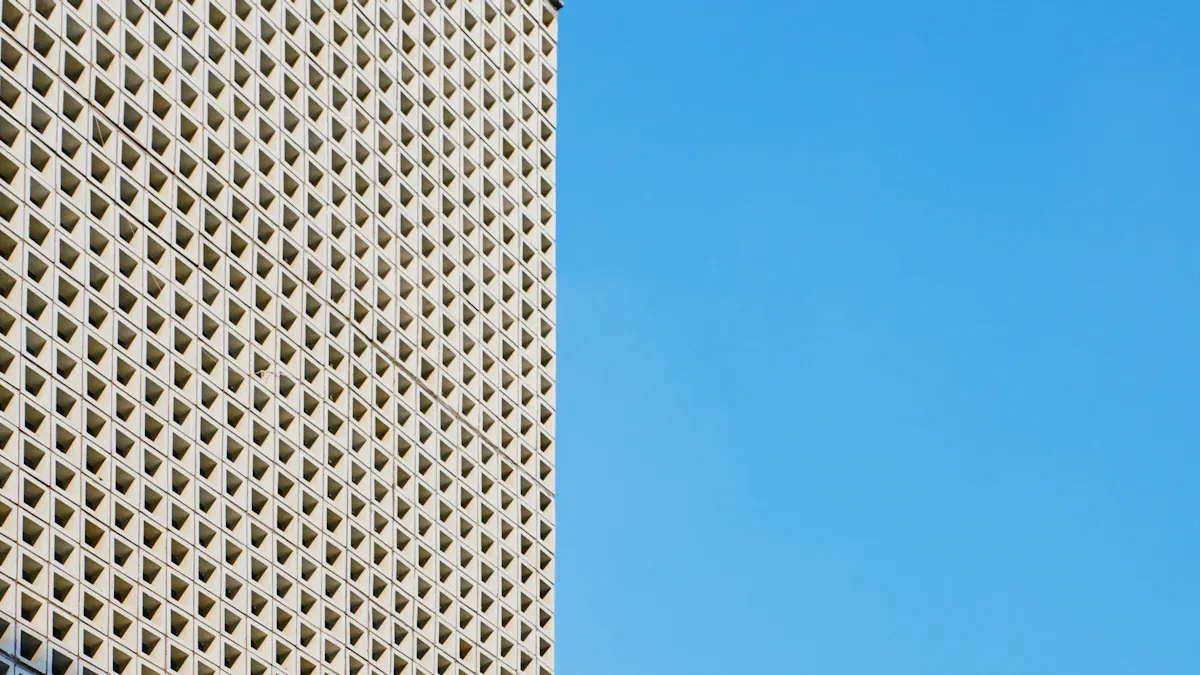
When you look at pvdf aluminum composite panel vs pe aluminum composite panel, you see two common choices for buildings. Both use aluminum composite panels, but their coatings make them work differently. It is important to learn how pvdf-coated aluminum and pe-coated aluminum work before picking one for your project.
PVDF Coating Features
PVDF-coated aluminum gives strong protection and keeps its look for a long time. The pvdf coating uses polyvinylidene fluoride resin. This makes pvdf aluminum composite panel vs pe aluminum composite panel better for outdoor use. You get great weather resistance, strong durability, and colors that last. PVDF-coated aluminum can handle sunlight, rain, and snow without losing shine or strength. The pvdf coating also stops scratches and dents, so your building looks new for years.
Here is a table that shows the chemical and physical properties of pvdf-coated aluminum:
Property | Description |
|---|---|
Mechanical Strength | PVDF keeps its mechanical strength for many years outside. It ranks high in tensile strength, flexural stress, and impact strength. |
Heat Resistance | It can handle temperatures from 鈭?0 to +140 掳C. It is very durable among fluorine-containing polymers. |
Eco-friendliness | PVDF is not toxic, can be recycled, and does not make harmful fumes when melted. |
Microbial Resistance | The polymer does not let many microorganisms stick to it. This makes it good for medical and food storage uses. |
Fire Resistance | It is hard to burn and melts slowly with little smoke. |
Processing Ease | PVDF can be shaped easily by extrusion and injection molding. |
Durability | Products last over 50 years and keep their properties. |
Chemical Resistance | It resists most strong liquids, like acids and bases, even at high temperatures. |
You can count on pvdf-coated aluminum to last many years. The pvdf coating keeps your building safe and looking nice, even in tough weather.
PE Coating Features
PE-coated aluminum uses polyethylene as its main coating. When you compare pvdf aluminum composite panel vs pe aluminum composite panel, you see pe coating works best inside or for short projects. PE-coated aluminum bends easily and is simple to shape, which helps with putting it in place. The pe coating gives good protection from rust and helps with insulation, but it does not block UV rays as well as pvdf-coated aluminum.
Here is a table that shows the chemical and physical properties of pe-coated aluminum:
Property | Description |
|---|---|
Composition | Polyethylene (PE) is a high molecular organic compound made from ethylene. |
Density | Low molecular weight: 0.92 g/cm鲁; High molecular weight: 0.92 – 0.96 g/cm鲁. |
Solubility | It does not dissolve in water. It dissolves a little in some solvents at high temperatures. |
Thermal Properties | It melts and takes in heat when it gets warmer. It hardens and gives off heat when it cools. |
Corrosion Resistance | It has good protection from rust and insulates well. |
Water Absorption | It does not soak up much water, so it works well for building materials. |
Mechanical Strength | High-density polyethylene is hard and strong, good for containers and pipes. |
Applications | It is used in walls, floors, heat storage, and insulation. |
PE-coated aluminum is a cheaper choice for indoor areas. The pe coating works well for walls, ceilings, and room dividers where weather is not a big problem.
Key Material Differences
When you look at pvdf aluminum composite panel vs pe aluminum composite panel, you see big differences in how they are made and how they work. Both have a polyethylene core, but their coatings make them different.
Feature | PVDF Aluminum Composite Panel | PE Aluminum Composite Panel |
|---|---|---|
Core Material | Polyethylene | Polyethylene |
Coating | PVDF (polyvinylidene fluoride) resin coating | PE coating |
Weather Resistance | Great protection from weather | Medium protection from weather |
Durability | Very durable because of corrosion-resistant aluminum | Medium durability |
It is important to know how pvdf-coated aluminum and pe-coated aluminum work in real life. PVDF-coated aluminum gives you:
Very strong and resists scratches and dents.
Great protection from weather like sun, rain, and snow.
Colors that stay bright for many years.
PE-coated aluminum gives you:
Easy to bend and install.
Good protection from rust for indoor use.
Lower price, which helps save money.
Tip: If you want your building to look nice and last a long time outside, pick pvdf-coated aluminum. If you need something quick and cheap for inside, pe-coated aluminum is a good choice.
When you think about pe vs pvdf, remember pvdf aluminum composite panel vs pe aluminum composite panel is not just about cost. You should think about how long it lasts, how well it handles weather, and how it keeps its color. PVDF-coated aluminum is best for outside projects, while pe-coated aluminum works well inside.
PE vs PVDF: Durability and Weather Resistance
 PVDF Coating Durability
 PVDF Coating Durability
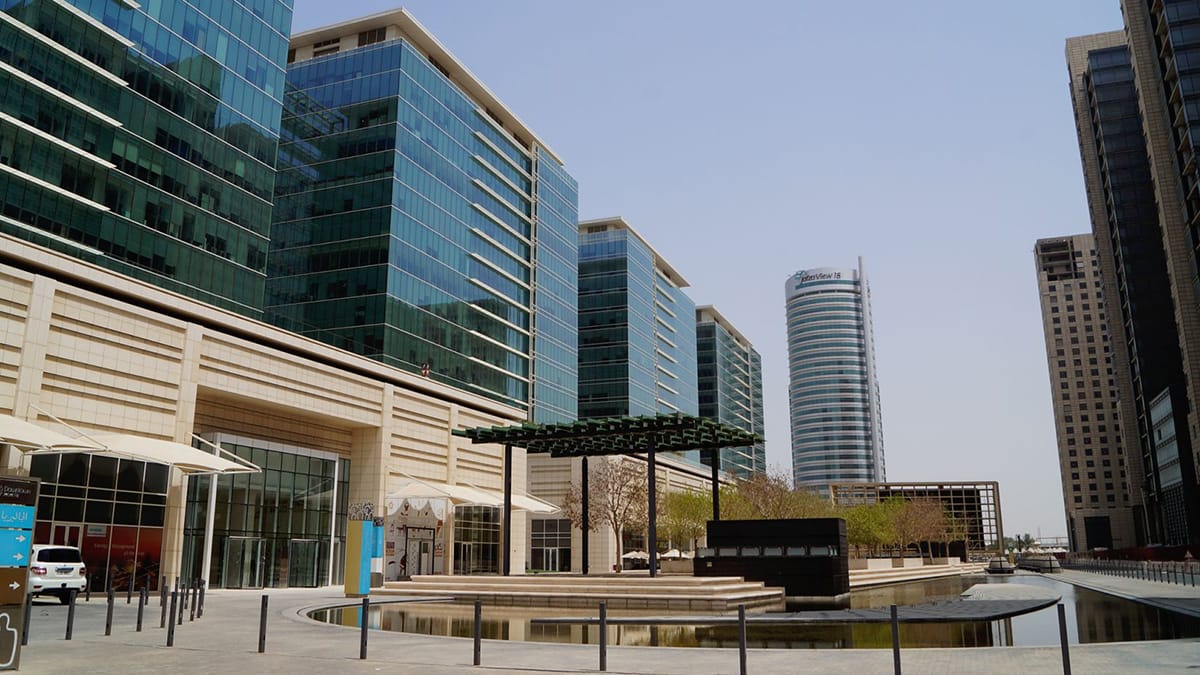
If you pick pvdf aluminum composite panels, you get strong panels. The pvdf coating makes them last a long time. These panels protect your building for many years. The coating stops scratches and dents. PVDF panels keep their shape and color for years. Most pvdf panels last 15 to 20 years outside. They work best away from saltwater and very hot places. PVDF panels are good for homes and businesses. The pvdf layer resists chemicals like acids and bases. PVDF panels do not break down easily. They also resist pollution and wear. This helps your building look new for longer.
Tip: PVDF aluminum composite panels are best for outdoor projects. They last long and resist chemicals very well.
PE Coating Durability
You can use pe aluminum composite panels inside buildings. They are good for short projects too. The pe coating gives enough durability for these uses. PE panels work well in coastal areas and places with lots of moisture. The core material stops rust. Two aluminum sheets cover the core. PE panels resist wear and pollution. The pe coating also protects against chemicals. But it is not as strong as pvdf. PE panels bend easily, so they are simple to install. They are good for walls, ceilings, and room dividers. PE panels cost less, so they are good for small budgets.
PE panels are best for indoor use or mild weather.
They resist rust and moisture well.
The chemical resistance helps with cleaning agents.
Weather Resistance Comparison
Think about weather resistance when choosing panels. PVDF panels have great weather resistance. They stand up to heavy rain, strong sun, and cold. The pvdf coating blocks water and UV rays. PVDF panels do not fade or crack. They keep their color and shine for many years. PVDF panels also resist chemicals in tough places.
PE panels have good weather resistance too. They work well in humid and coastal areas. PE panels resist rust and moisture. The pe coating protects against pollution and heat. PE panels are good for places with less sunlight. The chemical resistance helps pe panels last indoors.
Here is a table to compare weather resistance and durability:
Feature | PVDF Aluminum Composite Panels | PE Aluminum Composite Panels |
|---|---|---|
Durability | 15鈥?0 years outdoors | Good for indoor use |
Weather Resistance | Excellent in extreme conditions | Good in humid/coastal areas |
Chemical Resistance | Very strong | Good |
UV Resistance | High | Medium |
Moisture Resistance | High | High |
Note: PVDF panels are best for outdoor projects. They last long and resist weather very well. PE panels are good for indoor spaces or places with lots of moisture.
Pick the panel that fits your project. PVDF aluminum composite panels give strong protection and resist chemicals. PE aluminum composite panels are good for indoor use and mild weather.
Color Retention and Appearance
PVDF Coating Color Stability
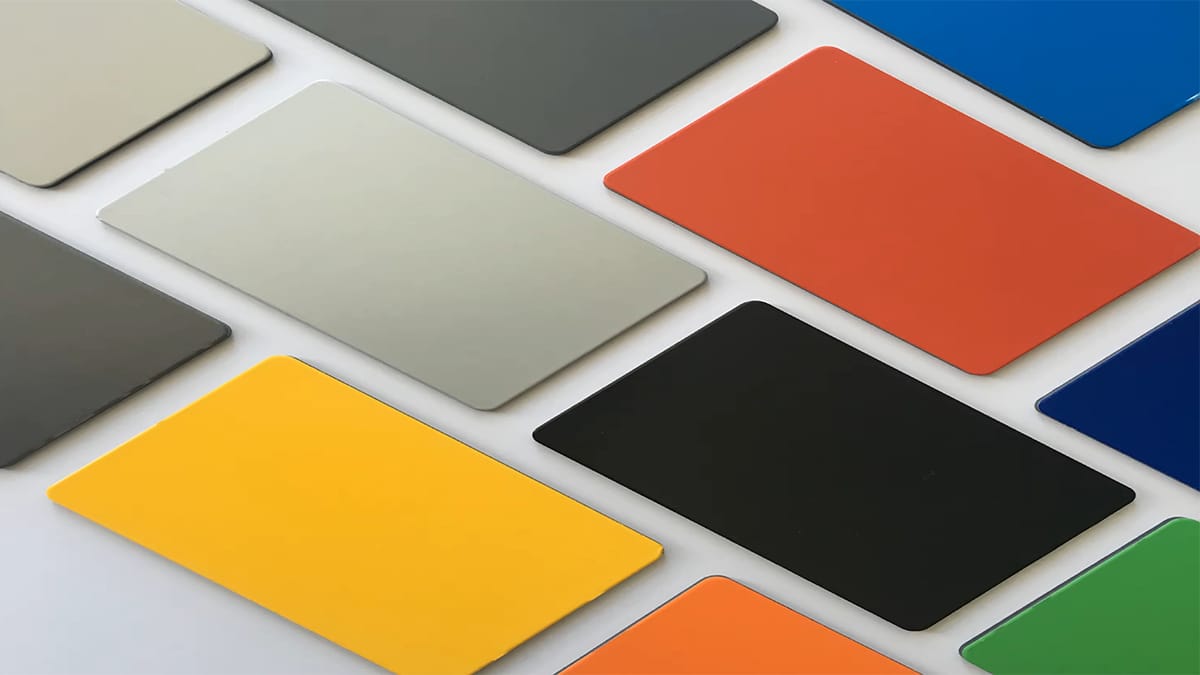 PVDF Coating Color Stability
When you choose pvdf aluminum composite panels, you get excellent color retention. The pvdf coating uses a special resin that protects the surface from sunlight and rain. This means your building keeps its bright colors for many years. You see less fading and less chalking. The pvdf layer blocks UV rays, so the panels stay glossy and fresh. Many architects trust pvdf for outdoor projects because it offers long-term durability and strong color retention. If you want your building to look new for a long time, pvdf is the best choice.
Tip: PVDF coatings help you avoid repainting or replacing panels often. You save money and time.
PE Coating Color Fading
PE aluminum composite panels work well indoors. The pe coating does not protect against sunlight as much as pvdf. If you use pe panels outside, you notice fading and loss of gloss after a few years. The pe layer cannot block UV rays like pvdf. You see color changes faster, especially in bright or sunny places. For indoor walls or ceilings, pe panels keep their color better because they do not face harsh weather. If you want to save money and use panels inside, pe is a good option.
Here is a table to compare color retention:
Feature | PVDF Aluminum Composite Panels | PE Aluminum Composite Panels |
|---|---|---|
Color Retention | Excellent | Moderate |
UV Protection | High | Low |
Fading Rate | Very Slow | Faster |
Best Use | Outdoor | Indoor |
Long-Term Aesthetics
You want your building to look good for many years. PVDF aluminum composite panels give you strong color retention and long-term durability. The pvdf coating keeps the surface smooth and shiny. You see fewer scratches and less fading. PE panels offer good looks indoors, but they do not match pvdf for outdoor use. If you care about appearance and durability, pvdf is the better choice. For short-term projects or indoor spaces, pe panels give you a nice finish at a lower cost.
Note: PVDF panels help you keep your building beautiful and strong. PE panels work best where sunlight and weather do not cause damage.
Cost and Value
Initial Cost Comparison
You want to know how much you will pay for panels. Comparing pvdf and pe panels helps you plan your budget. PVDF panels cost more at first because they have a special coating. They also work better and last longer. PE panels cost less when you buy them. This makes them good for short projects or indoor use. Here is a table that shows the price per square meter:
Panel Type | Cost Range (per sq. meter) |
|---|---|
Standard PE Core | $20 鈥?$35 |
Fire-Retardant | $35 鈥?$60 |
PVDF panels are usually in the higher price range. This is because they last longer and work better. You pay more at the start, but you get better results.
Maintenance and Longevity
Think about how much work and money you need to keep your panels nice. Cleaning stops dust and mold from building up. If a panel gets damaged, fixing it can be hard and may change how it looks. PVDF panels need less care because their coating protects them from weather and dirt. PE panels need more cleaning, especially outside. Most panels come with warranties. PVDF panels can have warranties up to 30 years. PE panels usually have shorter warranties.
PVDF panels block UV rays, weather, and dirt, so you spend less on care.
PE panels need more cleaning and fixing, which costs more over time.
Both types are light, so they are easy to put in and safe during earthquakes.
Note: PVDF panels last longer and keep working well. You get more for your money with pvdf, especially outside.
Budget Considerations
Pick panels that fit your budget and project needs. PE panels are good if you have a small budget or need them for a short time. PVDF panels cost more at first, but you save money later because they last longer and need less care. Here is a quick cost comparison:
Panel Type | Initial Cost | Long-term Cost | Durability | Maintenance Needs |
|---|---|---|---|---|
PVDF | Higher | Lower | More durable | Minimal upkeep |
PE | Lower | Higher | Less durable | Higher maintenance |
PE panels help you save money now, but you might pay more later for cleaning and repairs.
PVDF panels give you better value over time. They work well and last long, so they are smart for outside use.
If you want to save money and get strong panels, pvdf panels are best for long projects.
Tip: PVDF aluminum composite panels bounce sunlight away and help keep buildings cool. This lowers energy bills and helps the environment. You get great value and strong panels with pvdf.
Application Suitability
Exterior Use: PVDF Advantages
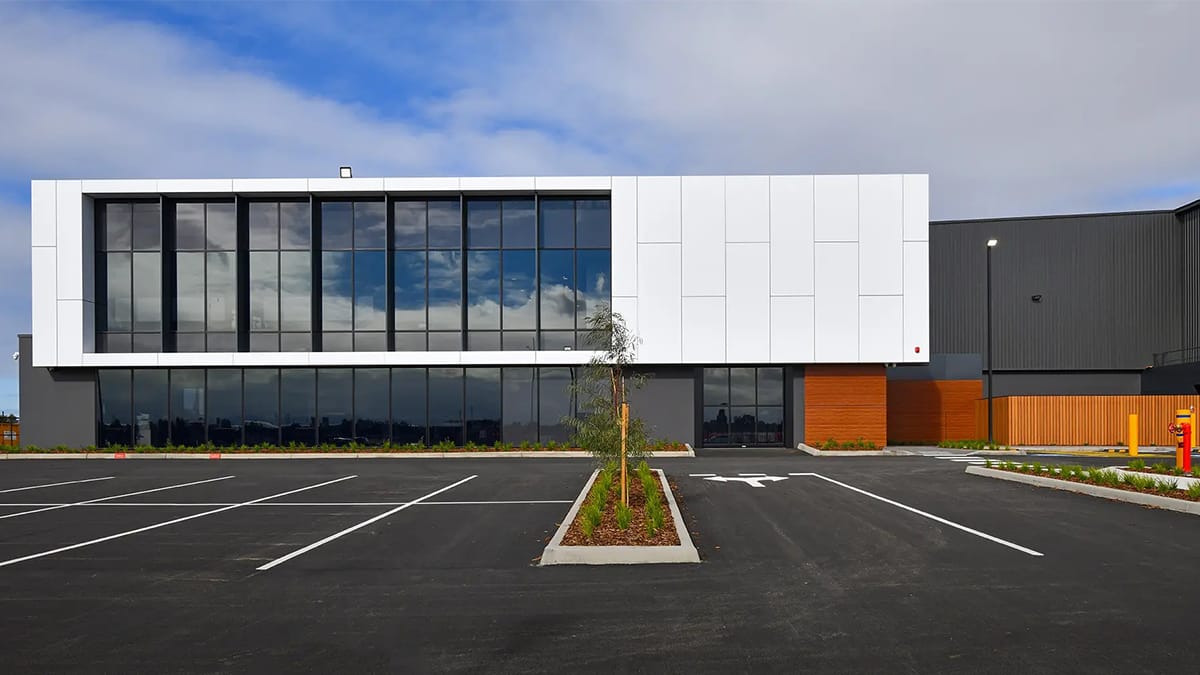 Exterior Use: PVDF Advantages
If you want your building to last, use PVDF panels outside. These panels protect from sun, rain, and dirty air. You see PVDF panels on new buildings, metal roofs, airplanes, and big glass walls. The PVDF coating stops rust and keeps colors bright. This makes them great for buildings in tough weather. PVDF panels are good for tall buildings and places with lots of sun or rain.
Here is a table that shows where PVDF panels work best outside:
Application Area | Benefits |
|---|---|
Modern Buildings | |
Metal Roofings | Handles bad weather and scratches |
Airplane Components | Very strong against weather and scratches |
Curtain Walls | Light, blocks sun, works in high heat |
Tip: Pick PVDF panels for outside walls and other building parts that need to fight bad weather.
Interior Use: PE Benefits
PE panels are a good choice for inside spaces. They cost less and work well for walls, ceilings, and room dividers. PE panels bend easily, so you can shape them for many designs. They do not rust and keep out water, which helps in kitchens, bathrooms, and offices. You do not need strong sun protection inside, so PE panels stay nice. For short projects or small budgets, PE panels are smart.
PE panels are best for short buildings and inside jobs.
You save money and still get a nice look for your space.
Matching Panel to Project Needs
You should pick the right panel for your project. PVDF panels are best for outside, tall buildings, and tough weather. They last longer and keep their color bright. PE panels are better for inside and short-term use. If you want to save money, PE panels help you stay on budget.
Here is a quick guide:
Panel Type | Suitable For | Key Features |
|---|---|---|
PE | Short buildings or inside | Saves money, easy to shape, not as strong |
PVDF | Tall buildings or outside | Fights weather, lasts a long time |
Note: For outside walls and other building parts, PVDF panels give the best protection and look. For inside jobs, PE panels are a good value and easy to use.
Myth-Busting: PVDF and PE Panels
PE Panel Safety Myths
Some people think pe panels are safe for every project. This is not true. Pe cores can catch fire and spread flames quickly. Some countries do not use pe cores because of fire risks. Many companies now use fire-retardant materials in aluminum panels. This helps make buildings safer, especially outside. If you want pe panels, check if they meet fire safety rules.
Safety tip: Always ask your supplier about fire-retardant pe panels before you buy.
PVDF Superiority Misconceptions
Many people believe pvdf panels are always better than pe panels. You should think about what your project needs before you choose. Pvdf panels protect well from weather and last longer outside. They keep colors bright and do not fade easily. But pvdf panels cost more money. Pe panels work well inside and for short projects. You do not need pvdf panels for every job. Sometimes, pe panels fit your budget and design better.
Pvdf panels are strong and resist bad weather.
Pe panels cost less and are easy to shape for indoor use.
Fire-retardant pe panels can be safe for some jobs.
Cost vs Performance Myths
Some people think paying more for pvdf panels always gives better results. This is not always true. Pvdf panels cost more because they last longer and resist weather. Pe panels cost less and work well inside. Pvdf finishes give longer warranties and keep colors better. Pe panels fade faster, so you may need repairs sooner. Both pvdf and pe panels need little care, but pvdf panels resist rust and weather better.
Here is a table to help you compare cost and performance:
Panel Type | Initial Cost | Lifespan | Maintenance | Best Use |
|---|---|---|---|---|
PVDF | High | Long | Low | Outdoor projects |
PE | Low | Short | Medium | Indoor projects |
Note: Pick pvdf panels for outdoor use and long-lasting value. Choose pe panels for indoor jobs and smaller budgets.
You need to pick the right panel for your project. PVDF panels are best for outside walls. They last a long time and keep their color. PE panels work well inside or for short projects. They cost less and are easy to put in. Some people use PE panels outside by mistake. This can make them lose color and peel. Always ask suppliers about fire safety and coatings. Here is a simple guide:
Criteria | Recommendation |
|---|---|
Exterior Use | PVDF panels with fire-rated cores |
Interior Use | PE panels for budget-friendly solutions |
High-Rise Safety | Avoid non-fire-retardant PE panels |
Tip: Talk to experts so you use PE panels the right way. This helps your building stay safe and look good.
FAQ
What is the main difference between PVDF and PE aluminum composite panels?
You will notice PVDF panels have a special coating that protects against sunlight and weather. PE panels use a polyethylene coating. PVDF panels last longer outside. PE panels work best inside buildings.
Can you use PE panels for exterior walls?
You should avoid using pe panels outside. They fade and lose color quickly in sunlight. PVDF panels resist weather and keep their color. PE panels suit indoor spaces or short-term projects.
Are PE panels fire-resistant?
PE panels do not resist fire well. Some pe panels include fire-retardant cores for safety. Always check with your supplier before you buy. PVDF panels often meet stricter fire safety standards.
How do you clean and maintain PE panels?
You can clean pe panels with mild soap and water. Avoid strong chemicals. Regular cleaning keeps panels looking fresh. PE panels need more care outside because they fade and stain faster.
Which panel is more cost-effective for indoor projects?
PE panels cost less than PVDF panels. You save money on indoor projects with pe panels. They offer good value for walls, ceilings, and partitions where weather is not a concern.