
27 Jan What Makes PVDF ACP Sheets Highly UV Resistant
You can count on a pvdf acp sheet uv resistant surface to last many years because of how its molecules are built. PVDF has strong carbon-fluorine bonds and a heavy molecular weight, which help it fight uv rays very well. This means you will still see bright colors and smooth finishes on pvdf aluminum composite panel after many years outside. A pvdf coating also keeps the panels safe from bad weather, pollution, and chalking. Studies show that acp panels with lots of pvdf keep their color and shine for more than 30 years, even in hard weather.
2026 Update: Quick Answer for What Makes PVDF ACP Sheets Highly UV Resistant
Reviewed 29 July 2026. Service life depends on the complete panel specification, exposure, detailing, installation, cleaning access, and maintenance鈥攏ot on the face finish alone. Early inspections should focus on water paths, joints, fasteners, sealants, edges, impact damage, and coating condition.
- Create inspection intervals for the actual climate and pollution level.
- Use approved mild cleaners and test any method on a small area first.
- Record defects with location, photos, date, and likely water or impact source.
- Repair system defects promptly and follow the panel, coating, sealant, and fastener guidance.
This update keeps the original topic and search intent while making the decision criteria clear at the start. Project-specific engineering, regulations, test evidence, and supplier documentation remain controlling.
Key Takeaways
PVDF ACP sheets do not fade or crack easily. This is because they have strong carbon-fluorine bonds. These bonds help protect the sheets from UV rays.
These panels can keep about 95% of their color. They do this even after being in the sun for over 10 years. This makes them great for use outside.
The panels have many layers of coating. Each layer helps make the panels stronger. Each layer also gives more UV protection.
PVDF coatings stop chalking and block pollution. This means you do not need to clean the panels often. The panels stay looking new for a long time.
If you pick PVDF for your projects, you get beauty that lasts. You also get good protection, even when the weather is bad.
PVDF ACP Sheet UV Resistant Properties
Molecular Structure and UV Resistance
When you see a pvdf acp sheet uv resistant panel, you notice more than just how smooth it looks. This material is made to last outside in the sun. The secret is in how the pvdf molecules are put together. This polymer has a special way its atoms are arranged, which helps it stay strong against uv rays. PVDF has a high molecular weight, so its molecule chains are long and packed close together. Sunlight has a hard time breaking these chains.
PVDF acp sheet uv resistant panels keep their color and shine for a long time. The special structure of pvdf makes it better at blocking uv rays than materials like polyester. When you use pvdf aluminum composite panel outside, the surface does not fade or crack easily. The panels stay strong and nice-looking, even when the weather is bad. Many builders pick pvdf for acp projects because it looks good and lasts a long time.
Note: PVDF is the most UV-resistant polymer resin for acp sheets. It keeps its color and stands up to weather, so it is great for outdoor panels.
Role of Carbon-Fluorine Bonds
PVDF gets its strength from the carbon-fluorine bonds in its structure. These bonds are some of the strongest in chemistry. They hold the molecules together tightly, so sunlight cannot break them apart easily. This is why pvdf coatings are so good at stopping uv rays.
The strong carbon-fluorine bonds keep the panels from breaking down in sunlight.
These bonds help pvdf not fade or lose strength, even after many years outside.
Fluorine鈥檚 high electronegativity gives extra protection, so the polymer stays stable in heat and light.
The panels can resist chalking, pollution, and other damage from the environment.
When you pick pvdf coatings for your acp panels, you choose a material that fights off the bad effects of uv rays. The panels stay bright and smooth, so you do not need to worry about fixing or replacing them. PVDF coatings help you feel safe about any outdoor project.
PVDF Coating Process
Multi-Layer Application Techniques
When you see a pvdf acp sheet uv resistant panel, you are looking at a surface made with care. The panel gets its strength from several layers. Each layer helps the panel block uv rays. Here is how the process goes:
Cleaning & Pretreatment 鈥?First, workers clean the aluminum. They remove dirt and grease. This helps the paint stick well.
Chromate Coating 鈥?Next, they add a special chemical layer. This layer keeps the metal from rusting.
Primer Application 鈥?Then, they put on a primer. The primer helps the next layers stick to the metal.
PVDF Coating Application 鈥?After that, they spray on a colored topcoat. This layer has strong resin. It gives the pvdf aluminum composite panel its color and main shield.
Curing 鈥?Last, the panels are baked in a hot oven. This step makes the coating hard and tough.
Every layer does something important. The primer helps the coating stay on and keeps the metal safe. The colored topcoat blocks uv rays and stops the panel from getting old too fast. The pvdf clear coating sits on top. It protects the color from weather and dirt. All these layers work together to make the panels last a long time.
Tip: The many layers help your panels stay bright and smooth, even after years in the sun.
Here is a table that shows what each layer does for uv resistance:
Layer | Contribution to UV Resistance | Thickness (microns) |
|---|---|---|
Primer Coating | Makes the coating stick better, keeps the metal steady, and stops things from getting through. | 5-10 |
Color Top Coating | Blocks uv rays, stops them from getting in, and helps the panel not get old fast. | 25-30 |
Clear Top Coating | Guards the color layer and keeps away damage from outside. | 10-15 |
Additives for Enhanced UV Protection
You can make pvdf coatings even better by adding special things. These additives help the panels last longer and look good outside. Here are some common things added to pvdf top coating:
UV stabilizers slow down sunlight damage. They keep the polymer chains strong and help the panels keep their color.
LightShield light blockers protect the weak parts of the coating. They stop sunlight from hurting the surface.
These additives make the panels stronger against weather and help them last outside. They also stop the panels from fading too soon.
When you pick a pvdf acp sheet uv resistant panel, you get more than just a tough surface. You get a product that uses smart science to fight off uv rays, dirt, and bad weather. The mix of many layers and smart additives means your panels will stay bright, smooth, and strong for a long time.
UV Resistance Benefits
 Color Retention and Durability
 Color Retention and Durability
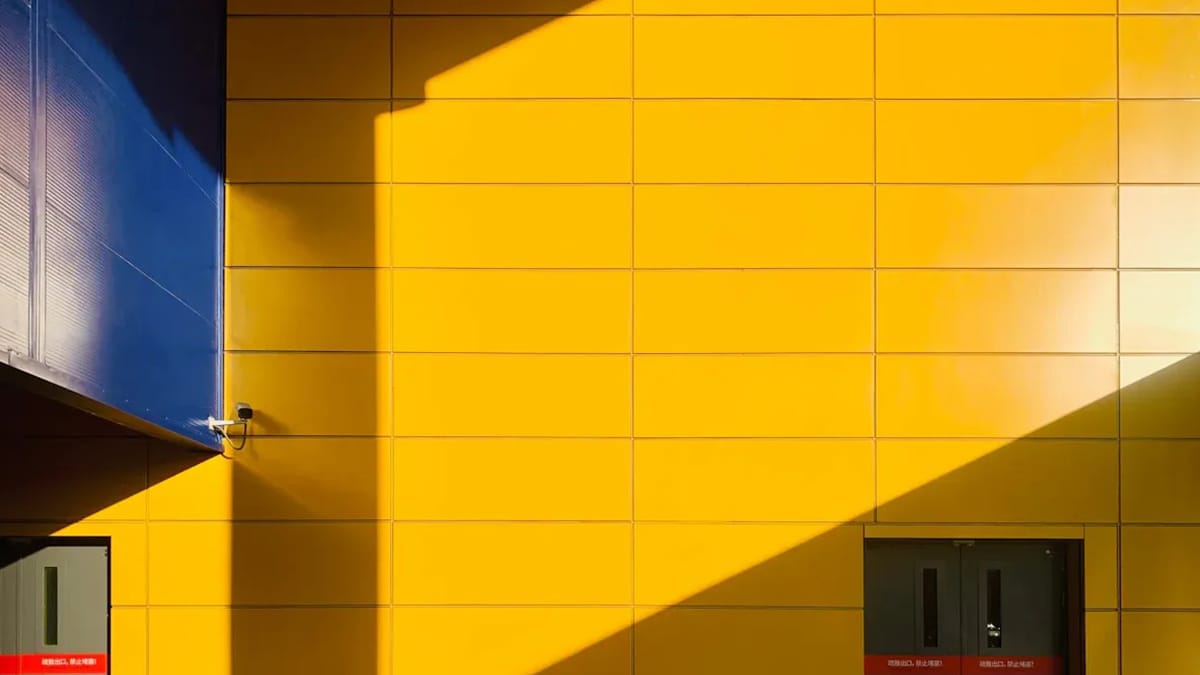
If you pick a pvdf acp sheet uv resistant panel, the color stays bright for many years. The PVDF coating helps the panels look new, even after being in the sun for a long time. You do not need to worry about the color fading or looking dull. These panels can keep almost all their color, even after ten years in the sun. This makes them great for buildings, canopies, and outdoor signs. You want these places to look nice every year.
Here is a table that shows how pvdf aluminum composite panel is special:
Benefit | Description |
|---|---|
UV Resistance | Keeps up to 95% of its color after more than 10 years in the sun |
Standards | Passes ASTM G154 and ISO 4892-2 tests for UV resistance |
Application | Best for building fronts, canopies, and signs that get lots of sun |
PVDF coatings make a strong shield on the panels. This shield blocks bad rays from the sun and keeps the panels from getting weak. The panels last longer and do not need much fixing. If you clean them often, they will look new for a long time. If you live where the sun is very strong, you can add extra UV-protective films for more safety.
Anti-Chalking and Pollution Resistance
You want your panels to stay clean and shiny, even in busy cities. PVDF stops chalking and fading, so the panels do not turn white or lose their shine. The special way pvdf is made keeps chalk and dirt away. This means you do not have to clean the panels as much, and you save money.
Let鈥檚 see how different coatings work:
Coating Type | Durability | Chemical Resistance | Weather Resistance | Service Life |
|---|---|---|---|---|
PVDF | Excellent | Excellent | Excellent | Longer |
PE | Moderate | Moderate | Moderate | Shorter |
HDPE | Moderate | Moderate | Moderate | Shorter |
With pvdf acp sheet uv resistant panels, you get something that fights off pollution, rain, and heat. The panels keep their color and shine for many years. You can trust pvdf to protect your panels and keep your building looking good.
PVDF vs Other Coatings
UV Resistance Comparison
 UV Resistance Comparison
You want your building to look good for many years. PVDF stands out when you compare it to other coatings. PVDF coating uses a thick layer, which helps protect the panels from uv rays. Polyester coatings have thinner layers and do not last as long in the sun. You see better color retention with pvdf, so your panels stay bright and fresh.
Here is a table that shows how pvdf compares to other coatings:
Performance Aspect | PVDF Coating | Polyester Coating |
|---|---|---|
Coating Thickness | 鈮?25 碌m | ~16 碌m |
Color Retention | Excellent | Fair |
UV Resistance | High | Low |
Abrasion Resistance | High | Moderate |
Chemical Resistance | High | Low |
Warranty | Up to 30 years | 10-15 years |
You notice that pvdf gives you high uv resistance and better protection against chemical and uv degradation. Polyester coatings fade faster and need more care. PVDF also meets strict standards like AAMA 2605, which means it keeps its color and gloss for over 10 years, even in tough climates.
Tip: Choose pvdf for your acp panels if you want long-lasting color and strong protection from the sun.
Real-World Performance
You want proof that pvdf works well outside. PVDF panels keep their gloss and color for many years. After 12 years, pvdf panels still hold 82% of their gloss. They resist acid rain and salt spray, so you do not see damage or fading. Acrylic panels often turn yellow, but pvdf panels stay bright.
Here is a table that shows how pvdf performs in real life:
Performance Metric | Value |
|---|---|
82% | |
Resistance to Acid Rain | Yes |
Resistance to Salt Spray | Yes |
Expected Lifespan | 30 to 50 years |
You see pvdf panels in many places, from city buildings to coastal areas. They keep their color and strength, even with strong sun and bad weather. PVDF uses multiple layers to block uv and stop chemical and uv degradation. You get panels that last for decades and need less fixing.
Note: PVDF coatings help your panels stay beautiful and strong, even after years of sun and rain.
You get great UV protection when you pick pvdf for buildings. The strong molecules and special coating help the panels stay shiny for years. PVDF does not fade or chalk, so you save money on cleaning and fixing. PVDF also fights off bad weather. Here is a simple chart to show how pvdf and other panels compare:
Feature | PE Panels | PVDF Panels |
|---|---|---|
UV Resistance | Weak | Strong |
Color Retention | Medium | High |
PVDF keeps your building looking bright and fresh, even outside in hard weather.
FAQ
What makes PVDF ACP sheets better for outdoor use?
You get strong UV protection with PVDF ACP sheets. The coating keeps your panels from fading or cracking. Your building stays bright and fresh for many years.
How long do PVDF ACP sheets keep their color?
Most PVDF ACP sheets keep their color for over 10 years. Some panels last up to 30 years. You see less fading and chalking compared to other coatings.
Can you clean PVDF ACP sheets easily?
Yes, you can clean PVDF ACP sheets with mild soap and water. The smooth surface resists dirt and pollution. You spend less time on maintenance.
Are PVDF ACP sheets safe for coastal areas?
PVDF ACP sheets resist salt spray and acid rain. You can use them near the sea without worrying about damage. Your panels stay strong and colorful.