

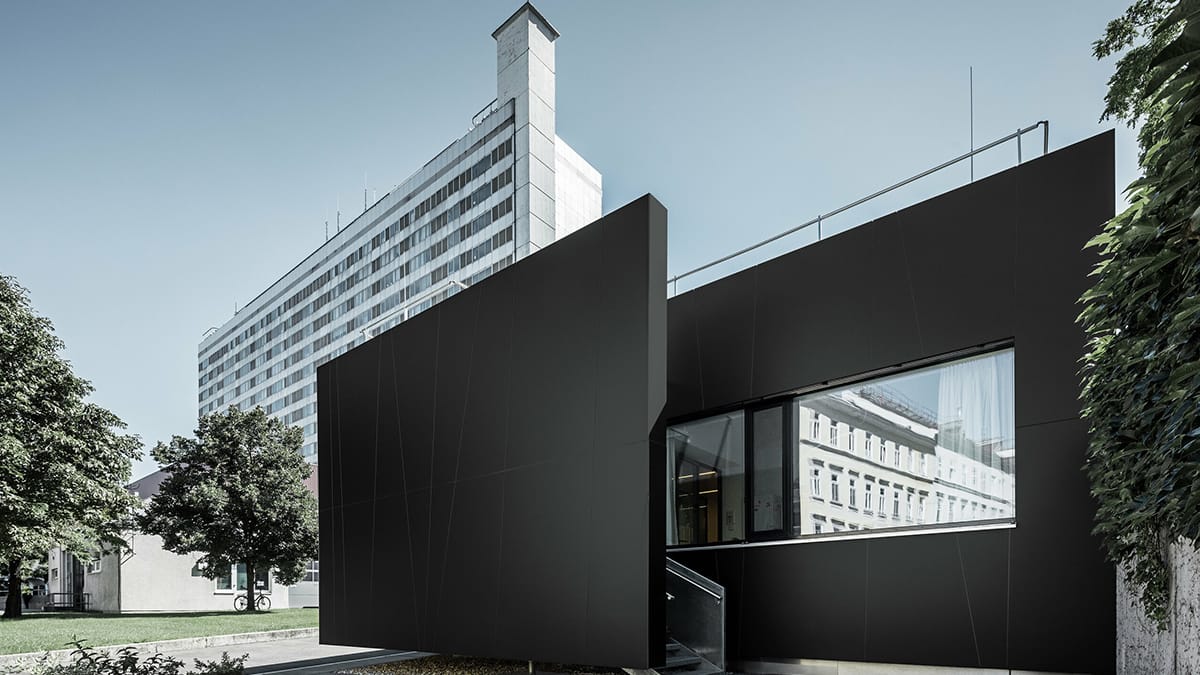
12 Feb A Complete Beginner’s Guide to ACP Panel Installation
You can begin ACP panel installation easily if you follow simple steps. This guide shows you all the important details for safe results. When you learn how to install ACP Panel, you get many benefits:
Fire resistance and easy handling
Modern features like self-cleaning and anti-bacterial coatings
Better building looks and energy savings
With this guide, you will learn new skills fast and enjoy the long-lasting benefits of a professional finish.
2026 Update: Quick Answer for A Complete Beginner鈥檚 Guide to ACP Panel Installation
Reviewed 29 July 2026. A reliable installation starts with an engineered substrate, coordinated panel layout, controlled joints, suitable fasteners, drainage, ventilation, and allowance for movement. The panel alone does not make a compliant wall system.
- Approve shop drawings, support spacing, joint widths, corners, penetrations, and interfaces before fabrication.
- Use the specified routing, folding, fixing, sealant, and protective-film procedure.
- Keep coating direction and batch information consistent across connected elevations.
- Inspect drainage paths, fastener engagement, sealant adhesion, surface damage, and completed tolerances.
This update keeps the original topic and search intent while making the decision criteria clear at the start. Project-specific engineering, regulations, test evidence, and supplier documentation remain controlling.
Key Takeaways
Learn what ACP panels are made of and why they are good. They help keep heat in and can stop fires.
Always follow safety rules and wear the right gear to stay safe.
Measure carefully and get the area ready to stop mistakes that cost money.
Use the correct tools and ways to cut, attach, and seal ACP panels. This helps make the work look neat.
Clean your ACP panels often and check them to keep them looking nice and lasting long.
What Are ACP Panels?
ACP Panel Basics
You might notice acp sheets on new buildings. But what makes them different? ACP means aluminium composite panel. These panels have a special design. Manufacturers use different materials to make acp sheets. Each material gives the panel special features.
Aluminum layers make acp sheets light and strong. They also stop rust.
The core, usually polyethylene, makes the panel bend easily. Some acp panels have fire-resistant cores for more safety. This is important in tall buildings.
Surface coatings like PVDF keep acp sheets safe from bad weather. They also help colors stay bright.
All these parts make aluminium composite panels strong and light. They are easy to move and use. You can cut and shape acp sheets for many jobs. The surface stays flat and smooth. This helps your work look neat and nice.
Common Uses and Benefits
Acp panels are used in many places because they have lots of good points. Here are some ways people use them:
ACP sheets are good for covering building fronts. They keep out rain, wind, and sun. They also make buildings look modern.
You can use acp sheets for business signs and shop fronts. They are light, so putting them up is simple.
Interior designers use acp sheets for walls, room dividers, and ceilings in offices and malls.
ACP panels work for modular buildings, canopies, louvers, and entrances.
Factories use acp sheets to cover warehouses and protect things inside.
ACP sheets are also used in cars and other vehicles.
Acp sheets have many benefits:
You can pick many colors, textures, and shapes
They are light, so shipping and putting them up costs less
They stand up to weather, sun, and rust
They help keep buildings warm or cool
They are good for the planet because you can recycle them
That is why acp sheets are a popular choice for aluminum composite panels in new buildings.
Why ACP Panel Installation Matters
 Safety and Durability
 Safety and Durability
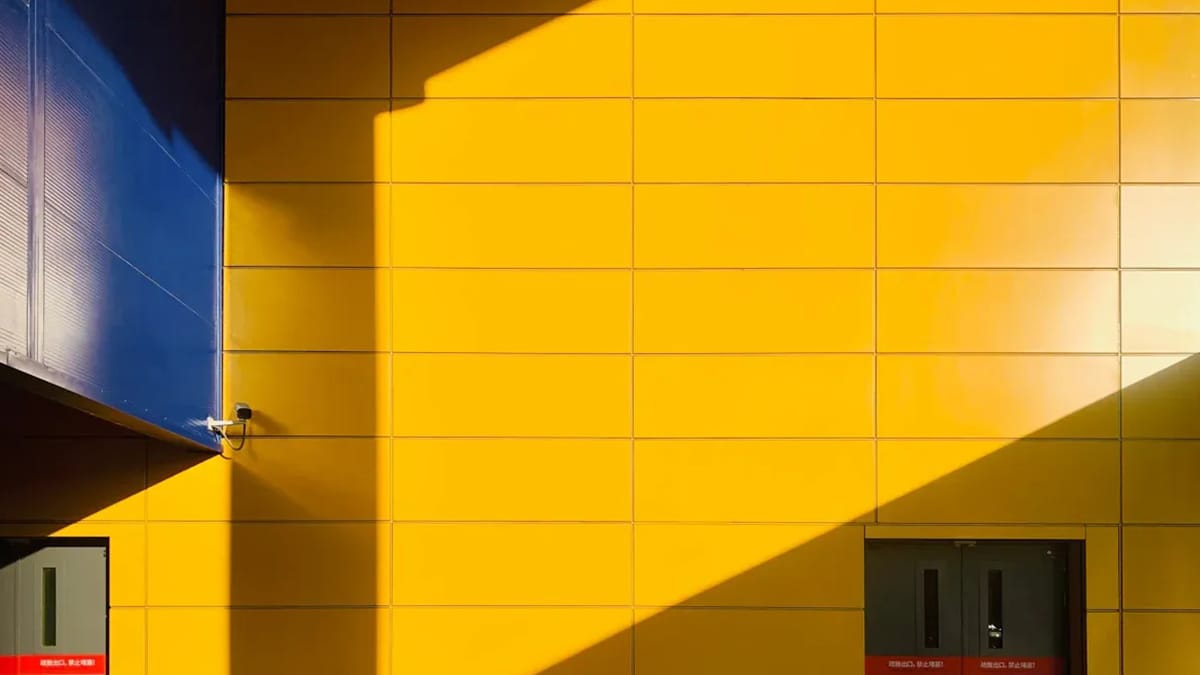
When you put in acp panels, you help keep your building safe. You also protect the people inside. You need to use safety gear and follow safety rules when you work. ACP panels are made to stop fires from spreading. This helps keep buildings safer from fire. The core inside the acp panel makes it bend and stay safe. Picking the right core means you follow safety rules and lower risks.
You should know about building codes too. The International Building Code and NFPA rules tell you how to install aluminium composite panels. Section 1407 in the IBC talks about metal composite wall panels for outside walls. Local rules might have more things you need to do. You should check these rules before you start.
Here are some reasons why installing acp panels the right way is important for safety and strength:
ACP panels help stop fire from spreading.
They make the building stronger and stop problems.
ACP panels keep out rain, wind, and sun.
The right core keeps the panels safe and easy to bend.
You can see how acp panels work in tough weather:
Scenario | Condition | Outcome |
|---|---|---|
Siberia, Russia | Very cold (-40掳C) | |
Saudi Arabia | Very hot (50掳C) | Panels stayed strong |
Phuket, Thailand | Very humid (90%) | No mold was found |
Old cladding like wood or stone can crack or get mold. ACP panels stay strong and last longer.
Energy Efficiency and Appearance
ACP panels do more than just protect buildings. They help save energy and make buildings look better. When you use acp panels on walls, you get better insulation. This means your building stays cool in summer and warm in winter. You pay less for energy and help the planet.
Here is how acp panels help save energy:
ACP panels keep inside temperatures steady.
They stop heat from moving in or out.
You can save up to 65% on energy.
ACP panels help you reach green building goals.
Benefit | Description |
|---|---|
Thermal Insulation | ACP panels keep inside temperatures steady, so you use less heat or air. |
Improved Building Envelope | Less air leaks, better control of the climate inside. |
Reflective Surfaces | Less heat gets in, so rooms stay cooler. |
Sustainability Goals | Helps you get green building certificates. |
ACP panels also make buildings look new and stylish. Aluminium composite panels come in many finishes like powder coat, anodized, and timber-look. You can mix natural looks with clean lines. This lets you design cool buildings without a lot of extra work.
Tip: Always wear safety gear and follow safety rules when you put in acp panels. This keeps you safe and helps your panels last longer.
Tools for Installing Aluminium Composite Panels
Essential Tools List
You need special tools to put up acp panels. These tools help you measure, cut, and attach the panels. The right tools make your job easier and safer. Here are some important tools you need before you start with cladding materials: Measuring tape and level help you check sizes and keep panels straight. You use a drill and drill bits to make holes for screws or brackets. This is needed for acp fixing detail. A circular saw or jigsaw with metal blades cuts aluminum sheets to the right size. A screwdriver or power driver helps you put in screws and brackets tight. This is important for acp fixing detail. Punching machines make holes in the panels for acp sheet fixing details. Brackets or clamps hold the panels while you work. Screws and bolts keep the panels on the frame. Adhesives help stick the panels to other cladding materials. Always wear safety equipment to stay safe when you install.
Tip: Use tools from good brands. This helps you do better work and makes your acp fixing detail stronger.
Materials and Safety Gear
You need the right materials and safety gear for aluminium composite panels. Good materials help your project last longer. Safety gear keeps you from getting hurt. Here is a table that shows the most important safety equipment and why you need it:
Safety Gear | Purpose |
|---|---|
Gloves | Protect hands from cuts |
Goggles | Keep dust and small pieces out of eyes |
Construction boots | Provide strong grip and foot safety |
Helmets | Guard head from falling items |
Safety rope | Ensure safety when working at heights |
Always wear safety equipment when you put up acp panels. This keeps you safe from sharp edges and things that might fall. Using the right gear also helps you follow safety rules for cladding materials. When you use good acp fixing detail, you lower the chance of accidents. Check your acp sheet fixing details before you start. This makes your work safe and strong.
ACP Panel Installation Steps
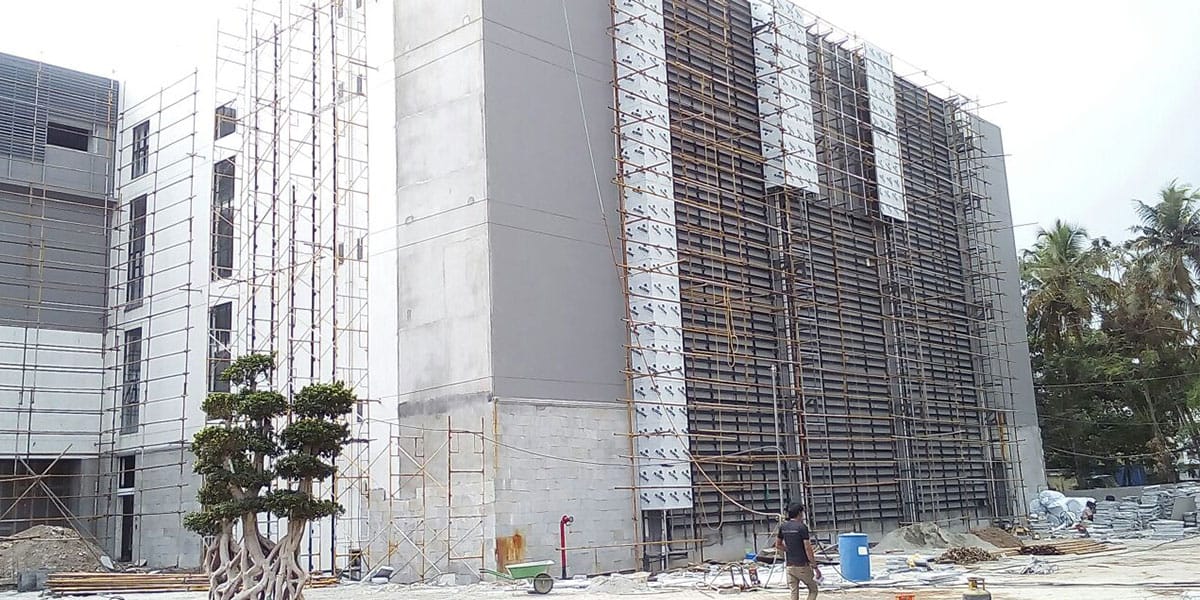 When you learn how to install acp panels, you gain useful skills. You can help make buildings strong and modern. These steps will show you what to do. You will learn how to get the surface ready, measure, and put up aluminium composite panels the right way.
Site Preparation and Cleaning
Always start with a clean and safe place. Getting ready before you begin helps stop problems later. Use this table to check your site:
Step | Description |
|---|---|
Site Inspection | Look at the area. Make sure it is clean, dry, and strong. Fix cracks or holes. These can cause trouble during installation. |
Take away dust, dirt, and loose things. Make sure the wall or frame is dry. Fix any cracks or holes before you start. This helps the acp sheets stick better and last longer.
Tip: Wear gloves and goggles when you clean. Safety is always important.
Measuring and Marking
You need to measure carefully for acp sheet installation. Use a measuring tape and level to get the right size for each panel. Mark where each aluminium composite panel will go. Draw straight lines for both up and down and side to side. Check your marks again before moving on. This helps you avoid mistakes and wasting materials.
Sub-Frame Preparation
The sub-frame holds the acp panels in place. Follow these steps to get the sub-frame ready for acp cladding:
Use a level tool to mark lines. Draw up and down and side to side lines.
Put in vertical and horizontal supports. Keep them 600mm to 1200mm apart.
Use anchors or brackets to attach the frame to the wall.
Use a level or laser to check the lines. This gives you a strong base for the panels.
A good sub-frame keeps the acp sheets safe and strong for a long time.
Cutting and Grooving Panels
You must cut the panels to fit your design. Use the right tools for cutting and grooving aluminium composite panel:
Use handheld cutters like circular saws for straight cuts on small acp sheets.
Power shears are good for medium jobs and give more control.
Routers with special bits help make detailed edges and shapes.
Table saws with carbide blades are best for big, straight cuts.
Band saws with bi-metal blades work for thick or tricky cuts.
CNC routers with carbide cutters give high accuracy and less waste.
Laser cutting with a CO2 laser makes clean cuts and does not hurt the surface.
Jigsaws with a 24-tooth blade help make smooth cuts and less chipping.
Always measure two times before you cut. Wear goggles and gloves to keep safe from sharp edges.
Drilling and Fastening
Drilling and fastening are important for acp panel installation. Use the right way for each type of acp sheet installation. Here is a table to help you pick:
Method | Application Type | Key Considerations |
|---|---|---|
Threaded fasteners | Outdoor | Make the hole bigger than the screw. This lets the panel move when it gets hot or cold. Use stainless steel screws. |
| Indoor | Use steel or wood screws. Countersunk screws are okay. Make sure the hole is bigger than the screw. |
Plastic welding | PE core material | Make sure the edges fit well. Use clean hot air, the right heat, pressure, and speed. |
Bonding | Indoor | Use metal or universal glue. Double-sided tape is for low strength. SIKA-BOND is for high strength. |
Card connector connection | General | Use a fixture made of aluminum or plastic. Connect with screws. |
When you fix the acp panel, make the holes a little bigger than the screws. This lets the panels move when the temperature changes. Always use stainless steel screws for outside jobs.
Sealing Joints and Edges
Sealing the joints and edges keeps water and air out. This step protects your building and saves energy. For acp cladding, use these sealants:
Strong silicone sealants are best for sealing ACP curtain wall joints. They keep air and water out.
Neutral cure, low modulus silicone sealants make joints strong, flexible, and weatherproof.
Hybrid MS Polymer sealants also give you flexibility and weatherproofing.
Put the sealant smoothly along every joint and edge. Use a caulking gun for even coverage. Wipe off extra sealant before it dries.
Note: Sealing the joints and edges helps your aluminium composite panels last longer and save energy.
Removing Protective Film
After you put up the panels, take off the protective film from the acp sheets. Follow these steps for best results:
If you just finished, peel the film from the corner at a 45-degree angle. Then pull at a 90-degree angle.
If the panels have been up for a while, start by peeling a small corner.
Use a hair dryer to blow warm air where you are peeling.
After a bit, peel a bigger area and keep using warm air.
Do this until all the film is gone. If the film breaks, repeat the steps.
If sticky stuff is left, use a cloth with alcohol to clean it.
Be gentle so you do not scratch the aluminium composite panels.
Final Inspection and Cleaning
The last step is to check and clean everything. Use this checklist to make sure your acp sheet installation is perfect:
Check the base and make sure it is approved.
Look at the brackets and rails.
Make sure cavity barriers and gaps are right.
Check the insulation and how it is fixed.
Review the facade system and edge distances.
Look at flashings to see if they are installed right.
Take photos and write down any problems.
Record sign-off for compliance.
Clean each aluminium composite panel with a soft cloth. Wipe away dust, fingerprints, and extra sealant. These steps help you finish with a neat and professional look.
Remember: Being careful, safe, and using the right materials are the keys to good acp panel installation. Take your time and always follow safety rules.
How to Install ACP Sheet: Tips for Beginners
Time-Saving Tricks
 Time-Saving Tricks
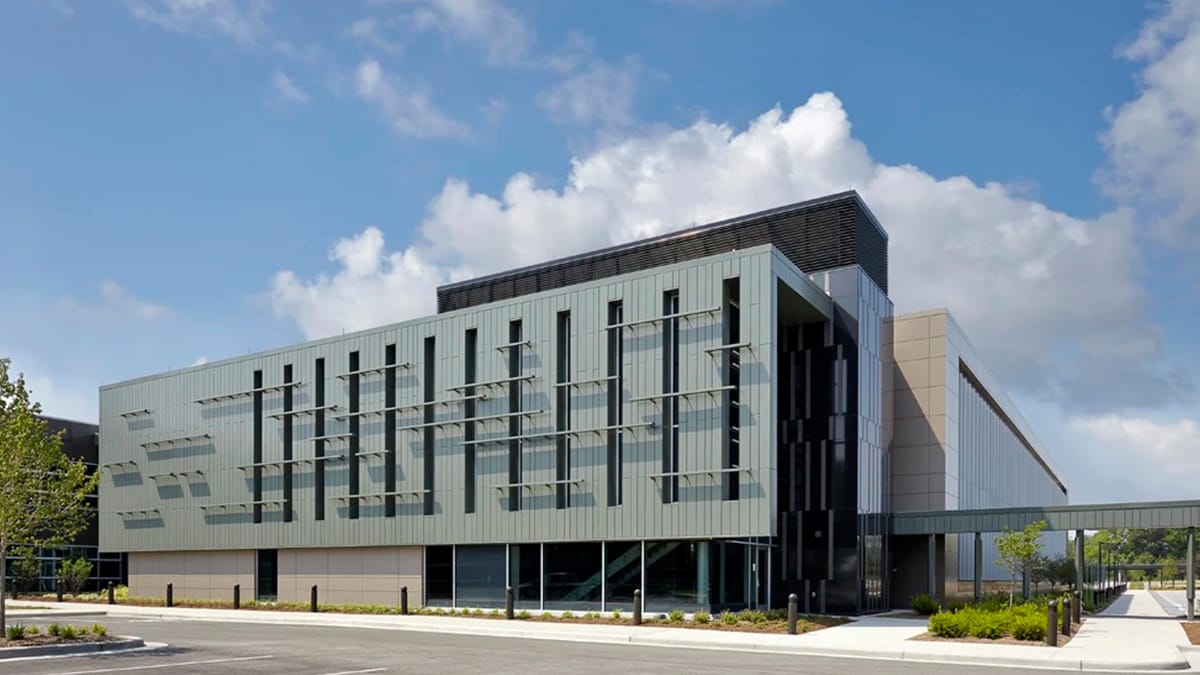
You can save time if you know the right steps. This helps you avoid mistakes when you install acp sheet. Professionals use some tricks to work faster and better:
Always read the manufacturer guidelines. Each brand of acp sheets might have special steps for fixing and handling.
Plan for thermal movement. Aluminium gets bigger or smaller with temperature. Leave space for expansion joints.
Stop galvanic corrosion. Use metals that work well together. Keep different materials apart if needed.
Tip: Get all your tools and materials ready before you start. This helps you work without stopping to find missing things.
Achieving a Smooth Finish
A smooth finish makes your project look neat and last longer. You can use these tips to get the best results with acp sheets:
Use a fine-toothed saw for clean cuts. This keeps the panel edges smooth and neat.
Measure carefully before cutting. Good measurements help you avoid waste. Each panel will fit just right.
Use special grooving tools to make bends and shapes.
Use a grooving tool to make grooves on the panel鈥檚 surface. Follow the manufacturer鈥檚 advice for groove depth and spacing.
Put the panels in the right place on the frame. Use the right fasteners like rivets or screws.
For a seamless look, use strong structural adhesives.
Put gaskets between panels in dry seal systems. This lets air move and controls moisture.
Use weatherproof silicone sealant in the joints for wet seal systems. Smooth the sealant with a finishing tool for an even look.
Clean the panels gently with a soft cloth and mild soap after installation.
Note: Take your time with each step. This helps you avoid mistakes and gives your project a clean, modern look.
Common Mistakes in ACP Panel Installation
Measurement Errors
You must measure carefully when you put in ACP panels. Even small mistakes can cause big trouble later on. Many beginners forget to leave an expansion gap. This can make the panels bend or bulge. Some people do not check if the support frame is strong. This can make the panels not line up right. It can also let water or wind get inside. If you make screws or rivets too tight, dents or bumps can show up on the panel. Using the wrong tool to cut can mess up the panel edges. If you wait too long to take off the protective film, sticky marks can stay and be hard to clean.
Not leaving an expansion gap makes panels bend or bulge.
Not checking the frame makes panels crooked.
Screws or rivets that are too tight make dents.
Wrong cutting tools mess up the edges.
Waiting to remove film leaves sticky marks.
Always look at both the side and top joints. Take your time when you measure. Check your marks again before you cut or drill. Careful measuring helps you not make expensive mistakes.
Improper Fastening
Fastening panels the right way keeps your project safe and strong. If you do not check the frame, panels can be crooked or loose. Loose or missing screws can make panels fall off, which is dangerous. Using the wrong anchors can break the brackets. Weak frames let panels shake in the wind. This can make screws come out and panels fall.
Not checking the frame makes panels loose or crooked.
Loose or missing screws can make panels fall.
Wrong anchors can break the brackets.
Weak frames let panels shake and screws come out.
Always use the right screws and anchors. Check every screw and anchor before you finish.
Skipping Safety Steps
Skipping safety steps puts you and your building in danger. Here is a table that shows safety steps people miss and what can happen:
Safety Step | Risks |
|---|---|
Proper bonding strength | Panels can come apart and not work well |
Considering thermal expansion | Joints can crack, panels move, and fasteners break |
Following fire safety rules | You can get in trouble and tall buildings can be unsafe |
Never skip safety checks. Always follow fire safety rules and use the right way to bond panels. This keeps your panels safe and your building strong.
Maintaining Aluminium Composite Panels
 Cleaning and Care
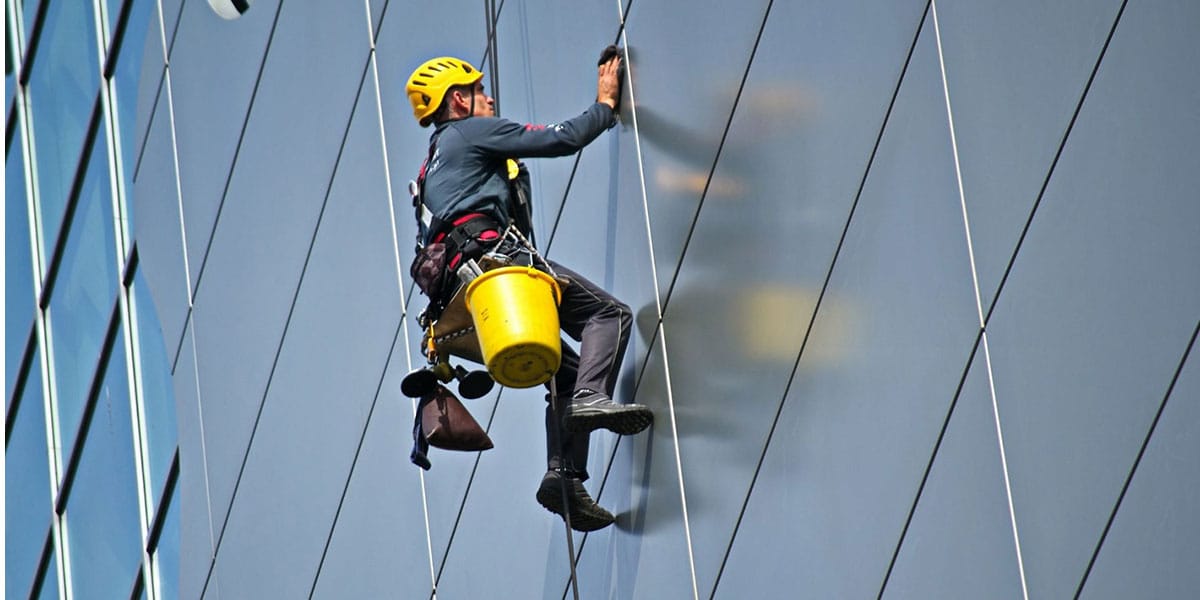 Cleaning and Care
You can keep your acp sheets looking new with regular cleaning. Use a mild detergent mixed with warm water. Gently scrub the surface in straight strokes. Rinse the panels well to remove any soap. Dry them with a soft, lint-free cloth so you do not get water spots.
Clean acp sheets with mild detergent and warm water.
Gently scrub in straight lines, not circles.
Rinse with clean water to remove all soap.
Dry with a soft, lint-free cloth.
Avoid scouring pads or stiff brushes.
Do not use strong solvents like acetone or paint thinners.
Never use a pressure washer close to the surface.
If you have acp sheets in a place with lots of moisture, you should apply a sealant to the edges. This helps protect the panels from water damage. Always check for scratches or dents when you clean. Regular care keeps your panels strong and bright.
Tip: Clean your panels at least twice a year for the best results.
Inspecting for Damage
You should inspect your panels often to catch problems early. Look for cracks, discoloration, or signs that the layers are coming apart. Use this table to know when and what to check:
Inspection Interval | Signs to Check for Damage |
|---|---|
Check for surface cracks, discoloration, and delamination | |
3 years | Inspect for structural integrity and hidden damage using non-destructive tools |
5 years | Evaluate for voids and measure depth of any defects with special equipment |
If you find any damage, fix it right away. Early repairs help your panels last longer and keep your building safe.
You can achieve a professional ACP panel installation by following these steps:
Clean the surface and repair uneven spots.
Install a strong frame for support.
Measure and mark each area with care.
Cut panels safely to fit your design.
Fix panels using the right method.
Maintain and clean panels for long life.
Stay safe by using proper gear and checking your work. Regular inspections help your panels last longer. If you want to learn advanced techniques, explore guides on fabrication, joint design, and waterproofing for even better results.
FAQ
How long does it take to install ACP panels?
You can usually finish a small project in one or two days. Larger jobs may take a week. The time depends on your experience, the size of the area, and how many panels you need to install.
Can you install ACP panels by yourself?
You can install small panels alone. For bigger projects, you should ask for help. Working with a partner makes lifting, measuring, and fastening easier and safer.
What is the best way to clean ACP panels?
Use a soft cloth with mild soap and water. Gently wipe the surface. Avoid harsh chemicals or rough pads. Rinse with clean water and dry with a soft towel.
Do ACP panels need special maintenance?
ACP panels need only simple care. Clean them twice a year. Check for damage or loose fasteners. Fix any problems right away to keep your panels strong and looking good.
Are ACP panels safe for homes?
Yes, ACP panels are safe for homes. They resist fire, weather, and rust. Always choose panels with a fire-resistant core for extra safety.