

15 Sep ACP or PVC A Complete Guide to Making the Right Choice
Table of Contents
If you want a strong and lasting solution for outdoor walls or signs, ACP or PVC works best. For budget-friendly indoor projects, PVC gives you value and easy installation. Your choice between ACP or PVC affects how safe, durable, and attractive your space will look.
ACP panels last 10 to 30 years outdoors and need little care.
PVC pipes can last 25 to 40 years, with some reaching over 50 years when installed well.
Think about how long you need your project to last and where you plan to use ACP or PVC.
Key Takeaways
Pick ACP if you need strong and tough material outside. It can last from 10 to 30 years. It also stands up well to bad weather.
Pick PVC if you want to save money inside. It is light and simple to put in. It also costs less than ACP.
Think about fire safety when you pick a material. ACP is better at stopping fires. This makes it safer for buildings.
Think about how much your choice will help over time. ACP needs less fixing as years go by. This can help you save money later.
Use the checklist to match the material to your project. This helps you pick the best one for your space.
ACP or PVC: Differences
Material Overview
ACP or PVC are used a lot in building and design. Each one is made in a special way and has its own uses. ACP means Aluminum Composite Panel. It has two thin aluminum sheets stuck to a plastic center. The plastic is usually LDPE or a fire-safe type. PVC means Polyvinyl Chloride. It is a strong and bendy plastic.
Here is a simple table to show their main features:
Property | ACP | PVC |
|---|---|---|
Composition | Aluminum sheets + plastic core | Polyvinyl chloride (plastic) |
Thickness (mm) | 3, 4, 5, 6 | Varies (often 1-10 mm for panels) |
Weight (4mm panel) | Lighter than ACP at similar thickness | |
Fire Retardancy | Yes (with special core) | Limited, can be improved with additives |
Recyclability | Fully recyclable | Recyclable |
Mechanical Strength | High flexural and tensile strength | Good mechanical and thermal properties |
Standard Sizes (mm) | 2440×1220, 3050×1220, 3660×1220 | Many sizes available |
You can use ACP for outside walls, signs, and inside decoration. PVC works for roofs, wall coverings, windows, and floors. Both materials stop germs from growing and keep water out. This makes them good for kitchens and bathrooms.
Tip: If you need something strong for outdoor signs or building outsides, ACP is better. If you want to save money for indoor jobs, PVC is a good pick.
Appearance and Design
When you pick ACP or PVC, you get lots of colors and styles. Both let you choose what looks best for your space.
Feature | PVC Sheets | ACP Sheets |
|---|---|---|
Available Colors | Many colors, textures, and finishes | |
Design Flexibility | Shiny, smooth, or textured surfaces | Metallic, stone, wood, abstract, and dual-tone |
ACP sheets can look shiny like mirrors in silver, gold, or bronze. Some have metal looks like copper and rose gold for modern rooms. PVC panels also come in many colors and can be shiny or flat. You can use both to make cool walls, ceilings, or displays.
ACP panels are used in malls, hotels, and shops because they look fancy.
PVC panels are good for homes and offices if you want a neat, simple style.
Weight and Handling
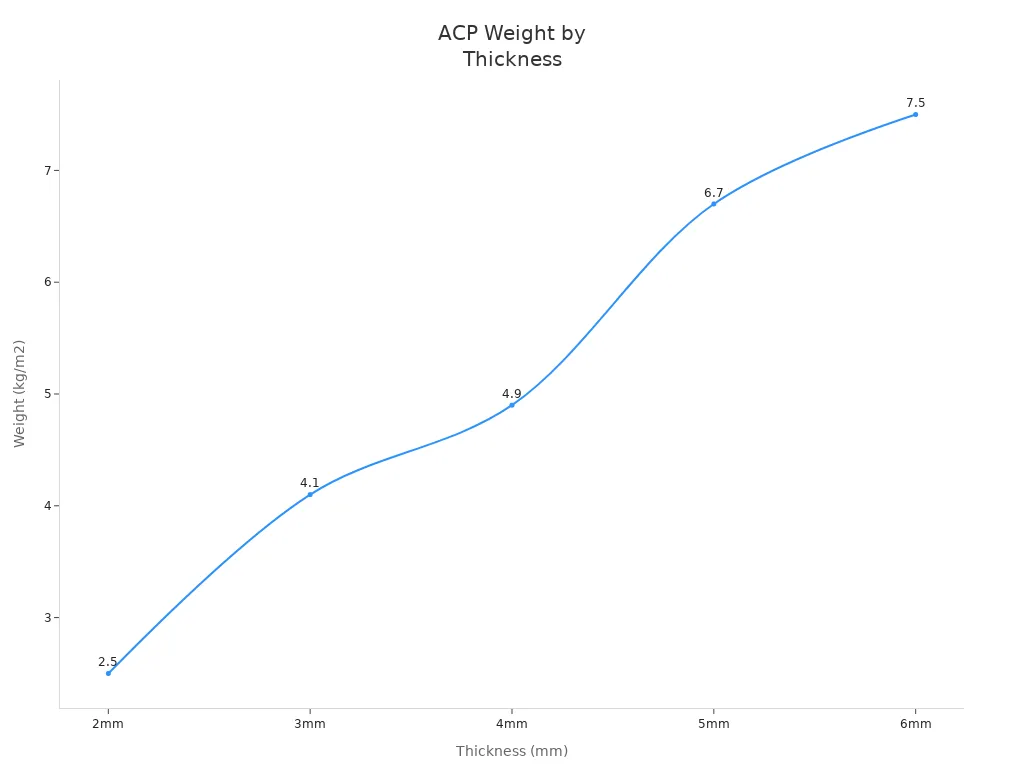
Weight matters when you put up panels. ACP panels are heavier than PVC ones with the same thickness. But both are lighter than solid metal or wood.
Thickness (mm) | ACP Weight (kg/m²) |
|---|---|
2 | |
3 | 4.1 |
4 | 4.9 |
5 | 6.7 |
6 | 7.5 |
You can cut and move both ACP and PVC panels with simple tools. PVC panels are lighter, so you can put them up fast, even on high walls or ceilings. ACP panels need more care because of the metal, but they are still easier to handle than solid aluminum sheets.
Note: If you want to work faster and lift panels easily, PVC is better. If you need panels that are stronger, ACP gives more support and lasts longer.
Performance
Strength and Durability
When you look at ACP or PVC, you see they are different in strength. ACP panels are much stronger than PVC panels. ACP panels can handle a force of 130 MPa before breaking. PVC panels can take between 52 and 66 MPa. This means ACP is harder to break. You should also know how well each material handles hits. ACP panels can take a hit of 50 kg/cm². PVC panels can take hits from 45 to 60 J.
Material | Tensile Strength (MPa) | Impact Resistance (kg/cm² or J) |
|---|---|---|
ACP | 130 | 50 |
PVC | 52-66 | 45-60 J |
ACP panels last longer when used a lot. In tests, ACP did not break after 2.5 million times under high pressure. PVC panels broke after about 100,000 times because they cracked. If your project will have lots of pressure changes, ACP is a better choice for long use.
ACP panels are good for places with lots of pressure changes.
PVC panels might need to be replaced sooner if used in tough spots.
Fire Resistance
Safety is important when picking building materials. ACP panels have a B1 fire rating, so they slow down flames. PVC panels have a Class B FSI fire rating. Both ACP and PVC do not catch fire easily with normal heat. But PVC makes more smoke when it burns.
Class | Description |
|---|---|
A | Non-combustible building materials |
B1 | Flame-retardant building materials |
B2 | Combustible building materials |
B3 | Flammable building materials |
Tip: If you want the best fire safety, ACP panels protect better. PVC is hard to burn but can make dangerous smoke.
Weather Resistance
You want your panels to last in sun, rain, and changing temperatures. ACP and PVC both block UV rays and water. ACP panels with special coatings last longer outside and keep their color. PVC foam boards do not soak up water and can handle chemicals.
Material | UV Resistance | Moisture Resistance | Temperature Fluctuation Resistance |
|---|---|---|---|
ACP | Yes | Yes | Yes |
PVC | Yes | Yes | Yes |
ACP panels stay strong in wet and sunny weather.
PVC panels keep water out and do not lose color fast.
Maintenance
You want panels that are easy to clean. ACP panels need to be washed once a year with water and gentle soap. Use a soft sponge or cloth. PVC panels need gentle soap and a soft brush. Do not use strong chemicals on either one.
Wash ACP panels with water under pressure.
Use gentle soap and a soft sponge to clean dirt.
Clean PVC panels with mild soap and a soft brush.
ACP panels cost less to care for over ten years because they last longer. PVC panels might need to be replaced more often, which costs more.
Note: Cleaning ACP or PVC panels often keeps them looking nice. Both are easy to care for, but ACP saves money in the long run.
Cost and Value
Initial Cost
When you plan your project, you want to know how much you will spend at the start. The price of panels can change based on the type you pick. Basic ACP panels cost less than fire-resistant ones. PVC panels often cost less than both types of ACP panels, but prices can vary by brand and thickness.
Here is a table to help you compare the average market price per square meter:
Panel Type | Price per Square Meter (USD) |
|---|---|
Basic ACP Panels | |
Fire-Resistant ACP Panels | $7.80 |
PVC panels usually fall in a similar or lower price range than basic ACP panels. You can save money if you choose PVC for indoor walls or ceilings. If you need fire safety or outdoor strength, you may pay more for ACP panels.
Tip: Always check the latest prices in your area before you buy. Prices can change based on supply and demand.
Long-Term Value
You want your project to last and add value to your property. The right material can help you save money over time. ACP panels last longer outdoors and need less care. PVC panels work well for indoor spaces and resist water and chemicals.
When you look at property value, the type of material you use matters. For plumbing, PVC gives you a moderate boost in value. It is cost-effective and resists corrosion. Other materials like copper or PEX can increase value even more, but they cost more.
Plumbing Type | Impact on Property Value | Benefits |
|---|---|---|
PVC | Moderate | Cost-effective, versatile, resistant to corrosion |
PEX | High | Flexible, durable, enhances value |
Copper | High | Long-lasting, traditional appeal |
If you want to balance cost and value, think about how long you need your project to last. ACP or PVC both offer good value, but your choice should match your needs for durability, safety, and future resale.
Best Uses
 Exterior Applications
 Exterior Applications
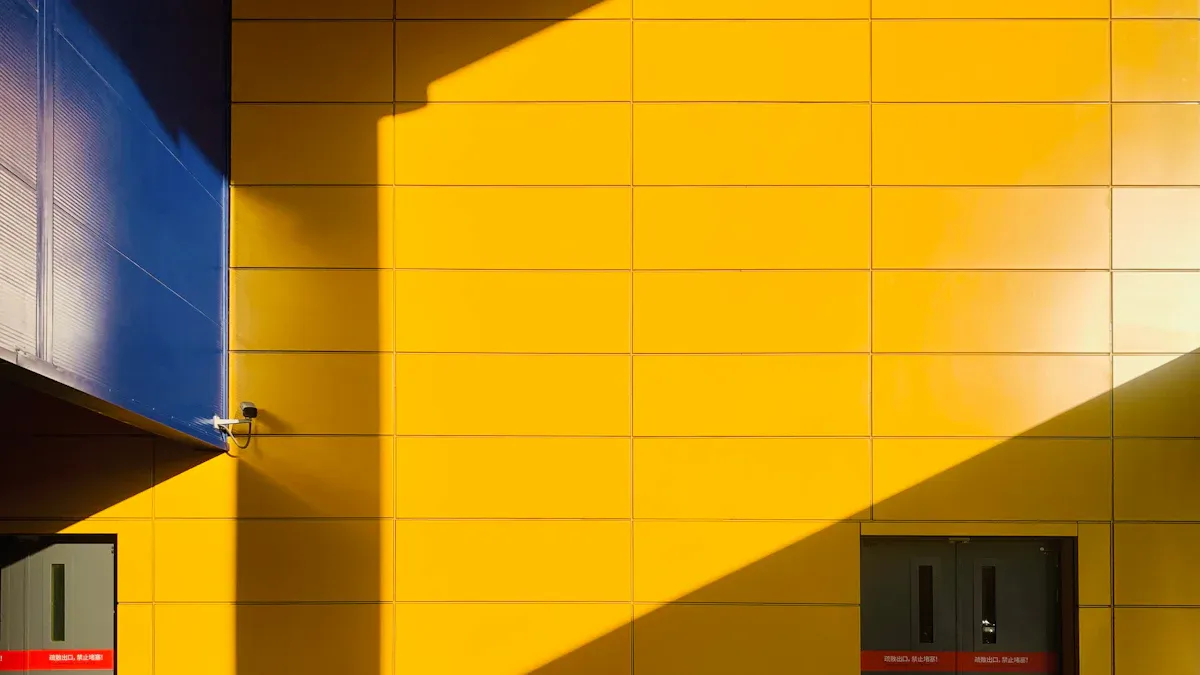
ACP panels are used on the outside of new buildings. These panels make walls look cool and protect them from rain and sun. You can use ACP sheets for curved walls and special shapes. They are light, so you can put them up fast. ACP panels are good for company signs and building decorations. They last many years and keep their color in bright sunlight.
Application Type | Description |
|---|---|
Modern Exteriors | |
Curved Facades | You can use ACP to build curved walls and cool shapes. |
Building Facades | ACPs give buildings a modern look and make them stand out. |
Customization | You can pick finishes like shiny or flat to match your style. |
Architectural Elements | ACPs help create special shapes and designs for building outsides. |
Corporate Signage | ACPs are used for signs because they last long and look nice. |
Architectural Accents | They add extra style to buildings and make them look better. |
PVC panels are not used outside very much. You might see them on small sheds or temporary buildings. They do not last as long as ACP panels when the weather is bad.
Interior Applications
You can use ACP or PVC for many things inside buildings. PVC panels work well for walls and ceilings at home or in offices. They are easy to put up and cost less money. You can cut them with simple tools and fit them in small spaces. ACP panels are stronger and resist fire better. You might use ACP in places that need more protection, like kitchens or stores.
Material | Advantages | Disadvantages |
|---|---|---|
PVC | Cheap, simple to use | Not as strong as ACP |
ACP | Strong, lasts long, resists fire | Costs more, harder to install |
PVC panels are good if you want something quick and cheap. ACP panels are best if you need something tough and modern.
Decorative and Signage
You can use ACP and PVC for signs and decorations. ACP panels are great for outdoor signs because they last long and do not fade. Their smooth surface makes logos and pictures look clear. You can use ACP panels for ads, trade shows, or building names. PVC sign boards are also good for printing. They hold colors well and do not fade fast. You can choose from many sizes and colors.
ACP signs look modern and last a long time.
PVC sign boards are good for printing and hold ink well.
ACP cladding is used for decorating inside and making room dividers.
Both materials let you make creative designs for homes, offices, and stores.
If you want a sign that stays nice outside, ACP is better. For indoor signs or quick displays, PVC works well and costs less.
Tip: Think about where you want to use your panels. ACP or PVC can help you make strong outsides, easy insides, or cool signs.
ACP or PVC: Pros and Cons
ACP Pros and Cons
When you choose ACP panels, you get many benefits. These panels look modern and last a long time. You can use them outside because they resist weather and keep their color. ACP panels also protect against fire, which makes your building safer. You can clean them easily with water and mild soap.
Pros of ACP:
Strong and durable for many years
Good for outdoor use and harsh weather
Fire-resistant with special core
Many colors and finishes
Easy to clean
Cons of ACP:
Costs more than PVC for most projects
Heavier than PVC panels
Needs careful installation to avoid dents
Note: If you want a modern look and strong protection, ACP panels work well for you.
PVC Pros and Cons
PVC panels give you a budget-friendly choice for indoor spaces. You can install them quickly because they are light. These panels resist water and do not let mold grow. You can cut them with simple tools, which saves time.
Pros of PVC:
Low cost for most projects
Lightweight and easy to handle
Water-resistant and stops mold
Simple to install and cut
Many colors and textures
Cons of PVC:
Not as strong as ACP panels
Can fade or crack in strong sunlight
Less fire-resistant than ACP
Feature | ACP | PVC |
|---|---|---|
Strength | High | Moderate |
Fire Resistance | Good | Fair |
Cost | Higher | Lower |
Weight | Heavier | Lighter |
Tip: If you need a quick and cheap solution for indoor walls or ceilings, PVC panels are a smart pick. Think about your needs before you decide between ACP or PVC.
ACP or PVC: How to Choose
Decision Checklist
Choosing the right material for your project can feel overwhelming. You want to make sure your choice looks good, lasts long, and keeps your space safe. Use this checklist to help you decide if ACP or PVC fits your needs:
Check if the cladding improves your building’s appearance and protects it from weather.
Make sure the material works well with what you already have, especially for energy savings.
Pick a panel that helps keep heat out or in, so you can lower your energy bills.
Confirm the material meets fire safety rules and local building codes.
Ask about the warranty and what kind of care the panels need.
Get advice from experts or trusted organizations before you buy.
Look for green certifications if you want an eco-friendly option.
Research the supplier’s reputation to make sure they are reliable.
Tip: Always review this checklist before you buy. It helps you avoid mistakes and choose the best material for your project.
Matching Material to Project
Every project is different. You need to think about your budget, where you will use the panels, and what style you want. Here are some points to help you match the right material to your project:
ACP panels cost less than wood or stone but give you a premium look. They work well for commercial buildings that need style and value.
ACP gives you a modern look and strong panels that last. PVC costs less but does not look as fancy or last as long as ACP.
Think about your design goals. If you want your building to match a brand or have a special look, ACP offers more choices.
In hot places, ACP’s shiny surface reflects sunlight and keeps buildings cooler. In cold areas, PVC helps control heat loss.
You should also look at the details of your project. The table below shows what to consider when picking between ACP or PVC:
Key Consideration | Details |
|---|---|
Core Material | Different cores (PE, FR, mineral-filled) change fire safety, strength, and price. |
Panel Thickness | Thicker panels (up to 6mm) work better in high-impact areas. Thinner panels suit interiors. |
Fire Safety | Use FR or A2 rated panels to meet fire safety standards in buildings. |
Aesthetic Options | Choose from many colors, finishes, and custom designs to match your style. |
Structural Requirements | Think about wind load and how you will install the panels. Pick the right type and thickness. |
Cost and Long-term Value | Check maintenance costs, energy savings, and warranties to see which material gives more value. |
Note: Your project’s needs should guide your choice. If you want a modern, strong, and safe exterior, ACP works best. For quick, low-cost indoor updates, PVC is a smart pick.
When you use this checklist and match the material to your project, you make a choice that lasts. Always think about how ACP or PVC will fit your space, your budget, and your style.
You now understand when to use ACP or PVC. Use ACP if you want strong and modern outside walls or signs. Choose PVC if you need a fast and cheap way to update inside spaces. Always look at the good and bad points before you decide. Experts say you should use special coatings or fire-retardant cores for more safety and longer-lasting panels in tricky projects:
Recommendation Type | Benefits |
|---|---|
Coating Materials (PVDF, Nano) | These coatings make panels last longer, stay clean, resist fire, and keep water out. They also mean you do not have to clean them as much. |
Fire-Retardant Core Materials | These cores make panels safer for outside use and follow local building rules. |
If you are not sure what to pick, ask a building expert. This will help you choose the best material for your needs.
FAQ
What is the main difference between ACP and PVC panels?
You will find that ACP panels have aluminum on both sides with a plastic core. PVC panels use only plastic. ACP panels work better outside. PVC panels cost less and work well inside.
Can you paint or print on ACP and PVC panels?
You can paint or print on both materials. ACP panels hold paint and graphics well. PVC panels also accept printing, but you should use the right type of paint or ink for best results.
Are ACP panels safe for kitchens and bathrooms?
Yes, you can use ACP panels in kitchens and bathrooms. They resist water and heat. You should pick fire-retardant ACP panels for extra safety in these areas.
How do you clean ACP or PVC panels?
You can clean both with mild soap and water. Use a soft cloth or sponge. Avoid harsh chemicals. Regular cleaning keeps panels looking new.
Which material is more eco-friendly?
Both ACP and PVC panels are recyclable. ACP panels use aluminum, which you can recycle many times. PVC panels are also recyclable, but you should check local recycling rules.