
20 Feb Mastering ACP Panel Applications for Modern Exteriors and Interiors
Table of Contents
- 1 Key Takeaways
- 2 What Are Aluminium Composite Panels?
- 3 Types of Aluminum Composite Panel
- 4 Benefits of ACP Panel Applications
- 5 ACP Panel Applications for Exteriors and Interiors
- 6 Choosing ACP Panels for Your Project
- 7 Installation of ACP Panels
- 8 Maintenance and Care
- 9 Safety and Sustainability
- 10 Comparing ACP Panels to Alternatives
- 11 Cost of ACP Panel Applications
- 12 FAQ
Image Source: pexels
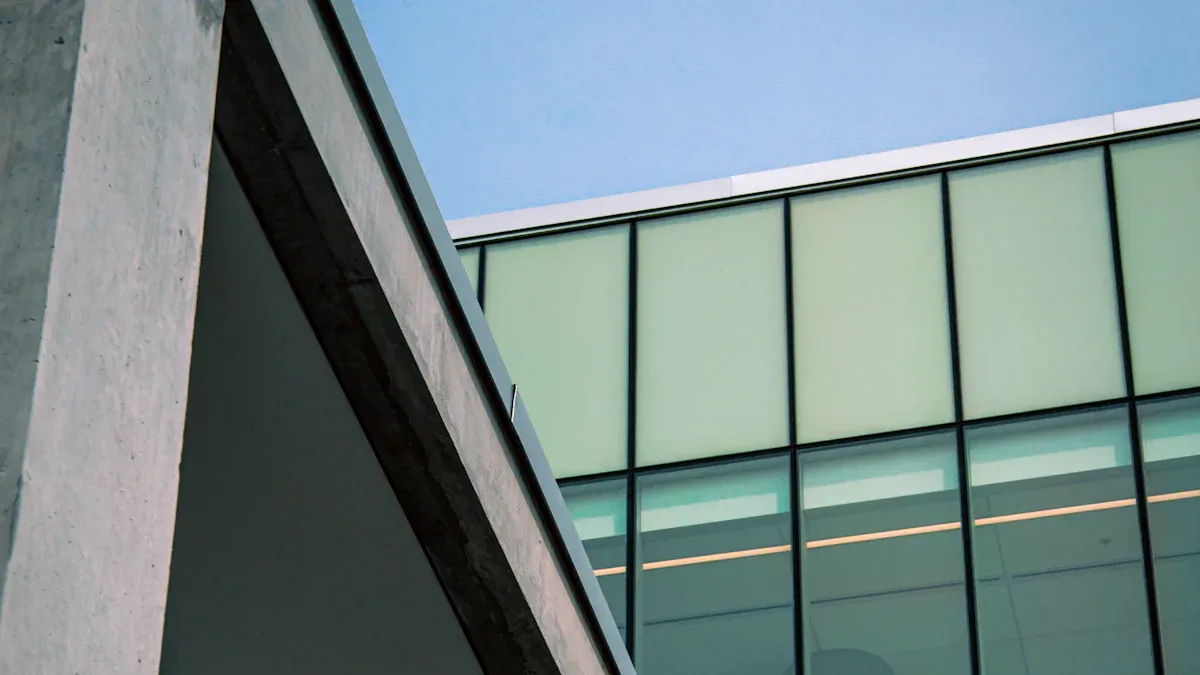
Aluminum composite panels, commonly known as ACP panels, are a popular choice in modern construction. ACP Panel Application for Exteriors And Interiors is widespread due to their lightweight core and durable aluminum surface. Architects often select PVDF ACP Panel options for their superior weather resistance and sleek appearance. Facade ACP Panel solutions are especially favored for creating striking building exteriors that stand out.
The global market for ACP panels was valued at approximately USD 6.46 billion in 2024.
Industry experts project it will grow to USD 9.65 billion by 2030, reflecting consistent annual growth.
Builders are increasingly choosing these panels for their safety features, aesthetic appeal, and energy efficiency.
Key Takeaways
ACP panels are light and strong, so they work well for new buildings. They come in many finishes and colors, so you can make creative designs. ACP panels do not cost a lot, and they help save money over time on repairs and energy. They are simple to put in place, which saves time and lowers work costs. Fire-retardant cores in ACP panels help keep buildings safer. These panels are good for the environment and can be recycled. ACP panels help save energy by keeping buildings insulated. You can use them inside or outside, so you have many design choices.
What Are Aluminium Composite Panels?
ACP Panel Structure
Aluminum composite panels have three main layers, like a sandwich. Each layer helps make the panel strong and useful for buildings.
Aluminum Layers: These thin sheets are on the outside. They help keep the panel light and strong. They also stop rust from forming.
Core Materials: The middle part can be made of polyethylene. This makes the panel bend easily. Sometimes, the core uses fire-resistant materials for more safety.
Surface Coatings: Special coatings like PVDF or polyester cover the panel. These coatings protect the panel and make it look nice.
This design keeps aluminum composite panels flat and long-lasting. They also look good on any building.
Key Features
Aluminum composite panels have many features that builders like. The table below lists the most important ones:
Feature | Description |
|---|---|
Composition | Two thin aluminum sheets stick to a non-aluminum core. This gives strength and insulation. |
Lightweight | The panels are easy to carry and install. This helps lower building costs. |
Durability | They can handle bad weather and do not rust. This means they last a long time. |
Aesthetic Versatility | You can pick from many colors and textures. This lets you make unique designs. |
Thermal and Sound Insulation | The panels help keep buildings quiet and save energy. They stop heat from moving through. |
Installation | You can cut and shape the panels easily for different designs. |
Maintenance | The panels need little cleaning and only simple checks to stay nice. |
Cost Effective | You get a good finish without spending too much money. |
Why ACP Panels Matter
Aluminum composite panels have many benefits over other building materials.
These panels are lighter than solid metal. You can use them on big walls or tall buildings without making the structure heavy.
You save money on installation because the panels are easy to move and do not need strong supports.
Aluminum composite panels let you make creative and modern buildings. There are many colors and finishes to choose from.
The panels are good for the environment. You can recycle them, and they help lower pollution during shipping and building.
They do not need much care. Your building will look nice for a long time with little work.
Tip: If you want your building to look great and last long, aluminum composite panels are a smart pick.
Types of Aluminum Composite Panel
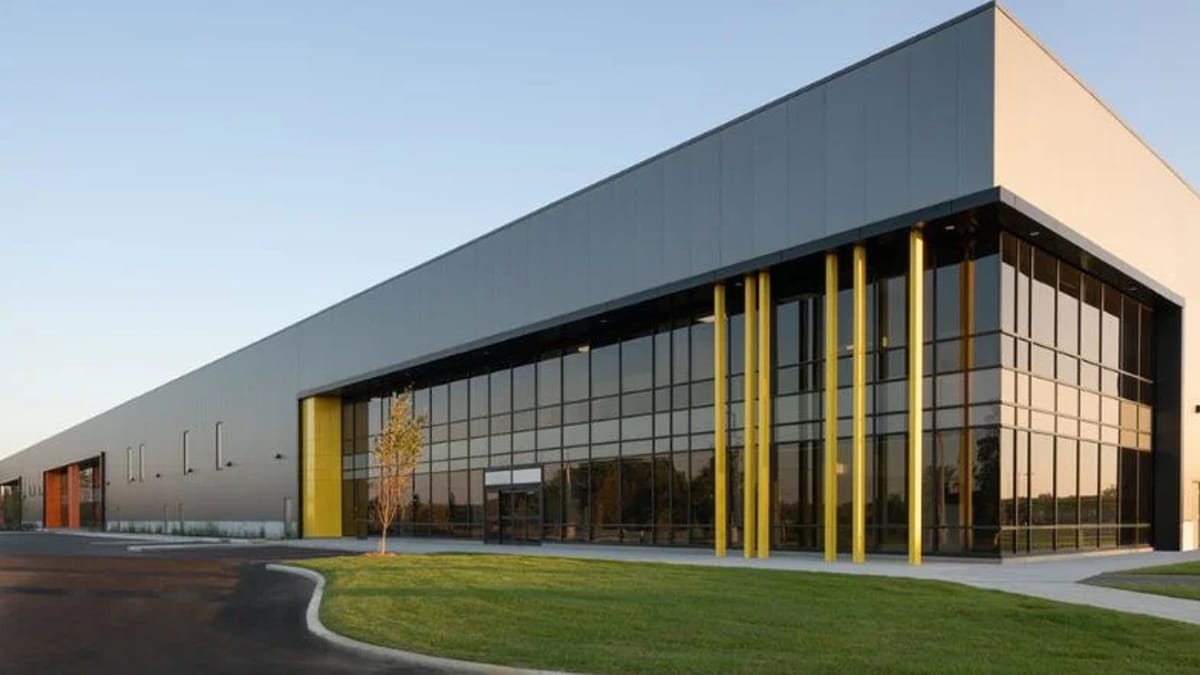 Aluminum composite panels come in many kinds. You need to know about the core, finish, and thickness. This helps you pick the best panel for your project.
Core Materials
The core changes how strong, light, or safe the panel is. There are three main types you should know.
Polyethylene Core
Polyethylene core panels are light and not expensive. You can use them for buildings with two floors or less. They are good for inside walls and small outside jobs. These panels are easy to carry and put up.
Fire-Retardant Core
Fire-retardant core panels slow down fire. You need these for tall buildings or places with strict fire rules. They cost more than polyethylene core panels. But they help keep people safe.
Mineral Core
Mineral core panels stop fire the best. You should use them in hospitals, schools, or tall buildings. These panels meet tough safety rules. They help you feel safe.
Tip: Always check your local building rules before picking a core. Safety is very important.
Surface Finishes
You can choose from many finishes to match your style. ACP panels can look modern, old, or like real wood or stone.
PVDF Coating
PVDF coating protects panels from sun and rain. You should use PVDF panels for outside walls. They keep their color and shine for a long time.
Polyester Coating
Polyester coating is good for inside use. These panels look smooth and have bright colors. They cost less and work for ceilings, walls, and signs.
Textured and Mirror Finishes
Textured finishes make panels look like wood, stone, or metal. Mirror finishes are shiny and smooth. You can use these for special walls, lobbies, or company logos.
Surface Finish Type | Advantages |
|---|---|
Colors | |
Textures | Can look like stone, wood, or metal |
Thickness and Sizes
ACP panels come in many thicknesses and sizes. You must pick the right one for your job.
3mm panels are good for inside walls and signs.
4mm panels work best for outside walls and facades.
6mm panels are stronger for special needs.
Experts say to use at least 4mm for outside walls. Thicker panels are stronger and harder to break. Good panels have aluminum layers at least 0.21mm thick.
Size (inches) | Thickness (mm) |
|---|---|
48 x 96 | 2 to 4 |
60 x 120 | 2 to 4 |
Size (mm) | Thickness (mm) |
|---|---|
1220 x 2440 | 3 to 6 |
1250 x 3050 | 3 to 6 |
1500 x 3050 | 3 to 6 |
You can get panels in many colors, textures, and sizes. This lets you design cool spaces inside and outside.
Note: The height of your building and wind strength matter. Ask your supplier which thickness is best.
Benefits of ACP Panel Applications
 Durability and Weather Resistance
 Durability and Weather Resistance
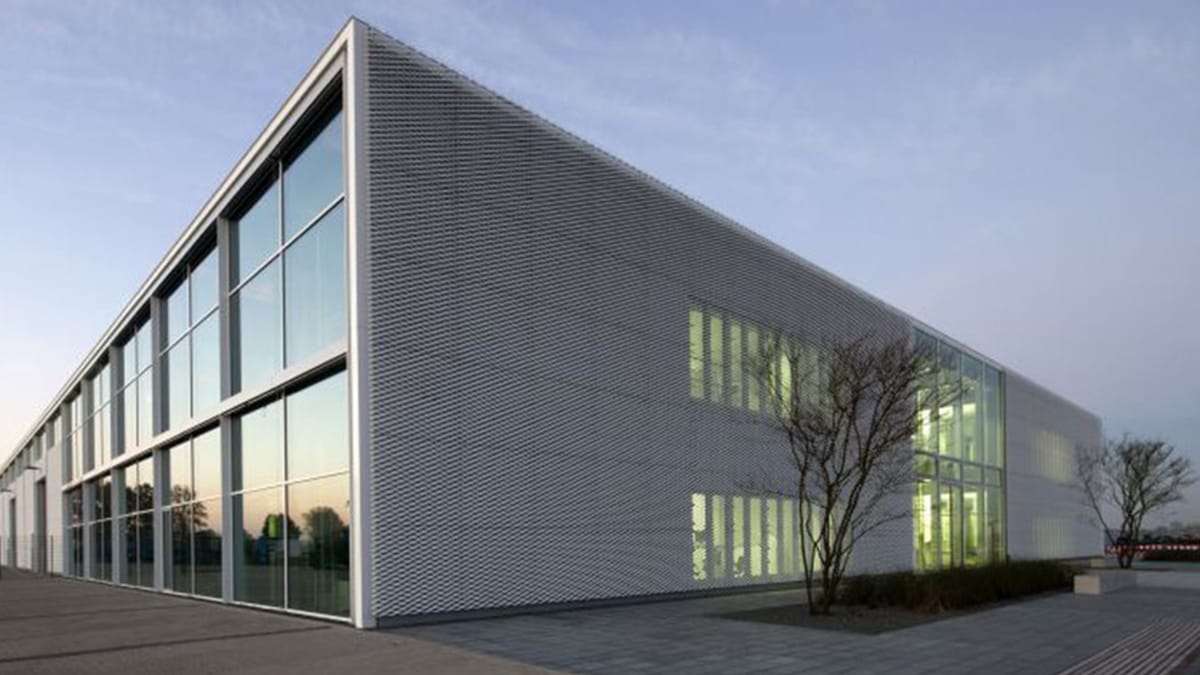
You want your building to stay strong and look nice for a long time. Aluminum composite panel systems protect buildings from bad weather. These panels do not rust or lose their color quickly. They keep looking shiny even after many years outside. You can count on them to handle rain, wind, and sun.
The table below shows how experts check if aluminum composite panels are tough and can handle weather:
Test Aspect | Test Standard(s) | Durability/Resistance Confirmation |
|---|---|---|
Color Uniformity | AAMA 2605 | Makes sure the color stays the same and does not change |
Specular Gloss | ASTM D 523 | Checks if the surface stays shiny as it should |
Dry Film Hardness | ASTM D 3363 | Tests if the panel is hard enough without breaking |
Flexibility (T-Bend) | ASTM D 4145 | Makes sure the coating bends without cracking |
Adhesion | ASTM D 3359 | Checks if the coating sticks well after being cut and taped |
Impact Resistance | ASTM D 2794 | Tests if the coating stays on after being hit |
Abrasion Resistance | ASTM D 968 | Checks if the surface does not wear away easily |
Mortar Resistance | ASTM C 207 | Makes sure the panel does not change after touching mortar |
Chalk Resistance | ASTM D 659 | Limits chalk marks to a safe amount |
Chemical Resistance | ASTM D 1308, D 2244 | Makes sure the panel does not change after acid tests |
These tests show that aluminum composite panel cladding can handle tough weather. You can feel sure your building will stay strong and look good.
Note: You can use these panels for new buildings or fixing old ones. They work well for outside walls in any weather.
Energy Efficiency
Saving energy helps every building. ACP panel benefits include great thermal insulation. The layers in these panels help keep rooms at the right temperature. You do not need to use much heating or cooling.
Here are ways aluminum composite panels help save energy:
Panels stop heat from getting inside, so you use less air conditioning.
They help keep indoor temperatures steady, so you do not need to use heaters or coolers as much.
The design keeps air from leaking out, making rooms more comfortable.
Shiny surfaces on the panels reflect sunlight, keeping rooms cooler.
Using these panels can help your building meet green standards like LEED.
They can also help lower the heat island effect in cities.
You save money on energy bills and help the planet. These benefits make aluminum composite panel cladding a smart pick for outside walls.
Design Flexibility
You want your building to look special. ACP panel benefits include lots of design choices. You can pick from many colors, finishes, and textures. Some panels look like wood or stone. Others are shiny or not shiny.
You can cut, bend, and shape aluminum composite panels in many ways. This lets you make cool patterns and modern designs. You can use these panels for curves, corners, or even logos.
Many colors, finishes, and textures to choose from
Easy to cut and bend for custom shapes
Finishes that look like wood or stone
Modern style for new buildings and trends
These benefits help you make your creative ideas real. You get a building that looks awesome and fits what you want.
Tip: Try using different finishes and colors together for a bold style. Aluminum composite panel cladding lets you design with no limits.
Fire Safety
You want everyone in your building to be safe. Aluminum composite panels help meet strict fire safety rules. Many panels have fire-retardant or mineral cores. These cores slow flames and make less smoke. You can trust these panels in places like schools, hospitals, and tall buildings.
Manufacturers test these panels with tough standards. For example, the fireproof B1 aluminum composite panel has ASTM E84 certification. This test shows the panel can resist fire and helps keep people safe. You often see this certification in tall buildings and public spaces.
You may also see other fire safety standards, such as:
ASTM E119: Tests how well materials last during a fire.
NFPA 285: Checks if fire spreads on a building’s outside.
ASTM E136: Measures how materials act at very high heat.
When you pick panels with these certifications, you help protect your building and everyone inside. Always ask your supplier about fire ratings before you buy.
Tip: Choose panels with fire-retardant or mineral cores for the best safety in public or tall buildings.
Cost-Effectiveness
You want to get good value for your money. Aluminum composite panels help you save money over time. The starting price may be higher than some other materials. But these panels last for many years, so you do not replace them often. Their light weight makes them easy and quick to install. This lowers labor costs.
You also save money on upkeep. ACP panels need little cleaning or repair. Their strong surface does not dent, scratch, or fade easily. Over time, you spend less fixing or replacing panels.
Here is how ACP panels compare to other materials:
Feature | Aluminum Composite Panels | Other Materials |
|---|---|---|
Maintenance | Minimal | Higher |
Durability | High | Variable |
Energy Efficiency | High | Variable |
Lifespan | Decades | Shorter |
You also save on energy bills. The panels help keep your building cool in summer and warm in winter. This means you use less heating and air conditioning.
Long lifespan means you replace panels less often
Energy efficiency helps lower your utility bills
Choosing ACP panels helps you save money every year. Your building looks great and costs less to own.
ACP Panel Applications for Exteriors and Interiors
 Aluminum composite panel applications help change how buildings look today. You can use these panels outside or inside. They give strong protection and save energy. You also get many ways to make your building look cool. ACP panel application for exteriors and interiors gives you lots of choices for your next job.
Exterior ACP Panel Applications
You see aluminum composite panels used outside in many places. These panels help make buildings strong and nice-looking. You can use them for new buildings or to fix old ones.
Building Facades
Aluminum composite panel facades help your building stand out. These panels give a smooth and modern look. You see them on malls, offices, and homes. Lotus Paradise Mall in India uses bright colors and smooth panels. This makes the mall easy to find in the city. ALUCOBOND® panels help you make bold designs with curves.
The panels are light and easy to put up.
You can pick from many colors and finishes.
You get better insulation and save energy.
Signage and Branding
You want people to notice your business. ACP panel application for exteriors and interiors lets you make custom signs and logos. You see these panels on shop signs and billboards. They last a long time and keep their color.
You can cut panels into shapes for your brand.
The surface is smooth for printing logos.
You can use fire-resistant sheets for safety.
Canopies and Awnings
Canopies and awnings protect doors and walkways. Aluminum composite panel applications give strong covers that look good. These panels stand up to rain, sun, and wind.
You get tough covers for doors and windows.
You can match the design to your building.
You keep people safe from bad weather.
Column Covers
You can cover old columns and make them look new. ACP panel application for exteriors and interiors helps you use stylish panels for columns. You see this in malls, hotels, and offices.
You get a clean and modern finish.
You can pick colors and textures.
You protect columns from damage.
Renovation Projects
You can fix old buildings with aluminum composite panels. You stop leaks, make insulation better, and give buildings a new look. A tall building from 1967 used ACP panels to stop water leaks and look better. The Eames House covered old walls with ACP panels to keep its design.
You save money by fixing instead of rebuilding.
You make energy use better.
You keep the building safe and modern.
Tip: You can use ACP panel application for exteriors and interiors for new or old buildings. You get strong protection and a fresh look.
Interior ACP Panel Applications
Aluminum composite panels work well inside buildings too. These panels help you make spaces that look good and work well. You get lots of design choices and easy care.
Feature Walls
A feature wall can make any room special. ACP panel applications let you pick colors, textures, and finishes. You see these walls in offices, hotels, and homes.
You get a modern look with smooth or textured panels.
You can match the wall to your furniture.
You make rooms feel bigger and brighter.
Ceilings and Ceiling Systems
Aluminum composite panels are good for ceilings. You get a clean look and better sound control. These panels work in malls, schools, and hospitals.
The panels are light and easy to put up.
You get better thermal insulation.
You can hide wires and pipes.
Partitions and Column Covers
You can split spaces with ACP panel application for exteriors and interiors. You use panels for partitions in offices and shops. You also cover columns to match your style.
You get flexible room dividers.
You can change layouts easily.
You keep spaces neat.
Decorative Elements
Decorative panels add style to any space. Aluminum composite panel applications let you make patterns, shapes, and art. You see these in lobbies, restaurants, and showrooms.
You get many design options.
You can use panels for wall art or displays.
You make spaces unique.
Furniture and Cabinetry
ACP panel application for exteriors and interiors works for furniture too. You see panels in cabinets, shelves, and countertops. These panels are strong and easy to clean.
You get modern furniture that lasts.
You can pick colors and finishes.
You keep cleaning simple.
Note: Aluminum composite panels help you design creative interiors. You get strong panels, easy care, and energy savings.
ACP Panel Application Fors Exteriors and Interiors: Versatility and Efficiency
 ACP panel application for exteriors and interiors gives you many benefits. These panels work for both outside and inside. You make buildings look better, save energy, and keep them safe.
Application Area | Benefits | Example Use Cases |
|---|---|---|
Exteriors | Weather resistance, insulation | Facades, canopies, renovations |
Interiors | Design flexibility, easy care | Feature walls, ceilings, furniture |
You can pick panels that fit your style and needs. You get strong protection and a modern look. ACP panel applications help you build spaces that last and look great.
ACP panel application for exteriors and interiors gives you endless options. You can make buildings safe, stylish, and energy efficient.
Choosing ACP Panels for Your Project
Assessing Project Needs
You should first know what your project needs. Every building is not the same. Think about how you want it to look. Also, think about how long you want it to last. Ask yourself some questions to help you decide:
What will the building be used for? Is it a school, office, or home?
How tall is the building? Taller ones need stronger and safer panels.
Where will you put the panels? Outside panels get more sun and rain.
How much money can you spend on the project?
Do you want special colors or finishes for your design?
You also need to think about the total cost over time. This means cleaning, fixing, and replacing panels later. Some finishes, like PVDF, last longer and keep their color. You will not need to repaint as much. Make sure the panels follow your city’s building rules. This is very important for fire safety. Think about how easy it is to put up the panels. Some buildings need special frames or extra work to reach high places.
Tip: Always check your city’s rules before buying panels. Some buildings need fire-retardant or mineral-filled cores, especially if they are tall or have many people inside.
Technical Specifications
You need to look at the technical details to keep your building safe. These details help you pick the right panels for your job.
Fire Rating
Fire safety is very important to check. Many cities have strict fire rules. You need to know if your building is tall or has many people. In these cases, use fire-resistant or solid core ACP panels. Always ask for certificates and test reports from your supplier. These show the panels passed fire tests.
Specification Type | Importance | Details |
|---|---|---|
Fire Safety | Critical | Fire-resistant (FR) or solid core ACP panels are often needed for tall and public buildings. Check for certificates and test results. |
Structural Integrity | Essential | Good aluminum quality, correct thickness, and strong bonding are needed. This stops bending and keeps the building safe. |
Compliance with Regulations | Mandatory | Know your city’s fire rules and building codes. Pick the right ACP panels to follow the law and keep everyone safe. |
Thickness and Finish
You need to pick the right thickness for your panels. Thicker panels are stronger and better for tall buildings or windy places. Make sure the aluminum skin is thick enough for your building’s height and wind. Flatness is important too. Good panels stay flat and do not bend. When you put up the panels, leave small gaps. This lets the panels move when it gets hot or cold. It stops cracks at the joints.
You can choose from many finishes. PVDF finishes last longer and keep their color in the sun. Polyester finishes are good for inside. Pick a finish that matches your style and how much care you want to do.
Check the thickness for your building’s needs.
Pick a finish that lasts and looks good.
Make sure the panels stay flat and strong.
Quality and Certifications
You want panels that meet high standards. Good panels last longer and keep your building safe. Look for certificates that show the panels passed important tests.
Certification Standard | Description |
|---|---|
ASTM E119 | Fire resistance test for building materials |
EN-13501-1 | Fire classification of construction products |
BS 476: Part 6 & 7 | Fire tests on building materials and structures |
DIN 4102-98 | Fire behavior of building materials and elements |
Ask your supplier for test reports and certificates. These prove the panels are safe and strong. Some jobs need someone else to check the panels on-site. This makes sure the panels follow all the rules.
Note: Always pick panels with trusted certificates. This keeps your building safe and helps you follow the law.
Selecting Reliable Suppliers
You want your building project to succeed. Choosing a reliable supplier for aluminum composite panels (ACP) is a key step. The right supplier helps you get panels that last, look good, and keep people safe. You should follow a clear process to make the best choice.
Start by thinking about your project. Define where you will use the panels. If you need panels for a tall building, you must focus on fire safety and durability. Always check your local building codes. These rules tell you what fire classification your panels must meet. Pick the right core type for your project. For example, use fire-retardant or mineral cores for multi-story buildings.
Next, look at the quality of the panels. Check the coating. Good coatings protect panels from sun, rain, and pollution. Ask the supplier for test data. Reliable suppliers share results from tests on strength, weather resistance, and fire safety. You should also ask for samples. Hold the panels, look at the finish, and check if they feel strong. This helps you see the quality before you buy a large amount.
You should also look at the supplier’s reputation. Choose companies with a strong track record. Look for ISO 9001 certification. This shows the supplier follows strict quality rules. Read reviews from other builders. Ask for references. Good suppliers have happy customers who will share their experiences.
Here is a simple checklist you can use:
Define your application and safety needs.
Check local building codes for fire requirements.
Select the right core type for your building.
Evaluate the coating quality for outdoor use.
Review manufacturer test data and ask for samples.
Assess the supplier’s reputation and ISO 9001 certification.
Avoid prices that seem too low to be true.
You should also pay attention to how the supplier communicates. Reliable suppliers answer questions quickly. They provide clear documents and warranty terms. They help you understand the installation process and offer support if you have problems.
Tip: Do not choose a supplier just because of a low price. Very cheap panels may not last or meet safety rules. Quality and service matter most.
You can use these steps to find a supplier you trust. This helps you finish your project on time and within budget. You get panels that look great and keep your building safe for years.
Installation of ACP Panels
Pre-Installation Planning
 Pre-Installation Planning
You must plan before you start putting up aluminum composite panels. Good planning helps you avoid problems and makes things easier. Here are the steps you should follow:
Cleaning and Inspecting the Surface: Make sure the surface is clean and dry. Use a soft cloth and mild soap to wipe away dust and dirt. Rinse with water and let it dry all the way. This helps the panels stick better and last longer.
Measuring and Marking: Use a tape measure and a level to check the area. Mark where you will put brackets, screws, or glue. Good marks help you put the panels in the right place and avoid mistakes.
Tip: Always check your measurements twice before you start. This can save you time and stop you from making big mistakes.
Tools and Materials
You need the right tools and supplies to do the job safely and well. Gather everything you need before you begin. Here is a list of what you should have:
Aluminum composite panels
A frame made of aluminum or galvanized steel
Fasteners, screws, and rivets
Brackets and corner pieces
Weatherproof silicone or strong glue
Drills, cutting tools, and a rivet gun
Leveling tools and clamps
Gloves and goggles for safety
Protective film for the panels
Safety gear
Having all these things ready makes your work faster and safer. You also will not have to stop to find missing items.
Tip: Always wear gloves and goggles when you cut or drill panels. Safety is important every time you work on installation or repairs.
Installation Steps
You can start putting up the panels after you plan and get your tools. There are three main parts: getting the surface ready, building the frame, and putting up the panels. Each step is important for a strong and neat finish.
Surface Preparation
You must get the surface ready before you put up any panels. Clean the area again if you need to. Remove dust, grease, or anything loose. Make sure the surface is flat and dry. A smooth surface helps the panels stick well and look even.
Tip: Take your time to get the surface ready. A clean and flat surface gives you better results and fewer problems later.
Framing and Support
You need a strong frame to hold the panels up. Use aluminum or galvanized steel for the frame. Attach the frame tightly to the wall or ceiling. Check that the frame is straight and level. This step gives your panels the support they need and keeps them from bending or falling.
Panel Fixing
Now you can put the panels on the frame. Use screws, rivets, or glue as needed. Start at one corner and move across the area. Make sure each panel matches the marks you made before. Leave small spaces between panels so they can expand. Tighten all fasteners, but do not make them too tight or you could break the panels.
Tip: Check each panel as you go. Make sure it is flat and tight before you move to the next one. This helps you find mistakes early and keeps your work looking neat.
Installation Challenges
Putting up aluminum composite panels can be tricky. The panels are light and easy to move. But you need to be careful with every step. If you do not seal or line up the panels right, water or air can get in. This can hurt your building over time. You want your building to stay safe and look nice, so you must avoid these problems.
You also need to think about the weather. Cold weather can make some panel cores stiff and easy to break. When this happens, panels might crack or split. If water gets in small spaces and freezes, it grows and can break the panels. Glue dries slower when it is cold, so your work can take longer. You want to finish your job on time, so plan for these things.
Here is a table that lists common problems and what they mean:
Challenge | Description |
|---|---|
Low-Temperature Embrittlement | Ordinary plastic core materials harden and crack at -20°C, leading to delamination. |
Freeze-Thaw Cycles | Snowmelt seeps into gaps, freezes, and expands, compromising structural integrity. |
Slow Adhesive Curing | Adhesives cure slowly at low temperatures, affecting installation efficiency. |
You can stop many problems by picking good materials and using the right methods. Here are some tips to help you:
Pick strong materials for panels and glue.
Use correct steps for sealing and lining up panels.
Put special coatings on panels to make them tougher and better against weather.
Always check the weather before you start working. If it is very cold, you might need to wait or use special products. Look at each panel before you put it up. Check for cracks, dents, or other damage. Fix any problems before you keep going.
Tip: If you are not sure what to do, ask a pro installer for help. Planning well and working carefully helps you avoid mistakes and keeps your building safe.
You can handle these problems if you use the right steps. Careful work helps your panels last longer and work better.
Maintenance and Care
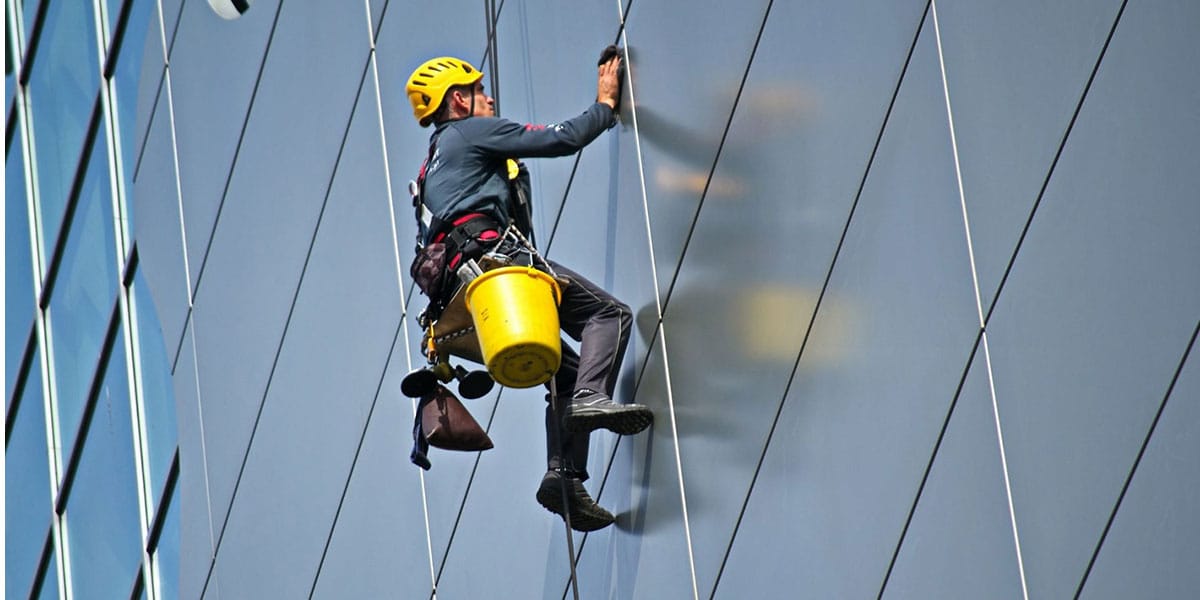
Taking care of aluminum composite panels helps your building look great and last longer. You can keep panels in top shape with regular cleaning, smart prevention, and a few simple habits.
Cleaning ACP Panels
You should clean your panels every 3–6 months. In cities or places with lots of dust, clean them every quarter. Use a soft cloth with warm water and mild soap. Always test any new cleaning solution on a small spot first. This helps you avoid damage. Clean from top to bottom to stop streaks from forming.
Use a mild detergent mixed with water and a soft sponge.
Try a low-pressure power washer for large areas.
Rinse panels with clean water to remove soap and dirt.
Never use abrasive pads or harsh chemicals.
Dry panels with a soft towel for a streak-free finish.
Tip: Clean panels more often if you see lots of dirt or pollution. This keeps the surface looking new.
Preventing Damage
You can stop most damage before it starts. Regular cleaning keeps the surface strong. Avoid harsh chemicals that might harm the panels. Always rinse well to remove any leftover soap or cleaner. Check your panels often for dents, scratches, or loose parts.
Inspect joints and seals for gaps or wear twice a year.
Use matching touch-up paint for small scratches.
Replace dented panels to keep the wall strong.
Install protective barriers in busy areas to prevent bumps or hits.
Address minor damage right away to avoid bigger repairs.
Note: In spring, clean panels and check for winter damage. In summer, look for fading from the sun and add protective coatings if needed. In fall, inspect fasteners and seals before storms.
Maximizing Longevity
You can help your panels last for many years with a few easy steps. Clean panels on a schedule. Inspect them for damage after each season. Fix small problems quickly. This stops bigger issues from growing.
Clean panels every few months.
Check for damage after storms or harsh weather.
Use only approved cleaning products.
Keep records of all installation and maintenance work.
Schedule professional inspections if you notice big changes.
Keeping up with care means your panels will protect and decorate your building for a long time. Good habits save money and keep your property looking its best.
Safety and Sustainability
Aluminum composite panels help make buildings safe and good for the planet. You want your project to protect people and nature. These panels give strong fire safety and help the environment. They also help keep indoor spaces healthy.
Fire Safety Standards
Fire safety is very important in building today. Many countries have strict rules for building materials. Aluminum composite panels have changed to meet these rules. Now, makers use mineral cores that do not burn easily. This helps panels pass hard fire tests.
NFPA 285 checks if fire spreads on building walls.
ASTM E84 tests how fast flames and smoke move.
The Euroclass system uses codes like A2-s1 and d0 for fire safety in Europe.
Some panels, like Alfrex FR, use a mineral core that resists fire. These panels help you follow new safety rules. Always pick panels that pass these tests. This keeps everyone in the building safe.
Tip: Ask your supplier for test papers before you buy panels.
Environmental Impact
You want your building to be better for the earth. Aluminum composite panels help in many ways. They use recycled aluminum, which saves resources. You can recycle the panels again when you do not need them. This means less trash in landfills.
The panels are light, so trucks use less fuel to move them.
You save energy when you put up the panels because they are easy to handle.
The panels last a long time, so you do not need to change them often.
Many panels help your building get green awards like LEED.
Some panels use coatings and cores with fewer bad chemicals. This helps the air stay clean and supports the planet.
Environmental Benefit | How ACP Panels Help |
|---|---|
Recyclability | Panels and aluminum can be used again |
Energy Savings | Less fuel and easier to install |
Long Lifespan | You do not replace them often |
Low Emissions | Cleaner air and safer materials |
Note: Picking green panels helps the earth and saves you money.
Indoor Air Quality
You want clean air inside your building. Aluminum composite panels help you get this. Many panels use coatings and cores that do not let out bad gases. This keeps the air safe for people inside.
Panels with low-VOC coatings do not make bad smells or add chemicals to the air.
The smooth surface stops dust and mold from growing.
You can clean the panels easily, so the air stays fresh.
Good air inside helps people feel healthy and happy. When you choose safe and green panels, you make better places for everyone.
Clean air and safe panels make your building a great place to live, learn, or work.
Comparing ACP Panels to Alternatives
ACP vs. Solid Aluminum
 ACP vs. Solid Aluminum
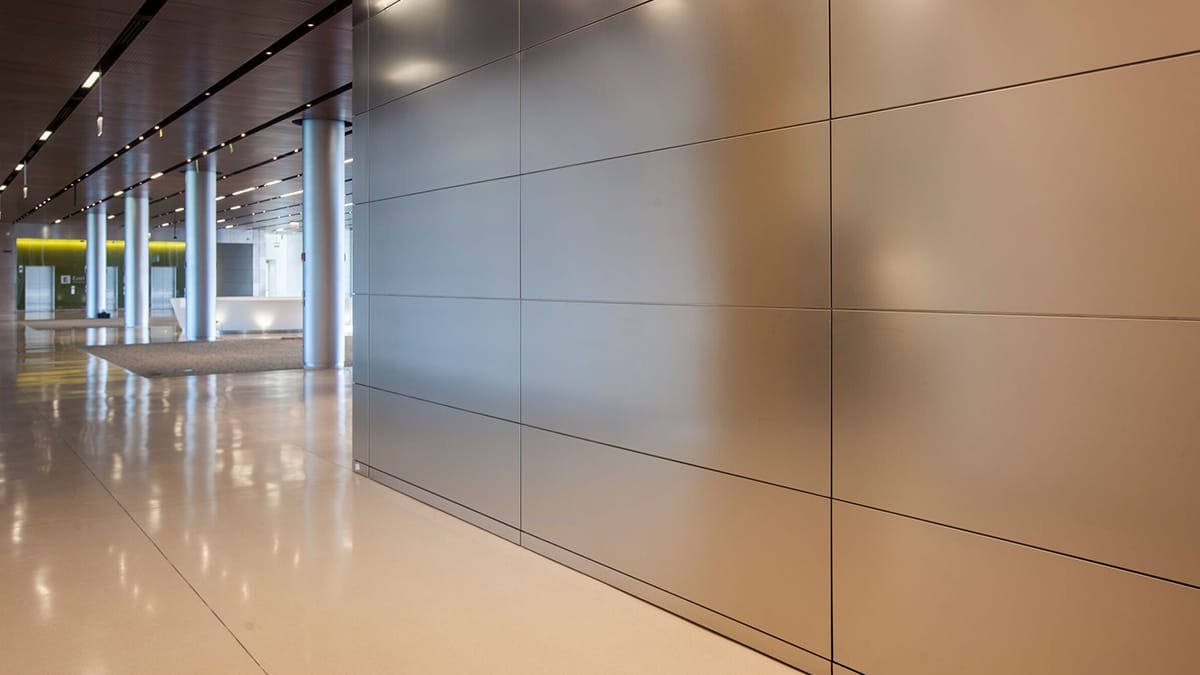
When you compare ACP panels to solid aluminum, you notice some clear differences. ACP panels have a lightweight core with thin aluminum sheets on both sides. Solid aluminum uses a single, thick piece of metal. This makes solid aluminum much heavier. You will find ACP panels easier to handle and install. They put less stress on your building’s structure.
Solid aluminum gives you great strength and durability. It resists dents and can last for decades. However, it costs more and takes longer to install. ACP panels offer good strength for most projects, but they also help you save money and time. You can recycle both materials, but ACP panels use more recycled content. This makes them a better choice if you care about sustainability.
If you want a balance of strength, cost savings, and easy installation, ACP panels are a smart pick for most modern buildings.
ACP vs. HPL Panels
High-Pressure Laminate (HPL) panels give you many design options. You can choose from wood grain, metallic, or solid colors. HPL panels are dense and non-porous. They resist water and impacts very well. This makes them a good choice for places that need tough surfaces.
However, HPL panels are heavier than ACP panels. They also cost more and require professional installation. You may find HPL panels in high-traffic areas like hospitals or schools. ACP panels, on the other hand, are lighter and easier to cut or shape. You can install them faster and with less effort.
HPL panels resist water and impacts.
They come in many colors and textures.
HPL panels cost more and need expert installation.
If you want a wide range of looks and need extra toughness, HPL panels work well. For most projects, ACP panels give you enough strength, more flexibility, and lower costs.
ACP vs. Glass and Stone
Glass and stone give buildings a classic and elegant look. Stone veneer and glass panels are heavy and expensive. You need strong support structures and skilled workers to install them. This increases both the cost and the time needed for your project.
ACP panels weigh much less than stone or glass. You can install them quickly and with fewer workers. They also cost less. The table below shows how ACP panels compare to stone in terms of cost:
Material Type | Cost per Square Metre | Installation Cost per Square Metre | Total Installed Cost per Square Metre |
|---|---|---|---|
Traditional Stone Veneer | $100 – $130 | $400 – $450 | $500 – $580 |
EcoSmart Stone Cladding | $140 – $160 | $240 – $270 | $380 – $430 |
ACP Sheets | Less than $100 | Lower than traditional options | Generally lower than stone options |
You also help the environment by choosing ACP panels. They use recycled materials and create less waste. Stone and glass need more energy to produce and transport. If you want a modern look, lower costs, and easier installation, ACP panels are a great alternative to glass and stone.
ACP panels give you design freedom, save you money, and help protect the planet.
Cost and Performance
When you choose building materials, you want to know how much they cost and how well they work. Aluminum composite panels (ACP) give you a strong balance between price and performance. You can see the differences when you compare ACP panels to solid aluminum, HPL panels, glass, or stone.
Upfront Costs
ACP panels usually cost less than solid aluminum, glass, or stone. You pay less for the panels and for installation. The panels are light, so you do not need heavy support structures. You also save money on labor because workers can install ACP panels quickly.
Material Type | Material Cost (per sq. ft.) | Installation Cost (per sq. ft.) | Maintenance Cost | Lifespan |
|---|---|---|---|---|
ACP Panels | $6 – $12 | Low | Low | 20–30 years |
Solid Aluminum | $15 – $25 | High | Low | 30+ years |
HPL Panels | $10 – $18 | Medium | Medium | 15–25 years |
Glass | $20 – $35 | High | High | 20–30 years |
Stone | $25 – $50 | Very High | High | 40+ years |
Note: Prices can change based on location, design, and supplier.
Performance Factors
You want panels that last and look good. ACP panels resist weather, rust, and fading. You do not need to paint them often. The panels also help keep your building cool or warm, which saves energy. You can clean ACP panels with simple tools and soap.
Solid aluminum gives you more strength, but it costs more. HPL panels resist scratches and water, but they are heavier and need more care. Glass and stone look beautiful, but they break or stain easily. You also pay more to fix or replace them.
Long-Term Value
You save money with ACP panels over time. The panels last for decades with little care. You do not need to spend much on repairs. The energy savings add up each year. You also help the planet because ACP panels use recycled materials and can be recycled again.
Why Choose ACP Panels?
Lower upfront and installation costs
Easy and fast to install
Good weather and fire resistance
Low maintenance needs
Long lifespan and energy savings
If you want a smart choice for your building, ACP panels give you great value and strong performance.
Cost of ACP Panel Applications
Pricing Factors
 Pricing Factors
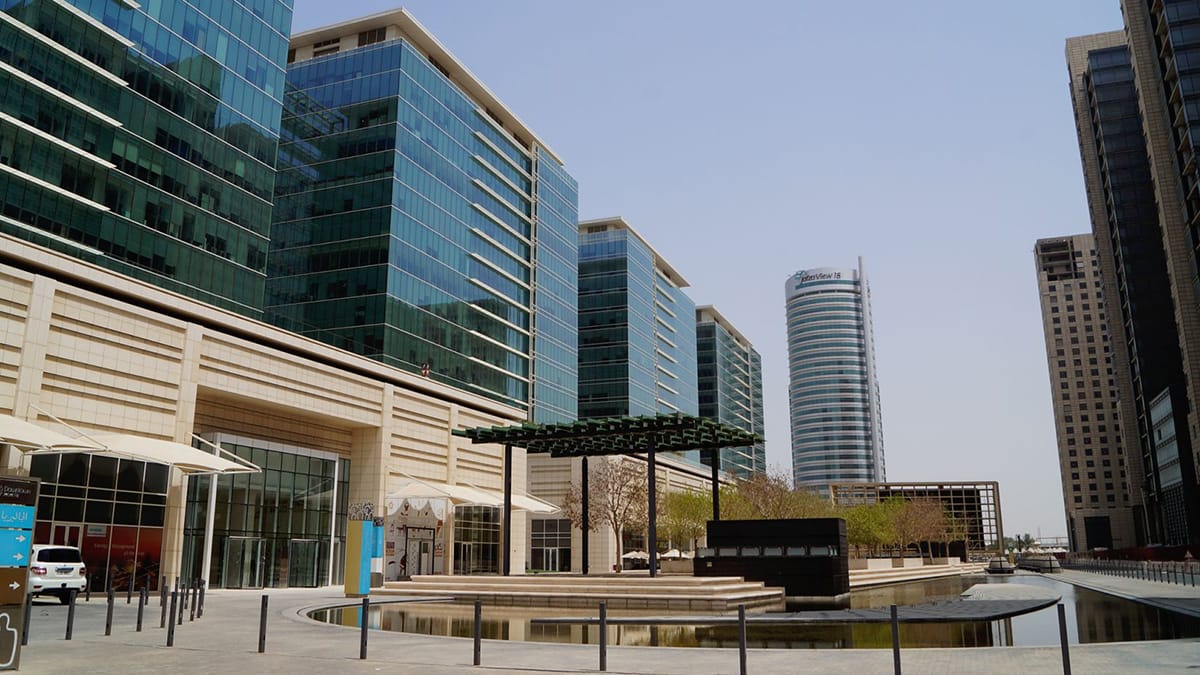
You want to know what affects the price of ACP panels. Several things change how much you pay. The thickness of the panel matters. Thicker panels cost more because they use more material. The type of core also changes the price. Fire-retardant and mineral cores cost more than polyethylene cores. The finish you choose makes a difference. PVDF coatings last longer and cost more than polyester coatings.
The size of your project affects the total cost. Large projects may get discounts. Small jobs might cost more per panel. Custom colors or textures add to the price. You also pay more for panels with special shapes or sizes.
Here is a table to help you see the main pricing factors:
Factor | Impact on Cost |
|---|---|
Panel Thickness | Higher thickness = higher cost |
Core Type | Fire-retardant/mineral = higher cost |
Surface Finish | PVDF = higher cost |
Project Size | Larger = possible discount |
Customization | Custom colors/textures = higher cost |
Tip: Ask your supplier for a detailed quote. This helps you understand what you pay for.
Installation Costs
You need to think about installation costs when you plan your budget. ACP panels are light, so you save money on labor. Workers can install them faster than stone or glass. You do not need heavy support structures. This lowers the cost.
The cost of installation depends on the complexity of your design. Simple walls cost less to install. Curved surfaces or special shapes cost more. If you need fire-rated panels, you may pay more for skilled labor. The location of your building also matters. High-rise buildings need extra safety steps, which add to the cost.
You can use this checklist to estimate installation costs:
Measure the area for panel coverage.
Check if you need special shapes or finishes.
Ask about labor rates in your area.
Find out if you need extra safety steps for tall buildings.
Note: Good planning helps you avoid extra costs during installation.
Long-Term Value
You want to get the most value from your investment. ACP panels last for many years. You spend less on repairs because the panels resist weather and damage. The panels need little cleaning. You save money on maintenance.
ACP panels help you lower energy bills. The panels keep your building cool in summer and warm in winter. You spend less on heating and cooling. The panels also help your building look modern for a long time. You do not need to repaint or replace them often.
Here are some benefits you get over time:
Low maintenance costs
Fewer repairs
Energy savings
Long-lasting appearance
Choosing ACP panels gives you strong value for your money. You protect your building and save on costs year after year.
You can change any room or building with ACP panels. These panels are tough and last a long time. They look modern and help save energy. You can use them inside or outside. You have many ways to design your space.
Pick ACP panels to keep your building safe for years.
They are simple to clean and help you save money.
Make cool and eye-catching designs.
Want to make your building better? Ask an ACP expert or look at panel choices today.
FAQ
What is an ACP panel?
You see ACP panels as flat sheets with two aluminum layers and a plastic or mineral core. Builders use them for walls, signs, and furniture. These panels are light, strong, and easy to shape.
Can you use ACP panels inside your home?
Yes, you can use ACP panels for feature walls, ceilings, cabinets, and partitions. These panels help you create modern designs and keep cleaning simple.
How do you clean ACP panels?
Use a soft cloth with mild soap and water. Rinse with clean water. Avoid harsh chemicals or rough pads. Clean panels every few months to keep them looking new.
Are ACP panels fire-resistant?
Some ACP panels have fire-retardant or mineral cores. These panels slow down flames and make less smoke. Always check for fire safety certificates before you buy.
What finishes can you choose for ACP panels?
You can pick from many finishes, such as matte, glossy, wood grain, stone, or mirror. PVDF coatings work best for outdoor use. Polyester coatings suit indoor spaces.
How long do ACP panels last?
ACP panels can last 20–30 years with proper care. They resist rust, fading, and weather damage. Regular cleaning and quick repairs help you keep panels in good shape.
Can you recycle ACP panels?
Yes, you can recycle ACP panels. The aluminum and core materials go to recycling centers. Using recycled panels helps you protect the environment.
Do ACP panels save energy?
ACP panels help you save energy. The layers keep rooms cool in summer and warm in winter. You spend less on heating and cooling bills.