
18 Feb ACP Panel Types Made Simple For Every Project
Table of Contents
Choosing the right ACP panel types can significantly impact your project’s appearance, cost, and safety. By understanding how to categorize aluminium composite panels by material, finish, and application, you can make informed choices with confidence.
ACPs are lightweight and more affordable for new designs.
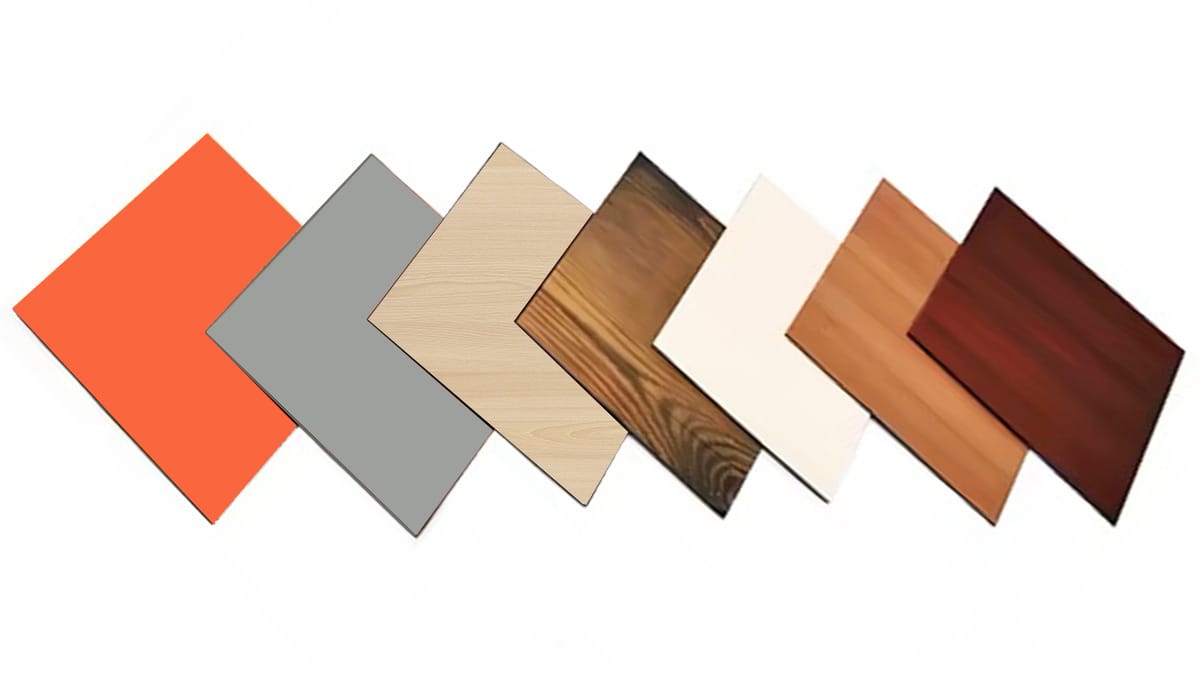
You can opt for a wooden ACP Panel, a stone finish ACP Panel, or classic aluminium surfaces to match your style.
Fire-retardant panels are essential for meeting stringent safety regulations, particularly in high-rise buildings.
Selecting green ACPs not only benefits the environment but also enhances the value of your project.
Each year, more people are drawn to these panels due to their energy-saving properties and aesthetic appeal.
Key Takeaways
ACP panels do not weigh much and cost less, so they are good for new designs.
Fire-retardant ACP panels help keep people safe, especially in tall buildings.
Mineral-filled cores in ACP panels make them safer from fire and better for the environment.
Different finishes like wooden, stone, and marble give style and protect the panels.
ACP panels can be used in many ways, like on building facades, inside rooms, and for signs.
ACP panel types by material
When picking acp panel types, you should know about the core materials. The core is the main part inside every aluminium composite panel. It helps the panel stay strong and last longer. It also keeps heat and cold out. In 2024, most panels use these core materials. Builders and architects use them for buildings, signs, and decorating rooms. New technology makes panels lighter and tougher. You can now find eco-friendly choices that follow fire safety and green rules.
Polyethylene and polyurethane cores
Polyethylene and polyurethane are two common core materials in acm panels. These plastics make panels light and simple to put up. You can pick different thicknesses for your project. Polyethylene cores are popular because they cost less and are easy to make. But they do not stop fire well. A fire in an apartment in Australia showed how fast flames can move with polyethylene core panels. The fire went up 13 floors in only 15 minutes.
⚠️ Alert: Polyethylene core panels can break apart during a fire. This gives the fire more fuel and makes it worse. Many places now ban these panels in risky buildings or ventilated facades.
Polyurethane cores keep heat in better but still have fire risks. Always check the fire-grade rating before using these acm panels.
Core Material | Fire Resistance Level | Regulatory Compliance | |
|---|---|---|---|
Polyethylene (PE) | Plastic (PE) | Low; burns easily | Often does not pass strict rules |
Fire-Resistant (FR) | Mineral-filled | Medium to high; stops fire | Passes tougher fire safety rules |
Mineral-filled and fire-resistant cores
Mineral-filled cores are made for places that need fire safety. These acm panels use minerals that do not burn fast. They make less heat and smoke in a fire. Special tests show mineral core panels lose less weight and keep their shape in high heat. Ask the maker for test reports and check if the sheets follow local rules. Pick panels with a mineral core for safer schools, hospitals, and tall offices.
Metric | What It Measures | NCC Requirement |
|---|---|---|
Flame Spread | How fast fire moves | Must be very slow |
Smoke Emissions | Amount of smoke produced | Must be very low |
Heat Release | Heat given off in a fire | Must be controlled |
Use fire-rated panels in public buildings.
Pick mineral-filled acm panels for better fire safety.
Mineral-filled cores also help the environment. Bak-free acp panels make indoor air cleaner and can be recycled. These panels help save resources and cut down on trash. You can use green acm panels to lower pollution and make your building last longer.
Core Material Type | Environmental Impact | Key Benefits |
|---|---|---|
Sustainable ACP | Lower emissions, high recyclability | Longer service life, reduced waste |
Bak-free ACP | Improved indoor air quality, recyclable | Safer for interiors, promotes sustainability |
Aluminum composite material distinctions
 Aluminum composite material is strong and can be used in many ways. You can pick from many thicknesses and sizes for your project. ACP panel types with aluminum composite material stand up to weather, sun, and rust. They do not break easily and need little care. You can clean them quickly and they last 40–50 years or more.
Material | Durability Characteristics | Lifespan |
|---|---|---|
Aluminum Composite Panels | High resistance to weather, UV rays, and corrosion; impact-resistant; low maintenance. | 40–50 years or more |
Steel | Strong but prone to corrosion; requires protective coatings and maintenance. | 50–100 years or more |
Wood | Susceptible to rot, insects, and moisture; lifespan varies based on treatment. | 20 years to over 100 |
Solid Aluminum | Durable but may require additional insulation; affected by environmental exposure. | 40–80 years |
Aluminum composite material works well in wet or salty places because it does not rust. The three-layer design has finished aluminum on both sides and a core in the middle. This makes acm panels tough and bendable.
Aluminium composite panel makers now focus on saving energy. Recycling aluminum uses much less energy than making new metal. Most aluminum ever made is still being used today. ACP panels help get LEED, BREEAM, and Green Star points. They save energy and keep cities cooler with shiny finishes.
ACP panels can be recycled easily.
The design lets you take them apart for recycling.
Strong panels mean less trash and fewer replacements.
Aluminum composite material helps save energy and keeps buildings warm or cool.
You can choose acp panel types based on your money and needs. Here is a chart that shows how much different aluminium composite panel options cost:
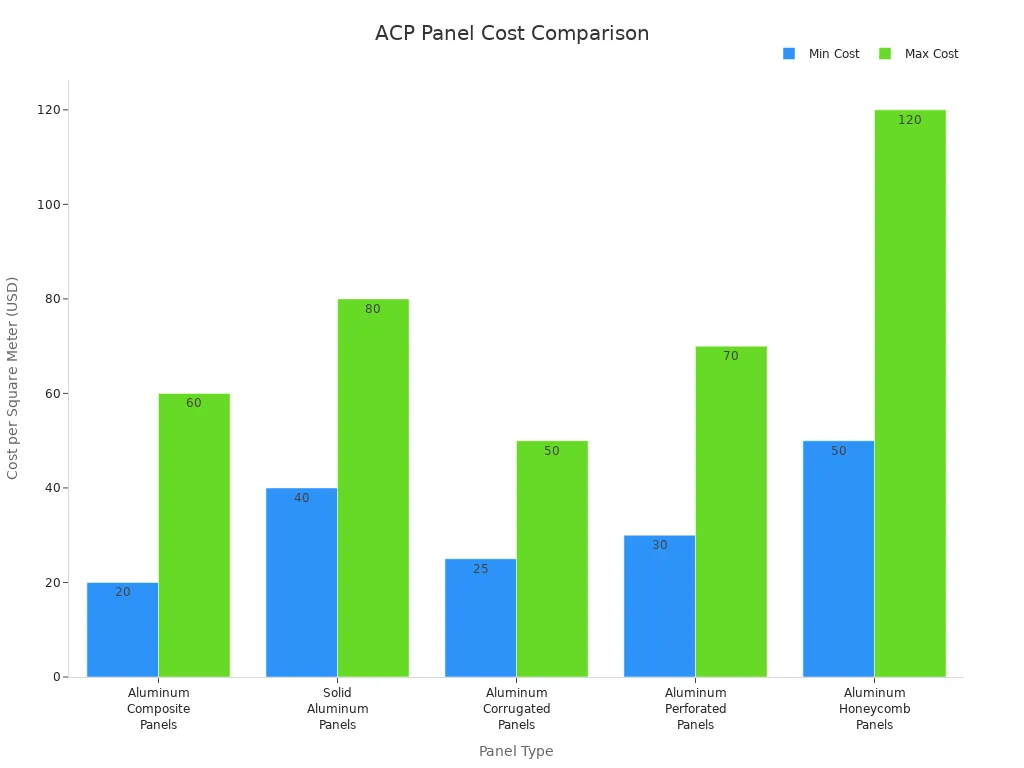
Aluminum Composite Panels: $20 – $60 per square meter
Solid Aluminum Panels: $40 – $80 per square meter
Aluminum Corrugated Panels: $25 – $50 per square meter
Aluminum Perforated Panels: $30 – $70 per square meter
Aluminum Honeycomb Panels: $50 – $120 per square meter
When picking acm panels, think about the core, thickness, and fire safety. You can find good deals for tall buildings, business fronts, and special uses. The right aluminium composite panel gives you strength, safety, and style for any project.
ACP panel types by finish
When you pick acm panels, you see many finishes. These finishes change how your project looks and works. Each finish gives you style, protection, or energy savings. You can choose the right finish for inside or outside spaces.
PVDF and PE coatings
PVDF and PE coatings help protect acm panels from weather and sun. PVDF coatings last a long time and block UV rays. You often see these on building facades. PE coatings cost less and are good for indoor walls. PVDF coatings use a special way to spread the layer evenly. This makes aluminium acm panels strong against rain, heat, and fading. Your building stays looking new for years.
Coating Type | Best Use | Weather Resistance | Lifespan |
|---|---|---|---|
PVDF | Exterior facades | Excellent | 20+ years |
PE | Interiors | Good | 10+ years |
Wooden, stone, and marble finishes
You can pick wooden, stone, or marble finishes for acm panels. These finishes give a natural look and work in many climates. They also add extra protection.
Marble finish acm sheets block water and UV rays. The aluminium surface stops rust. These panels last in tough weather.
Stone finish acm panels are light but strong. They do not rust and work for inside and outside walls.
Wooden acm panels protect against rain and sun. They are 101% waterproof and stop fungus and termites. These panels are good for coastal cities, dry places, and busy areas.
Mirror, glossy, and corten steel surfaces
Mirror and glossy acm panels make spaces bright and modern. Corten steel surfaces give a rustic look. You need to clean these finishes carefully.
Use a dry cotton cloth to wipe off dust.
Clean when it is cool to stop expansion.
Pick gentle cleaners and test them first.
Wipe away water drops after cleaning.
These finishes are best for inside walls, shop fronts, and feature walls. You keep the shine and color with simple care.
ACM finish options
There are many acm finish options for stores and offices. You see bright colors, metallic shades, and natural patterns. These panels fit hotels, shops, and offices. They are light and easy to put up. The tough surface keeps its look in busy places.
ACM panels work for inside wall cladding.
You get many colors and finishes for cool designs.
Panels last long and stay nice in high-traffic spots.
Architects use metallic colors like Champagne Gold, Silver Metallic, and Titanium Grey for modern looks. Neutral colors like Graphite Grey and Warm Beige give a classic style. Wood-grain and stone-pattern acm panels add a natural touch.
ACM panels help save energy. Shiny coatings bounce sunlight away and keep buildings cool. You spend less on air conditioning. Mineral-filled acm panels block noise and keep heat in. Aluminium acm panels do not rust or fade, so you save on repairs.
Tip: Pick PVDF-coated aluminium acm panels for outside walls. Choose glossy or mirror finishes for inside decoration. Use wood or stone finishes for both inside and outside, especially in harsh weather.
ACP panel types by application
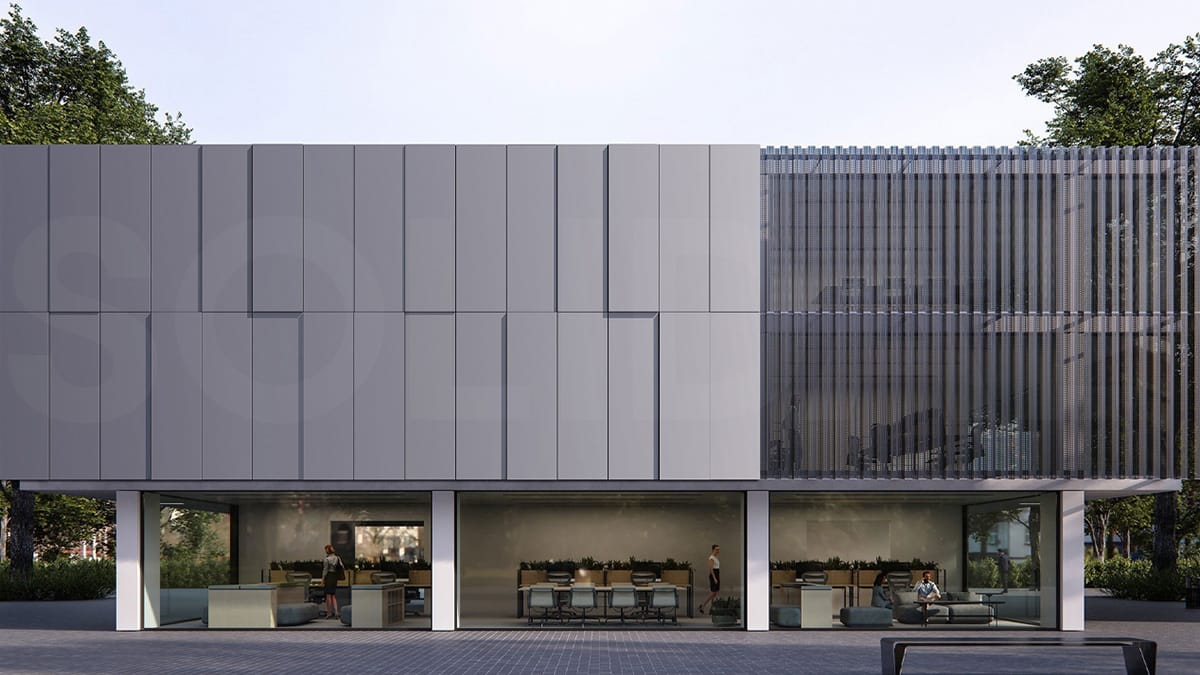
 Building facades and exterior cladding
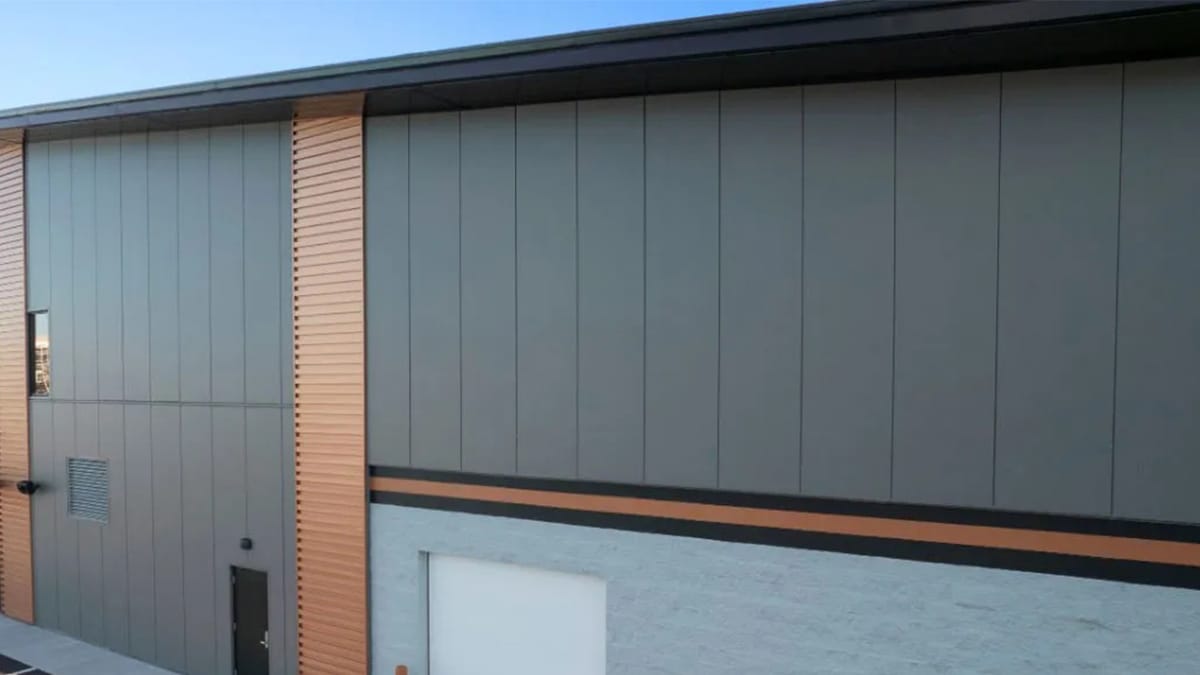 Building facades and exterior cladding
You see acm panels on many buildings. These aluminium composite panels protect from rain, wind, and sun. When you pick acp panel types for outside, check the material and thickness. Panels that are 3, 4, or 6mm thick work best for facades. PVDF coatings help panels fight bad weather and keep colors bright. Fire resistance is very important in tall buildings. Pick panels that meet fire safety rules and have good warranties. Getting a pro to install them keeps panels safe and strong for years. Always follow building codes and safety rules.
Tip: Use aluminium composite panels with mineral-filled or fire-resistant cores for tall buildings. These panels help stop heat and slow down fire.
Interior cladding and decoration
You can use acm panels inside for walls and ceilings. These panels make rooms look modern and neat. Lighter panels, about 2mm to 3mm thick, are good for inside. They are easy to put up and strong enough for most uses. You can pick from wood, stone, or shiny finishes. These choices let you match your style. Thicker sheets are stronger, but thin ones are easier to use inside.
Application | Recommended ACP Thickness | Reason |
|---|---|---|
Interior Wall Panels/Ceilings | 2mm – 3mm | Lightweight, easy to install, rigid indoors |
Exterior Cladding/Façades | 4mm (0.4mm skin) | Withstands weather, UV exposure, wind load |
Signage and decorative elements
ACM panels are great for signs and displays. You see them in stores, malls, and public places. These panels can handle hot and cold weather, so they are good for outdoor signs. You can make acm panels into custom ads and logos. Aluminium composite panels are light and save money when you put them up. ACM panels also work for canopies and display boards. They last a long time, so your signs stay nice.
ACM panels are good for signs, displays, and ads.
They do not rust and can handle bad weather.
You can cut and print on them for special designs.
Specialized ACM applications
Some acm panels are made for special jobs. You find fire-retardant panels in offices and public buildings. These panels meet tough fire safety rules like A2-s1, d0 and B-s1, d0. New core materials make them safer and follow new building codes. Some acm panels have cool finishes for creative looks. Products like ALPOLIC®/fr use special materials for extra safety.
Feature | Description |
|---|---|
Fire Performance | ACM sheets come in fire-retardant types for strict safety rules. |
Aesthetic Options | Many colors, finishes, and textures for creative building designs. |
You should think about strength, fire safety, looks, and the environment when picking acp panel types for each job. Always check the maker’s reputation and make sure the panels follow local rules.
ACP quick reference table
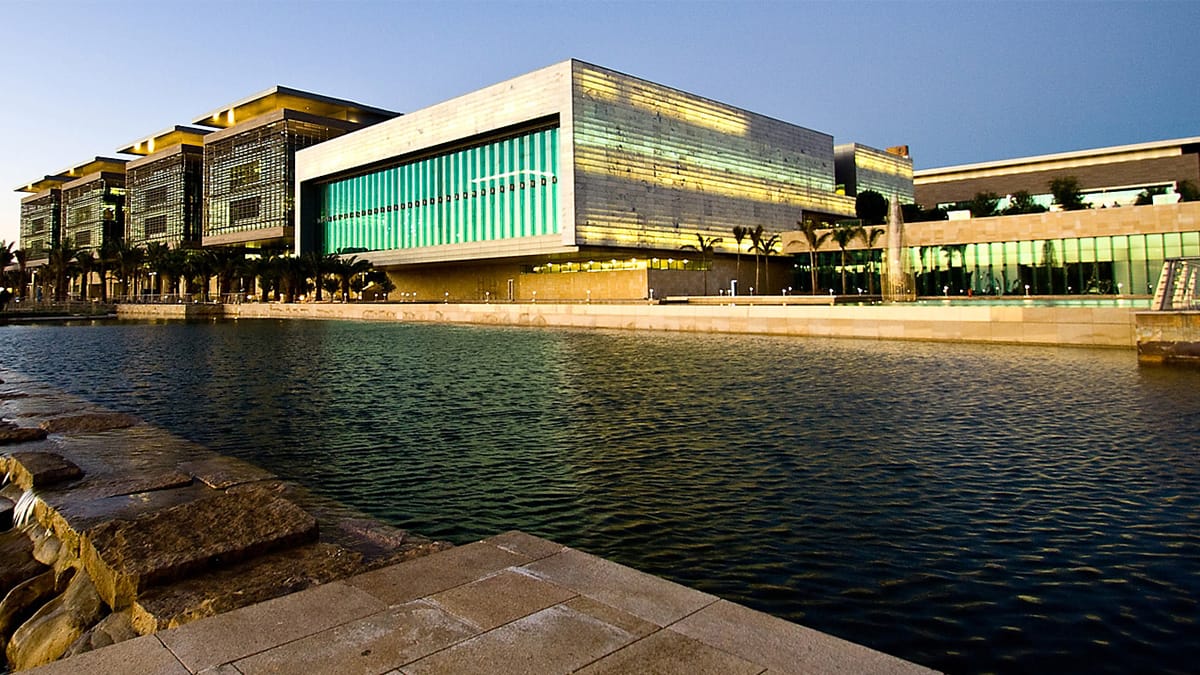 You can look at this table to compare ACP panel types. The table shows popular choices for material, finish, and use. You will see which panels fit different places. This guide helps you pick the right ACP panel fast.
Material Type | Finish Options | Key Benefits | |
|---|---|---|---|
Polyethylene Core | PE, Glossy, Mirror | Interior walls, signage | Lightweight, easy to install |
Mineral-Filled Core | PVDF, Stone, Marble | Exterior facades, schools | Fire-resistant, durable |
Aluminum Composite | Metallic, Wood, Corten | Office buildings, stores | Weatherproof, stylish |
Fire-Resistant Core | PVDF, Matte, Custom | Hospitals, high-rise towers | High safety, long lifespan |
You can match the material and finish to your project. Polyethylene core panels with glossy or mirror finishes work well for indoor signs. Mineral-filled core panels with stone or marble finishes are good for outside walls. Aluminum composite panels with metallic or wood finishes look nice on offices and stores. Fire-resistant core panels with PVDF or matte finishes protect hospitals and tall towers.
Tip: Always check the fire rating and warranty before buying ACP panels. You want panels that follow safety rules and last a long time.
Some finishes are used a lot in business projects. Black Silver finish gives a modern look to offices and fancy restaurants. Blue Silver finish fits art galleries and tech offices. These finishes help your space stand out and get noticed.
Black Silver finish: Modern offices, luxury restaurants, boutique stores
Blue Silver finish: Art galleries, tech startups, creative offices
You can use this table as a quick guide. Match the material, finish, and use to pick the best ACP panel. This helps you save time and make smart choices for your project.
Now you understand how to pick ACP panels by material, finish, and use. This helps you choose panels that fit your project’s safety, style, and strength needs. Look at the quick reference table to compare choices fast. You can feel sure when you pick panels for any place.
Remember: Read this guide every time you start a new project. Good choices make buildings safer and give better results.
FAQ
What is the main benefit of using ACP panels?
You get lightweight panels that are easy to install. ACP panels also last a long time and resist weather. You can choose from many colors and finishes to match your project.
Are ACP panels safe for tall buildings?
Yes, you can use fire-resistant ACP panels for tall buildings. Always check the fire rating before you buy. Fire-rated panels help slow down fire and keep people safe.
Can you use ACP panels inside your home?
You can use ACP panels for walls, ceilings, and decorations inside your home. Choose thinner panels with finishes like wood or marble for a stylish look.
How do you clean ACP panels?
Use a soft cloth and mild soap to clean ACP panels. Avoid harsh chemicals. Wipe panels gently to keep the finish bright and new.
Do ACP panels help save energy?
Yes, ACP panels reflect sunlight and help keep buildings cool. You spend less on air conditioning. Some panels also block noise and keep heat inside during winter.