
12 Mar ACP Panel Wall Basics And What Makes Them Strong
Table of Contents
Image Source: pexels
An acp panel wall is a wall made from aluminum composite panels. These panels have layers. There are two thin sheets of aluminum. They are stuck to a core that is not aluminum. This mix of materials makes the wall strong. The layers help the wall stand up to hits and bad weather. Many buildings use these walls because they last long and look smooth.
Key Takeaways
ACP panel walls are strong and light because of their special sandwich structure. They have aluminum sheets and a core material. These panels give great insulation. This helps keep rooms comfortable and saves energy. ACP panels can be used in many ways. They work for cladding, inside walls, signs, and more. This makes them a popular pick in building projects. Picking the right core type, like fire-retardant or mineral cores, makes buildings safer. It also helps stop fires from spreading. Putting in ACP panels is fast and simple. This saves builders time and money. It also lets them try creative designs.
ACP panel wall definition
Basic structure
An acp panel wall uses a special sandwich design. This design has two thin aluminum sheets on the outside. These sheets cover a core in the middle. The core is not made of aluminum. It can be made from different materials. Some common core types are:
PE core, which stands for polyethylene. This core is light and flexible. It is best for indoor spaces and signs.
FR core, which means fire-retardant. This core has extra materials to slow down fire. It is good for offices and stores.
Mineral or A2 core, which uses minerals like calcium. This core does not burn easily. It is used in hospitals and tall buildings.
The sandwich structure gives the acp panel wall its strength. The aluminum sheets protect the core. The core adds thickness but does not make the panel heavy. This design makes the wall stiff and strong. It can resist bending and breaking. The smooth surface of the aluminum also makes the wall look modern.
The acp panel wall is different from a wall made of solid metal. The sandwich shape makes it lighter and easier to use. The layers also help with insulation. This means the wall can keep heat or cold out. The design helps save energy in buildings.
Main uses
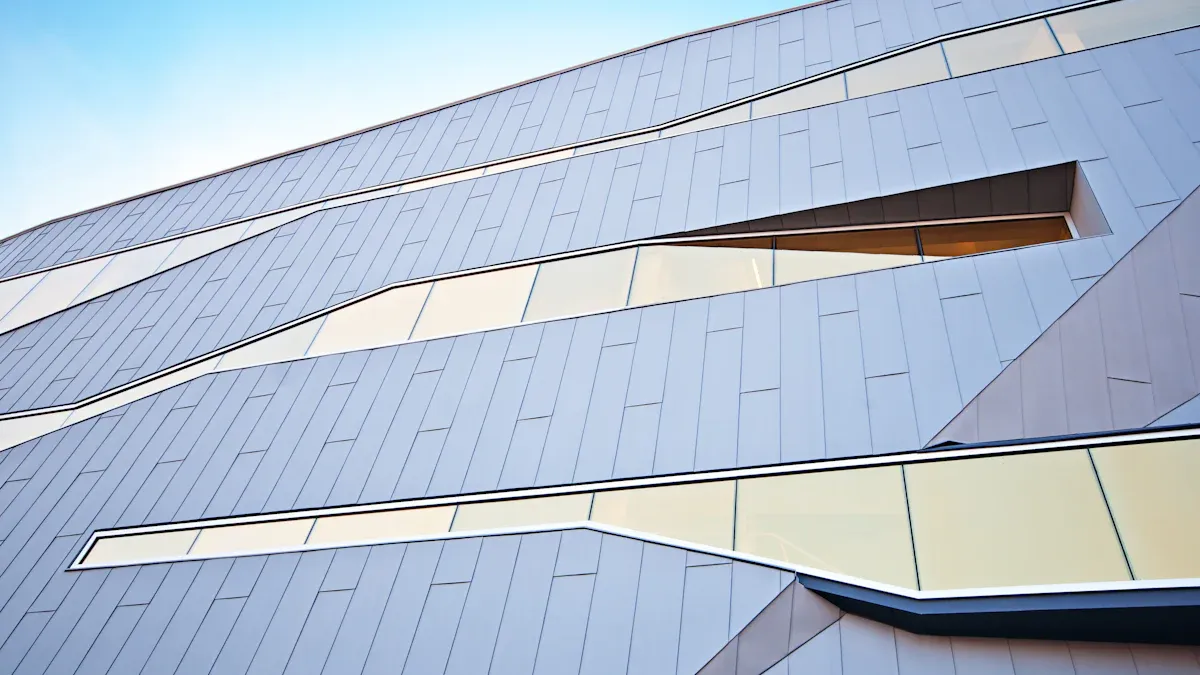
Acp panel walls have many uses in buildings and other places. The most common use is cladding. Cladding means covering the outside of a building with a layer. Acp sheets are perfect for this job. They protect the building from rain, wind, and sun. They also make the building look nice and new.
Other uses for acp sheets include:
Cladding for shops, malls, and offices
Cladding for schools and hospitals
Signs and billboards
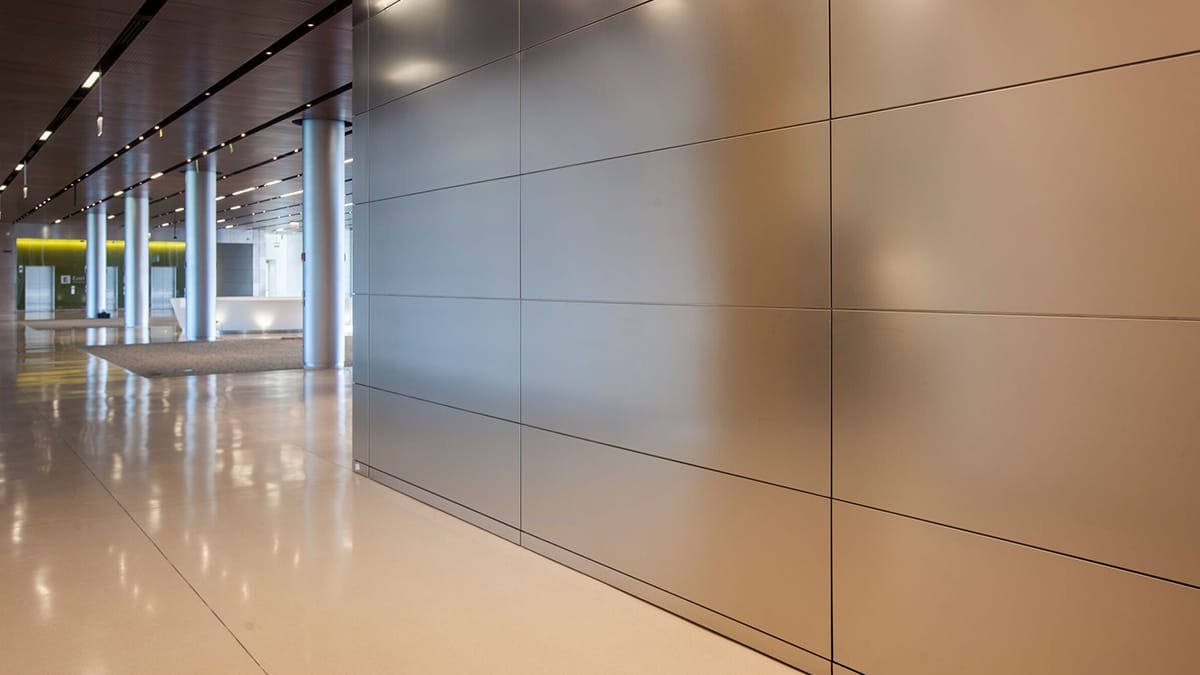
Interior walls and ceilings
Covering columns and beams
Acp sheets are popular because they are easy to cut and shape. Workers can install them quickly. The panels come in many colors and finishes. This lets designers create different looks for each project.
Acp panels also help with insulation. They keep buildings warm in winter and cool in summer. The panels can slow down fire, depending on the core type. This makes them safe for many places.
Note: Acp sheets are used in both new buildings and old ones that need a fresh look. They are a top choice for cladding because they last long and need little care.
Acp panel walls are strong, light, and easy to use. The special sandwich structure and the choice of core make them a smart pick for many jobs.
Aluminium composite panel technical specs
 Materials and core types
 Materials and core types
An aluminium composite panel uses two thin sheets of aluminium on the outside. These sheets cover a core in the middle. The core can be made from different materials. Each type of core changes how the panel works.
Polyethylene (PE) is a plastic core. It makes the panel light and easy to bend. This type is good for signs and indoor walls.
Fire-resistant (FR) cores have minerals mixed in. These minerals help slow down fire. FR cores are better for places where fire safety is important, like schools or offices.
Some panels use a mineral or A2 core. This core has more minerals and less plastic. It does not burn easily. Builders use this type in hospitals and tall buildings.
The aluminium sheets protect the core from damage. The core gives the panel its shape and strength. Some panels use a core made from low-density polyethylene (LDPE) or even polyurethane. These materials help control the weight and fire rating of the panel.
Note: Panels with FR or mineral cores meet strict fire safety rules. They are tested by standards like ASTM E84 and EN 13501-1.
Standard sizes and thickness
Aluminium composite panels come in many sizes. The most common size is 1220mm wide and 2440mm long. This size fits many building projects. Other widths and lengths are also available for special needs.
Specification | Details |
|---|---|
Aluminum skin thickness | 0.12mm-0.50mm |
Total panel thickness | 2mm-6mm |
Width | 1000mm, 1220mm (regular), 1250mm, 1300mm, 1500mm, 1550mm, 1575mm, 2000mm (maximum) |
Length | Up to 6500mm |
Standard size | 1220mm (Width) × 2440mm (Length) |
The thickness of the aluminium sheets can change. Thicker aluminium gives more strength. Most panels use a total thickness of 3mm or 4mm. Some projects need thicker panels for extra strength.
Panels must also meet air infiltration standards. In the United States, ASTM standards help test how much air can pass through a panel wall. These tests make sure the panels keep out wind and rain.
Surface coatings
The surface of an aluminium composite panel has a special coating. This coating protects the aluminium and gives the panel its color and shine. There are two main types of coatings:
PVDF paints (polyvinylidene fluoride) give strong protection from sun and rain. They keep their color for many years. Builders use PVDF-coated panels on the outside of buildings.
Polyurethane paints are good for places that need scratch resistance. These coatings make the panel surface tough and flexible.
The coating helps the aluminium resist rust and fading. It also makes the panel easy to clean. Some coatings can even stop graffiti from sticking.
Tip: Always check the coating type before choosing a panel. The right coating will help the panel last longer and look better.
Aluminium composite panels must follow strict rules for safety and quality. For outside walls, panels must pass tests like NFPA 285 and ASTM E84. For inside walls, they must meet local fire codes. These standards help keep buildings safe and strong.
ACP panel strength factors
Material composition
The way acp panels are made is why they are strong. Each acp panel wall has two thin aluminum sheets and a core. The aluminum sheets help the wall stay stiff and not bend. The core can be made from polyethylene, fire-retardant minerals, or other things. This core helps keep heat in or out and makes the panel stronger. These materials together make acp sheets great for covering buildings.
The table below shows what affects how strong acp panels are:
Factor | Description |
|---|---|
Material Composition | The fire-retardant core uses alumina trihydrate or magnesium hydroxide with a polymer base. This improves fire safety and resistance. |
Coatings | Fluorocarbon coatings protect against high temperatures, debris, and harsh weather. |
Structural Properties | ACP panels have high tensile strength and dimensional stability. This helps them resist damage from bending and impact. |
Thicker acp sheets are stronger against wind and things hitting them. Most acp sheets for covering buildings are between 3mm and 6mm thick. This thickness gives a good mix of strength and lightness.
Bonding technology
Bonding technology helps acp panels last a long time. In factories, rollers press the aluminum sheets and the core together very hard. This makes the layers stick together well. It stops the layers from coming apart or peeling. Better bonding makes acp sheets tougher against hits and bending.
Note: Good bonding means acp panels stay strong for many years, even in bad weather.
Weather and fire resistance
Acp panels can stand up to weather and fire. The special coatings keep rain, sun, and wind from hurting the panels. This is why people use them on buildings in many places. Some acp sheets have mineral cores that slow down fire. These cores make the panels safer.
The table below shows how well acp panels can resist fire:
Fire Resistance Rating | Description |
|---|---|
B1 | Difficult to ignite |
A2 | Non-combustible |
Acp sheets with A2 cores are used where fire safety is very important. Being able to resist fire and weather helps acp panels last longer. This also means they can be used for many types of building projects.
Acp panel walls use strong materials, good bonding, and special coatings. These things make acp sheets strong, safe, and long-lasting. That is why they are a smart choice for covering buildings and other uses.
Cladding vs other wall materials
Unique advantages
 Unique advantages
Cladding helps keep buildings safe from damage. When you compare acp sheets to other wall materials, you see some clear benefits. ACP panels are light but also very strong. They do not make a building heavy, so builders can save money. ACP sheets can handle bad weather. They do not bend or lose color, even when it is very hot or cold. Designers like using acp sheets because they can make many shapes and styles. There are lots of colors and finishes, so acp sheet cladding can fit almost any look.
Advantage | Description |
|---|---|
Lightweight but Strong | ACP panels have a high strength-to-weight ratio, reducing structural load and costs. |
Weather Resistance | ACP sheets withstand harsh conditions without warping or fading. |
Design Flexibility | ACP sheets allow for creative designs that are difficult with other materials. |
Color & Finish Options | ACP sheets come in many colors and textures, enhancing architectural styles. |
ACP panels last for many years. Most acp sheets stay strong for 40 to 50 years and do not need much care. Stone and glass cladding do not last as long and can break more easily. ACP sheets can also slow down fire if you pick the right kind, which makes them safer than stone or wood.
Ease of installation
It is important that cladding is easy to put up. ACP sheets are simple to move and install. Workers can cut and shape acp sheets fast. This saves both time and money. Many builders know how to use acp panels, so the job goes well. Prefabricated acp sheet parts make the work even faster. ACP sheets take less time and effort than stone or terracotta.
Material Type | Installation Efficiency | Notes |
|---|---|---|
ACP Panels | High | Contractors know acp sheets well, leading to quicker installation. |
Terracotta | Low | Installation takes longer and is more complex. |
Prefabricated ACP Assemblies | High | Reduces on-site work, speeding up installation. |
Tip: ACP sheets are a great pick for both outside and inside cladding because they are easy to install.
Limitations
ACP sheets do have some problems. Some acp panels with polyethylene cores may not stop fire as well as mineral core panels. Sun and rain can cause fading and weathering over time. ACP sheets can get dents and scratches, which can make them look bad. If workers use the wrong glue, acp sheet panels might peel or come apart. Bad base boards can also make the surface bend or change shape.
Some acp panels do not resist fire well.
Sun and rain can cause fading and weathering.
Dents and scratches can damage acp sheets.
Bad installation can cause peeling or bending.
Note: Picking the right acp sheet and installing it the right way can help stop these problems.
ACP sheets have many good points for cladding, but knowing their limits helps builders choose the best option for each job.
An acp panel wall has layers that make it strong. These layers help the wall last a long time. The panels help buildings save energy. They stop heat from moving in or out. This keeps rooms at a steady temperature. Builders like acp panel walls because they work well. They are easy to put up and do not break easily. New styles use textured panels and bright colors. Some panels use eco-friendly materials. ACP panels will keep making buildings look modern and cool.
Textured and 3D panels give walls more depth.
Eco-friendly choices help green building projects.
Bright colors and custom graphics make each wall unique.
FAQ
What is the main benefit of using an acp panel wall?
An acp panel wall gives strong protection while staying lightweight. It helps keep buildings safe from weather and damage. Many builders choose it for its long life and modern look.
How do you clean aluminum composite panels?
Use a soft cloth and mild soap with water. Avoid harsh chemicals or rough sponges. Rinse with clean water to remove any soap left behind.
Can acp panels be used indoors?
Yes, acp panels work well for indoor walls and ceilings. They add a smooth finish and come in many colors. Designers often use them for signs and displays inside buildings.
Are acp panels safe in a fire?
Panels with fire-retardant or mineral cores slow down fire spread. Always check the core type before choosing panels for places where fire safety matters most.