

29 Dec A Complete Guide to Signage Materials for Indoor and Outdoor Spaces
Table of Contents
You want signs that are easy to see and last long. The most common materials for signs inside and outside are LED and 3D signage, custom die-cut signs, vinyl banners, A-frame signs, UV-resistant materials, aluminum, plastics, and simple eco-friendly choices. If you’re considering acrylic signage alternatives, there are plenty of options available. Here is a quick table to show the differences:
Signage Material | Key Features | Use Case |
|---|---|---|
LED and 3D Signage | Bright, professional, easy to see | Outdoor and Indoor |
Custom Die-Cut Signs | Special, UV-resistant, easy to change | Outdoor |
Vinyl Banners | Cheap, easy to change | Events, Promotions |
A-Frame Signs | Easy to move, can be used many ways | Outdoor |
UV-Resistant Materials | Good for weather, strong | Outdoor |
Aluminum and Plastics | Light, easy to use in many places | Indoor and Outdoor |
Minimalist and Sustainable | Good for the planet, looks nice | Indoor and Outdoor |
You need a full guide to help you pick the best sign. Think about where you will put it, how long it will last, and how much it costs before you choose. This guide gives you clear facts, whether you want acrylic signage alternatives or eco-friendly options.
Key Takeaways
Pick the best signage material for where you need it. Indoor signs can use light materials. Outdoor signs need to handle rain and sun.
Think about how long the material will last. Make sure it can stand up to weather. Aluminum and stainless steel work well outside.
You can choose eco-friendly materials. Recycled plastics and wood are good for the planet.
Look at your budget before you decide. Some materials cost more at first. They may save you money later on repairs.
Talk to a signage expert for help. They can help you pick the right material. They also make sure you follow local rules.
Top Signage Materials Overview
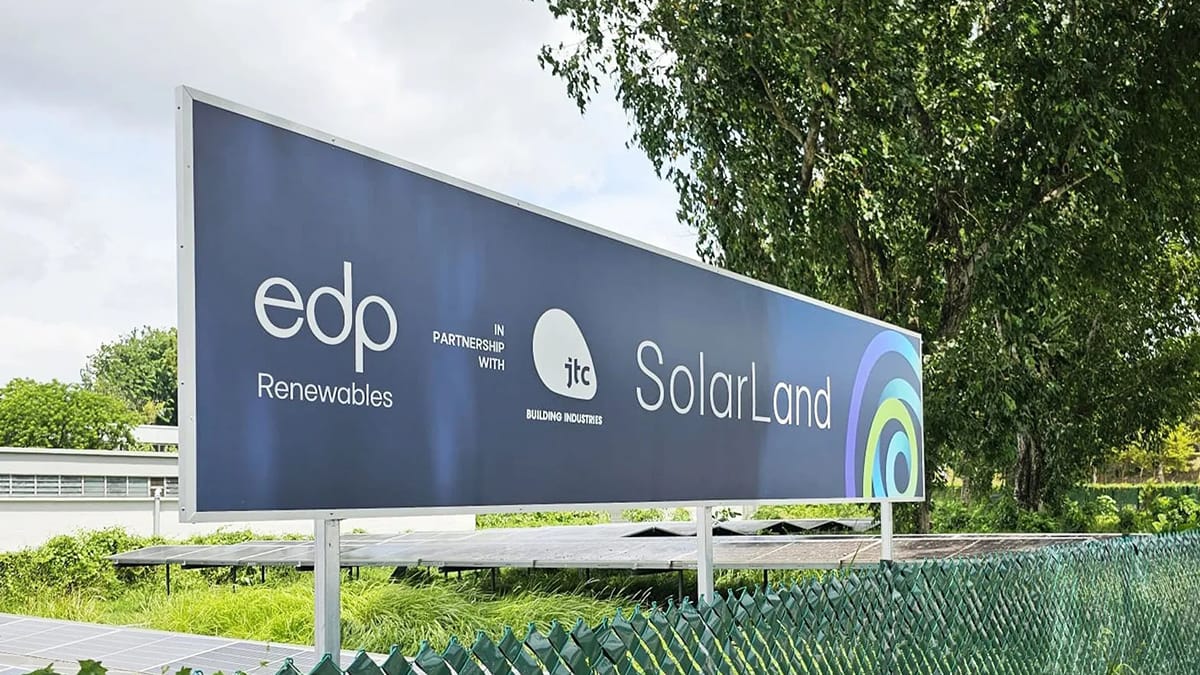 Picking the right signage materials helps your signs last longer. Signs can look nice and stay strong. There are many choices for indoor and outdoor spaces. Some materials work well everywhere. Others are better for certain places. New ideas give you more options for strong, stylish, and green signs.
Aluminum Composite Signage
Aluminum composite material is great for indoor and outdoor signs. It is a light panel with two thin aluminum sheets. There is a solid core in the middle. This makes the panel strong and flexible. You can use these panels for building fronts and shop signs. They also work for directional signs. These panels can handle bad weather. Your signs will last over ten years. They will not fade or crack.
Feature/Benefit | Description |
|---|---|
Durability | Handles tough weather and stays good for years |
Cost-effectiveness | Good quality and fair price |
Versatility | Works for many places and events |
Eco-friendliness | Made with materials you can recycle |
Low maintenance | Needs little cleaning or care |
Lightweight | Simple to move and put up |
Aluminum composite material does not burn easily. It can take hits without breaking. Many businesses pick it for strong and safe signs.
Acrylic Signs
Acrylic signs look modern and shiny. You can use them inside or outside. Offices, stores, and restaurants use them a lot. Acrylic signage alternatives include light-up signs and wayfinding signs. Some have Braille for ADA rules. You can use them for menus, trade shows, or office art.
Wayfinding signs help people find places.
Office logos and art make your brand stand out.
Light-up signs with LED lights get noticed anytime.
ADA and Braille signs help everyone use your space.
Dedication plaques make your office look professional.
Acrylic signage alternatives also include vinyl decals. Other synthetic choices look like glass but last longer. You can pick many colors and finishes for your brand.
PVC Signs
PVC signs are tough and can be used many ways. They work inside and outside. They are best for outdoor signs because they handle weather well. PVC signs cost more than styrene signs. But they last longer and are stronger. PVC is a good choice if you want signs that last.
PVC signs do not get ruined by water or sun.
They stay strong in different weather.
You can use them for business, events, and menus.
If you need a cheaper sign for inside, try styrene signs or vinyl decals. PVC is still one of the best for outdoor signs.
Vinyl Banners
Vinyl banners are easy to use and not expensive. You can use them for events or sales. They work inside and outside. How long they last depends on the vinyl type and weather.
Type of Vinyl | Lifespan (Outdoor) |
|---|---|
Calendared PVC | 3 months to 6 years |
Cast PVC | 1 to 12 years |
Vinyl banners are simple to put up and take down. You can print bright pictures on them. You can add vinyl decals for more detail. Many businesses use them for big openings and sales.
Wood Signs
Wood signs make your space feel warm and special. Many businesses use custom wood signs for their brand. You can put them outside to greet people. You can use them inside for style.
Outside signs make your entrance friendly.
Inside signs add style to rooms.
Wayfinding signs help people get around.
Special signs tell your brand story.
Wooden letters and numbers made from pine or teak look natural. They are good for the planet. Using old wood is even better for the environment.
Wood signs never go out of style. You can change their shape and finish to fit your brand.
Glass Signs
Glass signs look fancy and professional. You see them in nice offices, hotels, and galleries. They are best for inside use. Glass signs make places look bright and welcoming.
Advantages: They look special and make a good impression.
Disadvantages: They break easily and are not good for busy places.
If you want glass style but need stronger signs, try acrylic signage alternatives or vinyl decals that look like glass.
Synthetic Poster Paper
Synthetic poster paper is much better now than before. Old types used cellulose acetate and polyester film. These made signs last longer. Now, new materials like polyethylene and polypropylene are used. They do not tear or get ruined by water. Wet strength paper stays strong even when wet. It is good for outdoor signs.
Old synthetic papers did not get ruined by water.
Plastics like polyethylene made printing better.
New materials last longer and look brighter.
Synthetic poster paper is good for short-term signs and posters. You can print clear pictures and add vinyl decals for your brand. This material keeps your message easy to see, even in tough weather.
New signage materials give you more choices than ever. LED signage is bright and saves energy. You can use it inside or outside. Backlit banners use lightboxes to show graphics all day and night. Many businesses use materials that work for both indoor and outdoor signs. You can change your signs fast and send messages to busy places.
If you want green options, pick wood signs that break down or aluminum composite material you can recycle. You can also try acrylic signage alternatives and vinyl decals for creative and earth-friendly signs.
Choosing the Right Material
 Picking the best material for your sign is important. You want your sign to last and look nice. It should also fit your budget. Each thing below helps you choose the right material.
Location: Indoor vs. Outdoor
Where you put your sign changes what you need. Indoor signs do not get wet or face strong sun. You can use lighter materials and add more detail. Outdoor signs must handle rain, wind, and sun. They need to be easy to see from far away. Look at this table to compare:
| Interior Signage | Exterior Signage |
|---|---|---|
Design Focus | Detail, lighting, proportion | Visibility, scale, weather resistance |
Material Needs | Precision finishes, softer textures | Durable materials, UV-resistant coatings |
Inspection | Eye-level viewing, longer dwell time | Viewed from afar, often while in motion |
Installation | Seamless hardware | Substrate-dependent, must withstand elements |
Indoor signs can use acrylic, PVC, or foam board.
Outdoor signs need aluminum, polycarbonate, or treated wood.
Outdoor materials must stand up to sun, rain, and wind.
Always think about where your sign will go. This choice changes how your sign looks and how long it lasts.
Durability and Weather Resistance
Signs need to be strong and last a long time. Outdoor signs face tough weather, so pick materials that hold up. Here are some good choices:
Material | Properties |
|---|---|
Aluminum | Rust-resistant, lightweight, handles moisture and temperature changes |
Acrylic/Polycarbonate | UV-resistant, strong, less likely to crack or fade |
High-Density Urethane | Moisture-resistant, will not warp or rot, good alternative to wood |
Stainless Steel | Very durable, corrosion-resistant, works in extreme environments |
Use aluminum or stainless steel for outdoor signs.
Acrylic and polycarbonate are strong and look modern.
High-density urethane looks like wood but lasts longer.
Pick the right material for your sign so it stays nice in any weather.
Aesthetics and Branding
The material you pick changes how people see your business. Good materials show you care about your brand. Bad choices can make your business look weak. Think about these things:
Pick materials that match your brand’s colors and style.
Digital signs and interactive signs get more attention.
Eco-friendly materials look clean and modern.
Simple designs work well with acrylic, glass, or metal.
Coherent Signage | Incoherent Signage |
|---|---|
Boosts Brand Recognition | Casts Confusion |
Enhances Customer Trust | Deters Customers |
Encourages Brand Loyalty | Limits Recall |
Your sign should help people remember your business. The right material makes your brand look strong and professional.
Budget and Maintenance
Money matters when you pick a sign material. Some cost more at first but save money later. Others are cheap but need more care. Think about these tips:
Aluminum and PVC are a good deal and easy to care for.
Wood looks nice but needs more work and costs more over time.
Vinyl banners are cheap and easy to change for short use.
Stainless steel costs more but lasts the longest.
Tip: Plan for both the first cost and future care of your sign. This helps you stay on budget and avoid problems.
Pick a material that fits your budget and needs little work to keep looking good.
Environmental Impact
Many businesses want signs that help the planet. Some materials are better for the environment and last longer. Here is a quick look:
Material Type | Environmental Impact | Key Benefits |
|---|---|---|
High-Density Urethane | Lower | Durable, less maintenance, uses recycled content |
Expanded Polystyrene | Lower | Lightweight, lasts longer, less waste |
Wood | Higher | Classic look, but needs more care and resources |
Pick recycled or recyclable materials when you can.
High-density urethane and expanded polystyrene work well and have less impact.
Wood signs look nice but use more resources and need more care.
Choosing the right material helps your business and the planet. It shows customers you care about quality and the environment.
Indoor Signage Materials
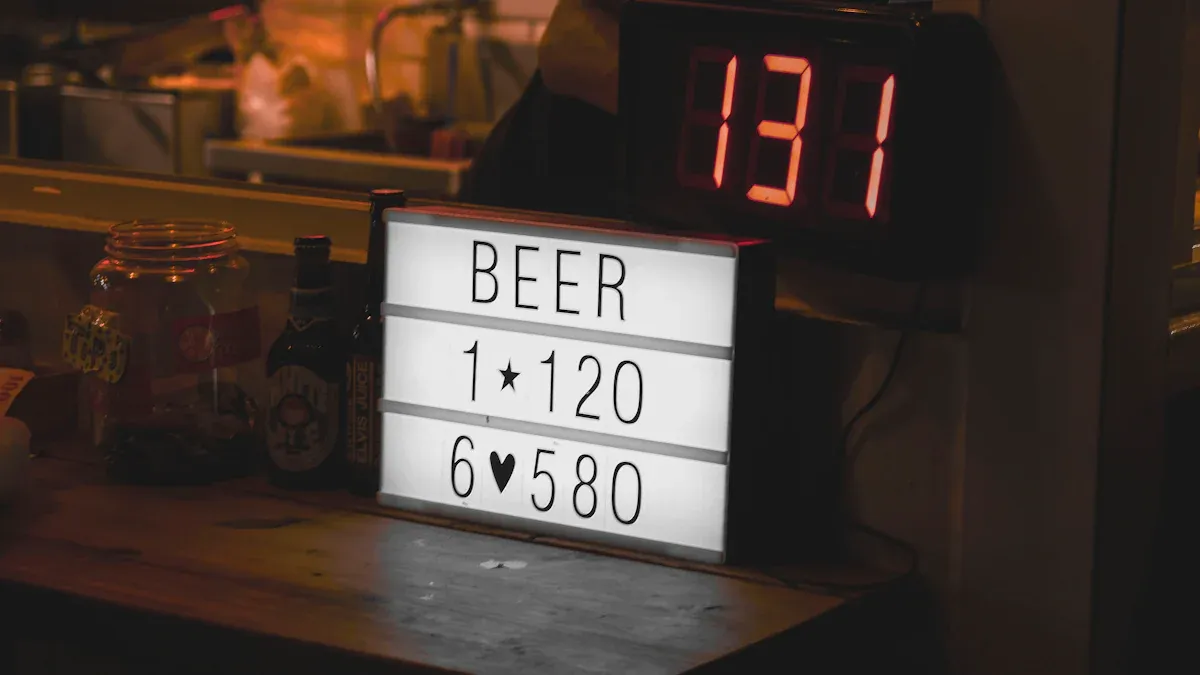
Best Indoor Options
When you pick materials for indoor signs, you want them to look nice and last long. Many experts say these are the best choices for inside signs:
Vinyl
Foamcore
Acrylic
Corrugated plastic
Photo paper
Fabric
Glass
Metals
Wood
Vinyl is flexible and has bright colors. Foamcore is good for displays and events that do not last long. Acrylic gives a modern and shiny look. Corrugated plastic is light and easy to move. Photo paper works well for posters and pictures. Fabric makes your space feel soft. Glass and metals look clean and professional. Wood gives a natural look to your space.
Acrylic Signage Alternatives
You might want something other than acrylic for your signs. Offices and stores often use these other materials:
Vinyl
Metal
Wood
Fabric
Vinyl is simple to change and put up. Metal makes signs look shiny and strong. Wood gives a warm and special look. Fabric is light and can add color or feel. When you choose, think about how long it will last, how it looks, and how much care it needs. Each material gives your space a different style.
Pros and Cons
Every indoor sign material has good and bad points. Use this table to see how they compare:
Material | Pros | Cons |
|---|---|---|
Acrylic | Strong, looks nice, modern | Can scratch, costs more |
Vinyl | Light, can be used many ways, lasts long | Colors may fade |
Foamcore | Cheap, easy to keep | Not strong for long use |
Metal/Glass | Looks clean, strong, professional | Heavy, costs more |
Wood | Natural, can be changed | Not as strong, needs care |
Acrylic signs stay nice for a long time and look good in offices. Vinyl signs are easy to use and fit many needs inside. Foamcore is best for signs you only need for a short time. Metal and glass look shiny and work well. Wood signs feel warm but may not last as long as others.
Tip: Digital signs for inside are getting more popular. You can change what they say fast. This saves you time and money because you do not need to print new signs.
Outdoor Signage Materials

Best Outdoor Options
You want outdoor signs that last a long time and look nice. Many businesses pick materials that can handle rain, sun, and wind. These materials help your message stay easy to read. Here are some good choices for outdoor signs that stay up for a long time:
Alumalite is light and strong. It works well for big signs outside.
Bronze looks classic and does not rust. It is great for signs that stay outside.
Stainless steel looks modern and does not get ruined by bad weather.
Acrylic is good for painted letters. It adds bright colors to signs.
Vinyl bends easily and does not cost much. You can use it for many outdoor signs.
HDU signs do not get damaged by water or sun. They are smart for business signs outside.
Fiberglass does not break in bad weather or if someone tries to damage it.
Polycarbonate is clear and strong. It is good for signs that need to last.
Tip: Pick weatherproof a-frame signs for outdoor events. You can move these signs and set them up anywhere you want.
Weatherproof Choices
You need signs that work in all kinds of weather. The best outdoor sign materials keep your message bright and easy to see. Here is a table that shows how each material stands up to weather:
Material | Durability and Weather Resistance |
|---|---|
Stainless Steel | Does not rust and works in very hot or cold weather |
Aluminum | Light, strong, and does not fade in sun or rain |
PVC | Does not get ruined by water and can block sun damage |
Acrylic | Does not crack or fade in bad weather |
Vinyl Banners | Blocks sun, keeps water out, and colors stay bright |
HDU | Handles water, sun, and changes in temperature |
Corrugated Plastic | Light, strong, and stands up to wind, rain, and sun |
Polycarbonate | Stays clear and strong in sun and if hit |
Fiberglass | Does not rust or get ruined by weather or people |
LED | Sealed to keep out dust, rain, and heat or cold |
You can use a-frame signs made from these materials for outdoor ads. These signs work for short events or signs that stay up for a long time.
Pros and Cons
Every outdoor sign material has good and bad points. You need to know what works best for your sign outside. Here is a quick look at the choices:
Aluminum is strong, light, and does not rust. It can dent or scratch if hit.
Acrylic is light and does not get ruined by weather. Thin acrylic can crack if dropped.
Vinyl bends and does not cost much. It needs someone skilled to put it up and may not last long.
Stainless steel looks nice and lasts a long time. It is heavy and costs more than other signs.
3D plastic lettering is easy to change and light. It is not as strong as metal signs.
Coroplast does not cost much and keeps water out. It bends easily and does not last long outside.
Vinyl banners bend and do not get ruined by weather. They need to be put up right and do not last forever.
Wood looks classic and can be changed. It needs care and can bend or break in bad weather.
Fiberglass is strong and does not rust. It costs more and you cannot change the design much.
Note: Pick outdoor sign materials that fit your needs. For outdoor events, use a-frame signs. For signs that stay up, pick metal, HDU, or fiberglass for the best results.
You can find signs that work in any outdoor place. Use the best outdoor sign materials to keep your message easy to see.
Signage Materials Comparison
 Quick Reference Chart
 Quick Reference Chart
Picking the right sign material can be hard. You want to choose something that works for you. This chart helps you compare popular materials fast. You can see which ones are good for inside or outside. You can check how long they last and how much care they need.
Material | Indoor/Outdoor | Durability | Weather Resistance | Cost | Maintenance | Appearance | Eco-Friendly |
|---|---|---|---|---|---|---|---|
Both | High | Excellent | Medium | Low | Modern | Yes | |
Acrylic | Both | High | Good | Medium | Low | Glossy | Some options |
PVC | Both | Medium-High | Good | Low-Med | Low | Matte/Gloss | Some options |
Vinyl Banner | Both | Medium | Good | Low | Low | Bright | Some options |
Wood | Both | Medium | Fair | Medium | High | Natural | Yes |
Glass | Indoor | Medium | Poor | High | Medium | Elegant | No |
Synthetic Poster | Both | Medium | Good | Low | Low | Vibrant | Some options |
Stainless Steel | Outdoor | Very High | Excellent | High | Low | Sleek | Yes |
HDU | Outdoor | High | Excellent | Medium | Low | Carved/Custom | Yes |
Polycarbonate | Outdoor | High | Excellent | Medium | Low | Clear/Modern | Some options |
Tip: If you want your signs to last outside, look at durability and weather resistance first. For inside signs, think about how the material looks and if it matches your brand.
You can use this chart to compare materials easily. Think about where you will put your sign. Decide how much money you want to spend. Think about how much work you can do to keep your sign nice. If you want to help the planet, look at the last column for eco-friendly choices.
Aluminum composite and stainless steel are best for tough weather outside.
Acrylic and glass look modern and work well inside.
Vinyl banners and synthetic poster paper are good for events and sales.
Wood makes spaces feel warm but needs more care.
This chart helps you pick the best sign material for your needs.
Sustainable and Innovative Materials
Eco-Friendly Signage
You can help the earth by picking eco-friendly sign materials. Many companies now use recycled or renewable things for signs. These materials keep your message clear and show you care about nature.
ImageMax uses strong boards made from earth-friendly stuff.
3M Envision adhesive vinyl uses renewable things and makes less pollution.
Dreamscape Terralon can be recycled and has no PVC or phthalates.
Neenah Environment uses only recycled paper and is FSC certified.
Corrugated plastic panels are light, strong, and can be recycled.
reBoard is made from old paper and can be recycled again.
Eaglecell uses renewable things and is easy to recycle.
Tip: Choosing eco-friendly signs helps cut down on trash and keeps the planet clean.
You can find green sign choices for inside and outside. These materials last a long time and look nice.
Digital and Smart Signs
Digital and smart signs use new tech to make your message pop. You can add things like LED lights, QR codes, or even AR. These signs get attention and give people a cool experience.
Smart signs use LED, QR codes, and AR to get people interested.
Many businesses use energy-saving screens to help the planet.
Custom signs let you show off your brand’s style.
Simple designs with bold colors are liked by many.
Modular signs make it easy to change your message fast.
Voice and gesture controls let people use signs without touching them.
Bright screens help your message show up outside.
Weatherproof signs last longer in bad weather.
Some digital signs are made with recycled materials.
Note: Digital and smart signs can change fast and keep your business looking new.
You can use these new materials and tech to make signs that are smart and good for the earth.
Maintenance Tips
Cleaning and Care
 Cleaning and Care
You want your signs to stay bright and last a long time. Cleaning them often keeps them looking good. Use gentle ways to clean each type of sign. The table below shows how to clean different sign materials:
Sign Material | Cleaning Method |
|---|---|
Metal signs | Wash with mild soap and a soft cloth. |
Acrylic signs | Use a gentle cleaner to keep them clear. |
Vinyl signs | Wipe with a damp cloth to get rid of dust. |
Illuminated signs | Clean the lenses and bulbs to keep them bright. |
Wooden signs | Wash gently with mild soap and reseal sometimes. |
High-Density Urethane | Wash with warm water and mild soap. |
Metal carved signs | Use safe cleaners and put on wax once a year. |
Vinyl graphics | Wash with mild soap and do not use strong cleaners. |
Here are steps for cleaning most signs: Use a soft cloth or sponge with mild soap and warm water. Rinse with clean water to get rid of soap. Let the signs dry in the shade or pat them dry. Do not use harsh chemicals because they can hurt the sign.
Tip: Pick UV-resistant inks and coatings for printed signs. Put signs in the shade if you can. Use weatherproof coatings to stop water damage. Use hardware that does not rust when you hang up signs.
Repair and Longevity
You can make your signs last longer by checking them often and fixing small problems. Look for faded colors, worn spots, or loose parts. If you find things like peeling paint or loose brackets early, you can fix them before they get worse.
Here are some easy ways to care for your signs: Clean aluminum signs every 3 to 6 months with mild soap and water. Do not use rough sponges and put on car wax to protect from the sun. Clean acrylic signs every 1 to 2 months with a soft cloth and mild soap. Do not use cleaners with ammonia. Clean PVC signs every 3 to 4 months with mild soap and a soft sponge. You can add a UV coating to help them last. Clean wooden signs every 3 months, sand rough spots, and put on a clear sealant every 12 to 18 months. Clean vinyl signs every 2 to 3 months with mild soap and a soft cloth. Use a heat gun to fix bubbles.
Note: Checking your signs often helps you find problems early. Fixing small things fast keeps your signs looking nice and professional.
Matching Materials to Your Needs
Assessing Your Space
Look at your space before picking sign materials. Every area is different and needs special signs. Some places need signs people can touch or read with Braille. Other spots only need signs that are easy to see. Check the table below to find out what your space might need:
Sign Type | Tactile Requirements | Visual Requirements | Braille Required |
|---|---|---|---|
Permanent room or space designations | Yes | Yes | Yes |
Doors at exit stairways / passageways | Yes | Yes | Yes |
Informational and directional signs | No | Yes | No |
Required access symbols | No | No | Yes |
Walk around your building and look at each spot. Ask if people need to touch the sign or see it from far away. Make sure you follow the rules for everyone to use the signs. Good planning helps people find their way and feel welcome.
Tip: Think about lighting, wall color, and how much space you have. These things help your signs stand out and stay easy to read.
Consulting a Signage Expert
You might want help from a signage expert for your project. An expert knows how to pick the best materials and put up signs the right way. Find someone who has lots of experience and good skills. A good expert knows how signs help people get information. They know the local rules and codes. They also know about design, materials, and how to care for signs.
Here are some things a good expert should know:
How signs help people understand information
Local rules and codes for signs
How to pick the right design and materials
How to put up and take care of signs
Check if the expert has these skills too:
Has worked with signs or graphic design before
Knows how to use design software like Adobe Illustrator or CorelDRAW
Understands basic sign materials and how signs are made
Can solve problems well
Pays close attention to details
Can work alone or with a team
Talks and listens well to others
Knows how to use tools for putting up signs
Can think of new ideas for sign designs
Note: A skilled signage expert helps you avoid mistakes and saves time. They make sure your signs look good and follow all the rules.
Ask to see their past work or reviews from other people. This helps you pick the best expert for your project.
Picking the best material for your signs helps them last longer. Your signs will look nice and not cost too much. Think about these important things:
Durability and weather resistance keep signs safe in bad weather.
Aesthetics and UV resistance help your message stay bright.
Cost-effectiveness and easy care save you money later.
Consideration | Description |
|---|---|
Design | Make sure people can read your message easily. |
Compliance | Follow the rules for sign size and where to put it. |
Choose signs that show what your business stands for. |
Use this guide to think about what you need. Talk to an expert to get the best signs for your space.
FAQ
What is the best material for outdoor signs?
You should choose aluminum composite or stainless steel for outdoor use. These materials last a long time and resist weather. They keep your message clear and easy to read.
How do I clean my signs?
Use a soft cloth and mild soap. Gently wipe the surface. Rinse with clean water. Dry with a towel. Avoid strong chemicals because they can damage the sign.
Can I use wood for outdoor signs?
You can use wood outside, but it needs extra care. Seal the wood to protect it from rain and sun. Check it often for damage. Wood gives a natural look.
Are eco-friendly signs durable?
Eco-friendly signs can last as long as traditional ones. Many use recycled materials that resist water and sunlight. You help the planet and get a strong sign.
How do I pick the right size for my sign?
Measure your space first. Think about how far people will stand from the sign. Choose a size that is easy to see and fits your area. Bigger signs work better outside.