
27 Dec Understanding the Different Types of Aluminium Composite Panels
Table of Contents
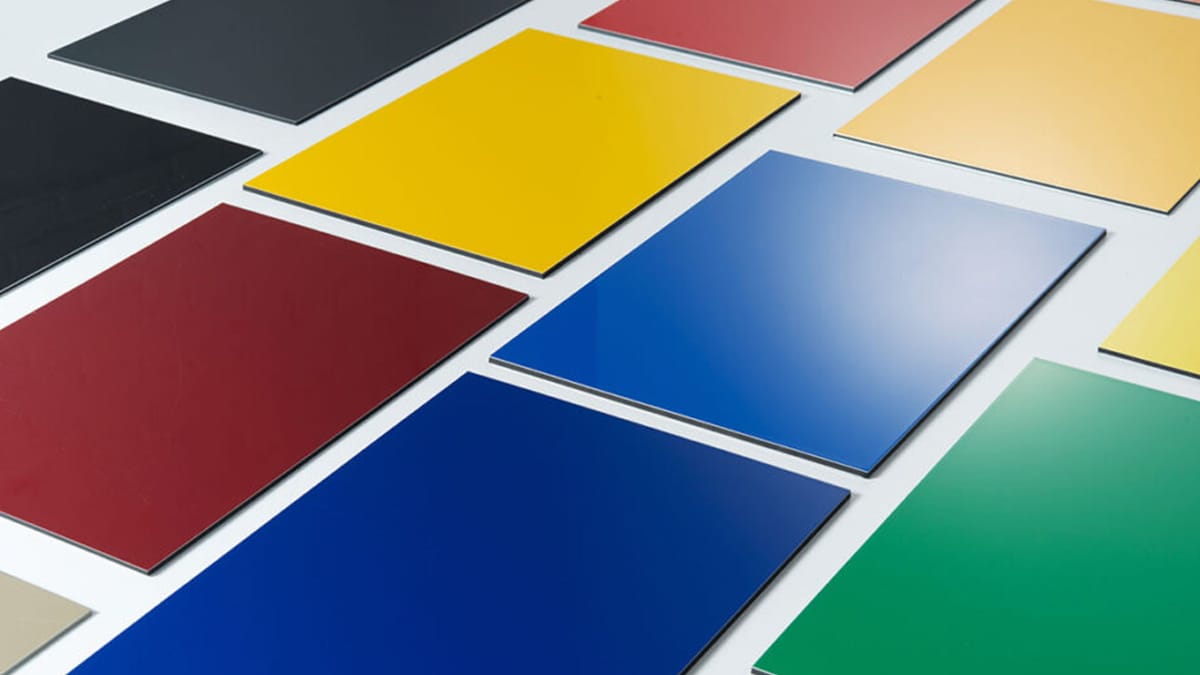
You see aluminium composite panels on buildings, in stores, and on signs every day. These panels use aluminium composite material. This makes them strong and light. The world market for these panels is getting bigger.
Year | CAGR (%) | |
|---|---|---|
2024 | 7.71 | N/A |
2032 | 14.91 | 8.6 |
When you learn about Aluminium Composite Panel Types, you can pick the best one for your project.
You check the core material, thickness, and surface finish.
Each type is best for different design and building needs.
Key Takeaways
Aluminium composite panels are light and strong. They work well for many uses like building fronts and signs. You should pick the right thickness for your job. Use 2mm panels inside. Use 3mm or thicker panels outside for more strength and safety. Pick the right core material for fire safety. Use Polyethylene in low-risk places. Use Fire-Retardant for medium safety. Use Solid Aluminum for high safety needs. The surface finish changes how the panel looks and lasts. PVDF coatings help panels last up to 30 years. Ask experts and use trusted sellers when picking panels. This helps you meet project needs and stay safe.
Aluminium Composite Panel Types
When you pick aluminium composite panels, you should know the different types. Each type has special features. These features change how strong, safe, or nice the panel looks. You can sort acps by thickness, core material, surface finish, or by special materials like phenolic panels.
By Thickness (2mm, 3mm)
Panel thickness is easy to notice. Thicker panels are stronger and work better. Most panels are 2mm or 3mm thick. The table below shows how they are different:
Panel Thickness | Structural Performance | Typical Applications |
|---|---|---|
2mm | Lighter, less durable | Signage, display boards, interior design |
3mm | Superior strength | Cladding, façade systems, applications needing wind resistance |
You use 2mm acps for signs and displays inside. They are light and simple to move. For outside walls, 3mm panels are stronger and stop wind better. There are rules for how thick panels must be. Outside walls need at least 0.2mm aluminium sheets and a total of 4mm or more. Inside panels can be thinner, about 3mm thick.
Tip: Always check what thickness your project needs. This helps your acps follow safety and building rules.
By Core Material (PE, FP, Aluminum)
The core material is very important. It changes fire safety, weight, and price. There are three main core types in acps:
Polyethylene (PE) Core: PE core panels are common and cheap. They are light and easy to put up. But they do not stop fire well. These panels can burn fast, so do not use them in risky places.
Fire-Retardant (FR or FP) Core: These acps have a core with minerals. The fire-retardant core slows down fire. They meet tough safety rules. You see these panels in schools, hospitals, and tall buildings.
Aluminum Core: Panels with a solid aluminum core are best for fire safety. They pass the hardest fire tests. They are good for places where safety matters most.
Here is a quick comparison:
Core Material | Fire Resistance Rating | Common Use |
|---|---|---|
Polyethylene (PE) | Low | Decorative walls, signs |
Fire-Retardant (FR) | High | Schools, hospitals, public spaces |
Solid Aluminum | Very High | High-rise buildings, safe zones |
You should always pick the right core for your project’s fire safety.
By Surface Finish
Surface finish is another way to sort aluminium composite panel types. The finish changes how the panel looks and how long it lasts. You can pick from many finishes:
Standard colors give you lots of choices.
Custom colors help match your brand or style.
Metallic finishes look like gold or silver for a fancy look.
Special effects, like pearlescent, change with the light.
Textured surfaces, like woodgrain, look real and deep.
Special finishes, like anti-graffiti, give extra protection.
The coating type also matters for how long panels last. PVDF coatings protect from sun, chemicals, and weather. They help your acps last 15–20 years or more. Polyester coatings are good for short projects and last 5–10 years. Good installation and cleaning keep your panels looking nice and strong.
Note: Good surface finishes can keep panels looking new for up to 30 years.
Phenolic Panels
Phenolic panels are a special kind of acps. They have a core made from phenolic resin. This gives them special features. You pick phenolic panels for places that need to be tough and resist hits.
Material | Corrosion/Water Resistance | Fire Resistance | Lifespan | Maintenance |
|---|---|---|---|---|
Phenolic Panels | Good with water/sun | Moderate | 20-30 years | Moderate |
ACM Metal Panels | Good; stops stains/rust | Good | Like solid aluminum | Low |
Phenolic panels are good for busy places. They stand up to water, sun, and lots of use. They can last 30–40 years before they get old. They need a bit more care than normal acps. But their long life makes them a smart pick for busy spots.
If you need panels for a school, hospital, or busy place, phenolic panels give you strength and trust.
When you know about these aluminium composite panel types, you can choose the best acps for your project. You get the right mix of safety, looks, and how well it works.
ACP Features and Advantages
 Durability and Weather Resistance
 Durability and Weather Resistance
You want building materials that last a long time. acps are strong and can handle bad weather. These panels do not let water or chemicals in. This means you do not get rust or stains. The color stays bright for many years, especially with PVDF coatings. You do not need to spend much time or money fixing them. The table below shows how acps are better than other facade materials:
Feature | Aluminium Composite Panels (ACP) | Other Facade Materials |
|---|---|---|
Durability | High | Moderate to Low |
Weather Resistance | Excellent | Lower |
Maintenance Requirements | Low | High |
Color Stability | Yes | No |
Cost | Cost-effective | Higher |
Lifespan | 10 to 20 years | Often shorter |
Tests show acps work well in tough weather. After ten years in the sun, the color only changes a little. Humidity and salt spray do not cause blisters or much rust. You can trust acps to keep your building safe.
Lightweight and Easy Installation
acps are light, so you save time and effort. They weigh less than solid aluminum or steel. You can carry and put them up easily. You do not need big machines. The table below shows the weight difference:
Feature | Aluminium Composite Panel (ACP) | Solid Aluminium Sheet |
|---|---|---|
Weight | Heavier |
Here are the steps to put up acps:
Get the wall ready.
Use the right frame.
Cut panels to fit your plan.
Attach panels with fasteners.
Seal the edges to stop water.
Check panels often for best results.
These steps help you finish faster and keep your building safe.
Design Flexibility
acps let you make many shapes and styles. You can bend, cut, or curve them for cool looks. Architects use acps for walls, signs, and special designs. You can pick finishes that look like wood, marble, or metal. Panels work for new and old buildings. You get smooth surfaces and nice patterns. acps help you build energy-saving buildings with style.
Architects use acps for creative ideas. They make 3D shapes and match brand colors. Panels do not dent or scratch easily, so they are good for busy places. You get strong, nice-looking walls that last a long time.
What Are ACP Panels Used For
 Aluminium composite panels are used in many places. You see them on buildings, in stores, and in public areas. People use them because they are light, strong, and easy to design. These panels work for many different jobs. Let’s see where acps are used the most and how they help.
Exterior Cladding and Facades
acps are often put on the outside of buildings. They cover walls and make buildings look modern. This is called external cladding. Almost half of all business buildings use acps for this. They protect from bad weather and need little care. You can pick from many colors and styles. The table below shows how acps are better than other materials:
Feature | ACP Sheets | Other Cladding Materials |
|---|---|---|
Durability | Strong against weather and sun | Can bend or rust |
Maintenance | Easy to clean | Needs more work |
Weight | Light and simple to put up | Heavy and hard to use |
Aesthetics | Many looks and colors | Not as many choices |
Fire Resistance | Some are made to stop fire | Not always safe from fire |
You can use acps for new buildings or fixing old ones. They give your project a new and modern look.
Interior Decoration and Partitions
Inside, acps are used for walls and room dividers. They are good for cubicles and fake ceilings too. You can choose from lots of colors and finishes. The panels make rooms look bright and smooth. They also help block sound and keep rooms warm or cool. Some types have fire safety cores for extra safety. acps last a long time and are easy to keep clean.
Signage and Advertising
acps are great for making signs and ads. Their flat surface is good for printing pictures and words. The signs do not dent or scratch easily. They can handle rain, sun, and wind. acps are light and simple to put up. Your signs will stay bright and easy to read for years. Stores use them for logos, directions, and displays.
Shop Fronts and Light Boxes
Stores use acps for shop fronts and light boxes. This helps stores stand out and look special. You can pick from many finishes and textures to match your store’s style. The panels are easy to cut and shape. You can make cool and different shop fronts. They also work well for light boxes, keeping displays safe and cool. You do not need to fix them much, and they last a long time.
Tip: When you wonder what acps are used for, remember the main uses are outside walls, inside decoration, signs, and shop fronts. They are also good for insulated metal panels, which makes them even more helpful in building today.
You have learned about the main aluminium composite panel types and where to use them. When picking a panel, think about what your project needs. Get advice from experts if you are not sure. Make sure the provider is trusted and has good reviews. Think about how much care the panels will need.
Project needs
Expert advice
Trusted provider
Care and upkeep
Knowing ACP features helps you pick safe and smart options. Here is how these panels compare:
Feature | Description |
|---|---|
Very stable but not heavy | |
Aesthetic Versatility | Many looks and design choices |
Environmental Benefits | Good for saving energy and helping the planet |
Experts say you should use different thicknesses for each job:
Thickness | Recommended Use |
|---|---|
Use inside buildings | |
4mm | Use for signs outside |
5mm+ | Use for tall buildings and big outdoor jobs |
N/A | For fire safety, pick flame-retardant cores |
N/A | Ask makers for help with your project |
Tip: Pick the right panel for your project’s size, safety, and style. This will help you get the best outcome.
FAQ
What is the main benefit of using ACP panels?
You get strong, lightweight panels that last a long time. ACP panels resist weather and need little care. You can choose from many colors and finishes to match your design.
Are ACP panels safe for fire?
You should choose fire-retardant or solid aluminum core panels for better fire safety. These types slow down fire and meet strict building codes. Always check local rules before you buy.
Can you use ACP panels indoors?
Yes, you can use ACP panels for walls, ceilings, and partitions inside buildings. They help create smooth surfaces and modern designs. You can also pick finishes that match your style.
How do you clean ACP panels?
Use a soft cloth and mild soap with water. Do not use harsh chemicals or rough brushes. Clean panels often to keep them looking new and bright.
What thickness of ACP panel should you choose?
Pick 2mm or 3mm panels for signs and indoor use. For outside walls, use 4mm or thicker panels. Thicker panels give more strength and last longer.