
25 Jan What Is PVDF Coating for Aluminum and How Does It Work
Table of Contents
- 1 Key Takeaways
- 2 Aluminium PVDF Coating Overview
- 3 PVDF Aluminum Coating Process
- 4 Benefits of PVDF Coatings for Aluminum
- 5 PVDF Coatings vs. Other Aluminum Coatings
- 6 Applications of PVDF Coating
- 7 FAQ
- 7.1 What makes PVDF coating a top-quality coating for aluminum?
- 7.2 Can you use PVDF coatings for metal roofing?
- 7.3 Are PVDF coatings suitable for architectural applications?
- 7.4 How does the performance of PVDF coatings compare to other coatings?
- 7.5 Where else can you use PVDF coatings besides buildings?
Aluminium PVDF coating helps protect aluminum surfaces and gives them a bright look. This strong PVDF coating uses special chemistry to stop chalking and fading. It works well even when there are harsh chemicals in the air. The carbon-fluorine bonds make it last longer and keep aluminum looking new. These coatings meet strict rules for maintaining color and shine. They often come with a 20-year warranty. You can choose from many colors, making PVDF ACP panels an excellent option for style and durability.
Key Takeaways
PVDF coatings keep aluminum safe from bad weather and chemicals. They also stop fading, so the aluminum stays bright for a long time. These coatings do not need much care. This saves time and money because you do not have to repaint often. PVDF coatings come in many colors. This lets people pick different looks for buildings or factories. The process to put on the coating has many steps. First, the surface is cleaned. Then, it is heated at a high temperature. These steps make the coating last longer. Using PVDF coatings can help save energy. They are also good for the environment. This makes them a smart choice for green building.
Aluminium PVDF Coating Overview
What Is PVDF Coating
Aluminium pvdf coating is a special layer. It is made from polyvinylidene fluoride resin. This coating sticks tightly to aluminum. It makes the surface strong and hard to damage. The coating protects against weather, chemicals, and fading. PVDF aluminum coating uses a unique chemical structure. Carbon-fluorine bonds give it strength and flexibility. This coating stays on aluminum for many years. It works well outside, even in tough conditions.
PVDF coatings are more than just paint. They are advanced systems that protect and improve aluminum. These coatings act like a shield. They keep moisture, UV rays, and pollution away. You can use them on building panels and window frames. They also work for other aluminum products.
Tip: If you want a surface that looks bright and clean, aluminium pvdf coating is a good choice.
Composition and Properties
You may wonder why these coatings work so well. The answer is in what they are made of and how they act. PVDF coatings for aluminum have several main parts:
Resins: These hold the coating together. They help it stick to aluminum. The resin decides how tough and long-lasting the coating is.
Pigments: These add color and help stop fading. You can pick many colors for your project.
Solvents: These make the coating easy to put on. They dry up and leave a smooth layer.
Additives: These make the coating shinier, harder, or cleaner.
The resin system is the most important part. It controls how well the coating works. Pigments are picked for their strong color. Additives help make the surface shiny or hard.
Aluminium pvdf coating has special properties. These make it different from other coatings. Here are some key features:
PVDF can handle heat up to 100 ℃.
It bends and stretches without cracking.
The coating is safe and can be recycled.
It does not burn and does not react with acids or petrochemicals.
It sticks well to aluminum, even when the weather changes.
The coating keeps its color and can look like real metal.
PVDF coatings are tested in many ways. You can see the main features in the table below:
Performance Feature | Description | Measurement Method |
|---|---|---|
Weather Resistance | Great at handling tough weather, UV rays, humidity, and acid rain. | QUV test: No bubbling, peeling, or powdering for over 4000 hours, ΔE<2.0. |
Adhesion | Sticks strongly to aluminum and does not peel. | Tested with adhesion tests, like the T-bend test for bending. |
Corrosion Resistance | Handles chemicals and harsh environments very well. | Tested in places with lots of salt or pollution. |
PVDF coating can last 20 to 30 years or more outside. It stands up to UV rays, acid rain, salt, and big temperature changes. The coating is usually thicker than 25 microns. Some products have up to 60 microns.
When you pick aluminium pvdf coating, you get many benefits:
You waste less material
Aluminum lasts longer
You use fewer resources over time
These features make pvdf coatings a great choice. They are strong, look good, and need little care.
PVDF Aluminum Coating Process
 Coil Coating Application
 Coil Coating Application
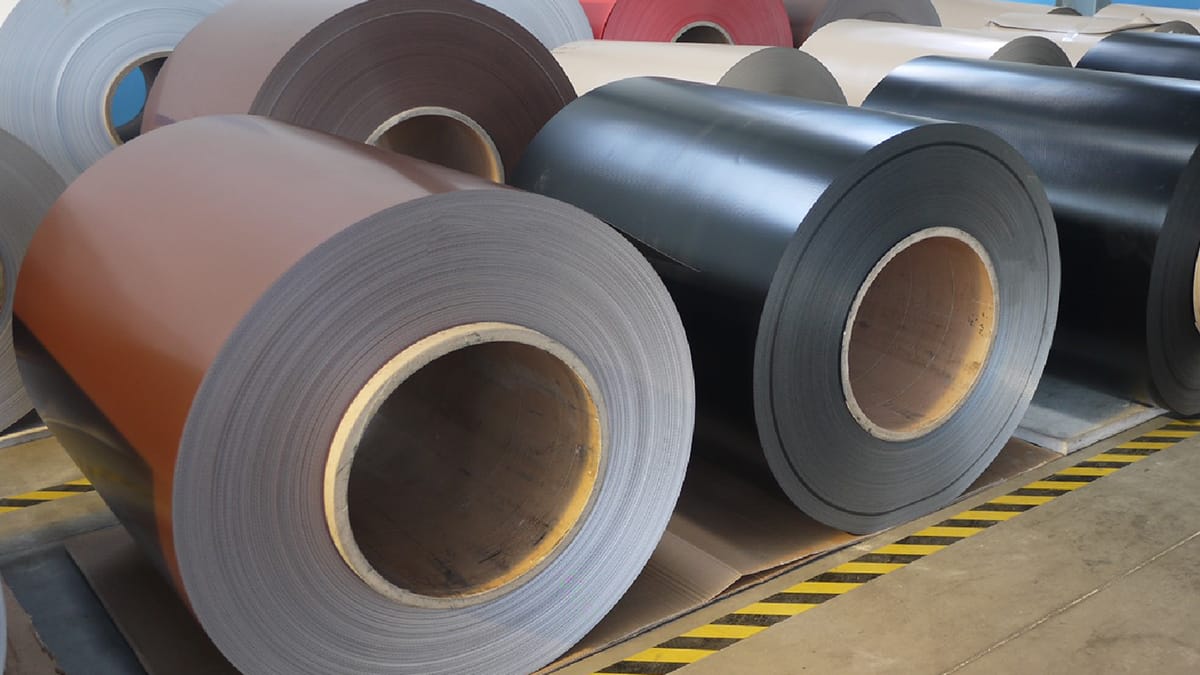
You may wonder how manufacturers apply PVDF coatings to aluminum. The coil coating process uses a series of steps to make sure the surface stays strong and looks good for years. You can see these steps below:
Surface Preparation: Workers clean and degrease the aluminum coil. They remove rust and dirt so the surface is smooth. Sometimes, they use a special chemical to help the next layer stick better.
Primer: The primer goes on next. It helps the coating grip the aluminum and protects the metal from damage.
PVDF Top Coating: The top layer contains color pigments. This layer shields the aluminum from scratches, sunlight, and rain. The coil passes through ovens to cure the coating and make it tough.
PVDF Clear Coating: The final clear coat adds extra protection. It keeps the surface shiny and helps the color last longer.
You see this process in factories where workers handle large rolls of aluminum. The coil moves through machines that apply each layer quickly and evenly. This method gives you a smooth and durable finish every time.
Note: Coil coating helps you get consistent results and saves time compared to painting each piece by hand.
How PVDF Bonds to Aluminum
PVDF coatings stick to aluminum because of science. The process uses heat and chemistry to create a strong bond. You can look at the main steps in the table below:
Step | What Happens |
|---|---|
Surface Pretreatment | You clean and treat the aluminum to remove dirt and oil. |
Primer Application | You add primer to help the coating stick better. |
PVDF Topcoat Spraying | You spray the PVDF coating onto the aluminum surface. |
Curing at High Temperature | You heat the coil so the coating bonds tightly. |
The curing step uses high temperatures. This makes the PVDF resin form strong links with the aluminum. The bond keeps the coating from peeling or cracking. You get a surface that stands up to weather, chemicals, and daily use.
PVDF coatings work well because they use both physical and chemical bonds. The primer and heat help the coating grip the aluminum. The result is a finish that lasts for decades.
Benefits of PVDF Coatings for Aluminum
When you pick aluminium pvdf coating, you get many good things. These coatings help your aluminum last longer and look nice. PVDF coatings protect your money and keep your building or product looking new. They work well in tough places and are better than other choices.
Durability and Weather Resistance
PVDF coatings for aluminum are very strong against weather. They protect aluminum from rain, sun, and dirty air. The special resin in pvdf coatings makes a hard shield. This shield keeps water, dirt, and trash off the surface. You do not need to worry about rust or damage from strong chemicals.
You can see how pvdf coatings do in real tests:
Lab tests show Kynar Aquatec PVDF resin-based coatings have low surface energy. Water and dirt do not stick much.
In field tests, after seven years in a hard place, the pvdf coating did not wear away. There was almost no fading or chalking. High-performance acrylic paint did not last as long.
PVDF coatings for aluminum are best in southern coastal areas. These places have strong sun and salty air that hurt other coatings.
PVDF coatings for aluminum help you save money on repairs and keep your aluminum looking good for a long time.
You can check how pvdf-coated aluminum stands up to weather in different places:
Coating Type | Weather Resistance Life | UV Resistance Rating | Applicable Climate Zone |
|---|---|---|---|
Fluorocarbon PVDF | ★★★★★ | Tropical/Coastal/High Pollution |
Aluminium pvdf coating stays strong even when the weather changes fast. You do not need to worry about peeling, cracking, or fading. The coating fights rust, so your aluminum lasts longer.
Color Retention and Low Maintenance
You want your aluminum to keep its color and shine. PVDF coatings for aluminum help with this. The pigments in pvdf coatings stay bright and do not fade fast. You can pick many colors, and they will look nice for years.
You can see how pvdf coating does better than other coatings in keeping color:
Metric | PVDF Coating Value | SMP Coating Value |
|---|---|---|
Fading Units (Hunter ΔE) | 5 (lower is better) | 7 for roofs, 5 for walls |
Chalking Rating | 8 (higher is better) | 6 for roofs, 8 for walls |
Film Adhesion Warranty | 40 years | 40 years |
PVDF coatings for aluminum need very little care. You do not have to clean or paint them often. The surface stays smooth, and dirt comes off easily. You save time and money because the coating lasts long and keeps its color.
If you want aluminum that looks great and is easy to care for, pvdf coatings are a smart pick.
You get many good things from pvdf coatings. The coating protects aluminum from bad weather and rust. You get bright colors and a clean surface. PVDF coatings help your aluminum stay strong and pretty with less work.
PVDF Coatings vs. Other Aluminum Coatings
PVDF vs. Powder Coating
 PVDF vs. Powder Coating
PVDF coatings and powder coating are not the same. PVDF coatings use a liquid resin. They need a primer and high heat to cure. This makes PVDF coatings cost more. Only trained workers can apply them. Powder coating uses electricity to stick powder to aluminum. It does not need a primer. Powder coating is cheaper and easier to use. PVDF coatings give a smooth finish. You can fix small spots easily. Powder coatings are better for the environment. They do not release many harmful gases. PVDF coatings last longer outside. They keep their color and shine in tough weather. Powder coatings can wear out faster in strong sun or with chemicals.
PVDF coatings are best if you want aluminum to look bright and stay strong for many years.
PVDF vs. Anodizing
Anodizing and PVDF coatings both protect aluminum. They work in different ways. Anodized aluminum has a hard surface. It does not scratch or get damaged easily. It works well in places with salt, water, and pollution. PVDF coatings are great at blocking UV rays. They keep their color and finish for a long time. You can see how they are different in the table below:
Coating Type | Key Features | Environmental Suitability |
|---|---|---|
Anodized Aluminum | Corrosion resistance, durability | Good for places with lots of salt, water, and pollution |
PVDF Coatings | UV resistance, weathering | Best for very sunny or rough places, keeps looking nice |
PVDF coatings give you more color choices. You can pick from over 45 factory colors and custom shades. Anodized aluminum has fewer colors. Most are bronze, black, champagne, or clear. PVDF coatings also offer metallic, pearlescent, and special finishes.
Choosing the Right Coating
Think about where you will use the aluminum. Decide how you want it to look. If it will be outside or near water, you need strong protection. Indoor places may only need simple finishes. Check the temperature, humidity, and chemicals nearby. The table below helps you compare your choices:
Factor | PVDF Coating | Powder Coating | Anodizing |
|---|---|---|---|
Application Environment | Best for metal roofing and curtainwall components | Suitable for various applications | Ideal for storefronts and rich metallic appearances |
Corrosion Resistance | Strong against moisture and UV rays | Good, but varies by formulation | Excellent for outdoor and marine environments |
Aesthetic Options | Custom hues and gloss levels | Wide range of colors and finishes | Premium metallic look available |
Cost and Scalability | Higher cost, suitable for large-scale production | Cost-effective for prototypes | Varies, generally higher for large batches |
Hard anodizing and powder coating give high wear resistance. Chemical film or anodizing help stop oxidation. Durability is important for big projects. Pick PVDF coatings if you want color and protection that lasts in tough places.
Applications of PVDF Coating
Architectural Uses
 Architectural Uses
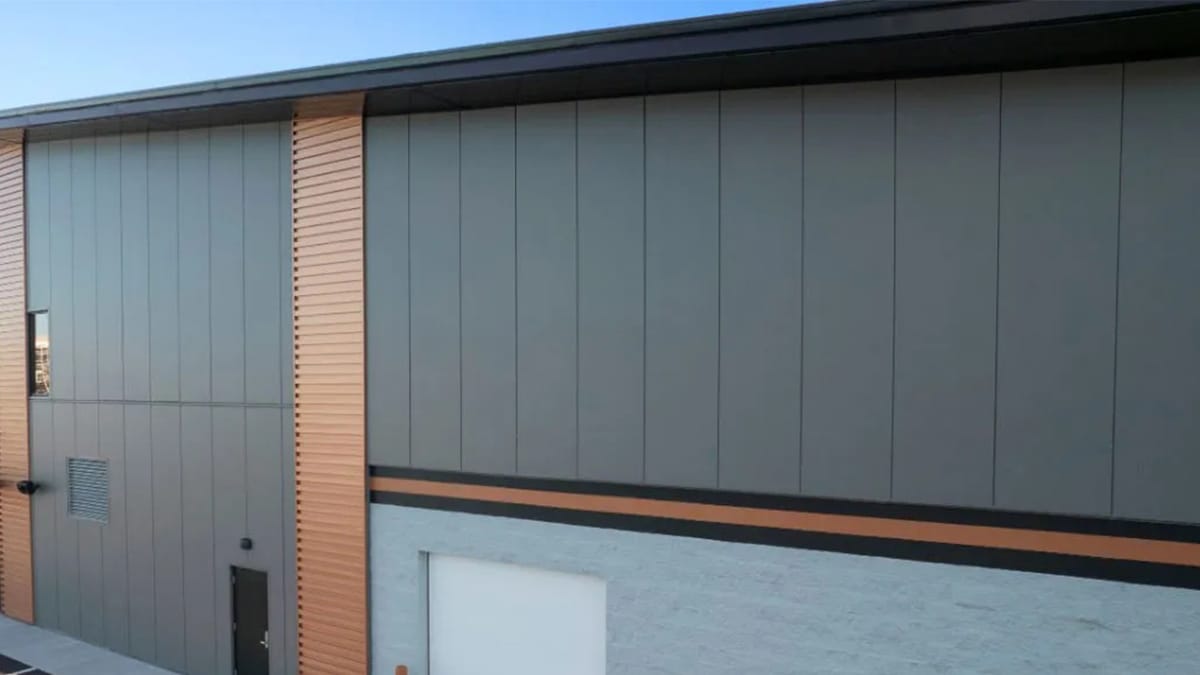
PVDF coatings are used in many building projects. They help aluminum last longer in bad weather. Buildings look new and modern with these coatings. You can see PVDF-coated aluminum on walls, roofs, and outside panels. These uses make buildings look smooth and protect them from rain and sun. PVDF coatings are also good for inside walls, insulation, and signs.
Description | |
|---|---|
Facades and cladding | Used for outside walls and panels on homes and offices. This gives a modern look. |
Roofing | Works as a strong roof material. It keeps buildings safe and lasts a long time. |
Interior design | Makes pretty walls, fake ceilings, and room dividers for nice rooms. |
Insulation | Helps keep heat and sound in or out. This saves energy. |
Signs and displays | The flat surface is great for clear signs and billboards. |
You can spot PVDF coatings on famous buildings. The Burj Khalifa in Dubai uses PVDF-coated aluminum to stay cool in the desert. The Shard in London has walls that do not fade or get damaged by weather. One Central Park in Sydney uses PVDF-coated panels to keep heat out and look nice.
PVDF coatings follow tough rules like AAMA 2605. They fight off water, color fading, chalk, and chemicals. The shiny look stays for years and you do not need to clean much. This is good for busy cities.
PVDF-coated aluminum helps you build strong and beautiful buildings.
Industrial and Commercial Uses
PVDF coatings are used in many factories and stores. They protect aluminum in places like warehouses and on machines. PVDF-coated aluminum covers machines and warehouse walls to make them strong. You also see it in tents, trade show booths, and on buses or trains.
PVDF-coated aluminum is a top pick for roofs on big buildings.
Battery makers use PVDF coatings for electric cars and batteries.
Stores and offices use PVDF-coated aluminum because it lasts a long time.
PVDF coatings do not crack, chip, or peel easily. You do not have to fix them often, even in bad weather or with chemicals. Some PVDF coatings reflect sunlight, so buildings stay cooler and you save money. High Solar Reflectance Index scores help meet green building rules.
Using PVDF-coated aluminum in factories means less fixing and better energy savings.
You get lots of good things with PVDF coatings for aluminum. These coatings can last as long as 30 years. The color stays bright for a long time. You do not have to repaint or clean much. PVDF is great for buildings in rough weather or busy places. Here are the main good points:
Advantage | Description |
|---|---|
Aesthetic Versatility | You can pick many colors and finishes, like matte or shiny. |
Durability | It stands up to UV rays, acid rain, and salt. |
Color Retention | The color stays strong and does not fade for years. |
Low Maintenance | You do not need to clean or fix it often. |
Environmental Benefits | It helps cut down waste and is good for green buildings. |
For the best results, use coatings that follow AAMA 2605 rules. Always ask an expert before you finish your aluminum job.
FAQ
What makes PVDF coating a top-quality coating for aluminum?
PVDF coating is high quality because it stops fading and chalking. It also protects aluminum from rust and damage. The coating keeps colors bright and the surface smooth for many years. It works well even in bad weather.
Can you use PVDF coatings for metal roofing?
Yes, you can use PVDF coatings on metal roofs. The coating helps your roof stay strong and shiny. It protects against sun, rain, and dirty air. You do not have to repaint your roof often.
Are PVDF coatings suitable for architectural applications?
PVDF coatings are used in many building projects. They work well on panels, facades, and window frames. You can pick from many colors. The coating gives long-lasting protection to buildings.
How does the performance of PVDF coatings compare to other coatings?
PVDF coatings work better than most other coatings. They last longer outside and keep their color. The coating also stops damage from chemicals and sunlight.
Where else can you use PVDF coatings besides buildings?
You can use PVDF coatings in planes and the aerospace industry. The coating protects aluminum parts from chemicals and weather. PVDF is also used in factories and stores.