
05 Jan Understanding Technical Specifications for Aluminum Sandwich Panels
Table of Contents
Technical specifications help builders pick the best aluminium sandwich panel for a job. These aluminium sandwich panels provide excellent insulation and are strong yet lightweight. They save energy, resist fire, and are easy to maintain. Reports indicate that the manufacturing process and the materials used in the aluminium sandwich panel affect its impact resistance and ability to keep buildings safe. New trends reveal improved methods for producing aluminium sandwich panels, greener production practices, and an increasing demand for energy-efficient materials. Understanding these facts assists individuals in selecting aluminium sandwich panels that comply with stringent safety and performance standards.
Key Takeaways
Aluminum sandwich panels are strong and light. They keep heat in very well. This makes them good for buildings that save energy.
Picking the right core material is important. Mineral wool or polyethylene can change how the panel works. It affects fire safety and how well it keeps heat in.
Always look at fire ratings and how strong the panels are. This helps make sure the building is safe and follows rules.
Technical data sheets have important facts to compare panels. Look at how much energy they absorb and the highest force they can take. This helps you see how well they work.
Do not make mistakes like using panels that are too thin outside. Also, do not install them the wrong way. These mistakes can cause damage and make the panels work less well.
Aluminium Sandwich Panel Specifications
Structure and Core Materials
Aluminium sandwich panels have layers. Two thin aluminum sheets cover a core. This makes the panel strong and stable. The core material changes how the panel works. Some common cores are mineral core, polyethylene core, honeycomb, corrugated aluminum, foam, and beaded aluminum. Each core has good and bad points.
Mineral core helps keep rooms warm or cool.
Polyethylene core makes the panel light and heat-resistant.
Honeycomb core makes the panel strong and not heavy.
Foam core helps block sound and energy.
Beaded aluminum core helps the panel stick together and last longer.
Panels with these cores do not stain easily. They can handle bad weather. They are simple to put in and save money. But some panels can get damaged by big storms or hurricanes.
Structure Description | |
|---|---|
Aluminum Composite Panel | Two thin aluminum alloys with a thermoplastic core, forming a sandwich structure. |
Aluminum Honeycomb Panel | Hexagonal honeycomb core with upper and lower aluminum alloys, creating an I-beam structure. |
Aluminum Corrugated Core Panel | Corrugated aluminum core bonded to aluminum sheets, offering lightweight and high strength. |
Aluminum Foam Sandwich Panel | Aluminum foam core for sound, energy, and shock absorption, suitable for various sectors. |
Aluminum Beaded Core Panels | Aluminum outer panels with a core of beaded aluminum material, bonded with adhesive or brazing. |
Dimensions and Weight
Manufacturers make aluminium sandwich panels in set sizes. The most used size is 48 inches by 96 inches. The panel is usually 0.25 inches thick. Each panel weighs about 38 pounds. That is 4.08 kilograms for each square meter. The core density changes the weight and how well the panel works.
Panel Thickness | Panel Size (inches) | Weight (lbs) | Weight (Kg/m²) |
|---|---|---|---|
0.25″ | 48″ x 96″ | 38.0 | 4.08 |
Core density is important for panel strength. Higher density makes the panel bend less and hold more weight. Lower density can make the panel weaker. It may dent or break more easily.
Core Density Impact | Effect on Performance | Failure Modes |
|---|---|---|
Higher Density | Increases bending strength and load-bearing capability | Panel yield and fractures |
Lower Density | May lead to reduced performance and different failure modes | Panel indentation and core shear failures |
Mechanical and Fire Properties
Aluminium sandwich panels are strong. The Young’s modulus of A3003 aluminum is 69 × 10^3 N/mm². Poisson’s ratio is 0.33. The density is 2700 kg/m³. Core cell size is between 3.2 and 25 mm. Core height is between 3 and 45 mm. These things help the panel stay stiff and not bend.
Panels also keep rooms quiet and at the right temperature. Many panels use fire-resistant materials for safety. Fire-resistant panels must protect people for up to 60 minutes in a fire. Manufacturers test panels for how they catch fire, spread flames, burn through, release heat, make smoke, and smoke danger.
Higher limiting oxygen index means the panel resists flames better.
Fire-resistant additives slow down burning and heat.
Endothermic reactions cool the panel and make water and safe gases.
Tip: Always look at the fire rating and mechanical data before you pick an aluminium sandwich panel. These things matter for safety and how long the panel lasts.
Standards for Aluminium Sandwich Panels
 ASTM and EN Standards
 ASTM and EN Standards
Manufacturers and builders use standards to make sure panels are safe and good quality. ASTM standards are from the United States. EN standards are used in Europe. Both groups have rules for how panels should work in buildings.
ASTM Standard | Description |
|---|---|
E1794-03 | Sets rules for glue that sticks aluminum sheets to foam cores. It checks how long glue takes to dry, the heat needed, the pressure, and how strong the bond is. |
E0866-19 | Looks at primers that stop rust in honeycomb shelter panels. It helps keep the panels strong for a long time. |
EN standards check fire resistance and strength in different ways than ASTM. The table below shows some main differences.
Feature | ASTM (USA) | EN (Europe) |
|---|---|---|
Uses a time and heat curve (E119); rates in hours; includes a water hose test | Uses ISO 834 curve; rates by Integrity (E), Insulation (I), Radiation (W); no water hose test | |
Structural Performance | Checks panel strength and wind resistance; less focus on connections | Tests panels and connections; has separate rules |
Fire Rating Classes | Hours or minutes (no extra groups) | E (Integrity), I (Insulation), W (Radiation) |
Note: Standards change over time. Updates happen when new technology comes out or when rules need to be safer. The newest edition was released in 2024.
Update Frequency | Driving Factors |
|---|---|
Happens every few years, with the latest in 2024 | New aluminum technology, need for up-to-date info, and changing safety rules |
ISO Certifications
ISO certifications show that a company cares about making good products. ISO 9001 is the most common certification for aluminium sandwich panel makers. It means the company follows strict rules and tries to get better all the time.
Certification | Description |
|---|---|
ISO 9001 | Shows the company focuses on quality, customer needs, and always improving. |
Some companies also have ISO 14000, which is about caring for the environment. These certifications help buyers trust the panels they buy.
Performance Requirements
Performance requirements tell builders what each panel should do. Fire safety and strength are very important. International standards set the lowest levels for these features.
Standard | What It Measures | Typical Threshold |
|---|---|---|
CAN/ULC-S134 | Tests a whole wall (Canada) | Flames must stay below the roof and heat must be low |
NFPA 285 | Tests fire spreading in tall buildings (USA) | No fire can spread up or sideways past limits |
ASTM E119 | Tests how long panels last in fire | Walls must last 1 to 2 hours in fire |
Independent labs test panels to see if they meet these rules. They check fire ratings, peel strength, and how well panels keep heat in or out. Labs also make sure panels follow standards like ISO 9001, EN 1396, and ASTM E283.
Technical Criteria | Specification |
|---|---|
Fire Ratings | Class A or B certifications |
Peel Strength | |
Thermal Conductivity | Less than 0.25 W/mK |
Compliance Standards | ISO 9001, EN 1396, ASTM E283 |
Tip: Builders should always ask for test reports and certificates. These papers show that the aluminium sandwich panel meets safety and performance rules.
Evaluating and Selecting Panels
Interpreting Technical Data
 Interpreting Technical Data
Technical data sheets help people compare aluminium sandwich panel choices. They show how panels work in different situations. Some important numbers are energy absorption, damage patterns, and peak force. These numbers tell how well a panel handles hits and stress.
Data Point | Description |
|---|---|
Specific Energy Absorption (SEA) | Shows how much energy the panel absorbs before breaking. |
Damage Morphology | Explains the type and size of damage after impact. |
Peak Force | Tells the highest force the panel can take during a test. |
Impact Energy | Lists the energy level used in tests to check performance. |
Damage Diameter | Measures the area affected by impact. |
Tip: Always look at these numbers. They help you know if a panel is right for your project.
Matching Specs to Applications
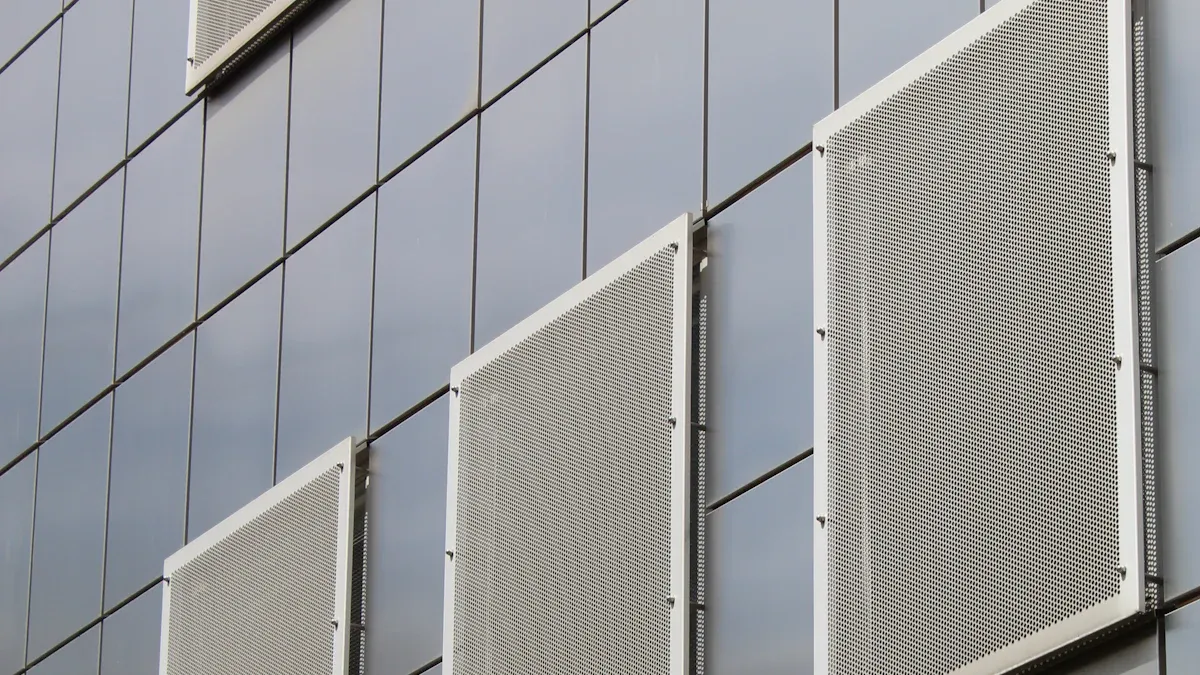
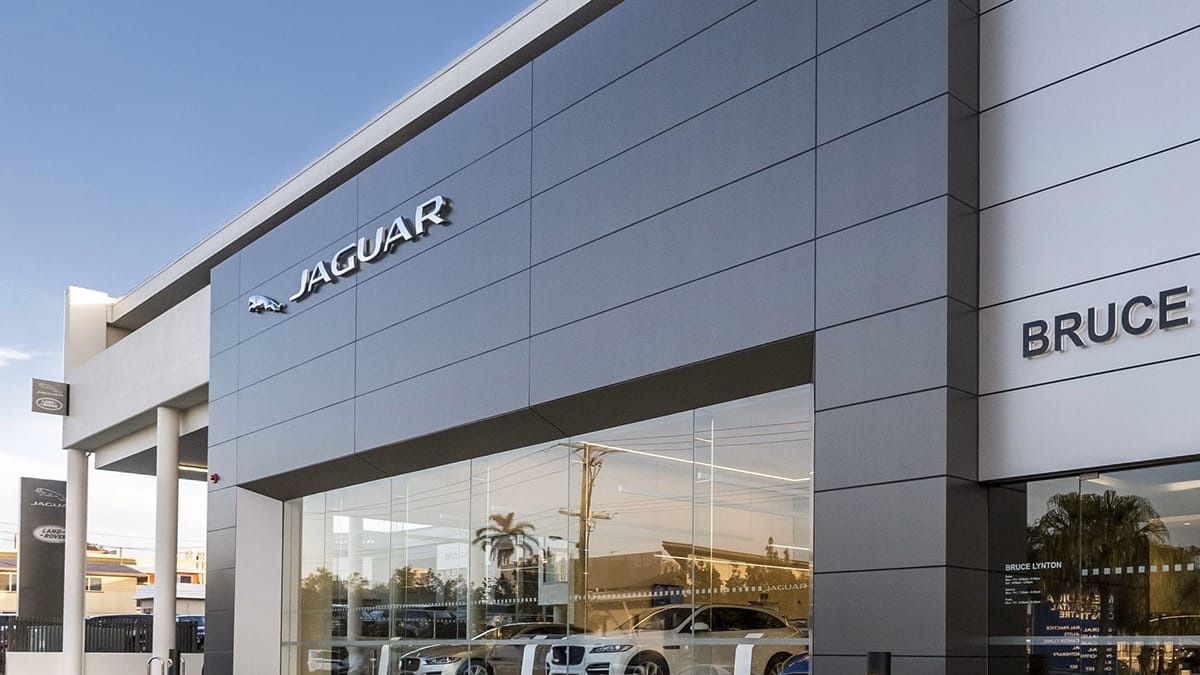
Picking the best aluminium sandwich panel depends on where it will go. Each part of a building needs something special. Facades need panels that look nice and last a long time. Roofing panels must keep heat out and stand up to bad weather. Inside walls need good insulation.
Criteria | Application Area | Description |
|---|---|---|
Core Material | Facades, Roofing | Honeycomb, foam, or mineral wool cores work best for different uses. |
Thermal Insulation | Roofing, Interior | Insulated panels help save energy and keep rooms comfortable. |
Industrial Buildings | Mineral wool cores protect against fire and improve safety. | |
Aesthetic Appeal | Facades | Panels should match the building’s design. |
Industry-Specific Needs | Various Applications | Some industries need special features for their panels. |
Project needs are important too. Panels must hold heavy weight and resist fire. Builders check dead loads, live loads, and how far panels can stretch between supports. Fire ratings show how long a panel lasts in a fire.
Panels need to hold weight without bending.
Dead loads and live loads matter when picking panels.
How far a panel can stretch changes building plans and cost.
Fire-resistance ratings tell how long panels last in a fire.
Common Pitfalls
Mistakes happen when picking aluminium sandwich panels. Some people use wrong ways to install panels. This can hurt the panels or make them look bad. Others pick panels that are too thin for outside walls. Outside walls need panels at least 4 mm thick. Thin panels are better for inside.
Bad installation can damage panels and ruin their look.
Picking panels that are too thin makes them weak.
Not following best steps can cause bubbling or buckling.
Handling panels wrong can scratch them or mess up seams.
Note: Pick carefully and handle panels the right way. This helps panels last longer and work better.
Aluminum sandwich panels are helpful when builders know their specs and rules. Picking the right core material changes safety and price. Mineral wool keeps fire away. Polyurethane keeps heat in and blocks sound. The table shows how each core fits a need:
Core Material | Properties |
|---|---|
Polyethylene (PE) | Lightweight, cost-effective, good insulation |
Polyurethane (PU) | Thermal insulation, sound absorption |
PVC | Thermal insulation, fire resistance |
Mineral Wool | Fire resistance, acoustic insulation |
Builders who look at technical data can save energy and money. Sandwich panels can cut energy use by half. They are fast to put in and last a long time. Using set rules helps pick the right panel for each job. Always check local laws and technical papers before you choose.
FAQ
What is the main purpose of aluminum sandwich panels?
Aluminum sandwich panels make buildings strong and keep them warm or cool. Builders use them for walls, roofs, and outside parts of buildings. These panels help save energy and protect against fire and bad weather.
How do builders check if a panel meets safety standards?
Builders look for certifications like ASTM, EN, and ISO. They also ask for test reports from labs that are not part of the company. These papers show if the panel is safe, strong, and keeps heat in or out.
Can aluminum sandwich panels be used outdoors?
Yes, many panels are made for use outside. Panels with thicker outside layers and special cores work best for roofs and building fronts. Builders pick panels based on the weather and what the building needs.
What core material offers the best fire resistance?
Mineral wool cores stop fire the best. They slow down flames and keep heat from moving to other places. Builders use these panels where fire safety is very important.
How does panel thickness affect performance?
Thicker panels can hold more weight and do not bend easily. Builders use thick panels for outside walls and roofs. Thin panels are better for inside walls or for decoration.