

12 Dec Top Alternatives to Aluminum for Outdoor Signs in 2025
Table of Contents
In 2025, you have many Aluminium Signage Alternatives for outdoor signs beyond just aluminum. Some popular options include Dibond, Sintra Board, Colorplast, stainless steel, Corten steel, acrylic, vinyl, HDU, Alumalite, wood, and PVC. Many business owners opt for these alternatives to save money. Some are looking for signs that last longer or have a unique appearance. Others prefer materials that are more environmentally friendly. You can select the option that best fits your style and needs. These Aluminium Signage Alternatives allow you to create outdoor signs that not only look fantastic but also endure over time.
Key Takeaways
Look at different materials like Dibond, Sintra Board, and acrylic for outdoor signs. Each one has its own good points and looks.
Think about what your project needs, like how strong and easy to see it should be. Pick materials that can handle bad weather and help show your brand’s message.
Compare the price to how long the sign will last. Cheaper materials like Colorplast work well for a short time. Stainless steel is better if you want it to last a long time.
Choose options that do not need much care. Materials like aluminum composite and HDU are easy to keep up, so you save time and work.
Make sure your sign looks right for your brand. Pick materials that match your style, like modern, classic, or eco-friendly.
Why Pick Aluminium Signage Alternatives?
Aluminum’s Drawbacks
Aluminum has been used for outdoor signs for a long time. People like it because it is strong and lasts many years. But aluminum is not perfect. It costs a lot at first. You pay more when you buy it. But you do not need to fix it often. It can last more than 10 years, sometimes even 20. If you want a cheap sign for a short time, aluminum may not be best.
Here is a table that compares some sign materials:
Material | Initial Cost | Maintenance Cost | Expected Lifespan |
|---|---|---|---|
Aluminum | High | Extremely Low | Over 10-20 years |
Acrylic | Medium-Low | Medium | 3-8 years |
You should also think about how your sign looks. Aluminum looks shiny and modern. But it does not fit every brand or project. Some signs need special colors or textures. Aluminum cannot always give you that. If you want more choices for design, look at other materials.
What Your Project Needs
When you make a sign, think about your main goals. In 2025, businesses want signs that are easy to read. They also want simple designs and care about the planet. Your sign should get people’s attention. Experts say you should pick strong materials. These should match your brand and last in any weather.
Tip: Pick sign materials that help your message and work well outside.
Here are some things good outdoor signs need:
Easy-to-read words
Put signs where people can see them
Use materials that are good for the earth
Add things like QR codes
There are many kinds of outdoor signs that do these things. Some materials are better in bad weather. Others have more color options. When you match your needs with the right material, your sign will last and look nice.
Best Outdoor Sign Materials in 2025
Aluminum Composite Signage
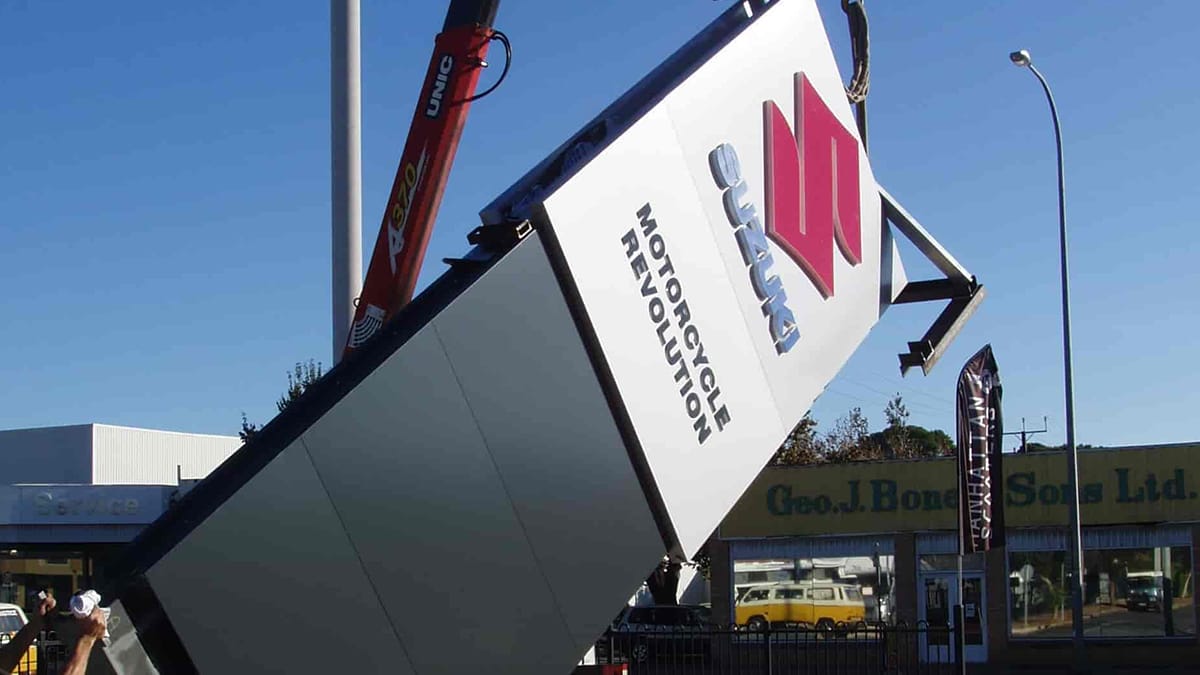
Aluminum composite signage has two thin aluminum sheets and a solid core. This makes the sign strong but not heavy. It can handle rain, wind, and sun very well. You can print clear pictures on it, so your sign looks sharp.
Key Features:
Lasts a long time and saves money
Good for many designs and finishes
Some types do not catch fire easily
Some choices are better for the earth
Pros:
Stays strong in bad weather
Keeps its shape and color for years
Great for big signs and detailed pictures
Cons:
Some kinds are not as tough as solid metal
It can be hard to install if you are new
Direction signs in busy places
Signs for business parks and factories
Displays that stand alone in crowded spots
Tip: Pick aluminum composite panels if you want a sign that looks nice and lasts outside.
Sintra Board
Sintra board is made from expanded PVC. It is light but still strong outside. You can cut, shape, or print on it for custom signs.
Characteristic/Advantage | Description |
|---|---|
Durability | |
Lightweight | Simple to move and put up |
Versatility | Good for special shapes and designs |
Affordability | Costs less than many other materials |
Sintra board does not bend or fade easily. You can use it inside or outside. It is waterproof and does not break down in sunlight.
Colorplast
Colorplast, also called Coroplast, is a corrugated plastic made from polypropylene. It has two thin layers and a fluted core. This makes it strong but very light.
Features and Benefits:
Light and simple to carry
Stands up to weather and sun
Can print in full color
Cut into many shapes and sizes
Can be recycled in many places
You can hang Colorplast signs with grommets or put them on lawns with stakes. These signs are good for events, yard sales, and short business ads.
Feature/Benefit | Description |
|---|---|
Lightweight | Easy to move and ship |
Weather Resistant | Handles rain and sun |
Durable | Does not tear easily |
Customizable | Many sizes and colors |
Cost-Effective | Cheaper than most other outdoor sign materials |
Recyclable | Good for the environment |
Multiple Mounting | Hang or stake in the ground |
Drawbacks:
Colorplast does not look as fancy or strong as metal signs. It can bend in strong wind and may wear out after a year outside. It is best for short-term signs, not main business signs.
Stainless Steel
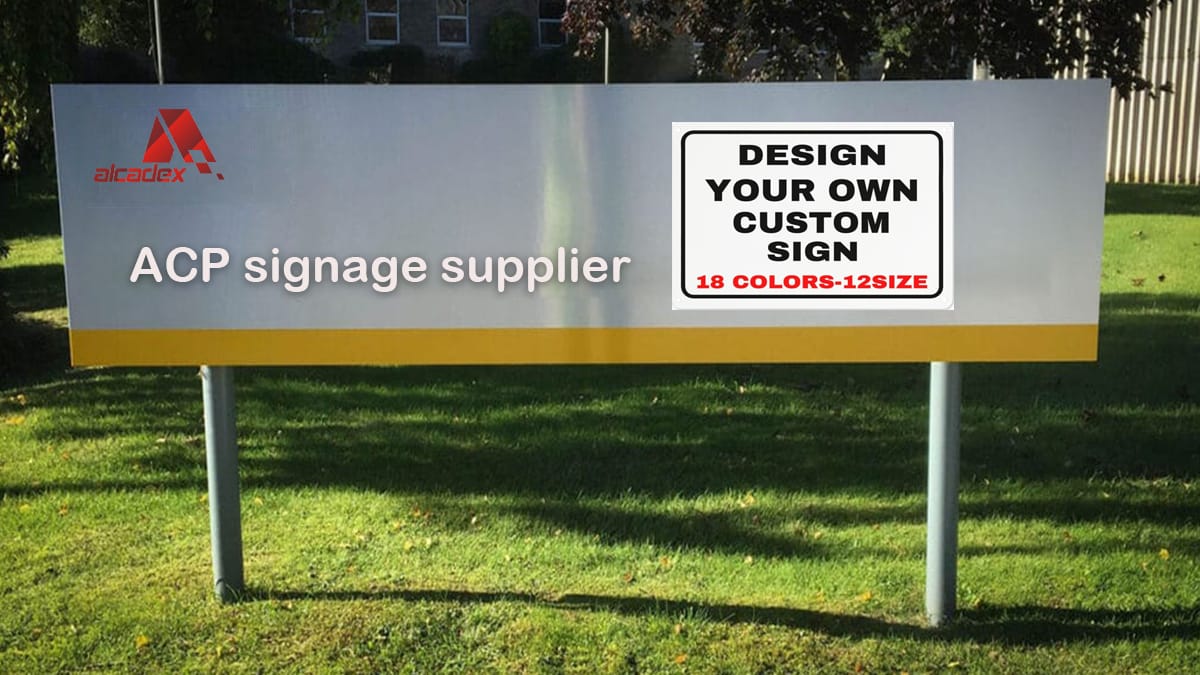 Stainless steel gives signs a shiny, modern look. It does not rust and can handle tough weather. You can clean it with soap and water.
Strengths:
Does not rust
Simple to keep clean
Lasts a long time outside
Weaknesses:
Costs more than many other materials
Can dent or scratch if not careful
Best Use Cases:
Storefront signs
Signs at building entrances
Signs on rooftops or gates
Signs for offices and hotels
Corten Steel
Corten steel has a special, rustic look. Over time, it forms a rust layer that protects it from more damage.
Property | Description |
|---|---|
Aesthetic Appeal | Warm, textured, and rustic |
Durability | Rust layer stops more damage |
Low Maintenance | No need to paint or seal |
Sustainability | 100% recyclable |
Versatility | Works for many sign types |
Corten steel signs are great for parks, gardens, and places that want a natural look. The surface fixes itself, so you do not need to do much work.
Acrylic
Acrylic signs look like glass but are lighter and do not break as easily. You can get them in many colors and finishes.
Advantages | Disadvantages |
|---|---|
Clear and shiny finish | Scratches easier than some plastics |
Strong and impact-resistant | Not as good with heat |
Light weight | Can be hurt by some chemicals |
Many design choices | Can crack if under a lot of stress |
Handles weather and sun | Costs more than some plastics |
Simple to clean |
|
Some eco-friendly options |
|
Acrylic signs stay bright and clear for a long time. They do not fade or get damaged by weather as fast as wood or regular plastic. You can use them for business signs, menu boards, or decorations.
Vinyl
Vinyl is a bendy plastic used for banners, wraps, and stickers. You can print almost any design on it.
Vinyl Type | Key Features | Best Use Cases |
|---|---|---|
Cast Vinyl | Handles sun and fading, bends easily | Vehicle wraps, graphics |
Calendered Vinyl | Cheaper, good for flat surfaces | Short-term signs |
PVC Vinyl | Waterproof, tough against scratches | Banners, placards |
Specialty Vinyls | Reflective, sticks well to rough surfaces | Event graphics, notices |
Key Features:
Blocks sun, water, and temperature changes
Handles stress well
To keep vinyl signs looking good, use high-quality materials and UV inks. Clean them gently and store them in a cool, dry place.
HDU
High-Density Urethane (HDU) is a foam-like material for signs. It does not peel, bend, or crack. HDU is fully waterproof and stands up to all weather.
Benefits:
Does not rot or split
Handles rain, snow, and sun
Light and easy to put up
Needs little care
Drawbacks:
Not safe from fire
Costs more than wood or PVC at first
Best Use Cases:
Business logos and storefront signs
Direction signs for golf courses and resorts
Monument signs for real estate and communities
Entry signs for parks and schools
HDU signs keep their shape and color for years. The closed cells block water, so your sign will not rot.
Alumalite
Alumalite is a tough aluminum composite board with a corrugated core. It is lighter than plywood but just as strong.
Feature/Characteristic | Description |
|---|---|
Material | Aluminum sheets with a polyallomer core |
Durability | |
Weight | Lighter than wood or MDF |
Longevity | Lasts 2-5 years outdoors |
Wind Resistance | Handles winds up to 120mph |
Best Use Cases | Outdoor signs, POP displays, large faces |
Drawbacks | Sharp edges, can dent |
Alumalite is great for big, double-sided signs. It is used instead of wood for outdoor signs because it does not rot or bend.
Wood
Wood signs give a natural, old-fashioned look. You can carve or paint them for a special style.
Advantages | Disadvantages |
|---|---|
Warm, classic style | Needs regular care |
Unique appearance | Can cost more |
Adds character | Must be sealed to last outside |
Wood Type | Properties | Suitability for Outdoor Signage |
|---|---|---|
MDO | Handles weather, strong, waterproof | Great for outdoor use |
Pine | Cheaper, flexible, needs treatment | Good for mild climates |
Wood signs are best for businesses that want a classic look. You must seal and care for them to keep them nice.
PVC
PVC is a hard plastic used for many signs. It is cheap and stands up to rain and sun.
Feature/Aspect | Description |
|---|---|
Pros | Cheap, handles weather, strong, stiff, prints on both sides |
Cons | Heavier than other choices, can chip, hard to fix |
PVC signs are a kind of strong plastic. They cost less than acrylic but do not last as long in the sun. PVC can turn yellow or bend over time, especially in bad weather. Acrylic signs block sun better and keep their color longer.
Note: PVC is good for short-term or indoor signs. For long-term outdoor use, acrylic or aluminum composite may be better.
When picking the best outdoor sign materials, think about how long you need your sign, your budget, and the look you want. Each material has good and bad points. Picking the right one helps your sign stand out and last.
Comparing Best Material for Outdoor Signs
Durability & Weather Resistance
Outdoor signs need to last in rain, snow, and sun. Picking weather-resistant material keeps your sign looking good. Your message stays clear in any weather. Think about where you will put your sign. Is it under a roof or outside? Stainless steel, aluminum composite, and HDU last a long time outdoors. These signs do not fade or break easily. For short events, Colorplast and vinyl are good choices. They do not last as long as other materials.
Tip: Use strong materials if you want your sign to stay bright and safe in tough weather.
Cost & Value
You should think about price and quality when picking sign materials. PVC and Colorplast cost less at first. But you might need to replace them more often. Stainless steel and Corten steel cost more money. They last many years and are very strong. If you need a sign for a short time, pick cheaper materials. For signs that stay up for years, buy stronger ones. This saves money over time.
Material | Initial Cost | Lifespan | Value for Money |
|---|---|---|---|
Medium | 10+ years | High | |
Sintra Board | Low | 5-7 years | Good |
Stainless Steel | High | 20+ years | Excellent |
Colorplast | Very Low | 1-2 years | Fair |
HDU | Medium | 10+ years | High |
Maintenance
Signs that need little care are best. Aluminum composite and HDU almost never need fixing. Stainless steel only needs simple cleaning. Wood and vinyl need more work. Pick materials that do not rot, rust, or fade if you want easy care.
Aluminum composite: Wipe to clean, does not rust
Stainless steel: Wash with soap and water
HDU: No rot or splitting
Wood: Needs sealing and painting
Vinyl: Clean gently and store safely
Visual Appeal
Good sign materials help your business look special. Acrylic and wood give a cool style. Stainless steel and Corten steel look modern or old-fashioned. Colorplast and vinyl show bright colors for parties or sales. Pick the material that matches your business look.
Material | Appearance | Best Use Case |
|---|---|---|
Acrylic | Shiny and clear | Modern businesses |
Wood | Warm and classic | Shops, cafes |
Stainless Steel | Sleek and shiny | Offices, hotels |
Colorplast | Bright and bold | Events, promotions |
HDU | Custom shapes | Logos, monuments |
Note: Always pick a sign style that fits your brand and location for the best results.
You should match your sign material to your project needs, climate, budget, and brand style. Think about how long you want your outdoor signs to last and how much you want to spend. Ask a signage professional for advice if you feel unsure. Every business has different goals. The best sign materials help you reach those goals and make your message stand out.
Tip: Choose a material that fits your location and brand for the best results.
FAQ
What is the most durable material for outdoor signs?
You get the best durability from stainless steel and HDU. These materials resist rust, rot, and fading. Stainless steel lasts over 20 years. HDU stands up to harsh weather and keeps its shape.
Which sign material is best for a tight budget?
You save money with Colorplast and PVC. These materials cost less than metal or acrylic. Colorplast works well for short-term signs. PVC gives you a sturdy option for basic outdoor signs.
Can you recycle outdoor sign materials?
You can recycle Colorplast, aluminum composite, and Corten steel. Many recycling centers accept these materials. Always check local rules before you recycle your old signs.
How do you clean outdoor signs?
You clean most signs with mild soap and water. Use a soft cloth for acrylic and stainless steel. Avoid harsh chemicals. For wood, use a gentle cleaner and reseal if needed.
What material gives the best visual appeal?
You get a modern look with acrylic and stainless steel. Wood gives you a classic style. HDU lets you create custom shapes and textures. Pick the material that matches your brand.