
24 Oct Which Is More Durable Anodized or PVDF Aluminium Composite Panels
Table of Contents
You might ask which panel lasts longer when considering anodized aluminium composite panel vs pvdf aluminium composite panel. Anodized aluminium composite panels are usually tougher, as their surface is harder and does not scratch easily. On the other hand, PVDF panels often come with longer warranties that cover color and weather damage. Durability is crucial when selecting panels for buildings, as these panels face harsh weather conditions and extreme temperatures. They also endure impacts from debris or hail. Fortunately, you do not need to clean them often; they only require occasional cleaning. When you compare anodized aluminium composite panels and pvdf aluminium composite panels, both provide protection for your building, with each type excelling in its own unique way.
Key Takeaways
Anodized aluminum composite panels are very strong. They can last up to 50 years. This makes them great for outdoor use for a long time.
PVDF aluminum composite panels are good at resisting UV rays and chemicals. They keep their color and look nice for over 20 years. They do this even in bad weather.
Anodized panels do not need much care. This saves you time and money. PVDF panels need to be cleaned every 1 to 3 years. How often depends on where they are used.
Both types of panels follow fire safety rules. This keeps people safe and the panels last in many situations.
Think about long-term value and warranty when picking a panel. The starting price may be different. But you can save a lot of money over time.
Anodized Aluminium Composite Panels
Durability Features
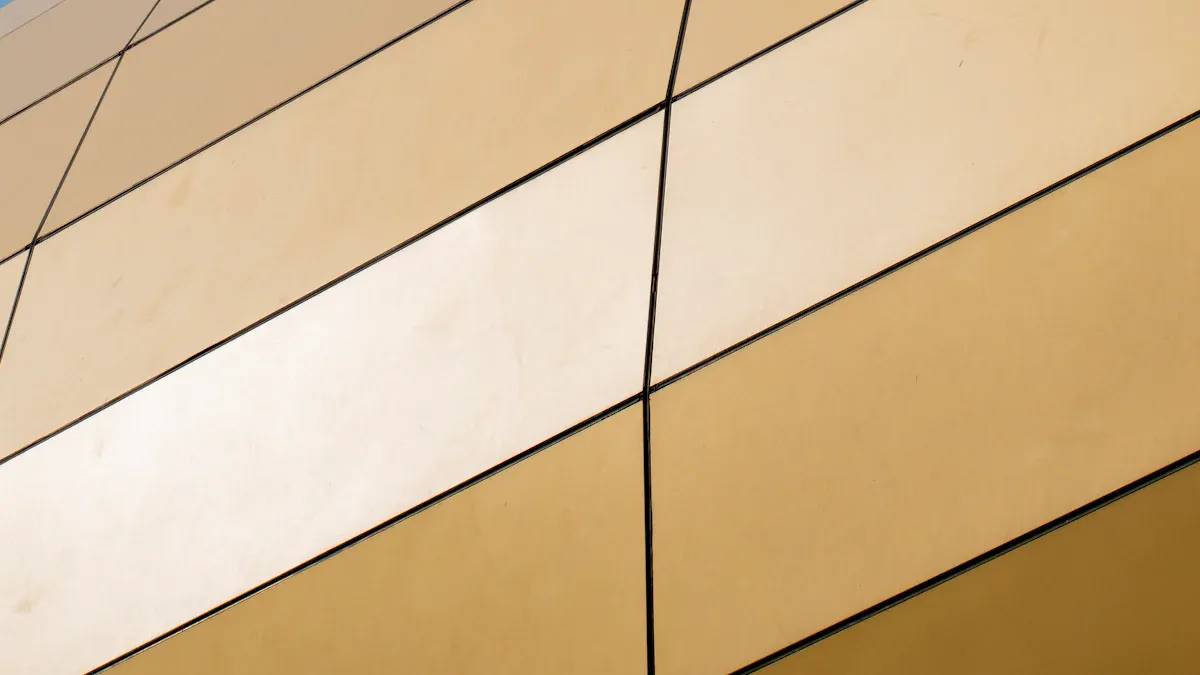
If you pick anodized aluminum composite panels, you get strong panels. These panels can handle tough weather like strong sun and heavy rain. You can use them for new buildings or when fixing old ones. Many companies say these panels last up to 25 years. But in real life, they can last about 50 years. This makes them a good choice for outside walls that need to last a long time.
Here is a quick look at the main durability features:
Feature | Description |
|---|---|
Long Service Life | Companies say up to 25 years; real life is about 50 years. |
Corrosion Resistance | Does not rust, so it works well in wet places. |
Weather Resistance | Stays strong against sun, water, and hot or cold weather. |
Fire Resistance | Fire-safe types meet building rules and safety laws. |
Tip: You do not need to clean anodized aluminum composite panels often. This saves you time and money over the years.
Scratch and Corrosion Resistance
Anodized cladding has a surface that is much harder than regular aluminum. The anodizing process makes a thick layer that acts like ceramic. This layer keeps the panels safe from scratches and damage. If you use these panels in busy places, you will see fewer marks and dents.
Anodized panels do not scratch easily compared to other panels.
The thick layer stops water and chemicals from hurting the metal.
You can trust these panels in places near the sea or factories.
A study showed that anodized aluminum composite panels did well in salt spray tests for 4000 hours. They had very little rust or bubbles. This means you can use them outside in tough places without worry.
Lifespan
When you put up anodized aluminum composite panels, you protect your building for a long time. These panels usually last between 20 and 50 years outside. How long they last depends on the type of metal, how thick the anodized layer is, and the weather. The anodized finish helps the panels fight sun, salt, and pollution. Your building will look nice for many years. This makes anodized cladding a good pick for outside walls.
PVDF Aluminium Composite Panels
 UV and Chemical Resistance
 UV and Chemical Resistance
You can trust PVDF aluminum composite panels to stand up to harsh weather and chemicals. The PVDF coating gives these panels excellent protection from the sun’s UV rays. This means the panels do not fade or chalk, even after years outside. You will also see that PVDF coatings help the panels resist damage from rain, wind, and pollution. These panels work well in places with strong sunlight or tough weather. PVDF coatings also protect against stains and chemicals, so you can use them in cities or near factories.
PVDF coatings provide strong weather resistance.
They keep panels safe from fading, chalking, and staining.
You can use these panels in outdoor projects and industrial areas.
Color and Weather Performance
If you want your building to look bright and new for a long time, PVDF aluminum composite panels are a smart choice. The special coating keeps the color and shine for over 20 years. Even after 20 or 30 years, you will not see cracks, powder, or fading. Some panels use UV-stable pigments, so the color stays true even in strong sunlight. Tests show that high-quality panels keep their original look for more than 10 years, even in very sunny places.
Note: PVDF panels are popular because they need little care and keep their color in all kinds of weather.
Warranty and Maintenance
You get peace of mind with PVDF aluminum composite panels because they often come with a 25-year warranty. This warranty covers fading and chalking, which are common problems for outdoor panels. In comparison, anodized panels usually have a 5-year warranty. To keep PVDF panels looking their best, you should clean them every 1-2 years if you live near the coast, or every 2-3 years in cities. Use a mild detergent and a soft brush. Check for scratches or dents once a year and fix them if needed. If you see any damage, touch it up quickly to keep the panels strong.
Maintenance Task | How Often | What To Do |
|---|---|---|
Cleaning (coastal) | 1-2 years | Remove salt and check for corrosion |
Cleaning (urban) | 2-3 years | Wash off dirt and keep panels bright |
Inspection | Yearly | Look for damage and repair if needed |
You will find that PVDF aluminum composite panels are easy to care for and last a long time, making them a reliable choice for many buildings.
Anodized Aluminium Composite Panel vs PVDF Aluminium Composite Panel
Durability Comparison
When you look at anodized aluminium composite panel vs pvdf aluminium composite panel, you see they act differently in tough places. Anodized panels have a hard surface. They do not get scratched or dented easily, even in busy spots. PVDF panels are good at fighting UV rays and chemicals. Their coating keeps the color bright and stops chalking for many years.
Here is a table that shows how both types work in harsh weather:
| Coating Type — Key Features — Environmental Suitability | | Anodized Aluminum — Corrosion resistance, durability — Good for places with lots of salt, water, and pollution | | PVDF Coatings — UV resistance, weathering — Best for very sunny or rough places, keeps looking nice |
Anodized cladding is better at stopping scratches. PVDF cladding is best where sunlight and chemicals are a problem. Both types keep out water and last a long time. Which one works best depends on what you need. PVDF panels often have longer warranties, sometimes up to 25 years. Anodized panels can last longer if you take care of them. When you compare aluminum vs composite, anodized panels are harder. PVDF panels protect better against fading and stains.
Tip: If you need wall panels for busy places, anodized panels do not get marked or damaged easily. PVDF panels keep their color and finish in places with strong sun or pollution.
Fire Resistance and Durability
You want your building to be safe. Both anodized aluminium composite panel vs pvdf aluminium composite panel types can meet fire safety rules. Fire-resistant aluminum composite panels do not catch fire easily. They help stop flames from spreading. These panels keep their shape when they get hot, wet, or sunny. The fire resistance and strength of these panels make your building safer and last longer.
Fire-resistant cladding keeps your building safe from fire.
Panels stay strong in very hot or cold weather.
You get safer and longer-lasting wall panels.
When you pick cladding, always check if the panels meet local fire codes. Both types are good at stopping fire, but ask your supplier for details about each one.
Real-World Applications
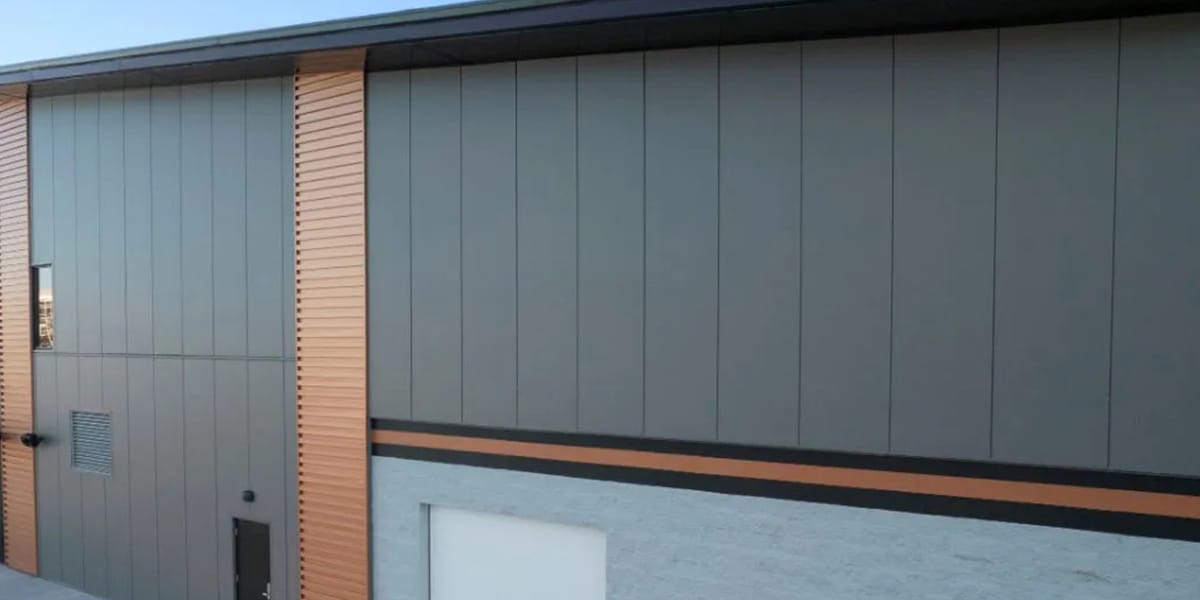
You see anodized aluminium composite panel vs pvdf aluminium composite panel used in many places. Anodized cladding works well for wall panels in busy cities, schools, and public buildings. The hard surface does not get scratched or bumped easily. PVDF cladding is popular for buildings near the sea or in places with lots of chemicals. PVDF-coated aluminum is often used for wall panels in coastal areas. The coating protects against salt, water, and pollution. PVDF panels last 18 to 25 years in these tough places.
When you compare aluminum vs composite, anodized panels are best for places with lots of people and movement. PVDF panels are better for rough weather and chemical exposure. Which one works best depends on where you use them. If you want panels that last and look good, think about the weather and how much care you can give. Comparing performance helps you pick the right panel for your project.
Note: For schools, malls, and busy offices, anodized cladding gives strong protection. For coastal buildings or factories, PVDF cladding lasts longer against sun, salt, and chemicals.
You need to think about fire safety, strength, water resistance, and how long the panels last. When you pick wall panels, think about how each type will work in your local weather and for your building.
Choosing the Right Panel
Cost and Value
 Cost and Value
When picking cladding, you want to think about price and value. Anodized panels usually cost less at first. PVDF panels cost more, but they have a longer warranty. PVDF panels also keep their color better. You should think about how much you will spend over many years, not just the first price. Some aluminum exterior wall cladding panels let you swap out one panel if it gets damaged. This can save you money and time.
Here is a table to help you compare:
Factor | Anodized Panels | PVDF Panels |
|---|---|---|
Durability | Moderate durability | High durability with 15-year warranty |
Aesthetic Options | Limited color options | Wide range of colors available |
Application Suitability | Suitable for interior applications | Ideal for exterior applications |
Weather Resistance | Moderate weather resistance | Excellent weather and UV stability |
Cost | Generally lower cost | Higher initial cost but longer lifespan |
You should also think about cost and how hard it is to install. PVDF composite exterior wall cladding panels may need more money at first. But they last longer and do not need much care. This means you save money in the long run.
Environmental and Aesthetic Factors
You want your building to look nice and handle bad weather. PVDF composite exterior wall cladding panels give you lots of color and texture choices. You can pick smooth, woodgrain, stone, or shiny finishes. These panels help you match your building to your style or brand. Digital printing lets you add special pictures or logos to your cladding.
Anodized composite exterior wall cladding panels do not have as many color choices. But they give a modern, shiny look. Both types work well against sun, rain, and pollution. PVDF panels are good for places with strong sun or rough weather. They do not chalk or fade, so your building stays bright.
If you care about the environment, PVDF panels are often used in green buildings. Both types of cladding can help your building meet green rules, but you should check what your project needs.
Tip: For busy places, anodized cladding gives you a hard, scratch-proof surface. For outdoor or seaside projects, PVDF composite exterior wall cladding panels give you the best performance and color choices.
You have learned that anodized panels have a hard surface that does not scratch easily. PVDF panels keep their color and protect against weather for a long time. PVDF coatings make the panels stronger and help them last longer. This is why they often have longer warranties. When you pick panels, remember these important things:
How good the material is
How well it stands up to weather and lasts
If you can use it for different designs
How simple it is to clean and take care of
If it can resist fire
Choose the panel that works best for your building and the weather where you live.
FAQ
What makes anodized panels more scratch-resistant?
You get a hard, ceramic-like surface with anodized panels. This tough layer protects against scratches and dents. You can use them in busy places without worrying about marks.
How often should you clean PVDF aluminum composite panels?
You should clean PVDF panels every 1-2 years near the coast or every 2-3 years in cities. Use mild soap and a soft brush. Regular cleaning keeps your panels looking new.
Can you choose any color for anodized and PVDF panels?
PVDF panels offer many color choices, including bright and custom shades.
Anodized panels have fewer color options, usually metallic or natural tones.
Are PVDF panels more expensive than anodized panels?
Yes, PVDF panels usually cost more at first. You pay for better color protection and a longer warranty. Over time, you may save money because they last longer and need less care.
Which panel is better for coastal buildings?
You should pick PVDF panels for coastal areas. The special coating protects against salt, water, and sun. Your building will stay bright and strong for many years.