
02 Mar Architectural ACP Panel Basics Everyone Should Know
Table of Contents
You can see architectural ACP panel systems on many new buildings. These panels have two thin aluminum layers stuck to a plastic core. The thickness can be from 3 mm to 6 mm. Some finishes, like PVDF Coating ACP Panel, help the panels last in bad weather. Look at the technical specifications below to see why aluminum composite material is good for building covers and design.
Specification | Details |
|---|---|
Material Layers | Two thin aluminum sheets stuck to a non-aluminum core |
Thickness | 3 mm to 6 mm |
Finishes | PVDF or polyester paint for long-lasting use |
Aluminum composite panels are light but strong and bend easily. This makes them a good choice for building covers that look nice and work well.
Key Takeaways
ACP panels are light and strong. They are easy to bend. This makes them great for building covers. – Pick panels with thicker aluminum skins for more strength. Thicker skins also make them last longer. – Standard panel sizes and thicknesses help with design needs. They also make sure the panels fit right. – PVDF coating on panels protects them from weather. It also keeps stains away for a long time. – Fire-retardant core panels are safer to use. They also follow building rules.
ACP Panel Composition
 Aluminum Skins
 Aluminum Skins
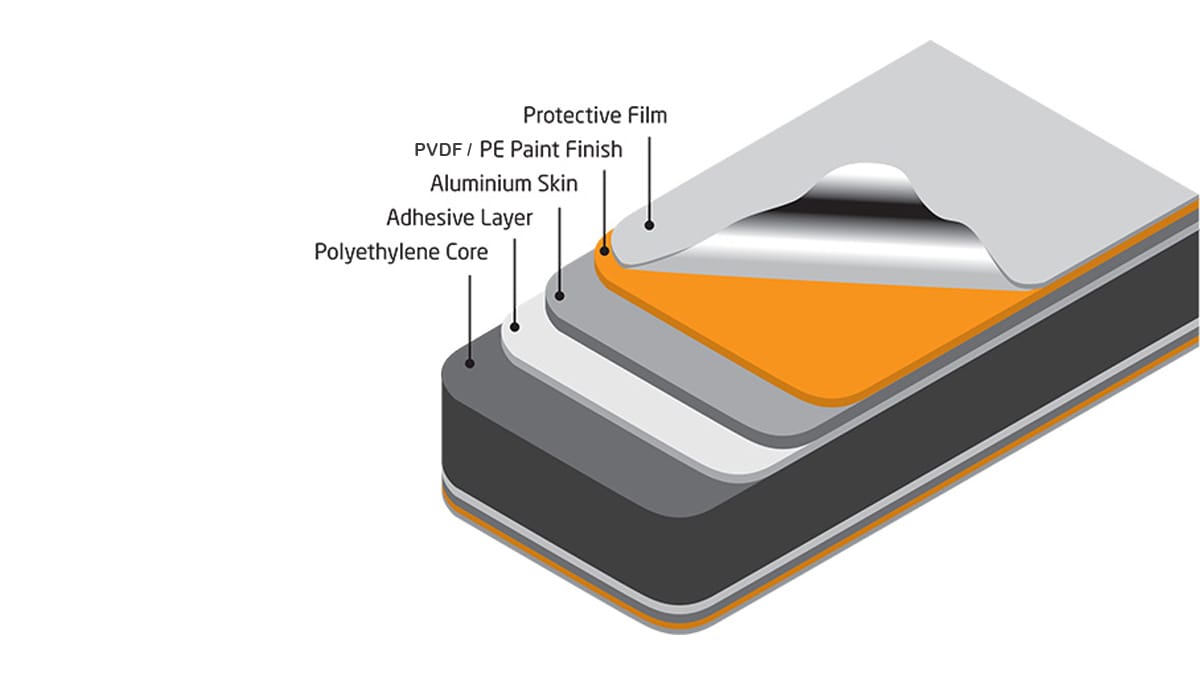
Aluminum composite panels have thin aluminum skins on both sides. These skins cover the core and make the panels strong. Most panels use skins that are 0.2 mm to 0.5 mm thick. Thicker skins help the panels stand up to wind and hits. If you want panels to last longer, pick ones with skins up to 0.5 mm. Skins that are at least 0.21 mm thick are best for strength. Here is a table that shows common thicknesses:
Panel Type | Total Thickness | Aluminum Skin Thickness |
|---|---|---|
ACP | 3 mm to 6 mm | 0.2 mm to 0.5 mm |
GB PLAS | 2 mm, 3 mm, 4 mm | 0.1 mm, 0.2 mm, 0.4 mm |
You can see that thicker aluminum skins make the panels stronger and better for building covers.
LDPE Core Material
The middle part of aluminum composite panels is usually LDPE. LDPE means low-density polyethylene. This plastic core sits between the two aluminum skins. LDPE makes the panels light and easy to bend. The core lets the panels bend without breaking. It also makes the panels easy to move and put in place. The LDPE core is important because it helps the panels fit many shapes and designs.
Layer Structure
Aluminum composite panels have layers. There are two aluminum skins, an LDPE core, and glue layers that hold them together. The glue layers help make the panels strong. Makers use hot pressing to stick the skins to the core. This gives the panels high peel strength, so the layers stay together even in hard weather. Good glue layers stop bubbles, peeling, and layers coming apart. Good aluminum composite panels last longer and keep your building safe.
Tip: Always check if the panels pass the peel strength test. This test shows if the layers stick well and if your panels will last.
Aluminum composite panels use these materials and layers to make a product that is light, strong, and bends easily. You can use them for many building projects. The right mix of parts helps the panels look good and work well for a long time.
Dimensions And Thickness
Standard Panel Sizes
When you choose aluminum composite panels for your project, you need to know the standard sizes. Most panels come in widths like 1000 mm, 1220 mm, 1250 mm, and 1500 mm. The most common length is 2440 mm, but you can find longer panels if you need them. Many manufacturers offer custom sizes, so you can get panels that fit your building perfectly. Here is a table that shows popular sizes and their uses:
Standard Size (mm) | Applications |
|---|---|
Signboards, wall cladding, ceilings | |
1220 x 3050 | Large projects, exterior cladding |
1220 x 3660 | Special projects, custom facades |
You can also find panels in sizes like 4×8 ft and 4×10 ft. These options help you match the panels to your design needs.
Thickness Range (3-6 mm)
Panels come in different thicknesses. Most architectural panels measure between 3 mm and 6 mm thick. Thicker panels work best for exterior walls and taller buildings. They give more strength and help the panels stand up to wind and weather. Thinner panels are good for indoor use, like ceilings or signs. The thickness also affects insulation. Thicker panels keep heat out and help save energy. You should think about your budget, because thicker panels cost more. The chart below shows the thickness and width options for panels:
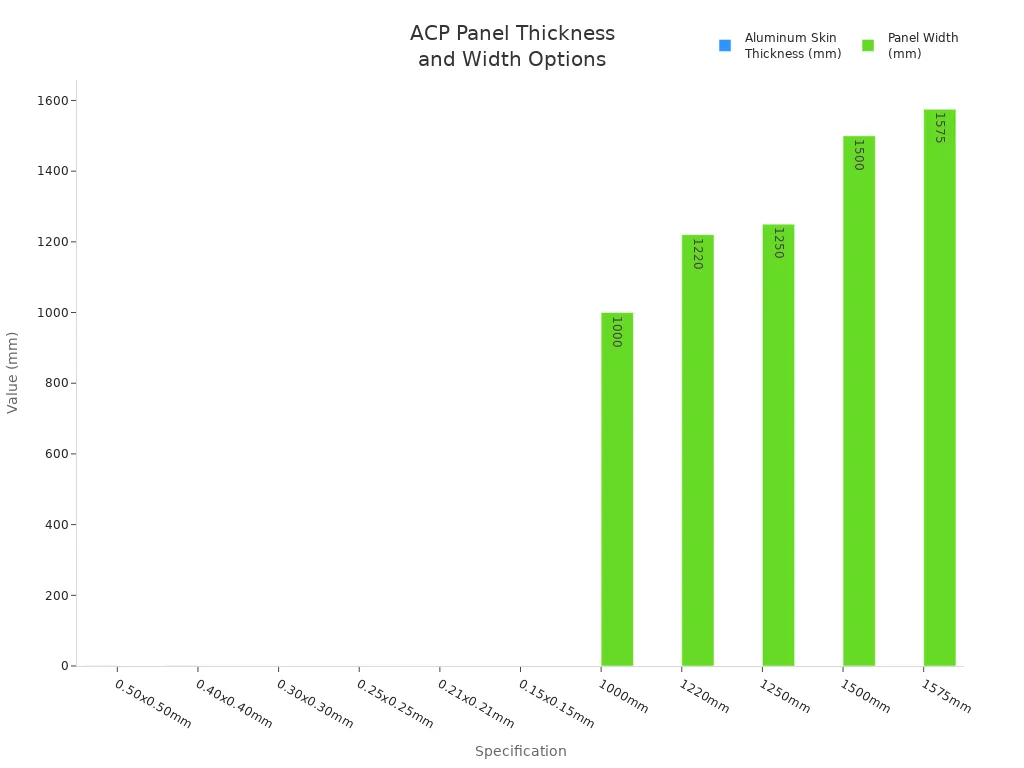
Tip: If your building is tall or faces strong winds, pick thicker panels for better safety and durability.
Tolerances
When you install panels, you need to pay attention to tolerances. Most panels have a cut tolerance of about +/- 0.030 inches. This means the size can be a little bigger or smaller than listed. If you use standard sizes, you will find installation easier. Custom cuts can make fitting panels harder, so always check the tolerances before you start. Good planning helps you avoid problems and makes sure the panels fit well.
Note: Always measure your panels before installation. This step helps you avoid gaps and makes your building look neat.
Panels come in many sizes and thicknesses. You can pick the right panels for your project by looking at these details. The right choice helps your building stay strong and look great.
Physical Properties Of Aluminum Composite Panels
Weight And Density
It is important to know how much aluminum composite panels weigh before you start building. These panels are light, so you can carry and install them easily. The weight depends on what is inside the panel. Most panels have a PE core or a mineral-filled core. You can check the average weight for each type in the table below:
Core Material | Weight (kg/sqm) |
|---|---|
PE Core | 3.5 |
Mineral-Filled Core | 3.8 |
6mm ACP Sheet | ~5.2 |
Light panels help you finish your project faster and save money. You do not need special tools to lift or move them. This makes modern cladding systems work better. If you pick panels with the right density, your building will perform well.
Tip: Lighter panels put less weight on your building. You can use them for tall buildings and new designs.
Strength And Rigidity
Aluminum composite panels are strong and stiff. These features help panels stay flat and not bend. You can count on aluminum composite material to protect your building from wind and hits. The strength comes from two aluminum skins and a solid core. You get a tough surface that does not crack or bend easily.
Here is how aluminum composite panels compare to other cladding systems:
ACP panels cost less than solid aluminum sheets. You pay $20 to $60 per square meter, but solid aluminum costs $40 to $80 per square meter.
Solid aluminum panels last longer and resist damage better. They give more protection from weather.
ACP panels are lighter and quicker to install. You save time when building.
Both ACP panels and fiber cement cladding resist weather well. Fiber cement also stops rot, termites, and fire.
Fiber cement panels last longer and work better in tough weather.
Aluminum composite panels have many good points for modern cladding systems. You get strong panels, easy setup, and save money. Pick the right panel for your building to get the best results.
Note: Strong panels help your building stand up to storms and daily use. Aluminum composite material works well for most new projects.
Flexibility
Aluminum composite panels can bend. You can shape them to fit many designs. This helps you make curved walls, cool facades, and special features in modern cladding systems. The smallest bending radius uses the formula R=15*t, where t is the panel thickness. You should follow this rule so you do not break the panel.
Flexibility lets you try new ideas for building design. You can make smooth curves and creative shapes. You need to control stress when bending to keep the panel in the right shape. If you do this, you stop spring-back and get the shape you want.
Tip: Use flexible aluminum composite material to make your building look stylish and lively. You can create cladding systems with special shapes.
Aluminum composite panels are light, strong, and flexible. These features give you many benefits for modern cladding systems and building design. They help you build safe, cool, and long-lasting buildings.
Surface Finishes And Coatings
PVDF Coating
 PVDF Coating
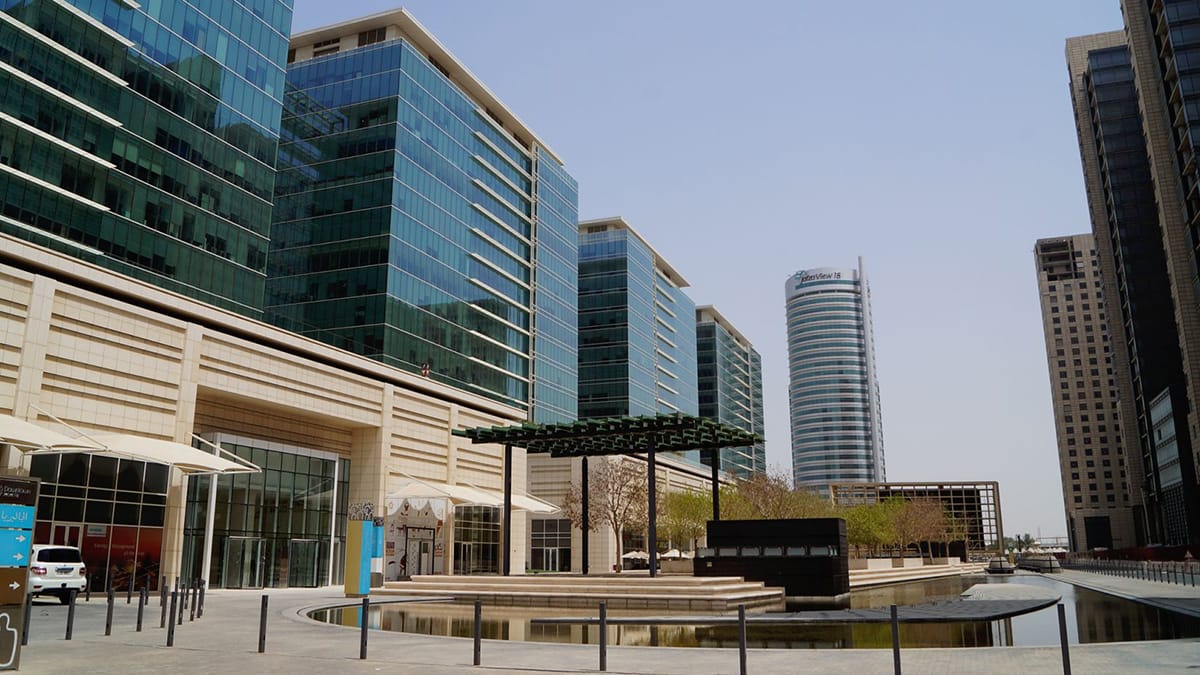
PVDF coating is a great choice for aluminum composite panels. PVDF means polyvinylidene fluoride. This coating lasts much longer than most others. Panels with PVDF stay bright and clean for many years. Dirt, graffiti, and stains do not stick to them. You will not need to clean them often. PVDF-coated panels can last more than 50 years, even in bad weather. The coating protects from rain, sun, snow, and pollution. The color and shine stay, so your building looks new for a long time.
Feature | PVDF Coating Benefit |
|---|---|
Durability | Lasts 30-80% longer than other types |
Maintenance | Resists stains and graffiti |
Longevity | |
Weather Protection | Shields from rain, sun, and pollution |
Appearance | Keeps color and shine |
Surface Quality | Smooth and uniform finish |
Tip: PVDF coating is best for outside aluminum composite panels in tough weather.
Finish Options
There are many finish options for aluminum composite panels. These choices help you match your building’s style. Some common finishes are:
Matte finish gives a smooth look and stops glare.
High-gloss finish adds shine and brightness.
Wooden finish looks like timber and adds warmth.
Metallic finish creates a modern style and resists rust.
Stone finish looks like real stone but is lighter.
Mirror finish reflects light and makes spaces look bigger.
You can also choose coatings like polyester, HPL, anodized, or wood grain. Each finish lets you make your building look special with aluminum composite material.
UV And Corrosion Resistance
Aluminum composite panels are strong against UV rays and corrosion. They protect your building from sun damage and rust. Both aluminum composite material and solid aluminum cladding resist UV and corrosion well. You only need simple checks to keep panels in good shape. Aluminum cladding is tough and does not change shape much with heat. These panels are light, last long, and keep their look. Solid aluminum cladding does not burn and stays strong for many years. You can trust aluminum composite panels to keep your building safe and looking good.
Property | Aluminum Composite Panels | Solid Aluminum Cladding |
|---|---|---|
UV Resistance | High | High |
Corrosion Resistance | Excellent | Excellent |
Maintenance | Low, periodic checks | Minimal upkeep |
Durability | Reliable, needs inspection | Long-lasting |
Note: Always check your panels when you put them in and later to keep your building safe.
Fire Ratings And Safety
Fire Performance
It is important to know how aluminum composite panels act in a fire. The core inside the panel changes how safe it is. Panels with an LDPE core can catch fire easily. You should use these only where fire risk is low. For better safety, pick panels with a fire-retardant core. These panels have special stuff like magnesium hydroxide. They can stop fire for up to two hours. This helps you follow safety rules and keeps your building safer.
Here is a table that shows the main fire rating types for aluminum composite material:
Type of ACP Panel | Core Composition | Fire Rating Characteristics |
|---|---|---|
Non-fire-rated ACP | LDPE or Polyurethane | Can burn, use only in some places |
Fire-rated ACP | Fire-resistant substance (e.g., Magnesium hydroxide) | Can stop fire for up to two hours, safer to use |
Tip: Fire-retardant core panels cost more money. But they give you better safety and help you follow building rules.
Certifications
You must check if the panels pass fire safety tests before building. Certified aluminum composite material is needed for tall buildings and public places. These tests show the panels can stop fire and follow local rules. Different countries have different rules.
Here are some important fire safety rules for aluminum composite panels:
IBC (International Building Code)
NFPA codes (U.S.)
EN13501 (Europe)
You can also look for tests like ASTM E84 in the USA or GB/T in China. These rules help you pick panels that fit your project.
The table below shows how different rules fit building types:
Standard/Certification | Application Area | Fire Resistance Rating | Notes |
|---|---|---|---|
EN 13501-1 (B1) | Malls, offices, schools, mid-rise facades | Fire-Retardant PE | Better fire safety; check local rules |
EN 13501-1 (A2) | High-rise, hospitals, airports, public venues | Mineral/A2 (Inorganic) | Does not burn, needed for important facades |
Note: Fire-retardant core panels usually cost 20-30% more than regular panels. This extra cost helps you follow rules and makes your building safer.
You should always check fire ratings and tests before picking aluminum composite panels. This step helps you follow building rules and keeps your building safe.
Durability And Environmental Resistance
Weather Resistance
 Weather Resistance
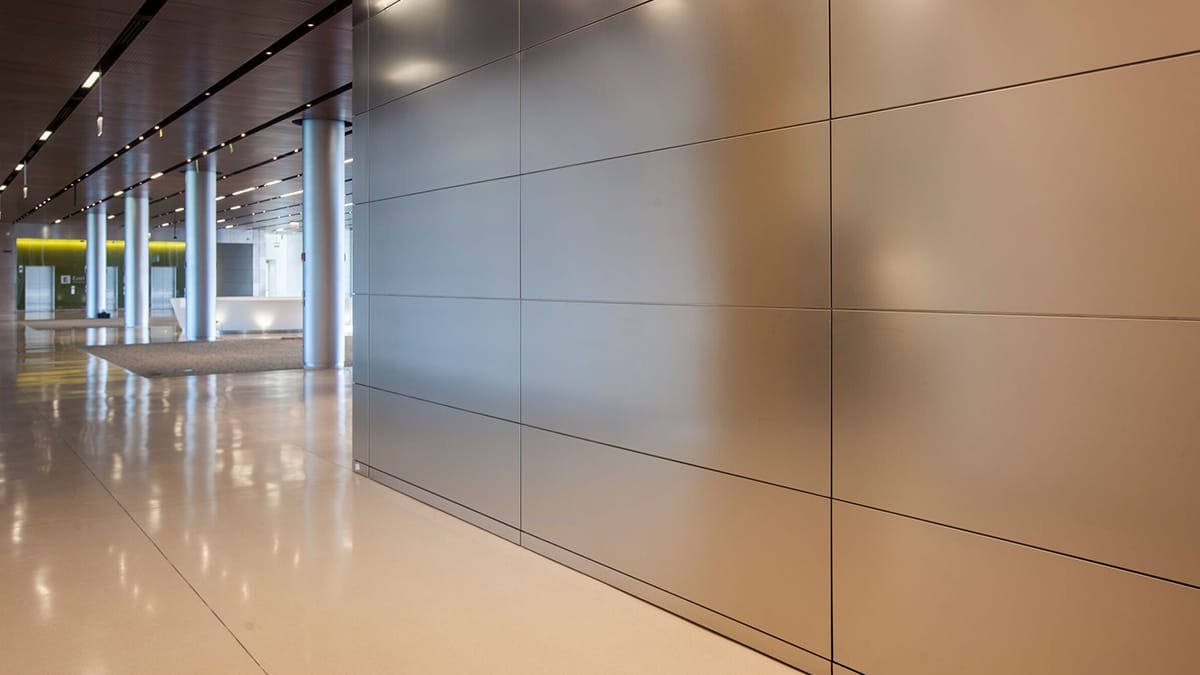
You want your building to stay strong in rain, sun, and wind. Aluminum composite panels are good at handling bad weather. These panels keep their color and shape for many years outside. The coatings on the panels can last 2,000 to 3,000 hours in QUV tests before the color changes much. This means the panels look bright and new for a long time. Some other materials, like compact HPL panels, may not fade as fast, but aluminum composite panels still protect well.
Panels do not rust and block UV rays.
You will not need to fix or change panels often.
Cleaning the panels is easy and keeps them looking nice.
These panels last a long time, so you save money and time. You also help the planet because there is less waste when you build or take down buildings. The panels use recycled stuff and can be recycled again. This makes them a smart pick if you care about the earth. Other materials, like PVC, are harder to recycle and can fill up landfills for many years.
Tip: Pick panels with strong coatings for the best weather protection and long life.
Lifespan
Aluminum composite panels can last for many years. Most panels stay good for 20 to 30 years if you use them right. If you use better materials and take care of them, they can last up to 40 years. Putting them in the right way and cleaning them sometimes helps them last longer.
Good panels last 20 to 30 years.
With care, they can last 30 to 40 years.
Because these panels last so long, you do not need to change them often. This helps the planet because you use less stuff over time. The aluminum in the panels can be used again and again. You make less trash and help keep the earth clean. Making the panels does use energy and materials, but recycling helps lower the harm.
Note: Panels that last a long time and can be recycled are good for your building and the planet.
Cladding Installation And Compatibility
 Installation Requirements
 Installation Requirements
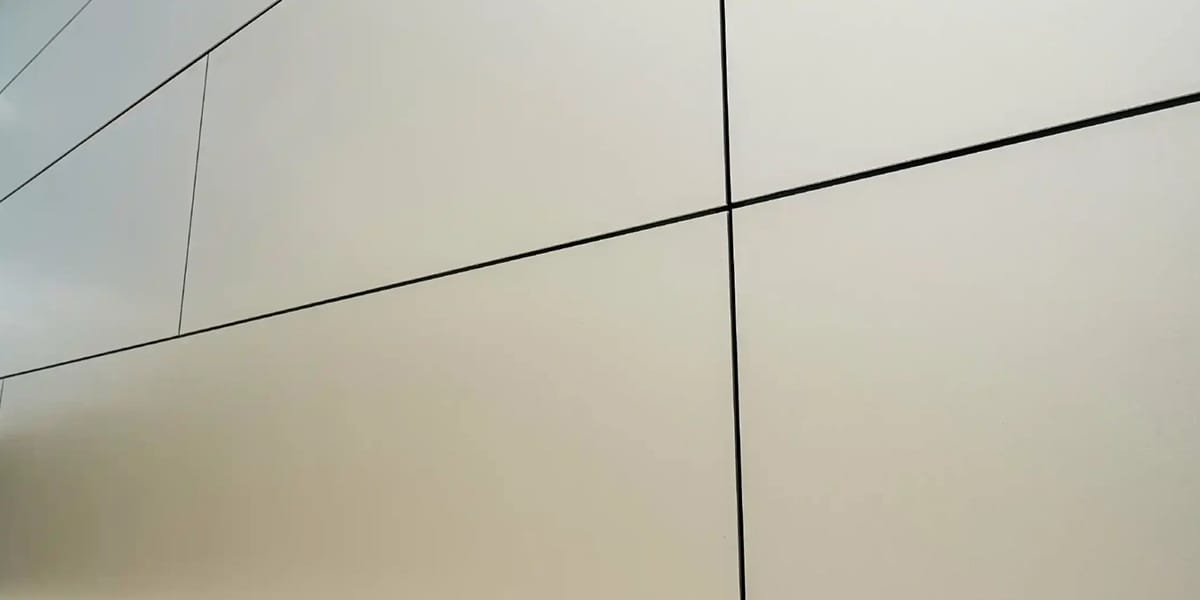
When you put up aluminum composite material for cladding, follow simple steps. First, plan where each panel will go on the wall. Measure and cut every panel using the right tools. This helps you get smooth edges and joints. Use the adhesives or fasteners that the maker says are best. Always seal the joints and edges to keep out water. Make sure all panels are straight and spaced the same way. Finish by adding trim or cladding pieces to cover the edges and make it look nice.
Here is a checklist to help you install panels:
Plan where each panel will go on the wall.
Cut panels to the right size so they fit well.
Use the right adhesives or fasteners to hold panels tight.
Seal all joints and edges to stop water from getting in.
Check that panels are straight and spaced evenly.
Add trim or cladding to cover edges and finish the look.
Tip: Use slotted holes in cassette systems. This lets aluminum composite material move when it gets hot or cold. It helps stop warping or cracking.
If you do not use the right method, you can have problems. Panels might bend, peel apart, or even fail fire safety tests. The table below shows what can go wrong if you make mistakes:
Issue Type | Impact on Performance and Safety |
|---|---|
Makes the building look bad and weakens it | |
Delamination | Panels break faster and can be unsafe |
Fire performance failures | Can cause legal trouble and safety risks |
Material Compatibility
Aluminum composite material works with many other building materials. These panels are light, so you can put them on many surfaces. You do not need special skills to install them. You can cut, bend, or shape the panels with easy tools. This gives you more ways to design your building. The panels do not need much care, so you save time on repairs and cleaning.
Always use stainless steel or aluminum fasteners to stop rust. If you use different metals together, you might see stains or rust. Keep different metals apart and use the right sealants for joints. Good joint design keeps water out and helps the panels last longer.
Sometimes, panels can dent or get damaged if they are not strong enough. Pick stronger panels for places that get bumped a lot. Always leave space for aluminum composite material to move when it gets hot or cold.
Note: When you use aluminum composite panels with other materials, you get a strong, flexible, and long-lasting cladding system for your building.
When you pick an architectural acp panel, look at important details. These details help your project work well. Check the table below to see what matters:
Specification | Description |
|---|---|
Material Quality | Surfaces should be smooth and not damaged. |
Thickness | Pick 3, 4, or 6mm for good panels. |
Coating Options | PVDF or PE coatings help panels last in bad weather. |
Fire Resistance | Panels protect your building and follow safety rules. |
Warranty Offered | Warranty covers problems and color fading. |
Design And Aesthetics | Many styles fit all kinds of buildings. |
Performance And Durability | Panels stand up to weather, UV, and water. |
Installation And Maintenance | Experts should install panels for best results. |
Compliance And Safety | Panels meet building standards. |
These details help you choose panels that work well. Features like fire resistance and durability make buildings safe. Lightweight panels let you try new designs. Use this information to pick aluminum composite panels that match your building and ideas.
FAQ
What is the main use of ACP panels in buildings?
You use ACP panels mostly for building cladding. These panels cover walls, ceilings, and facades. They help protect your building from weather and give it a modern look.
Can you paint or customize the surface of ACP panels?
Yes, you can choose from many finishes and colors. Manufacturers offer matte, glossy, metallic, and wood-like surfaces. You do not need to paint them after installation.
Are ACP panels safe for high-rise buildings?
Always check the fire rating before using ACP panels on tall buildings. Fire-retardant or mineral core panels meet strict safety standards. These panels help keep your building safe.
How do you clean and maintain ACP panels?
You clean ACP panels with mild soap and water. Use a soft cloth or sponge. Avoid harsh chemicals. Regular cleaning keeps your panels looking new and bright.