
14 Feb What Are Architectural ACP Panels and How Are They Used in Modern Construction
Table of Contents
Architectural ACP panels have two thin aluminum layers stuck to a polyethylene core. You see these panels in many new buildings. They are popular because they are strong and look nice. If you pick an ACP Panel, you get a light material. It can stand up to bad weather, rust, and sunlight. Builders like these panels because they come in many colors and textures. This lets you make cool designs. ACP panels also help the environment. They use materials that can be recycled and do not need much care. Most importantly, they are good at stopping fires. This makes buildings safer.
Key Takeaways
Architectural ACP panels are light and strong. This makes them easy to put up. They are great for new buildings. These panels last a long time and can handle bad weather. They keep looking good and working well for years. ACP panels come in many colors and textures. This lets people make creative and special designs inside and outside. They are very good at stopping fires. They also help meet green building rules. This makes them safe and good for the environment. Taking care of them is easy. You only need to clean them gently. This keeps ACP panels looking nice and helps them last longer.
What Are Architectural ACP Panels
Aluminium Composite Panel Structure
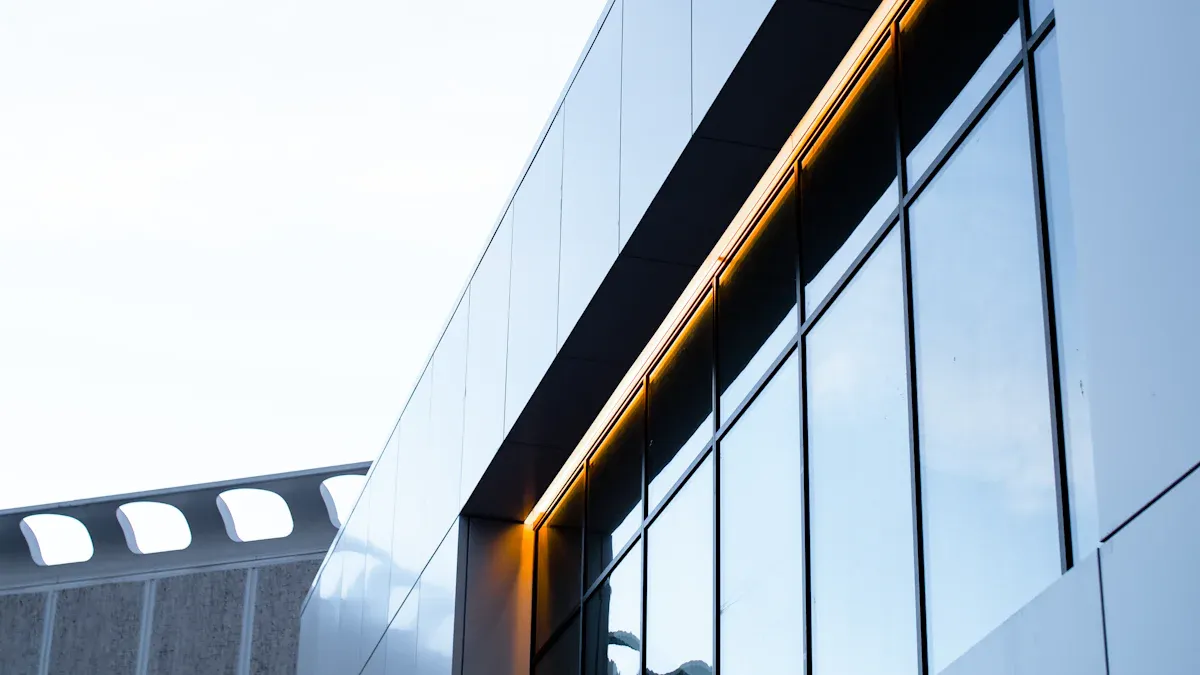
Architectural ACP panels are used in many new buildings. These panels have a special build. Each panel has two thin aluminum sheets. The sheets are joined to a solid polyethylene core. The thickness is usually between 3mm and 6mm. This makes the panels light and strong. The aluminum gets treated to stop rust and stick to the core. This helps the panels last longer and look nice for years. You can use ACP panels inside or outside buildings. Their stiff build keeps them flat and strong over big spaces. This matters for facades because you want smooth and straight surfaces.
Tip: The sandwich style of ACP panels lets you make bold shapes and patterns for facades without losing strength.
Key Material Properties
ACP panels are special because of their material features. They are light, so they are easy to move and put up. The panels do not bend or warp, so your facade stays neat. They last a long time. The aluminum sheets keep water and bad weather away from the core. You do not need to worry about rust or fading. The panels come in many colors and textures, so you can pick any look. Some ACP panels have mineral cores. These help keep heat in and block noise, making buildings more comfy. You save money because the panels need little care and last long.
Here is a table that shows the main features of ACP panels:
Property | Description |
|---|---|
Composition | Two thin aluminum sheets joined to a non-aluminum core |
Lightweight | Easy to put up and does not stress the building |
Durability | Stops rust and bad weather, needs little care |
Aesthetic Versatility | Many colors and textures for cool facade designs |
Thermal/Sound Insulation | Mineral core helps save energy and keeps things quiet |
Installation | Easy to cut and shape for special designs |
Maintenance | Smooth surface makes cleaning easy |
Cost Effective | Good finish at a lower price than stone or glass |
ACP vs. Other Materials
When you look at ACP panels next to other building materials, you see many good things. ACP panels are very good at stopping fires, so buildings are safer. They also help the environment because they use recycled aluminum and can be recycled again. This helps you make green choices in building and facade design.
Here is a table that compares fire safety and environmental impact:
Feature | Wood | Stone | Concrete | ACP |
|---|---|---|---|---|
Fire Resistance | Low | High | High | High |
Environmental Impact | Big | Low | Medium | Good |
You should know about fire safety rules. Different building heights need different ACP panel certifications. For example:
Building Height | Needed Certification/Standard |
|---|---|
Under 6 stories | Standard ACPs with polyethylene cores meeting CAN/ULC-S101 |
6-12 stories | Class A panels with mineral cores passing ASTM E84 |
Over 12 stories | Non-combustible ACPs (A2 grade) passing CAN/ULC-S134 tests |
Look for certifications like EN 13501-1, ASTM E84, and GB/T when you pick panels.
ACP panels are better than PVC and HPL panels in many ways. ACP panels do not fade or get wet as easily as PVC. They are lighter than HPL panels, so you save time and money when putting them up. You can reuse and recycle ACP sheets, but HPL panels are hard to reuse and cannot be recycled. HPL panels last longer, but ACP panels give you more choices for facade design and being green.
Note: ACP panels help you build modern, safe, and eco-friendly buildings. You get strong panels, easy setup, and lots of design choices for your next project.
Main Features of Aluminium Composite Panels
 Lightweight and Strength
 Lightweight and Strength
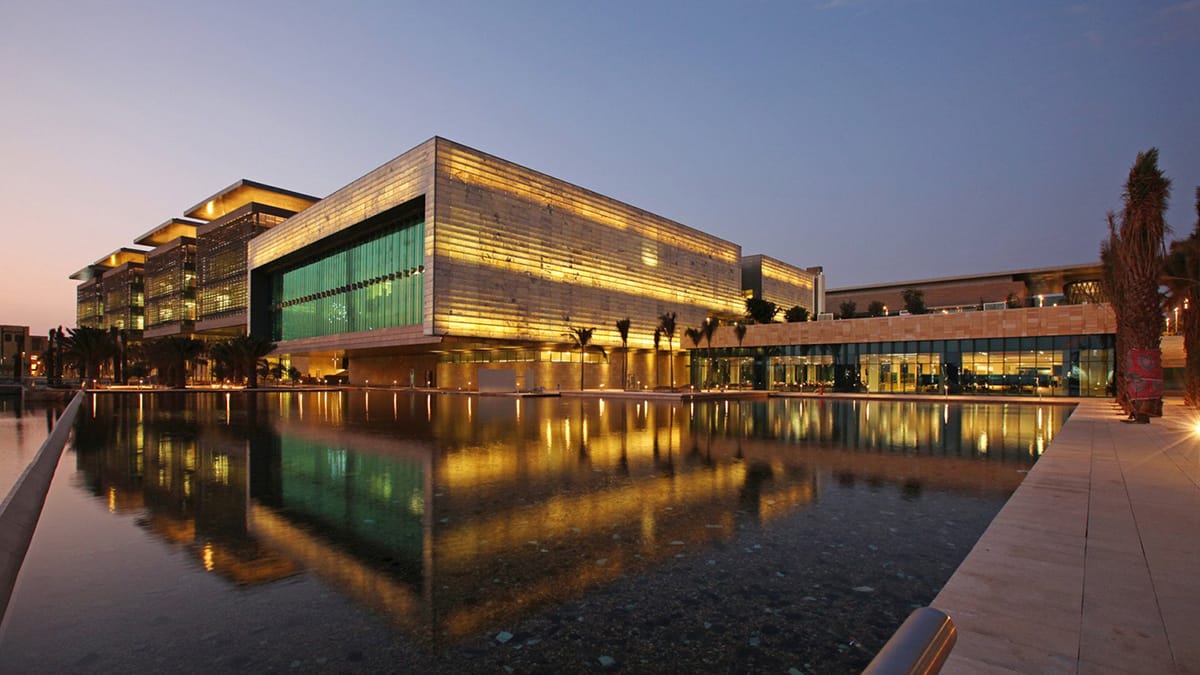
Aluminium composite panels are light but also strong. You can move them easily. It does not take much effort to lift them. This helps workers stay safe on the job. The panels go up fast, so you save time and money. Here is a table that shows how being lightweight helps your project:
Benefit | Explanation |
|---|---|
Faster, safer installation | Lighter panels mean less work and fewer accidents. |
Lower structural load | Buildings can be designed in more ways and cost less. |
Design versatility | You can make cool shapes and modern looks. |
Reduced transportation costs | Shipping costs less, and you can send more panels at once. |
The sandwich structure makes these panels stiff and light. You get strong panels without extra weight. This lets you build bold designs that stay flat and tough.
Weather and UV Resistance
Aluminium composite panels can handle bad weather. Heavy rain, snow, and strong sun do not hurt them. The smooth surface stops snow and ice from sticking. Special coatings keep the color and shine for years. These panels do not rust or fade easily. Here is how they work in different weather:
Panels stay strong and do not rust in rain.
Snow slides off, so panels do not get heavy.
UV coatings protect color and stop damage.
Insulation and Fire Safety
Aluminium composite panels do more than look good. They help keep heat and noise out. The core blocks heat and sound, so buildings feel better inside. Fire safety is important too. Good panels meet rules like NFPA 285 and EN-13501-1. If you put them up right, they help stop fire from spreading. This keeps people and buildings safer.
Tip: Always check for fire safety labels before you buy panels.
Sustainability
Sustainability is important in building today. Aluminium composite panels use materials you can recycle. Many companies will take old panels back to recycle. Some panels have labels like ISO 14001 and LEED. These show the panels are good for green buildings. When you pick these panels, you help the planet and build better.
Aluminum skins can be recycled
Panels last long and need little care
Meet green building rules worldwide
Using aluminium composite panels is smart for your project and the earth.
ACP Cladding and Other Uses
Exterior Cladding Applications
 Exterior Cladding Applications
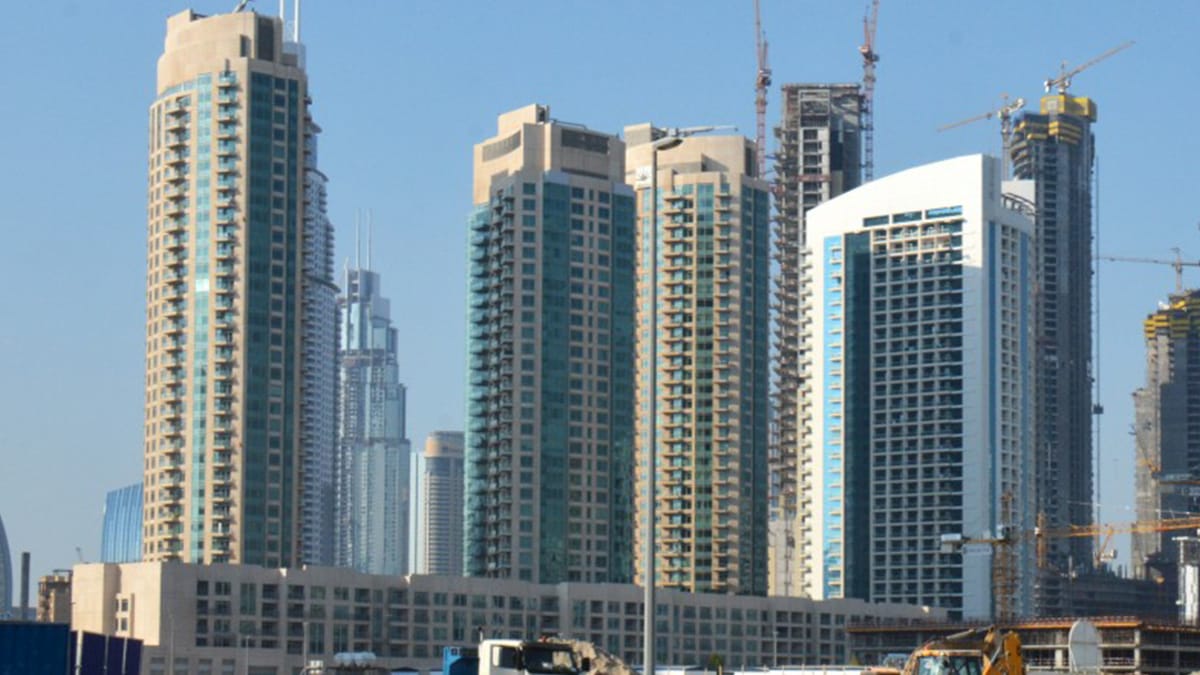
ACP panels are used on the outside of buildings. They protect walls and make them look new and modern. Here are some ways ACP panels are used on buildings:
Mirror ACP sheet cladding makes the front wall shiny and smooth.
Metallic ACP sheet cladding keeps out bad weather and is easy to clean.
Glossy ACP sheet cladding is good for shop fronts and walls. It can handle sun and fire.
Solid and corporate colors ACP sheet cladding is used for wallboards and signs. It is light and keeps out heat.
Wooden texture ACP sheet cladding looks like real wood. It protects from the sun and looks natural.
These cladding types help buildings stay safe and look nice for a long time.
Interior Cladding and Decoration
ACP panels are also used inside buildings. They make rooms look fancy and modern. Wooden ACPs add a warm feeling to walls and ceilings. You can use them for special walls, room dividers, or ceiling panels. The wood look and smooth finish make rooms feel cozy and stylish. ACP panels keep looking good for many years. You do not need to worry about them getting old fast. Many architects use these panels to try new ideas for inside walls and building fronts.
Tip: Use ACP panels on both walls and ceilings for a matching look in your room.
Signage and Branding
ACP panels are great for making signs and logos on buildings. You can cut them into many shapes and add cool finishes. This helps your business get noticed. Here is a table that shows why ACP panels are good for signs:
Advantage | Description |
|---|---|
Lightweight | Easy to carry and put up, even on tall buildings. |
Stays strong for 10-15 years, even in bad weather. | |
Design Flexibility | Lets you make special shapes and styles for your brand. |
Environmental Benefits | Can be recycled, so it is good for the planet. |
Cost-Effectiveness | Saves money because it lasts long and needs little care. |
Architectural Accents
ACP panels can be used to make special parts of a building stand out. They help show off corners, edges, and other cool spots. Many designers use ACP cladding to make bold lines or patterns that people notice. You can mix colors and textures to make your building different. ACP panels let you try new ideas for both outside and inside walls, making your project special and modern.
ACP Panel Advantages
Aesthetic Flexibility
You can use ACP panels to create almost any look you want in construction. These panels come in many colors, textures, and finishes. You can choose a wood look, a metallic shine, or a bold solid color. This versatility in design lets you match your building to any style. Architects often pick these panels for modern facades because they stay bright and fresh for years. You can also use them inside to make rooms look unique. The panels help you try new ideas and stand out in any project.
Used for both exterior and interior spaces
Easy Installation
ACP panels are known as an easy-to-install material. You can cut, bend, and shape them without much effort. The panels are light, so you do not need heavy tools or big teams. This ease of installation saves time and money on construction sites. You can finish projects faster and with less risk. The panels fit well with many building systems, so you can use them in new builds or renovations.
Tip: Choose ACP panels if you want a fast and simple way to cover large wall areas.
Cost-Effectiveness
You save money when you use ACP panels in construction. The panels cost less than stone or solid metal. You also spend less on labor because they are easy to put up. Over time, you save more because the panels need little care and last long. While some panels may need repairs or upgrades, most stay in good shape for many years. You get good value for your money and a modern look for your building.
Cost Factor | ACP Panels | Stone/Metal Panels |
|---|---|---|
Material Price | Lower | Higher |
Installation Cost | Lower | Higher |
Maintenance | Minimal | Moderate/High |
Lifespan | Long | Long |
Durability and Maintenance
ACP panels stand up to tough weather, sun, and city pollution. You do not need to worry about rust or fading. The panels only need simple cleaning to keep their shine. In busy city areas, you can trust these panels to look good with little work. Their strong build means you do not have to replace them often. This makes them a smart choice for any construction project that needs long-lasting results.
Note: ACP panels are strong, weather-resistant, and easy to care for, making them perfect for high-traffic places.
Installation and Trends
Basic Installation Steps
 Basic Installation Steps
You can install ACP panels by following a few clear steps. This process helps you get a smooth and strong finish on your building.
Clean the Surface: Start by cleaning the area where you will place the panels. Remove all dust and dirt.
Install the Frame: Attach a sturdy frame to the wall. This frame will support the ACP panels.
Panel Layout: Lay out the panels according to your design. Mark the spots where each panel will go. This keeps everything straight and even.
Cutting and Fabrication: Use a saw or router to cut the panels to the right size. Take your time to make clean cuts.
Fix the ACP Panel: Attach the panels to the frame with screws or adhesive. Make sure each panel sits flat and secure.
Joint Sealing: Seal the edges and joints with silicone. This step keeps water out and gives a neat look.
Finishing Touches: Check for any gaps or uneven spots. Clean the panels with a mild detergent to remove fingerprints or dust.
Tip: Always measure twice before cutting to avoid mistakes.
Maintenance Tips
You can keep your ACP panels looking new with simple care. Good maintenance helps your panels last longer and stay safe.
Clean the panels once or twice a year with mild soap and a soft cloth.
Wait about 40 days after installation before removing the protective film.
Inspect joints and sealants every year for cracks or damage.
Remove stains or dirt as soon as you see them.
Avoid using harsh tools or pressure washers.
Choose panels with PVDF or FEVE coatings for better weather protection.
Check that all screws and fixings stay tight and secure.
Note: Regular cleaning and inspection protect your building’s value and keep it looking fresh.
Future Trends in ACP
You will see many new trends in ACP panels over the next few years. These trends make buildings smarter, greener, and more beautiful.
Trend | Description |
|---|---|
More panels use recycled materials and eco-friendly cores. | |
Smart Surfaces | Some panels can change color or make energy from sunlight. |
Digital Integration | Surfaces may show information or adjust to your comfort. |
Aesthetic Versatility | New designs let you use ACP panels in creative ways inside and outside. |
Energy Efficiency | Panels reflect heat and light, helping you save energy. |
Many builders now choose ACP panels because they want durable, low-maintenance, and stylish solutions. You can expect even more options for green building and smart technology in the future.
You now know that architectural ACP panels have two aluminum layers and a strong core. These panels are helpful for new buildings in many ways. They are good for the earth:
They use recycled materials, which helps reuse things.
You can recycle them again, so we save more resources.
They help save energy and meet green building rules.
Here is why ACP panels are a smart choice:
Feature | Benefit |
|---|---|
Lightweight | Makes buildings lighter and faster to build. |
Durability | Handles bad weather and bumps without breaking. |
Design Versatility | Lets you make cool designs inside and outside. |
Fire Resistance | Helps keep people and buildings safe from fire. |
Sustainability | Good for green buildings because you can recycle them. |
ACP panels can make your next building safer, better for the planet, and more fun to design.
FAQ
How do you clean ACP panels?
You can clean ACP panels with mild soap and water. Use a soft cloth to wipe the surface. Avoid harsh chemicals.
Tip: Clean panels twice a year to keep them looking new.
Are ACP panels safe in case of fire?
ACP panels with mineral cores meet strict fire safety standards. You should check for certifications like EN 13501-1 before buying.
Always ask your supplier for fire safety ratings.
Can you use ACP panels for both indoor and outdoor projects?
Yes, you can use ACP panels inside and outside. They work well for walls, ceilings, and facades.
Exterior cladding
Interior decoration
Signage
What design options do ACP panels offer?
You can choose from many colors, textures, and finishes. ACP panels let you create wood, metallic, or glossy looks.
Finish Type | Example Use |
|---|---|
Wood | Interior walls |
Metallic | Building facades |
Glossy | Shop fronts |