
10 Dec Aluminum Composite Signage vs Other Metals for Durability
Table of Contents
- 1 Key Takeaways
- 2 Durability: Aluminum Composite vs Other Metals
- 3 Different Types of Metal Signage Materials
- 4 Aluminum vs Stainless Steel: Durability and Longevity
- 5 Corrosion Resistance in Signage Materials
- 6 Weight and Installation of Metal Signs
- 7 Cost and Value Over Time
- 8 Design Flexibility in Metal Signage
- 9 Practical Recommendations for Choosing Signage Materials
- 10 FAQ
You want your signage to last a long time, and understanding the different types of metal signage materials can help. Aluminum composite signage lasts longer than other metals and performs well in harsh environments. Businesses need strong signage outside, and metal signage handles weather better than wood, plastic, or vinyl. You can see metal signage stand up to rain, sun, and impacts. If you look at different types of metal signage materials, you will notice significant differences. Some metal signage stays looking new for longer.
Key Takeaways
Aluminum composite panels are light and not expensive. This makes them good for big outdoor signs. – Stainless steel signs last a long time and do not scratch easily. They are great for places with lots of people. – Traditional aluminum signs do not rust and are light. You can use them inside or outside in many places. – Cleaning and checking your signs often helps them last longer. – Picking the right material for your area and weather keeps your signs looking nice and working well.
Durability: Aluminum Composite vs Other Metals
Quick Answer: Which Lasts Longer?
You want your sign to last many years. This is important if you put it outside. When you look at metal signage materials, you find three main types. These are aluminum composite panels, stainless steel, and traditional aluminum. Stainless steel signs last the longest. They do not scratch or get damaged easily. Aluminum composite panels also work well in tough weather. Traditional aluminum signs are light and can handle rain. But they do not last as long as steel or aluminum composite.
Here is a quick comparison to help you pick the best sign for your needs:
Material | Durability | Weather Resistance | Corrosion Resistance | Impact Resistance | Typical Lifespan | Maintenance Requirements |
|---|---|---|---|---|---|---|
Aluminum Composite | Very strong, does not bend easily | Great for outdoor use | High, good near the ocean | Good, does not dent easily | Wash with gentle soap and water; check coating each year | |
Stainless Steel | Very tough, does not scratch | Good for rough climates | Excellent, even in salty air | Very strong, does not dent | 10–20 years | Wipe often; polish once a year |
Traditional Aluminum | Strong and light | Handles weather well | Great for marine places | Okay, can dent | 7–15 years | Wash with gentle soap and water; check powder coating |
Key Factors: Weather, Impact, Lifespan
You should think about a few things when picking metal signage materials. Weather resistance is very important for signs outside. Stainless steel does well in rain, snow, and sun. It stays shiny and does not rust much. Aluminum composite panels also stand up to bad weather. They do not bend or break in hot or cold temperatures. Traditional aluminum signs do not rust, even near the ocean. People who work on boats use aluminum because it does not rust in salty air.
Impact resistance is also important. Stainless steel signs do not dent or scratch easily. Aluminum composite panels have a strong middle layer. This helps them not bend or break. Traditional aluminum signs can dent if hit hard. But they last a long time if you take care of them.
How long your sign lasts depends on how you care for it. Stainless steel and aluminum composite panels can last up to 20 years. You only need to wipe stainless steel signs and polish them once a year. Aluminum composite panels need simple washing and a quick check sometimes. Traditional aluminum signs last up to 15 years. You should wash them and look at the powder coating every year.
Tip: If you need a sign for outside or near the ocean, pick aluminum composite or stainless steel. Both do well against rust and bad weather. Aluminum is used a lot on boats because it stays strong in salty air.
Different metal signage materials have special benefits. Stainless steel gives you the best strength and does not dent. Aluminum composite panels are great for weather and easy to clean. Traditional aluminum signs are light and can handle rain, so they work well outside.
Different Types of Metal Signage Materials
 When you pick signage for your business, you should know how the materials are different. Each type is good for certain things. There are three main choices you will see often.
Aluminum Composite Panels
Aluminum composite panels are used outside a lot. They have two thin aluminum sheets and a plastic middle. This makes them light and strong. You can move and put them up without trouble. The panels do not get damaged by rain, sun, or water. Your sign stays bright for a long time. You do not have to worry about rust or fading. The plastic middle helps block noise and keeps heat in busy places.
Note: Aluminum composite panels are cheaper for big jobs. You save money and still get a strong sign.
Feature | Aluminum Composite Panels (ACM) |
|---|---|
Composition | Two thin aluminum sheets, plastic core |
Weight | |
Insulation Properties | Good insulation and soundproofing |
Durability | Resists weather, UV rays, and moisture |
Installation Ease | Easy to install |
Recycling | Harder to recycle |
Cost | Less expensive for large projects |
Stainless Steel Signs
Stainless steel signs look modern and professional. You see them in busy places because they do not scratch or dent easily. Stainless steel does not rust, even near the ocean. You can use these signs in tough weather and crowded areas. Stainless steel signs stay shiny if you wipe and polish them. Many banks, hospitals, and offices use stainless steel because it lasts a long time.
Stainless steel is heavy and strong.
Stainless steel works inside and outside.
Stainless steel looks fancy and smooth.
Tip: If you want a sign that does not get damaged easily, stainless steel is a great pick.
Traditional Aluminum Signs
Traditional aluminum signs are also popular. They are light and do not rust. You do not need to do much to take care of them. Aluminum signs come in many colors and styles. You can use them inside or outside. Aluminum is easy to recycle, so it is good for the planet. You should check the coating to keep your sign looking nice. Aluminum signs can dent if hit hard, but they last a long time if you care for them.
Material | Maintenance | |
|---|---|---|
Aluminum | Lightweight, rust-resistant, minimal maintenance, available in colors | Low |
Stainless Steel | Corrosion resistant, heavy, modern look, best for high wear areas | Moderate |
Bronze | Durable, warm-toned, develops patina, requires polishing | High |
Now you know how aluminum composite panels, stainless steel signs, and traditional aluminum signs are different. These choices help you pick the best sign for your needs.
Aluminum vs Stainless Steel: Durability and Longevity
 Outdoor Performance
 Outdoor Performance
When you look at aluminum and stainless steel signs, you see they last differently. Aluminum signs do not rust. They stay strong when it rains. You can use aluminum signs near the ocean. They work well in wet places. Stainless steel signs are tough in bad weather. They do not get scratched or dented easily. Both kinds of signs keep their color in the sun. Aluminum signs are light and easy to hang up. Stainless steel signs are heavier. They make your sign look solid and strong.
Feature | Aluminum Signage | Stainless Steel Signage |
|---|---|---|
Rust Resistance | Excellent | Superior |
Impact Resistance | Good | Outstanding |
Weight | Lightweight | Heavy |
UV Protection | Strong | Strong |
Best Use | Coastal, outdoor areas | High-traffic, outdoor |
Tip: Pick stainless steel signs for busy outdoor places. Use aluminum signs where it rains a lot or near salty water.
Maintenance Needs
You want your signs to look nice for a long time. Both aluminum and stainless steel need cleaning often. Wash your signs every few months with gentle soap and water. This helps remove dirt and keeps them bright. Check your signs once a year. Look at the mounting parts and see if anything is broken. In places with salty air or lots of pollution, check for rust. If you see rust, change the fasteners to stainless steel.
Wash signs every few months with gentle soap and water.
Check mounting parts and panels every year.
In coastal or busy areas, look for rust and change fasteners to stainless steel.
Stainless steel signs need polishing once a year to stay shiny. Aluminum signs just need a quick wash and a check of the coating. You spend less time taking care of aluminum composite panels. Stainless steel signs last longer in busy places but need more care to keep looking good.
Note: Taking care of your signs helps them last longer and look nice.
You can pick aluminum or stainless steel signs for your needs. Both are strong and do not get damaged easily outside. These signs work well and are easy to take care of for many years.
Corrosion Resistance in Signage Materials
Marine-Grade Aluminum Benefits
You want your sign to last in hard places. Marine-grade aluminum fights rust better than most metals. It works well near the ocean or in wet places. This aluminum is made to stop rust from salt and water. You can use it for signs by the water. It stays strong and does not rust. Many people pick marine-grade aluminum for outdoor signs. It is light and easy to put up.
Tip: Pick marine-grade aluminum for wet or salty places. It keeps your sign looking new for a long time.
Here is a table that shows why marine-grade aluminum is good for signs:
Property | Description |
|---|---|
Superior corrosion resistance | Marine-grade aluminum stops rust, so it is great for wet and salty places. |
Lightweight | It is strong but light, so you can move and install it easily. |
Compatibility with fabrication | You can make it into many shapes and sizes for signs. |
Marine-grade aluminum is better at stopping rust than regular aluminum. Your sign will not rust, even in bad weather by the sea. Regular aluminum also fights rust if you add a good coating. Stainless steel also protects well, but it is heavier and costs more than marine-grade aluminum.
Material | Corrosion Resistance |
|---|---|
Marine-Grade Aluminum | Superior |
Stainless Steel | Excellent |
Standard Aluminum | Excellent (with coating) |
Stainless Steel in Harsh Environments
You may need signs in places with chemicals or lots of dirt. Stainless steel fights rust well in these tough places. Grade 316 stainless steel works near saltwater and in factories. You see stainless steel signs in factories, hospitals, and busy streets. It does not rust or stain easily.
Stainless steel is strong and keeps its shape. Your sign will not bend or dent. Stainless steel signs need cleaning to stay shiny, but they last many years. If you look at aluminum composite and steel composite signs, you see differences. Aluminum skins do not rust, but the middle part may not work in fire. Steel skins need a coating to stop rust, and mixing metals can cause problems.
Attribute | Aluminum Composite Material (ACM) | Steel Composite Material (SCM) |
|---|---|---|
Corrosion resistance | Aluminum skins do not rust, but the core may not work in fire | Steel skins need a coating; mixing metals can cause rust problems |
Strength and stiffness | Good for many uses, but not as stiff as steel | Steel skins are stiffer and stronger for each panel thickness |
Note: Pick stainless steel signs for places with chemicals or lots of use. It gives you strong rust protection and lasts a long time.
You can use marine-grade aluminum for signs by the sea. You can use stainless steel for tough factory areas. Both materials fight rust and help your sign last longer.
Weight and Installation of Metal Signs
Handling and Mounting
 Handling and Mounting
When you choose signage for your business, you need to think about how easy it is to move and install. Lighter materials make your job much easier. Aluminum composite panels weigh much less than solid aluminum or stainless steel. You can see this in the table below:
Material | Weight (kg/m²) |
|---|---|
Aluminum Composite Panels | |
Solid Aluminum Sheets | 8.1 |
You can lift aluminum composite panels without much effort. This makes them a smart choice if you want to install large signage by yourself or with a small team. You do not need special tools or heavy equipment. Stainless steel signs feel much heavier. You may need extra help or machines to move them. Traditional aluminum signs weigh more than composite panels but less than steel. You can still handle them easily for most projects.
Tip: If you want to save time and money on installation, pick lighter signage materials like aluminum composite panels.
Support Requirements
The weight of your signage affects how you mount it. Lighter aluminum composite panels need less support. You can use simple brackets or screws. These panels stay secure on most walls or posts. Solid aluminum sheets need stronger supports because they weigh more. Stainless steel signage needs even more support. You may need to check the wall or structure before you hang heavy signs.
You should always match the support system to the weight of your signage. Lighter aluminum panels put less stress on walls and posts. This helps your signage last longer and stay safe. Heavy signs may need extra anchors or frames. Always check the instructions from your signage supplier.
Note: Choosing the right support keeps your signage safe and looking good for years.
Cost and Value Over Time
Initial Investment
When you pick signage, you want to know the price. Aluminum composite panels cost less than stainless steel signs. Traditional aluminum signs are also cheaper. Stainless steel signs cost more because they are heavy and hard to make. If you have a big job, aluminum composite panels save you money. You get strong signs without spending a lot.
Here is a simple table to show starting costs:
Material | Initial Cost |
|---|---|
Aluminum Composite Panels | Low |
Traditional Aluminum | Low to Medium |
Stainless Steel | High |
Tip: If you want to spend less, choose aluminum composite or traditional aluminum signs.
Longevity and Replacement
You want your signs to last for years. Signs that last longer save you money. Aluminum composite panels and stainless steel signs last a long time. You do not need to replace them often. Traditional aluminum signs last a while, but they can dent or fade faster.
Think about how often you want to buy new signs. Aluminum composite gives you good value and lasts long. Stainless steel signs last the longest, but cost more at first. Over time, both aluminum and stainless steel signs are a good deal.
Aluminum composite panels: Last long, need little replacing
Stainless steel: Lasts the longest, almost never needs replacing
Traditional aluminum: Lasts okay, may need replacing sooner
Remember: Spending a bit more now can help you save money and worry less later.
Design Flexibility in Metal Signage
Customization Options
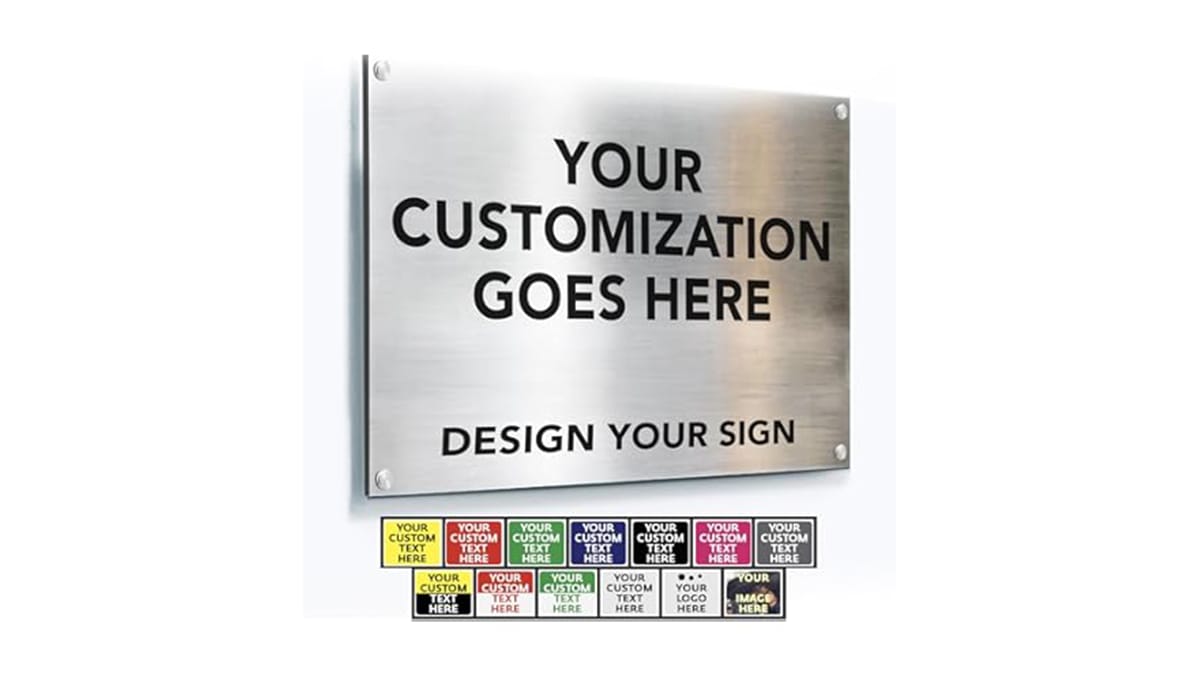
You want your sign to stand out. Aluminum composite signage lets you change many things. You can pick lots of colors and shapes. You can also choose different finishes. This helps your sign match your brand. It also helps your sign get noticed. You can pick glossy, matte, or brushed finishes. You can ask for special shapes or big sizes. Aluminum composite signage is light. This makes it easy to put up large signs. Your sign will look professional.
Here is a table that shows how aluminum composite signage helps your business with branding:
Customization Feature | How It Helps Your Brand |
|---|---|
Colors, shapes, and finishes | Matches your brand style and makes your signage unique |
Aesthetic flexibility | Lets you create eye-catching signage for your business |
Lightweight nature | Makes large signage easy to install and keeps it looking sharp |
Tip: Aluminum composite signage helps you make signs that fit your brand. It also helps people find your business easily.
Suitability for Different Locations
You need signs that work in many places. Some materials are better for certain spots. Aluminum signage is great for stores. It is light and lasts a long time. Stainless steel signage works well in fancy stores and tough places. Bronze signage is best for old markers and signs that need engraving.
Here is a table that shows which signage material works best for each location:
Material | Advantages | Best Use Case |
|---|---|---|
Aluminum | Lightweight, customizable, long lifespan, rust-resistant | Storefronts |
Bronze | Durable, weather-resistant, develops patina, good for engraving | Historical markers, business signs |
Stainless Steel | Corrosion-resistant, modern look, low maintenance, flexible design | Harsh environments, high-end signs |
You can use aluminum composite signage for big outdoor signs or indoor displays. Stainless steel signage is good for busy places or bad weather. Bronze signage gives a classic look for special spots.
Note: Pick the signage material that fits your place and style. This helps your sign last longer and look nice.
Practical Recommendations for Choosing Signage Materials
When to Choose Aluminum Composite
 When to Choose Aluminum Composite
Pick aluminum composite panels if you want signs that last and save money. These panels work well inside and outside. They do not burn easily and can take hits. Your sign will stay strong for a long time. You do not need to spend much time or money to keep them clean. Just wipe them to keep them looking new. The panels are light, so you can move and put them up easily. This helps you save money on work and shipping. Aluminum composite panels also stand up to bad weather and sunlight. Your sign will not fade or break in the sun or rain.
Use aluminum composite for big outdoor signs.
Pick it for indoor signs that look modern.
Choose this if you want to pay less to install signs.
Select it if you want signs that stay bright and strong with little work.
Tip: Aluminum composite panels help you get strong, nice-looking signs without spending a lot.
When to Choose Stainless Steel or Aluminum
Pick stainless steel signs if you need the toughest signs. Stainless steel does not scratch and can handle rough weather. These signs are best for busy places or places with bad weather. If you want your sign to look fancy and last many years, stainless steel is a good pick. Aluminum signs are also good for outside. They do not rust and are light, but they are not as tough as stainless steel.
Pick stainless steel for outside signs in busy or rough places.
Use stainless steel if you want a modern, fancy look.
Choose aluminum signs if you need light, rust-proof signs.
Here is a table to help you compare cost, strength, and design:
Factor | Aluminum Composite | Solid Aluminum |
|---|---|---|
Cost | Lower | Higher |
Durability | Lasts 5+ years outdoors | Long-lasting |
Design Flexibility | Easy to cut and shape | Harder to fabricate |
Aesthetic Options | Many finishes available | Needs extra coating |
Installation | Lightweight, easy | Heavier, more effort |
Note: The best sign material depends on where you put it, your budget, and your style. Always think about how long it lasts, how much it costs, and how it looks before you choose.
You want your sign to last and look nice. Aluminum composite signage is strong and does not rust. It is also easy to clean. Stainless steel signage is best for tough or busy places. Look at this table to help you pick the right signage:
Material | Best For |
|---|---|
Aluminum | Wet, coastal, or sunny areas |
Stainless Steel | High-traffic, corrosive spots |
Pick signage that matches your weather, money, and style. Think about saving money now and getting good value later for your sign.
FAQ
What makes aluminum composite panels a good choice for outdoor signage?
Aluminum composite panels are great for outside signs. They do not rust or lose color fast. You can use them in hot, cold, or wet places. These panels stay bright and last many years. You do not need to do much to keep them nice.
Can you recycle aluminum composite signage?
You can recycle the aluminum on these panels. The plastic in the middle makes full recycling tough. Some places will take these panels for recycling. Always ask your local center before you try to recycle your sign.
How do you clean metal signage?
Use mild soap and water to clean your sign. Wipe it with a soft cloth to avoid scratches. Do not use strong cleaners. Clean your sign every few months to keep it looking good. Always look for damage when you clean it.
Does stainless steel signage work near the ocean?
Yes, stainless steel is good for signs by the sea. It does not rust or get damaged by salty air. You can use it in wet, coastal places. Stainless steel signs stay shiny and strong for a long time.