
27 Nov Pros and Cons of Popular Metal Signage Materials
Table of Contents
Choosing the right metal signage materials types can feel tricky. Each option offers its own strengths and weaknesses. You probably care about how long your sign lasts, especially if it faces sun, rain, or snow. For example, check out this comparison:
Material | Weather Resistance | |
|---|---|---|
Aluminum | 5-10 | High |
Acrylic | 1-5 | Moderate |
Vinyl | 1-5 | Low |
If you want a sign that stays sharp and strong, these details matter. Your choice shapes not just the look, but also how well your sign stands up over time.
Key Takeaways
Aluminum signage is light and strong. It does not need much care. This makes it a good pick for outside use.
ACP signage can be used in many ways. It does not cost a lot. But it can get dents. You may also have problems when putting it up.
Stainless steel signs are tough and look new. They work well in busy places. But you must clean them often to keep them shiny.
Brass signs look classic. They get a special color as they age. But you must clean them a lot to stop them from turning dull.
Copper signage is easy to spot because it ages in a special way. It is also strong. But it costs more. You must take good care of it.
Aluminum Signage Pros and Cons
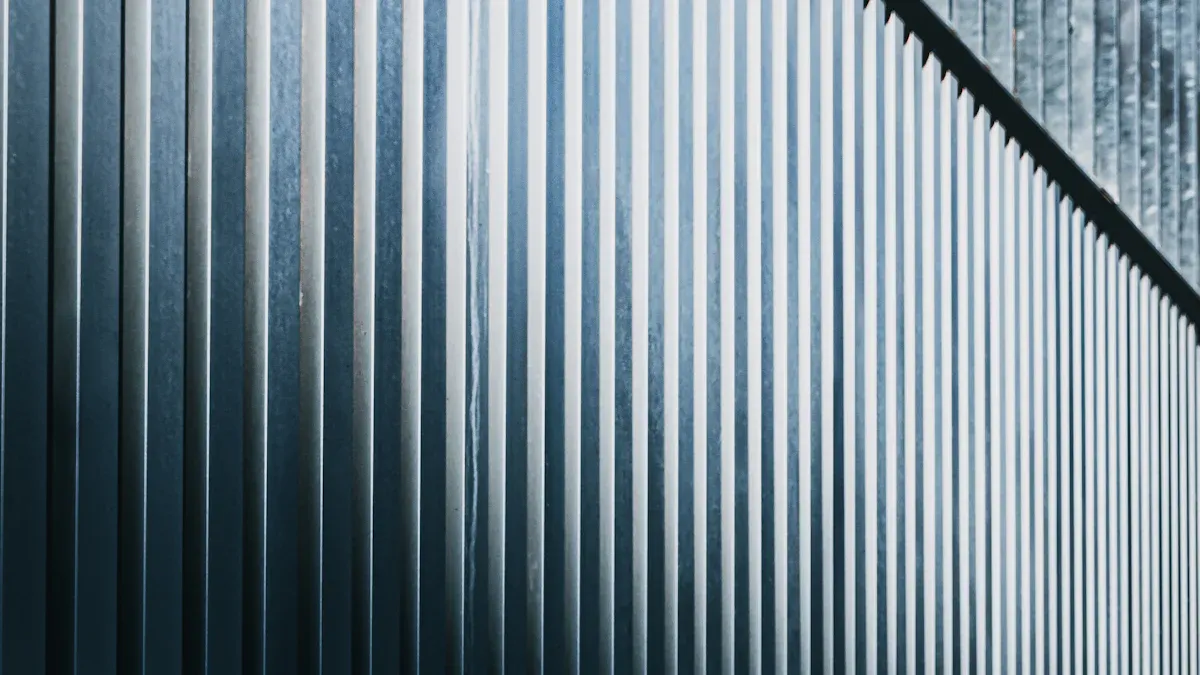
When you look at the pros and cons of aluminum signage, you’ll see why so many businesses choose it for their signs. Let’s break down what makes aluminum stand out and where it might fall short.
Advantages
Aluminum signs offer a bunch of benefits that make them a top pick for both indoor and outdoor use. You’ll notice right away how lightweight aluminum is. If you’ve ever tried to hang a heavy sign, you know it can be a hassle. Aluminum weighs about one-third as much as stainless steel, so you can install it easily—even on drywall. That means less stress and less time spent on setup.
You also get durability. Aluminum doesn’t rust, so your sign stays looking sharp even when it faces rain, snow, or bright sun. You won’t have to worry about constant upkeep. Cleaning is simple, and you don’t need to paint it. The smooth finish gives your sign a professional look that grabs attention.
Here’s a quick look at some key advantages:
Advantage | Description |
|---|---|
Durability | Aluminum does not rust and can handle tough weather, so your sign lasts longer. |
Low Maintenance | You don’t need to paint or do much cleaning. |
Environmental Responsibility | Aluminum is recyclable and uses less energy to recycle than to make new material. |
You’ll also save money over time. While the upfront cost might seem high, aluminum’s long life means you won’t need to replace your sign often. Market surveys show that aluminum is usually more affordable than stainless steel, and it’s even cheaper than some plastics and wood options.
Disadvantages
Of course, there are some cons to consider. Aluminum signs can cost more at first compared to other materials. If you’re working with a tight budget, this might be a concern. Some businesses find the initial price a bit steep, even though the long-term savings are good.
Another thing to think about is strength. Aluminum is tough, but it’s not as strong as steel. If you need a sign in a spot where it might get bumped or scratched a lot, you might want to look at other options.
Tip: If you want a sign that’s easy to install and lasts for years, aluminum is a smart choice. Just make sure the upfront cost fits your budget.
When you weigh the pros and cons, aluminum signage stands out for its durability, easy handling, and cost-effectiveness. You get a sign that looks great and lasts, but you’ll need to decide if the initial investment works for you.
ACP Signage Pros and Cons
 Advantages
 Advantages
ACP signage is a good choice if you want your sign to last. You can see ACP panels at coffee shops and hotels. Starbucks uses ACP for a modern look. Walmart picks ACP to help their signs stand out. Hilton Hotels uses ACP for signs that match their fancy style.
ACP signs help people notice your brand. Studies say good signs like ACP boards help people remember your business. More people will think of your business after seeing your sign.
You can make ACP panels in many shapes and colors. Pick the color or shape that fits your brand best. The panels stay bright and clear for years outside. ACP can handle strong wind, rain, and hail. Lab tests show ACP panels do not break or bend easily.
It is easy to put up ACP signs. ACP is lighter than stainless steel. You only need simple tools and supports. You do not need a big team to install it. Here are some reasons why businesses like ACP signage:
Benefit | Description |
|---|---|
Durability | Stays strong in bad weather and looks good for years. |
Versatility in Design | You can pick any color, finish, or shape for your brand. |
Cost-Effectiveness | Lasts a long time, so you save money on new signs. |
Easy Installation | Light panels make it simple to set up with basic tools. |
Tip: If you want a sign that is easy to put up and keeps your brand looking new, ACP is a good choice.
Disadvantages
ACP signage has some problems you should know. The panels can get dents if hit hard. Some ACP sheets do not block sound or heat well. They are better for looks than for tough jobs. The plastic inside ACP can be bad for the environment, but recycling is getting better.
Not all finishes stop scratches. If you want your sign to stay smooth, pick the right finish. How you put up the sign matters too. If someone installs your ACP sign wrong, it can peel or let water in.
Disadvantage | Description |
|---|---|
Denting | Panels can dent if hit, so be careful. |
Insulation issues | Does not block sound or heat well; best for decoration. |
Environmental concerns | Plastic core can be a problem, but you can recycle it. |
Scratch susceptibility | Some finishes scratch easily, so choose the right one. |
Installation problems | Bad installation can make the sign peel or leak water. |
Note: Always ask for skilled workers and check the finish before you buy ACP signage.
Stainless Steel Signage Pros and Cons
Advantages
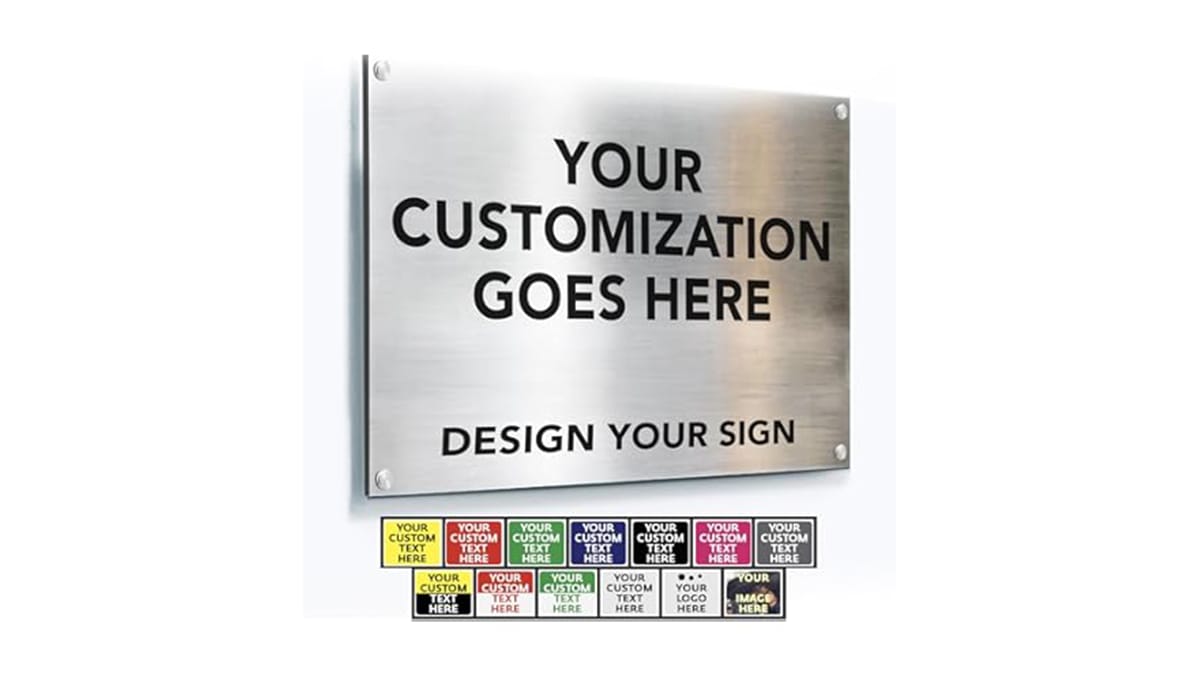 Advantages
Stainless steel signs look shiny and last a long time. The shiny surface makes people notice your sign. It gives your business a cool, modern style. Many designers like stainless steel because it is strong. It works well in busy places and bad weather. Stainless steel does not rust or break down, even after years outside.
Here are some reasons to pick stainless steel signage:
It is very strong, so it does not get damaged easily.
Stainless steel does not rust, even in rain or salty air.
It is safe because it does not catch fire.
You do not need to clean it much to keep it shiny.
You can choose from many shapes and finishes. You can also mix it with other metals for a special look.
Check out this table to see how different stainless steel grades handle corrosion:
Grade | General Corrosion Resistance | Crevice Corrosion Resistance | Pitting Corrosion Resistance |
|---|---|---|---|
317LMN | Better than 904L | Better than 904L | Better than 316L |
904L | Better than 316L | Comparable to 317LMN | Worse than 317LMN |
316L | Least alloyed, worst behavior | Not as good as 317LMN | Noticeably worse |
Tip: Stainless steel is a good pick if you want a sign that stays nice for years.
Disadvantages
Stainless steel signs have some problems you should know. The surface can scratch, so you must be careful when cleaning. You might see fingerprints or smudges, so you need to clean it often. If you do not take care of it, the sign can change color or even rust.
Some people think you must replace stainless steel signs if they get damaged, but you can fix most problems. The price of stainless steel can change a lot. Sometimes, it costs too much for some businesses. You need to think about the cost and how long the sign will last.
It can get scratched or smudged, so clean it gently.
You need to clean it often to keep it looking good.
If you do not care for it, it can get damaged.
The price can go up or down, so plan your budget.
Note: Stainless steel is a great choice if you want a strong and good-looking sign, but be ready for the cost and care.
Brass Signage Pros and Cons
Advantages
Brass signs are often seen in banks and hotels. They are also used in fancy offices. Brass looks very nice and gets people’s attention. It shines like gold and makes your sign look special. Many designers say brass is a cheap way to make a space look fancy.
Here are some reasons to pick brass for your lobby sign:
Brass is shiny and gold-colored, so it stands out.
Brass gets a patina as it gets older. Many people like how this looks.
Brass does not rust easily, so it stays strong in many places.
Brass is a good choice if you want a classic sign. It works for both new and old styles. Brass helps visitors feel welcome and impressed.
See how brass changes as time passes:
Time (hours) | Yellowing (b* coordinate) | Darkening (L* coordinate) | Notes on Coating |
|---|---|---|---|
0 | Low | High | No oxidation layer |
High | Low | Coating slows changes |
Brass signs can look better as they age. The patina effect is nice for some people. You can add a coating to keep brass shiny.
Disadvantages
Brass has some problems you should know about. Brass needs more cleaning than other metals. You must clean brass signs often to stop them from turning dark. This is very important for outdoor signs. Bronze needs less care and keeps its look longer.
Here is a table of common brass sign problems:
Disadvantage | Description |
|---|---|
Tarnishing | Brass turns green or black when it gets wet or is in the air. |
Allergies | Some people have reactions to nickel in brass. |
Corrosion | Water can make brass weak and change color. |
Toxicity | Brass has lead, which can be dangerous for kids. |
Cost | Brass costs more than metals like aluminum or steel. |
Brass is not the cheapest lobby sign material. You will spend more time and money to keep it looking nice. Some people pick brass for style, but you should think about the cost and care.
Tip: Brass is great for indoor signs that need to look fancy. For outdoor signs, try other metals that need less cleaning.
Copper Signage Pros and Cons
Advantages
You might notice copper signs in parks, museums, or historic buildings. Copper stands out because it looks unique and feels special. If you want a sign that grabs attention, copper could be your best choice. The patina process makes copper even more interesting over time. Here’s what design experts say about the patina:
The patina process creates a unique aesthetic evolution that improves with age.
Pure copper starts as a bright metallic orange, then turns deep brown, and finally develops a green verdigris.
This natural aging adds character and sophistication to your signage.
The aging process can symbolize the growth and evolution of your brand.
Copper signage is not just functional; it’s also an artistic expression.
Copper is highly resistant to corrosion, so your sign will last for years. You get long-lasting performance, even in tough weather. Copper is ideal for outdoor use because it withstands physical impacts and does not rust easily. If you want strength and durability, copper delivers. You can also enjoy customization with copper. You can shape it, engrave it, or add designs that match your style.
Tip: If you want a sign that gets better with age and shows off your brand’s personality, copper is a smart pick.
Disadvantages
Copper signage does have some downsides. The cost is higher than most other metals. Take a look at this price comparison:
Material | Price Range (per sq. ft.) |
|---|---|
Plastic | $15 – $25 |
Aluminum | $15 – $25 |
Steel | $25 – $35 |
Copper | Higher than $35 |
Copper usually costs more because it has superior electrical and thermal conductivity. Metal signs range from $1,000 to $2,500, but copper is generally higher than $2,500. If you have a tight budget, you might want to consider aluminum or pvc instead.
Copper can tarnish if you do not clean it regularly. You might see green spots or dark patches. Some people like this look, but others want their sign to stay shiny. Copper is strong, but it can still get scratches or dents if hit hard. You need to clean it with care to avoid damage. Copper is not as light as pvc, so installation takes more effort.
Note: Copper is a premium choice. You pay more, but you get a sign with longevity, strength, and style. Think about your needs and budget to make an informed decision.
Metal Signage Materials Types Comparison
Durability & Weather Resistance
 Durability & Weather Resistance
When you look at metal signage materials, you want them to last. Aluminum is a good choice because it does not rust. It can last 7 to 10 years and needs little care. Stainless steel is very strong. It can handle bad weather and hard hits. This makes it great for places near the ocean. ACP is strong and light. But you should check it for dents sometimes. Brass and copper are both tough. Brass can turn dark, and copper changes color as it gets older. Marine-grade aluminum and 316-grade stainless steel stay strong and keep their color in salty air or heavy rain.
Material | Durability Rating | Weather Resistance |
|---|---|---|
Aluminum | High, resists corrosion | Great for outdoors |
ACP | Strong, lightweight | Good, needs some care |
Stainless Steel | Very high, impact resistant | Excellent, even at coast |
Brass | Good, can tarnish | Needs cleaning outdoors |
Copper | Good, patinas with age | Handles weather, changes |
Cost & Value
It is important to know how much each sign costs. Aluminum signs usually cost between $800 and $1,500. Brass signs are more expensive, from $1,500 to $2,500. Stainless steel signs can cost $1,300 to $4,500. Copper signs often cost more than $2,500. Aluminum is a good deal because it lasts long and is easy to care for. Stainless steel costs more at first, but you save money later. ACP is cheaper and lasts well, but it can get dents. Brass and copper look fancy, but you pay more for style and cleaning.
Material | Average Cost Range | Value Over Time |
|---|---|---|
Aluminum | High, low upkeep | |
Brass | $1,500 – $2,500 | Medium, needs care |
Stainless Steel | $1,300 – $4,500 | High, lasts longest |
Copper | $2,500+ | High, unique look |
Tip: Think about the first price and how much you will spend on cleaning or fixing your sign later.
Design & Customization
You have many choices for how your sign looks. Metal signage materials let you pick shapes, colors, and finishes. Aluminum and ACP give you the most design options. You can get them in matte, satin, brushed, or shiny finishes. Stainless steel looks modern and shiny. Brass and copper give a classic or old look. You can cut these metals into any shape. You can add logos or use special paints. Many people want eco-friendly signs, so recycled aluminum is popular. Simple sign designs are popular now, and stainless steel helps you get that look.
Pick rectangle, circle, or any shape you want.
Choose finishes like brushed, satin, or glossy.
Add your business name, logo, or pictures.
Use special paint or lacquer for color.
Best Use Cases
You need the right sign for your business and where it will go. Aluminum is good for street signs, building sites, and ads. ACP works well for outdoor signs and busy places. Stainless steel is best for offices, business parks, and places near the sea. Brass and copper look great in hotels, art galleries, and fancy shops. If you want a sign that lasts outside, pick stainless steel or aluminum. For a fancy lobby or old building, brass or copper is a good choice.
Aluminum: Best for outdoor, low-cost signs.
ACP: Good for building fronts and busy areas.
Stainless Steel: Best for modern, tough places.
Brass: Great for classic, indoor signs.
Copper: Perfect for art galleries or fancy spaces.
Note: Always pick your sign material based on your business, where it will go, and the look you want.
You’ve seen the pros and cons of each metal signage material. If you want a tough, low-maintenance sign for outdoors, go with aluminum or stainless steel. For a stylish look indoors, brass or copper works well. On a budget? ACP gives you good value. Think about what matters most—durability, cost, or design. If you feel unsure, talk to a signage pro for advice that fits your needs.
FAQ
What metal is best for outdoor signs?
You want a sign that lasts outside. Aluminum and stainless steel work best. They resist rust and handle rain or sun. You can trust these metals to keep your sign looking good for years.
How often should I clean my metal sign?
You should clean your sign every few months. Use a soft cloth and gentle cleaner. Regular cleaning helps your sign stay bright and easy to read. If your sign is outside, check it more often.
Can I customize the shape and color of my sign?
Yes, you can pick almost any shape or color. Metal signs come in many finishes and styles. You can add your logo or choose a special paint. Your sign can match your brand or space.
Are metal lobby signs safe for indoor use?
Metal lobby signs are safe for indoor spaces. They do not catch fire and rarely cause allergies. You can use them in offices, hotels, or schools. They also make your lobby look professional.
Which metal sign is easiest to install?
Aluminum signs are the easiest to install. They are light and simple to hang. You do not need special tools or a big team. If you want quick setup, aluminum is a smart choice.