

24 Feb Top Tips for Picking the Perfect ACP Panel in 2026
Table of Contents
Image Source: pexels
If you want to choose the best acp panel in 2026, you should match its features to what your project needs. You need to look at grade, finish, where you will use it, and certifications. Studies show that acp features like fire performance, sustainability, and Color Selection can affect how well your project works.
In 2026, acp panels will be about 70% of the building market.
Cladding will have 50% of the market, and interior decoration will grow the fastest.
Key Takeaways
Think about what your project needs before you pick ACP panels. Where you use them is important. This will change what features you need.
Pick the right ACP panel grade for safety. A1 grade is the safest. It is best for tall buildings.
Pick colors and finishes that fit your design idea. Bright colors and cool textures help your building stand out.
Plan the installation with care. Measure everything right and get ready. This saves time and stops mistakes.
Look at how fast the supplier can deliver and their warranties. Good service keeps your project on schedule. It also helps the panels last longer.
Define Project Needs
Application Area
First, decide where you will use the acp panel. The place you use it changes what features you need. You might use acp for wall cladding, inside decoration, or signs. Each use has its own needs.
Here is a table that shows how the place you use it changes what you need:
Application Area | Required Characteristics |
|---|---|
Indoor Use | Thickness of 0.2 mm for upper/lower panels, minimum 0.1 mm, total thickness of 3 mm |
External Wall | Oxidation resistance, wind resistance, fire resistance |
If you use acp panels outside, think about wind and fire safety. Indoor panels can be thinner but should look smooth and not scratched. Check for coatings like PVDF or PE to help with weather.
Tip: Always pick the right thickness and coating for where and how you use the panel.
Design Vision
Your design idea changes how your building looks and feels. You can pick acp panels in many colors, textures, and finishes. This lets you make a special outside or inside space. ACP panels are light and easy to shape, so you can try curves and angles.
You can pick from many colors and finishes for different looks.
ACP panels work for both new and old styles.
ACP is light, so it lowers building weight and saves money.
You can use acp for cool outsides or nice insides.
ACP panels help keep heat in, so you pay less for energy.
Some types do not burn easily for more safety.
Note: Plan your design early so you pick the best material and meet both style and safety needs.
Environmental Factors
Think about the weather and pollution in your area before picking acp panels. These things can change how long your panels last and how well they work.
Here is a table that shows how different weather affects acp panels:
Climate type | Main risk factor | Typical lifespan impact |
|---|---|---|
Hot and dry | UV radiation | Coating fades faster |
Coastal | Salt corrosion | Edge damage risk |
Cold | Freeze cycles | Bond fatigue |
Industrial | Acid pollution | Surface degradation |
Hot places have strong sun that can fade the paint. Near the sea, salt can hurt the edges of panels. Cold places have freeze and thaw that can weaken the glue. Factories make pollution that can damage the surface.
Always look for panels with strong coatings and good warranties. This keeps your panels looking new and protects your money.
Tip: Pick acp panels with weather-proof coatings and fire safety for longer life in tough places.
ACP Panel Grades & Certifications
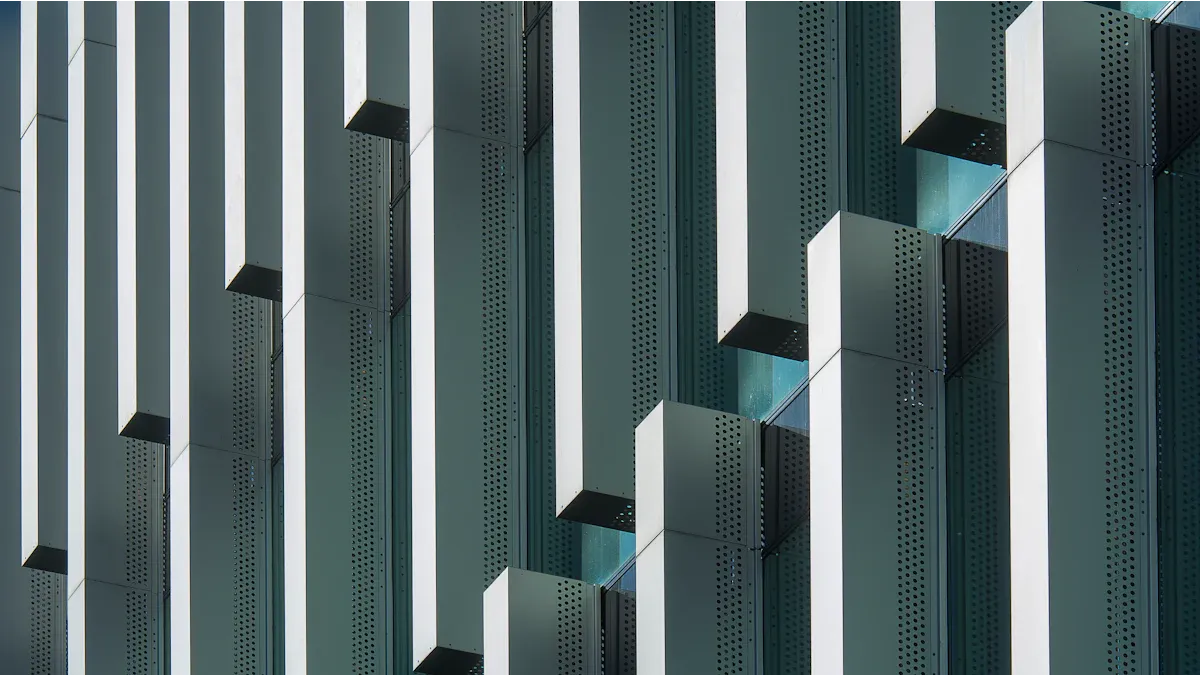
 Material Grades
 Material Grades
You must check the grade before buying any acp panel. The grade shows how strong and safe the panel is. In 2026, there are four main grades for aluminum composite panels. Each grade has a different core and fire rating. The table below lists the types and their features:
ACP Type | Core Composition | Fire Classification |
|---|---|---|
PE | Polyethylene core | Higher flammability |
FR | Fire-retardant core | Moderate flammability |
A2 | Mineral core with some combustibility | Low flammability |
A1 | Non-combustible mineral core | Non-combustible |
A1 grade is the safest choice. It does not burn and is good for tall buildings or places with strict rules. PE grade is cheaper but can catch fire easily. FR and A2 grades are safer than PE but not as safe as A1.
Tip: Pick the grade that fits your project and local safety rules.
Industry Certifications
Certifications prove your aluminum composite panel is safe and good quality. You should look for panels with certificates from trusted groups. These show the panels passed fire and strength tests. Here is a table with the main certifications you might see:
Certification Standard | Description |
|---|---|
ASTM E119 | Fire resistance test for building materials |
EN-13501-1 | Fire classification of construction products |
BS 476: Part 6 & 7 | Fire tests on building materials and structures |
DIN 4102-98 | Fire behavior of building materials and elements |
Check which certifications your area needs. Some places want EN-13501-1 or ASTM E119. These tests make sure your aluminum panels help keep people and property safe.
Note: Certified panels help you pass checks and keep your building safe.
Manufacturer Reputation
Always check the company that makes your acp. Good companies use strong materials and follow rules. You can read reviews or ask other builders for feedback. Trusted companies give good warranties and fast help. If you pick a good supplier, you will have fewer problems.
Ask for references from past customers.
See how long the company has sold aluminum composite panels.
Look for clear warranty and service rules.
A good reputation means better value and less stress for your project.
ACP Panel Size & Thickness
Standard vs. Custom Sizes
You will find many sizes for acp panels in 2026. Most projects use standard sizes, but sometimes you need custom options. Standard sizes make installation faster and reduce waste. Here is a table that shows the most common sizes for acp panels:
Thickness | Size (mm) |
|---|---|
3mm-6mm | 1220 x 2440 |
3mm-6mm | 1250 x 3000 |
3mm-6mm | 1500 x 3000 |
3mm-6mm | 1500 x 4000 |
3mm-6mm | 1500 x 5000 |
If your project has special shapes or large surfaces, you may need custom acp sizes. Custom sizes help you avoid extra joints and give a smooth look. You can ask your supplier for custom acp sheet dimensions to fit your design.
Thickness for Stability
You must choose the right thickness for safety and strength. As buildings get taller, wind pressure increases. Thicker panels give more support and last longer. Here is what you should know:
Taller buildings need 5mm or 6mm panels to handle strong winds.
Mid-rise buildings often use 4mm panels for safety.
Low-rise buildings can use 3mm or 4mm panels.
If you use the right thickness, your acp panels will not bend or break. Always match the thickness to your building’s height and local weather.
Tip: Thicker panels cost more, but they protect your building better.
Measurement Planning
Good planning helps you avoid mistakes and waste. You should always measure carefully before you order or cut any panels. Follow these steps for the best results:
Use a measuring tape to check the area where you will install the panels.
Make a plan that shows the layout and any cutouts for windows or doors.
Mark lines with a chalk line or marking knife for clear guides.
Test your tools on scrap pieces before you start the real work.
Use the same method to mark and label each panel.
Check your tools often to make sure they are accurate. Careful measurement and planning save time and money. You will get a better finish and fewer problems during installation.
Note: Accurate measurement is the key to a smooth and successful acp panel project.
ACP Elevation Design Choices
Color Selection
 Color Selection
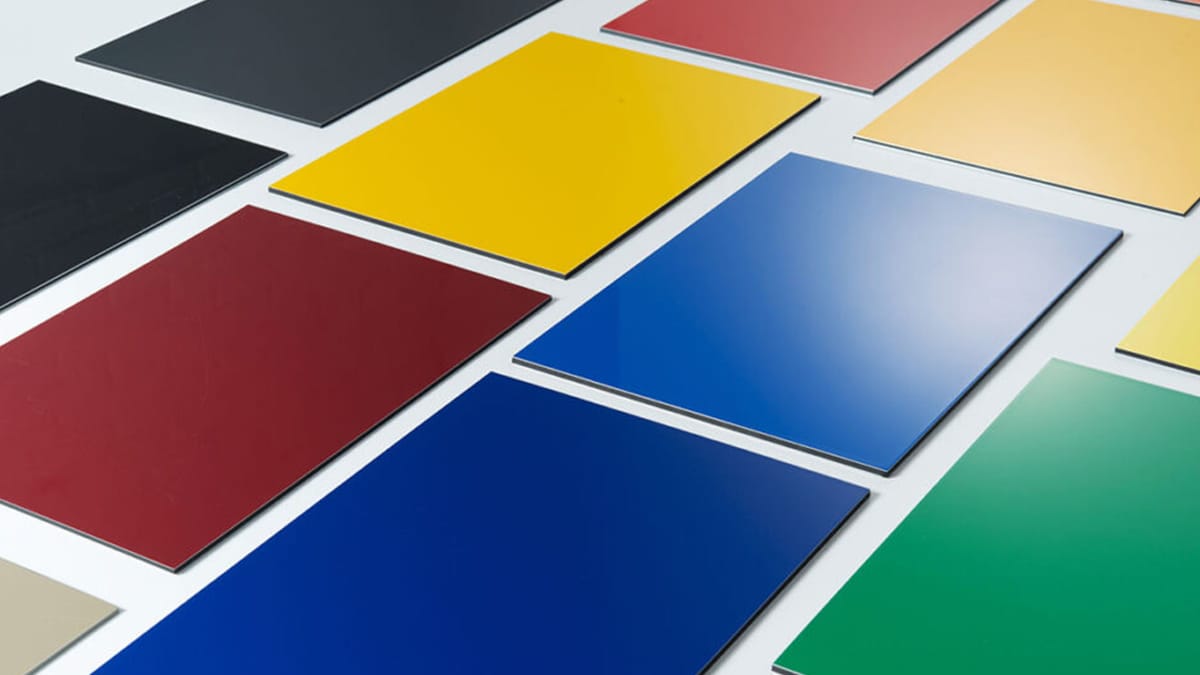
When you plan your acp elevation, color and finish are important. In 2026, bright colors and custom designs are more common. People want their buildings to look special, so they pick different shades and patterns. Many homeowners and businesses do not want plain colors anymore. Custom-printed acp panels help you make your project unique.
Neutral colors like Graphite Grey, Ivory White, Sand Grey, and Warm Beige are good for simple styles.
Metallic colors like Champagne Gold, Silver Metallic, and Titanium Grey make your building look modern.
Businesses use special colors to match their brand on the front of their building.
Bright colors and designs help your building stand out.
Tip: Pick acp elevation colors that fit your building’s style and the message you want to show.
Texture & Finish
Texture and finish change how strong and nice your acp elevation looks. You can pick from many finishes to get the look you want. The table below shows how each finish changes your elevation:
Texture/Finish | Durability Impact | Appearance Impact |
|---|---|---|
Metallic | Stays strong in bad weather | Makes your building stand out |
Wood | Looks like real wood | Makes your building feel warm |
Marble | Feels like real stone | Makes your building look fancy |
High-gloss | Protects well from weather | Shiny and rich look |
Sparkle | Light and tough | Makes your building look special |
High-gloss finishes make your building shiny and protect it from rain and sun. Wood and marble finishes give style without the high price of real wood or stone. Sparkle finishes help your building get noticed.
Note: Pick a finish that fits your acp elevation design and how strong you need your front to be.
UV & Fade Resistance
Your acp elevation should last a long time. UV and fade resistance keep your building looking new for years. PVDF coatings help acp panels keep most of their shine and color after 10 years in the sun. Top brands test their panels to make sure they keep their color and do not get chalky. Florida Weathering Tests show how well your building handles sunlight.
ACP panels use special coatings to stop fading and scratches.
UV resistance keeps your building from losing color or getting stains.
Tip: Choose acp panels with strong UV protection for a long-lasting and nice-looking building.
ACP Panel Installation Tips
Installation Planning
 Installation Planning
You need to plan well for easy installation. First, get the surface ready. It must be clean, dry, and strong. Gather all your tools and materials before starting. Check each acp panel for any scratches or dents. Here are the steps for a good installation:
Decide where each panel will go based on your design.
Build a strong frame with aluminum or galvanized steel.
Measure and cut the panels using the right tools.
Make grooves for bent edges or corners.
Attach the panels to the frame with approved fasteners.
Seal all the joints with weatherproof silicone to stop water damage.
Clean and check the panels after you finish.
Tip: Good planning helps you avoid mistakes and saves time when installing.
Expansion & Contraction
You have to think about expansion and contraction when installing acp panels. Aluminum changes size when the temperature goes up or down. Leave small gaps between panels so they can move. Use slotted holes for fasteners so the panels can shift easily. Put weather-resistant silicone on the joints to keep out water.
Add expansion joints at floor lines or building corners. Make sure the subframe is flat and straight before you start. Use bigger fastener holes with washers to lower stress and stop problems like oil-canning. Pick the right panel thickness and add stiffening ribs if needed.
Note: Planning for movement keeps your acp panels looking nice and lasting longer.
Expert Consultation
Talking to installation experts gives you many advantages. Professionals help you from the first design idea to the last step. They can make panels in the exact size and finish you want. Experts care about safety and accuracy, which makes your acp panel installation last longer and look better.
Advantage | Description |
|---|---|
Expertise in Design | Experts help you at every step and make sure your acp matches your ideas. |
Customization | You get panels made to your exact size and finish needs. |
Precision Installation | Professionals follow safety rules for the best results. |
Customer Satisfaction | You get support and great service during your whole project. |
Tip: Working with skilled professionals helps you understand every detail and get the best results.
Delivery & Supplier Evaluation
Delivery Time
 Delivery Time
You need to check how quickly your supplier delivers. Fast delivery keeps your project on track. Some suppliers ship standard sizes fast, but custom panels take longer. Always ask for a clear delivery schedule before you order. Reliable delivery lets you plan your work and avoid waiting. If you need many panels for a big wall, make sure the supplier can handle large orders.
Tip: Always check delivery dates and ask if you can track your shipment.
Warranty & Service
Warranty and service show if a supplier trusts their product. Different coatings have different warranty times and support. The table below shows the differences:
Type of Coating | Warranty Period | After-Sales Support |
|---|---|---|
PVDF | High-quality control at each production stage | |
Polyester (PE) | > 20 years | Recommended for favorable environments |
Anodized | N/A | N/A |
PVDF panels give up to 25 years of warranty and careful checks.
Polyester panels have more than 20 years of warranty and work best in mild places.
Anodized panels usually do not have a long warranty.
Now, products use QR codes for digital warranties. You can scan the code to register your acp panel and get help. Automated systems let you file claims and see how fast your problem is fixed.
Cost & Value
You want to get the most for your money. Many things change the price of an acp panel:
Better material costs more but lasts longer.
Thickness goes from 3mm to 6mm. Thicker panels cost more but keep heat in better.
Brand name and finish can make the price higher, especially for trusted brands or special looks.
Installation costs depend on workers, design, and panel size.
Pick a supplier who gives a fair price and good support. This helps your acp project last longer and look great.
You can make the best choice for your acp panel by following a simple checklist:
Decide where you will use the acp.
Request samples and review installation methods.
Verify warranty terms and avoid red flags.
Balance your project needs using this table:
Factor | Description |
|---|---|
Structural | Match panel strength to building size |
Aesthetic | Choose colors and finishes you like |
Budget | Pick options that fit your budget |
Talk to experts for advice that fits your project.
FAQ
What is the best way to clean ACP panels?
You should use a soft cloth and mild soap with water. Avoid strong chemicals or rough brushes. Rinse with clean water and dry with a soft towel. Regular cleaning keeps panels looking new.
How do you know which ACP grade to choose?
You need to check your building’s safety rules. For tall buildings, pick non-combustible grades. For small projects, fire-retardant grades work well. Ask your supplier for advice based on your project.
Can you install ACP panels by yourself?
You can install small panels if you have basic tools and follow safety steps. For large projects, hire professionals. Experts make sure panels fit well and last longer.
Do ACP panels work in cold climates?
You can use ACP panels in cold places. Choose panels with strong bonding and weatherproof coatings. These features help panels resist freeze cycles and last longer.
How long do ACP panels last?
You can expect ACP panels to last 20 to 25 years with proper care. Good coatings and regular cleaning help panels stay strong and keep their color.