

08 Feb A Simple Guide to ACP Panels and Their Production
Table of Contents
You might wonder, what is ACP Panel? An ACP Panel, or Aluminum Composite Panel, is a flat building material made with a plastic core sandwiched between two thin aluminum sheets. When asking what is ACP Panel, it’s important to know these panels come in various types for different uses. Some are standard ACP sheets, while others are fire-rated for extra safety. There are also mirrored ACP Panel finishes, honeycomb panels, and metal composite options. The global market for ACP Panel products is expanding rapidly.
The market was valued at $5.5 billion in 2023.
Experts predict it will reach $8.4 billion by 2031.
Key Takeaways
ACP Panels have two aluminum sheets and a plastic core. This makes them strong and light. These panels are used on building outsides and insides. They are also used for signs. People use them because they last long and look nice. The way they are made has many steps. First, the core is prepared. Then, glue is put on. Next, the layers are pressed together. After that, the panels are cut. Last, workers check the quality. ACP Panels can handle bad weather. Some can stop fire for safety. This makes them a good choice. They are simple to put in and take care of. They do not cost a lot. Builders use them for many jobs.
What Is ACP Panel
Basic Definition
You might wonder, what is ACP Panel? This means Aluminum Composite Panel. You can see these panels on many buildings and signs. They look like flat sheets. But they are made in a special way. This makes them strong and helpful. When you ask what is ACP Panel, remember it is a building material. It is made by joining two thin aluminum layers with a core in the middle. The core is not metal. It is usually plastic. This makes the panel light but also tough.
Experts say aluminium composite panel is strong and useful. You can use it for many things. It can cover walls or make signs. The design gives the panel strength and keeps it stiff. You get a product that lasts long and handles all kinds of weather. When you look for what is ACP Panel, you see it is popular. It is easy to use and does not break easily.
Tip: If you want something strong and flexible, aluminium composite panel is a good pick.
Aluminium Composite Panel Structure
You may wonder how aluminium composite panel gets its strength. The answer is in how it is built. Each panel has three main parts:
Top Layer: This is a thin aluminum sheet. It protects the panel and makes it smooth.
Core Layer: The middle part is plastic, like polyethylene. This part makes the panel light and helps take in shocks.
Bottom Layer: Another thin aluminum sheet is on the back. It adds more strength and keeps the panel steady.
Here is a simple table to show the structure:
Layer | Material | Purpose |
|---|---|---|
Top | Aluminum | Protection, finish |
Core | Plastic (PE) | Lightness, shock absorb |
Bottom | Aluminum | Strength, stability |
When you ask what is ACP Panel, you learn this sandwich-like build makes it strong and bendy. Aluminium composite panel does not bend or crack easily. You can cut it into many shapes or sizes. Builders and designers like aluminium composite panel. It is easy to put up and looks nice on many surfaces.
Aluminum composite panels use two thin aluminum sheets stuck to a non-metal core. This design gives you a panel that is strong, lasts long, and can be used in many ways. You can trust aluminium composite panel to last for years, even in bad weather.
If you want to know what is ACP Panel and why people use it, just remember its smart build. You get a light panel that does not rust, stays strong, and looks modern. Aluminium composite panel is a top pick for many projects because it works well and saves time.
ACP Panel Production
 Materials Used in Aluminium Composite Panels
 Materials Used in Aluminium Composite Panels
When you look at an aluminium composite panel, you see more than just a shiny surface. Each panel uses special materials to make it strong, light, and long-lasting. The main parts include the outer aluminum layers, the core, and the coating on the front.
Here is a simple table to help you understand the materials:
Layer | Material Type |
|---|---|
Outer Layer | High purity aluminum alloy |
Core Layer | Low-density polyethylene (PE) |
Front Coating | Fluorocarbon resin (PVDF) |
You find high purity aluminum alloy on the outside. This metal gives the panel its strength and smooth look. The core uses low-density polyethylene, or PE. This plastic keeps the panel light and helps absorb shocks. The front coating uses a special resin called PVDF. This coating protects the panel from sun, rain, and dirt.
You also need to know about the thickness and grades of the aluminum sheets. Different projects use different sizes. Here is another table to show you the common choices:
Panel thickness | Aluminium skin thickness | Aluminium alloy |
|---|---|---|
3mm, 4mm, 5mm, 6mm | 0.1mm, 0.12mm, 0.15mm, 0.2mm, 0.3mm, 0.4mm, 0.5mm | 1100, 3003, 5005 |
You can choose a panel that fits your needs. Thicker panels work well for big buildings. Thinner ones are good for signs or indoor use. The aluminum alloys, like 1100, 3003, and 5005, each offer different levels of strength and flexibility.
Tip: Always check the panel thickness and aluminum grade before you start your project. This helps you pick the right panel for the job.
Manufacturing Process Steps
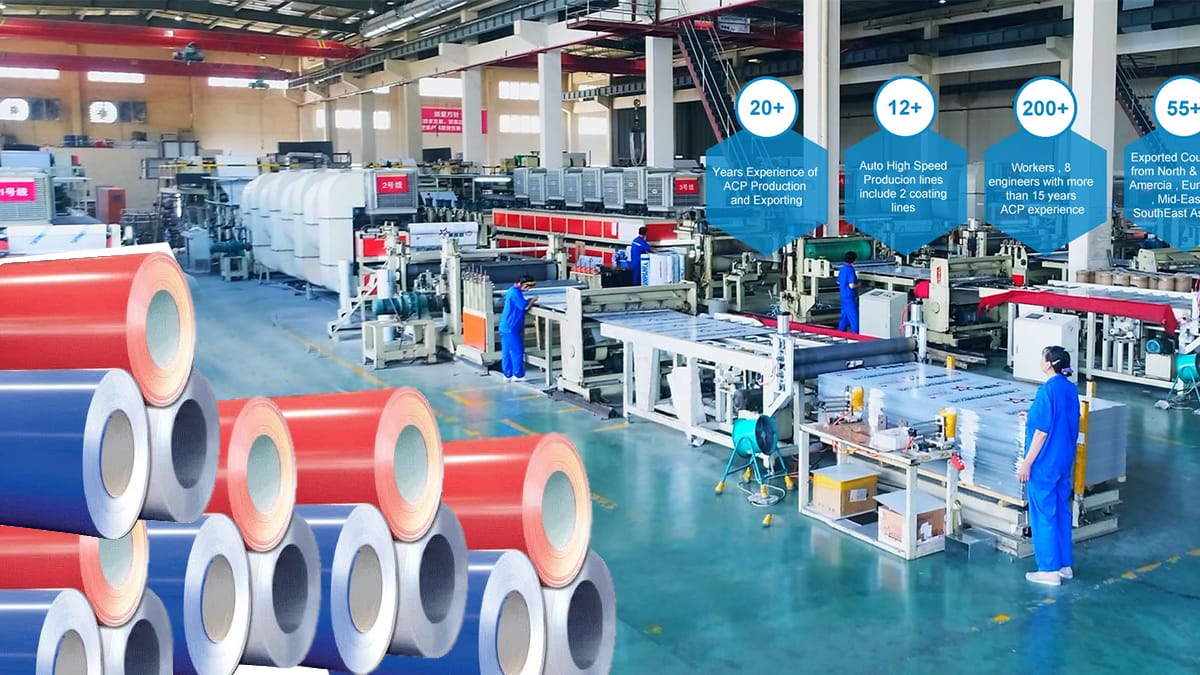
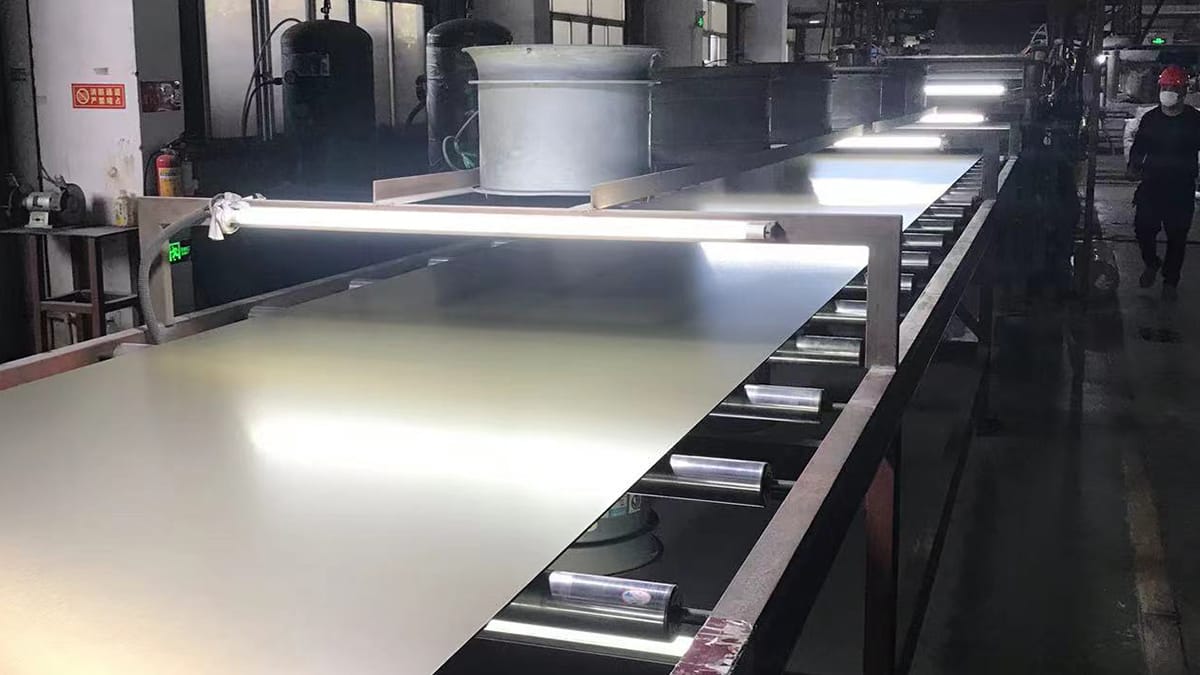
Making an aluminium composite panel takes several careful steps. Each step helps create a panel that is strong, smooth, and ready for use. You can follow the journey from raw materials to finished product.
Here are the main stages in the production process:
Core Material Preparation
You start by making the core. Machines melt and shape the polyethylene into flat sheets. These sheets usually measure between 2mm and 5mm thick. Workers cut them to the right width for the next steps.Adhesive Coating
Next, you add a special glue to both sides of the core. This glue, called polyurethane adhesive, helps the aluminum stick to the core. The amount of glue is important. Too much or too little can cause problems.Lamination Pressing
Now, you press the aluminum sheets and the core together. A machine called a laminator does this job. It presses the layers for about 30 to 60 seconds. This step makes sure the glue cures and the layers bond well.Cutting
After lamination, you cut the panels to size. CNC machines help make straight, clean cuts. You can choose standard sizes or custom shapes.Surface Treatment
You can pick different finishes for the panel surface. Some panels look matte, others shine with a high-gloss finish. You can even choose wood grain or other patterns.Edge Trimming and Sealing
Workers trim the edges to make them smooth. They also add a protective film. This film keeps the panel safe during transport.Quality Inspection
At every stage, you check the panels for quality. You look for cracks, dents, or other problems. You also test the coating and the glue.Packaging and Transport
Finally, you wrap the panels in PE film and place them on wooden pallets. This keeps them safe until they reach the building site.
Here is a table that sums up these steps:
Step | Description |
|---|---|
Core Material Preparation | Extrude core sheets (2mm-5mm), cut to width. |
Adhesive Coating | Apply polyurethane adhesive (80g/m² to 120g/m²) on both sides of core. |
Lamination Pressing | Press aluminum and core together for 30-60 seconds to cure adhesive. |
Cutting | Use CNC machines to cut panels to size. |
Surface Treatment | Add finishes like matte, high-gloss, or wood grain. |
Edge Trimming and Sealing | Trim edges and apply protective film. |
Quality Inspection | Check for defects and test performance at each stage. |
Packaging and Transport | Wrap panels and secure on pallets for delivery. |
Note: Quality control is very important. You test the aluminum for size and straightness. You check the plastic core for moisture and strength. You also test the paint for hardness and how well it sticks. These checks help you get a panel that lasts a long time.
When you understand these steps, you see why aluminium composite panels work so well. Each stage adds to the panel’s strength, look, and safety. You can trust that a well-made panel will stand up to weather, time, and daily use.
Key Features of Aluminium Composite Panels
Lightweight and Durable
 Lightweight and Durable
Aluminium composite panels are light and strong. You can carry them easily. This makes putting them up quick and safe. Solid aluminium or steel is much heavier than these panels.
Material Type | Weight Comparison |
|---|---|
Aluminium Composite Panels | Lighter because of the core |
Solid Aluminium Sheets | Heavier |
These panels are lighter, so moving them is simple. You save time and energy on your work. They are also tough. The panels last for many years. You can use them on buildings for a long time. Most panels last from 10 to 40 years. The brand and how you use them matter.
Source | Lifespan Range |
|---|---|
Geely Panel | 10 to 40 years |
Smart Con Group | 20 to 40 years |
Aluceilings | 20 to 30 years |
Tip: Aluminium composite panels stay strong and look nice for a long time.
Weather and Fire Resistance
Aluminium composite panels protect buildings from bad weather. They work well against rain, wind, and hot sun. The special coatings help keep the color and shape. You do not have to worry about bending or fading.
Made to handle rain, wind, and sunlight.
Stays looking new because of the coating.
Keeps its look and strength for many years.
These panels also help with fire safety. They meet tough rules from around the world. A2 rated panels have a mineral core. This core does not catch fire easily and makes little smoke. B1 rated panels have a flame-retardant core. This core stops burning when the fire is gone. These ratings follow Chinese GB 8624 and EU EN 13501-1 rules.
Design Flexibility
You can use aluminium composite panels in many ways. They come in lots of colors and finishes. You can pick metallic, matte, shiny, wood grain, stone grain, or solid colors. Architects use these panels to make cool shapes and designs.
Metallic Grey & Silver: Modern style
White Series: Bright and clean
Gold & Champagne: Fancy look
Natural Wood Grain: Cozy feel
Custom Colors: Show your brand
Aluminium composite panels can look like wood, metal, or stone. You can bend, cut, and shape them for inside or outside walls. This makes it easy to get the style you want. Your project stays light and strong.
Common Uses of ACP
Building Exteriors
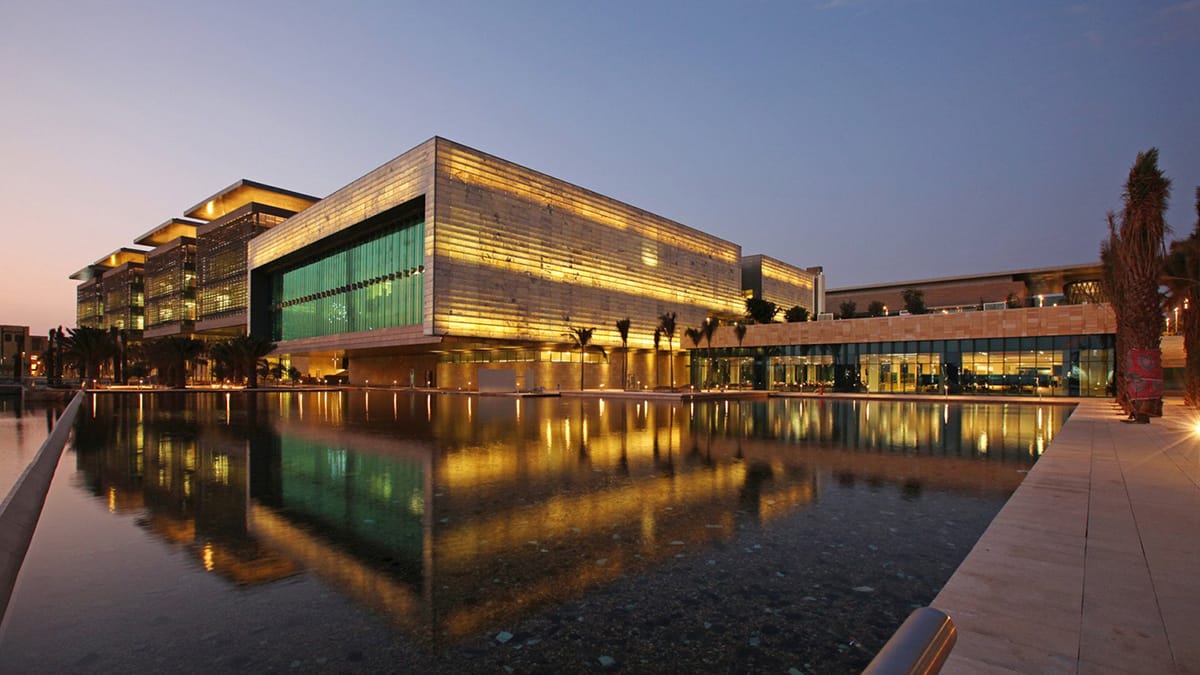
Aluminium composite panels are used on building exteriors. Architects like these panels for their modern look. They also protect buildings well. You can use them on walls, columns, and roofs. These panels help buildings last longer and look nice.
Here is a table that explains why people use ACPs outside:
Benefit | Description |
|---|---|
Exceptional Durability | Panels keep their color and shape in bad weather. |
Lightweight and Easy to Install | You save time and money when you build. |
Aesthetic Versatility | Many colors and finishes let you make cool designs. |
Thermal and Acoustic Insulation | Panels help keep buildings quiet and comfy. |
Fire Safety | Fire-retardant panels make your project safer. |
Low Maintenance | You do not need to clean or fix them often. |
Sustainability | Many panels use recycled materials and can be recycled. |
Tip: Pick the type of aluminium composite panel that fits your style and safety needs.
Interior Applications
Aluminium composite panels are used inside buildings, too. You see them in homes, offices, hotels, and stores. These panels are easy to shape and put up.
Here are some ways people use them inside:
Walls in lobbies and reception areas
Around lifts and inside elevators
Partition walls and covers for columns
Ceilings and soffits
Feature walls in shops and hotels
You can choose different types and finishes for your style. Glossy panels make rooms look bigger. Woodgrain and matte panels add warmth or a modern feel. The smooth surface lets you print pictures or logos.
Panels come in lots of colors and textures.
You can install them fast and easily.
The strong coating keeps panels looking new.
Signage and Advertising
Aluminium composite panels are great for signs and displays. You see them in malls, airports, and on streets. These panels work better than wood or metal for many reasons.
Advantage | Description |
|---|---|
Durability | Signs stay strong in sun, rain, and wind. |
Low Maintenance | You do not need to clean them much. |
Cost-Effectiveness | Panels cost less than other materials. |
Design Flexibility | You can pick any color, shape, or size. |
Longevity | Signs keep their color and shape for years. |
Versatility | Good for outdoor signs, indoor displays, and custom work. |
Comparison to Wood | Panels last longer and cost less than wood. |
You can use different aluminium composite panels for all kinds of signs. The panels are light, so you can hang them almost anywhere. You can print logos, letters, or pictures on the surface. This helps your sign stand out and last a long time.
Advantages and Disadvantages
Main Advantages
 Main Advantages
There are many good things about using aluminium composite panels. These panels do not cost a lot, so you can save money. You do not have to fix them often because they last long. They are simple to put up, so you finish your work faster. The panels are also good for the earth. Makers use recycled stuff and safe coatings. When you are done with the panels, you can recycle them again.
You spend less money on materials and workers.
The panels are quick and easy to put up.
You do not need to fix or clean them much.
The panels are strong, save money, and can handle bad weather.
You help the planet by picking panels that can be recycled.
Aluminium composite panels help save energy too. They keep your building cool in summer and warm in winter. The shiny coating bounces heat away from the sun. You do not need to use as much heat or air conditioning. This means your bills go down.
The panels help keep rooms at the right temperature.
You do not need as much air conditioning because the panels block heat.
The panels are light, so your building does not use as much energy.
Potential Drawbacks
There are some things you should watch out for before using aluminium composite panels. If you pick panels that are not fire-rated, there could be safety problems. These panels can catch fire fast and spread flames. You might break building rules and put people in danger. If a fire happens, you may have to pay more to fix things.
Safety Concern | Description |
|---|---|
Increased Fire Hazard | Non-fire-rated panels can catch fire and spread it fast. |
Non-Compliance with Building Codes | Using non-fire-rated panels can break rules and cause trouble. |
Compromised Safety for Occupants | Panels can block safe ways out if there is a fire. |
Increased Property Damage | Fires can hurt your building more and stop work for longer. |
How to Install Aluminium Composite Panel
You can put up aluminium composite panel by following easy steps. First, make sure the surface is clean, flat, and dry. Then, put up the frame that will hold the panels. Use a tape to measure the area so the panels fit right. Cut the panel with a saw or cutter. Attach the panel with screws or glue. After you finish, look for any gaps and clean the panels. Check the panels often to keep them looking nice.
Tape and level for measuring
Drill and drill bits
Saw or jigsaw for cutting
Screwdriver or power driver
Gloves and goggles for safety
CNC router for shaping panels
Bending machine for rolling panels
Tip: Always follow safety rules when you put up panels. Use the right tools to make the job easy and smooth. You get the best results when you work carefully and check your work.
Now you know how aluminium composite panels are made. The steps include melting the core and cleaning the aluminum. Then, workers press the layers together. They also add coatings to protect the panel. These panels are strong and can be used in many ways. You can use them outside on buildings or inside for walls. They also work well for signs. ACP panels are light and simple to put up. They come in lots of colors and styles. New ideas, like smart panels and better fire safety, make them great for new buildings.
Benefit | Description |
|---|---|
Durability | Stays strong in bad weather and lasts a long time |
Versatility | Good for walls, signs, and inside decoration |
Sustainability | Helps make buildings better for the environment |
FAQ
What is the main use of acp in buildings?
You often see acp used as a cladding material for building exteriors. It protects structures and gives them a modern look. You can also use acp for interior wall panelling, ceilings, and signs. This makes acp a flexible choice for many projects.
How does aluminium make acp strong and light?
Aluminium gives acp its strength and keeps it light. The outer layers use high-quality aluminium. The core stays light. This mix creates a sandwich aluminium composite panel. You get a panel that is easy to handle and lasts a long time.
Can you use acp for interior wall panelling?
Yes, you can use acp for interior wall panelling. You get a smooth finish and many color choices. Aluminium in the panel resists stains and scratches. You can clean the surface easily. This makes acp a good pick for homes and offices.
Is acp a safe cladding material for fire protection?
You can choose acp with a fire-retardant core. This type of cladding material slows down fire spread. Aluminium does not burn easily. Always check for fire ratings before you buy acp. This keeps your building safer.
How do you clean and maintain an acp panel?
You can clean an acp panel with water and mild soap. Use a soft cloth to wipe the aluminium surface. Avoid strong chemicals. Regular cleaning keeps the panel looking new. You do not need special tools for this job.