
26 Mar Key Differences Between Residential Aluminum Wall Panels and Other Cladding
You want your home to stay strong and look good for years. Residential aluminum wall panels give you many benefits.
These panels resist warping, cracking, and fading.
You spend less time on maintenance. A simple wash with soap and water keeps them clean.
They help keep your house warm in winter and cool in summer.
You support the environment because aluminum is easy to recycle.
You save money in the long run by avoiding frequent repairs and replacements.
2026 Update: Quick Answer for Key Differences Between Residential Aluminum Wall Panels and Other Cladding
Reviewed 29 July 2026. The useful answer is not a universal winner. The right option depends on exposure, fire requirements, panel construction, finish, fabrication, support system, maintenance, budget, and the evidence required by the project.
- Compare products against one written project specification.
- Separate total panel thickness from aluminum skin thickness and core type.
- Check coating and finish suitability for the actual exposure.
- Confirm test reports, warranty scope, fabrication, packing, and delivery basis before comparing price.
This update keeps the original topic and search intent while making the decision criteria clear at the start. Project-specific engineering, regulations, test evidence, and supplier documentation remain controlling.
Key Takeaways
Aluminum wall panels do not bend or break easily. They do not lose color fast. This helps your home stay strong and nice for many years.
These panels need very little care. You can wash them with soap and water. This keeps them clean and looking new.
Aluminum panels help save energy. They keep your home warm in winter. They also keep your home cool in summer.
Choosing aluminum helps the planet. Aluminum can be recycled many times. It causes less harm to the environment than other materials.
Aluminum wall panels cost more at first. But they last a long time and need little care. This saves money over time.
Cladding Materials Overview
What Is Cladding
Cladding helps protect your house from bad weather. It also makes your home look better. You put a layer of material on the outside walls. This layer works like a shield. It stops rain, wind, and sun from hurting your walls. Cladding also helps keep your house warm or cool. It can make your home look modern or classic. The look depends on the material you pick.
Cladding means putting one material over another to make a strong layer. In homes, cladding does many jobs. It keeps heat in, blocks weather, and makes buildings look nice.
Common Residential Materials
You can pick from many cladding materials for your house. Each one has its own good points. Here are some common choices:
Wood: Wood is a top choice for cladding. It gives a natural look and lasts a long time. Many people like wood because it looks warm and pretty.
Vinyl: Vinyl is popular since it costs less and is easy to care for. You can clean vinyl without much work. It comes in lots of colors and styles.
Aluminum composite metal panels: These panels are used in modern homes. They do not rust and last for years. Aluminum composite material panels look smooth and protect well.
Fiber Cement: Fiber cement mixes cement and fibers. It makes a hard surface that does not burn and keeps bugs away.
Composites: Composite cladding mixes things like wood and plastic. You get the best parts of both.
Material | Durability | Maintenance | Appearance |
|---|---|---|---|
Wood | High | Moderate | Natural, Warm |
Vinyl | Moderate | Low | Versatile |
Aluminum composite cladding | High | Low | Modern, Sleek |
Fiber Cement | High | Moderate | Textured |
Composites | High | Low | Customizable |
You can see that aluminum cladding is strong and simple to care for. Exterior aluminum cladding gives homes a modern style. Traditional metal cladding, like acm, adds more safety and looks good. You can pick aluminum composite cladding for a finish that lasts and looks nice. Many homes now use aluminum composite metal panels because they are tough and can fit many designs.
Durability of Residential Aluminum Wall Panels
 Weather Resistance
 Weather Resistance
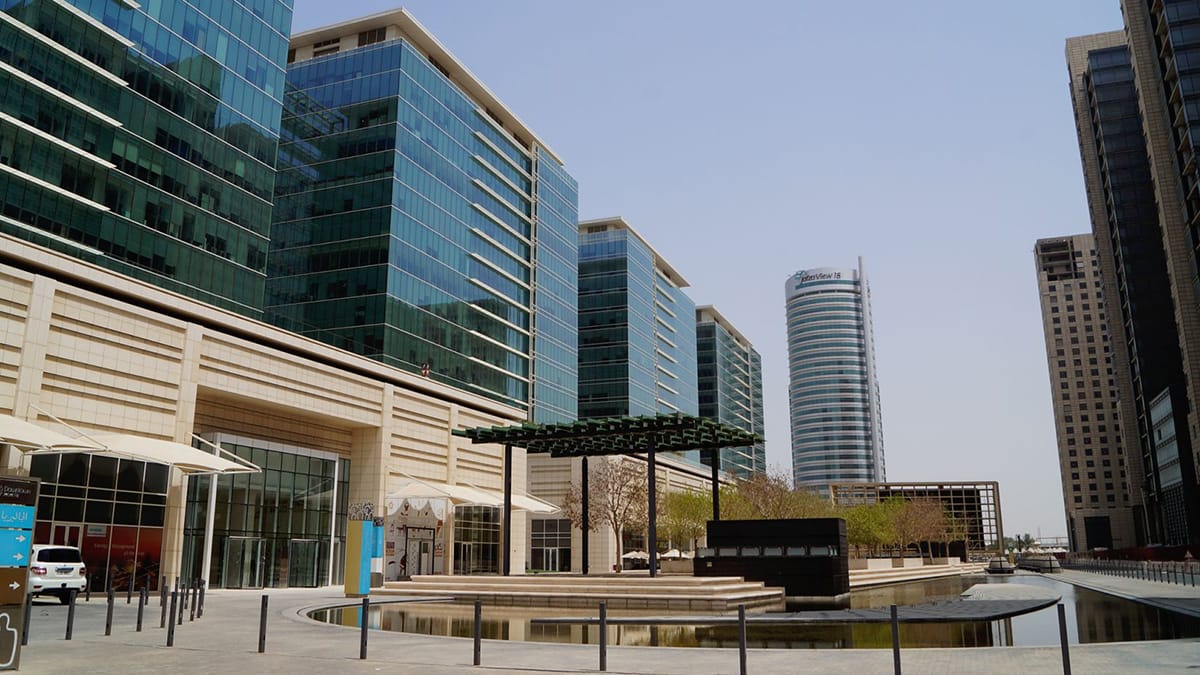
You want your house to stay safe from rain, wind, and sun. Aluminum wall panels protect your home very well. These panels do not rust like wood or crack like vinyl. You do not need to worry about swelling in wet places. Aluminum panels keep their shape and color for many years. Even strong sunlight does not make them fade or chalk. They block water, so they work great in rainy areas like the Pacific Northwest or Gulf Coast.
Aluminum wall panels stand up to strong winds, snow, and hail.
The oxide layer helps protect against rain and humidity.
Extra coatings make the panels even stronger in bad weather.
You spend less time fixing weather damage.
Tip: Aluminum panels protect your home all year. They last longer than wood and vinyl, even in rough weather.
Longevity vs Other Materials
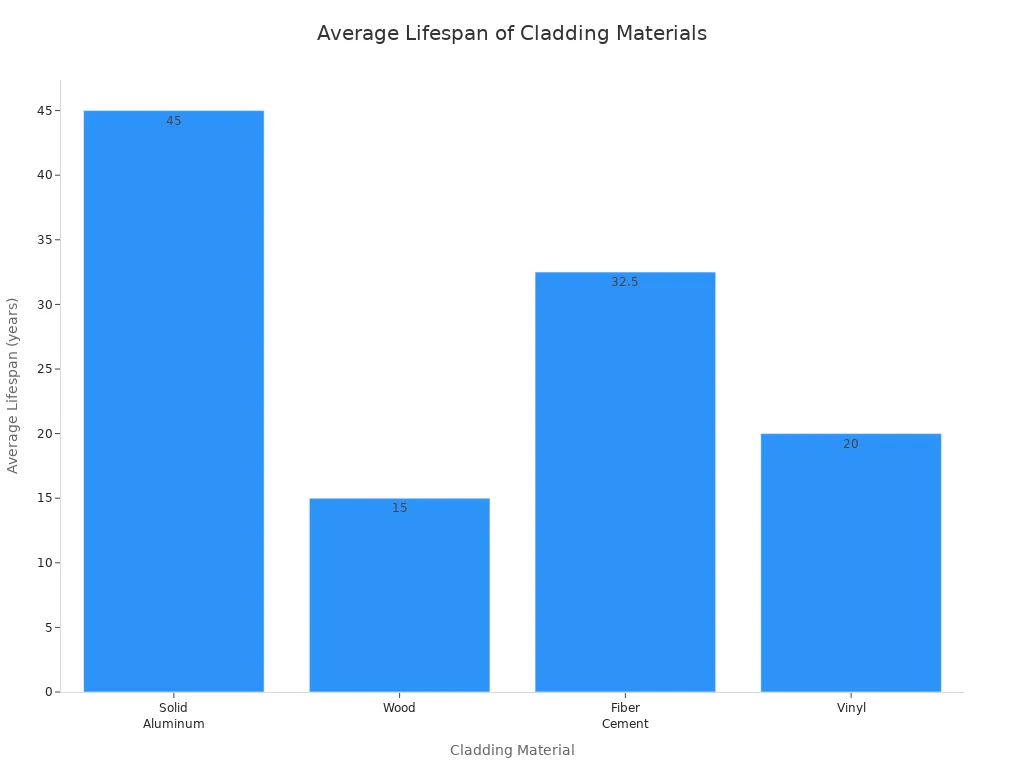
You want your cladding to last a long time. Aluminum wall panels can last 40 to 50 years with little care. Some insulated aluminum panels last 30 to 60 years or more. Wood cladding lasts about 10 to 20 years. Vinyl cladding lasts 15 to 25 years. Fiber cement cladding lasts 25 to 40 years. Aluminum wall panels last longer than most other materials.
Cladding Material | Typical Lifespan |
|---|---|
Solid Aluminum Cladding | 40-50 years |
Wood | 10-20 years |
Fiber Cement | 25-40 years |
Vinyl | 15-25 years |
Aluminum wall panels often come with longer warranties. Most wood cladding has a 2鈥? year warranty. Aluminum wall panels usually have much longer warranties. This helps you feel safe and saves money over time.
Material | Warranty |
|---|---|
Traditional Wood | 2鈥? years |
Aluminum Wall Panels | Longer warranty |
Note: Aluminum panels are strong for many years. You do not need to fix or replace them often.
Denting and Structural Strength
You want your cladding to look good and stay strong. Aluminum wall panels do not dent as easily as vinyl. They do not crack or break. You see fewer dents from hail or flying things. Aluminum panels are strong and keep their shape. They protect your home from bumps and hits. Wood can bend or split. Vinyl can crack. Fiber cement can chip. Aluminum panels stay smooth and solid.
Aluminum panels handle heavy snow and strong winds.
You do not see rust or swelling.
The panels keep their color and finish for years.
Callout: Aluminum panels give your home a strong shield. You get safety and strength for your house.
Aluminum wall panels give you long-lasting strength, weather protection, and toughness. Picking aluminum panels is a smart choice for your home.
Maintenance and Upkeep
Aluminum Wall Panels Maintenance
You want your house to stay clean and strong. Aluminum wall panels make this simple. You just wash them with soap and water. You do not need special cleaners or tools. Cleaning often keeps the panels shiny and strong. If you see dents or scratches, you can fix them with touch-up paint. You can also replace a panel if needed. You spend less time and money fixing them. Aluminum panels do not fade, so you do not need to repaint. You avoid problems like rust and swelling. This saves you money on maintenance over the years.
Tip: Aluminum wall panels need less care than other materials. You save time and spend less money on home upkeep.
Maintenance Task | Description |
|---|---|
Cleaning | Cleaning often keeps panels looking new and strong. |
Repairs | Touch-up paint or panel replacement fixes dents or scratches. |
Maintenance for Wood, Vinyl, Fiber Cement
You have more work with wood, vinyl, and fiber cement siding. Wood siding needs gentle washing. You must repaint or restain every 2 to 5 years. You check for rot and bugs often. Fiber cement siding needs cleaning once a year. You check caulking and repaint every 10 to 15 years. Fiber cement can soak up water, which may cause damage and mold. Vinyl siding is easier, but you still clean it once or twice a year. You check for cracks and loose panels. Vinyl can bend or fade, so you do not use pressure washing.
Fiber Cement: Clean once a year, check caulking, repaint every 10 to 15 years.
Vinyl: Clean once or twice a year, check for cracks and loose panels.
Wood: Wash gently, repaint or restain every 2 to 5 years, check for rot and bugs.
Siding Type | Common Issues | Maintenance Recommendations |
|---|---|---|
Wood | Bugs, water problems | Inspect often, use bug spray, repaint |
Fiber Cement | Needs painting, soaks up water | Clean yearly, check caulking, repaint |
Vinyl | Cracking, bending, fading | Clean yearly, check panels, avoid pressure washing |
You spend more time and money on these materials. Their strength depends on regular care. You pay more for repairs and upkeep. Wood and fiber cement need painting to stay strong. Vinyl needs checks to stop cracks and bending. Aluminum wall panels help you avoid these problems and lower your maintenance cost.
Callout: Picking aluminum wall panels gives you better strength and less work. You save money and time compared to wood, vinyl, and fiber cement.
Cost Comparison and Long-Term Value
Initial Costs
You want to know how much cladding costs. The price depends on the material, your home’s size, and your budget. Aluminum wall panels cost more at first than vinyl or composite wood. You pay extra for their strength and durability. Installation costs change with panel type and labor rates.
Material | |
|---|---|
Aluminum | $5 – $10 |
Vinyl | $3 – $12 |
Fiber Cement | $5 – $14 |
Composite Wood | $1 – $6 |
Engineered Wood | $5 – $13 |
Composite wood is good for smaller budgets. Engineered wood and fiber cement cost more. Aluminum is in the middle for installation costs. If you have less money, vinyl or composite wood may work. If you want strong and lasting panels, aluminum is a good choice.
Labor costs are important too. Aluminum panels are light, so workers install them faster. You pay less for labor than with heavy materials. Standard aluminum panels cost $15鈥?25 per square meter for labor. Premium panels cost more, but you get custom designs and extra strength.
Panel Type | Labor Rate (Residential) |
|---|---|
Standard Panels | $15鈥?25 per m虏 |
Premium/Custom Panels | $30鈥?50 per m虏 |
Tip: Aluminum panels are light. You save money on labor. Your project finishes faster and costs less to install.
Long-Term Value
You want your home to stay valuable for years. Aluminum wall panels last longer and need less care. You spend less money fixing or replacing them. Metal panels do not rot, get bugs, or warp. You only need to clean them to keep them looking new. These features help you save money over time.
Metal panels do not rot or warp, so you avoid repairs.
Regular cleaning is all you need, which lowers upkeep costs.
You save money because you do not replace panels often.
Aluminum wall panels are cost-effective for homes. You pay more at first, but you get value from their strength and low maintenance. Your budget goes further because you avoid repairs. The material you pick affects your home’s resale value. Aluminum cladding stands up to bad weather, so your home keeps its value better than homes with wood or vinyl siding.
Solid aluminum cladding gives your home extra strength. Buyers like homes that need less work and last longer. You see higher resale value with aluminum wall panels. The long-term value makes aluminum a smart choice for your budget.
Callout: Aluminum wall panels protect your investment. You get strong panels, less work, and lasting value for your home.
Aluminum wall panels may cost more at first, but you get long-term value. You save money on repairs, upkeep, and labor. Your home stays safe and strong. If you want lasting value and cost-effectiveness, aluminum wall panels are a good fit for your budget and needs.
Design Flexibility and Aesthetics
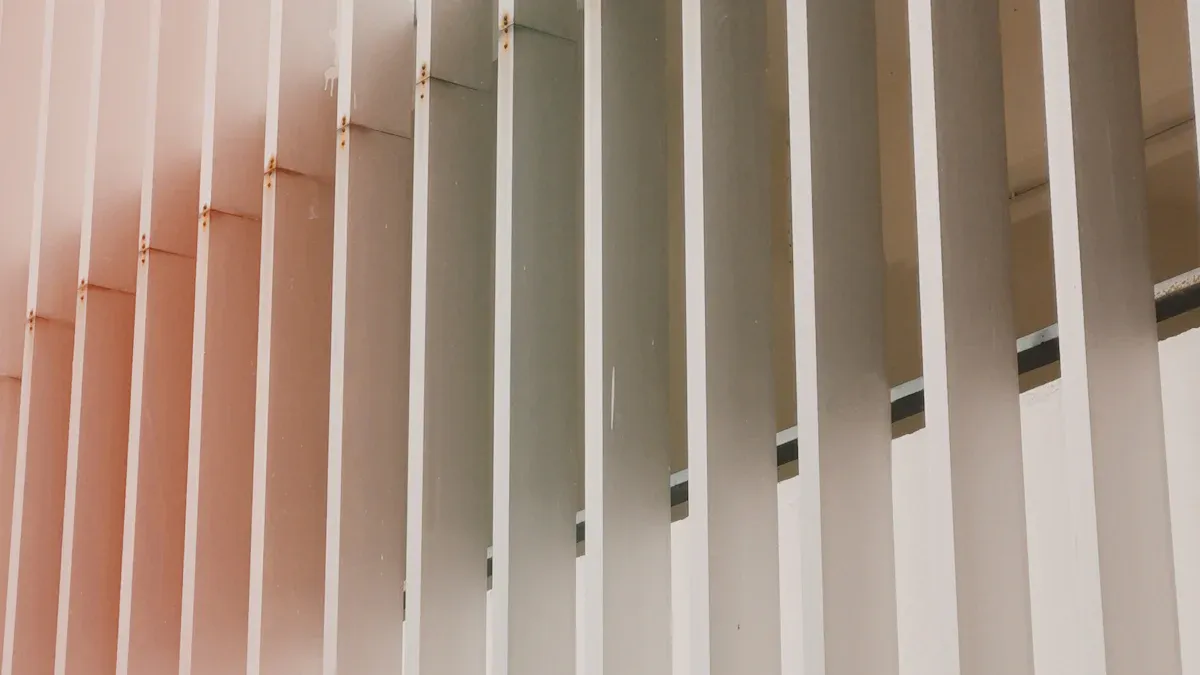
Aluminum Panel Styles
You have many choices when you pick aluminum wall panels for your home. These panels come in many finishes, colors, and textures. You can match almost any style you want. Some panels look shiny and smooth. Others have rough, modern textures. You can even get panels that look like wood or stone but need less care.
Here is a table showing some popular finish families for aluminum wall panels:
Finish Family | Description |
|---|---|
Bronzes | Warm and golden bronzes with different levels of shine. |
Blackened Steels | Blackened steels that look rugged or refined. |
Woodgrains | Realistic wood looks that do not need upkeep. |
Brasses | Add drama and a modern touch to your home. |
Coppers | Coppers that look fresh or aged. |
Silvers | Reflect light and stand out with special effects. |
Rusts | Bring warmth and interest to your design. |
Stones | Lighter than real stone but just as tough. |
Graphics | Unique designs that go beyond standard finishes. |
You can also choose from many sizes and colors. Some panels have perforations for a custom look. You can create a fully unique fa莽ade for your home. Aluminum panels work for both inside and outside walls. This flexibility helps you design a home that fits your taste.
Tip: Aluminum panels let you get creative. You can pick a classic, modern, or bold look.
Visual Appeal of Other Materials
Other cladding materials also offer different looks. Wood gives your home a warm, natural feel. Many people like the classic style of wood siding. Fiber cement can look like wood or stone. It adds texture and works well for traditional homes. Vinyl comes in many colors and styles. It is a good choice if you want a simple, clean look.
Architects and builders often choose aluminum wall panels for modern homes. These panels look sleek and have sharp edges. They are lighter than fiber cement and easier to install. You get a smooth surface that stands out. Aluminum cladding also costs less over time and keeps its good looks for years.
Aluminum cladding makes your home look modern and attractive.
Wood and fiber cement give a classic or textured style.
Vinyl offers many color choices but may not last as long.
Note: You can pick the material that matches your style. Aluminum panels give you the most options for a modern and lasting design.
Sustainability and Environmental Impact
Aluminum Panel Recycling
When you pick aluminum wall panels, you help the earth. Aluminum is one of the easiest materials to recycle. Many companies use old aluminum to make new panels. You can recycle old panels again when you take them down. This saves energy and makes less trash. Aluminum panels are much easier to recycle than vinyl or fiber cement. Vinyl and fiber cement might have some recycled parts, but they are harder to recycle. By choosing aluminum panels, you help keep the environment clean.
Tip: Recycling aluminum takes less energy than making new aluminum. You help the planet by picking panels that can be recycled.
Eco-Friendliness of Other Materials
Other cladding materials affect the earth in different ways. Vinyl siding is made from oil and chemicals. Making vinyl can pollute the air and hurt people nearby. Vinyl also makes tiny plastic pieces that can harm animals and people. Fiber cement and wood are different. Fiber cement is hard to recycle and needs lots of energy to make. Wood comes from trees, so it is greener, but you must care for it often. Taking care of wood can use water and chemicals.
Aluminum wall panels are better for the earth because you can recycle them. But making aluminum can be risky for workers鈥?health. You need to think about these risks and the good things about recycling. Vinyl cladding is worse for the earth because it comes from oil and gas. Pollution from vinyl factories can hurt people who live nearby, which is unfair and unhealthy.
Here is a table showing the carbon footprint of different materials:
Material | GWP Value (kgCO2eq) | Scenario |
|---|---|---|
HPL Cladding | 45.89 | Landfill Scenario |
HPL Cladding | 25.74 | Recycling with Carbon Correction |
HPL Cladding | 35.88 | Incineration Scenario |
Aluminum Cladding | N/A | Recycling and Landfill |
U-PVC Window Frame | 51.18 | Over 50 years for 1.82 m虏 area |
Note: You help the earth by picking materials that can be recycled and have a smaller carbon footprint.
Installation Process for Aluminum Wall Panels
 Ease of Installation
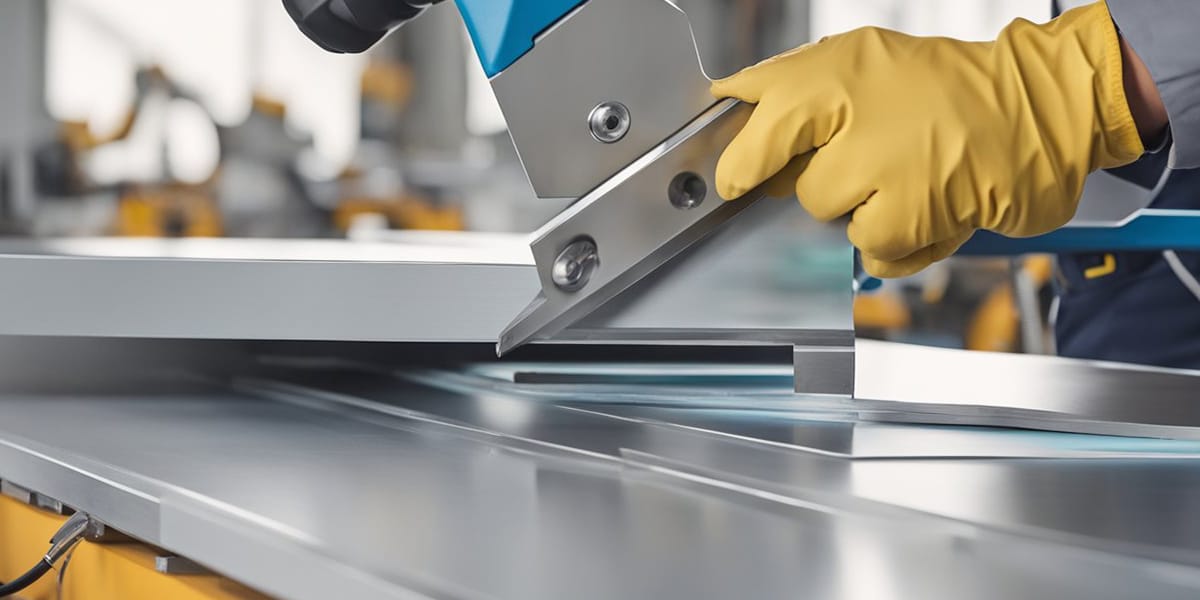 Ease of Installation
Aluminum wall panels are quick and easy to put up. These panels are light, so you do not need big machines. You can cut them with regular metal tools. You use normal drill bits to make holes. You can attach panels with glue, screws, or clips. The wall must be clean, dry, and flat before you start. You do not need special skills for exposed fastener systems. This makes them good for DIY jobs.
Project Size | Installation Time |
|---|---|
Small Residential Projects | |
Medium-Sized Commercial Projects | 1 – 2 weeks |
Large-Scale Commercial Projects | Several months |
You save time and money because aluminum panels go up fast. Concealed fastener systems need more skill and take longer. They protect better against water. If you use exposed fasteners, check them and the seals once a year. Concealed fasteners need fewer checks.
Tip: Aluminum panels are simple to install. You finish faster and pay less for labor.
Installation Challenges with Other Materials
Wood, vinyl, and fiber cement cladding are harder to install. Wood needs lots of care to stop rot and bugs. It burns easily, so you must be careful in fire zones. Vinyl does not last as long and can be hard to fit with old walls. Fiber cement panels are heavy and can break before you put them up. You need special tools to cut fiber cement. If you do not attach or space panels right, water can get behind them. This causes rot and mold.
Fiber cement panels are heavy and can break before you install them. You need special tools to cut them. If you do not install them right, water can get behind the panels. This can cause rot and mold.
Wood needs regular care to stop rot and bugs.
Vinyl is not as strong and does not fit well with old walls.
Fiber cement needs special tools and careful work.
You spend more time and effort putting up these materials. Mistakes can cost a lot to fix. Aluminum wall panels help you avoid these problems and make installation easier.
Suitability for Residential Applications
Climate Adaptability
You want your house to be safe in any weather. Aluminum wall panels work well in many places. These panels do not fade in strong sunlight. They do not crack or bend when it is hot or cold. You can use them in places with lots of rain, snow, or wet air. Many people pick aluminum panels for homes in tough weather.
Here is a table that shows how aluminum panels do in extreme weather:
Performance Indicator | WPC Cladding | PVC Cladding | Aluminum Panels |
|---|---|---|---|
UV/Fade Resistance | Excellent | Poor | Excellent |
Waterproof/Moisture Resistance | Excellent | Excellent | Excellent |
Impact Resistance | Good-Excellent | Poor | Poor |
Fire Rating | Good-Excellent | Poor | Excellent |
You can see aluminum panels are great against sun and water. They keep their color and strength for many years. They do not break easily from the sun or rain. They are not the best for impact, but they protect well from water and sun. This makes aluminum panels a smart pick for homes in many places.
Tip: If you live where there is strong sun or heavy rain, aluminum wall panels will help keep your house safe for a long time.
Safety and Fire Resistance
Safety is important for every house. Aluminum wall panels are very good at stopping fire. These panels do not burn or spread flames. Many building rules say you need materials that do not catch fire. Aluminum panels meet these rules. You can feel safe with aluminum on your house.
Other cladding, like vinyl, can melt or burn. Wood burns fast. Fiber cement and WPC cladding can slow fire, but aluminum is better. You feel calm knowing your house is safer with aluminum panels.
Aluminum panels do not make a fire worse.
They help slow down flames.
Some insurance companies give lower prices for homes with fire-resistant cladding.
Note: If you want your family to be safe and your house to last, aluminum wall panels are a great choice for homes.
You can spot the main ways aluminum wall panels are different from other cladding. Aluminum panels are tough and last a long time. They do not need much work to keep clean. You just use soap and water to wash them. These panels protect your house well. You also get lots of styles to pick from. Check out this table to help you choose:
Factor | Aluminum Wall Panels | Other Cladding Materials |
|---|---|---|
Durability | High | Varies |
Maintenance | Easy | Varies |
Energy Efficiency | Good | Varies |
Think about how much money you want to spend. Also, think about the weather where you live and what look you like. If you want something that lasts and is easy to care for, aluminum wall panels are a good choice.
FAQ
What makes aluminum wall panels better for harsh weather?
Aluminum panels stand up to rain, snow, and sun. They do not rust or fade. These panels keep your house safe in bad weather. You do not need to fix weather damage often.
How often do you need to clean aluminum wall panels?
You wash aluminum panels with soap and water once or twice a year. You do not need special cleaning products. Cleaning them often keeps the panels shiny and strong.
Can you recycle aluminum wall panels?
Yes, you can recycle aluminum panels without trouble. Many companies use old aluminum to make new panels. Picking aluminum helps the environment.
Are aluminum wall panels safe in case of fire?
Aluminum panels do not catch fire or spread flames. Your house is safer from fire with these panels. Some insurance companies may give you lower prices for using fire-resistant cladding.
How do aluminum panels compare in cost to other materials?
Material | Initial Cost | Long-Term Savings |
|---|---|---|
Aluminum | Medium | High |
Vinyl | Low | Medium |
Wood | High | Low |
Tip: Aluminum costs more at first, but you save money later.