
20 Mar Pros and Cons of Residential Aluminum Wall Panels in 2026
You may ask if residential aluminum wall panels are a good idea in 2026. These panels have both good and bad points. They are tough, easy to care for, and safe from fire. Many people pick aluminum cladding because it handles bad weather well. It also keeps bugs out and has lots of cool looks. You need to remember that residential aluminum wall panels look new and last a long time. But you should think about the good things and the bad things before you decide.
2026 Update: Quick Answer for Pros and Cons of Residential Aluminum Wall Panels in 2026
Reviewed 29 July 2026. The key is to treat ACP as a specified multi-layer panel, not a generic sheet. Its performance depends on the aluminum skins, core, bonding, coating, dimensions, fabrication, support, joints, exposure, and evidence required for the project.
- Define the application and service environment first.
- Specify the complete construction instead of relying on a product name.
- Review samples, technical data, applicable test evidence, and warranty scope.
- Coordinate fabrication, installation, inspection, and maintenance responsibilities.
This update keeps the original topic and search intent while making the decision criteria clear at the start. Project-specific engineering, regulations, test evidence, and supplier documentation remain controlling.
Key Takeaways
Aluminum wall panels are light. This makes them quick and easy to put up. It helps save time and money on work.
These panels are strong and can handle bad weather. They last 30 to 50 years with little care. This gives good value for a long time.
Aluminum cladding lets you pick from many colors and finishes. Homeowners can make their homes look special.
The first cost of aluminum panels can be high. They can cost more than other materials. But they save money later because they need little care.
Always get experts to put in the panels. This makes sure they fit and seal right. It helps stop problems like leaks later.
What Are Residential Aluminum Wall Panels?
Definition and Features
You may ask why aluminum wall panels are good for homes. Aluminum composite panels have two aluminum sheets with a strong middle. The middle part helps keep heat in and blocks noise. These panels stay strong in very cold or hot weather. Most panels weigh about 2.5 pounds for each square foot. This makes them easy to move and install. Aluminum cladding uses special coatings. Fluorocarbon is used for outside walls. Polyester is used for inside walls. These coatings protect the panels from rain and sun. They also help the panels look new for a long time. Many panels use recycled aluminum. This is better for the planet.
Component | Description |
|---|---|
Aluminum Sheets | Two sheets, each with a minimum thickness of 0.50mm for exterior use. |
Non-Aluminum Core | Enhances thermal and acoustic insulation. |
Coatings | Fluorocarbon for exterior durability; polyester for indoor applications. |
Temperature Range | Maintains integrity in extreme temperatures from -50掳C to +80掳C. |
Weight | Lightweight, averaging 2.5 pounds per square foot. |
Sustainability | Approximately 85% recycled aluminum content. |
Aluminum cladding is strong, light, and good for the environment. Aluminum composite panels last a long time. You do not need to take care of them often.
Common Uses in Homes
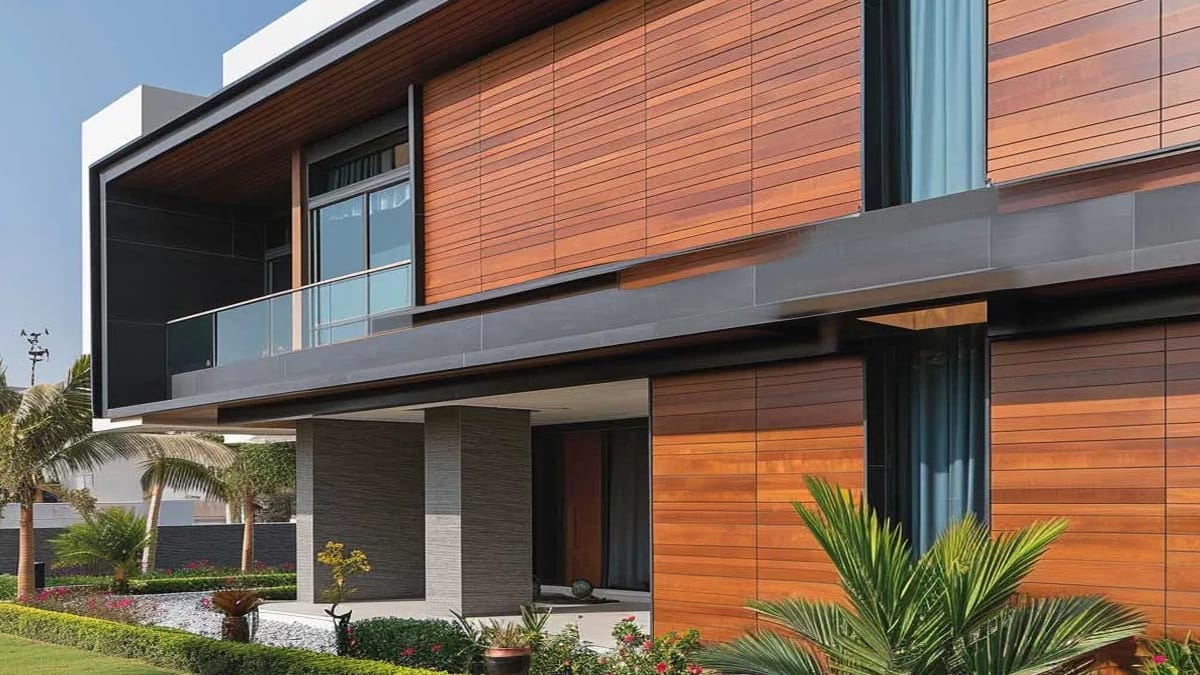
You can find aluminum cladding in many new homes. Builders use aluminum composite panels for outside walls. These panels keep water and sunlight away from your house. You can pick from many colors and finishes. This lets you make your home look special. Aluminum cladding works for new homes and old homes. You do not need to paint or seal these panels often. This saves you time and money.
Application Type | Benefits |
|---|---|
Exterior Wall Cladding | |
Design Flexibility | Available in various finishes, supports creative designs |
Low Maintenance | Requires less frequent repainting or resealing |
Aluminum composite panels help your home look modern. You can use aluminum cladding for walls inside or outside. Many people choose aluminum cladding for style and safety. These panels fit almost any design. They keep your home safe from bad weather.
Pros of Residential Aluminum Wall Panels
 Lightweight and Easy Installation
 Lightweight and Easy Installation
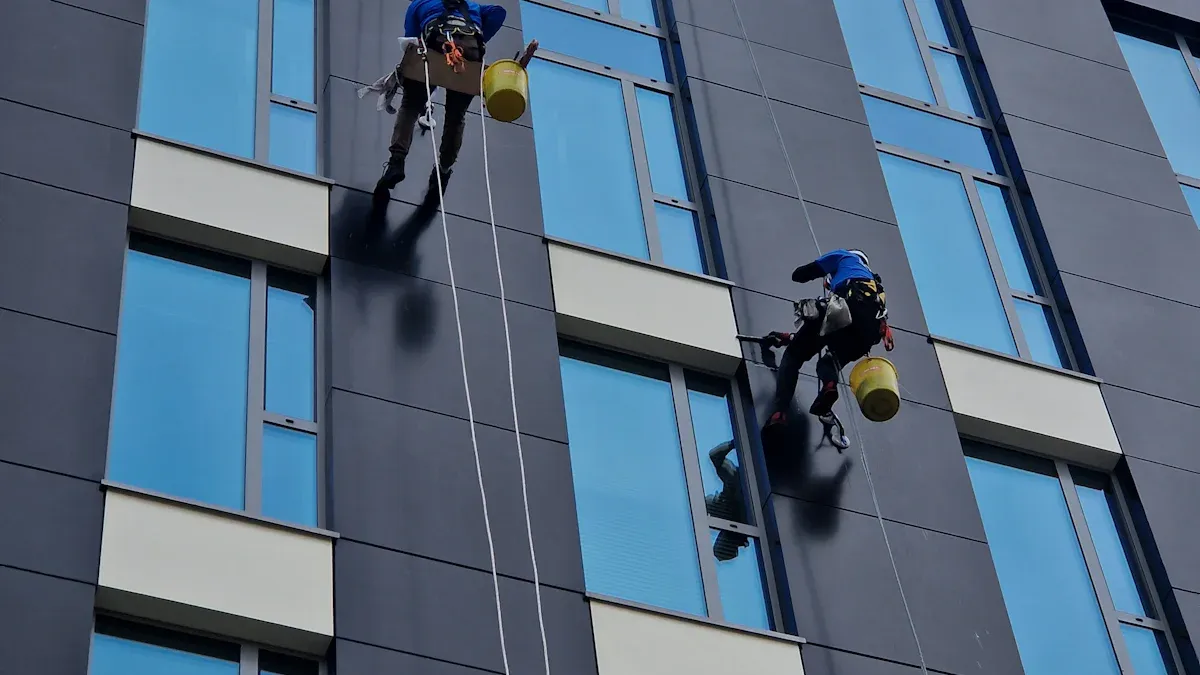
Aluminum cladding is very light. This makes it easy to carry and move. Other wall materials are heavier and harder to handle. When you pick residential aluminum wall panels, you can put them up fast. You do not need big machines or lots of workers. This helps you save time and money.
Material | Weight |
|---|---|
Solid Aluminum Cladding | Light |
Steel Metal Panels | Heavy |
Wood Cladding | Medium |
Stone Veneer | Very Heavy |
Fiber Cement Panels | Heavy |
Vinyl Siding | Light |
Phenolic Panels | Medium |
Aluminum cladding is one of the lightest choices. This means you can finish the job quickly. Prefabricated aluminum composite panels make work even faster. You will pay less for workers, and your house will be ready sooner. If you want something easy to install, aluminum cladding is a great pick.
Tip: Lighter panels put less weight on your home鈥檚 base and structure.
Durability and Strength
You want your house to stay strong for a long time. Aluminum composite panels are tough and protect well. They are strong for their weight. These panels do not break or crack easily. You can count on them to last through daily use.
Material | Strength-to-Weight Ratio | Durability | Corrosion Resistance | UV Resistance |
|---|---|---|---|---|
Aluminum | Excellent | Natural oxide layer | High | |
Fiber Cement | Moderate | Good | Needs maintenance | Moderate |
Wood | Low | Variable | Prone to rot | Low |
Residential aluminum wall panels can last 20 to 50 years. Some panels last even longer if they are high quality. You do not have to fix them often. Aluminum cladding keeps your house safe and strong for many years.
Corrosion and Weather Resistance
If you live where it rains a lot or near the sea, aluminum cladding is helpful. It protects your house from bad weather. The panels do not rust or corrode because of their natural oxide layer. Special coatings like PVDF give even more protection. These coatings keep out water and salt that can hurt other materials.
Corrosion Type | Description |
|---|---|
Pitting Corrosion | Small pits form on the surface. |
Galvanic Corrosion | Happens when aluminum touches another metal in wet conditions. |
Crevice Corrosion | Starts in tight spaces where water collects. |
Filiform Corrosion | Forms under coatings, looks like thin threads. |
Exfoliation Corrosion | Causes layers to peel off. |
Intergranular Corrosion | Occurs along the grain boundaries of the metal. |
Aluminum composite panels do well in storms, hail, and heavy rain. The panels keep their shape and look nice after bad weather. If you want a material that stands up to the weather, aluminum cladding is a smart choice.
Design Flexibility and Aesthetics
You may want your house to look special. Aluminum cladding gives you many ways to design your home. You can choose from lots of colors, finishes, and textures. There are matte finishes for a modern look. Metallic finishes make your house look shiny and cool. Natural colors give a warm feel. You can also get 3D patterns for extra style. Some panels even have smart features like built-in lights.
Matte finishes for a modern touch
Natural hues for a warm, earthy vibe
3D textures and patterns for extra depth
Smart features like built-in lighting
Aluminum composite panels let you mix styles. You can use them with glass, stone, or wood for a custom look. Architects like how flexible these panels are. They help you make your house look sharp and clean. Your house will stand out in your neighborhood.
Note: Aluminum cladding works for simple or fancy shapes, so you can be creative with your home鈥檚 outside.
Environmental Sustainability
If you care about the Earth, aluminum cladding is a good choice. Most residential aluminum wall panels use recycled material. The recycling rate can be as high as 95%. Recycling aluminum uses only a little energy compared to making new aluminum. This helps lower your home鈥檚 carbon footprint.
Aluminum wall cladding is 100% recyclable.
Most panels contain a high percentage of recycled aluminum.
Using recycled materials saves energy and reduces waste.
You can feel proud to pick aluminum composite panels. They last a long time and are safe for the planet. If you want a green home, aluminum cladding is a top benefit.
Choosing aluminum cladding means you get both strength and help the environment.
When you look at the pros and cons, you will see that the pros of residential aluminum wall panels include easy installation, strength, weather resistance, design flexibility, and sustainability. These benefits make aluminum cladding a top choice for many homeowners in 2026.
Cons of Residential Aluminum Wall Panels
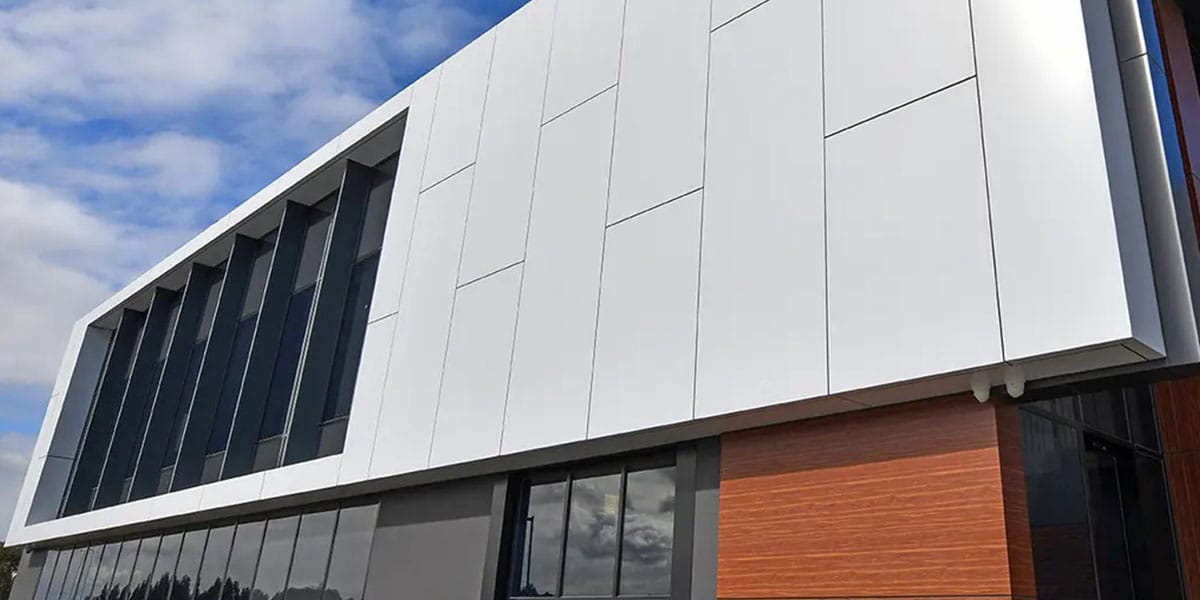 When you look at aluminum cladding, you should know the downsides. These problems can change how much you spend, how safe your house is, and how comfortable you feel. Here are the main cons of residential aluminum wall panels you need to think about before you decide.
High Cost Compared to Other Materials
Aluminum cladding costs more than many other siding choices. The price changes based on quality, thickness, and the core type in aluminum composite panels. Panels with fire-resistant cores or special coatings cost even more. The brand and how hard it is to install also make the price go up. You pay for strength and long life, but the first cost is high.
Material | |
|---|---|
Aluminum (Budget) | $3.30 to $4.50 |
Aluminum (Mid-grade) | $4.50 to $6.00 |
Aluminum (Premium) | $5.00 to $8.00 |
Vinyl | $3 to $8 |
Fiber Cement | $5 to $12 |
Even basic aluminum composite panels cost more than some vinyl. The cost to install adds to the total price. Labor, support parts, and finishing touches all make the bill bigger. If you want to save money, you may need to pick other materials. Aluminum cladding lasts a long time, but you pay more at first. You save money over time, but the first cost can be hard for many homeowners.
Tip: If you want to save money, look at the total cost over time, not just the first price.
Susceptibility to Dents and Scratches
Aluminum cladding can get dents or scratches easier than you think. The material is strong, but it is softer than steel or fiber cement. You may see dents from hail, tree branches, or even a ball. Scratches can happen when you install the panels or from daily use.
Wind and earthquakes can hurt aluminum window frames and glass. Flying debris in storms can damage aluminum and other building sides. The damage depends on how hard the debris hits the surface.
You can fix small dents or scratches without changing the whole panel. Still, these fixes add to your maintenance cost. If you live where storms happen a lot, you should think about this before picking aluminum composite panels.
Fire Resistance Concerns
You may hear that aluminum cladding does not burn. This is true, but you still need to think about fire safety. The core in aluminum composite panels can change how well they resist fire. Some panels use fire-rated cores, but others use regular polyethylene, which does not resist fire as well.
Material | |
|---|---|
Fiber Cement Siding | Class A |
Vinyl Siding | Class C |
Aluminum Siding | Non-combustible |
Building codes say aluminum cladding must pass strict fire tests. For example, ASTM E84 and NFPA 285 set rules for how flames spread and heat. You must check that your panels meet these codes. Sometimes, you need extra fire-rated insulation or coatings. This makes the job cost more and harder. If you live where fires happen often, always ask about the fire rating of your aluminum composite panels.
Aluminum does not burn, but fire resistance depends on the core and coatings.
Fire-rated insulation or coatings make your home safer.
Always follow local building codes for fire safety.
Thermal Expansion Issues
Aluminum cladding gets bigger and smaller when the temperature changes. This is called thermal expansion. If you do not install the panels right, they can bend or crack over time. You may see gaps or buckling if the panels do not have space to move.
Aluminum expands and shrinks a lot with temperature changes. This can put stress on the panels and cause bending or cracking. Good installation and care help stop these problems and make the panels last longer.
You can lower these problems by using special ways to install the panels. For example, a ventilated dry method with an air gap helps keep the panels cooler and lowers stress.
Installation Method | Air Cavity Size | Peak Internal Surface Temperature Reduction (掳C) | Overheating Intensity Reduction (%) |
|---|---|---|---|
Dry Method | 5 mm | 7.10 | 54 |
Dry Method | 20 mm | 8.70 | N/A |
Dry Method | Ventilated | 9.75 | N/A |
If you want your aluminum composite panels to last, hire skilled workers. Good installation helps you avoid expensive repairs and keeps your house looking nice.
Insulation and Energy Efficiency Needs
Aluminum cladding does not give much insulation by itself. You need to add extra insulation to make your home energy efficient. If you skip this step, your house may lose heat in winter and gain heat in summer. This means higher energy bills and less comfort.
Insulated vinyl siding stops heat from escaping, making your home more efficient.
Aluminum wall panels need extra insulation to work as well.
Insulated vinyl siding lowers energy loss and cuts heating and cooling costs.
Aluminum panels, without built-in insulation, may make energy bills go up.
You can add insulation behind the panels, but this costs more. If you want to save money and feel comfortable, always plan for extra insulation when you pick aluminum composite panels. This step helps you save money and get the most from your panels.
Note: Good insulation means lower energy bills and a more comfortable house.
You need to think about these cons and the benefits before you pick residential aluminum wall panels. Think about your budget, your weather, and your long-term plans. Aluminum cladding has many good points, but these problems can change how much you save and how comfortable you feel if you do not plan ahead.
Installation and Maintenance Considerations
Professional vs. DIY Installation
 Professional vs. DIY Installation
You may think about installing aluminum wall panels yourself. The steps look easy, but you need to be careful. You must measure each panel exactly. Cutting and fitting panels takes skill. If you do not have the right tools, you might have trouble. Professionals use special tools and know the best ways to work. They make sure panels fit tightly and look nice. They also waterproof the seams so water stays out.
Challenge | Homeowners (DIY) | Professionals |
|---|---|---|
Precision | May struggle with precision | Ensure high precision |
Tools | Need to acquire the right tools | Have access to specialized tools |
Planning | Requires a solid plan | Follow established best practices |
Waterproofing | Risk of improper waterproofing | Ensure proper waterproofing |
Aesthetic Results | Potential for aesthetic issues | Achieve neat seams and long-lasting results |
Complex Layouts | Difficulty with complex layouts | Experienced with complex installations |
Repairs | Handle extensive damage effectively |
You can fix small dents or scratches if you know how. For big repairs or work near windows and doors, call a professional. This helps you get a watertight finish. It keeps your panels strong and easy to care for.
Maintenance Needs Over Time
Aluminum wall panels are easy to take care of. You only need to clean them with water and mild soap sometimes. This keeps your house looking nice. Check your panels once or twice a year. Look for loose fasteners, broken seals, or signs of corrosion. Fix problems quickly so they do not get worse. These steps help your panels stay strong for many years.
Clean panels with water and mild soap.
Fix loose fasteners or damaged seals right away.
If you follow these steps, your panels will last longer. They will keep looking good.
Compatibility with Existing Structures
You may want to put aluminum wall panels on an older house. The installation process works with many types of homes. Check if your walls are flat and strong enough. Sometimes, you need to add a support frame before you start. Professionals can check your house and tell you what changes you need. This helps you avoid problems and keeps your panels strong.
Tip: Always ask an expert to check your house before you start. This step saves you time and money later.
When you plan your installation, think about strength, the steps, and care. These steps help you get the most from your aluminum wall panels.
Aluminum Cladding vs. Other Wall Materials
When you pick a wall material, you want to know how it compares. Aluminum cladding and aluminum composite panels have many good points. Let鈥檚 see how they stack up against vinyl siding, fiber cement, and wood panels.
Aluminum vs. Vinyl Siding
Vinyl siding is common on many homes. It costs less at first, but it does not last as long as aluminum cladding. Vinyl can fade, crack, or break easily. Aluminum cladding stays strong and keeps its color for many years. You will spend less time cleaning and fixing aluminum composite panels. Over time, aluminum cladding saves money because you do not need to replace it often.
Feature | Aluminum Cladding | Vinyl Siding |
|---|---|---|
Durability | Strong, resists dents, rust, pests, and weather | Fades, cracks, becomes brittle |
Maintenance | Very low, easy to clean | Needs frequent cleaning and repairs |
Lifespan | 30+ years | 10鈥?0 years |
Pays off with longevity | Cheaper upfront, higher long-term |
Tip: If you want walls that last and need little care, aluminum cladding is a smart pick.
Aluminum vs. Fiber Cement
Fiber cement is another popular choice. It can look like wood or stone. You must repaint and seal fiber cement often. Aluminum cladding and aluminum composite panels need less care. You can clean them with soap and water. If you damage a panel, you can replace just that part. Fiber cement repairs take more work and may need big sections replaced.
Aluminum cladding lasts longer and resists dents and scratches.
Fiber cement can crack or get damaged by water.
Aluminum composite panels save money over time because you do not need to repaint or repair them as much.
Aluminum vs. Wood Panels
Wood panels give a classic look. You may like the style, but wood needs lots of care. You must paint, seal, and check for rot or bugs. Aluminum cladding does not rot or attract pests. It keeps its shape and color in all kinds of weather. Aluminum composite panels also offer more design choices. You can pick from many colors and textures. Wood panels cost less at first, but you will spend more on upkeep.
Note: Aluminum cladding gives you a modern look with less work and more protection for your home.
When you compare these materials, you see aluminum cladding and aluminum composite panels last longer, need less care, and protect your home well. You can save time and money while keeping your house safe and stylish.
Making the Choice: Are Aluminum Wall Panels Right for Your Home?
Key Factors to Consider
 Key Factors to Consider
You need to look at several things before you choose aluminum wall panels for your home. Start by thinking about your budget. Aluminum panels cost more at first, but they last a long time. You may save money on repairs and upkeep over the years.
You should also check the weather in your area. If you live near the coast, salt in the air can damage some materials. Premium-grade aluminum resists corrosion and works well in these places. Thicker panels give you more strength and help stop dents or bending. Always pick the right grade and thickness for your climate.
Proper installation matters a lot. If you do not install the panels the right way, water can get behind them. This can cause damage to your walls. You should hire skilled workers who know how to fit and seal aluminum cladding. They use special tools and follow best practices to keep your home safe.
Here are some key points to help you decide:
Choose premium-grade aluminum for better strength and long life.
Pick thicker panels if you want more protection from dents.
Make sure the panels match your local weather needs.
Hire professionals for installation to avoid leaks or other problems.
Tip: Good planning and expert help make your panels last longer and work better.
Best Use Cases for 2026
Aluminum wall panels fit many types of homes. You may want them if you live in a place with harsh weather, like heavy rain, strong sun, or salty air. These panels work well for modern houses that need a clean look. You can also use them on older homes to give them a fresh style.
You may find aluminum cladding best for:
Homes in coastal or rainy areas
Houses that need low maintenance
Buildings with unique shapes or bold designs
Projects where energy efficiency matters (with added insulation)
If you want a wall material that looks good, lasts long, and needs little care, aluminum wall panels are a smart choice for 2026.
You have seen that aluminum wall panels offer strength, style, and low maintenance. You may pay more at first and need extra insulation. Think about your climate, budget, and design goals. Make a list of what matters most to you. If you feel unsure, talk to a building expert. You can make a smart choice for your home by weighing the pros and cons.
FAQ
How long do aluminum wall panels last on a house?
You can expect aluminum wall panels to last 30 to 50 years. High-quality panels with good coatings may last even longer. Regular cleaning and quick repairs help extend their life.
Can you paint aluminum wall panels if you want a new color?
Yes, you can paint aluminum wall panels. Use paint made for metal surfaces. Clean the panels first. Apply a primer for best results. This helps the new color stick and last longer.
Do aluminum wall panels make your house hotter in summer?
Aluminum panels reflect sunlight, so they do not trap much heat. You need to add insulation behind the panels for the best comfort. This keeps your house cool in summer and warm in winter.
Are aluminum wall panels noisy during rain or hail?
You may hear some noise during heavy rain or hail. Adding insulation or a sound barrier behind the panels helps reduce the sound. Most homeowners find the noise level acceptable.
What should you do if a panel gets dented or scratched?
You can fix small dents or scratches with repair kits. For bigger damage, replace the panel. Always check for loose fasteners or broken seals after storms.