
26 May The Complete Buyer’s Guide to Aluminum Composite Material Cladding in 2026
Aluminum composite material cladding has a sandwich structure. It puts two thin aluminum sheets on a non-aluminum core. You see this in modern buildings. ACM gives strength, is light, and looks smooth. The global market for aluminum composite material will reach $9.1 billion in 2026. It will grow at a rate of 6.3% each year from 2026 to 2033. When you pick cladding, check fire ratings. Look at core materials. See how well the panels stand up to weather.
Key Takeaways
Pick aluminum composite panels with a mineral core for more fire safety, especially in tall buildings. – Pick the right thickness for your panels. 4mm is best for outside use. It gives strength against wind. – Think about different finishes and colors to make your building look better and last longer. – Clean your panels often with gentle soap and water to keep them looking good and lasting long. – Work with skilled suppliers who give certified panels to make sure you follow safety rules.
Understanding Aluminum Composite Material Cladding
What Is Aluminum Composite Material?
Aluminum composite material cladding is used on many new buildings. It has three layers in each panel. The middle layer is polyethylene. Two thin aluminum sheets cover the core. This makes the panels strong and light. You can use these panels inside or outside. They are easy to put up and last a long time. The panels look smooth and modern.
Structure and Core Materials
There are two main types of cores in acm panels. The table below shows how each core type works:
Feature | PE Core ACM | FR Core ACM |
|---|---|---|
Core Composition | Polyethylene thermoplastic | Mineral-filled core |
Fire Performance | Combustible; limited use on high-rise buildings | Meets stricter fire tests (e.g., NFPA 285) |
Typical Use | Signage, low-rise buildings, interiors | Mid- and high-rise cladding, public buildings |
Cost | Lower initial cost | Higher initial cost |
Pick the right core for your building. FR core acm panels are safer in fires. This is important for tall buildings.
Panel Thickness and Aluminum Skin
Panel thickness changes how well the panels work. Most outside cladding uses 4mm thick panels. Thicker panels are stronger and handle more wind. The table below explains what each thickness is for:
Panel Thickness | Performance Characteristics |
|---|---|
3mm | Good for inside use with less strength needed. |
4mm or more | Best for outside use, gives more strength and handles strong winds. |
Thicker panels | Needed for long spans or very strong winds, keeps the building safe. |
Finishes and Coatings
You can choose from many finishes for acm panels. These finishes protect the panels and give you style choices. PVDF is the most common coating. It helps the panels resist weather and fading. The table below shows popular finish options:
Type of Finish | Description | Examples |
|---|---|---|
Standard Colors | Classic colors that are easy to get fast. | White, Black, Silver, Gray |
Custom Colors | Special colors for certain looks or brands. | N/A |
Metallic Finishes | Shiny surfaces that look fancy. | Gold, Copper, Bronze |
Wood Grain Finishes | Looks like wood but lasts longer. | Light Oak, Dark Walnut |
Stone Finishes | Looks like stone for a classy style. | Marble, Granite, Slate |
Every finish gives you the same panel benefits. These coatings help your cladding last and look good in any weather.
Choosing the Right ACM Cladding
 Fire Ratings and Safety
 Fire Ratings and Safety
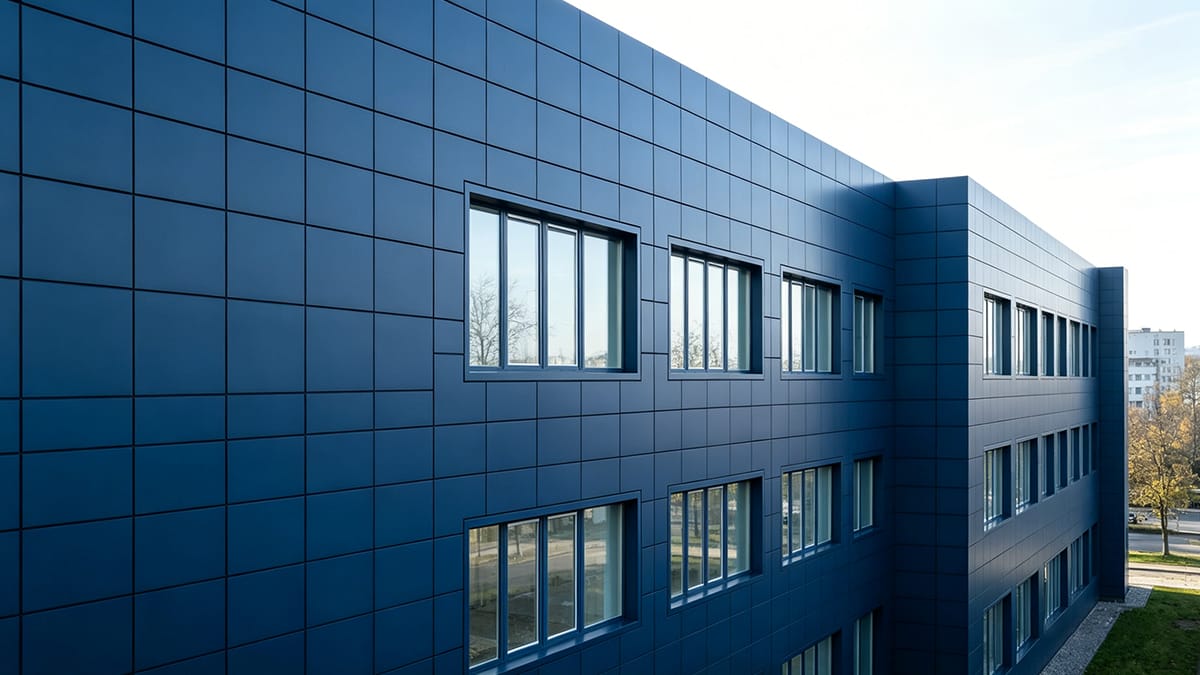
Fire safety is very important when picking acm panels. The core inside each panel matters a lot. For the best safety, use panels with a mineral core that does not burn. These panels slow fire and help keep people safe. Do not use panels with a polyethylene core. They can catch fire fast and spread flames. New acm panels have special fire-retardant materials. These are needed for buildings where safety is most important.
Here is a table that lists the main fire rating standards for aluminum composite panels in 2026:
Standard | Description |
|---|---|
NFPA 285 | Checks how fire spreads on walls with combustible materials. Needed for mid-rise and high-rise buildings. |
ASTM E84 | Tests how fast fire spreads on the surface. You want a ‘Class A’ rating. |
CAN/ULC-S102 | Canadian test for surface burning. Also aims for ‘Class A’ rating. |
ASTM E119 | Measures how long building parts can resist fire. Used for many projects. |
Tip: For the safest buildings, pick acm panels with an A2 fire protection rating. These panels do not burn and follow strict rules.
Durability and Weather Resistance
You want your cladding to last for many years. Aluminum composite panels are strong and last a long time. They do not rust, even near the ocean or in wet places. These panels protect your building from water and bad weather. Builders like acm panels because they do not crack or lose color. They work well in rain, snow, and salty air.
Here is a table that compares weather resistance for different materials:
Material | Weather Resistance Properties |
|---|---|
Aluminum Composite | Strong against bad weather, does not crack or bend, retains color, corrosion-resistant, suitable for coastal areas. |
Vinyl | Needs more care, may not last as long in harsh weather. |
Wood | Needs regular care, less durable in severe weather. |
Steel | Can rust in some places. |
Fiber Cement | Durable but may not resist corrosion as well as acm panels. |
Aluminum composite panels can last for many years. Good panels last 20 to 30 years. If you pick panels with a PVDF coating, they can last up to 40 years. This makes them a smart choice for homes and big buildings.
Aluminum composite panels do not rust.
They keep water out and stop weather damage.
They last longer than wood, vinyl, or steel.
Aesthetic Options
You have lots of choices for how your aluminum composite panel facade looks. Aluminum composite panels come in many colors and finishes. You can match any color you want for your brand or design. You can pick shiny metallic finishes, woodgrain textures, or stone looks. Some panels have matte or glossy surfaces. You can even bend or curve panels for special shapes.
Here is a table of popular options:
Feature | Description |
|---|---|
Custom Colors | Match any RAL, PANTONE, or NCS color for branding or design needs. |
Metallic Finishes | Add a modern, shiny look. |
Woodgrain Textures | Get the look of wood without extra work. |
Stone-Like Finishes | Enjoy the look of stone but with less weight. |
Matte and Glossy Finishes | Pick soft or bright surfaces. |
Complex Shapes | Bend or curve panels for cool designs. |
Textured Finishes | Make panels look like wood or concrete. |
Specialty Finishes | Use mirror or shiny effects for special projects. |
Note: You can use acm panels for both inside and outside walls. This gives you more ways to design your space.
Certifications and Standards
You need to make sure your acm panels meet the right standards. In 2026, rules for aluminum composite material cladding are strict. For outside walls, panels must pass fire tests like NFPA 285 and ASTM E84. They also need to work with water barriers and insulation. For inside walls, panels must meet rules for flame and smoke. If you use panels for signs, check local codes and UL listings.
Here is a table of key standards:
Application | Key Compliance Factors | Typical Standards |
|---|---|---|
Exterior Walls (Façades) | Assembly fire testing, WRB continuity, cavity barriers, compatible insulation | NFPA 285, ASTM E84, IBC 1407, AAMA 508 |
Interior Partitions/Linings | Surface burning (flame/smoke), finish class, smoke development, sprinkler status | ASTM E84, local fire code, IBC Ch. 8/10 |
Signage & Freestanding Elements | Sign code, electrical code (if illuminated), material allowances for smaller faces | Local sign/electrical code, UL listings |
Alert: Always ask your supplier for test reports and certificates. This helps you follow the law and keeps your building safe.
When you want to pick aluminum composite panels, always check fire ratings, durability, and design options. Make sure your panels meet all standards for your project. This will help you build safe, strong, and nice-looking spaces.
Aluminum Composite Panels vs. Other Cladding Materials
ACM vs. Solid Aluminum
 ACM vs. Solid Aluminum
You might wonder how these two materials compare. Both look almost the same, but they work differently. ACM panels are lighter than solid aluminum. This makes them easier to move and put up. The table below shows their main differences:
Feature | ACM Panel | Solid Aluminum |
|---|---|---|
Weight | Lighter | Heavier |
Flatness | Superior | Prone to “oil canning” |
Cost | More affordable | More expensive |
ACM panels cost less than solid aluminum. They also look smoother on buildings. Solid aluminum lasts a long time and needs little care. But you must add insulation to it. ACM panels already have some insulation inside. This can help you save on energy bills.
ACM vs. Fiber Cement
You may also want to compare ACM panels to fiber cement. Fiber cement is strong and does not burn. It works well in wet places. But it is heavier than ACM panels. ACM panels are easy to cut and shape. They also stand up to bad weather. The table below shows the differences:
Material | Advantages | Disadvantages |
|---|---|---|
Fiber Cement Panels | Tough, non-combustible, good in humidity | Heavier, harder to install |
Aluminum Composite Panels | Strong weather resistance, easy to shape | Core may degrade with water |
ACM vs. HPL Panels
High-pressure laminate panels, called HPL, are another option. HPL panels do not burn easily because of their core. They last about 15 to 25 years if sealed well. ACM panels can last 20 to 30 years with a good coating. You might need to replace HPL after 25 years. ACM panels often last longer. HPL is tough in harsh weather, but ACM panels give you more design choices.
Feature | ACP (Aluminum Composite Panel) | HPL (High Pressure Laminate) |
|---|---|---|
Fire Resistance | Varies by core type | Naturally fire-resistant |
Durability | 20–30 years (with PVDF) | 15–25 years (sealed) |
ACM vs. Stone and Alternatives
Stone cladding looks nice but costs more money. You pay more for the stone and for putting it up. ACM panels cost less and go up faster. Stone needs a special base, which adds to the price. The table below compares the costs:
Cladding Type | Material Cost (per sq ft) | Installation Cost (per sq ft) | Total Cost (per sq ft) |
|---|---|---|---|
Aluminum Composite Panels | $3 to $10 | $5 to $8 | $8 to $18 |
Natural Stone Veneer | $10 to $25 | $10 to $20 | $20 to $45 |
ACM panels cost less than stone.
You can put up ACM panels faster, which saves money.
Stone cladding needs extra support, so it costs more.
Cost and Value Comparison
When you look at everything, aluminum composite material cladding is a good deal. You get a modern look that lasts for years. ACM panels need little care, just a wash sometimes. You do not need to stain or seal them. Over time, ACM panels cost less than fiber cement or vinyl. They also make your building look better and stronger.
Tip: Always think about the total cost over the life of your building, not just the price you pay at first. ACM panels often save you money in the long run.
Applications of ACM Cladding
Commercial Buildings
 Commercial Buildings
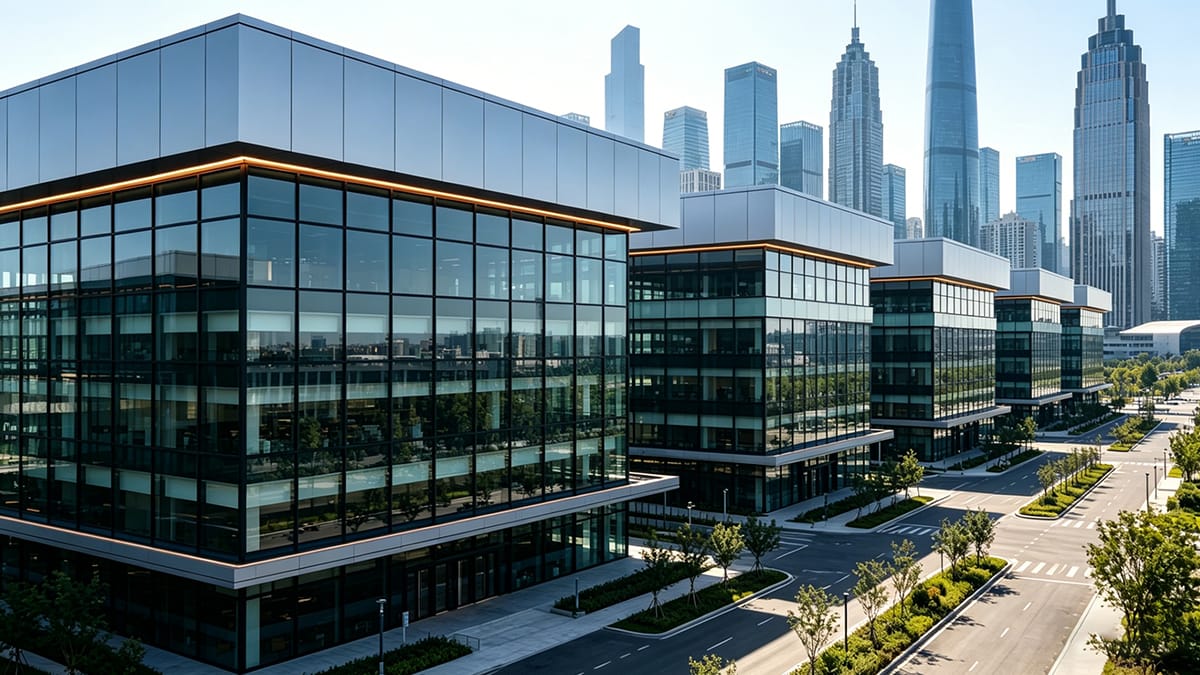
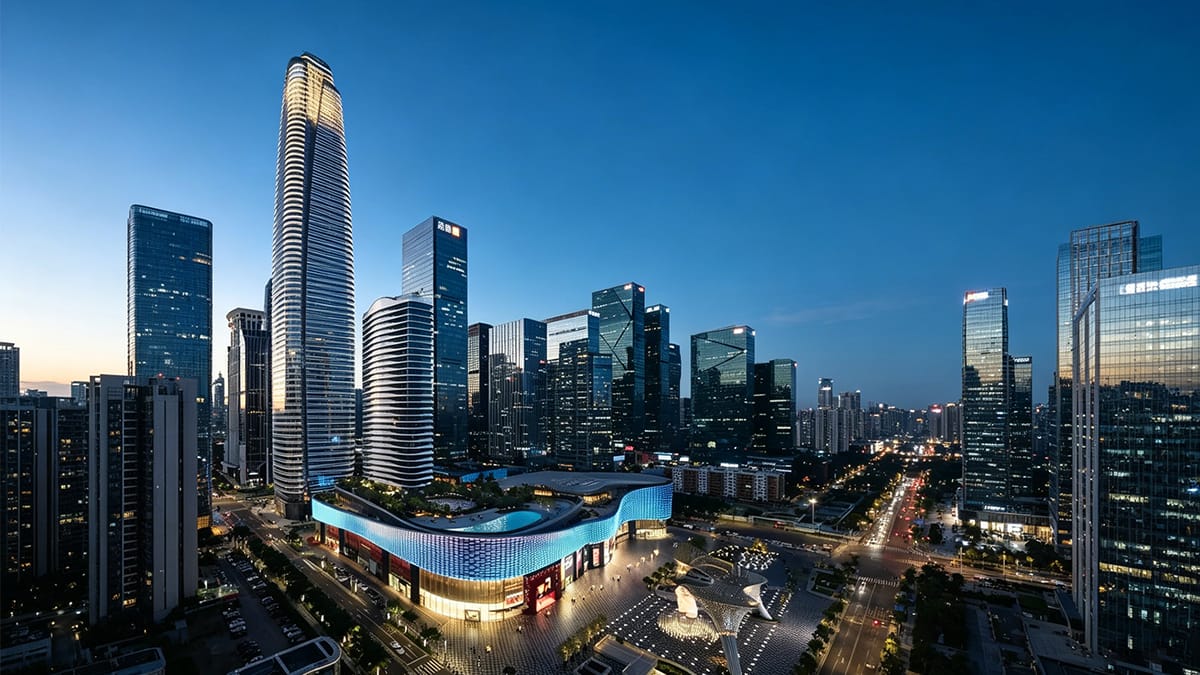
Aluminum composite panels are used in many business buildings. These panels cover outside walls and make them look smooth. You can use acm panels for signs, canopies, and soffits. Many companies use acm for special inside walls and ceilings. You also see these panels in rainscreen facades and for company branding. Some businesses use acm panels on vehicles or as room dividers. Using aluminum composite material cladding helps buildings look good and last longer.
Brand and retail signage
Canopy and soffit cladding
Interior wall features and ceilings
Decorative elements and room dividers
Residential Projects
People use aluminum composite panels on homes for many reasons. These panels make houses look modern and protect from bad weather. You can pick from many finishes to match your style. The table below shows why acm panels are good for houses:
Benefit | Description |
|---|---|
Durability | Aluminum composite panels do not rust and stay strong in bad weather. |
Aesthetics | You can pick many finishes. Panels can look like wood or stone for a special look. |
Longevity | With good care, panels can last up to 40-50 years. |
Insulating Properties | The middle layer helps keep heat in and can save energy. |
Low Weight | Panels are light, so you can put them up fast and easy. |
You can use acm panels for siding, balconies, and garage doors. These uses of aluminum composite material help homes look new and stay safe.
Interior and Exterior Uses
Aluminum composite panels work inside and outside. For outside, panels cover curtain walls, rainscreen cladding, and façades. You also see them on canopies, soffits, and fascia. For inside, panels make special walls, columns, and even furniture. Many people use acm panels for outdoor signs, big billboards, and guide signs. You can also find panels in cabinet doors and art pieces.
Retail and corporate signage
Canopies, soffits, and fascia
Interior wall features and columns
Outdoor signs and billboards
Specialty Applications
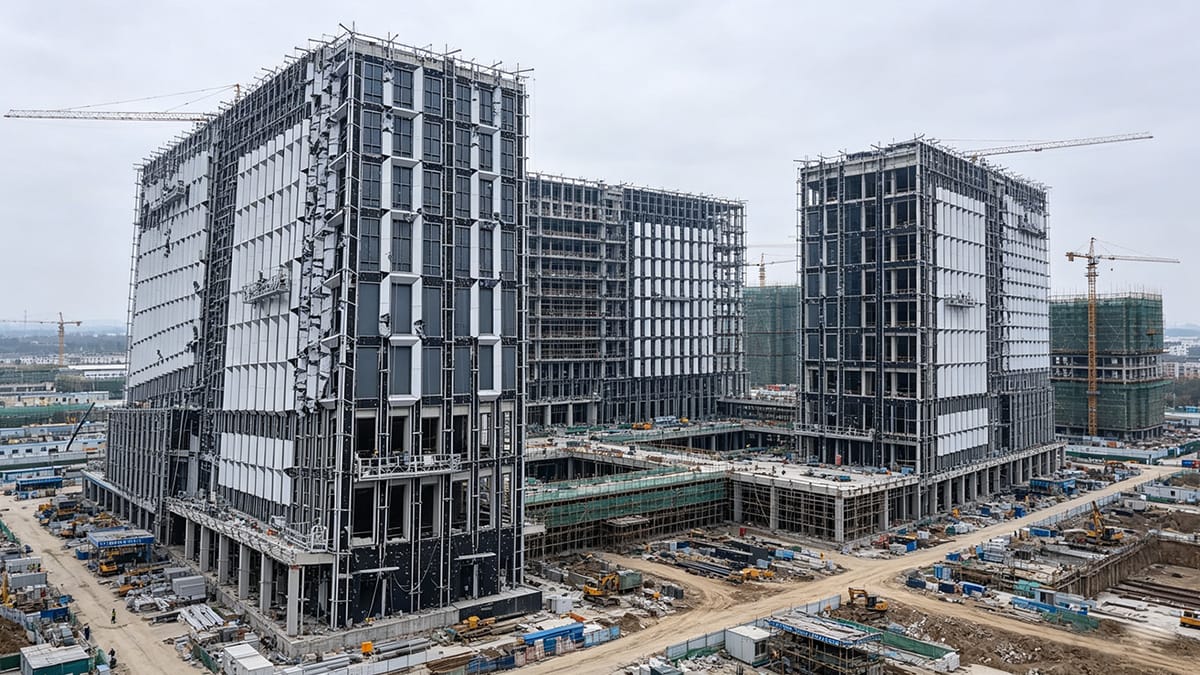
You see acm panels in many special uses. Architects use these panels for outside cladding, facades, and curtain walls. Big panels make smooth covers for business and school buildings. You can use acm panels for decoration and protection. Some panels have fire ratings, which make buildings safer. You also see panels in cool shapes for art or special designs.
Tip: Ask your supplier about custom shapes and finishes for your project. This helps you get the look and performance you want.
Buying and Installing Aluminum Composite Material Cladding
Budgeting and Cost Planning
 Budgeting and Cost Planning
You should plan your budget before buying aluminum composite panels. The price depends on the type, thickness, and finish you pick. Here are some average costs for 2026:
Basic panels cost $3 to $7 per square foot.
Mid-range panels cost $4 to $8 per square foot.
Premium panels cost $14 to $21 or more per square foot.
Installation costs are $40 to $55 per square foot. This includes both materials and labor.
Think about the total cost, not just the panel price. The table below shows what to think about:
Factor | Description |
|---|---|
Material Costs | The price per square foot changes with the core and thickness of the panel. |
Installation Expenses | Most jobs cost $40–$55 per square foot, including labor and materials. |
Long-Term Maintenance | Cheaper panels may cost more over time if they need repairs. |
Complex Fabrication | Custom shapes or tricky mounting can raise the total cost. |
Site Preparation | You may need to prepare the wall before installation. |
Delays | Mistakes in measuring can cause delays and extra expenses. |
Tip: Always add a little extra money for surprise costs.
Selecting Suppliers
Picking the right supplier for your aluminum composite material cladding is important. Follow these steps to find a good one:
Choose suppliers with at least 5–10 years of acm panel experience.
Make sure they have certifications and follow local building codes.
Ask for project references to check their past work.
See if they give clear documents and technical help.
Check if they know your local weather and rules.
Test their customer service before you choose.
A good supplier will help you pick panels and guide you through the installation guide.
Ordering and Delivery
When you order acm panels, know the minimum order size and delivery times. Most suppliers want at least 200 square meters for raw panels or 80 square meters for processed panels. Standard orders take about 15 days to arrive. If you order a lot, like 500 square meters, it may take 25 days. You can ask for faster delivery if you need it. Panels come with a protective film and bubble wrap to keep them safe.
Aspect | Details |
|---|---|
Minimum Order | 200 sq m (raw), 80 sq m (processed) |
Delivery Time | 15 days (standard), 25 days (large orders), urgent orders possible |
Packaging | Protective film and bubble wrap, extra options available |
Note: Always check your order when it arrives to avoid project delays.
Installation Methods
There are different ways to install aluminum composite panels. The way you put up the panels affects how safe and strong your cladding is. Here is a quick installation guide for aluminum composite panels:
Direct Stick uses tape to attach panels and seals the joints. This is easy but may leave panel edges open to fire.
Cassette System bends the panel edges and uses screws to fix them. This is safer in fires and keeps panels tight.
Riveting Fixing Method uses special rivets for big jobs. Make sure holes let the panels expand.
Sealing uses weather-resistant silicone on joints and leaves gaps for temperature changes.
The table below shows common installation methods:
Installation Method | Description |
|---|---|
Cutting | Cut panels with the film on to stop scratches. Clean cuts make the façade look flat. |
Riveting | Good for big jobs; use special rivets and let panels move. |
Cassette System | Fold panel edges and hook onto the frame for a neat look and better joint control. |
Sealing | Seal joints with silicone and leave space for expansion. |
For best results, follow the installation guide for aluminum composite panels and ask your supplier for help if you need it.
Maintaining ACM Cladding
Routine Cleaning
 Routine Cleaning
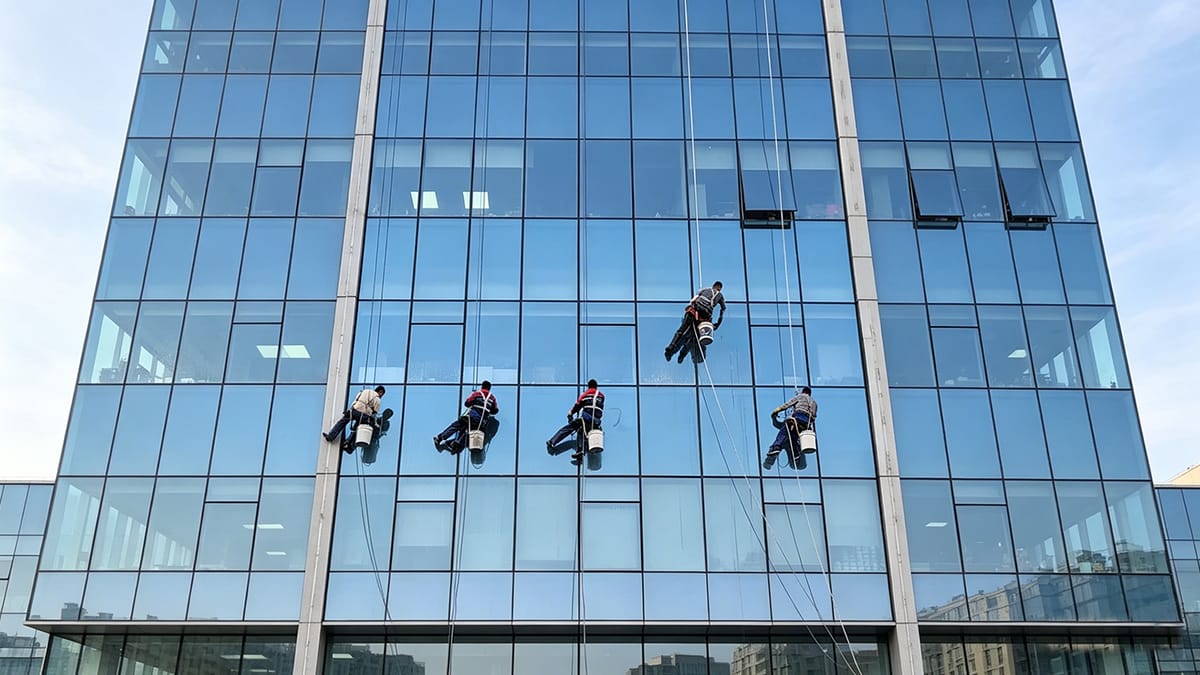
You can keep your aluminum composite cladding looking nice by cleaning it often. Here are some easy steps to follow:
Clean the panels every three to six months. If you live in a busy city or a place with lots of pollution, clean them every three months.
Mix a gentle soap, like dish soap, with water. Use a soft sponge or a power washer that is not too strong (under 1,200 PSI).
Rinse the panels with clean water. Gently wash with the soapy water, then rinse again so there are no streaks.
Do not use rough brushes or pads. These can scratch the panels and ruin the finish.
Tip: Cleaning your panels often helps stop stains. It also keeps your building looking neat and new.
Repair and Replacement
Most aluminum composite panels do not break or need fixing very much. If you see damage, fix it fast to keep your cladding in good shape. Here is a simple chart about repairs:
Material | Repair and Replacement Needs |
|---|---|
Aluminum Composite Panels | Not often; replace panels if dented or scratched |
Wood Siding | Often; replace boards, repaint, reseal |
Fiber Cement Panels | Sometimes; patch cracks, repaint |
Vinyl Siding | More often; replace cracked or faded sections |
For small scratches, use a repair paste or filler. Smooth it out so it looks nice. If a panel has a big dent or deep scratch, take it off and put on a new one. For hard repairs, call an expert. They know how to fix panels and keep them safe.
Note: Check your cladding often. Fix little problems before they get worse. This helps your panels last longer and look good.
Maximizing Lifespan
You can help your aluminum composite cladding last for many years. Try these tips:
Pick Class A fire-rated panels for better safety.
Use metal panels that lock together. These help keep heat in and stop panels from bending.
Choose aluminum cladding instead of wood. This keeps bugs away and saves money on repairs.
If you take care of your panels, they will protect your building and keep it looking nice for a long time.
When you pick aluminum composite material cladding in 2026, think about the most important things. You can choose from many colors and textures. The panels are safe in fires, keep heat in, and block noise. They are simple to put up and do not need much care. The materials are good for the planet and can be recycled. Over time, these panels help you save money.
Work with suppliers you trust who sell certified panels. Use this guide to plan your project, ask questions, and get samples before you make a choice.
FAQ
What is the best way to clean aluminum composite panels?
You should use mild soap and water with a soft sponge. Avoid harsh chemicals and rough brushes. Rinse with clean water. Clean panels every three to six months for best results.
Are ACM panels safe for high-rise buildings?
Yes, if you choose fire-rated panels with a mineral core. Always check for certifications like NFPA 285 or A2 rating. These panels help protect people in case of fire.
How long do aluminum composite panels last?
Most panels last 20 to 30 years. Premium panels with PVDF coatings can last up to 40 years. Regular cleaning and quick repairs help extend their lifespan.
Can you install ACM panels yourself?
You can install small panels if you follow the manufacturer’s guide. For large projects or complex shapes, hire a professional installer. This ensures safety and a smooth finish.