
15 Jul What is an Aluminium Composite Panel and Where Is It Used
You often see new buildings with smooth, bright surfaces. These use an aluminium composite panel. This material is made by joining two thin aluminium sheets to a core that is not aluminium. This panel is special because it is light, strong, and good for creative designs. The table below shows what makes it different from other building materials:
Characteristic | Description |
|---|---|
Lightness and strength | It is much lighter than solid aluminum sheets. It is also very strong against hits and bad weather. |
Versatility in design | It comes in many colors and finishes. It can fit many shapes and lets people be creative. |
Durability | It does not get damaged by sun, rain, or rust. It needs less care and lasts longer. |
Insulation properties | It helps keep heat and sound inside, so buildings save energy. |
The world market for aluminium composite panels was $6.9 billion in 2025. It is growing quickly because many people use it in building projects.
2026 Update: Quick Answer for What is an Aluminium Composite Panel and Where Is It Used
Reviewed 29 July 2026. ACP can provide lightweight, formable and visually consistent cladding or interior finishes, but suitability changes with exposure, fire strategy, support, span, impact risk, coating, fabrication, joints, and maintenance access.
- Define whether the use is interior, exterior, signage, ceiling, partition, canopy, column, or fa莽ade.
- Select the complete panel construction and coating for the environment.
- Coordinate module size, grain or coating direction, joints, corners, openings, drainage, and access.
- Approve realistic samples or mock-ups before bulk production.
This update keeps the original topic and search intent while making the decision criteria clear at the start. Project-specific engineering, regulations, test evidence, and supplier documentation remain controlling.
Key Takeaways
Aluminium composite panels are light and strong. This makes them easy to put up. They are great for creative designs. These panels can stand up to bad weather and fire. This helps keep people safe and makes them last longer in many places. Aluminium composite panels help keep heat in and noise out. This saves energy and makes buildings quieter. They come in lots of colors and finishes. This gives many choices for inside and outside designs. Cleaning and checking for damage is important. This keeps the panels looking new and helps them last longer.
Aluminium Composite Panel Overview
Definition and Structure
Aluminum Composite Panel (ACP) is a lightweight building material made of two thin aluminum sheets bonded to a central thermoplastic (polyethylene) or fire-resistant mineral core.
Aluminium composite material is more than just strong. The aluminum sheets help stop weather and rust. The core keeps the panel light and adds insulation. These panels are easy to put up and move. This saves time and money. Builders and designers like aluminium composite panels because they work well and last.
Here is a simple table to show the main parts of aluminium composite material:
Component | Description |
|---|---|
Aluminum Sheets | Two outside layers. They are painted to protect and look nice. |
Core Material | The middle layer. It is often polyethylene or fire-resistant minerals. It gives structure. |
Surface Coatings | Special coatings help the panel last longer and look good. |
The core can change for different uses. Polyethylene cores make the panel light and easy to shape. Fire-resistant cores are safer for tall buildings. The aluminum sheets are at least 0.50mm thick. This helps the panel last longer outside. Surface coatings protect from sun, rain, and pollution.
Aluminium composite material is strong. It also keeps buildings quiet and comfortable. The core helps with heat and sound insulation. This saves energy and makes indoor spaces peaceful.
Core Functions
Aluminum composite panels do more than look good. They work in many ways. Here are the main functions in modern buildings:
You can make many shapes and styles. The panel bends and cuts easily. You can design bold fronts or smooth curves.
The panel is light. One square meter weighs less than 4 kilograms. It is easy to move and install.
The panel resists weather. It stands up to sun, rain, wind, and extreme temperatures from -50掳C to +80掳C.
The panel helps the environment. Many panels use up to 85% recycled aluminum. This supports green building goals.
The panel improves safety. Fire-resistant cores make it smart for places where safety matters.
The panel saves energy. It keeps heat and sound inside. This lowers energy bills and makes rooms comfortable.
Tip: You can use aluminium composite material for outside and inside projects. It works well for building fronts, inside walls, signs, and furniture.
Aluminium composite material gives a clean, modern look. It is easy to care for and lasts a long time. You can trust it for many projects. It works for schools, offices, shopping centers, and homes.
Aluminum Composite Features
 Strength and Durability
 Strength and Durability
You want your building to last a long time. Aluminium composite panels are strong and last many years. Most panels last between 10 and 30 years. Some panels can last up to 40 years. You do not have to worry about dents or cracks. The hard surface protects the panels from hits. They stay in good shape in busy places and bad weather. The solid core and tough outside layers stop bending and breaking. Look at the table below to see how aluminium composite panels compare to other materials:
Material | Maintenance Requirement | Durability | Weather Resistance |
|---|---|---|---|
Aluminium Composite Panels (ACPs) | Low | High | Excellent |
Phenolic Panels | Moderate | High | Good |
The panels protect well from outdoor dangers.
They keep their shape after hail or flying objects.
You spend less time and money fixing them.
Lightweight and Flexibility
You can lift aluminium composite panels easily. Each panel weighs only 3 to 8 kilograms per square meter. This means you do not need heavy supports. You save time and effort when you install them. The chart below shows how aluminium composite panels compare to other cladding materials:
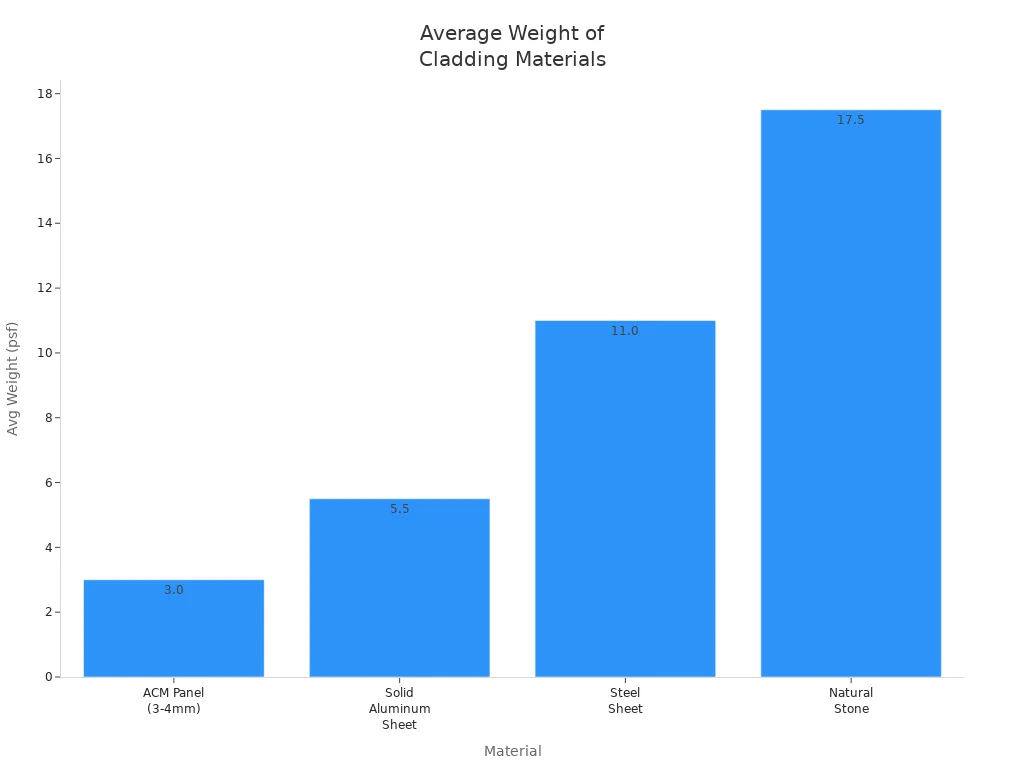
You can shape these panels in many ways. You can bend, cut, or curve them for creative designs. This lets you use aluminium composite panels for simple or bold projects. Architects use them for tall buildings, homes, and special shapes.
Benefit | Description |
|---|---|
Lightweight and Flexible | Easy to move and install. |
Customizable Shapes | You can bend and shape panels for many designs. |
You can make curved walls or special features.
The panels work for big and small buildings.
Weather and Fire Resistance
You want your building to stay safe in any weather. Aluminium composite panels resist sun, rain, wind, and salt air. The panels do not rust or lose color. They keep water out and stop mold from growing. See how they work in different climates:
Climate Type | Key Features |
|---|---|
Hot and Sunny Climates | Protective layers stop UV damage and color fading. |
Cold and Snowy Climates | Panels resist cracks and damage from cold. They stop snow and ice buildup. |
Rainy and Humid Climates | The surface keeps out moisture and mold. Aluminum does not corrode. |
Coastal Areas | Anti-corrosive features protect from salt air and strong winds. |
Windy and Storm-prone Areas | Panels resist high winds and hits from flying objects. |
You also get fire safety with these panels. Aluminium composite panels come in different grades. Some panels can hold fire for up to 120 minutes. The highest grade, A2, is almost non-combustible and meets strict safety rules. You can trust these panels for schools, offices, and homes.
Tip: Pick the right panel grade for your project to get the best fire and weather protection.
Common Uses of ACP and Applications
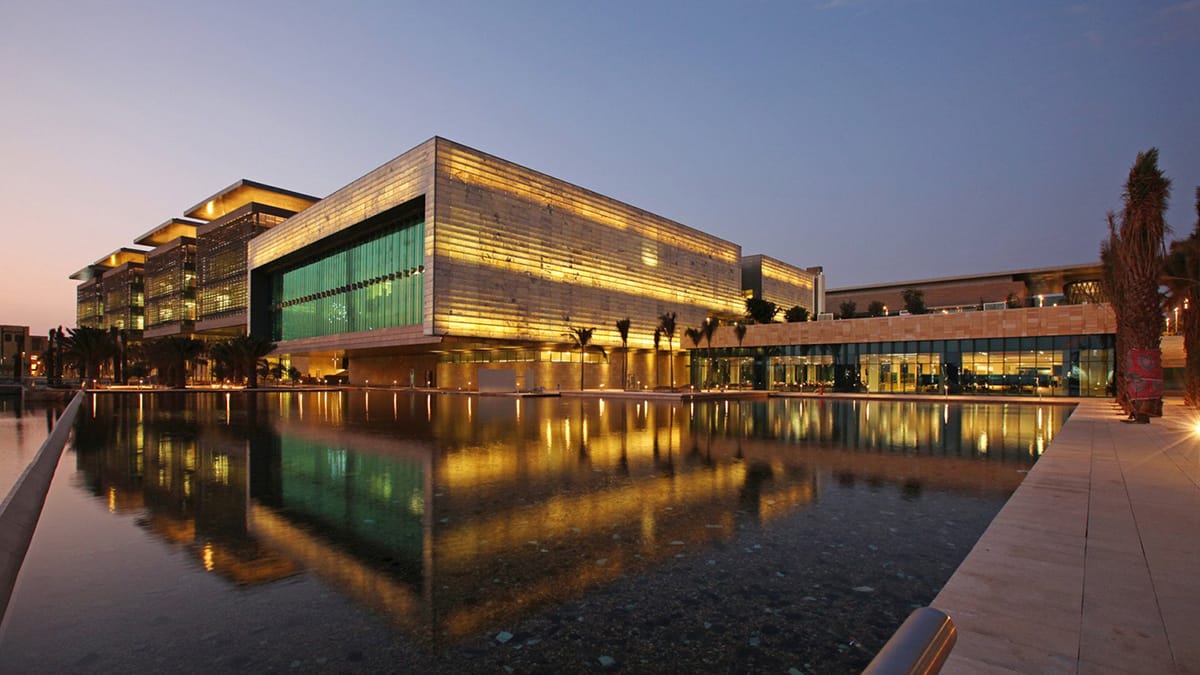 Aluminium composite panels are used in many building projects. You can see them inside and outside buildings. People use acp for modern looks and useful parts in architecture. Let鈥檚 look at how these panels work in different ways.
Building Facades and Cladding
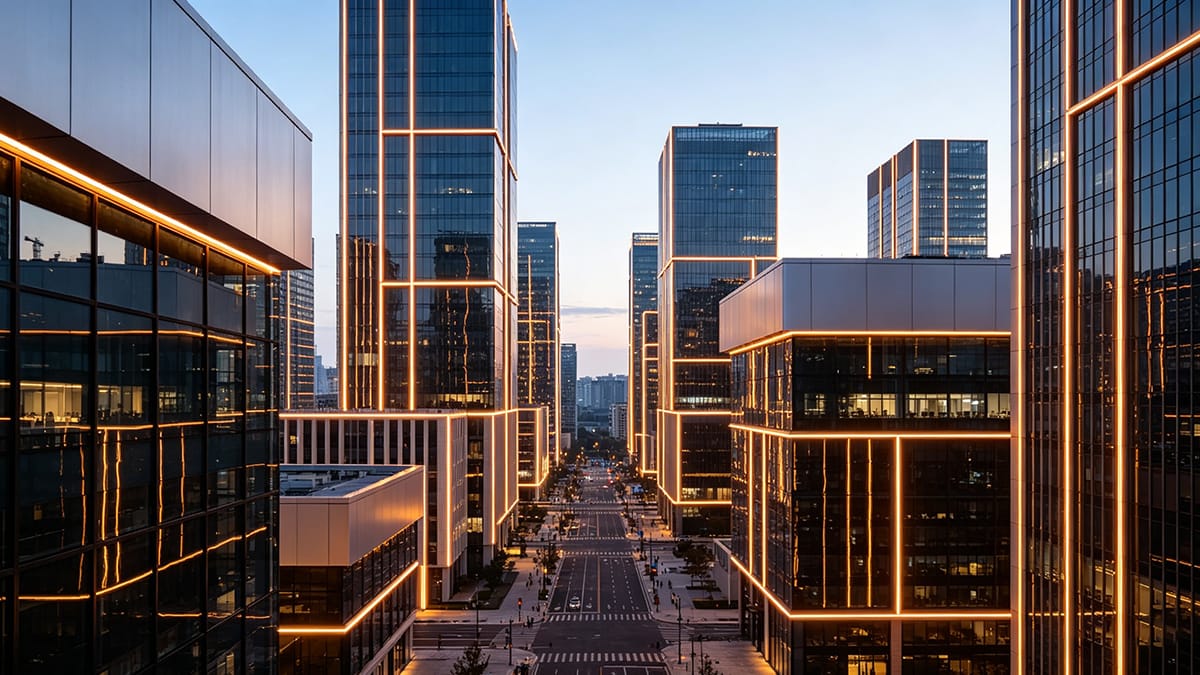
Aluminium composite panels are often on the outside of buildings. These panels make buildings look smooth and new. You can use them for ventilated fa莽ades. This helps keep buildings cool and dry. The panels are good for outside walls because they last long and resist weather. Architects pick acp for new and old buildings. You can make bold designs or match the area. ACP lets you shape panels for curves, angles, or flat surfaces.
Some ways to use acp for building facades and cladding are:
Cover big outside walls for a smooth look.
Add color and texture to modern buildings.
Protect buildings from rain, sun, and wind.
Use ventilated fa莽ades to save energy.
Update old buildings with new panels.
Make special patterns or logos on the outside.
Note: Facades made with aluminium composite panels stay bright and clean. They need little care.
Interior Design and Commercial Spaces
You can use aluminium composite panels inside buildings for style and function. In stores and offices, these panels help with sound and hide wires or pipes. They do not rust, so they are good for kitchens and bathrooms. They are easy to install because they are light.
Some common uses in interior design are:
Wall panels and dividers for offices or stores.
False ceilings that hide pipes and wires.
Decorative details and wall dividers for modern rooms.
Cover columns to make them look nice.
Lobby walls, elevator covers, and kitchen backsplashes.
ACP also gives sound insulation and fire resistance. This makes it smart for busy places. You do not need much time to keep them clean. They are good for stores and offices.
Billboard and Signage
Aluminium composite panels are popular for signs and billboards outside. You can trust them to look good after years of sun, rain, and wind. The market for acp in signs is growing fast. Outdoor signs are the biggest use. The panels let you print bright colors, so your sign stands out.
“Aluminum composite panels are widely used for outdoor signage and billboards because they last long and resist weather. They keep looking good even after lots of sun, rain, and wind.”
Here is a table showing why acp is great for signs:
Advantage | Description |
|---|---|
Durable and Weather-Resistant | The aluminium layers stop rust, UV rays, and water, so they are good for outside use. |
Lightweight Properties | Their light weight makes them easy to move and install. |
Aesthetic Versatility | They can have many colors and designs, making signs look nice. |
Low Maintenance Requirements | The finishes mean you do not need to clean them often, so they save money over time. |
You will see these panels used for:
Advertisement boards and billboards.
Store signs and branding.
Directional and safety signs in public places.
Asia-Pacific is the biggest market for signs. Latin America is growing fast. The advertisement boards segment will be a big part of the market by 2034.
Industrial and Laboratory Applications
You can use aluminium composite panels in many factories and labs. These panels are good for covering industrial buildings and making cleanrooms. You will also see them in lab cabinets. The panels resist chemicals, rust, and fire, so they are good for tough places.
Some uses in industry are:
Covering factories and warehouses.
Cleanroom walls and ceilings.
Lab furniture and storage cabinets.
Wall panels in places with lots of moisture or chemicals.
You can trust acp to keep industrial spaces safe and clean.
Functional Elements (Columns, Balconies, Canopies)
Aluminium composite panels help you make useful and nice features in buildings. You can use them to cover columns, balconies, and canopies. These panels let you match the building鈥檚 style or make it stand out. Their light weight and weather resistance make them good for outside parts.
You can use acp for:
Column covers that make entrances and lobbies look nice.
Balcony covers that protect and decorate.
Canopies and overhangs that keep doors and windows safe from weather.
Soffit panels and false ceilings for inside and outside.
Aluminium composite panels let you design special features that last. You can make your building look better and work better with these panels.
Tip: When you plan your next project, think about the many ways to use acp. You will find answers for both outside and inside needs.
Advantages and Drawbacks
Key Benefits
 Key Benefits
Aluminium composite panels have many good points for your projects. They are strong but also light, so you can move and install them easily. This helps you save time and money. These panels last a long time and do not rust or fade in bad weather. You can pick from more than 50 colors and finishes to match your style. The panels help block noise and keep buildings cool by reflecting most of the sun鈥檚 heat. This can make rooms cooler by almost 6掳C and lower air conditioning costs. These panels are good for the planet because they use recycled materials and can be recycled again. They are safe because they have fire-resistant cores and meet safety rules. The surface does not stain easily, so you spend less time cleaning. You can use these panels for walls, signs, and many other things. Most panels come with a 20-year warranty, so you know they will last.
Light and strong, so they are easy to use
Stand up to bad weather for many years
Fire-resistant for safer public places
Many colors and finishes for different looks
Cheaper to install and take care of over time
Good for the environment and can be recycled
Help keep noise out for comfort
Used in many ways for buildings
Last a long time and have a strong warranty
Tip: Clean your panels often and check for dents. This helps them look new and last longer.
Potential Limitations
There are some things to think about before picking aluminium composite panels. These panels can get dents or scratches if something sharp hits them. Some panels with plastic cores may not pass strict safety rules, so always check the fire rating for your project. The first price is higher than wood or fiber cement, but you save money later because you do not need many repairs. If you do not install the panels right, water can get in and cause problems. Some cheap coatings may fade after years in the sun. You need to make sure the panels are waterproof to stop leaks when it rains a lot. Bad weather can sometimes dent or bend the panels. Some panels do not block UV rays well, so colors might fade.
Fire safety matters a lot. Some panels with polyethylene cores can be risky. Now, companies make safer fire-rated panels to meet safety rules.
Some types may not pass all safety rules
Cost more at first than some other materials
Need to be installed right to stop water damage
Colors may fade with cheap coatings
Need regular checks to stay safe and look good
You can stop most problems by picking good panels, checking safety ratings, and installing them the right way.
Aluminium Composite Material Types & Selection
Types of Aluminium Composite Material
 Types of Aluminium Composite Material
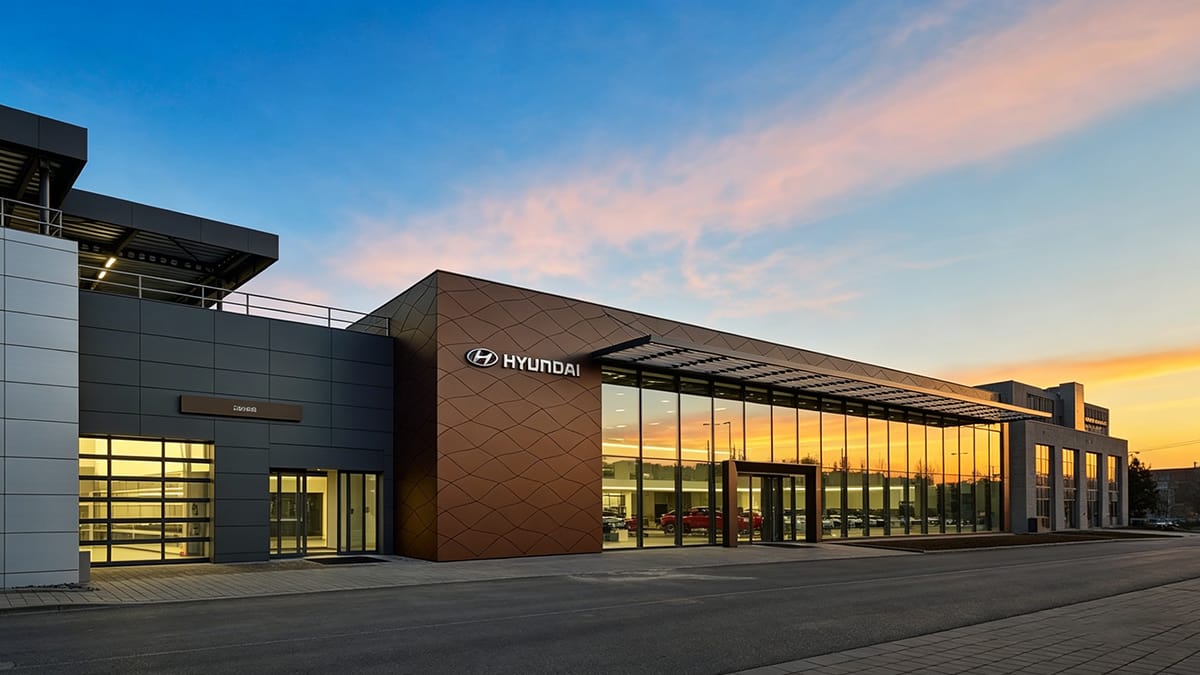
There are different aluminium composite materials you can pick. Traditional panels have a polyurethane core. Modern panels use fire-resistant cores for safer buildings. Nano aluminium composite panels protect better from water and last longer. Spectra-coated panels come in many colors. This helps you make special designs. Manufacturers keep making panels better for safety and style.
Choosing the Right Panel
Pick the panel type that fits your project. Fire-retardant cores are best where safety is important, especially outside. Lightweight panels are easier to install and save money. The coating decides how long the panel lasts and how much care it needs. Aluminium composite panels work for many things:
Building facades
Roof cladding
Canopies and awnings
Petrol station cladding
Wall cladding
Ceiling panels
Partition walls
Billboards
Vehicle body panels
The core material changes how well the panel resists fire. Check this table to see the difference:
Core Material Type | Fire Resistance Duration |
|---|---|
LDPE/HDPE Core | Up to 5 minutes |
Mineral-rich Core | Up to 2 hours |
Clean and check the wall before you put up panels. Remove dust and old paint. Fill holes and sand the wall. Add waterproofing and vapor barriers to stop moisture. Mark and line up the panels with a level and chalk.
Tip: Pick panels from companies that deliver on time and answer fast. If customers buy again, it means the panels are good.
Maintenance Tips
You want your panels to stay nice. Clean them with mild soap and a soft cloth. Rinse with low-pressure water. Check sealants often. Put on a UV coating to keep colors bright. Do not use cleaners with solvents. Clean the fa莽ade every year. Remove salt if you live near the sea. Check screws and joints every two or three years. Do not use rough or alkaline cleaners.
Check edges and joints for sealant issues.
Look for cracks, peeling, or other damage.
Bad sealant can let water in and cause problems.
Put on a UV coating to stop fading. This keeps your aluminium panels looking new.
You now know how an aluminium composite panel can help you build strong and modern spaces. You see its versatility in many uses, from building facades to signs. When you choose the right panel and care for it, you get a material that lasts and looks great. Learn about the features and uses before you start your next project. Good maintenance keeps your panels looking new.
FAQ
What is the main benefit of using aluminium composite panels?
These panels are strong and light. They last a long time. They stand up to bad weather. You can use them for cool designs. You do not spend much money on care.
Can you use aluminium composite panels indoors?
Yes, you can use them inside. They work for walls, ceilings, and furniture. They help block noise. They look modern and stylish. You can clean them without trouble.
How do you clean aluminium composite panels?
Clean panels with mild soap and a soft cloth. Rinse with water after washing. Do not use strong chemicals. Clean them once a year for best results.
Are aluminium composite panels safe in case of fire?
Panels with fire-resistant cores keep you safer. Always check the fire rating before buying. Fire-rated panels are good for schools and offices.