
20 May Technical Specifications of Aluminum Composite Material Cladding Explained
Aluminum composite material cladding is used in new buildings. It has two thin aluminum sheets and a plastic or mineral core. This makes panels that are strong and light. This material is used for 54.0% of composite panels. It is very popular for building cladding. Builders like these panels because they are easy to use. They also work well for many designs. Technical specifications make sure the panels are safe. They also help with rules for outside cladding. Fire safety, how to install, and being eco-friendly are important. These things change how the building looks and works. Check these details before picking your material.
2026 Update: Quick Answer for Technical Specifications of Aluminum Composite Material Cladding Explained
Reviewed 29 July 2026. Technical selection should begin with measurable project requirements. Total thickness alone is not enough: aluminum skins, alloy, core, coating, dimensions, tolerances, fabrication, support spacing, loads, exposure, and required test evidence all affect suitability.
- Write dimensions and tolerances in the same units on drawings and purchase documents.
- Confirm total thickness, each aluminum skin, core, coating, gloss, color, and protective film.
- Relate span and fixing details to wind, impact, handling, and fabrication requirements.
- Approve samples and verify the supplied batch against the agreed specification.
This update keeps the original topic and search intent while making the decision criteria clear at the start. Project-specific engineering, regulations, test evidence, and supplier documentation remain controlling.
Key Takeaways
Aluminum composite panels are both strong and light. This makes them good for many building designs. You should pick the right core material for your project. Use polyethylene inside buildings. Use fire-resistant cores outside. Always look at fire ratings before you build. Make sure you follow local building codes for safety. Pick the right panel thickness and size for your project. This helps the panels last longer. Clean and check the panels often for damage. This keeps them looking new and working well.
Aluminum Composite Material Cladding Overview
Structure and Core Materials
Aluminum composite material cladding has three main layers. These layers work together to make a strong and light panel. The outside layers are thin aluminum sheets. They give the panel strength and help it last a long time. These layers also stop rust from forming. In the middle, there is a core material. This core makes the panel flexible and lighter. Different core materials have different benefits.
Component | Contribution to Structural Integrity |
|---|---|
Aluminum Layers | Provide strength, durability, and corrosion resistance. |
Core Material | Adds flexibility and reduces weight, enhancing overall performance. |
Surface Coatings | Enhance performance and aesthetic appeal of ACM panels. |
The aluminum layers are important for the panel鈥檚 strength. They keep the cladding light but tough. This helps the panels handle impacts and bad weather. The outside layers also make buildings look smooth and nice. The core material helps the panel bend without breaking. It also stops cracks or damage from happening over time.
Some common core materials are polyethylene (PE) and fire-resistant (FR) cores.
Core Material | Advantages | Applications |
|---|---|---|
Polyethylene (PE) | Interior cladding, non-fire-critical | |
Fire-Resistant (FR) | Enhanced fire resistance, maintains lightweight structure | High-rise buildings, exterior cladding |
Polyethylene cores are light and help keep heat and sound inside. This makes them good for inside walls. But they can catch fire, so fire-resistant cores are better for outside walls. FR cores have minerals or honeycomb shapes. These make the panels safer from fire but still light.
Key Properties and Benefits
When these parts come together, the panel is strong and safe. It can be used in many designs. The panels meet tough safety rules. They also work well in bad weather. Things like tensile strength and impact resistance help the panels last a long time.
Some main benefits of aluminum composite material cladding are:
High strength-to-weight ratio makes it easy to use
Very durable and resists rust and weather
Good at keeping heat and sound in
Modern and flexible for many building styles
Specifications and Standards for Aluminum Composite Panel Cladding
 Panel Thickness and Dimensions
 Panel Thickness and Dimensions
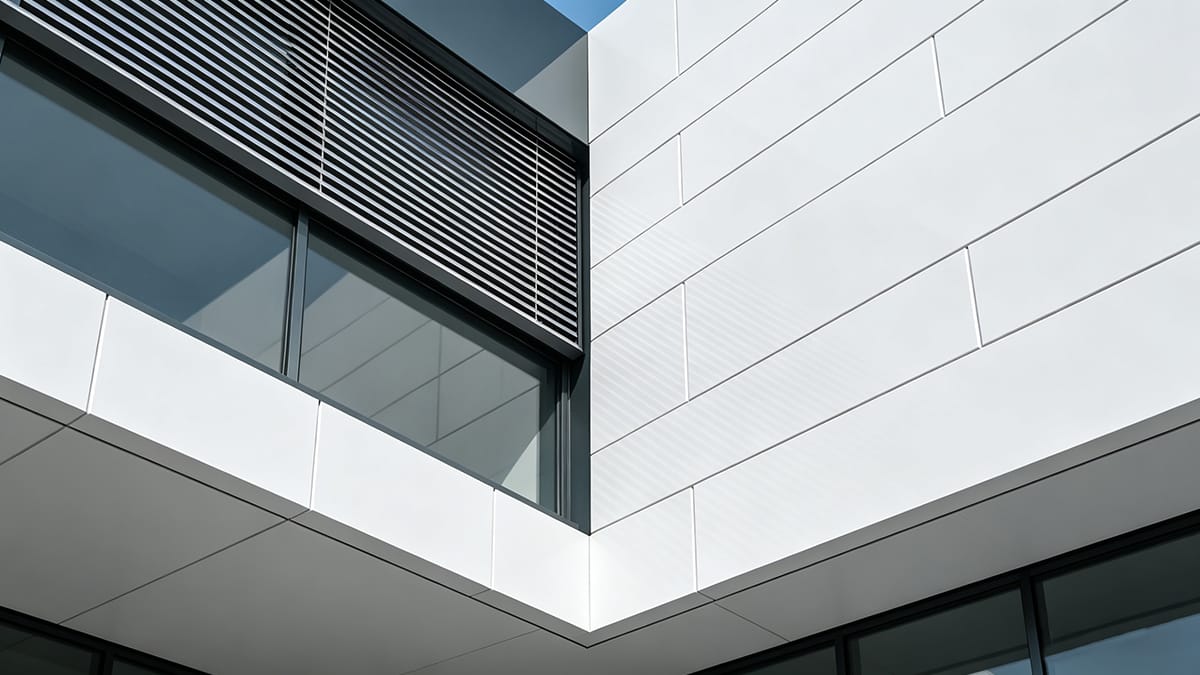
Aluminum composite material cladding comes in many thicknesses. The thickness changes how strong and bendy the panels are. It also decides where you can use them. Most panels are between 2mm and 6mm thick. The 4mm panel is the most common for outside walls. Thicker panels, like 6mm, are used when more strength is needed. Thinner panels, like 3mm, are good for inside walls and signs.
Thickness | Description |
|---|---|
3mm | Flexible, best for indoor use and signage |
4mm | Industry standard for both interior and exterior cladding |
6mm | Used for specialized exterior projects needing extra strength |
These panels also come in different sizes. The most popular size is 1220mm x 2440mm (4ft x 8ft). Other sizes are 1250mm x 3200mm and 1500mm x 3050mm. These sizes help builders cover big spaces with fewer gaps. Picking the right thickness and size is important. It helps the panels fit well and meet project needs.
Dimensions | Common Sizes |
|---|---|
Standard | 1220mm x 2440mm (4ft x 8ft) |
Other | 1250mm x 3200mm, 1500mm x 3050mm |
Surface Finishes and Coatings
The surface finish changes how the panels look and last. Many panels have special coatings to protect them from weather and sun. Some popular coatings are LUMIFLON鈩?and DURAGLOSS庐 5000. These coatings keep the panels shiny for a long time. Some panels look matte, while others are glossy or metallic. The finish can match the building鈥檚 style.
Tip: Pick a coating that works for your weather and design. Good coatings stop fading and rust.
Smooth finishes make cleaning easy. Dirt washes off without much work. Some coatings also protect against scratches and stains. The right finish makes the panels look better and last longer.
Weight and Physical Performance
Aluminum composite panel cladding is light. Most panels weigh between 3 and 8 kg for each square meter. The weight depends on how thick the panel is and what is inside. Light panels are easy to carry and put up. They do not make the building too heavy.
3mm panels are the lightest and easiest to move.
4mm panels are strong but not too heavy.
6mm panels are heavier and used for special jobs.
These panels are strong and last a long time. They can handle wind, rain, and sun. The panels do not rust and stay tough for years. Builders like these panels because they work well and last.
Fire Ratings and Compliance
Fire safety is very important for these panels. The panels must pass strict fire tests to be safe. Fire ratings show how the panels act when there is heat or fire. Building codes use ratings like A2, B1, and B-s1,d0.
Classification | Description |
|---|---|
A2 | Almost non-combustible with extremely limited contribution to fire. |
B1 | Hardly combustible, difficult to ignite, burns slowly, and produces moderate smoke levels. |
B-s1,d0 | Limited contribution to fire, very low smoke production, and no flaming droplets. |
A2 panels almost never burn. They are safe for tall buildings and places where fire safety is needed. B1 panels are hard to set on fire and burn slowly. B-s1,d0 panels make very little smoke and do not drop burning bits. Builders must check the rules and pick the right fire rating.
Note: Always check fire ratings before using these panels. Good fire ratings keep people and buildings safe.
Following fire rules is important for safety. Aluminum composite panel cladding must follow all the rules. Builders and designers use these rules to make sure the panels are safe and allowed.
Installation Methods for Aluminum Composite Material
Fabrication and Attachment Techniques
 Fabrication and Attachment Techniques
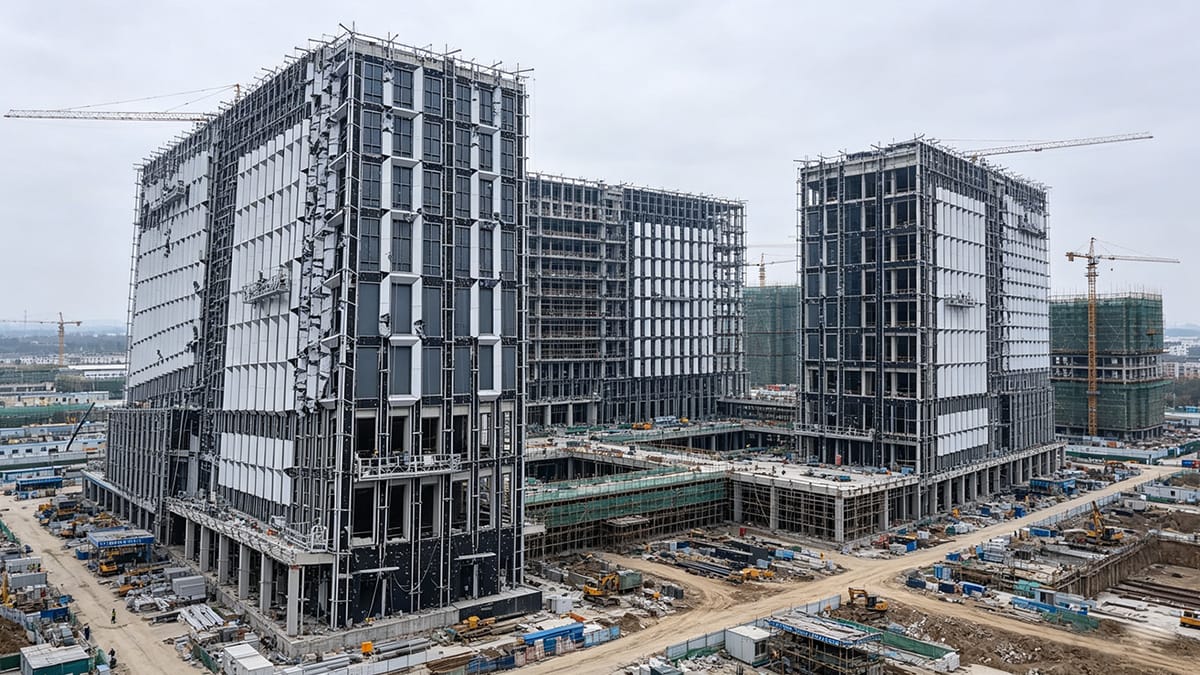
The acm panels are made with care before being put up. Workers cut and bend the panels to fit corners and edges. This makes the cladding fit well and look nice. There are different ways to attach the panels that help them work better and make repairs easier:
Standing seam connections make strong, folded joints for modern looks.
Snap-lock systems are easy to use and do not need special tools.
Interlocking systems give a smooth look and let you install in steps.
Cassette panels use hidden clips, which are good for big walls.
It is important to attach the panels the right way for strength and weather safety. Installers must make sure stress goes to the panel edges. They also use strong fasteners and check how much weight the panels can hold. These steps help keep the cladding safe and steady.
Support Systems and Fixings
Support systems hold the panels up and help them last longer. The table below shows how each system changes how the panels work and last:
Aspect | Impact on Performance and Longevity |
|---|---|
Substructure Systems | Must hold the panel鈥檚 weight, let it move, and help air flow. |
Rainscreen Systems | Make an air gap for better heat control and water drainage. |
Direct-Attach Systems | Are quick to install but may not let air move as well. |
Material Compatibility | Heavier panels need stronger brackets; lighter ones use simple systems. |
Fastener Selection | Stops bending, energy loss, and water leaks. |
Thermal Breaks | Keep energy use low and protect the cladding over time. |
Following these rules helps the cladding last longer and work better.
Best Practices for Durability
Good installation keeps the cladding strong and looking new. Here are some best ways to do this:
Seal all joints, corners, and edges with good sealants or gaskets.
Use trim and flashing to cover edges and keep out rain.
Check gaskets and fasteners before putting up the panels to stop leaks.
Seal every joint with silicone or polyurethane to block water and dust.
Look for tears or gaps before installing the panels.
If you do not control heat movement, the panels can bend or twist. Bad alignment and weak fasteners can cause problems later. Careful work during installation helps the cladding stay strong and look good for many years.
Safety and Application Suitability
Fire Safety and Certifications
 Fire Safety and Certifications
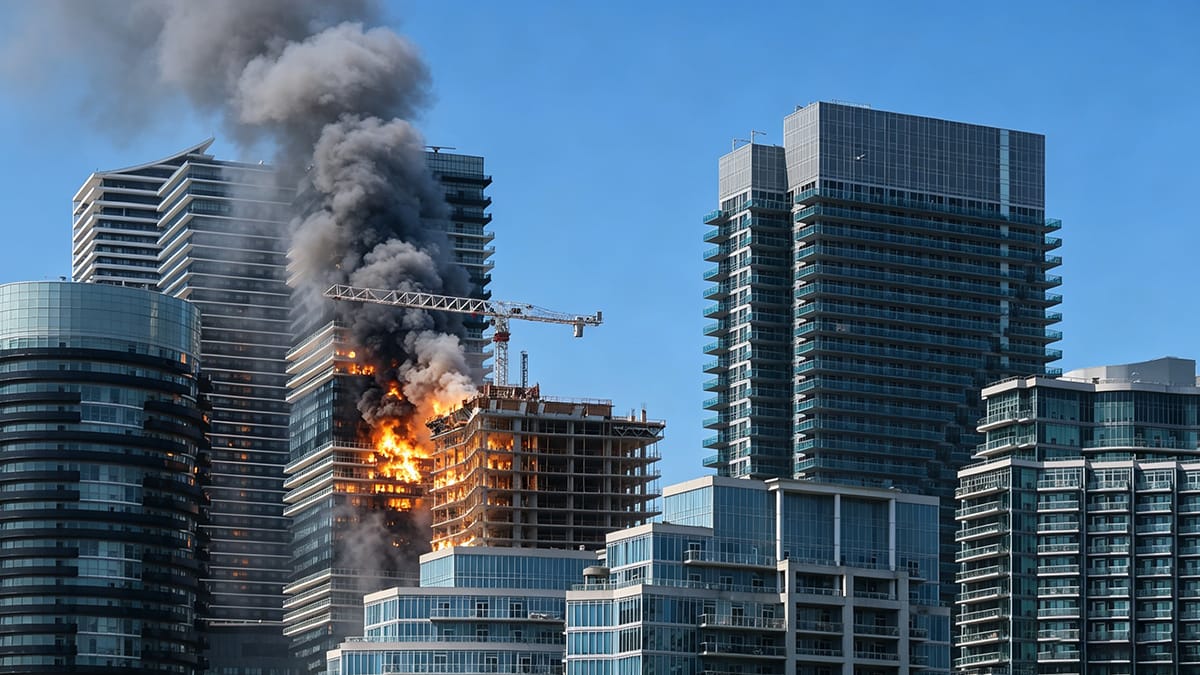
Fire safety is very important for cladding. The core inside the panels changes how they react to heat and fire. Non-combustible cores are safest for tall buildings. Fire-retardant cores protect better than polyethylene, but not as much as non-combustible ones. New aluminum composite panels use minerals to slow down fire. These panels follow strict rules like ASTM E84 and NFPA 285. Building codes need different fire ratings for different building heights and uses. The table below lists the most well-known certifications:
Standard | Description | Classification Examples |
|---|---|---|
ASTM E136 | Tests combustibility at high temperatures. | Passed by solid aluminum |
EN 13501-1 | Rates flame spread, smoke, and droplets. | A1, A2-s1,d0, B |
BS 8414 | Full-scale test for cladding systems. | Required for non-A1 materials |
AS 1530.1/3 | Australian combustibility and hazard tests. | Non-combustible aluminum |
NFPA 285 | US test for flame spread on exterior walls. | FR-core panels can pass |
ASTM E84 | Measures surface flame spread and smoke. | Class A for safe aluminum panels |
Note: Always check your local rules before picking panels for outside walls.
Environmental and Health Aspects
Caring for the environment is important in building. Aluminum composite panels use recycled materials. These panels can be recycled again and again. Recycling uses less energy than making new aluminum. This helps cut down on waste and supports green building. Many brands have green certificates. Some factories use dust collectors and machines to keep the air clean. The table below shows how different materials affect the environment:
Cladding Material | Environmental Impact |
|---|---|
Aluminum Composite Panels | Uses recycled aluminum, recyclable, supports sustainability |
Traditional Materials | Varies, sometimes higher environmental costs |
Aluminum composite panels are good for recycling and save energy.
Using recycled aluminum and polymers helps the planet.
Physical separation keeps recycling clean.
These panels are easy to design with and stand up to weather.
Suitable Building Applications
Cladding is used in many building parts. Panels cover curtain walls, outside walls, and inside walls. They protect buildings and make them look nice. Panels are also used for signs because they are light and easy to cut. Builders use panels for canopies, soffits, and in modular buildings. Inside, columns and wall panels can use cladding too. Here are some common uses:
Signs for stores and offices
Inside wall features and columns
Canopies, soffits, and fascia
Modular buildings and factories
Panels are good for both business and home buildings. They last a long time, are easy to clean, and help with green goals. Cladding keeps buildings strong and looking new.
Picking the right aluminum composite material cladding means you need to know the technical specifications. These details change how safe, strong, and expensive the panels are. The table below shows what you should look for:
Specification Type | Why It Matters |
|---|---|
Keeps buildings safe | |
Durability | Reduces long-term costs |
Insulation | Improves energy efficiency |
You should always check datasheets and test reports. Ask experts for help before you choose.
For the best results, talk to professionals and keep up with building rules.
FAQ
 FAQ
FAQWhat are aluminum composite panels made of?
Aluminum composite panels have two thin aluminum sheets. There is a core between these sheets. The core can be plastic or mineral. This makes the cladding system strong and light. Many buildings use these panels on outside walls.
Why do builders choose aluminum composite panels for a cladding system?
Builders like aluminum composite panels because they are easy to put up. The panels are light and strong. The cladding system gives buildings a modern look. It also keeps walls safe from rain and sun. Many projects use these panels for safety and style.
How does a cladding system help with fire safety?
A cladding system with aluminum composite panels can slow down fire. Some panels have fire-resistant cores inside. These cores help meet building rules. Always check the fire rating before picking panels. Fire safety matters for tall buildings.
Can aluminum composite panels be used inside buildings?
Yes, aluminum composite panels work well inside buildings. The cladding system can cover walls, columns, and ceilings. These panels make rooms look modern. They are also easy to clean. Many schools, offices, and stores use them for decoration.
How do you keep aluminum composite panels looking new?
Wash aluminum composite panels with mild soap and water. Check the cladding system for damage every year. Fix any loose panels right away. Good care helps the panels last longer and keeps the building looking nice.