
07 Apr Aluminum Wall Panels Interior Review For Modern Homes
You can find aluminum wall panels interior in many modern homes. Aluminum composite panels are popular because they are light and look nice. Polyethylene cladding is cheaper and easy to install fast. Interior aluminum wall panels help protect your rooms. They are strong, resist fire well, and keep out moisture. You can use aluminum wall panels interior in many styles. The table below shows how aluminum wall panels interior are good for strength, fire safety, and keeping out water.
Advantage | Details |
|---|---|
Durability | Aluminum wall panels interior last a long time and need little care. |
Fire Resistance | Aluminum wall panels interior follow strict rules for fire safety. |
Moisture Resistance | Aluminum wall panels interior keep rooms dry and stop water damage. |
2026 Update: Quick Answer for Aluminum Wall Panels Interior Review For Modern Homes
Reviewed 29 July 2026. The key is to treat ACP as a specified multi-layer panel, not a generic sheet. Its performance depends on the aluminum skins, core, bonding, coating, dimensions, fabrication, support, joints, exposure, and evidence required for the project.
- Define the application and service environment first.
- Specify the complete construction instead of relying on a product name.
- Review samples, technical data, applicable test evidence, and warranty scope.
- Coordinate fabrication, installation, inspection, and maintenance responsibilities.
This update keeps the original topic and search intent while making the decision criteria clear at the start. Project-specific engineering, regulations, test evidence, and supplier documentation remain controlling.
Key Takeaways
Aluminum wall panels are light. They are simple to put up. This makes them a good pick for modern homes.
These panels stop moisture and fire well. They help keep places like kitchens and bathrooms safe and strong.
They do not need much care. You just wipe them with a soft cloth and mild soap. This keeps them looking nice and new.
You can pick colors, finishes, and designs. This lets you match your home’s style.
Aluminum wall panels are good for the planet. They are made from materials you can recycle. Their shiny surfaces can help lower energy bills.
Aluminum wall panels interior basics
 What are aluminum wall panels?
 What are aluminum wall panels?
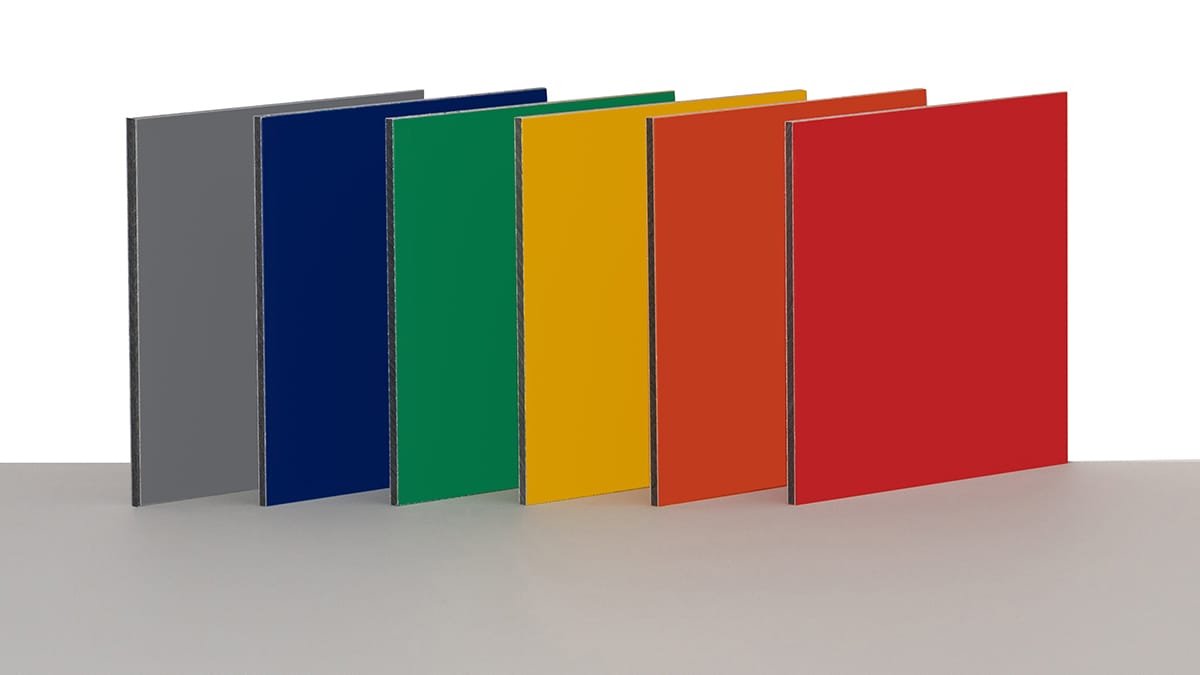
Aluminum wall panels are in many new homes and buildings. These panels use 3000 or 5000 series aluminum alloy. Each panel has a veneer, a stiffener, and a bracket. Indoor panels often have polyester or powder coatings. They feel much lighter than ceramic or glass panels. You can cut them, weld them, or bend them into shapes. Some panels have sound-absorbing materials for better sound. They do not catch fire easily and do not make toxic smoke. These panels are good for the earth because you can recycle them. You can pick from many colors and designs.
Characteristic | Description |
|---|---|
Made with aluminum alloy, veneer, stiffener, and bracket. | |
Surface Coating | Uses polyester and powder coating for inside use. |
Thickness | Interior panels are thinner, like 2.5mm or 3.0mm. |
Weight | Lighter than ceramics and glass. |
Durability | Stays strong against weather, UV, and rust; keeps color and shine. |
Processing Performance | Simple to cut, weld, and bend. |
Sound Insulation | Some have sound-absorbing materials. |
Flame Retardancy | Stops flames well and does not make toxic smoke. |
Environmental Impact | Fully recyclable and good for the planet. |
Aesthetic Options | Many colors, even custom choices. |
Benefits for modern interiors
Aluminum wall panels give you many good things in your home. They keep out water, so rooms like kitchens and bathrooms stay dry. The panels look modern and reflect light to make rooms bright. You can order special panels for your own designs. You do not need to clean them much because they are easy to care for. They help you follow fire safety rules with safe cores. These panels use recycled materials, so they are green. You can add lights or tech without making the room messy.
Benefit | Description |
|---|---|
Keeps rooms dry, great for kitchens and bathrooms. | |
Modern Aesthetic Appeal | Makes rooms look sleek and bright. |
Custom Fabrication | Lets you make your own designs and layouts. |
Low Maintenance | Needs little cleaning or care. |
Fire Safety Compliance | Follows strict fire safety rules. |
Sustainable and Recyclable | Uses recycled materials and can be recycled again. |
Integration With Lighting | Easy to add lights and tech. |
Tip: Pick aluminum wall panels for style and safety. They are great for homes that need easy care and a modern look.
Common applications
You see aluminum wall panels in lots of places. Offices use them for walls and decoration. Restaurants put them on walls and dividers to make eating nicer. Exhibition spaces use panels for displays and walls. In homes, you find them in living rooms and dining rooms for style and to split spaces. These uses show how flexible aluminum wall panels are for many needs.
Room Type | Application Description |
|---|---|
Offices | Used for walls and decoration. |
Restaurants | Put on walls and dividers for better dining. |
Exhibition Spaces | Used for displays and walls. |
Residential Areas | Found in living and dining rooms for style and to split spaces. |
Choosing aluminum wall panels for interiors
Durability and resistance
 Durability and resistance
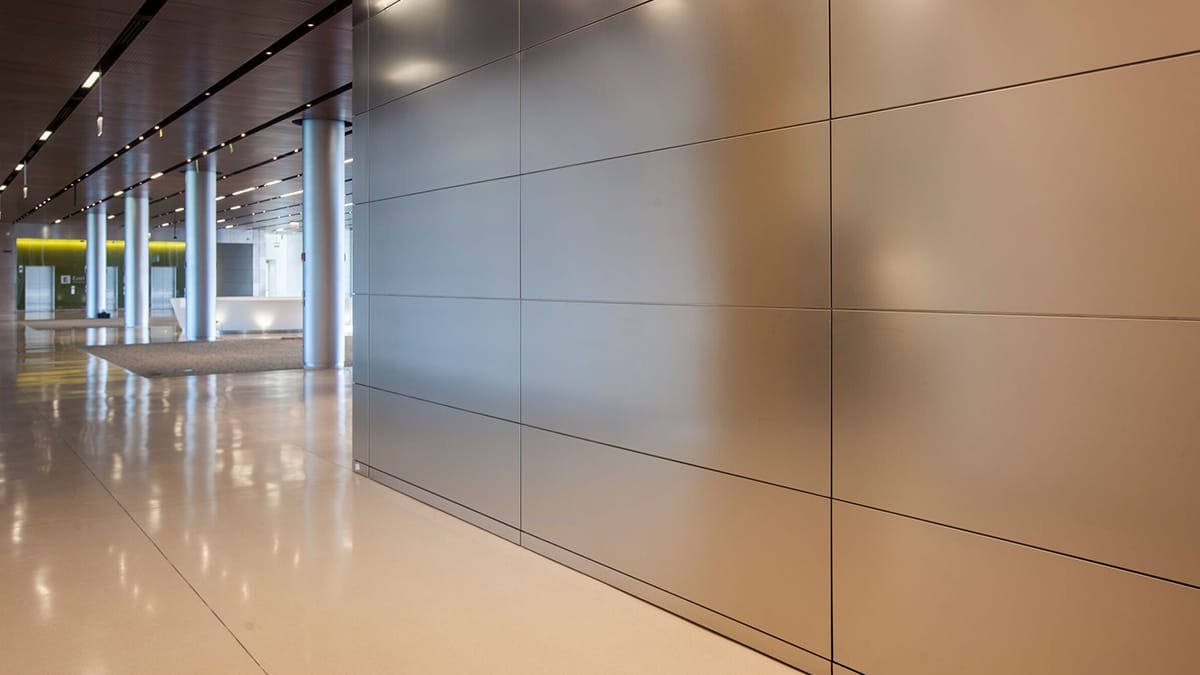
Aluminum wall panels are made to last a long time. They stay strong and look nice for years. You need to check which aluminum alloy is used. The 1000 and 3000 series are good for homes. These alloys do not rust and are easy to shape. Powder coating or anodizing makes panels tougher. These coatings stop scratches and fading. Solid panels are the strongest. Composite panels are also strong for most rooms. Special coatings keep panels shiny and clean in busy places.
Factor | Description |
|---|---|
Material Selection | Pick the right alloy for strength and rust resistance. |
Surface Treatment | Choose powder coating or anodizing for better durability and color. |
Environmental and Safety | Look for low VOC panels that are safe for indoor air. |
Installation Adaptability | Make sure the panels fit your walls and are easy to install. |
Fire and moisture protection
Aluminum wall panels help keep your home safe. They do not burn easily. Most panels follow fire safety rules for homes. Composite panels with fire-safe cores give extra safety. Kitchens and bathrooms can get wet. Aluminum panels keep water out and stop mold. Extra coatings add more moisture protection. You can use these panels in any room that needs to stay dry and safe.
Cost and value
Aluminum wall panels are a good deal for your money. The price changes based on the panel type and finish. Solid panels cost more but last longer. Composite panels are cheaper and still look good. Here is how aluminum panels compare to other wall finishes:
Type of Wall Paneling | Average Cost Per Square Foot |
|---|---|
Beadboard | $7鈥?20 |
Board and Batten | $7鈥?20 |
Flat Panel | $7鈥?10 |
Raised Panels | $10鈥?30 |
Shiplap | $1鈥?30 |
Wainscoting | $1鈥?10 |
Overlay | $10鈥?40 |
Aluminum panels often save money over time. They last long and need little care.
Eco-friendliness
Aluminum wall panels are good for the planet. Many panels use recycled metal. You can recycle them again when you remodel. Low VOC panels keep your air clean. Aluminum panels can last more than 50 years. Their shiny surface reflects light and saves energy. Many brands help with green building and eco-friendly projects.
Panels use recycled metal and are fully recyclable.
Reflective surfaces help lower energy use.
Panels last for decades, reducing waste.
Tip: Choosing aluminum wall panels helps your home and the earth.
Types of interior metal siding
Solid aluminum panels
Solid aluminum panels are a strong choice for metal siding. These panels use one sheet of aluminum. They are tough and can take hits without damage. Solid panels are good for places that need strength, like entryways or hallways. They do not rust and last a long time. These panels are heavier and harder to put up. But they work best in spaces that need extra strength.
Aluminum composite panels
Aluminum composite panels, called ACPs, have two thin aluminum sheets and a core made of plastic or minerals. This makes them lighter and easier to move than solid panels. You can bend and shape them for cool designs. They cost less and are quick to install. People use them in modern homes for walls or ceilings. The table below shows how ACPs and solid aluminum panels are different:
Feature | Aluminum Composite Panel (ACP) | Solid Aluminum Sheet |
|---|---|---|
Construction | Two aluminum sheets with a non-aluminum core | Single, solid sheet of aluminum |
Weight | Lighter | Heavier |
Durability | Strong, less impact-resistant | Highly durable, impact-resistant |
Corrosion Resistance | Good | Excellent |
Flexibility | Very flexible | Less flexible |
Installation | Easy and fast | More labor-intensive |
Cost | More affordable | More expensive |
Applications | Interior design, cladding | High-strength needs |
Tip: Pick ACPs if you want easy setup and cool designs. Choose solid panels for the strongest walls.
Fasade panels (PVC with foil finish)
Fasade panels use PVC with a thin foil that looks like metal. You can use them for quick changes in kitchens, bathrooms, or accent walls. They are light and easy to cut. You get the look of metal panels for less money. Fasade panels keep out water and stains, so cleaning is simple. They are best for decoration and light-duty siding.
Advanced coatings (Kynar, etc.)
Advanced coatings like Kynar make metal siding better. These coatings stop panels from fading or getting stained. You get bright colors that last a long time. Kynar coatings reflect sunlight and keep rooms cooler. This can help lower your energy bills. Here are some good things about advanced coatings:
Colors stay bright and do not fade.
Panels resist damage from chemicals and pollution.
Coatings last a long time without peeling or cracking.
Reflective surfaces help save energy.
You can count on advanced coatings to keep your metal siding looking new and working well for years.
Top aluminum wall panels for interiors
Alcadex panles
 Alcadex panles
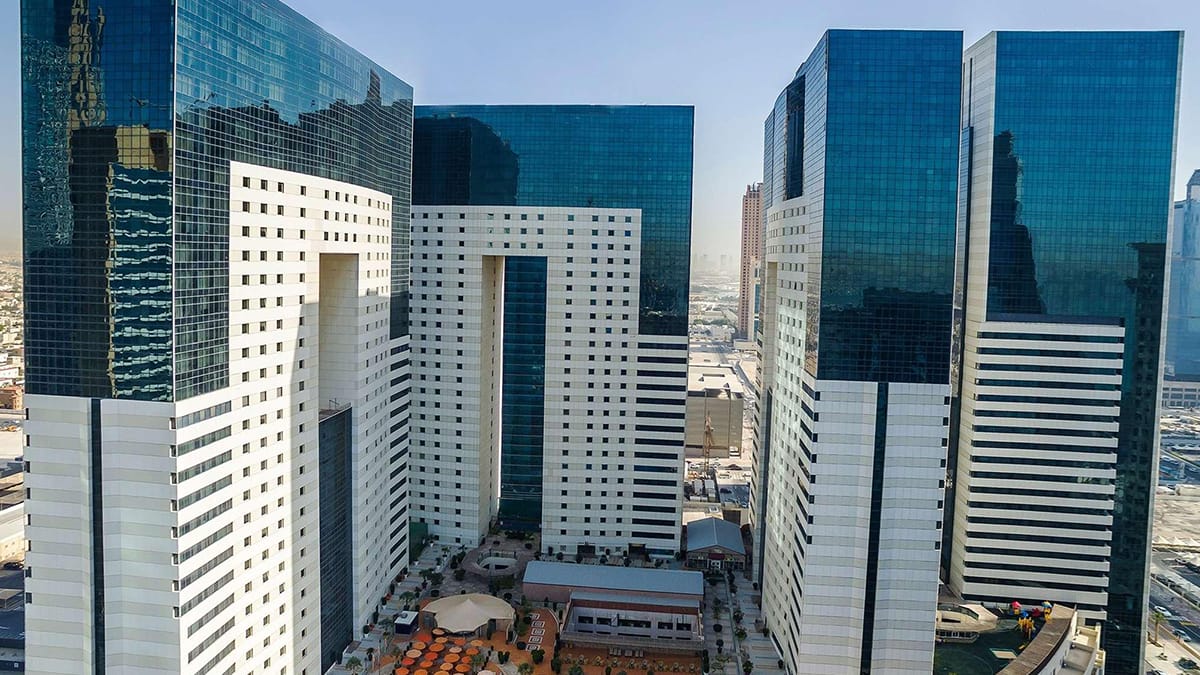
You can pick ALCADEX wall panels for many rooms. These panels use advanced aluminum composite technology. They are light, so you can move them easily. The surface stays smooth and flat. This makes your walls look modern. You can choose from many finishes like metallic, matte, and wood grain. Alucoil Larson panels do not let water or stains in. You can clean them with a soft cloth. They work well in kitchens, bathrooms, and living rooms. You can cut and install them fast because they are flexible. These panels last a long time, even in busy places.
Note: Alucoil Larson panels help you make stylish rooms with less work. You can match them to your favorite colors and textures.
Alucobond Plus
Alucobond Plus panels are safe and strong. You can use them in homes where fire safety is important. The panels have a fire-retardant core. This gives you peace of mind and lets you design freely. The surface stays flat and is easy to shape. You can make cool wall patterns or smooth walls. Alucobond Plus follows strict fire codes like the 2024 International Building Code and NFPA 285 Standard Fire Test. You can trust these panels to last a long time.
Evidence Description | Details |
|---|---|
Performance Benefits | Alucobond Plus is flat, easy to shape, and lasts long in walls. |
Safety Assurance | The fire-retardant core keeps you safe and lets you design how you want. |
Fire Safety Compliance | Alucobond Plus meets the 2024 International Building Code and NFPA 285 Standard Fire Test. |
Durability | The material works well in many places and lasts a long time. |
Fire Retardant Core | Alucobond Plus was made to meet tough fire rules, so you can trust it. |
Design Flexibility | You can make creative designs and still have safety and strength. |
Tip: Use Alucobond Plus in rooms where you want both safety and style. The panels let you make cool spaces and keep you protected.
Reynobond
Reynobond panels are strong and flexible. You can use them for walls, ceilings, or room dividers. The panels use aluminum composite construction. They are light and easy to put up. Reynobond panels do not dent or scratch easily. You can clean them with mild soap and water. The panels come in many colors and textures. You can match them to your home鈥檚 look. Reynobond panels are good for busy rooms like hallways and kitchens. You can count on them to work well for years.
Note: Reynobond panels help you make modern rooms with less cleaning. You can pick finishes that fit your style.
MCM panels
MCM panels, or Metal Composite Material panels, have special benefits for inside walls. These panels are light, so you can move them easily. You can bend them into curves or cool shapes. The panels have a plastic core, which makes them flexible. You need to be careful when putting them up, especially in tall rooms. MCM panels need NFPA 285 assembly if the wall is over 40 feet high. If they get damaged, fixing them can be hard. You can use MCM panels for bold designs and fun patterns.
Feature | MCM Panels | Solid Aluminum Plates |
|---|---|---|
Weight | Light and easy to move | Heavier, needs more people to install |
Shape Flexibility | Can be bent into many shapes | Only flat shapes |
Core Material | Plastic core, can get damaged | Solid aluminum, very strong |
Combustibility | Needs NFPA 285 assembly for tall walls | Does not burn, no special assembly needed |
Repairability | Hard to fix small damage | Small damage is easy to fix |
Tip: Use MCM panels for creative walls and ceilings. Pick them when you want shapes and patterns that stand out.
Fasade wall panels
Fasade wall panels use PVC with a foil finish. You can put them up fast for a new look. The panels hide screws, so your walls look neat. You do not need to paint them often. Fasade panels last longer and give you good value. You can pick from many textures and colors. The panels work inside and outside. You need to seal them well to keep water out. The finish can change in different weather. You must use a strong backup wall for best results.
Key Features | Limitations |
|---|---|
Fewer visible screws for a cleaner look | Bad sealing can let water in |
Low maintenance: no frequent repainting needed | Needs a strong wall behind it |
Longer lifespan for better ROI | Finish may change in some weather |
Design flexibility with various textures/colors | Design must match what the panel can do |
Versatile for both interior and exterior use |
|
Key Features:
Multi-layer system for better performance.
Saves energy and works well.
Seals tight to keep air and water out.
Many finish choices for your design.
Fast to put up, saves time.
Good for the planet and saves money.
Limitations:
Needs careful installation to work right.
May not work the same in all weather.
Note: You can use Fasade wall panels for quick changes. Follow the steps to keep your walls dry and strong.
Product features and comparisons
Key features
 Key features
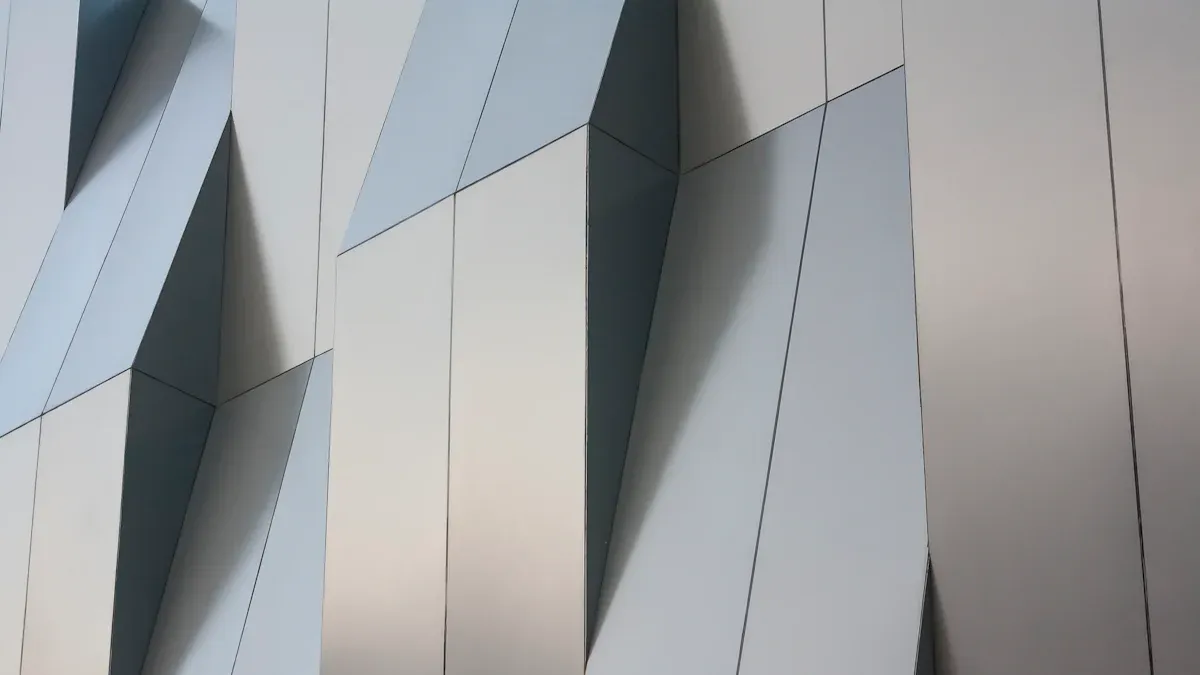
When you pick aluminum wall panels for your house, you want to know what makes them special. You should see how well the panels keep out heat and noise. Strong panels help protect your walls from bumps and scratches. Honeycomb panels are even stronger and last longer than wood or foam. Aluminum panels are light, so you can move them easily. Most panels do not need much cleaning, but they work best when made carefully.
Feature | Description |
|---|---|
Insulation Properties | Good heat and noise insulation, reduces vibration. |
Strength | High strength and stiffness for their weight, excellent impact resistance. |
Durability | Honeycomb panels outperform wood and foam cores in strength and durability. |
Aesthetics | Lightweight and easy to handle, suitable for modern construction. |
Maintenance Requirements | Requires precise manufacturing for best performance, but generally low maintenance. |
Pros and cons
Aluminum wall panels have many good points, but there are some downsides too. These panels keep out water and look nice in any room. You save money because they last a long time and do not need much cleaning. Some panels can get dents if you hit them hard. You might need more insulation for sound or heat. Some types must follow strict fire safety rules. The color can fade after many years. Some panels use materials that are not always best for the earth.
Pros | Cons |
|---|---|
Denting | |
Aesthetic versatility | Additional insulation needs |
Cost savings | Fire safety concerns |
Durability | Environmental impact |
Low maintenance | Color fading over time |
Tip: Always check the panel鈥檚 finish and core before you buy. This helps you avoid problems later.
Best use cases
You can use aluminum wall panels in lots of rooms. They work best where you need strong walls and easy cleaning. Kitchens and bathrooms stay dry because aluminum does not rust or soak up water. You can use these panels in living rooms for a modern look. They also fit well in offices and busy hallways. If you want walls that last and look good, aluminum panels are a smart choice.
Aluminum panels are great for wet places because they do not rust or soak up water. You can use them in bathrooms, kitchens, or by the pool. They will stay strong and look nice without much work.
You can pick panels with special finishes for accent walls or cool designs. If you want to save energy, choose panels with shiny coatings. For busy areas, solid panels give you extra strength.
Design and style options
Finishes and textures
There are many finishes and textures for aluminum wall panels. These choices help you get the look you want at home. Some finishes look like wood, stone, or metal. Matte woodgrains look natural and do not need care. Bronzes and brasses make your walls feel warm. Blackened steels can look rough or smooth. Coppers can look new or old. Silvers shine and make your room brighter. Rusts and stones make your walls interesting and special. Graphics let you pick designs that are not plain.
Finish Type | Description |
|---|---|
Matte Woodgrains | Realistic finishes that require no maintenance. |
Bronzes | Warm and golden finishes with varying sheen. |
Blackened Steels | Ranges from rugged to refined appearances. |
Brasses | Adds opulence and modernity to designs. |
Coppers | Available in fresh to patinated looks. |
Silvers | Offers surface effects and light reflection. |
Rusts | Provides warmth and interest to projects. |
Stones | Durable and lighter than natural stone. |
Graphics | Diverse designs beyond standard finishes. |
Tip: Try using more than one finish for a cool look in your rooms.
Colors and patterns
Colors and patterns can change how a room feels. Bright colors make rooms feel happy and fun. Soft colors make rooms calm and quiet. Patterns can make people look at one spot in the room. Some finishes bounce light and make rooms seem bigger. Wood-like patterns make rooms feel cozy. Metallic sheens give a modern look. You can use colors to set the mood and match your style.
Aspect | Description |
|---|---|
Visual Interest | Enhances the overall look of a space with various colors and patterns. |
Focal Points | Certain designs can draw attention and create a central feature in the room. |
Light Reflection | Different finishes reflect light uniquely, affecting the brightness and mood of the interior. |
Texture Variety | Options like wood-like finishes or metallic sheens add depth and character to flat walls. |
Color choices can influence the emotional atmosphere, enhancing the room’s vibe. |
Note: Use colors and patterns to make each room look the way you want.
Customization
You can change aluminum wall panels to fit what you need. Companies let you pick the size, shape, and thickness. You can get big panels for large walls. You can choose solid, honeycomb, or sandwich types for different looks and strength. Surface finishes include PVDF, anodizing, and powder coating. You can pick from many colors, like RAL colors, wood grain, stone grain, or even your own color. Some panels help with sound for a quieter room. You can also get panels that are safer in a fire.
Thickness can be from 1mm to 10mm for your project.
Custom designs help you match your home鈥檚 look.
Tip: Custom panels help you get the exact look you want for every room.
Installation and maintenance
 Installation methods
 Installation methods
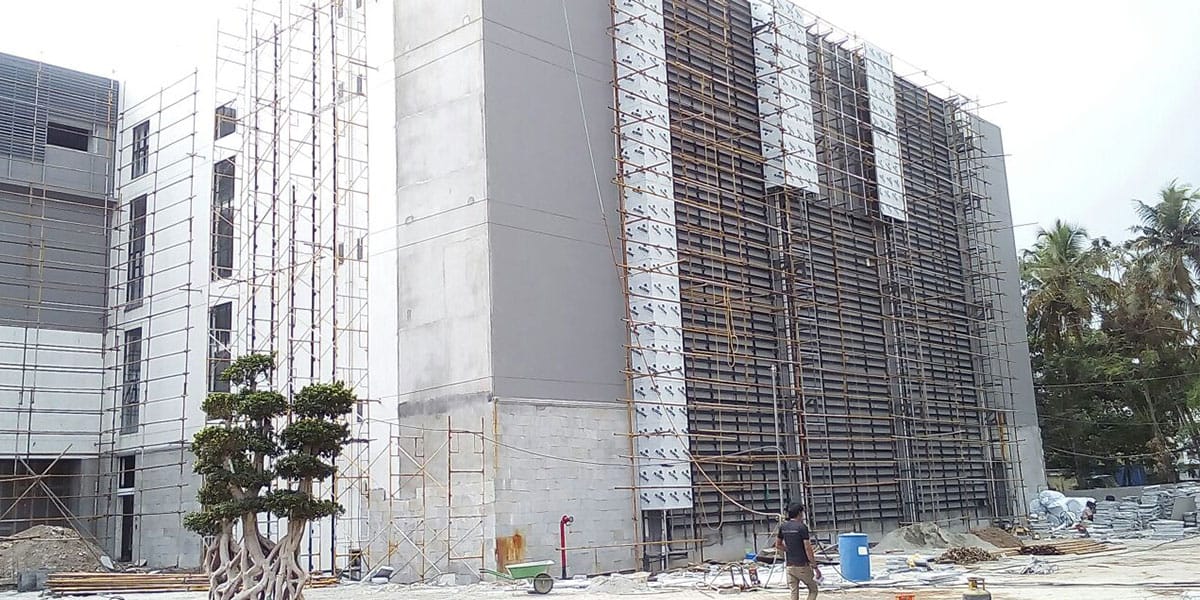
You can install aluminum wall panels in your home with a few clear steps. Start by checking that your wall is flat and clean. This helps the panels stick well. Measure your wall and mark where each panel will go. Use VHB tape on the frame for a strong hold. You can also use screws or rivets for extra support. Make sure each panel lines up before you press it onto the frame. Keep your work area dry so the panels bond well. After you finish, check each panel for gaps or loose spots.
Step | Description |
|---|---|
1 | Check the surface for flatness and cleanliness to ensure proper bonding. |
2 | Measure the wall and mark mounting points for alignment. |
3 | Use VHB tape for a strong bond, applying it to the frame before placing the panel. |
4 | Optionally, use screws or rivets for additional support. |
5 | Ensure proper alignment before pressing the panel onto the frame. |
6 | Maintain a dry work area to prevent weakening of the bond. |
7 | Inspect each panel after installation for gaps or loose spots. |
Tip: Careful installation helps your panels last longer and keeps them looking new.
DIY vs. professional
You might want to install panels yourself to save money. DIY installation can cost less at first, but it may lead to mistakes. If you do not install the panels right, you could face higher costs later. Professional installers charge more upfront, but they have the skills to do the job well. This means your panels will last longer and need less fixing.
Installation Type | Cost Factors | Outcome Factors |
|---|---|---|
DIY Installation | Potentially lower initial costs, but may incur hidden costs due to complexities. | May result in improper installation leading to higher long-term costs. |
Professional Installation | Higher upfront costs, but includes expertise that can mitigate hidden costs. | Generally yields better durability and lower life-cycle costs due to proper installation. |
Note: Professional installation often gives you better results and helps keep your panels low maintenance.
Maintenance tips
Aluminum wall panels give you low maintenance and easy care. You should clean them with a soft cloth and pH-neutral soap. This keeps the surface from getting scratched. Dry the panels after cleaning to stop water stains. Check your panels often for any problems. If you live in a city, clean your panels once a month. These steps help your panels stay bright and strong for years.
Clean panels with non-abrasive cloths and pH-neutral detergents.
Dry panels after cleaning to prevent water stains.
Inspect panels regularly for any issues.
Adjust cleaning frequency based on your environment, with monthly cleaning in urban areas.
Tip: Following these steps keeps your aluminum wall panels low maintenance and looking their best.
You can enjoy low maintenance panels that save you time and effort. With the right care, your panels will stay beautiful and strong for a long time.
You can pick from different aluminum wall panels. Aluminum composite panels are good for decorating inside. They also work well for custom designs. Solid aluminum panels are strong for busy rooms. Make sure the color and style match your home. Think about how much money you want to spend. Decide how much time you want to spend on care. Look at this table to see where each panel works best:
Panel Type | Best Use |
|---|---|
Aluminum Composite Panels | Living rooms, offices, kitchens |
Solid Aluminum Panels | Hallways, entryways |
For best results, follow the installation steps. Clean panels with a soft cloth to keep walls looking nice.
FAQ
How do aluminum wall panels improve my renovation?
You get a modern look and strong protection for your walls. Aluminum panels resist moisture and fire. You can install them quickly during renovation. They help you create stylish rooms that last for years.
Can I use aluminum wall panels for renovation projects in wet areas?
You can use aluminum wall panels in kitchens and bathrooms. These panels keep water out and stop mold. You get easy cleaning and a fresh look for your renovation projects.
Are aluminum wall panels considered durable metal siding?
Yes, aluminum wall panels are a type of durable metal siding. You get long-lasting walls that resist dents and scratches. These panels work well in busy rooms and keep their color over time.
Do I need special tools to install aluminum wall panels?
You need basic tools like a tape measure, drill, and screws. Some panels use VHB tape for easy mounting. You can install panels yourself or hire a professional for best results.
How do I keep aluminum wall panels looking new?
You should clean panels with a soft cloth and mild soap. Dry them after cleaning to avoid water spots. Check panels often for damage. Regular care helps your walls stay bright and strong.