Electronics Production
Interior wall and partition panels for areas handling electronic assemblies and sensitive components.

Anti-static ACP uses a functional coated face for projects that specify surface-resistance performance in electronics production, cleanrooms, laboratories and other controlled interiors.
The required resistance range, test method, panel build, fire requirement, dimensions, finish and cleaning conditions should be stated with the enquiry so the proposed panel matches the requested criteria.
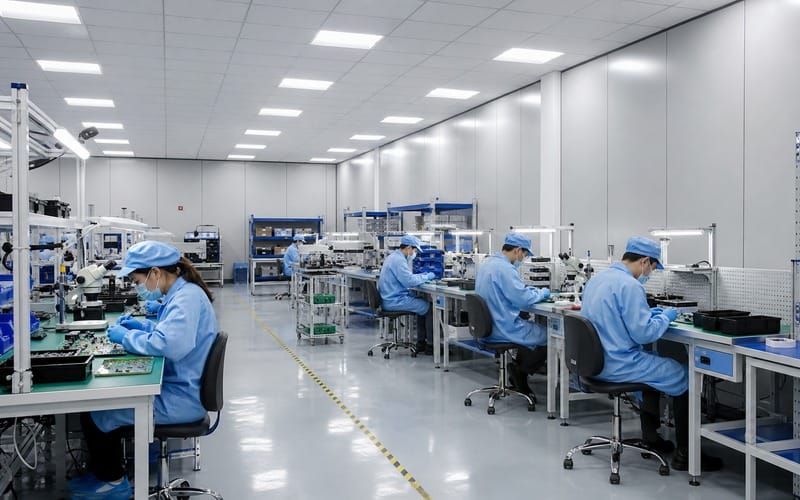
Anti-static requirements vary by facility and test method. Define the controlled area and required surface performance before selecting the panel build.
Interior wall and partition panels for areas handling electronic assemblies and sensitive components.
Smooth coated panel surfaces for controlled rooms with specified static and cleaning requirements.
Interior linings and enclosure panels where a defined anti-static surface is part of the material schedule.
Fabricated panels, access sections and protective interior surfaces for static-sensitive work zones.
A general ACP description is not enough for a functional surface. State the measurable performance criteria and the complete panel construction required for the project.
| Decision Point | What to Confirm | Why It Matters |
|---|---|---|
| Surface performance | Required resistance range, test method, acceptance conditions and reporting format. | Defines the functional coating criterion used for product review. |
| Environment | Room use, temperature and humidity conditions, cleaning method and expected contact. | Helps confirm the proposed surface and care requirements. |
| Panel build | Overall thickness, aluminium skins, core type and finished dimensions. | Matches rigidity, weight and fabrication needs to the intended component. |
| Fire requirement | Required core classification and the applicable project or market standard. | Identifies the fire-rated construction and documents to review. |
| Colour & finish | Colour reference, gloss level, visual consistency and sample requirement. | Provides a clear approval route for the visible coated face. |
| Processing | Cut sizes, openings, CNC profiles, holes, tolerances and quantity. | Allows functional panels to be supplied as sheets or prepared components. |

The functional face can be selected against a stated resistance range and test method for the intended controlled interior.

A flat coated face supports a clean visual finish and routine care according to the approved product guidance.

Composite construction balances manageable panel weight with the stiffness needed for interior linings, partitions and fabricated components.

Thickness, aluminium skins, core type, colour and finished dimensions can be reviewed as one coordinated specification.

Colour references, gloss level and surface appearance can be approved before production for repeated panels within the same order.

Panels can be cut, routed, drilled and prepared from confirmed drawings while protecting the specified functional surface.
Use the anti-static product page for panel details, then confirm any fire-rated construction, processing and document requirements with the enquiry.
Review the functional surface, panel build, colour options and configurable dimensions.
Explore productCompare core constructions when the controlled area also has a stated fire requirement.
Explore productPrepare cut sizes, CNC profiles, holes and repeated components from approved drawings.
Explore detailsReview available product documents and confirm applicability to the quoted construction.
Explore detailsProcessing requirements should identify the finished part, surface orientation and dimensions so the functional face is handled consistently.
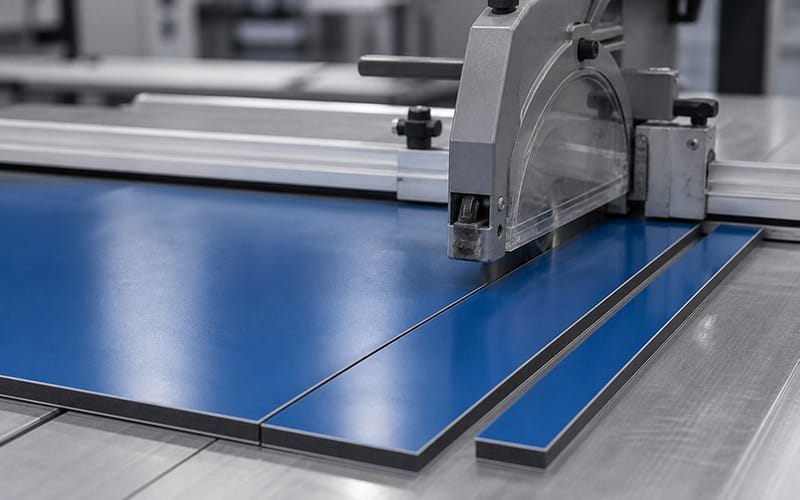
Cut sheets and interior panels to confirmed finished dimensions and quantities.
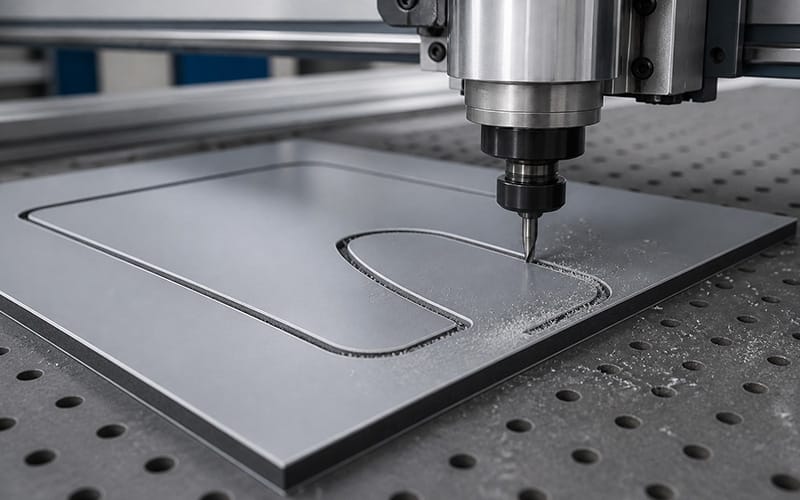
Machine repeated profiles and equipment openings from approved digital files.
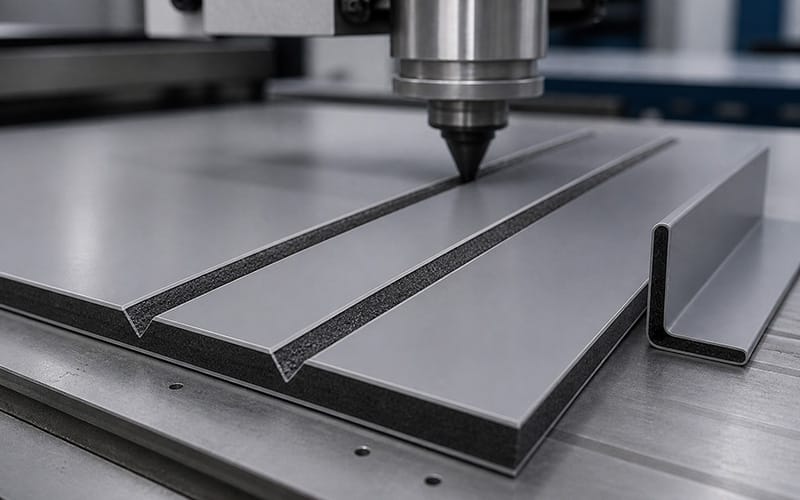
Prepare controlled grooves where folded returns or formed components are specified.
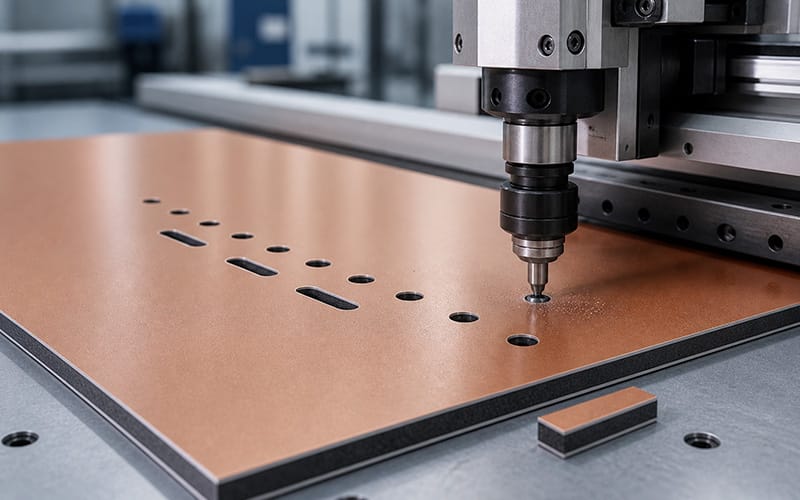
Produce stated holes and access openings while maintaining the approved panel layout.
The enquiry records the required resistance range, test method and stated acceptance conditions.
Available surface-performance information is matched to the exact panel construction proposed in the quotation.
Colour, gloss and visible surface quality can be confirmed against the agreed reference or sample.
Dimensions, profiles, holes and surface orientation are checked before factory preparation begins.
State the required resistance range, test method, acceptance conditions and environment rather than relying only on the term anti-static.
Colour and gloss options can be reviewed with the required functional surface and order quantity. Sample approval should be stated in the enquiry.
Yes. Cut sizes, CNC profiles, holes and openings can be quoted from confirmed drawings while the functional face is identified.
Request product information that corresponds to the proposed surface, test method and complete panel build, plus the required order documents.
Talk to the ALCADEX team
Tell us about your application and operating environment. Include the required surface resistance and test method, if specified.