
01 Apr A Complete Guide to Fire-Resistant Aluminum Wall Panels for Interior Spaces
You should know why fire-resistant ACP panels are important for safety. These aluminum wall panels interior have mineral-filled cores or special coatings. They help slow down flames and stop heat from spreading.
Fire Class | Use Case | |
|---|---|---|
Standard PE Core | B2鈥揃3 | Low-rise signs and inside spaces |
FR (Mineral-Filled) | A2 or B | Mid- and tall buildings and risky places |
Fire-resistant aluminum wall panels slow flames and keep temperatures steady for up to 120 minutes.
Some people think insulated metal panels cannot be used in fire-rated walls, but this is not true.
2026 Update: Quick Answer for A Complete Guide to Fire-Resistant Aluminum Wall Panels for Interior Spaces
Reviewed 29 July 2026. Fire performance must be evaluated from the specified panel and the complete wall assembly. Core labels, marketing names, or a single laboratory result should not be treated as proof that every fa莽ade configuration complies.
- State the jurisdiction, building type, height, occupancy, and required test method.
- Verify the exact tested panel construction, joints, insulation, cavity barriers, subframe, and fixings.
- Match certificates and reports to the supplied product and current scope.
- Have the project fire professional and authority review system-level requirements.
This update keeps the original topic and search intent while making the decision criteria clear at the start. Project-specific engineering, regulations, test evidence, and supplier documentation remain controlling.
Key Takeaways
Fire-resistant aluminum wall panels slow down flames. They keep temperatures steady for up to 120 minutes. This helps make buildings safer.
Pick panels with a fire resistance-rated core. This makes sure they can handle fire. It gives people more time to leave safely.
Check and care for aluminum wall panels often. This stops damage and keeps their fire-resistant features strong.
Choose panels that meet high fire safety standards. These panels protect people and follow building rules.
Aluminum wall panels let you design in many ways. You can make modern and nice interiors. They also keep fire safety in mind.
Aluminum Wall Panels Interior: What They Are
Key Features and Composition
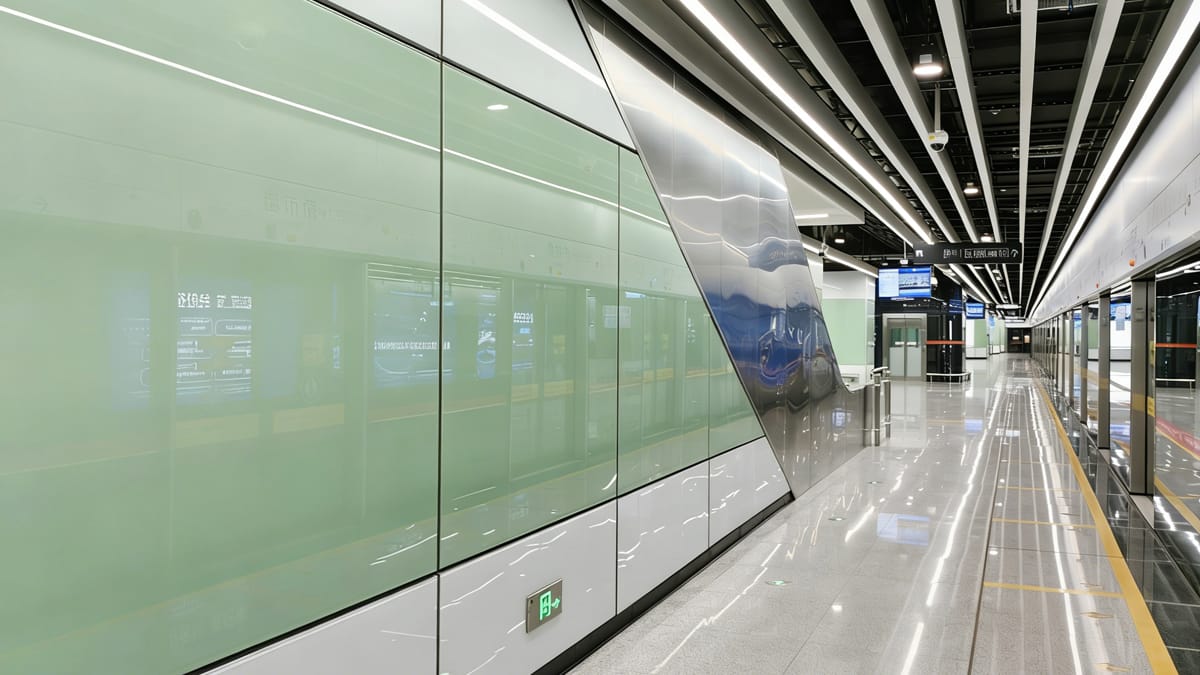
Aluminum wall panels interior are found in many new buildings. These panels use tough materials and smart designs. Makers use thin aluminum frames to hold different infills. Infills can be glass, sheet metal, or thin stone. The panels look smooth and are strong.
Here is a table with the main parts:
Material/Component | Description |
|---|---|
Aluminum Frame | Thin, aluminum-framed walls that hold infills. |
Infills | Can be glass, sheet metal, or thin stone. |
Aluminum Composite Panels | Used for cladding, giving a modern look and strength. |
Aluminum wall panels interior are strong and flexible. You can use them for walls or ceilings. These panels make your space look modern. They are light and easy to move, so they work well.
Aluminum wall panels interior keep out moisture and stains.
You can clean them fast with simple tools.
They stay in good shape and color for many years.
Differences from Standard Panels
Aluminum wall panels interior are not the same as standard panels. Standard panels use things like drywall or wood. These materials do not always stop fire. Aluminum wall panels interior can have fire-retardant types that slow flames. This gives you better safety.
Here is a table showing the differences:
Feature | Aluminum Wall Panels (ACP) | Standard Wall Panels |
|---|---|---|
Fire Resistance | Not fireproof, depends on how installed | |
Installation Impact | Good installation is important for fire safety | Bad installation can make fire worse |
Material Influence | Materials and insulation change fire resistance | Depends on what materials are used |
Aluminum wall panels interior are safer from fire. Standard panels depend on how you put them up and what they are made of. Aluminum wall panels interior give you more safety and help you worry less.
Fire Resistance in Interior Wall Panels
 Non-Combustible Materials and Cores
 Non-Combustible Materials and Cores
It is important to keep your building safe from fire. One way to do this is by picking wall panels made with non-combustible materials. Aluminum wall panels have special cores that do not burn. These cores use minerals like aluminum hydroxide and magnesium hydroxide. These minerals help the panel stay strong when it gets hot.
Material Type | Description |
|---|---|
Non-combustible mineral-filled core | Made with things like aluminum hydroxide and magnesium hydroxide, so they do not burn easily. |
Some panels, like Alfrex Plate, are solid aluminum and use a non-combustible design. These panels come in many sizes and thicknesses. They fit different kinds of rooms. Using non-combustible materials helps stop fire damage. It also keeps people inside safer.
Tip: Always check if your panels have a fire resistance-rated core. This means the panel can hold back fire for a certain time. It gives you more time to get to safety.
Non-combustible panels do not make a fire worse. They help keep the flame spread rating low. This rating tells you how fast fire can move on the panel. A lower rating means your space is safer.
Fire-Resistant Coatings and Assemblies
Fire-resistant coatings give extra protection to aluminum wall panels. These coatings help the panels handle high heat. They also slow down flames moving across the panel. New fire-resistant aluminum cladding uses minerals that stay strong in heat. These features work together to make fire spread slower.
Fire-resistant coatings help panels deal with heat.
They keep the flame spread rating low.
Panels with these coatings often meet tough safety rules, like Class A.
Feature | Description |
|---|---|
Fire-resistant coatings | Help aluminum panels handle high heat and stop flames. |
Core composition advancements | New mineral-filled polyethylene cores make panels safer from fire. |
Fire performance classification | Aluminum composite panels can reach A2 class and still be light. |
You should pick panels with a fire resistance-rated assembly. This means the whole wall system can fight fire, not just the panel. Ventilated assemblies help too. They let air move behind the panels. This airflow keeps heat from building up and slows fire spread. Ventilated assemblies work well with non-combustible panels and coatings.
Note: A fire resistance-rated wall with a ventilated assembly gives you the best safety. It keeps the flame spread rating low and helps stop smoke from moving through the building.
The flame spread rating is an important number to look at. Here is a table that shows how the classes compare:
Class | Flame Spread Rating | Typical Materials | Applications |
|---|---|---|---|
A | 0 鈥?25 | Brick, Gypsum Wallboard, Fiber Cement | Escape routes, Elevator shafts, Stairwells |
B | 26 鈥?75 | Slower-burning wood materials | Areas with some control |
C | 76 鈥?200 | Plywood, Fiberboard, Hardboard | Buildings with lower risk |
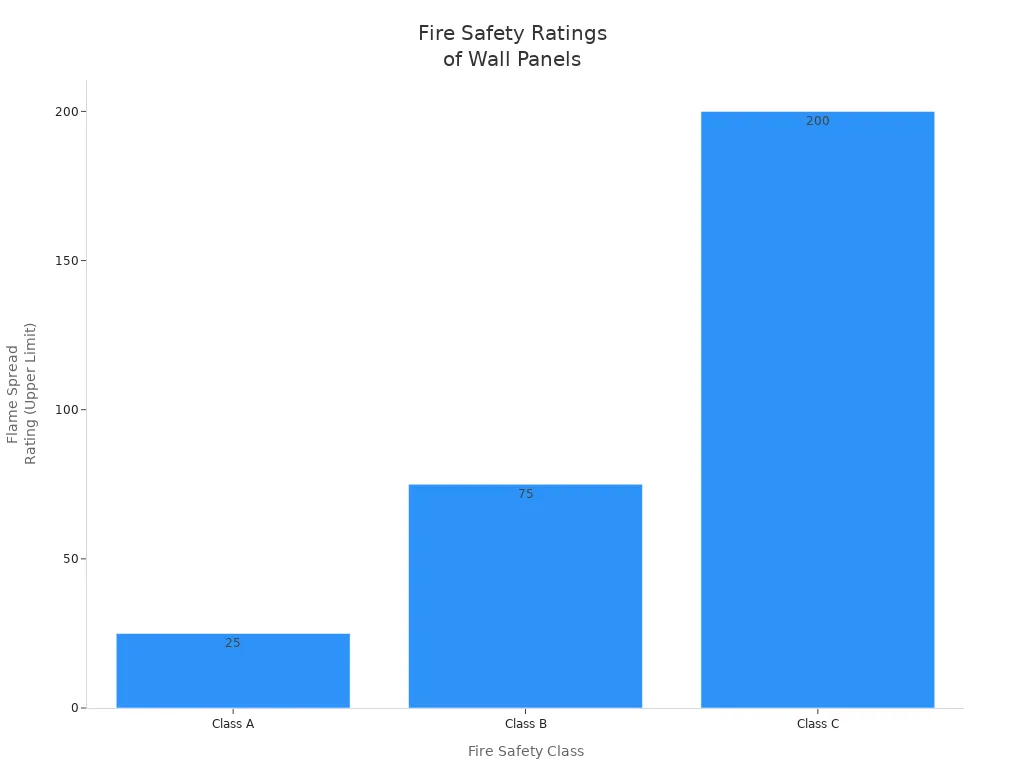
A Class A flame spread rating means the panel is safest. It also makes less smoke. You see Class A panels in places like hospitals, stairs, and escape paths. These panels follow strict rules from the International Building Code and the National Fire Protection Agency.
When you use non-combustible aluminum wall panels with fire-resistant coatings and a fire resistance-rated assembly, your building is much safer. You lower the flame spread rating and help protect everyone inside.
Benefits of Fire-Resistant Wall Assemblies
Safety and Code Compliance
You want everyone in your building to be safe. Fire-resistant wall assemblies help you follow safety rules. These panels use non-combustible aluminum and mineral cores. They do not catch fire or help flames move. You can trust these panels because they pass big fire tests like NFPA 285 and ULC-S134. These tests show the panels work well in tall buildings and risky spots.
Here is a table that explains why these panels are safe:
Safety Feature | Benefit |
|---|---|
Non-combustible aluminum | Does not ignite or spread fire |
Mineral-filled core | Maintains strength during fire |
No toxic fumes | Reduces danger in closed spaces |
Passed fire safety tests | Meets building code requirements |
Tip: Using these panels helps keep people and things safe. You also follow the rules for buildings.
Durability and Stability
You want wall panels that last a long time. Fire-resistant wall assemblies give strong protection. These panels do not dent or break easily. They work well in busy places like schools and hospitals. You do not need to paint or fix them often. Their light weight puts less stress on your building, so it stays steady.
These panels do not fall apart or break over time.
The fire-retardant core gives extra safety.
You get walls that stay strong and look nice for years.
You also help the planet. Aluminum panels can be recycled and do not need to be changed often. This means less trash and lower energy use.
Design Flexibility for Interiors
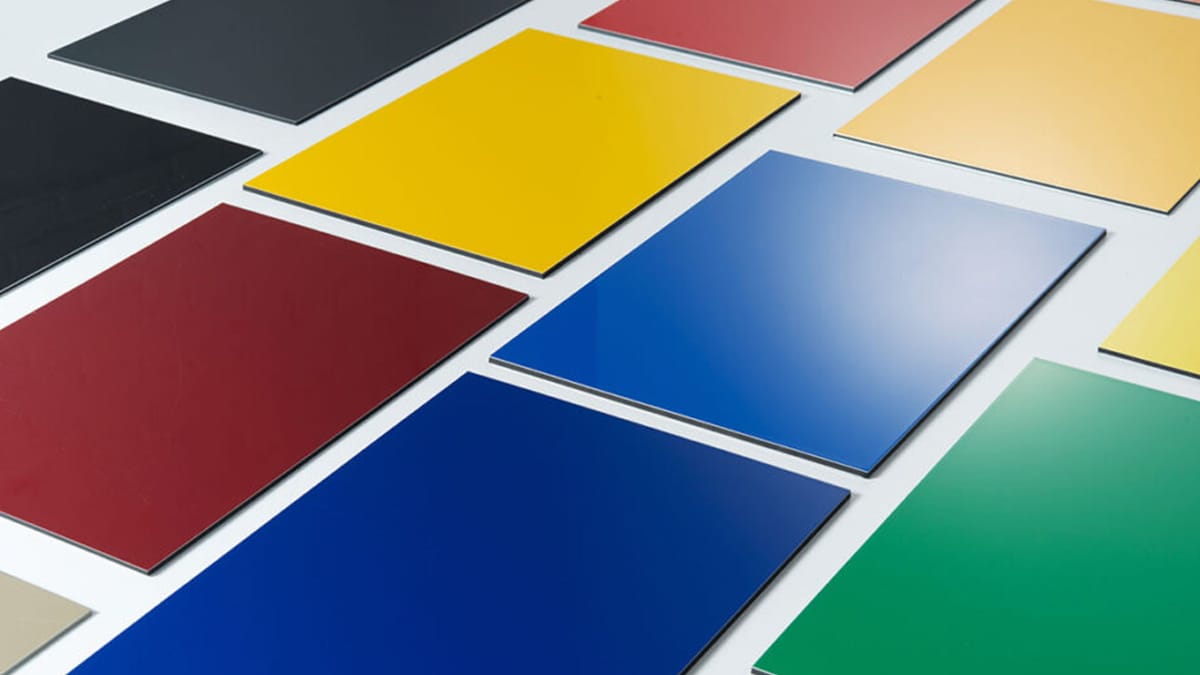
You can pick from many styles and colors with fire-resistant wall assemblies. These panels have different finishes like PVDF paint, powder coating, stone or wood grain, mirror, and wire. You can choose any RAL color or even a custom look for your space.
Design Option | Description |
|---|---|
Surface Treatment | PVDF painting, Powder coating, Stone/Wood grain, Mirror, Wire |
Color Options | Any RAL Color, Wood Grain, Stone Grain, Customized color |
You can make your space look modern, classic, or special. These panels do not attract bugs or mold, so your space stays clean and healthy.
Types of Interior Wall Panels
Solid Aluminum Panels
 Solid Aluminum Panels
Solid aluminum panels are a good choice for walls. These panels use non-combustible cladding, so they do not catch fire easily. They can handle heat and flames well. The wall stays strong and safe if there is a fire. These panels only melt at very high heat, over 660 掳C. You can use them in places where fire safety is very important.
Solid panels are fire-resistant by nature.
You do not have to worry about the core.
Non-combustible cladding makes your space safer.
Panel Type | Fire Performance Description |
|---|---|
Solid Aluminum Panel | Non-combustible and naturally fire-resistant. |
Aluminum Composite Panels
Aluminum composite material lets you pick many designs. These panels have layers of aluminum with a core in the middle. The fire-retardant core is the most important part for safety. If you choose a panel with this core, you get better fire protection. Some panels have a PE core, which burns fast. Others have a mineral-filled core that slows down flames and meets fire rules.
Aluminum composite material has different fire ratings.
A fire-retardant core makes the panel safer.
You should check the fire rating before buying.
Fire Rating | Description |
|---|---|
Non-combustible or hard to burn. | |
B1 | Slows flames and is flame-retardant. |
B2 | Can burn but slows flames. |
B3 | Burns fast and spreads flames quickly. |
Tip: Always ask if the panel has a fire-retardant core when you pick aluminum composite material. This helps keep your building safe.
Comparison with Other Materials
You might wonder how aluminum composite material is different from wood, fabric, or other panels. Wood and fabric catch fire fast and spread flames. Aluminum composite material with a fire-retardant core slows fire and keeps you safer. Solid aluminum panels give the best fire protection because they use non-combustible cladding.
Material Type | Fire Performance |
|---|---|
Solid Aluminum Panel | Non-combustible cladding; fire-resistant. |
Aluminum Composite Panel | Fire safety depends on fire-retardant core |
Wood Panel | Catches fire fast and spreads flames. |
Fabric Panel | Burns very fast and is not safe for fire. |
Aluminum composite material does not change shape much with heat and can take hits.
You need to check how you put up and care for composite panels.
A fire-retardant core makes a big difference for fire safety.
Note: You get the best fire safety when you use non-combustible cladding and a fire-retardant core in your interior wall panels.
Choosing the Right Aluminum Wall Panels Interior
Fire Ratings and Certifications
You must check fire ratings and certifications before picking panels. These ratings show how well panels stop fire from spreading. Panels with top standards, like A1, do not help fires grow. Traditional ACP panels might have cores that burn and make fires worse.
Fire Rating | Description |
|---|---|
A1 | Non-combustible, does not help fire grow, highest safety standard. |
Traditional ACP | May have burning cores, can make fire spread. |
Fire ratings help you follow building rules and keep people safe. They also change insurance prices and energy use. If you pick panels with strict standards, you protect your building and everyone inside.
Fire ratings are needed for building code rules.
They make things safer if there is a fire.
Picking fire-resistant panels can change insurance costs.
Fire ratings help save energy.
In 2023, the U.S. had more than 1.3 million fires. These fires caused $23.2 billion in damages and over 3,600 deaths. Choosing panels with good standards can help stop these losses.
Aesthetic and Functional Needs
You want your space to look nice and work well. Aluminum wall panels come in many colors, textures, and finishes. You can match any style, like modern or classic. These panels also resist weather and fire, so you get beauty and safety. You can use them in offices, schools, hospitals, or homes.
Panels with high standards keep their color and shape for a long time. They resist dents, stains, and mold. You can clean them easily, which keeps your space healthy. Weather and fire resistance means you do not worry about heat or moisture damage.
Budget Considerations
You need to balance cost and safety. Some panels use a polyethylene core, which costs less but burns easier. Others use a fire-resistant mineral-filled core. These cost more but meet higher standards and work better in risky places.
Core Material | Fire Resistance | Cost | Applications |
|---|---|---|---|
Polyethylene core | Lower fire rating (burns, Class C) | Usually cheaper | Standard builds, budget projects |
Fire-resistant mineral-filled polypropylene core | Higher fire rating (Class A or B) | Costs more for fire safety | High-risk places needing strict fire safety |
Prefabricated panels can help you save money. For example, a New York office building used these panels and cut costs by 15%. Insulated aluminum panels lower energy bills because they block heat and keep rooms comfortable.
Tip: Always compare cost, fire rating, and savings before you choose. Panels with strict standards may cost more at first, but they protect your building and save money later.
Installation and Maintenance
Preparing for Installation
 Preparing for Installation
You need to prepare your space before you install fire-resistant aluminum wall panels. This helps lower fire risk and gives you the best protection. Follow these steps for a safe and smooth process:
Inspect your wall for cracks or uneven spots. Repair them so the panels fit well.
Fill any holes with 1-inch shaftliner plugs. Make sure they fit tightly.
Use a setting compound on the back of a fire-shield gypsum board. Center it over the repaired area and extend it 12 inches past the damage.
Secure the board with 1-inch Type S screws, spaced 6 inches apart. This creates a smooth surface.
Measure your wall and panels carefully. Mark them with a pencil.
Use a level to draw straight lines. Follow the manufacturer’s rules for fastener spacing.
Align each panel and check for straightness with a level.
Apply sealants around edges and joints. This keeps out water and air, which can raise fire risk.
When you work in a wildland-urban interface, you must pay extra attention to these steps. The right preparation lowers fire risk and boosts protection for your building.
Best Practices for Longevity
You want your panels to last and keep their fire risk low. Use these best practices:
Make sure the wall opening is square and plumb.
Apply sealants around the frame to keep your fire rating and stop leaks.
Use the right fasteners to anchor the frame.
Check for enough clearance and no blocked utilities.
Inspect panels every year. Clean gaskets and seals, tighten hardware, and use mild cleaners.
These steps help you keep strong protection, even in a wildland-urban interface. You lower fire risk and keep your panels working well for years.
Routine Care and Inspections
Regular care helps you spot problems early and keep your protection strong. Here is a table of common issues you might see:
Description | |
|---|---|
Natural Corrosion | Aluminum forms a protective layer but can get dirty if not cleaned. |
Chemical Corrosion | Some chemicals cause corrosion, especially with wet materials. |
Mechanical Deterioration | Heat and cold can cause wear and tear on panels. |
You should clean your panels often, especially in a wildland-urban interface where dust and debris can build up. Check for signs of corrosion or damage. Fix problems right away to keep fire risk low and maintain protection.
Tip: Always follow the manufacturer’s care guide. This helps you keep your panels safe and strong for many years.
Fire-resistant aluminum wall panels help keep your building safe. They also make your space look modern and give you peace of mind. These panels help you follow building rules and protect people inside.
Benefit/Consequence | Description |
|---|---|
Compliance with Codes | Fire-rated panels follow building rules and keep things legal and safe. |
Protection of Occupants | These panels help keep people safe if there is a fire. |
Structural Integrity | Fire-rated panels stay strong when it gets hot and stop big damage. |
You should always think about fire safety before buying panels. Here are some steps to follow:
Ask fire safety experts about which panels to use.
Make sure the panels follow your local fire rules.
Choose panels that pass tough fire tests.
Keep learning and pick panels that protect your building for a long time.
FAQ
What makes aluminum wall panels fire resistant?
Aluminum wall panels are fire resistant because of how they are made. Makers put minerals inside the core and add special coatings. These panels do not catch fire easily. They slow down flames and help keep your building safe if there is a wildfire.
Can aluminum wall panels be used in wildfire resilient applications?
You can use aluminum wall panels to protect against wildfires. These panels stand up to heat and flames. They help stop wildfire damage to buildings. People use them in places like schools, hospitals, and offices.
How do acm panels compare to other cladding materials for fire safety?
ACM panels are safer than wood or fabric for fire safety. They do not let flames spread fast and make less smoke. Solid aluminum wall panels give the best safety for inside spaces.
What maintenance do aluminum wall panels need to stay resistant?
You should clean aluminum wall panels with mild soap and water. Check them often for rust or damage. Fix any problems right away. This helps the panels stay fire resistant and last longer.
Are aluminum wall panels suitable for all interior applications?
You can use aluminum wall panels in many inside spaces. They work well in offices, schools, and homes. These panels stop flames and make walls strong. Always check the fire rating for your needs.