
30 Mar Everything You Need to Know About Aluminum Wall Panels for Interiors
You see aluminum wall panels interior in many new places. These panels use light aluminum to cover walls. They give rooms a smooth and shiny look. More people pick them for style and strength. The market for aluminum wall panels interior keeps getting bigger. Cities want materials that save energy. Many panels have eco-friendly coatings and recycled parts. You find them in homes, offices, and hospitals. Aluminum wall panels interior last a long time. They are easy to put up and resist water. You can choose panels with special finishes to fit your style.
You get fast updates and good sound control.
Nano-coatings help panels last longer and need less care.
2026 Update: Quick Answer for Everything You Need to Know About Aluminum Wall Panels for Interiors
Reviewed 29 July 2026. The useful answer is not a universal winner. The right option depends on exposure, fire requirements, panel construction, finish, fabrication, support system, maintenance, budget, and the evidence required by the project.
- Compare products against one written project specification.
- Separate total panel thickness from aluminum skin thickness and core type.
- Check coating and finish suitability for the actual exposure.
- Confirm test reports, warranty scope, fabrication, packing, and delivery basis before comparing price.
This update keeps the original topic and search intent while making the decision criteria clear at the start. Project-specific engineering, regulations, test evidence, and supplier documentation remain controlling.
Key Takeaways
Aluminum wall panels make rooms look nice with their smooth and shiny surface.
These panels last a long time. They do not burn easily. They need little care. This makes them a good choice for many places.
Pick the best foam core for insulation. It helps control sound. This makes your space more comfortable.
Aluminum panels are good for the environment. They are often made from recycled materials. This helps keep building practices sustainable.
You can choose colors and finishes you like. Customization lets you match your style and design needs.
Aluminum Wall Panels Interior: What They Are
Core Material and Construction
Aluminum wall panels are used in many new buildings. These panels have a tough aluminum layer on the outside. The middle part uses EPS, XPS, or PUR foam. Builders make metal wall panels flat and smooth with special machines. You can cut or bend aluminum panels to match your design. Many panels come in about 40 colors. You can also ask for your own color. Architects like the flat look and bright colors of metal wall panels. Panels have a layer that stops rust. Metal wall panels help block noise and reflect heat. This makes rooms quieter and cooler.
Here is a table showing the main features of aluminum wall panels:
Characteristic | Description |
|---|---|
Versatility | Panels come in many colors and can be custom colored. |
Durability | They withstand heavy use and last a long time. |
Fire Resistance | Panels pass fire rating tests for safety. |
Low Maintenance | You spend less time and money on upkeep. |
Aesthetic Appeal | Flat and smooth look fits modern designs. |
Sound Barrier | Panels help control noise in rooms. |
Thermal Efficiency | They reflect heat and light, keeping spaces comfortable. |
Easy Installation and Modification | Builders can cut and move panels easily. |
Corrosion Resistance | Protective layers stop rust and damage. |
Long-term Color Consistency | Panels keep their color even with sunlight and weather. |
You can put up metal wall panels fast. You can move panels if your room changes. Some people think aluminum wall panels cause water drops. Really, temperature changes cause this. New panels use insulation and thermal breaks to fix this problem.
Comparison with Other Wall Materials
You might wonder how aluminum wall panels compare to other choices. Metal wall panels use different foam cores. EPS, XPS, and PUR foam are popular. Each core has its own strength and insulation. Look at the table below to see the differences:
Core Type | R-value/inch | Strength (psi) | Pros | Cons |
|---|---|---|---|---|
EPS | 3.6 | 10 | Affordable, easy to modify | Lower strength, possible flame retardant issues |
XPS | 5.0 | 20 | Strong, water resistant | Availability issues, chemical concerns |
PUR | 6.54 | 35 | Highest insulation, strong | Most expensive, limited thickness |
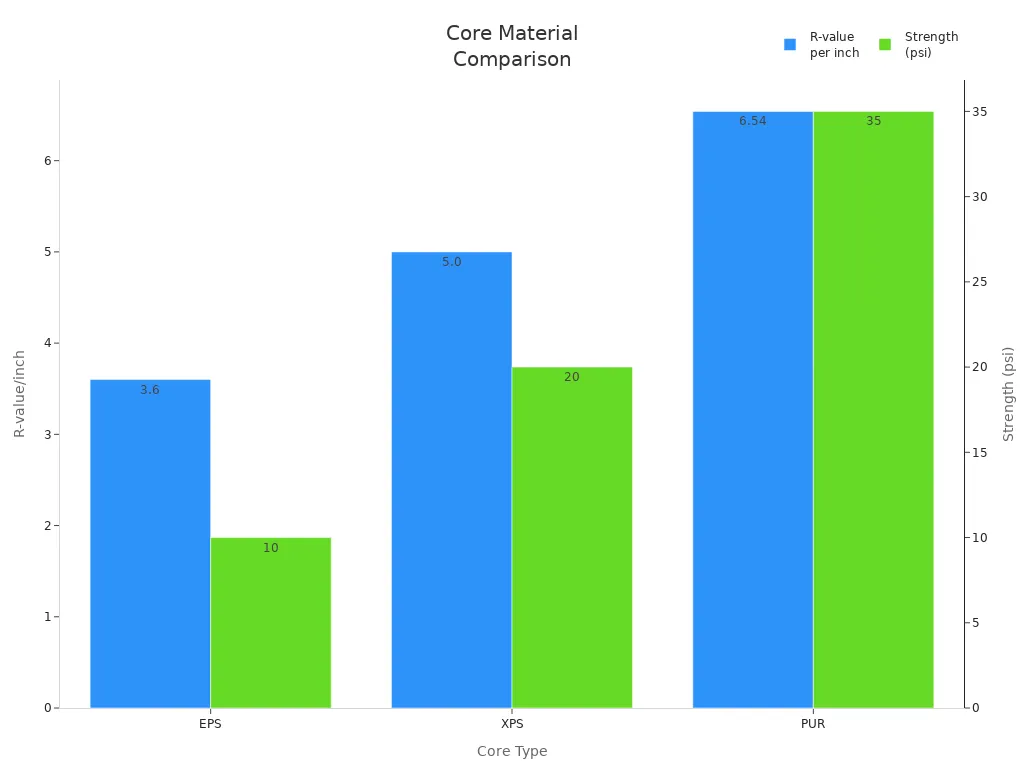
PUR foam gives the best insulation and strength. EPS costs less but is not as strong. XPS is stronger and resists water better than EPS. Metal wall panels resist rust and fire. They need less care than wood or drywall. Some people think metal wall panels look too much like offices. New styles help them fit homes and offices. Some say aluminum wall panels do not insulate well. Modern panels use foam cores and thermal breaks to keep rooms warm or cool.
Tip: Pick aluminum panels with the right foam core for your needs. PUR or XPS cores give you better sound and insulation.
Aluminum wall panels have many good points over other materials. They last a long time, are easy to care for, and let you change your room鈥檚 look. Metal wall panels help you make spaces that look nice and stay strong.
Benefits of Aluminum Wall Panels for Interiors
Durability and Fire Resistance
You want walls that last and keep you safe. Aluminum wall panels are very strong. They do not dent or scratch easily. These panels also do not rust. You do not have to worry about cracks or bending. Aluminum panels keep their shape for many years. You can clean them with water and soap. You do not need to spend much time cleaning. Metal wall panels stop water from getting in. They do not soak up water, so mold cannot grow. Aluminum wall panels also protect against fire. Many panels have a Class A fire rating. They can handle fire for up to three hours. This helps you feel safe if there is an emergency. You see aluminum panels in hospitals, schools, and homes.
Tip: Pick aluminum panels for walls if you want them to last. You will not have to worry as much.
Design Flexibility and Aesthetics
You can make many styles with aluminum wall panels. These panels come in lots of colors and textures. You can pick the look you like best. Metal wall panels let you try different designs. You can use them for modern or classic rooms. Aluminum panels help rooms look bright and neat. You see smooth surfaces and straight lines. These panels look nice in offices and homes. You can match them to your furniture or lights. Aluminum panels are good if you want a new look. Insulated panels help you save on heating and cooling. You spend less money and feel more comfortable.
Feature | How It Helps You |
|---|---|
Color Variety | Matches your style |
Texture Options | Adds depth and interest |
Custom Finishes | Personalizes your space |
Insulation | Lowers energy bills |
Sustainability and Eco-Friendly Options
You might care about helping the planet. Aluminum wall panels are good for green buildings. Aluminum can be recycled again and again. This helps cut down on waste. Some companies use recycled aluminum in their panels. They also recycle extra pieces from making panels. You can see labels that show what is in the panels. These labels help you know the panels are safe. Aluminum panels can help you win green building awards. You can pick metal wall panels for a better future. They look good, last long, and are good for the earth.
Note: Aluminum wall panels give you style, strength, and help the planet. You make your space better and help the world.
Types of Interior Metal Wall Panels
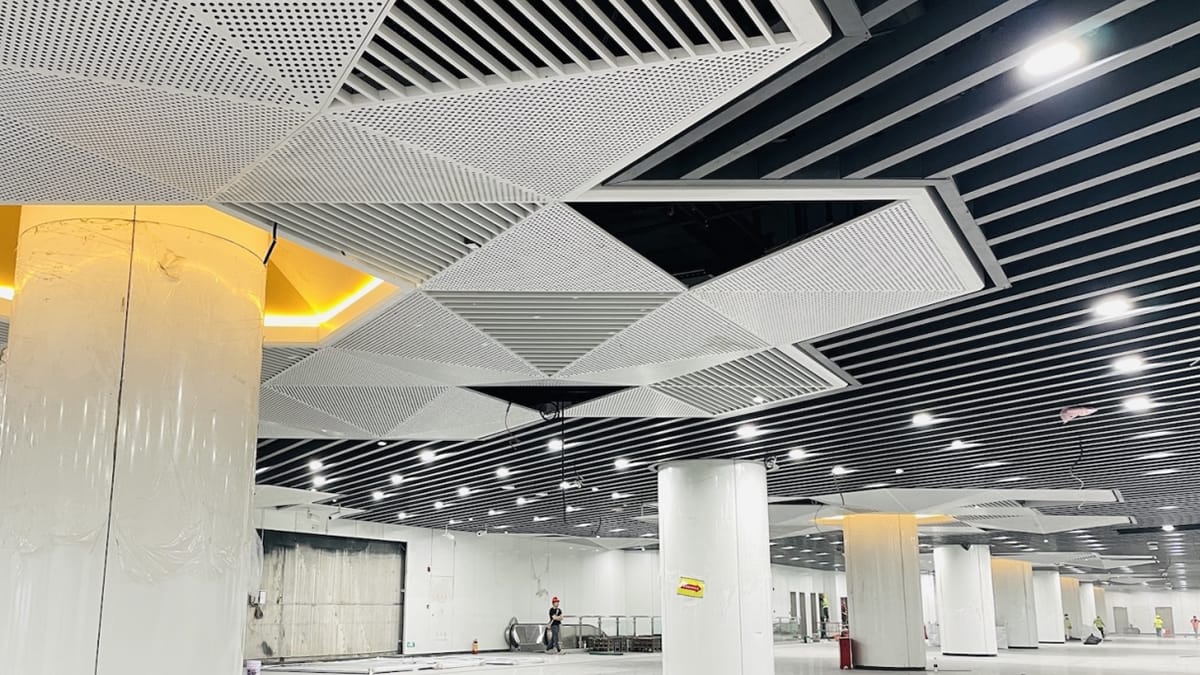 You can pick from many aluminum panels for walls. Each kind has its own look and benefits. These panels are used in homes and offices. Some are also used for aluminum wall panels for exterior walls. Choosing the right panel helps you make a space that works for you.
Solid Aluminum Panels
Solid aluminum wall panels use one sheet of metal. These panels are strong and resist dents. They are good for places that need tough walls. You clean them with a damp cloth. Solid panels are found in schools and hospitals. They meet fire safety rules. You can use them inside or as aluminum wall panels for exterior walls.
Feature/Advantage | Description |
|---|---|
Clean with a damp cloth, less work than painted walls or wood. | |
Fire Resistance | Naturally fire-resistant, safe for many places. |
Adaptability | Works in homes, offices, stores, and public spaces. |
Aluminum Composite Panels
Aluminum composite panels have two aluminum sheets and a core. The core is plastic or mineral. These panels weigh less than solid aluminum wall panels. They are easy to install because they are light. Composite panels bend easily for cool designs. They cost less than solid panels. You see them used for cladding, signs, and inside rooms.
Feature | Aluminum Composite Panel (ACP) | Solid Aluminum Sheet |
|---|---|---|
Construction | Two aluminum sheets with a non-metal core | Single, solid aluminum sheet |
Weight | Lighter | Heavier |
Durability | Strong, but less impact-resistant | Very durable, impact-resistant |
Flexibility | Very flexible, easy to shape | Not as flexible |
Installation | Easy and fast | Needs more work |
Cost | Cheaper | More expensive |
Applications | Cladding, signs, interior design | Industrial, strong wall needs |
Perforated and Decorative Panels
Perforated aluminum wall panels have holes or patterns. These panels make rooms look modern and stylish. They help absorb sound, so rooms are quieter. Light goes through the holes and makes cool shadows. You can use them for privacy but still get sunlight. Decorative panels fit many styles and help control noise.
Eye-catching panels make your room stand out.
Patterns add beauty and style.
Light and shadow make rooms feel lively.
Panels give privacy and let sunlight in.
Sound control makes rooms more comfortable.
Panels are flexible and good for the planet.
Powder Coated and Custom Finishes
Powder coated aluminum wall panels have strong finishes. The coating protects panels from scratches and hits. You can pick from many colors and textures. Powder coating stops weather and rust, so panels last longer. Custom finishes let you choose your favorite look. These panels are used in homes, offices, and public places.
Advantage | Description |
|---|---|
Superior Durability | Powder coating stops chipping and chalking. |
Weather Resistance | Panels work inside and outside. |
Aesthetic Variety | Many colors and textures to choose from. |
Corrosion Resistance | Panels stay strong against sun and water. |
Impact and Wear Resistance | Finish lasts longer, even in busy spots. |
Tip: You can mix different aluminum panels for walls to make cool spaces. Try using solid, composite, and decorative panels together for the best look.
There are many types of aluminum panels for walls. Each kind has special features. You can use aluminum wall panels for interior and exterior spaces. These panels help you build rooms that look nice and last a long time.
Choosing Aluminum Panels for Walls: Key Factors
 When you pick aluminum panels for walls, you need to think about a few important things. You want panels that fit your room, last a long time, and look nice. This section shows you what matters most when choosing panels. You will learn about material quality and safety, finish and color choices, insulation and sound control, and budget and customization.
Material Quality and Safety
You should check the quality and safety of aluminum wall panels before you buy them. Good panels keep your room safe and strong. Look at the alloy, temper, and thickness. These details change how well the panels work. Panels with fire-retardant and non-combustible cores help protect you and follow safety rules. Thickness is important too. Panels with 4 mm thickness are strong and a little flexible. Coatings like PE make panels safer and look nicer. Always check if the panels meet fire and environmental standards.
Here is a table to help you compare material quality and safety:
Criteria | Description & Impact on Suitability for Interior Spaces |
|---|---|
Core Material | Fire-retardant and non-combustible cores make panels safer. |
Panel Thickness | 4 mm panels are strong and flexible for walls and ceilings. |
Coating Types | PE and other coatings make panels look better and safer. |
Application Requirements | Panels must be tough, safe, and look good for inside spaces. |
Tip: Always check the panel鈥檚 safety certifications. You want panels that keep your family or customers safe.
Finish and Color Options
Finish and color choices are important when picking panels. You can choose from many finishes, like powder coating, which makes panels last longer and easier to clean. Aluminum wall panels with strong finishes do not scratch easily and resist weather. You can pick from many colors to match your style. Textured finishes give your walls a special look. You can use design and color options to make your room stand out.
Powder coated panels last longer and stay clean.
Many finishes and colors let you make your space your own.
Textured finishes add depth and make walls interesting.
You can match panels to your furniture and lights.
Note: Picking aluminum panels for walls lets you make a space that fits your taste. You can use design and color choices to make your room feel special.
Insulation and Acoustic Properties
Insulation and energy efficiency matter when you pick aluminum wall panels. You want panels that keep your room comfy and quiet. Think about the size of your room and how you use it. Acoustic panels help control echoes and noise. Soundproof panels give you privacy. Good panels use low-emission materials, which keep indoor air clean. Acoustic panels work well in offices and studios. Non-acoustic panels are good for kitchens and bathrooms where you need strong walls.
Pick panels with good insulation to save energy.
Choose acoustic panels to control noise and make sound clear.
Use non-acoustic panels for places that need tough walls and style.
Make sure panels use low-emission materials for healthy air.
Tip: Insulation and energy efficiency help you save money and feel comfortable all year.
Budget and Customization
Budget and customization are important when picking panels. You need to think about how much you want to spend. Cheaper panels are good for big projects. Customization lets you pick colors and finishes that fit your style. Special designs may cost more, but they make your room unique. You can balance quality and customization to get the best value.
Consideration | Impact on Selection |
|---|---|
Budget | Cheaper panels are good for big projects and save money. |
Customization | Custom colors and finishes help you make unique spaces. |
Quality and Customization | Balancing both gives you the best results. |
Note: Customization helps you make your space unique. Always think about your budget and the quality of the panels.
Choosing aluminum panels for walls means thinking about many things. You need to check material quality and safety, finish and color choices, insulation and energy efficiency, and budget and customization. You can make a space that looks nice, feels good, and stays safe.
How to Choose Aluminum Panels: Installation Insights
 Substrate and Support Structures
 Substrate and Support Structures
You need a strong base for aluminum wall panels. The substrate must be flat and stable. You check the wall for bumps or weak spots before starting. Builders often use plywood or metal framing as support. You choose panel sizes that fit your wall and save time. The installation system should match your wall structure. You look for panels that are easy to cut and shape. You also plan for doors and windows. Safety matters, so you use proper fixing methods and expansion joints. This helps panels stay secure and last longer.
Make sure the wall is smooth and strong.
Pick panel sizes that fit your space.
Use safe fixing methods and expansion joints.
Seam Strategies and Panel Alignment
You want panels to look neat and work well. You prepare the substrate and framework carefully. Attachment points must line up and support the panels. You follow the manufacturer鈥檚 instructions for clip spacing and fastening. This keeps panels safe from wind and lets them move with temperature changes. You handle panels gently and use the right lifting tools. Interlocking seams need mechanical tools for a tight fit. Quality control during installation helps panels perform better. You allow for thermal movement to stop buckling or fastener problems.
Best Practice | Why It Matters |
|---|---|
Align attachment points | Keeps panels straight |
Use proper fasteners | Prevents damage and movement |
Check seams | Stops leaks and keeps panels tight |
Tip: Careful alignment and seam work make your panels look professional and last longer.
Professional vs. DIY Installation
You can install panels yourself or hire a pro. DIY saves money, but you need the right tools and skills. Professionals know how to choose aluminum panels and handle tricky spots. They follow safety rules and check for mistakes. You avoid common errors like uneven seams or weak support. Professionals finish faster and give you a warranty. You decide based on your budget and confidence.
DIY is cheaper but needs skill.
Professionals offer speed and safety.
Avoid mistakes by planning and checking your work.
Note: Installation adaptability helps you pick the best method for your project. You get better results when you match your skills to the job.
Maintenance and Care for Aluminum Wall Panels
Cleaning and Longevity Tips
You want your aluminum wall panels to stay nice for years. Clean and check them often to catch problems early. Make a cleaning plan every six months. If your panels get dirty or wet a lot, clean them more often.
Use gentle cleaners made for aluminum. Do not use strong chemicals like acids or alkalis.
Try the cleaner on a small spot first. This helps you make sure it will not hurt the panel.
Clean panels with soft sponges or microfiber cloths. Water and mild soap work for most dirt.
Rinse panels with clean water after washing. This stops streaks and gets rid of soap.
Do not use high-pressure washers. Too much force can damage the surface or coating.
Tip: Steam cleaning helps with tough stains or grease. For big or hard-to-reach panels, you can hire cleaning pros.
You can put on protective coatings after cleaning. These coatings help keep out dirt and pollution. Check your panels often for rust, bending, or seal problems. Add new caulking once a year to keep heat in and stop drafts.
Preventing Damage and Repairs
Check your panels often to keep them safe. Look for loose screws or broken seals. Fix these problems right away so they do not get worse. If you find a broken panel, take it out carefully. Use a siding tool with a thin, curved blade to unlock the panel without hurting others.
Check screws and seals often.
Fix loose screws or broken seals fast.
Take out broken panels gently to stop more damage.
Check your panels every year to find problems early. Keep panels clean and dry to stop rust and bending. If you feel drafts or the room gets cold, check your thermostat and heater each fall. This helps you stop freeze problems.
Note: Taking care of your aluminum wall panels keeps them strong and looking good. You save money and do not need big repairs.
You have lots of choices for aluminum wall panels. These panels are light and simple to put up. You can make rooms quieter with mineral wool or rigid insulation. Put these behind the panels for better sound. Use slotted holes and expansion joints to let panels move. Make sure your subframing is flat for a neat look. When you compare panels, think about how long they last. Also think about style, care, price, and how to install them. Pick panels that fit your budget and match your style. You might want help from a pro for special designs or prices. You can find panels that are strong, easy to clean, and flexible. Picking the right panels helps make your space better for you.
FAQ
What makes aluminum wall panels better than drywall?
Aluminum wall panels are stronger than drywall. They do not break or get moldy easily. These panels do not dent or burn fast. You do not have to fix them as much. Aluminum panels come in more styles and last longer.
Can you paint or refinish aluminum wall panels?
Yes! You can paint or refinish aluminum panels. Use paint made for metal. Powder coating gives a bright, tough finish. Clean the panels before you paint for best results.
Are aluminum wall panels safe for homes with kids or pets?
Aluminum wall panels have smooth, strong surfaces. You do not get splinters or chips. Many panels pass fire safety tests. These panels are good for homes with kids or pets.
How do you fix a dent or scratch on an aluminum wall panel?
Clean the spot first.
Use touch-up paint for small scratches.
Replace the panel if it has a dent.
Always follow the repair guide from the maker.
Do aluminum wall panels help with soundproofing?
Panel Type | Sound Control Level |
|---|---|
Solid Aluminum | Moderate |
Acoustic Panels | High |
Composite Panels | Good |
Acoustic and composite panels block sound the best. Solid panels help a little, but not as much.