
15 Apr Advantages and Disadvantages of Aluminum Composite Material Explained
You might ask about the advantages and disadvantages of aluminum composite material. This material consists of thin aluminum sheets and a lightweight core. Many people choose it for their projects because it is easy to design with, incorporates recycled components, and saves energy. However, it’s important to be aware that it can break if impacted and is difficult to repair. The table below outlines some key advantages and disadvantages of aluminum composite material:
Advantages | Disadvantages |
|---|---|
Great design flexibility | Can get damaged by impacts |
Lots of recycled content | Hard to fix panels |
Saves energy | Not suitable for every project |
Ready-made solutions |
|
Many finishes for aesthetic appeal |
|
By understanding the advantages and disadvantages of aluminum composite material, you can make an informed decision about what works best for your needs.
2026 Update: Quick Answer for Advantages and Disadvantages of Aluminum Composite Material Explained
Reviewed 29 July 2026. ACP can provide lightweight, formable and visually consistent cladding or interior finishes, but suitability changes with exposure, fire strategy, support, span, impact risk, coating, fabrication, joints, and maintenance access.
- Define whether the use is interior, exterior, signage, ceiling, partition, canopy, column, or fa莽ade.
- Select the complete panel construction and coating for the environment.
- Coordinate module size, grain or coating direction, joints, corners, openings, drainage, and access.
- Approve realistic samples or mock-ups before bulk production.
This update keeps the original topic and search intent while making the decision criteria clear at the start. Project-specific engineering, regulations, test evidence, and supplier documentation remain controlling.
Key Takeaways
Aluminum composite material is light. This makes it easy to move and put in place. It helps save time and money on work.
These panels do not cost a lot. They are often less expensive than solid aluminum or steel. This gives good value for big projects.
You can choose from many colors and finishes. This lets people make creative and special building designs.
These panels are strong and last a long time. They can last 30 to 50 years. They do not get damaged by weather easily. They also need less fixing.
There are some things to watch out for. The panels can get dents. It is important to make sure they are waterproof when you put them in.
What Is Aluminum Composite Material?
 Definition and Composition
 Definition and Composition
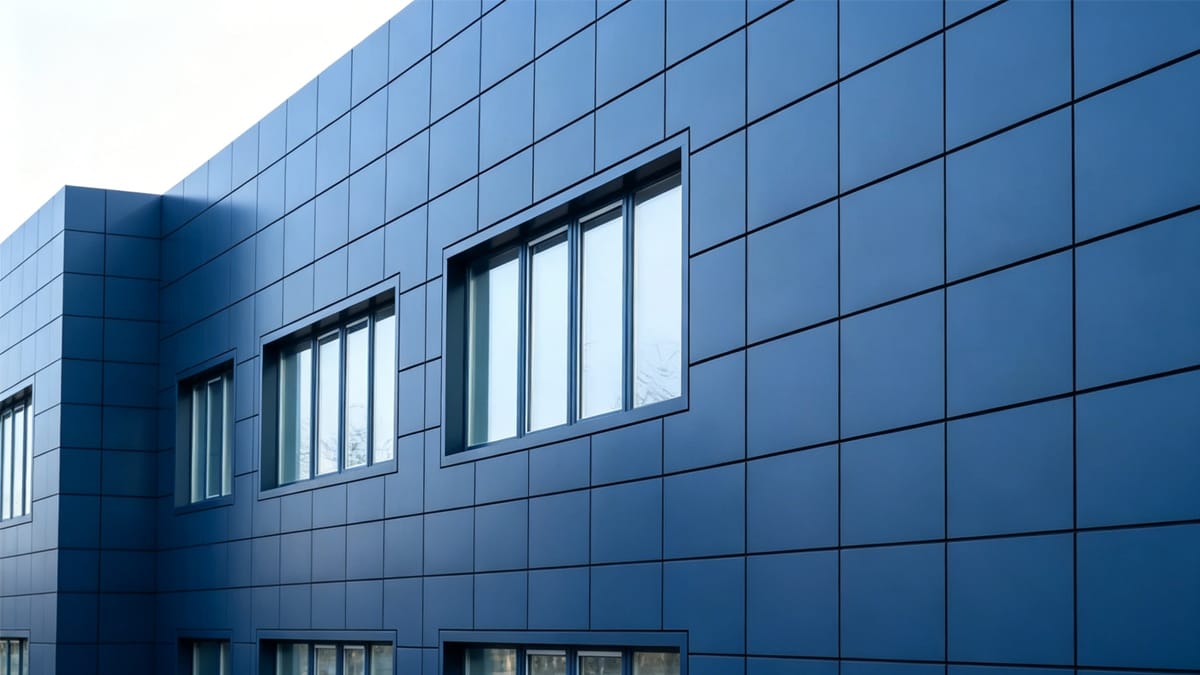
You might wonder what is inside aluminum composite materials. These materials have a special build. They use thin aluminum sheets on the outside. The middle part is made from something light. This makes the panel strong but not heavy.
Here is a table that lists the main parts and features:
Component | Description |
|---|---|
Matrix | Continuous aluminum or aluminum alloy, often mixed with silicon and magnesium. |
Reinforcement Phase | Small diamond particles, making up 40鈥?0% of the material. |
Thermal Conductivity | Diamond particles help move heat very well (1000鈥?000 W/mK). |
Applications | Used in electronics and buildings to manage heat. |
Interfacial Engineering | Special methods improve the bond between diamond and aluminum. |
Aluminum composite materials can have metals and non-metals. You can sort them in different ways:
Metal composites (like copper and magnesium)
Non-metal composites (like silicon and carbon)
Plastic-based composites
Reinforced by particles, fibers, or layers
This means you can choose the best type for your project.
Key Properties
Aluminum composite materials give you many good things. They are light, strong, and do not rust easily. Here are some important properties:
Property | Value |
|---|---|
Compressive Yield Strength | |
Izod Impact, Notched | 1 ft-lb/in |
Flexural Yield Strength | 26 ksi |
Tensile Strength, Yield | 26 ksi |
Density | 0.90 – 2.30 g/cm鲁 |
Water Absorption | 0.01 – 2.0 % |
Hardness | 66 Rockwell R |
Elongation at Break | 3 % |
Shear Strength | 15 ksi |
Tip: You can use these panels when you need something strong but light, like for walls or signs.
These materials do not take in much water. They stay strong even in wet places. Because they are strong, light, and do not rust, they are a smart pick for many jobs.
Advantages and Disadvantages of Aluminum Composite Material
Lightweight and Easy Handling
 Lightweight and Easy Handling
One big advantage of aluminum composite material is its weight. These panels weigh about half as much as solid aluminum. This makes them easier to lift and move. You do not need heavy machines or big teams to install them. Compared to stone or steel, you save time and effort.
Aluminum composite material weighs less than solid aluminum.
You can carry and move panels with fewer people.
Installation is faster and safer.
Material Type | Installation Time Savings | Labor Cost Reduction | |
|---|---|---|---|
Aluminum Composite Panels (ACPs) | High | High | Significant |
Stone Cladding | Low | Low | Minimal |
Many people pick aluminum composite material for building because it is light. But being light can sometimes make the panels less strong against hard hits.
Cost Efficiency
Cost efficiency is important when choosing aluminum composite material. These panels cost less than solid aluminum or steel. The panels use less metal, so the price is lower. For big projects, this saves a lot of money.
Material Type | Cost Range (per square meter) |
|---|---|
Aluminum Composite Panels | |
Solid Aluminum Panels | $40 鈥?$80 |
You also save money on installation and upkeep. The panels are light and easy to work with. Aluminum composite material is a smart choice for schools, offices, and malls. You get more for your money, especially for large spaces.
Design Versatility and Color Options
Aluminum composite material gives you lots of design choices. You can pick from many colors, finishes, and textures. Some panels look like wood or stone. Others have shiny or color-changing finishes.
You can choose solids, micas, metallics, and prismatics.
Faux wood, stone, and terracotta finishes are available.
Extra coats make bright or metallic colors pop.
This lets you match any style, from modern to classic. You can make unique shapes and sizes for your project. Designers like these panels because they help bring creative ideas to life. Having so many choices can sometimes make it hard to decide.
Durability and Weather Resistance
 Aluminum composite material is very durable. These panels can last 30 to 50 years if cared for well. They resist UV rays, moisture, and extreme temperatures. You do not have to worry about cracking, warping, or fading.
Panels can last over 40 years with good care.
Special coatings, like PVDF, help them last longer.
They work well in coastal or humid places.
Unlike wood or vinyl, aluminum composite material does not rot easily. You can trust these panels to keep your building looking good for years. Their long life means you will not need to replace them often, saving money.
Protection Against Corrosion and Wear
Aluminum composite material resists corrosion well. The panels have coatings that protect them from moisture, chemicals, and sunlight. They pass tough tests for chemical and mortar resistance. There is no loss of adhesion or change after acid or mortar exposure.
Test Aspect | Test Standard(s) | Durability/Resistance Confirmation |
|---|---|---|
Chemical Resistance | ASTM D 1308, D 2244 | No loss of adhesion or visual change after acid exposure tests |
Mortar Resistance | ASTM C 207 | No loss of film adhesion or visual change after mortar exposure |
You can use these panels in busy places because they resist scratches and are easy to clean. This makes them good for schools, hospitals, and malls. Their durability and corrosion resistance help keep maintenance costs low.
Susceptibility to Dents and Deformation
A disadvantage of aluminum composite material is that it can dent or bend if hit hard. The panels are sturdy but not as tough as solid metal or stone. If you drop something heavy or hit the panel, it may show dents.
Panels are lighter, so they can be damaged by strong impacts.
Fixing dents is hard and may mean replacing the whole panel.
Think about this if your project is in a place where impacts might happen, like playgrounds or loading docks. This is an important part of the pros and cons.
Waterproofing and Sealing Issues
Waterproofing is usually good, but problems can happen if not done right. If you use bad sealants or skip steps, water can leak behind the panels. This can cause damage over time.
Good sealants, like hourglass-shaped ones, stop leaks.
Wet-seal systems are watertight and need less design detail.
Rain-screen systems let some water in, so the layer behind must be waterproof.
Material | Waterproof Performance | Potential Issues |
|---|---|---|
Aluminum Cladding | Excellent | 鈥?/p> |
Wood | Poor | Warping, rot, high maintenance |
Vinyl Cladding | Good | Cracking, warping under temperature changes |
Steel | Moderate | Rust if not treated |
Always follow best practices during installation to avoid leaks. This is a key part of the advantages and disadvantages.
Fire Safety Considerations
 Fire safety is very important with aluminum composite material. The panel core decides how it reacts to fire. Some panels have a plastic core that burns easily. Others use mineral-filled or non-combustible cores that resist fire.
Core Type | Core Material | Fire Resistance Level | Typical Applications |
|---|---|---|---|
Polyethylene (PE) | Plastic (Polyethylene) | Low | Interior use, low-rise buildings |
Fire-Resistant (FR) | Mineral-filled | Moderate to high | Taller or riskier buildings |
A2 Core | Mineral-based | High | Major projects requiring high fire safety |
A1 Core | Mineral-based | Highest | Large, important projects |
Panels with fire-retardant cores slow down heat and flames. They are safer for schools, hospitals, and tall buildings. Always check local building codes before picking a panel type. This is a vital part of the advantages and disadvantages.
Environmental Impact
You may wonder about the environmental impact of aluminum composite material. Making these panels uses a lot of energy and can cause greenhouse gas emissions. But the panels are 100% recyclable, which helps reduce waste.
Aspect | Aluminum Composite Material (ACM) | Other Facade Materials |
|---|---|---|
Production Process | Energy-intensive, greenhouse gases | Varies, often less energy |
Recyclability | 100% recyclable | Varies |
Environmental Degradation | Aluminum extraction affects habitats | Varies |
Durability | High, less replacement needed | Varies |
Energy Efficiency | Good insulation, saves energy | Varies |
You can recycle old panels instead of throwing them away. Their high durability means you will not need to replace them often, saving resources. This balance is important when thinking about the advantages and disadvantages.
Note: When you pick aluminum composite material, always think about the pros and cons for your project. Consider cost, durability, design, and safety to make the best choice.
Aluminum Cladding and Other Applications
Building Facades and Cladding
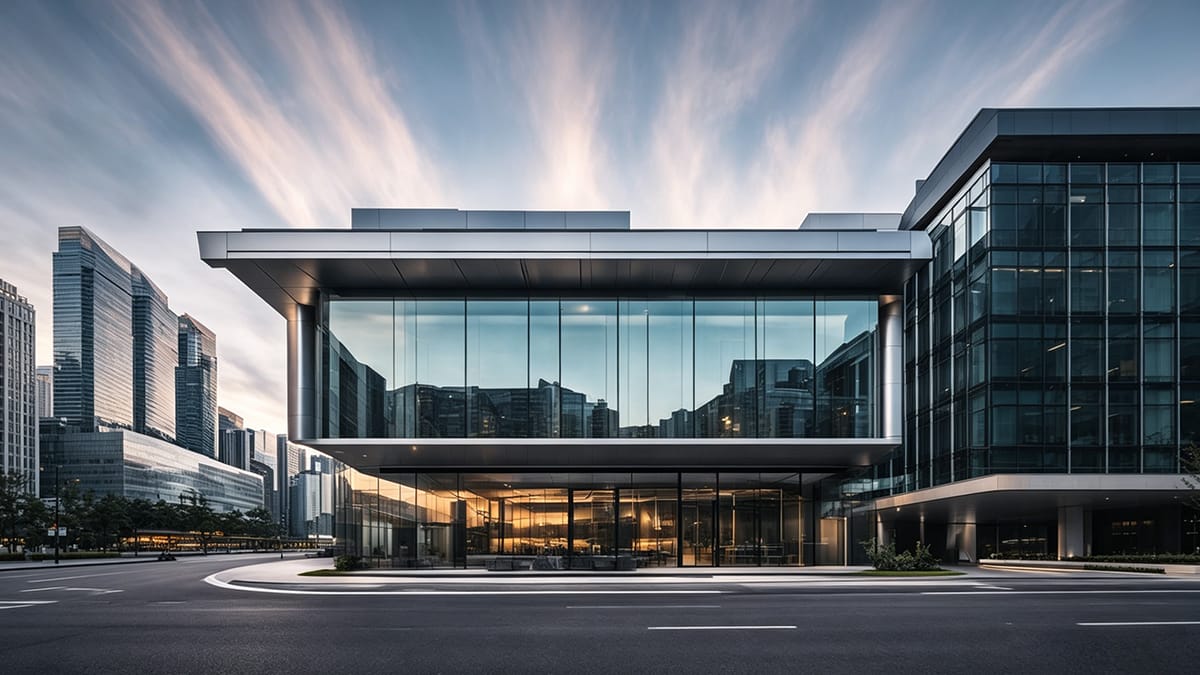 Building Facades and Cladding
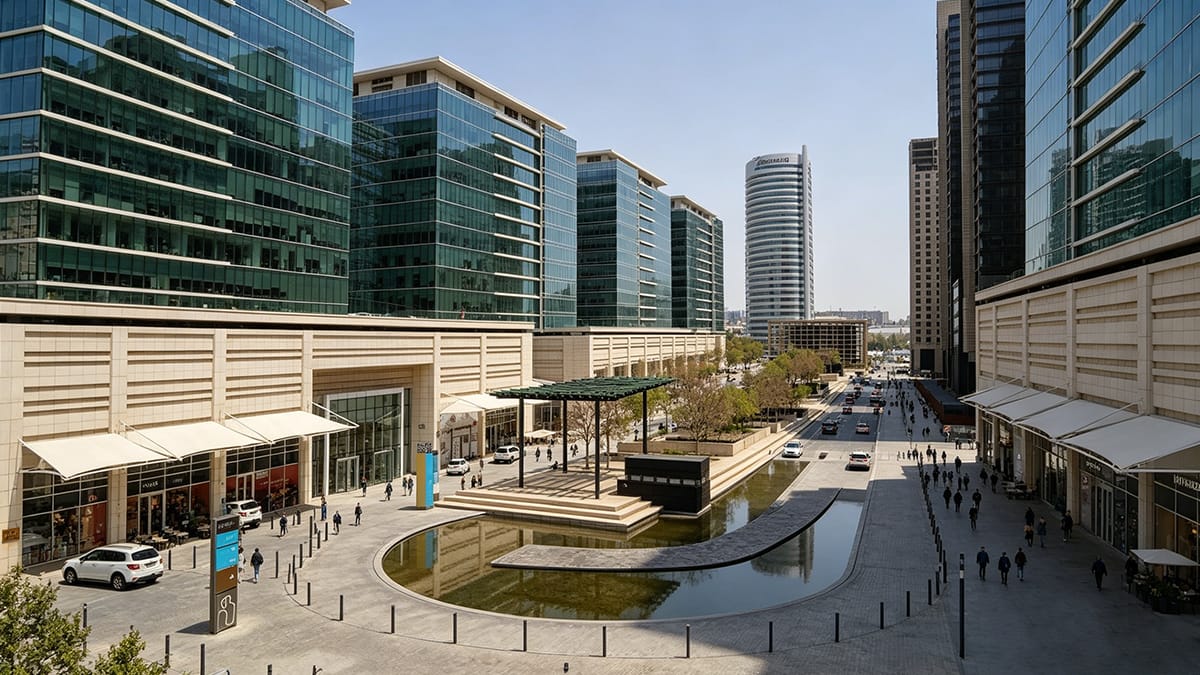
You can see aluminum cladding on many buildings in cities. Builders like it for lots of reasons. There are many colors, textures, and finishes to pick from. Aluminum cladding does not cost a lot and is easy to buy. You have many ways to design your building, so it looks special. The material lasts a long time and does not rust easily. It also helps protect buildings from fire.
Aluminum cladding lets you make creative designs.
You spend less money because it is cheaper than other materials.
You can put it up fast, so you pay less for workers.
Advantages | Disadvantages |
|---|---|
Lightweight structure, reducing structural loads | No natural light transmission |
Fast and efficient installation | Fire performance depends on core material |
High design flexibility | Limited local repair capability |
Low maintenance requirements | Perceived lower prestige in landmark projects |
Cost efficiency compared to other materials |
|
People use aluminum cladding for the outside of offices, schools, and malls. It keeps buildings safe from weather and helps them look nice.
Signage and Advertising
Aluminum cladding is used a lot for signs. You see it in store signs, wayfinding, and ads outside. More stores and buses mean more signs are needed. People use aluminum cladding for bright signs and 3D letters. The panels work well for digital ads because they last and are easy to print on. Signs made with aluminum cladding look good and last a long time.
Interior Design Uses
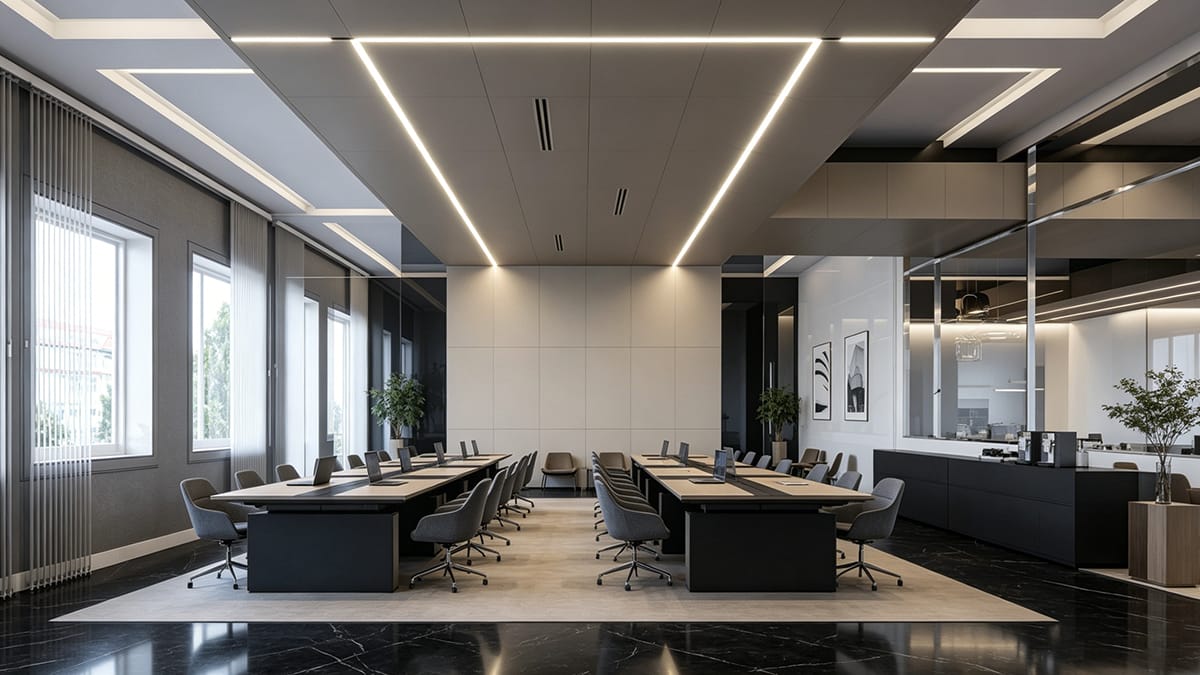
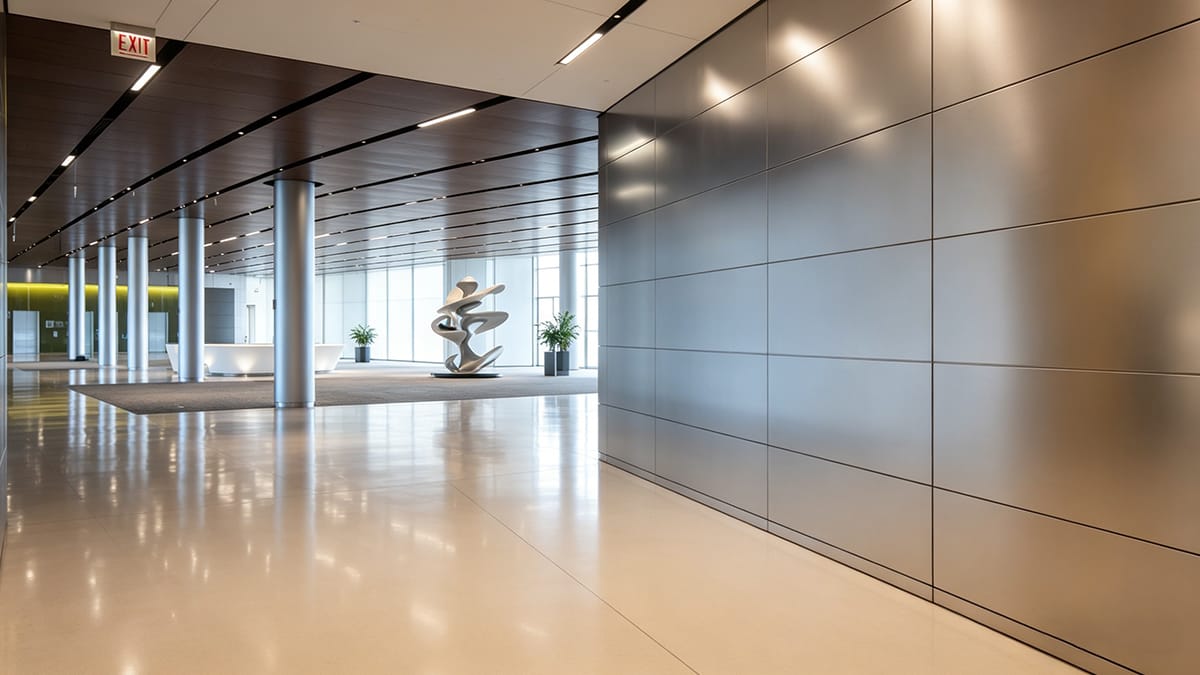
You can use aluminum cladding inside for walls, ceilings, and decorations. The panels are lighter than steel or concrete. You can carry and put them up easily. This saves money on shipping and helps finish jobs faster. Aluminum cladding does not stain or rust, so you do not need much cleaning. The smooth surface lets you paint or print designs. You can make rooms that look modern and work well.
Suitability for Different Environments
Aluminum cladding works in tough places. You can use it where there is strong sun, heavy rain, or cold weather. Special coatings keep the panels safe from rust, sun, and water. You see aluminum cladding in cities by the sea, in factories, and in towns.
Environment | Pros | Cons |
|---|---|---|
Coastal | Resistant to rust and swelling | Requires careful sealing to prevent water infiltration |
Industrial | Strong weather resistance | Tendency to dent or scratch, especially in busy areas |
Urban | Aesthetic appeal can be a concern | Noise from rain or hail impacting the panels |
By the sea, you need to seal the edges and screws to stop rust.
In factories, you should check for dents from machines.
In cities, you might hear rain hitting the panels.
Tip: You get the best results when you choose aluminum cladding that fits your project and location.
You now know that aluminum composite material is light and easy to design with. It also stands up well to bad weather. But it can get dents and has some fire safety risks. When picking this material, you should check some important things:
Factor | What to Check For |
|---|---|
Fire Safety | Certified fire rating |
Material Specs | Right alloy and coating |
Structural Performance | Meets strength needs |
Quality Control | Trusted supplier |
Sustainability | Recycled content |
This material is a good choice for schools, offices, and signs. If you want something stronger or fancier, you might need a different material. Always think about the good and bad points before you make your choice.
FAQ
 FAQ
FAQWhat is an aluminum composite panel?
An aluminum composite panel is flat and thin. It has two aluminum sheets with a core in the middle. The panel is strong and light. Builders use it for walls, signs, and decorations.
Where can you use aluminum composite panel?
You can use aluminum composite panel in many places. It works for building facades, inside walls, ceilings, and outdoor signs. Architects pick it for schools, offices, and malls. You also see it in airports and hospitals because it looks nice and lasts long.
How do you clean aluminum composite panel?
You clean aluminum composite panel with mild soap and water. Use a soft cloth or sponge to wipe it. Do not use harsh chemicals or rough brushes. Rinse with clean water. Dry it with a soft towel so it stays shiny and free from marks.
Is aluminum composite panel fireproof?
You should check the core of the panel. Some panels have fire-resistant cores, but some do not. Always ask for panels with a fire safety rating. This helps you follow building rules and keeps your project safe.
Can you recycle aluminum composite panel?
You can recycle aluminum composite panel. Many recycling centers take it. The aluminum and core get separated and reused. This helps cut down waste and protect the environment. Recycling also saves energy and resources.