

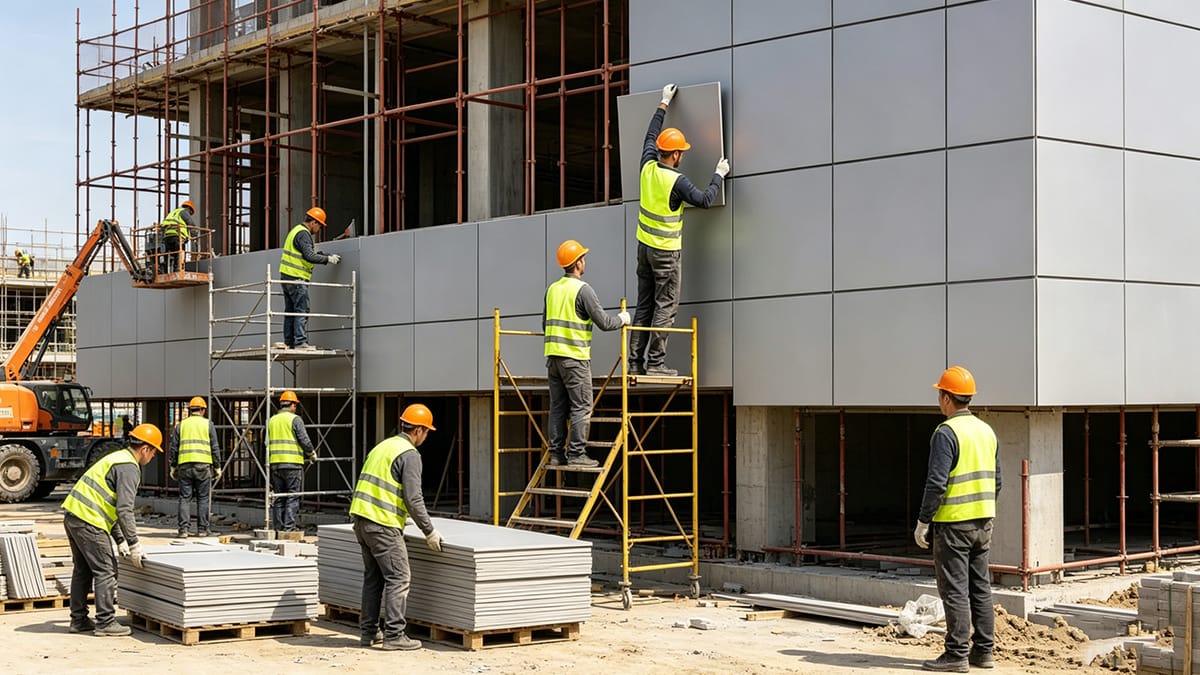
24 Apr Complete Step-by-Step Installation Guide for Aluminum Composite Material Panels
You need a good installation guide for aluminum composite material panels to ensure a strong and safe finish. Aluminum composite panels, also known as ACP or ACM, are durable and enhance the aesthetic appeal of buildings. Proper preparation and safety measures can prevent issues such as loose screws or inadequate fixings. Refer to the table below to identify common problems encountered during the installation process. Whether you are a professional or a skilled DIYer, this installation guide for aluminum composite material panels will help you work with confidence.
Incident Description | Key Issues Identified |
|---|---|
Large aluminum composite panel failed because fixing methods were not good enough | Bad fixings made the panel fall, showing the need for mechanical fastenings. |
High bond double-sided adhesive tape used for panel fixing | The quality of the job mattered; tape failed when not put on right. |
Mullion-to-transom bracket had shear failure | Wrong anchorage system was a big risk. |
Screws in the fa莽ade were loose or missing | Maintenance checks found big problems with screw strength. |
No regular checks of the facade condition | The problem could have been stopped with proper checks. |
2026 Update: Quick Answer for Complete Step-by-Step Installation Guide for Aluminum Composite Material Panels
Reviewed 29 July 2026. A reliable installation starts with an engineered substrate, coordinated panel layout, controlled joints, suitable fasteners, drainage, ventilation, and allowance for movement. The panel alone does not make a compliant wall system.
- Approve shop drawings, support spacing, joint widths, corners, penetrations, and interfaces before fabrication.
- Use the specified routing, folding, fixing, sealant, and protective-film procedure.
- Keep coating direction and batch information consistent across connected elevations.
- Inspect drainage paths, fastener engagement, sealant adhesion, surface damage, and completed tolerances.
This update keeps the original topic and search intent while making the decision criteria clear at the start. Project-specific engineering, regulations, test evidence, and supplier documentation remain controlling.
Key Takeaways
Installing aluminum composite panels the right way keeps them safe and strong. Follow each step in the guide for the best outcome.
Get your work area and tools ready before you begin. Keeping your space clean and neat stops accidents and errors.
Use the correct materials and fasteners when you install. You need screws, adhesives, and sealants for a tight hold.
Clean and check ACP panels often to keep them lasting longer. Look for damage or problems at least once every year.
Begin installing at important spots like corners. This keeps everything lined up and stops gaps from forming.
ACP Panel Installation Guide Overview
 What Are ACP Panels
 What Are ACP Panels
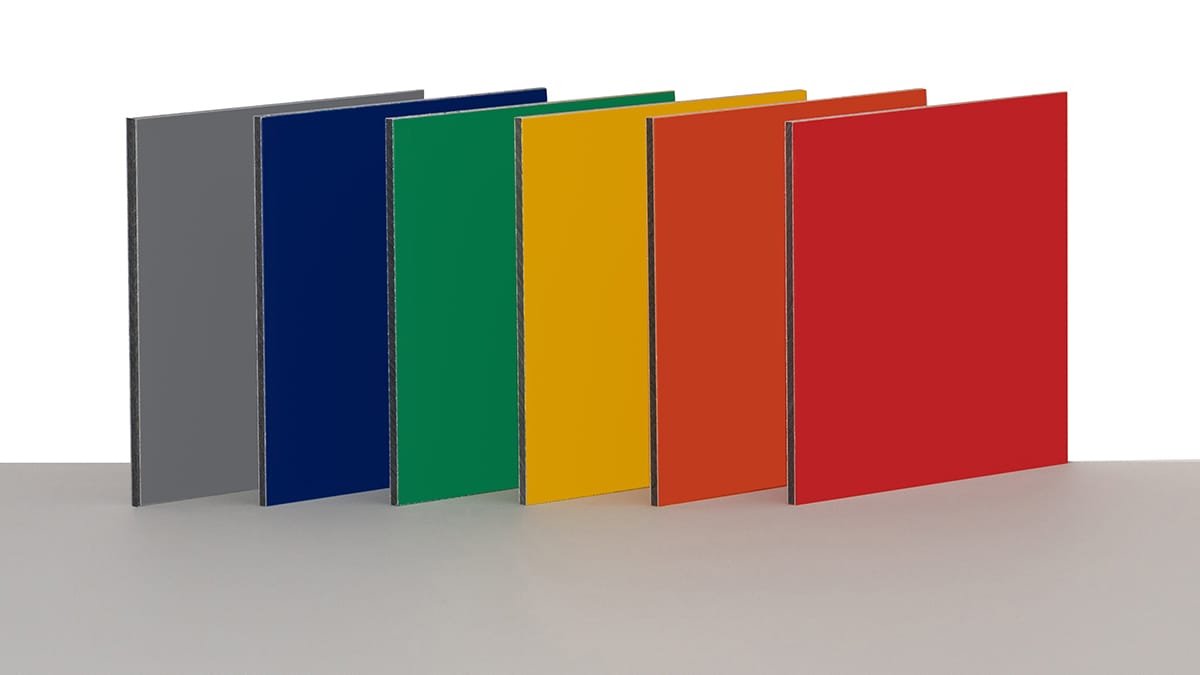
You can see aluminum composite panels on many new buildings. ACP is also called ACM. It means aluminum composite material. These panels have two thin aluminum sheets. There is a strong core between the sheets. The core helps the panel stay strong and tough. It spreads out force and keeps the panel from breaking. The panels are light, so you can cut and shape them easily. You can install them without much trouble. They stay flat and smooth, even if they are big. Special coatings protect them from weather and sunlight. The coatings also keep out water. This makes the panels last a long time. The color and finish stay nice for years.
Tip: If you follow each step in the guide, you will know how to use ACP panels safely and get good results.
Common Uses and Benefits
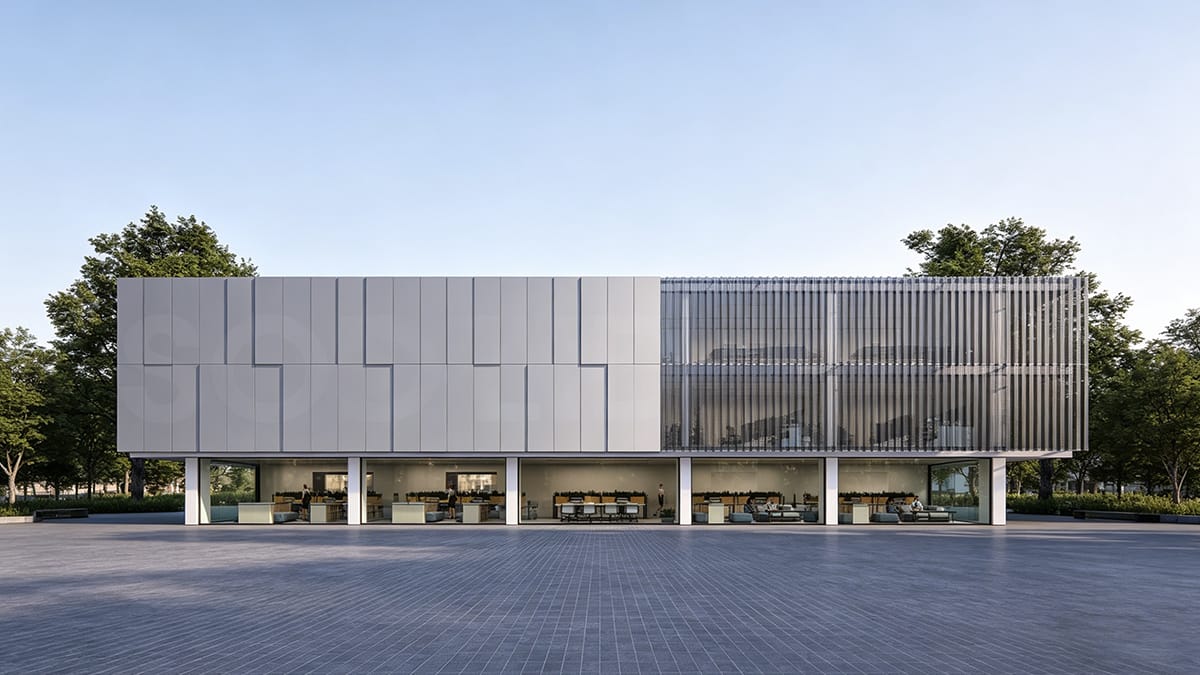
You can find aluminum composite panels in lots of places. People use them for outside walls, inside walls, and signs. The panels make buildings look modern. They come in many colors and textures. You can use them in tall buildings, houses, offices, malls, factories, and even on buses and trains.
Industry Type | Purpose |
|---|---|
High-rise buildings | Good for tall buildings because they are light and strong. |
Commercial buildings | Make buildings look modern and last a long time. |
Residential buildings | Come in many styles and finishes for homes. |
Exterior facades | Make buildings look better with many colors and textures. |
Interior wall panels | Look nice and work well in offices, malls, and homes. |
Signage and advertising | Good for outdoor signs and bright printing. |
Industrial applications | Used for walls, dividers, and covers in factories. |
Transportation | Light and strong for buses, trains, and planes. |
There are many good things about using aluminum composite panels. They last from 10 to 20 years. They do not bend or break easily. You only need to wash them gently and check the coating once a year. The panels do not catch fire easily. You can use them in many ways and they are good for the planet. You can recycle the aluminum skins. This helps the environment. If you use an installation guide for aluminum composite material panels, you make sure your work is safe and looks good.
Tools and Materials Needed
 Before you start, you must collect all the tools and materials. This helps you work safely and makes the job easier. The right tools help you do a neat job and keep you safe.
Essential Tools
You need some basic tools to put in acp or acm panels. Each tool does something important:
Measuring tape: You use this to check sizes and spaces.
Level: This tool helps you keep panels straight.
Drill and drill bits: These make holes for screws and anchors.
Saw or cutter for ACP: You cut panels to the size you want.
Screwdriver or power driver: These tighten screws and brackets fast.
Safety gear (gloves, goggles): These protect your hands and eyes from harm.
Cleaning supplies: These clean off dust and dirt before you begin.
Tip: Always wear gloves and goggles when you cut or drill aluminum composite panels.
Required Materials and Accessories
You also need the right materials and accessories to finish the job. These things help you stick, seal, and protect the panels:
Aluminum composite panels: These are the main part of your project.
Sub-frame or support structure: This holds the panels in place.
Screws and anchors: These keep the panels on the sub-frame.
Rivets (optional): These give extra strength in some places.
Adhesive (if needed): This sticks panels in special cases.
Sealant or weatherproofing: This seals edges and joints to stop water.
Brackets: These connect panels to the frame.
Here is a simple table that shows the layers in aluminum composite panels and what they do:
Layer | Material Used | Contribution to Installation |
|---|---|---|
Outer Layer | Aluminum with UV coating | Stops rust and fading from sun and rain |
Core Layer | Polyethylene or fire-resistant metals | Makes the panel strong and protects from heat and hits |
Bottom Layer | Aluminum | Gives support and a strong base |
When you have all your tools and materials, you are ready to start. This step helps you have a safe and good installation.
Site Inspection and Surface Preparation
Safety Precautions
You must always think about safety before you start working with aluminum composite panels. Wear gloves to protect your hands from sharp edges. Put on safety goggles to keep dust and small pieces out of your eyes. Make sure your work area has good light so you can see what you are doing. Keep your tools organized and away from walkways. This helps prevent trips and falls. If you use power tools, check that cords and plugs are in good shape. Never use damaged tools. You should also wear a dust mask if you cut or sand panels. This keeps you from breathing in fine dust. Always follow the safety rules for your tools and materials.
Tip: Clear the area of clutter before you begin. This gives you more space to move and helps you avoid accidents.
Cleaning and Preparing the Surface
You need a clean and smooth surface for a strong bond during acp or acm panel installation. Start by removing any old paint, dust, or grease from the wall. Use a soft cloth and gently scrub in straight strokes. Do not use steel wool, hard brushes, or rough fabrics because these can scratch the surface. Rinse the area with clean water to wash away any soap or cleaner. Dry the surface with a soft, lint-free cloth to stop water spots from forming.
Remove the protective film from the panels slowly. This prevents static build-up.
Clean the surface with 70% isopropyl alcohol and a lint-free cloth. Do not use soaps or silicone cleaners.
If the coated side needs extra grip, scuff it lightly with 360-grit sandpaper.
Wipe away all dust with a cloth moistened with isopropyl alcohol.
Apply a compatible primer and let it dry fully before you move to the next step.
You should never use strong solvents or pressure washers close to the surface. These can damage the panels. For extra care, you can apply a non-abrasive automotive wax or a protective sealant. This helps keep aluminum composite panels looking new for a long time.
Note: Careful surface preparation helps your panels stick well and last longer.
Sub-Structure and Base Profile Installation
Creating the Sub-Frame
 Creating the Sub-Frame
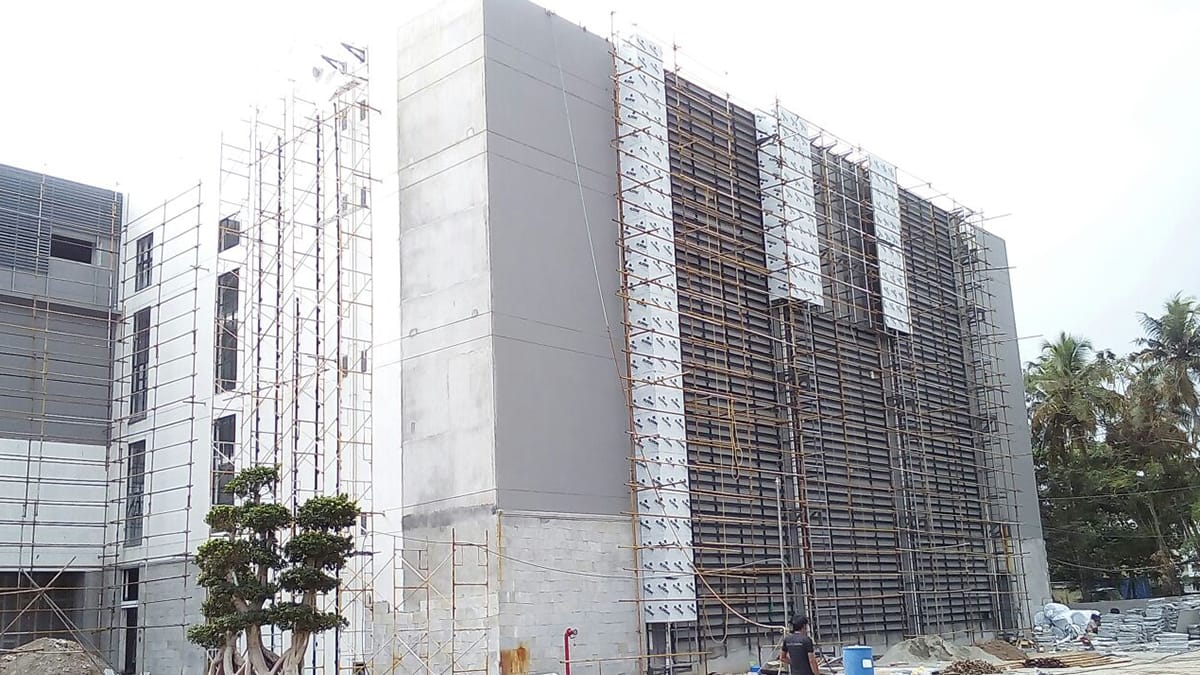
You need a strong sub-frame to hold aluminum composite panels. The sub-frame is like the backbone for acp or acm panels. If you build it right, your panels will stay flat and safe for years. Always check if the wall or steel frame can carry the panels鈥?weight and handle wind. Leave small gaps so panels can grow or shrink when it gets hot or cold. This stops bending or cracking.
Here is a table that shows what you should check first:
Requirement | Description |
|---|---|
Structural condition of the base | The wall or steel frame must hold the ACP system鈥檚 weight and stay steady when wind blows. |
Allowance for thermal movement | Installers need to leave space so panels can move without bending or cracking. |
Wind-load and height calculation | Tall buildings or places near the sea need thicker panels and stronger frames. |
Fire-safety requirements | Many business buildings need fire-rated ACP, which must be chosen before you start. |
Always check the sub-frame and supports to make sure they are tight and spaced right. You need a clean, flat, and dry surface for a strong and lasting installation.
Fixing Base Profiles and Support Angles
You must line up and fix the base profiles and support angles carefully. Start by marking where each profile goes on the wall. Use a level to make sure your lines are straight. Put each profile on your marks and check again with the level. Use clamps or sticky tape to hold the profiles while you work.
Follow these steps for best results:
Make sure all panel edges are smooth and clean before joining. This gives a tight fit and better strength.
Mark where each panel goes and check your lines with a level.
Line up each panel with your marks and check again with a level.
Use clamps or sticky tape to hold the panels in place.
Attach the panels to brackets or with glue, but do not make them too tight.
Put a good weatherproof sealant on all edges and joints to keep water out.
You should always follow the maker鈥檚 instructions. Clean, check, and handle aluminum composite panels gently. This helps you get a safe and neat installation.
Measuring and Panel Preparation
Accurate Measurement and Marking
You need to measure and mark carefully before you cut aluminum composite panels. Start by checking all panels when they arrive. Look for damage and count each piece. Use a straight edge and a measuring tape to mark where you will cut or drill. Make sure your lines are clear and accurate. If you want to fold or bend panels, mark grooves for routing. Drill holes only where you need them. Try a dry fit by placing panels on the frame without fasteners. This helps you see if everything lines up. Smooth the edges with a file or sandpaper. Clean off dust and chips before you move to the next step. Keep the protective film on the panels until you finish the installation. This prevents scratches and keeps the panels looking new.
Tip: Double-check your measurements before you cut. Mistakes can waste material and cost money.
Steps for accurate measurement and marking:
Inspect all panels for damage and count them.
Use a straight edge and measuring tape to mark cut lines and hole positions.
Mark grooves for folding if needed.
Drill holes only where necessary.
Dry fit panels to check alignment.
Smooth and clean edges.
Keep protective film on until the end.
Cutting and Fitting Panels
You must cut and fit aluminum composite panels with care. Set up a clean, flat, and well-lit workspace. Secure each panel with clamps so it does not move. Wear gloves, goggles, and a dust mask to protect yourself. Use a fine-tipped marker to draw your cut line. Check your measurements again. Choose the right blade for the job. For straight cuts, use a panel saw or table saw with a fine-toothed blade. For curved cuts, use a jigsaw with a metal-cutting blade. If you work with thin sheets, try a utility knife and use the score and snap method. For large projects, a CNC router gives you the best precision.
Recommended cutting tools:
Panel saw or table saw for straight cuts
Jigsaw for curves
Circular saw for quick straight cuts
Utility knife for thin sheets
When you cut, support both sides of the panel. Move the tool slowly and steadily. After cutting, smooth the edges with a file or deburring tool. Clean away dust and chips. Fit the panels onto the frame and check for gaps. If you work with acp or acm panels, careful cutting and fitting help you get a neat finish and strong installation.
Note: Always keep your workspace clean and organized. This helps you avoid mistakes and keeps you safe.
ACP Panel Installation Steps
Starting at Critical Areas
 Starting at Critical Areas
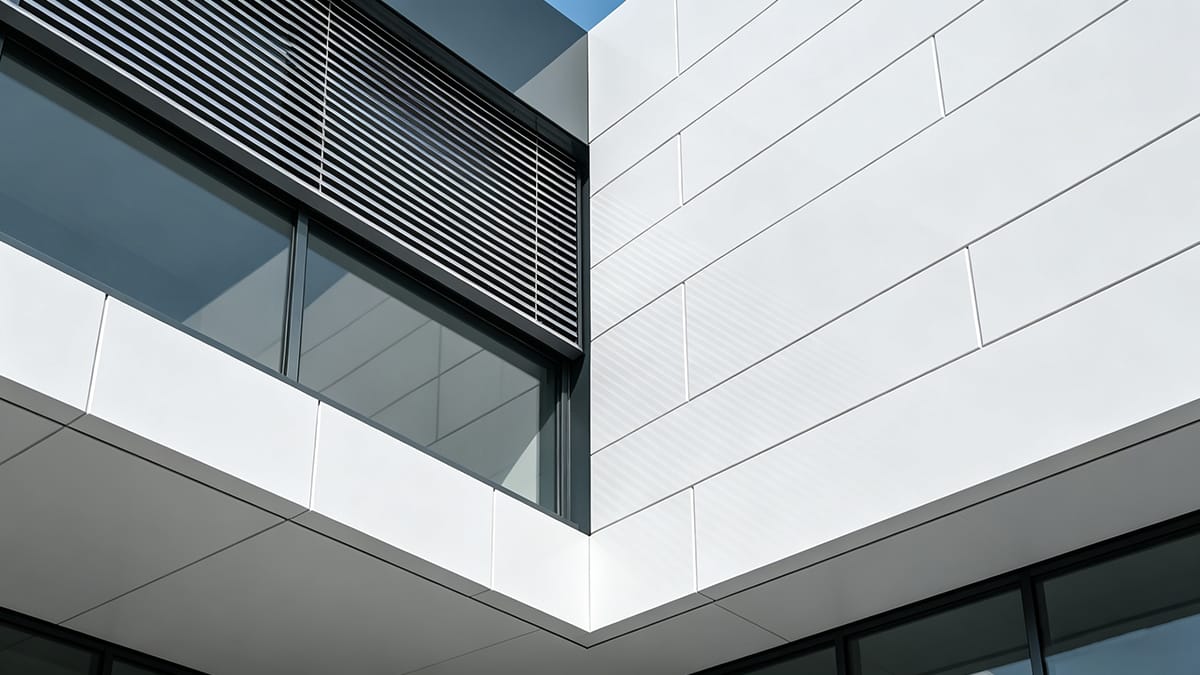
You should always begin acp sheet installation at the corners or where two surfaces meet. These spots are called critical areas. Starting here helps you keep everything straight and lined up. If you start in the middle, you might see gaps or crooked lines later. Corners and transitions set the direction for the rest of the panels. You can use a spirit level to check that your first panel is both straight up and flat across. This step is important for a professional look.
If you follow this step-by-step guide, you will see that starting at critical areas makes the whole installation process easier. You will not need to fix mistakes later. You will also save time and materials.
Before you attach anything, check the sub-frame and make sure it is strong and level. Place your first acp sheet at the corner. Hold it in place with clamps or temporary supports. Do not fasten it tightly yet. You need to make small changes to get the best fit. Use spacers or shims to keep the panel even with the wall. Check the alignment with a level and a tape measure. If you see a gap, adjust the panel before you move on.
Positioning and Fastening Panels
You must position each acp sheet with care. Place the next panel next to the first one. Leave a small gap for expansion. This gap lets the panels grow or shrink when the weather changes. If you skip this step, the panels might bend or crack. Most experts say to leave a gap of 5mm to 8mm at the edges.
When you start fastening, use both adhesive and mechanical fasteners. Adhesive gives a strong bond. Mechanical fasteners, like screws or rivets, add extra support. This dual method spreads out the weight and keeps the panels from moving or falling off. For spot gluing, make sure each glue dot is at least 30mm wide and no more than 200mm apart. Use stainless steel self-tapping screws with a diameter of at least 4mm. Each screw should go into the aluminum at least 5mm deep.
Here are the steps for acp sheet installation:
Place the acp sheet on the frame.
Attach it loosely with screws or clamps.
Check the panel with a spirit level for straightness.
Use spacers or shims to keep even gaps.
Tighten the fasteners once you are sure the panel is in the right spot.
Seal the joints with weatherproof sealant.
Repeat these steps for each new panel.
During acp sheet installation, you need to check the flatness of the panels, the vertical and horizontal alignment, the way the panels connect to the frame, and the sealing of all joints. Good sealing keeps water out and makes the panels last longer.
You should check your work after each panel. Use a level and tape measure to make sure everything lines up. If you see a problem, fix it before you add more panels. This habit helps you avoid big mistakes later.
Common problems during acp sheet installation include using the wrong tools, not securing the panels well, and skipping practice on extra panels. You can avoid these issues by following this installation guide for aluminum composite material panels. Practice on a spare acp sheet if you are new to installing aluminum composite panels. This step helps you learn how to cut, drill, and fasten without making mistakes on your main panels.
If you follow this installation guide for aluminum composite material panels, you will get a strong, safe, and neat finish. You will also make sure your acp sheet installation meets all safety and quality standards.
This step-by-step guide helps you understand each part of the installation process. You can use it for both acp and acm panels. If you check your alignment, use the right fasteners, and seal every joint, your acp panel installation will look great and last for years.
Sealing and Finishing
Sealing Joints and Edges
 Sealing Joints and Edges
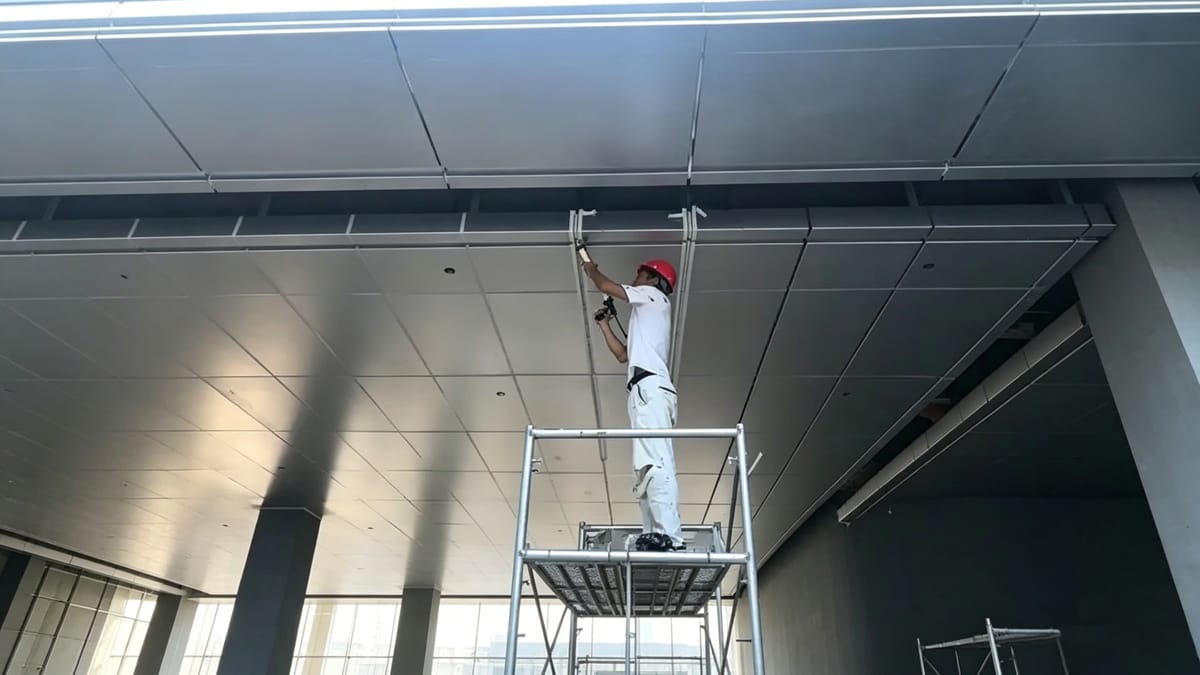
You must seal all joints and edges. This keeps water and dirt out of your aluminum composite panels. Sealing helps your panels look nice and last longer. First, check every gap between the panels. Make sure each gap is clean and dry before you use sealant.
Here are some sealants you can pick for this job:
Use weather-resistant silicone sealant for outside joints. Try to keep the joint鈥檚 width and thickness close to a 1 to 1.5 ratio.
Seal spaces between panels with silicone or polyurethane. This stops water from getting inside.
Pick neutral cure silicone or acetoxy silicone sealants. These stick well to aluminum composite panels and handle weather well.
You can use a wet sealant system with caulk in the joints. For a dry system, use a gasket or spline between panels. This helps water drain away.
Tip: Always follow the sealant maker鈥檚 instructions. Use a caulking gun to make a smooth line. Wipe off extra sealant before it dries.
Cleaning and Final Inspection
After you seal the panels, you need to clean them and check your work. Wipe off dust, fingerprints, or extra sealant from the surface. Use a soft cloth and a gentle cleaner that is safe for aluminum composite panels. Do not use strong chemicals or rough pads.
Now, look over your installation to make sure everything is right. Use this table to help you check:
Inspection Type | Criteria |
|---|---|
Appearance Inspection | Look for smoothness, even color, and no damage. Use a straightedge to check for flatness. Make sure there are no visible problems. |
Firmness Inspection | Make sure panels are tight with no shaking or soft spots. Check all connections and tighten bolts if needed. |
Waterproofing Acceptance | Spray water on the panels to check for leaks. Make sure drainage holes are open. |
If you see any problems, fix them right away. A careful final check helps your acp or acm panels stay strong and look good for many years.
Pro Tips and Mistakes to Avoid
Expert Advice
 Expert Advice
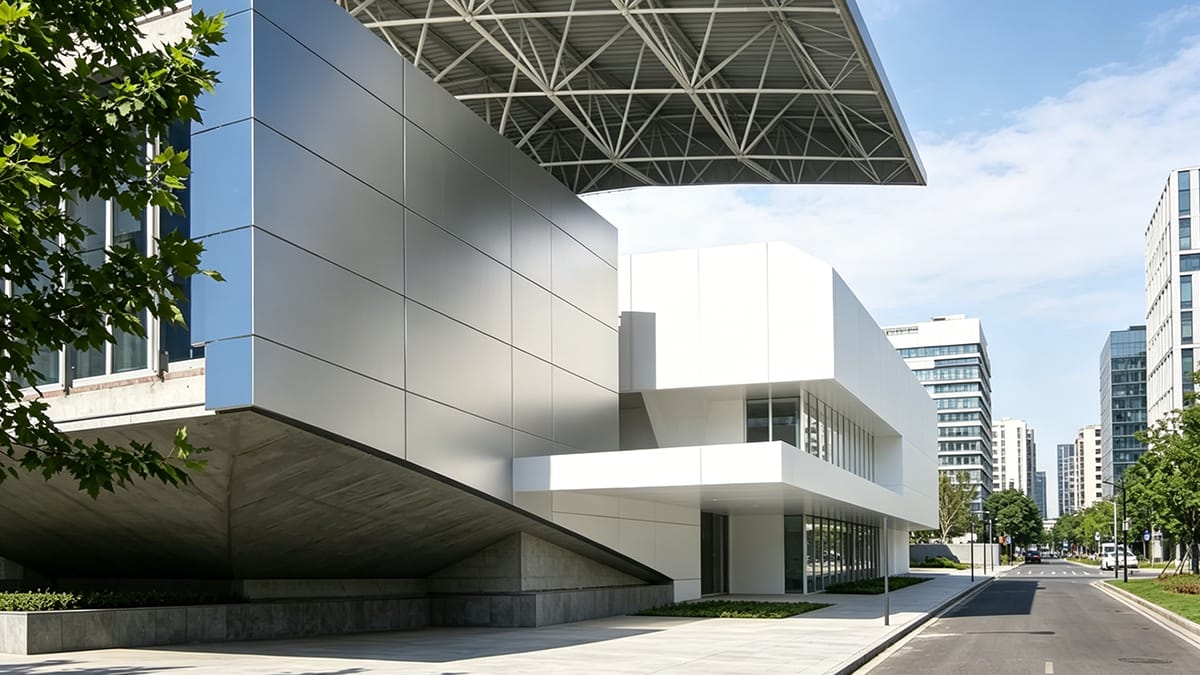
You can make your acm installation better by using expert tips. First, get the site ready the right way. The base must be clean, flat, and strong. This stops panels from being crooked. It also helps you get a neat finish. Measure and mark carefully. Always check your numbers twice. Leave a little space for the panels to grow or shrink. Cut and handle the aluminum composite panels with care. This keeps them from getting scratched or dented. Look at each panel before you put it up. Clean the surface and check the fasteners. Make sure everything meets the rules.
Here is a table with expert tips and what they mean:
Tip | Explanation |
|---|---|
Proper site preparation | Gives you a clean, stable, and accurate base for acm installation. |
Accurate measuring | Helps you avoid mistakes and allows for thermal movement. |
Careful cutting and handling | Prevents damage to aluminum composite panels and keeps edges smooth. |
Thorough inspection | Ensures panels are clean, fasteners are tight, and surfaces meet requirements. |
Always use a level and chalk line to check if panels are straight. Begin at corners and doorways. This keeps the panels lined up. Follow the maker鈥檚 rules for acm installation. These steps help you stop problems and save time.
Tip: Try working on a spare panel before you start your acm installation. This lets you practice cutting, drilling, and fastening without making mistakes.
Common Installation Errors
You might run into some common mistakes when installing acm. If the base is not ready, panels can bend or crack. Always check that the surface is flat, strong, and dry. Treat wood bases so they do not get wet. If you do not seal well, water can get inside the aluminum composite panels. Use the right way to seal so panels stay dry and last longer. If you do not check if materials work together, you can have problems during acm installation. Make sure all your materials fit well together.
Here is a table showing common mistakes and how to fix them:
Common Mistakes | Solutions |
|---|---|
Improper base preparation | Ensure a flat, solid, and dry surface; treat wooden bases properly. |
Inadequate sealing | Use proper sealing methods to prevent moisture and increase panel life. |
Failure to check material compatibility | Verify all materials are compatible before acm installation. |
Note: If you stay away from these mistakes, your acp and acm installation will last longer and look nicer.
Maintenance Guide
Routine Cleaning
 Routine Cleaning
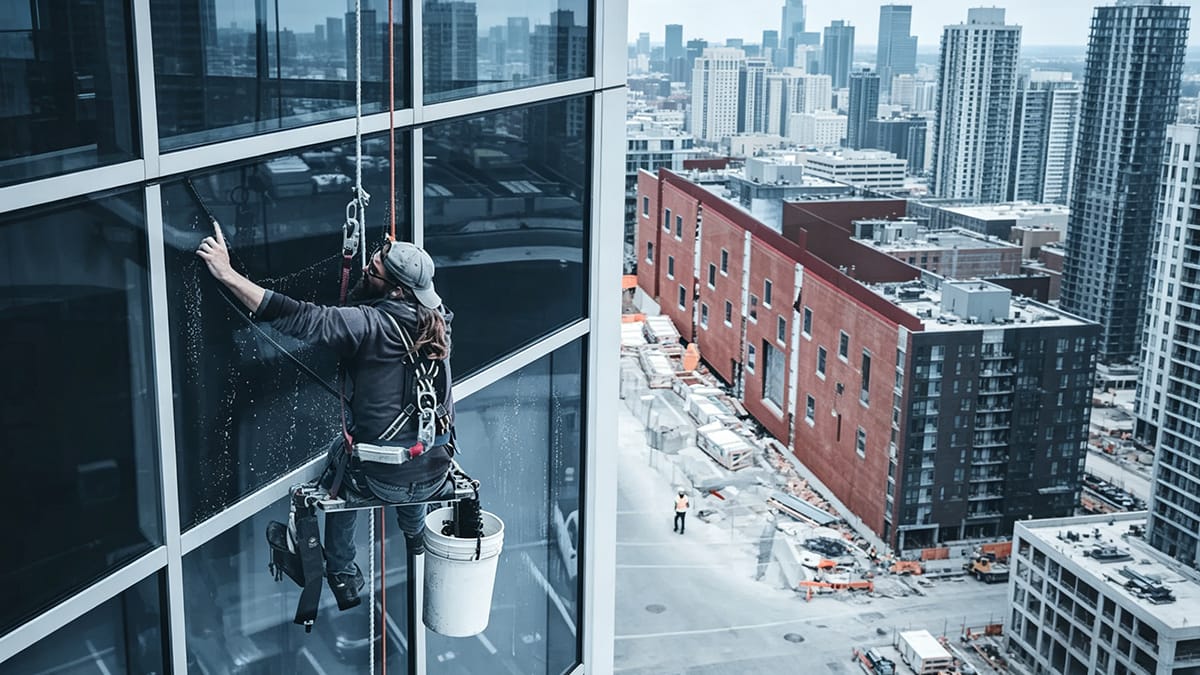
You need to clean aluminum composite panels regularly to keep them looking new and working well. Dirt, dust, and stains can build up over time. Cleaning helps protect the surface and keeps the panels strong. Follow these steps for routine cleaning:
Wash the panels every two or three years. This keeps the finish bright and prevents buildup.
Use mild detergents or neutral pH cleaning solutions mixed with water. Avoid strong cleaners with acid or alkali. These can damage the surface.
Clean gently with a soft cloth or sponge. Start from the top and work your way down. Do not use rough pads or hard brushes. These can scratch the paint.
Rinse the panels with clean water before and after using any cleaning agent.
Dry the surface with a soft, non-abrasive cloth. This prevents water spots.
Avoid cleaning in very hot or sunny conditions. This helps you prevent streaks.
Test your cleaning method on a small hidden spot first.
Regular cleaning is essential. It keeps aluminum composite panels looking good and helps them last longer.
Long-Term Care
You can extend the life of aluminum composite panels with smart long-term care. Choose high-quality panels with PVDF coatings. These resist weathering and corrosion. Make sure you follow proper installation practices. Seal and ventilate panels correctly to prevent moisture problems. Clean panels with mild detergent and check them every year for signs of wear.
Protect panels from harsh conditions. Use UV-resistant and anti-corrosion coatings if your building faces extreme weather.
Inspect joints and edges for cracks or leaks. Fix problems right away.
Keep drainage holes clear so water does not collect behind panels.
If you use acp or acm panels, regular maintenance and careful checks help you avoid costly repairs.
Annual inspections help you spot issues early. This keeps your panels strong and your building safe.
You can make aluminum composite panels look great if you follow each step. Always use the correct tools and follow safety rules. Safety is very important. The table below explains why:
Core Material Verification | Compliance with Building Codes | |
|---|---|---|
ACM panels must meet fire codes | Check core material and fire rating | Follow International Building Code |
Regular care keeps acp and acm panels clean and strong. If you build carefully, your work will last and your ideas will become real.
FAQ
How long do aluminum composite panels last?
You can expect aluminum composite panels to last 10 to 20 years. They resist weather, sunlight, and moisture. Regular cleaning and yearly checks help you keep them looking new.
Can you install acp panels by yourself?
You can install acp panels if you have the right tools and skills. Always follow safety rules. For large projects, you may want to ask a professional for help.
What is the difference between acp and acm panels?
Both acp and acm panels have two aluminum sheets with a core. The main difference is the name. Some people use acp, while others use acm. Both work well for building projects.
How do you clean aluminum composite panels?
Use a soft cloth and mild soap mixed with water. Wipe the panels gently. Rinse with clean water and dry with a soft towel. Do not use strong chemicals or rough pads.
Are aluminum composite panels fire-resistant?
Many panels have fire-resistant cores. Always check the label before you buy. Use panels that meet your local fire safety codes.