
21 Apr Top Maintenance Tips for Aluminum Composite Material Exterior Walls
You can find aluminum composite material on many commercial buildings. These panels look nice and modern, but they need care to stay nice. If you follow regular maintenance tips for aluminum composite material exterior walls, you keep the protective coatings strong. Cleaning with water and mild soap helps stop corrosion and keeps your panels looking new. Spending a few minutes on maintenance saves you money and keeps your building鈥檚 value high for a long time.
Regular cleaning keeps the protective layer strong and lowers the chance of corrosion.
Checking and caring for your panels helps them last longer.
2026 Update: Quick Answer for Top Maintenance Tips for Aluminum Composite Material Exterior Walls
Reviewed 29 July 2026. Service life depends on the complete panel specification, exposure, detailing, installation, cleaning access, and maintenance鈥攏ot on the face finish alone. Early inspections should focus on water paths, joints, fasteners, sealants, edges, impact damage, and coating condition.
- Create inspection intervals for the actual climate and pollution level.
- Use approved mild cleaners and test any method on a small area first.
- Record defects with location, photos, date, and likely water or impact source.
- Repair system defects promptly and follow the panel, coating, sealant, and fastener guidance.
This update keeps the original topic and search intent while making the decision criteria clear at the start. Project-specific engineering, regulations, test evidence, and supplier documentation remain controlling.
Key Takeaways
Clean your aluminum composite panels every six months. This stops corrosion and keeps them looking nice.
Use gentle cleaning methods like mild soap and soft cloths. This helps protect the coating on your panels.
Check the seals on your panels two times each year. This helps you find damage early and keeps out moisture.
Fix small scratches and dents right away. This stops bigger problems like leaks or corrosion.
Keep records of cleaning, inspections, and repairs. This helps you keep your building鈥檚 value.
Essential Maintenance Tips for Aluminum Composite Material Exterior Walls
Regular Cleaning Methods
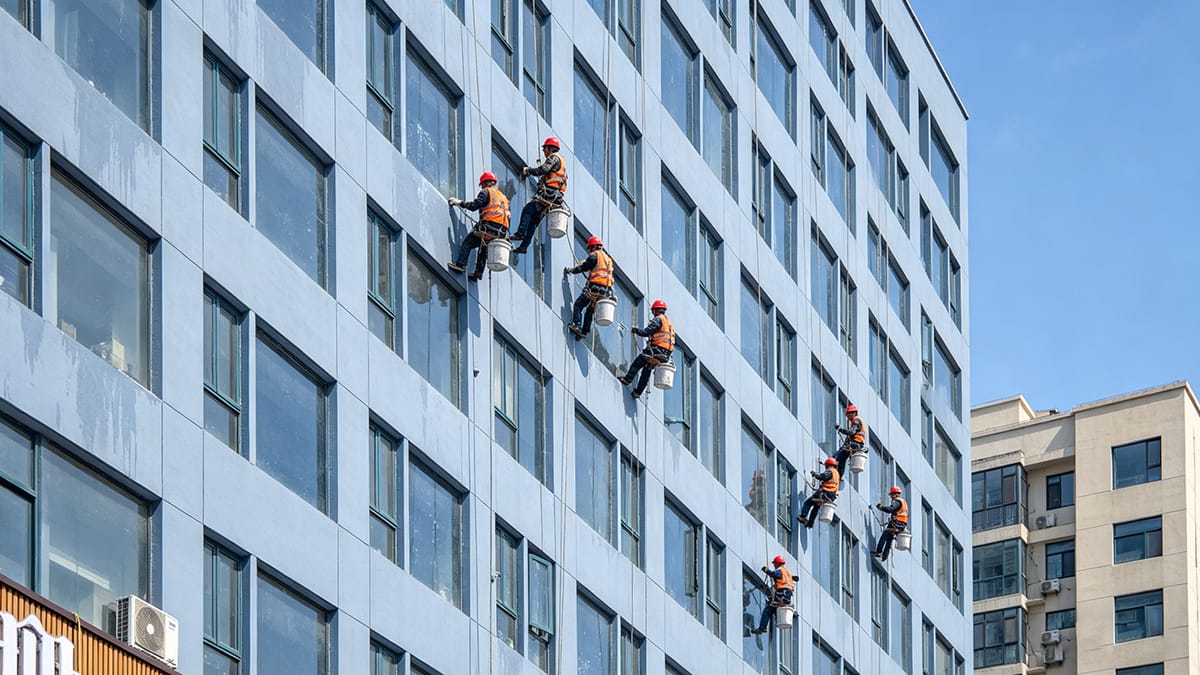
You want your aluminum composite panels to look good and last long. Cleaning them often is the best way to keep your acm panels and cladding in good shape. First, rinse the aluminum composite panel facade with clean water. This helps wash away dirt and dust. Then, use a soft sponge or microfiber cloth with warm water and a little mild soap. Wipe the acm panels gently. Do not use anything rough, or you might scratch the cladding. Never use pressure washers or strong chemicals. These can hurt the protective coating and make the panels less weatherproof.
Tip: Try your cleaning mix on a small hidden spot first. This way, you can make sure it is safe before cleaning the whole area.
Cleaning Frequency and Tools
How often should you clean your acm panels? Most experts say you should clean them every six months. If your building gets a lot of bad weather or pollution, you may need to clean more often. Aluminum composite panels do not need much work, so regular cleaning is usually enough to keep them looking nice. Use soft cloths, sponges, or steam cleaning for tough spots. If your building is very tall or very dirty, you can hire a professional cleaning service.
Here鈥檚 a quick look at safe tools for cleaning and upkeep:
Tool/Method | Best Use |
|---|---|
Soft sponge or microfiber | Everyday dirt and dust removal |
Warm water + mild detergent | General cleaning of acm panels and cladding |
Steam cleaning | Stubborn dirt or grease on acm panel facade |
Professional service | High-rise or heavily soiled aluminum composite panels |
Safe Cleaning Products
When you pick cleaning products for your acm panels, always use gentle cleaners made for aluminum composite material. Do not use strong acids, alkalis, or anything rough. Mild soaps like dish soap, car shampoo, or glass cleaner mixed with water work well for cleaning and upkeep. After you clean, rinse the facade with clean water to wash away any soap and stop streaks. This easy routine helps your cladding stay strong and last longer.
Note: If you skip cleaning or use the wrong products, your acm panels and cladding may not last as long. Follow these tips for aluminum composite material exterior walls to keep your building looking great.
Seal Inspection and Repair
 When and How to Inspect Seals
 When and How to Inspect Seals
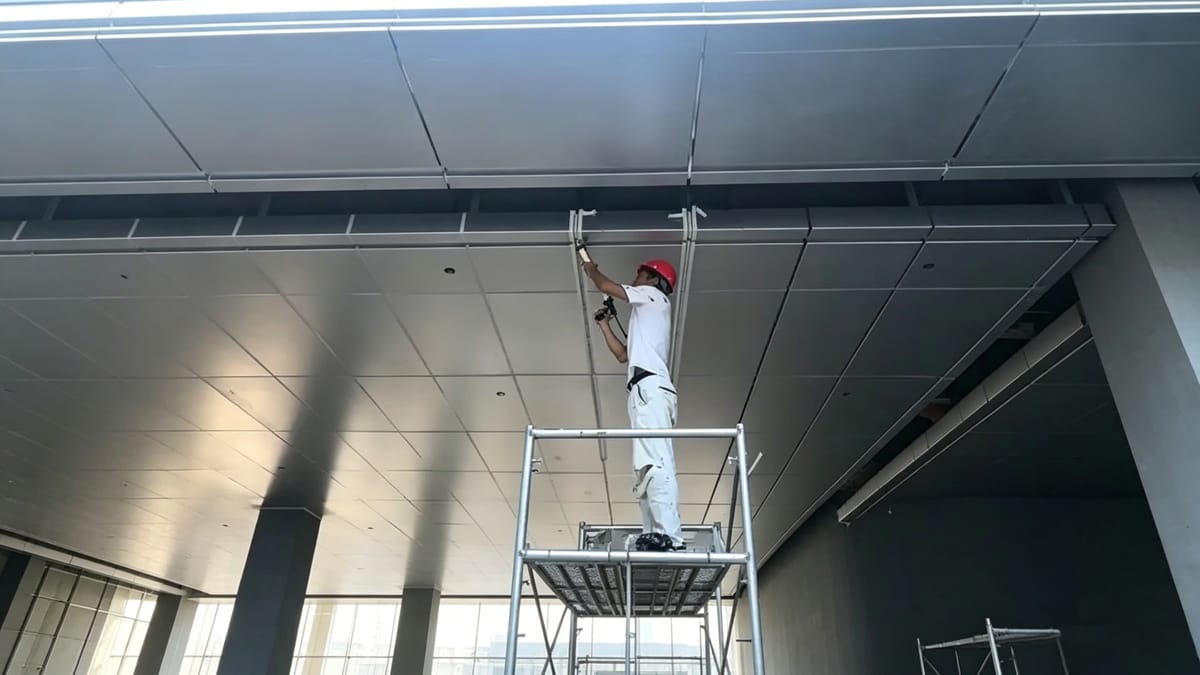
You want your aluminum composite panels to stay strong and weatherproof. Seals play a big role in keeping your acm panels and cladding safe from moisture and damage. You should check the seals on your aluminum composite panel facade at least twice a year. Look at the edges of your acm panels and cladding where the sealant sits. Use your eyes and hands to spot cracks, gaps, or signs of wear. If your building faces harsh weather, check more often. Clean the area before you inspect. This helps you see problems with your acm panels and cladding better.
Tip: If you see dirt or water near the seals, clean it right away. This stops moisture from getting inside your aluminum composite panels.
Signs of Seal Damage
You can spot seal damage on your acm panels and cladding by looking for these signs:
Cracks or splits in the sealant
Gaps between acm panels and cladding
Loose or missing gaskets
Water stains or moisture inside the aluminum composite panels
Discoloration or peeling near the seal
If you ignore these signs, your aluminum composite panels may face moisture intrusion, structural damage, and higher maintenance costs. Regular checks help you catch problems early and keep your acm panels and cladding in good shape.
Repairing or Replacing Seals
When you find damaged seals on your acm panels or cladding, you need to act fast. Here鈥檚 how you can handle basic repair and replacement:
Clean all surfaces around the acm panels and cladding before you start.
Remove any old or ineffective sealant from your aluminum composite panels.
Use silicone sealants for strong, UV-safe joints on your acm panels and cladding.
Check the sealant鈥檚 stretch and stickiness with a small test.
Stop three-sided sticking by using PE foam rods or anti-stick tape.
Make sure the sealant sticks well to the aluminum composite panels.
Remove the plastic film from your acm panels before sealing.
Keep sealant thickness around 6mm for best durability.
Apply sealant when the weather is stable.
Follow standard building steps and test the sealant after you finish.
If you use gaskets on your acm panels and cladding, pick high-quality synthetic rubber. Keep gaskets away from strong sunlight. Replace worn strips right away. Always follow the manufacturer鈥檚 instructions for sealant and gasket repair and replacement. If you see big cracks, water leaks, or lots of damage on your aluminum composite panels, call a professional for repair and replacement. This keeps your acm panels and cladding safe and strong.
Note: Good seal repair keeps your aluminum composite panels weatherproof and boosts durability. Regular maintenance stops big problems before they start.
Damage and Wear Check
Identifying Scratches, Dents, and Corrosion
 Identifying Scratches, Dents, and Corrosion
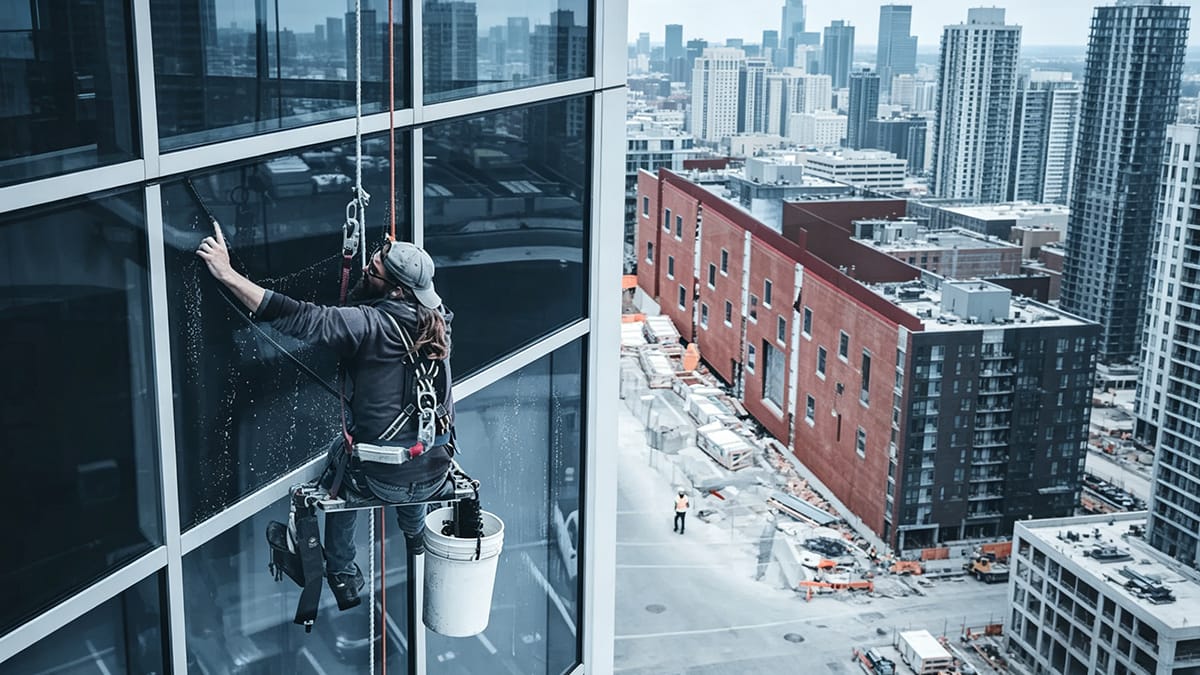
You want your aluminum composite panels to look good for years. Start by looking for scratches, dents, or corrosion on your acm panels and cladding. Walk around your building and check each aluminum composite panel facade closely. Scratches can happen after storms or if something hits the acm panels. Dents show up when something heavy bumps the cladding. Corrosion looks like white spots or powder on your aluminum composite panels. If you see these problems, fix them quickly. Fast repairs stop bigger problems, like water getting inside your acm panels and hurting the cladding.
Tip: Always check your aluminum composite panels after bad weather. Rain, wind, and hail can cause damage you might not see right away.
Handling Loose or Misaligned Panels
Loose or crooked acm panels can cause problems if you ignore them. Check your aluminum composite panels and cladding for any panels that look out of place or feel loose. Here鈥檚 what you should do:
Look at your acm panels for cracks, color changes, or movement.
Make sure all aluminum composite panels are tight. Check for missing or loose screws.
Clean your cladding and acm panels two times a year. Fix problems right away to keep your aluminum composite panels strong.
If you find a panel that feels loose, fix it soon. This keeps your acm panels safe during storms and helps your cladding last longer.
Addressing Minor Damage
Small problems on your aluminum composite panels can get worse if you ignore them. You can fix little scratches or dents on your acm panels with a few easy steps:
Clean the damaged spot on your cladding and acm panels. This helps repair materials stick better.
Dry the area all the way. Water can cause more damage to your aluminum composite panels.
Check your work to make sure the repair is strong.
When you fix small problems fast, you protect your acm panels and cladding from bigger issues like corrosion or leaks. Regular care and quick repairs keep your aluminum composite panels looking nice and staying strong, even in bad weather.
Note: Keeping your acm panels and cladding dry stops corrosion and helps your aluminum composite panels last longer.
Avoiding Harsh Chemicals and Abrasives
What to Avoid
 What to Avoid
You want your aluminum composite panels to look nice for a long time. Using the wrong cleaners or tools can hurt the surface. This can make your cladding not last as long. Some things can even break the protective layer. Then, your aluminum composite panels can get damaged by bad weather.
Here are things you should never use on your aluminum composite panels and cladding:
Pressure washers can push water behind the cladding. This can harm the panels.
Abrasive pads, steel wool, or hard brushes will scratch your aluminum composite panels.
Strong acids, alkalis, bleach, or ammonia can ruin the finish. These can make your cladding weak.
Corrosive items or harsh chemicals will damage the painted surface of your aluminum composite panels.
Never use any cleaner for heavy-duty or industrial use unless it is made for aluminum composite panels and cladding.
Tip: If you do not know if a product is safe, test it on a small hidden spot first.
Safe Alternatives
You can keep your aluminum composite panels clean without using harsh things. Gentle cleaning works best. It helps your cladding stay strong in all kinds of weather.
Try these safe ways to clean your aluminum composite panels and cladding:
Use mild soaps like dish soap, car shampoo, or glass cleaner mixed with water.
Clean with a soft sponge or microfiber cloth. Do not use rough things.
For tough stains on your aluminum composite panels, use watered-down soap. Rub gently with a piece of cardboard.
Wipe dust off your cladding with a feather duster or a soft, dry or damp cloth.
Rinse your aluminum composite panels with clean water to wash away soap.
Dry your cladding with a soft towel or chamois. This stops water spots.
If you see oil stains on your aluminum composite panels, wipe them fast with a napkin. If you need to, use mild soap and water.
Clean your aluminum composite panels and cladding more often if you get lots of rain or bad weather.
Note: Gentle cleaning keeps your aluminum composite panels and cladding looking new and strong. You help protect your building from weather and pollution.
If you use these safe ways, your aluminum composite panels and cladding will stay in good shape. You will not have to worry about damage from harsh chemicals or rough tools. Regular, gentle care is the best way to keep your cladding looking great, no matter the weather.
Professional Help and Records
When to Call a Professional
 When to Call a Professional
Sometimes, cleaning is not enough for your aluminum composite panels and cladding. If you see big dents or deep scratches, you should get help. Water damage is also a reason to call a professional. If you find loose panels or gaps you cannot fix, ask an expert. When stains do not go away after you clean, a professional has special tools. If your building is tall or hard to reach, it is safer to let experts do the work.
Here are times when you should call a professional for your aluminum composite panels and cladding:
You see large cracks or holes in the cladding.
Panels feel loose or moved after bad weather.
Water stains or leaks show up behind the aluminum composite panels.
Dirt or stains stay after you try to clean.
You cannot reach the cladding safely for cleaning or repairs.
Tip: Professionals know how to clean and fix aluminum composite panels and cladding without making things worse.
Benefits of Professional Maintenance
You may wonder if hiring a professional is a good idea. Experts have special skills and tools for aluminum composite panels and cladding. They can find problems early and fix them before they get worse. Professional help saves you time and makes your cladding last longer. You will not make mistakes that could hurt your aluminum composite panels. Sometimes, experts stop small problems from becoming big repairs, which saves money.
Professional maintenance helps you worry less.
You get better results for your aluminum composite panels and cladding.
Experts can fix tough stains, deep scratches, and weather damage.
Your building stays safe and looks nice.
Keeping Maintenance Records
Keeping records helps you remember how you care for your aluminum composite panels and cladding. Write down every cleaning, check, and repair. Note the date, what you did, and any problems you found. If you call a professional, add their report to your records. Good records show how often you care for your cladding and help you plan future work. If you sell your building, these records prove you took care of your aluminum composite panels.
Record Type | What to Include |
|---|---|
Cleaning | Date, method, products used |
Inspection | Date, findings, areas checked |
Repairs | Date, issue, how it was fixed |
Professional Help | Date, service, report or invoice |
Note: Keeping records helps you see patterns and plan for the next cleaning or repair. You protect your aluminum composite panels and cladding from damage caused by weather and not taking care of them.
You can make your aluminum composite walls look nice with easy steps. Clean them gently, look for damage, and fix problems quickly. Here is a simple table of good habits:
Maintenance Tip | Why It Matters |
|---|---|
Regular cleaning | Keeps panels strong and bright |
Sealant application | Blocks water and air |
Check subframing | Stops waviness and keeps panels safe |
When you take care of your panels, you keep your property鈥檚 value high and save money. Make a plan, ask experts for help when you need it, and always stay ahead!
FAQ
 FAQ
FAQHow often should you clean aluminum composite panels?
You should clean your panels every six months. If your building sits near a busy road or in a city, you may need to clean more often. Regular cleaning keeps your panels looking fresh.
Can you use a pressure washer on ACM panels?
No, you should not use a pressure washer. High pressure can push water behind the panels and cause damage. Stick with gentle cleaning methods like soft cloths and mild soap.
What do you do if you see a scratch or dent?
You should clean the area first. For small scratches, use a touch-up kit made for ACM panels. If you see a big dent, call a professional. Quick action stops bigger problems.
Are there any cleaning products you should avoid?
Yes! Stay away from strong acids, bleach, or abrasive pads. These can ruin the finish. Use mild soap and water for safe cleaning.