

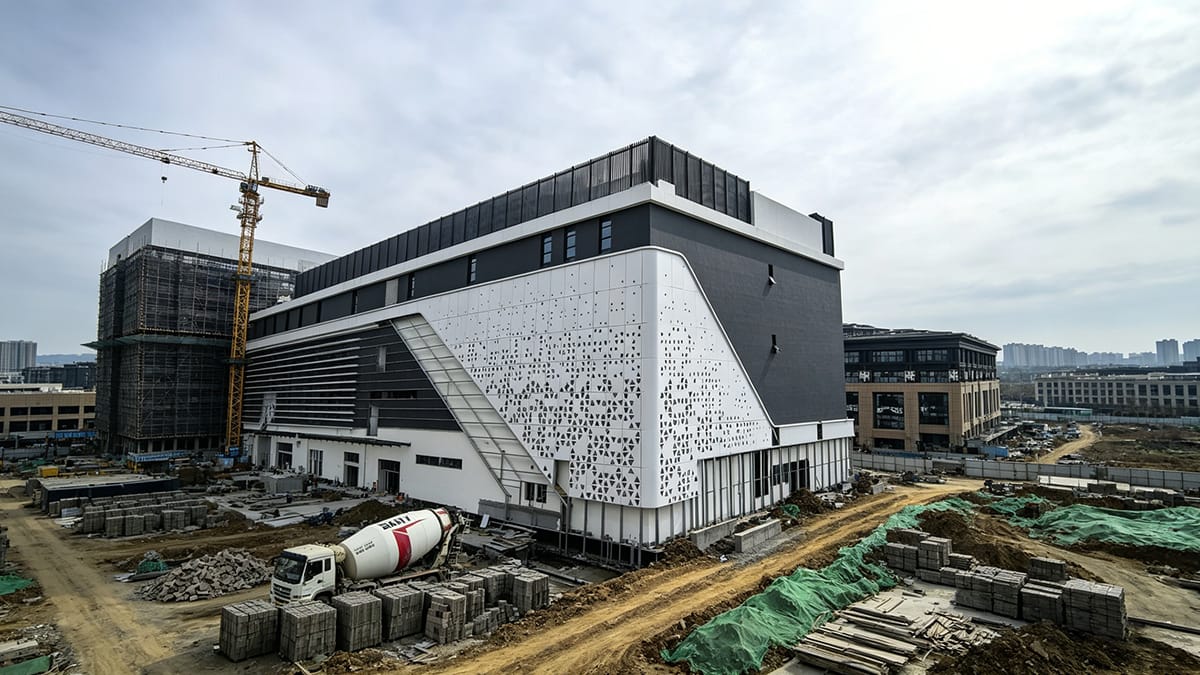
23 May Complete Guide to Aluminum Composite Material Cladding Installation
You want a simple guide for installing aluminum composite material cladding. This guide will help you learn how to make it safe and look good. Aluminum composite material cladding is special because it saves energy, lasts a long time, and does not catch fire easily. More people are using this product, so it is becoming more popular in building projects. You should always get your site ready and put up a weather-resistant barrier before you begin. This guide gives you easy steps and tips to help your project work well.
Key Takeaways
Aluminum composite material cladding is light and strong. It saves energy. Many new buildings use it because of these reasons.
Getting the site ready is very important. Make sure walls are flat and strong. There should be a barrier to stop water leaks.
Pick the right installation system for your project. Think about design, safety, and how much money you have.
Clean and check the ACM cladding often. This helps it last longer and look nice.
Always follow safety rules and building codes. This keeps the installation safe and correct.
Aluminum Composite Material Cladding Overview
What Is ACM Cladding
You might notice aluminum composite material cladding on new buildings. This kind of wall cladding uses panels made from aluminum composite materials. Each panel has two thin aluminum sheets stuck to a middle layer. The middle layer can be polyethylene for lighter jobs or fire-resistant for safety. These panels have tough coatings that protect them from bad weather.
Here is a table to show the main parts of aluminum composite cladding panels:
Material Type | Description |
|---|---|
Aluminum Sheets | Thin sheets, usually 0.008–0.020″ thick, bonded to the core |
Polyethylene (PE) for light use, Fire-Resistant (FR) for safety | |
Coatings | Durable finishes like polyester or PVDF for weather resistance |
You can cut, shape, and install these panels easily. The layers make the panels stronger and help them last longer. Modern aluminum composite material cladding follows strict fire safety rules. It is a safe choice for many building projects.
Benefits and Uses
There are many reasons to pick aluminum composite material for your project. The panels are light, so you do not need heavy supports. This makes installation quicker and lowers labor costs. The panels do not rust, even in wet or salty places. They keep their color because they block UV rays.
Tip: You can use aluminum composite cladding panels on flat or curved walls. There are more than 90 finishes to fit your design.
Here are some common ways people use aluminum composite cladding panels:
Tall office buildings, malls, and science centers use them for a modern look and strong weather protection.
Hospitals like them because they are easy to clean and resist germs.
Homeowners pick them for saving energy and style.
Malls and offices use custom colors to match their brand.
You can use these panels to make old buildings look new. They cover old walls and give a fresh look. The panels work well as rainscreen systems, keeping water out and protecting the building. Rainscreen designs help with insulation and lower energy costs. Rainscreen systems also mean less maintenance.
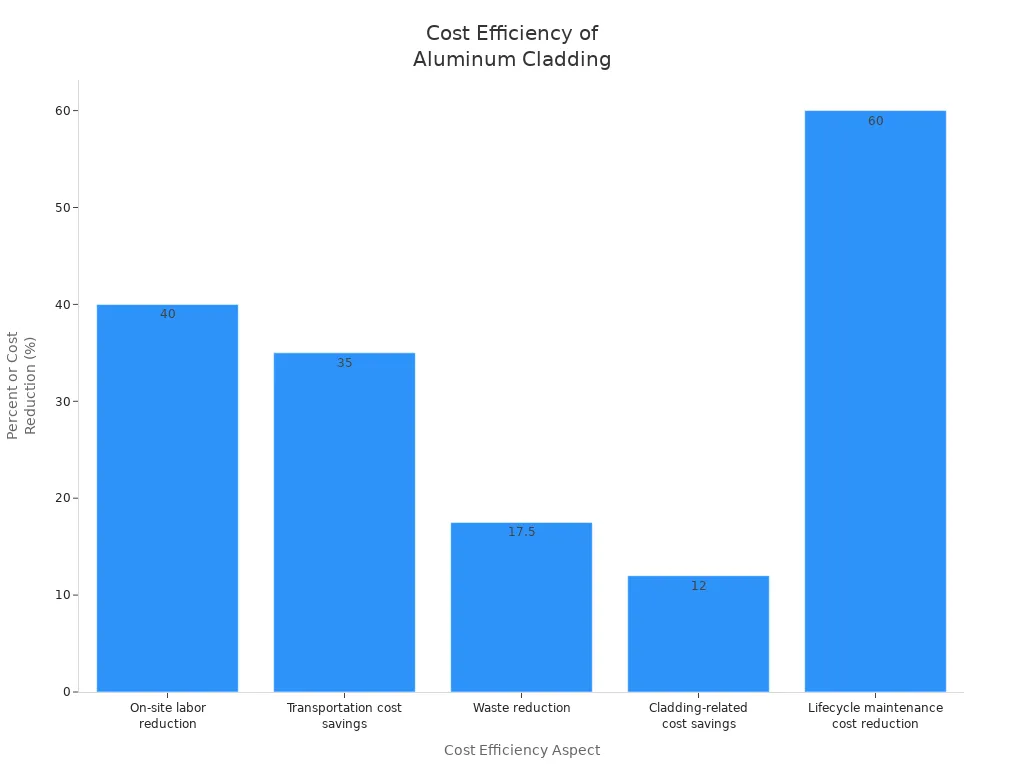
Rainscreen systems save money, create less waste, and are faster to install. You can see up to 12% lower costs and 60% less maintenance compared to other materials. Rainscreen panels help buildings handle earthquakes better because they are light. You get strong weather protection, fire resistance, and a modern look with aluminum composite material cladding. This guide will help you use rainscreen and wall cladding for the best results.
Installation Guide Preparation
Site and Substrate Prep
Get your site ready before you start. First, check if the wall is flat and straight. Make sure the wall is strong and does not move. The wall should hold up against wind and other forces. Put a weather-resistant barrier behind the aluminum composite material cladding. This barrier keeps water and air out. Seal every corner, parapet, and window opening. Tape or use gaskets on seams between boards to stop leaks.
Step | Description |
|---|---|
1 | Check that the wall is flat, straight, and strong. Make sure it can handle wind and other loads. |
2 | Put a weather-resistant barrier behind the panels. This stops air and water from getting in. |
3 | Seal all corners, parapets, and window openings. Tape or gasket seams between boards. |
Tip: Good site prep and framing make your project look neat. You will not have problems with leaks or crooked panels.
Tools and Materials Checklist
You need the right tools and materials for the job. Use a measuring tape and chalk line to mark where panels go. A spirit level and square help you draw straight lines. Cut panels with a circular saw or panel cutter. Fasten panels with a drill, screwdriver, rivet gun, or screw gun. Use a caulking gun to put on sealant. Clamps and suction cups help hold panels in place.
Measuring tape and chalk line
Spirit level and square
Circular saw or panel cutter
Drill and screwdriver
Rivet gun or screw gun
Caulking gun
Clamps and suction cups
You also need aluminum composite panels, framing pieces, vapor barrier sheets, fasteners, weather-resistant sealants, edge trims, and joint covers.
Note: Different ACM panel systems work for different jobs and budgets. Pick the system that fits your project best.
Safety and Codes
Safety is very important when you install panels. Wear a hard hat, safety goggles, gloves, ear protection, a bright vest, and a respirator mask.
Safety Gear | Purpose |
|---|---|
Hard hat | Protects your head from things that fall |
Safety goggles | Keeps dust and dirt out of your eyes |
Gloves | Protects your hands from sharp edges |
Ear protection | Makes loud tool sounds quieter |
High-visibility vest | Helps people see you on the site |
Respirator mask | Lets you breathe clean air |
You must follow building codes for outside and inside walls. For outside aluminum composite material cladding, check fire tests, waterproofing, cavity barriers, and insulation. Rules like NFPA 285, ASTM E84, IBC 1407, and AAMA 508 tell you what to do. Always check local rules for signs and freestanding parts.
Callout: Using the right safety gear and following codes keeps your work safe and legal.
ACM Panel Installation Systems
 System Types and Selection
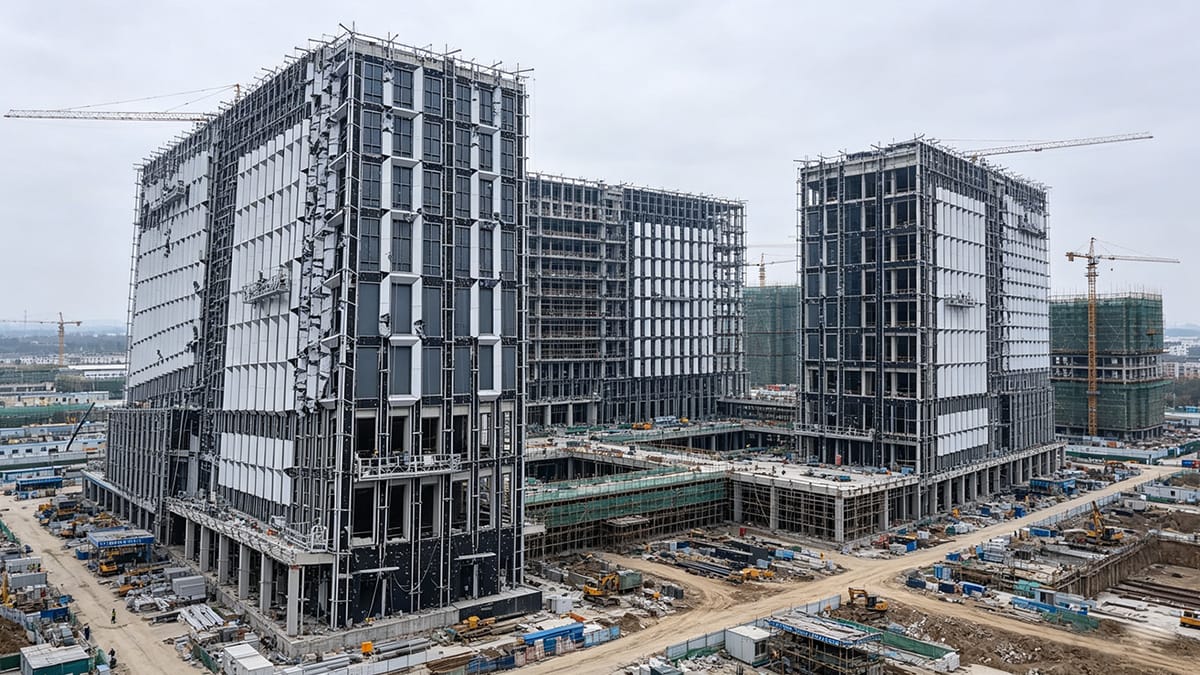 System Types and Selection
Picking the right system for acm panel installation matters a lot. You must match the system to your building’s needs and budget. Think about the design you want. Here is an easy process you can use for most acm panel installation jobs:
Measure the wall and openings with care. Good measurements help you avoid mistakes later.
Cut the panels to the right size using special tools. This step makes sure the panels fit well.
Put a weather barrier on the wall. The barrier keeps water and air from leaking in.
Add the mounting system. The mounting system holds the panels and keeps them straight.
Place the acm panels on the mounting system. Make sure each panel connects well and stays level.
There are different acm panel installation systems to pick from. Some systems show fasteners, while others hide them for a smooth look. Rainscreen systems give extra protection by letting water drain away. Your choice depends on your project’s style, safety needs, and budget.
Tip: Always read the manufacturer’s instructions for your system. This helps you avoid mistakes.
Key Components
Every acm panel installation system has important parts that work together for a strong finish:
Composition and Structure: The panels have two thin aluminum sheets with a core in the middle. This makes them light and strong.
Core Materials: You can pick polyethylene for lower cost or fire-retardant cores for more safety. The core changes where you can use the panels.
Surface Finishes: PVDF coatings protect the panels from sun and rain. The finish keeps the panels looking new.
Durability and Weather Resistance: The materials last a long time and work well in many climates. They stop moisture from causing damage.
Installation Methods: The panels are light, so they are easy to handle and install. This saves time and money.
Fire Resistance: The panels meet safety standards. This is important for tall buildings and places with many people.
Aesthetic Flexibility: You can pick from many colors and textures. This lets you match the panels to your design.
When you know these key parts, you can plan your acm panel installation for the best results. Each part helps your project last longer and look better.
ACM Panels Installation Steps
 Putting up aluminum composite material cladding takes careful planning. You need to pay attention to every detail. There is a clear order for installing panels. You start with layout planning and finish by sealing joints. Being precise and having experience helps you get a good result. Each step builds on the last one. You should not skip any step.
Layout Planning
You must begin with a strong plan. Good layout planning helps you avoid mistakes. It also saves time. Here is a simple process you can follow:
Collect all your documents. You need stamped drawings, fire and weather test reports, and installation guides. These papers help you get approval and keep your project moving.
Use a specification template. This template lists quality checks, materials, and steps. A clear template stops confusion between you and your team.
Meet code officials early. These meetings show you what inspectors want. You can fix problems before they slow your project.
Tip: Careful layout planning makes the rest of the process easier. You will spend less time fixing mistakes and more time working.
Mounting System Setup
The mounting system keeps your panels in place. You must pick the right system for your project. There are two main types: field-fabricated and shop-fabricated systems. The table below shows the differences:
Method Type | Description |
|---|---|
Built on-site, includes one-piece, two-piece moldings, clip-and-caulk, and face fastened systems. | |
Shop-Fabricated Systems | Made off-site, includes rout-and-return wet seal and dry seal systems. |
Framing System Setup | Use aluminum or steel framing, make sure it is straight and level, and allow for expansion and contraction. |
You need the right tools for mounting system setup. Use a measuring tape to mark the wall. Cut framing pieces with shears, snips, or a band saw. Fasten the system with screws, nuts, or rivets. Put on sealants like silicone or butyl tape. Use laser levels, shims, and brackets to keep things straight. Do not forget to add ventilation and drainage parts.
Field-fabricated systems can be built by you at the job site. The most common ones are one-piece, two-piece moldings, clip-and-caulk, and face fastened.
Always check that the framing is straight and level. Let the system expand and contract so your panels last a long time.
Panel Attachment
There are different ways to attach panels to the mounting system. The table below explains the most common ways:
Method | Steps | Advantages | Disadvantages |
|---|---|---|---|
Mechanical Fixing | 1. Line up panels with holes. 2. Put in screws or bolts. 3. Check alignment. | Strong for high winds. Easy to check. | Fasteners show and may not look nice. Takes longer. |
Adhesive Fixing | 1. Spread adhesive. 2. Press panel onto surface. 3. Use roller. | Easy to install. Smooth look. | Adhesive may get weak. Only works on smooth surfaces. |
Using J-Trim | 1. Attach J-trim to edges. 2. Slide panels into trim. 3. Check joints. | Hides fasteners. Looks neat. | N/A |
Pick the method that fits your project best. Mechanical fixing is good for windy places. Adhesive fixing gives a smooth look but needs a clean surface. J-trim hides fasteners and looks neat.
Tip: Always check panel alignment as you work. Small mistakes can cause big problems later.
Sealing and Joints
Sealing and joining panels is the last step. This step keeps water and air out. The table below shows what you need to do:
Aspect | Description |
|---|---|
Waterproofing Techniques | Keeps moisture out of the building. |
Sealants | Fill gaps and stop water from getting in; use silicone or polyurethane. |
Joint Treatments | Put sealants on seams for water resistance and a clean look. |
Weather-Resistant Barriers | Add extra protection if sealants fail. |
Regular Maintenance | Check sealants and joints often to keep them working well. |
Use good sealants to fill all gaps. Put them on every seam and joint. Weather-resistant barriers give extra protection if sealant fails. Regular maintenance keeps your panels strong for years.
Note: Check your work at every step. Look for cracks and gaps before you start. Put up a weather-resistant barrier to stop moisture. Seal seams carefully for a watertight finish. Fire safety is important too. Pick panels with the right fire rating and use fire barriers if needed.
You can get a professional result by following each step. Careful planning, the right mounting system, proper panel attachment, and good sealing will give you a strong and nice-looking cladding system.
Quality Checks After Installation
Alignment and Fit
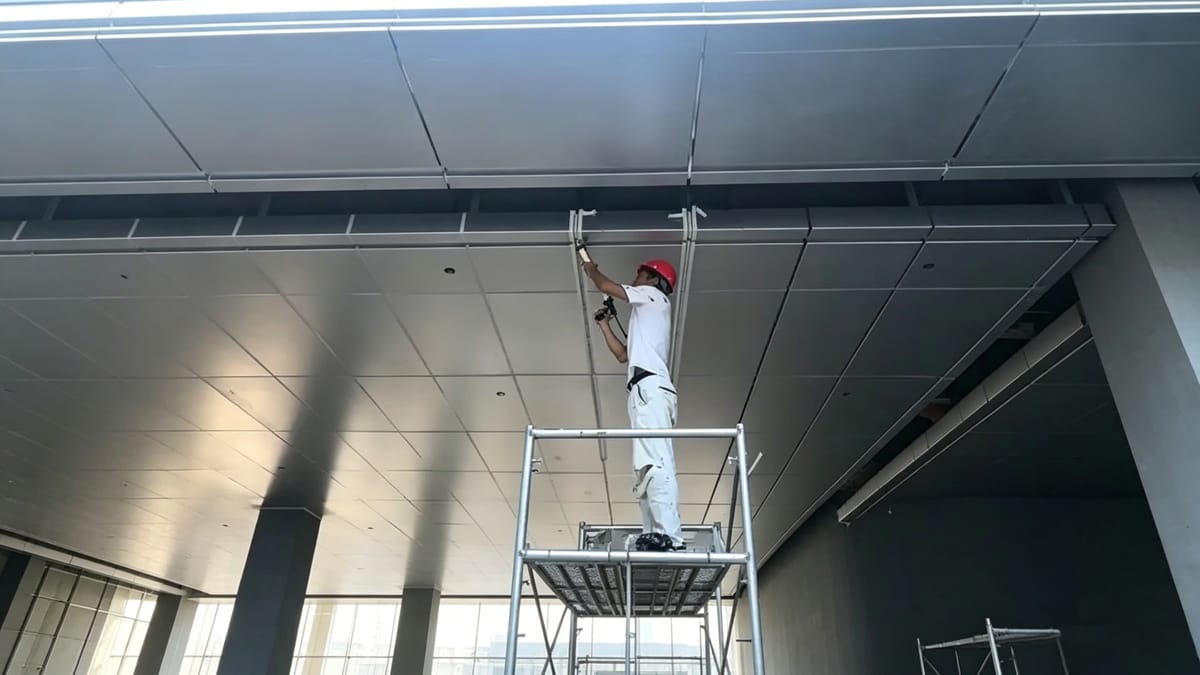 Alignment and Fit
You must check if your ACM panels are lined up right after you put them up. This step helps you find mistakes early. If you lock panels and connect seams, the system stays steady. Do not pull or push interlocks too much. This keeps the connections strong. Make sure panels do not bend or twist. Cut panels neatly and fit them well. All cuts should be straight and square. Do not use a torch to cut panels. Keep your installation safe from damage while other work happens.
Here is a table that shows important quality control steps for alignment and fit:
Quality Control Measure | Description |
|---|---|
Lock panels in place | Connect seams to keep panels steady. |
Avoid stretching/compressing interlocks | Keep panel connections strong. |
Secure panels without warp or deflection | Make sure panels are lined up right. |
Make neat cuts and fittings | Cuts must be straight and square. No torch cutting. |
Protect installations | Stop damage from other work during the project. |
Tip: Always check for straight lines and tight seams. This makes your building look nice and keeps water out.
Fastener and Sealant Review
When you finish installing, check all fasteners and sealants. Look at the panel surface for scratches or stains. Check joints and sealants for cracks or missing sealant. Look at fasteners and supports for loose or missing parts. Make sure the color and shine match everywhere.
Inspection Point | What to Look For |
|---|---|
Panel Surface | |
Joints & Sealants | Cracks, gaps, or missing sealant |
Fasteners & Supports | Loose or missing parts |
Color & Finish | Same color and shine everywhere |
You should check the cladding two times each year. Look for cracks, dents, or loose panels. Check after storms or strong winds. Clean any stains or black marks right away. Watch for water damage like bubbles or peeling.
If you see damage, fix small holes with epoxy. For bigger problems, change the panel. Take off the damaged cladding, keep the area dry and clean, seal edges with waterproof tape, and use gutter sealant on the back edges of the new panel before you put it up.
Note: Checking your ACM system often keeps it strong and safe. This helps your panels last longer and keeps your building looking good.
Best Practices and Mistakes to Avoid
Tips for Success
You can build a strong acm cladding system by following good steps. First, get your wall ready. Make sure the wall is solid, dry, and clean. Use a moisture meter to check if it is dry enough. Fill in any cracks or holes before you start. Pick aluminum panels that meet industry rules like ASTM B209. This helps your system work better and last longer.
Check your tools before you begin. Use a high-speed saw for straight cuts. Use a jigsaw for curved cuts. Make sure your blades are made for metal. Mark your lines so you can see them clearly. Follow the fastening instructions from the manufacturer. This keeps your system safe and stops mistakes.
If you worry about moisture, add a vapor barrier. This keeps your wall safe and makes your system last longer. Clean your panels with mild soap and a soft cloth. This keeps them looking new. Make a schedule to check and clean your panels. This helps your system stay strong and work well for a long time.
Tip: Always follow the manufacturer’s rules for installation. This helps your acm panels last as long as possible.
Common Errors
Many people make mistakes that hurt the system. You can stop these mistakes if you pay close attention.
Not leaving small gaps between panels. Gaps let the panels expand when it gets hot.
Building a weak or uneven frame. A strong, flat frame keeps panels lined up right.
Tightening screws or rivets too much. Use washers and do not use too much force.
Using the wrong blades to cut panels. The right blades keep edges smooth and stop chipping.
Leaving the protective film on in sunlight. Take it off early so it does not get sticky.
Not drilling holes before putting in screws. Pre-drilling stops the panels from cracking.
Not sealing open edges. Sealing keeps water out.
Skipping a test layout. Test the panel layout first to make sure it fits.
Callout: Careful planning and paying attention to details help you avoid big mistakes. This keeps your acm cladding system working well.
ACM Cladding Maintenance
Cleaning and Upkeep
 Cleaning and Upkeep
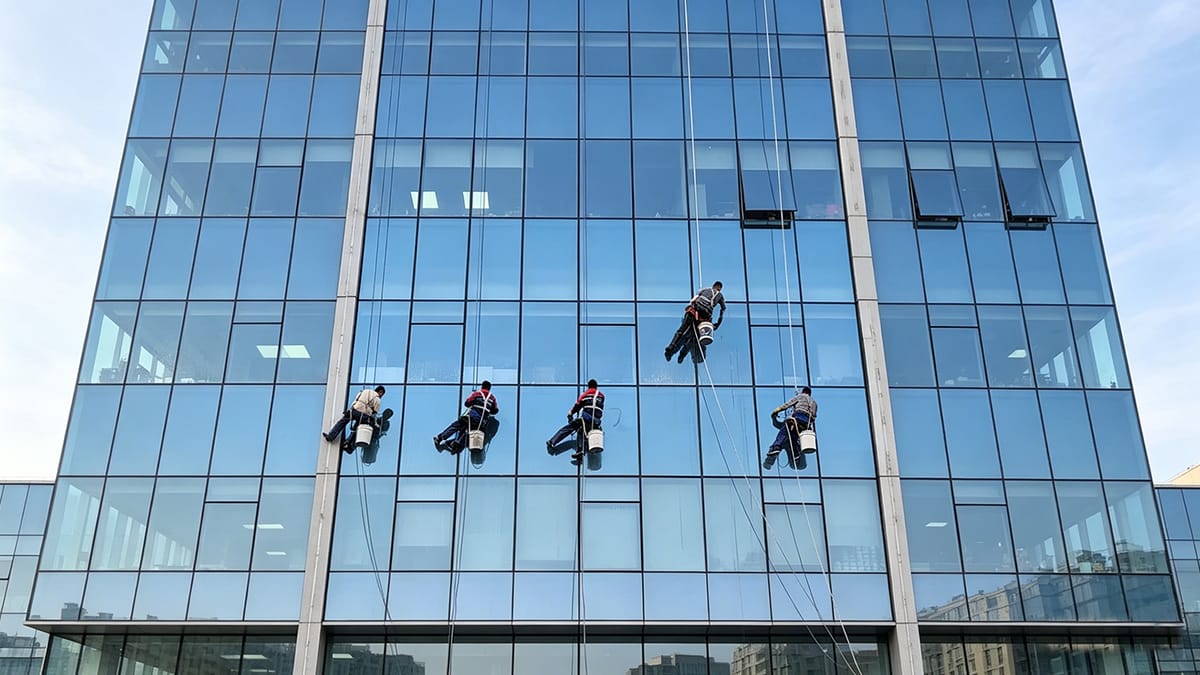
You keep your acm cladding looking new by following a regular cleaning routine. Dirt and pollution can build up on the surface. Clean the panels every 6 to 12 months. If your building sits near a busy road or coast, clean more often. Use a soft cloth or sponge with mild, pH-neutral soap. Rinse with clean water and let the surface air dry. Do not use strong chemicals or abrasive tools. These can scratch or damage the finish. Avoid cleaning during the hottest hours of the day. Test your cleaning method on a small spot first.
Here is a simple cleaning checklist:
Rinse panels with water using a soft spray.
Prepare a mild detergent solution.
Gently scrub with a soft cloth or sponge.
Rinse again to remove soap.
Dry with a soft, lint-free cloth or let air dry.
Tip: Inspect your system once a year for scratches, fading, or corrosion. Address minor issues quickly to prevent bigger problems.
Repair and Replacement
You protect your system by checking for damage and fixing problems early. Look for cracks, dents, or peeling coatings after storms. Check joints and sealants for gaps or leaks. Loose bolts or missing rivets can weaken the system. Use a checklist during inspections to make sure you do not miss anything.
When you repair joints, use silicone sealants. Make sure the sealant sticks well to the aluminum. Clean all surfaces before applying sealant. Remove the plastic film from panels before sealing. Keep the sealant about 6mm thick. Apply sealant when the weather is steady. Test the sealant after finishing.
If you find a damaged panel, replace it to keep your system safe and looking good. Schedule professional inspections every few years. Experts can spot hidden damage and help you plan repairs.
Note: Regular cleaning and careful inspections help your acm cladding system last longer and stay strong.
You can build a strong and nice acm cladding system by following important steps. First, make sure the wall is straight and square. Use shims to help line things up. Plan the order for putting up your panels. Always put in a weather-resistant barrier before you start. Check the building codes for your project. Look at your panels often to keep them safe and clean. For hard jobs, hire professional installers so you do not make expensive mistakes. If you have questions or want to share your story, write a comment below.
FAQ
How long does ACM cladding last?
You can expect ACM cladding to last over 20 years. The panels resist weather, sunlight, and corrosion. Regular cleaning and inspections help keep your system strong and looking new.
Can you install ACM panels on any wall?
You must check if your wall is flat and strong. ACM panels need a solid surface and proper framing. Always use a weather-resistant barrier for best results.
What maintenance does ACM cladding need?
You should clean the panels every 6 to 12 months. Use mild soap and water. Inspect for cracks, dents, or loose fasteners. Fix small issues quickly to prevent bigger problems.
Is ACM cladding fire-resistant?
Most ACM panels use fire-retardant cores. You must check the fire rating before you install. Follow local building codes for safety.
Can you paint ACM panels?
You can paint ACM panels, but most come with durable finishes. Painting may void the warranty. Ask the manufacturer before you paint.