

11 May A Complete Guide to Applications of Aluminum Composite Material Cladding
Aluminum composite material cladding is a strong and modern choice. People use it for the outside and inside of buildings. You see aluminum composite material cladding in many cities. It keeps buildings safe from bad weather and looks nice. Architects and builders like aluminum composite material cladding. They choose it because it lasts long, saves energy, and is easy to clean. You can use cladding on outside walls, signs, or inside walls. The world market for aluminum composite material cladding will be USD 116.5 billion by 2035. It is growing by 6.8% every year. Aluminum composite material cladding is good for the planet, safe from fire, and saves money.
Aluminum composite material cladding does not rust or get hurt by the sun.
Cladding comes in many colors and styles for different looks.
Aluminum composite material cladding helps the environment and cuts energy bills.
2026 Update: Quick Answer for A Complete Guide to Applications of Aluminum Composite Material Cladding
Reviewed 29 July 2026. ACP can provide lightweight, formable and visually consistent cladding or interior finishes, but suitability changes with exposure, fire strategy, support, span, impact risk, coating, fabrication, joints, and maintenance access.
- Define whether the use is interior, exterior, signage, ceiling, partition, canopy, column, or fa莽ade.
- Select the complete panel construction and coating for the environment.
- Coordinate module size, grain or coating direction, joints, corners, openings, drainage, and access.
- Approve realistic samples or mock-ups before bulk production.
This update keeps the original topic and search intent while making the decision criteria clear at the start. Project-specific engineering, regulations, test evidence, and supplier documentation remain controlling.
Key Takeaways
Aluminum composite material cladding lasts a long time and stands up to bad weather. This makes it great for keeping buildings safe from tough weather.
The panels are light. This means they are easy to put up and cost less to ship. This helps save both time and money.
Cladding comes in many colors and finishes. This lets people use creative designs inside and outside buildings.
Cleaning and checking the panels often helps them last longer. It also keeps them looking nice and new.
Picking the right core material is very important for fire safety. Always look at local rules before you put it in.
What Is Aluminum Composite Material Cladding
 Composition and Structure
 Composition and Structure
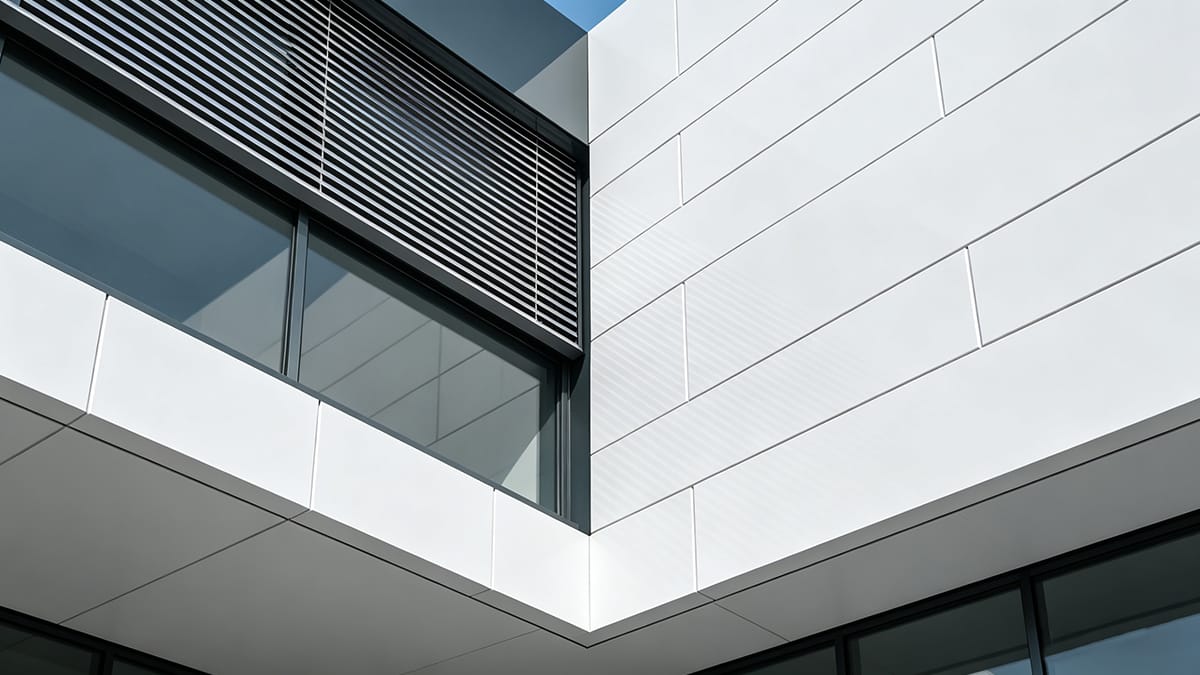
You can see aluminum composite cladding on new buildings. This material has layers that make it strong and bendy. There are two thin aluminum sheets and a core in the middle. The core sits between the sheets and gives the panel its shape. Some cores are made from polyethylene, while others have fire-resistant minerals. A special coating covers the outside to protect the panels from weather and sunlight.
Here is a simple table showing the main components:
Component | Description |
|---|---|
Aluminum Skins | Two aluminum plates bonded together, usually 0.2鈥?.5 mm thick. |
Core Material | Thermoplastic core like polyethylene or a mineral-filled fire-resistant formulation. |
Protective Coating | Durable coating such as polyester or PVDF fluoropolymer for weather resistance and aesthetics. |
This structure makes the panels strong but not heavy. The coating also helps keep the panels clean and looking nice.
Key Properties and Features
Aluminum composite cladding has many good features. These panels are light, so you can move and install them easily. The aluminum skins make the panels stiff and strong without adding much weight. The core makes the panels easy to carry and helps save money on shipping and putting them up.
Here is a table that shows how the composition affects performance:
Feature | Description |
|---|---|
Composition | Two thin sheets of aluminum bonded to a lightweight core. |
Rigidity | Aluminum skins provide structural integrity similar to a solid metal plate. |
Lightweight | Core material allows for easier transport and installation. |
Coating | High-performance coatings protect against UV radiation and corrosive elements. |
Fire Safety | Core material options comply with strict building codes for fire safety. |
You can pick from many colors, textures, and finishes for these panels. This means you can use them for cool designs inside and outside. The panels stand up to tough weather like rain and sun. You do not need to do much work to keep them nice, unlike wood or other materials.
Here is a table showing key properties:
Property | Description |
|---|---|
Easy to handle and install, reducing construction time and costs. | |
Weather Resistance | Resists harsh conditions like rain, UV rays, and temperature changes. |
Aesthetic Versatility | Offers a wide range of colors, textures, and finishes for creative designs. |
Low Maintenance Requirements | Minimal upkeep compared to materials like wood. |
Modern aluminum composite material panels use fire-resistant cores. These cores help buildings follow safety rules and make them safer from fire. Metal cladding does not burn, so it is even better at stopping fires. You can count on aluminum composite cladding to be safe and work well for many building jobs.
Uses of Aluminum Composite Material Cladding
Outside Walls and Curtain Walls
 Outside Walls and Curtain Walls
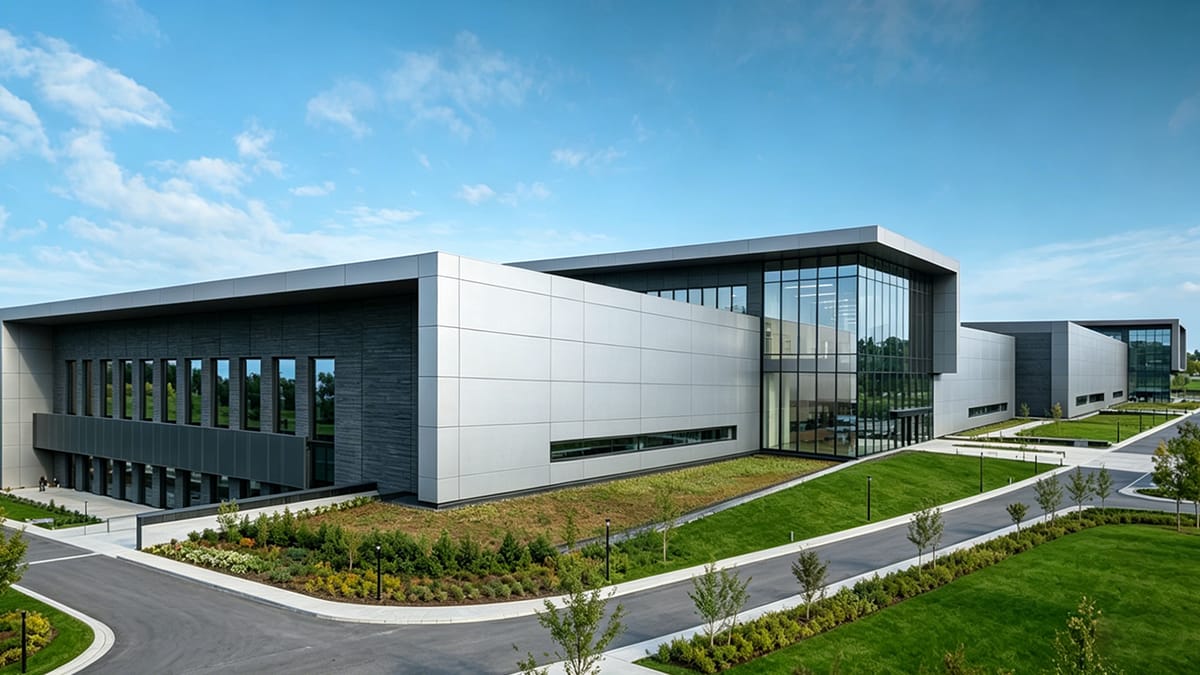
You see aluminum composite cladding on many new buildings. It covers the outside walls and makes them look smooth and flat. Architects use these panels to create bold outside designs. They help protect the building from rain, wind, and sun. You can pick from many colors and finishes to match your building鈥檚 style. Aluminum composite panel facades are popular in offices, hotels, and shopping malls. They make buildings look fresh and last longer. These panels also improve insulation, keeping the inside comfortable.
Rainscreen Cladding Systems
Rainscreen cladding uses aluminum composite panels to stop water from getting inside the building. It adds a layer of protection that keeps rain away from the walls. This system helps keep buildings dry and safe. Here are some main benefits of using aluminum composite cladding in rainscreen systems:
It is cost-effective.
It lasts a long time.
It is versatile for different building styles.
It has a flat, modern look.
It is easy to install.
The panels are lightweight.
It is safe and reliable.
It needs little maintenance.
It provides good sound insulation.
It saves energy.
Aluminum composite panels give good thermal performance. They help save energy by keeping heat inside in winter and outside in summer. The lightweight design makes installation quick and easy. They also protect buildings from harsh weather. This helps buildings stay in good shape for many years.
Signage and Branding
Many signs and branding displays use aluminum composite cladding. Businesses choose these panels for outdoor signs because they last long and look sharp. The smooth surface makes printing logos and graphics clear. By 2035, over 65% of the market for commercial signs will be aluminum composite panels. This shows how important they are for branding. They are used for shop signs, billboards, and company logos. The panels resist fading and sun damage, so signs stay bright and easy to read.
Inside Design Uses
Aluminum composite cladding is not just for outside. It can also be used inside buildings to make stylish, modern spaces. Here is a table showing common interior uses:
Type of Use | What it Does | Typical Places |
|---|---|---|
Wall Coverings | Hides flaws and makes walls more durable | Homes, Shops |
Ceilings | Looks modern and covers large areas easily | Offices, Schools |
Partitions | Creates flexible spaces without making rooms small | Workplaces, Classrooms |
Signs and Displays | Great for eye-catching signs because of smooth surface | Stores, Malls |
You can use these panels on walls, ceilings, and room dividers. They help make clean lines and bright spaces. They are easy to clean and don鈥檛 need much care. This makes them good for busy places like offices and stores.
Fixing Old Buildings and Tall Structures
You can use aluminum composite cladding to upgrade old buildings and tall towers. The panels give buildings a fresh look and help save energy. Here are some ways they help with renovations:
They insulate well, controlling temperature.
They reduce heating and cooling costs.
They block outside noise, making inside quieter.
You have many design choices with aluminum composite panels. You can pick different colors, textures, and finishes. This helps meet modern design needs and makes your building stand out. The panels are light, so they can be added to tall buildings without extra support.
Special Uses in Public Places
You see aluminum composite cladding in airports, hospitals, and transit stations. These places need strong, easy-to-clean materials. The panels work well in busy areas because they resist damage and stay looking good. Here is a table showing some special uses:
Use in Public Spaces | What it Does |
|---|---|
Transit Stations | Used in stations and walkways where durability and weather resistance matter |
Airports | Chosen for busy areas because they are easy to clean and last long |
Hospitals | Good for healthcare spaces because they don鈥檛 bend or scratch easily |
You can trust aluminum composite panels to handle heavy use in public places. They help keep these areas safe, clean, and attractive.
Tip: When choosing aluminum composite cladding, you get a material that works for many jobs. You can use it outside, inside, for signs, and more. That makes it a top choice for architects and builders who want style and performance.
Benefits of Aluminum Composite Panels
 Durability and Weather Resistance
 Durability and Weather Resistance
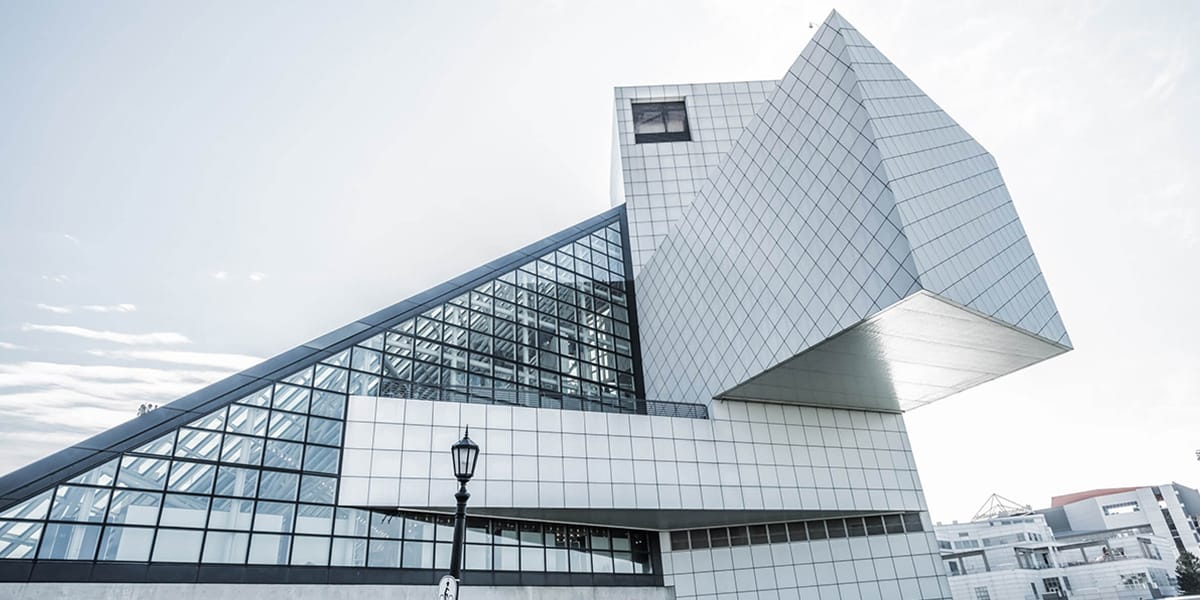
Aluminum composite cladding gives buildings strong protection. These panels do not rust or get damaged by weather. They keep their color and shape in all kinds of weather. With good care, these panels can last more than 20 years. In hot places, special layers stop the panels from fading or bending. In cold places, the smooth surface stops cracks and keeps snow from sticking. Rain and humidity do not cause mold or water problems. Buildings near the ocean are safe because the panels do not corrode and can handle strong winds.
Weather Condition | Aluminum Composite Panels (ACPs) | Alternative Cladding Solutions |
|---|---|---|
Hot and Sunny Climates | Designed with protective layers to resist UV rays, preventing color fading and warping. | May degrade under thermal stress and UV exposure. |
Cold and Snowy Climates | Resists cracks and damage from extreme cold; smooth surface prevents snow and ice accumulation. | Often lose integrity in freezing conditions. |
Rainy and Humid Climates | Non-porous surface prevents moisture absorption and mold growth; naturally corrosion-resistant. | Prone to mold and moisture issues. |
Coastal Areas | Anti-corrosive properties and high wind resistance make them ideal for coastal environments. | More susceptible to corrosion and degradation. |
Lightweight and Structural Integrity
Aluminum composite panels are light. One square meter weighs between 3 and 8 kilograms. You can carry and put them up without much effort. Because they are light, you pay less for workers and finish faster. Shipping costs are lower too. These panels are about two-thirds lighter than steel or concrete. You can use them for cool designs without worrying about weight. Even though they are light, they are still strong. Their tensile strength is between 100 and 280 N/mm虏.
Design Flexibility and Aesthetics
You have lots of choices with aluminum composite cladding. The panels come in wood grain, marble, brushed, mirror, and chameleon looks. You can pick custom colors for your project. It is easy to cut and shape the panels. You can make bold designs inside or outside. Architects use these panels to help buildings stand out. You can choose PE coatings for inside or PVDF for outside.
Tip: Aluminum composite panels work for both modern and classic styles. You can reach your design goals without much trouble.
Cost Efficiency
Aluminum composite panels help you save money over time. You might pay more at first, but you spend less fixing and cleaning them. Because they are light, shipping and putting them up costs less. You can finish building faster. These panels do not need to be replaced often. You can stay on budget and still get good quality. The panels are better for the planet because they make less pollution and use recycled stuff.
Lower labor and transportation costs
Fewer repairs and replacements
Fire Safety and Compliance
You need to follow safety rules when using aluminum composite cladding. These panels meet tough fire standards like NFPA 285, BS 8414, and EN 13501-1. You must get your panels ready, send in papers, and pass fire tests. If your panels pass, you get a certificate. You also need to check your panels often and do more tests. Many countries do not allow materials that burn in new tall buildings. You can trust aluminum composite panel cladding to help you follow safety rules.
Standard | Description |
|---|---|
NFPA 285 | Required for multi-story cladding systems in the U.S., focusing on flame propagation in exterior wall assemblies. |
BS 8414 | Enforced in the UK, requires full wall assembly testing for fire safety. |
EN 13501-1 | Classification of construction products based on fire performance, relevant for cladding materials. |
Note: Always check your local rules before you start building with aluminum composite panels.
Limitations and Challenges
Fire Performance and Regulations
 Fire Performance and Regulations
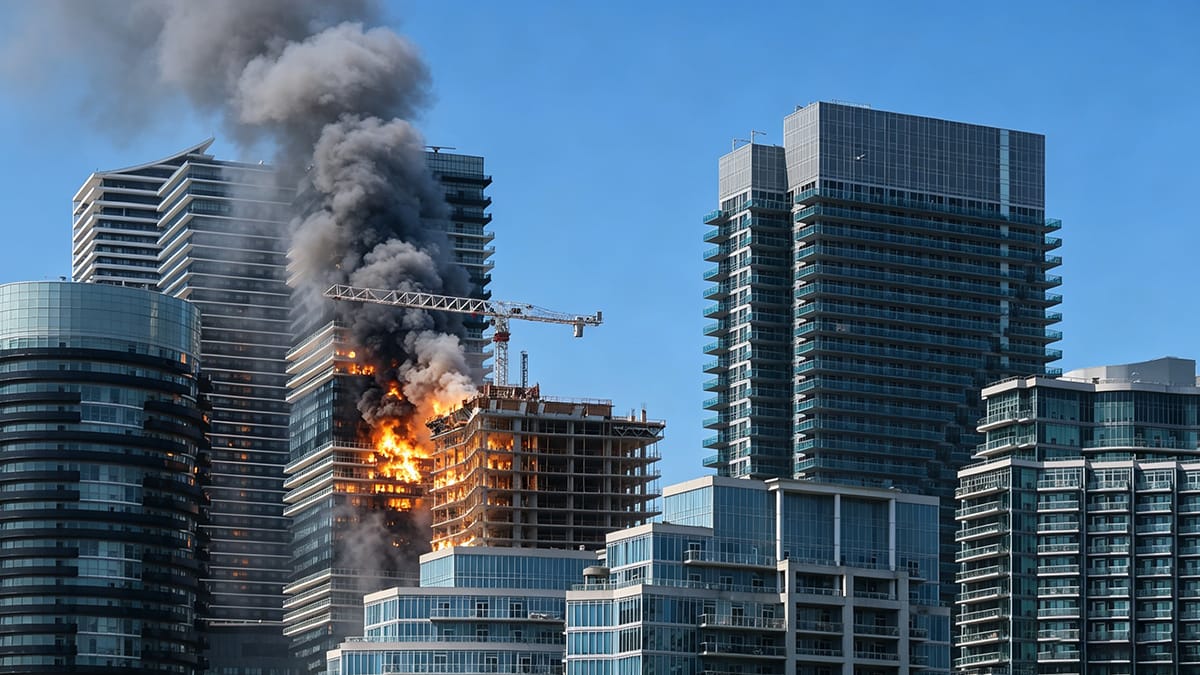
You need to be careful about fire safety with cladding. Many buildings have strict fire rules. Fire safety depends on what is inside the panels. Some panels have polyethylene cores. Others use fire-retardant cores. You must follow fire codes for each building. The height of your building matters. The core material also matters. Look at the table below for rules:
ACM Height Above Grade | Core Material Type | Key Requirements |
|---|---|---|
Less than 40′ | Standard PE | Allowed with fire separation distance of 5′-0″ or greater |
40’鈥?0′ | Standard Core | Defined in Section 1407.11.2 based on allowable use of plastic veneer |
50’鈥?5′ | Fire Retardant Core | Options based on occupancy type and fire separation distance; modifications possible with sprinklers |
Check fire safety and core materials before you install panels. Some local rules limit where you can use cladding. Always check fire codes and protection rules. This helps you avoid problems.
Environmental Considerations
Making cladding uses lots of energy. This process makes greenhouse gases. Recycling aluminum composite material is hard. Special places are needed to separate aluminum from plastic. If you throw away panels wrong, it can make toxic fumes. It also adds more waste to landfills. Recycling means sorting, shredding, heating, and removing plastic. This lowers harm to the planet and lets materials be reused. Cladding lasts a long time and saves energy. This lowers its impact over time.
Throwing them away wrong makes toxic fumes.
Special recycling centers are needed.
Maintenance Needs
You must clean cladding and check it often. Regular care helps you find damage early. It keeps panels looking good. Check sealants every year to stop leaks. Use the table below to plan your care:
Maintenance Task | How Often | Why It Matters |
|---|---|---|
Inspect facade | Twice a year | Find damage early |
Clean panels | Every 6 months | Keep appearance, quality |
Check sealants | Yearly | Stop leaks, improve durability |
Cladding can get damaged by hard hits. Sharp impacts may cause cracks or delamination. You often need to replace broken panels. Repairs are not always possible. This makes costs and project time go up.
Installation Challenges
You face problems when you install cladding. Using indoor panels outside can change their color. Weak base sheets or frames can break early. This can cause safety risks. Not leaving gaps can make panels bend or twist. Wrong sealants cause leaks and make panels weaker. You need a strong frame and good anchors for stability. Shims help line up panels. Furring makes surfaces flat. Panel stiffeners are needed for big panels. Hanging systems let panels move with heat. Gaskets and sealants keep water out. Flashing adapters send water away from edges.
Tip: Always check materials before you install them. Follow the right steps and use good products. Regular checks and cleaning help your cladding last longer.
Selecting Aluminium Composite Cladding
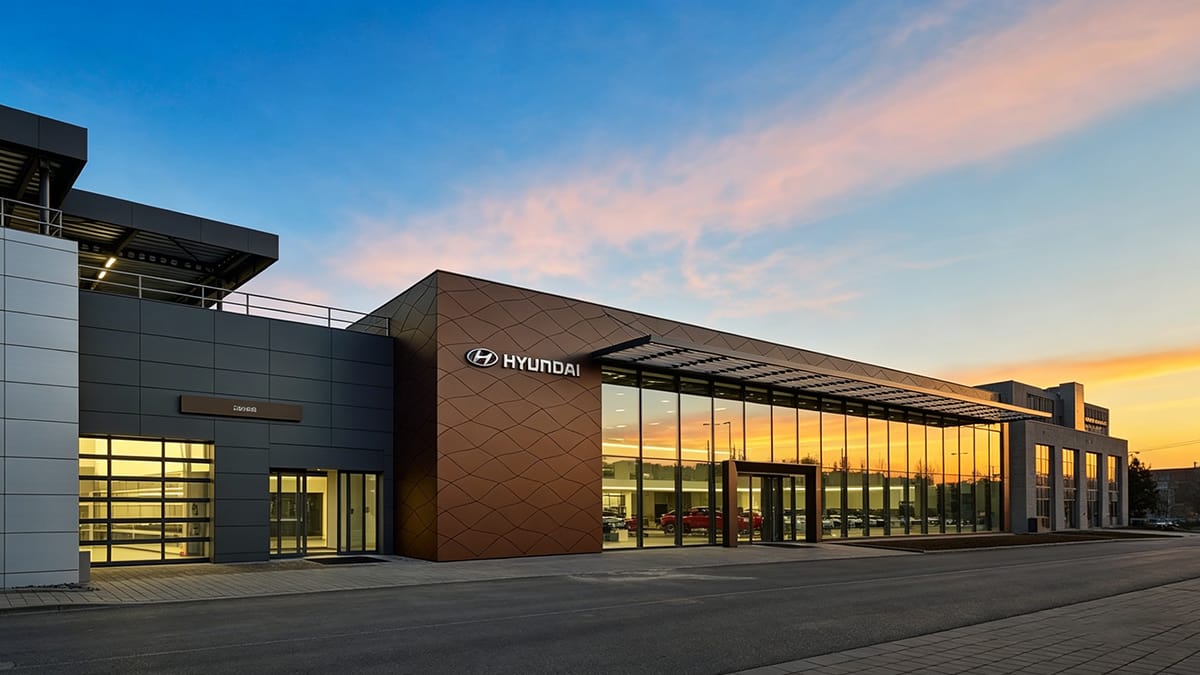 Picking the right cladding can seem hard. This guide helps you know what is important. You learn to choose aluminum composite panels by looking at the core, finish, rules, and project needs.
Core Types and Fire Ratings
First, you pick the core type. The core helps with fire safety and how long it lasts. If you want better fire safety, use mineral core aluminum composite cladding. There are three fire classes:
Class B1: Hard to catch on fire.
Class B2: Can burn.
Class B3: Burns easily.
You check how tall the building is and who uses it. Tall buildings need safer cores. The table below shows what to think about:
Factor | Description |
|---|---|
Material Selection | Changes how your building looks and lasts. |
Visual Appeal | Fits the style and improves appearance. |
Energy Efficiency | Location affects heat control. |
Safety | Always check fire safety. |
Maintenance | Easy to clean and needs little work. |
This guide helps you pick aluminum composite panels that are safe and work well.
Surface Finishes and Colors
You have lots of choices for finishes and colors. Cladding lets you be creative with how things look. You can make bold or simple designs. The table below shows how finishes change design:
Aspect | Influence on Design Choices |
|---|---|
Lets you express creativity and style. | |
Durability | Keeps finishes stable against weather. |
Environmental Context | Helps buildings blend in or stand out. |
Branding Goals | Enhances brand recognition. |
Visual Perception | Changes how people see depth and meaning. |
Technical Limits | Durability matters in tough environments. |
You use this guide to match cladding to your ideas.
Building Code Compliance
You must follow local rules. Cladding has to meet fire, wind, and safety standards. The table below shows some common rules:
Region | Example Requirement | |
|---|---|---|
United States | Fire testing, wind loads | NFPA 285, ASTM E84 |
United Kingdom | Non-combustibility, height | Ban on combustible panels >18m |
Australia | UV resistance, fire safety | AS 1530.1, AS 4284 |
Middle East | Thermal, fire, aesthetics | Civil Defense approval |
You check the rules before you put up cladding. This guide helps you not make mistakes.
Project-Specific Factors
Every project is different. You look at where you will use cladding and what rules you must follow. The table below helps you decide:
Application | Key Compliance Factors | Typical Standards |
|---|---|---|
Exterior Walls (Fa莽ades) | Fire testing, barriers, insulation | NFPA 285, ASTM E84, IBC 1407 |
Interior Partitions/Linings | Flame/smoke, finish, sprinklers | ASTM E84, local fire code |
Signage & Freestanding | Sign code, electrical code, materials | Local sign/electrical code |
You check who uses the building and how tall it is. You find out which codes like IBC you need. You pick core types for fire safety. You also think about the environment and how the cladding looks. This guide helps you choose aluminum composite panels for new and old buildings.
Tip: Always use this guide to check fire ratings, finishes, rules, and project needs before you pick cladding.
Installation of Aluminum Composite Panels
Planning and Preparation
 Planning and Preparation
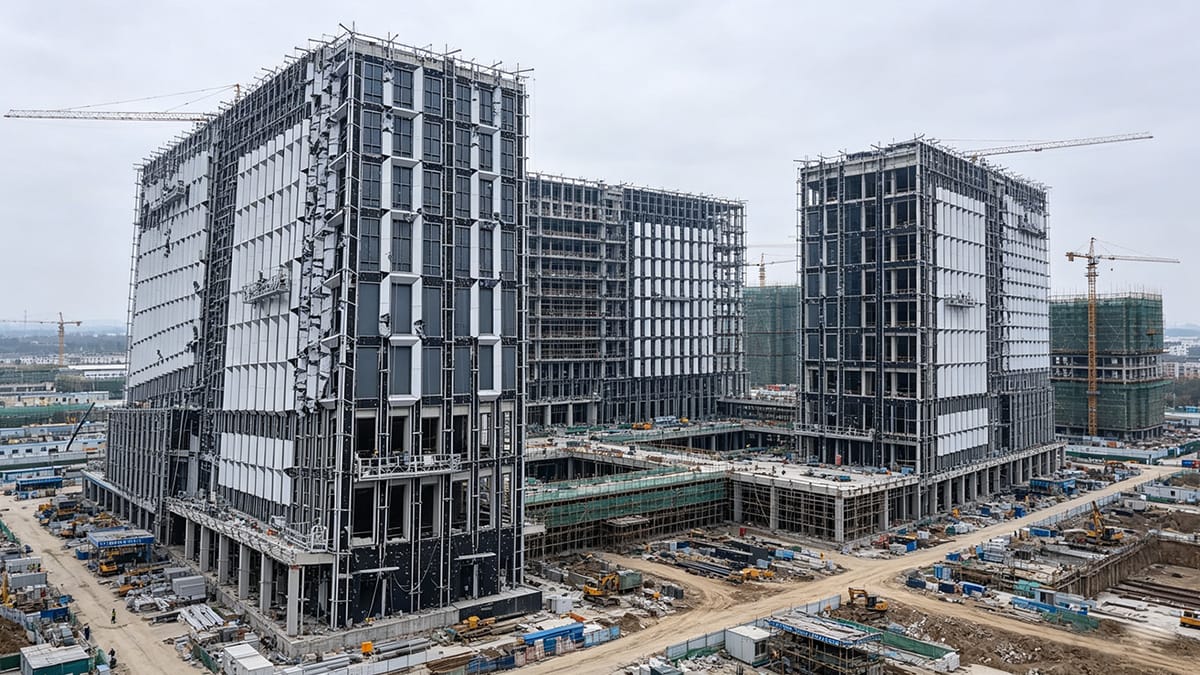
You must plan before you start putting up cladding. Careful planning helps you avoid mistakes and saves time. First, check the building surface to see if it is straight. Use lasers or plumb lines to make sure your lines are straight. This keeps your panels lined up. Put the first panel in an important spot, like near a door or window. This helps you line up the other panels. Check the space between panels often. Even gaps look good and work well. Follow a plan for which panel goes up next. This helps you handle tricky spots like corners. Take off the protective film right after you finish each panel. This stops color changes from sunlight.
Check if the building surface is straight.
Use lasers or plumb lines to line up panels.
Start with the first panel in a key spot.
Check the space between panels as you work.
Follow a plan for panel placement.
Remove the protective film after each panel is installed.
Mounting Techniques
There are different ways to mount aluminum composite panels. Pick the method that fits your project best. Most systems use wet seal or dry seal methods. Wet seal uses sealant between panels. Dry seal uses gaskets. Both ways keep water out and hold panels in place. Use strong anchors and a sturdy frame. This keeps panels safe in strong winds. Always leave small gaps between panels. These gaps let panels move when it gets hot or cold. Good mounting makes your cladding last longer and look nice.
Tip: Read the installation guide before you start. This helps you pick the best mounting method and avoid mistakes.
Quality Control and Safety
You must follow safety rules during every step. Make sure your panels fit the project, especially for tall or windy buildings. Use panels made with good materials. Test for strong bonding and peel strength. Leave space between panels for expansion. This stops cracks at the joints. Use PVDF panels for better color and UV protection. Keep the protective film on until the job is done. Always check fire safety data and certifications.
Here is a simple guide for quality checks:
Appearance Inspection: Look for smooth surfaces and even color.
Firmness Inspection: Make sure panels are not loose or hollow.
Waterproofing Acceptance: Test with water to check for leaks.
You must use safety gear like gloves, helmets, and harnesses. These steps keep you and your team safe. Good installation and safety checks make your cladding strong and reliable.
Maintenance for Long-Term Performance
Routine Cleaning
 Routine Cleaning
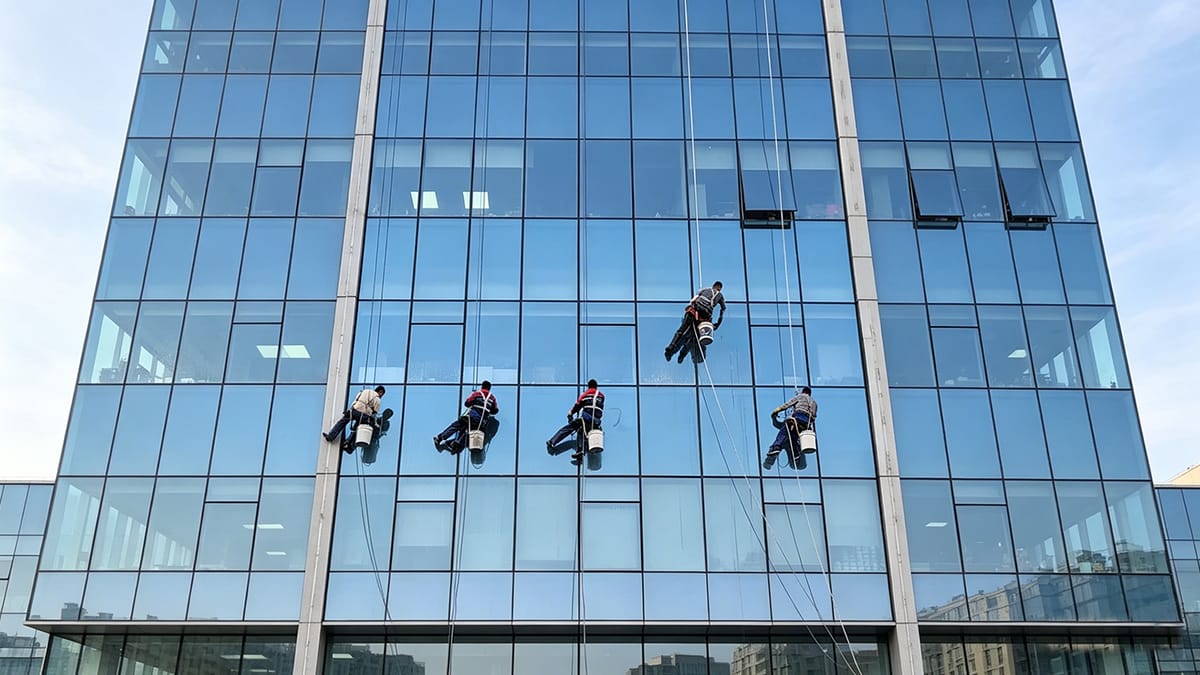
You keep your cladding looking new by cleaning it often. Dirt, dust, and stains can build up on aluminum composite panels. Use a soft cloth or sponge with mild soap and water. Avoid harsh chemicals because they can damage the surface. Rinse panels with clean water after washing. Dry them with a soft towel. You clean cladding every six months for best results. If you see bird droppings or tree sap, clean them right away. This stops stains from setting in.
Tip: Always test your cleaning solution on a small area before you use it on the whole panel.
Inspection and Repairs
You inspect cladding twice a year. Look for cracks, dents, or loose panels. Check the joints and sealants for leaks. If you find damage, fix it quickly. Small scratches on aluminum composite panels can be repaired with touch-up paint. Replace panels if you see deep cracks or delamination. You check for water stains near windows and doors. If you see leaks, reseal the joints. Use a checklist to track your inspection:
Check for loose panels
Look for cracks or dents
Inspect sealants and joints
Search for water stains
You keep your cladding strong by fixing problems early.
Longevity Tips
You help aluminum composite panels last longer by following simple steps. Install cladding with proper spacing. This lets panels expand and contract with temperature changes. Avoid hitting panels with hard objects. You trim nearby trees to stop branches from scratching the surface. Use quality sealants to keep water out. You clean panels regularly and inspect them for damage. If you follow these tips, your cladding can last more than 20 years.
Longevity Tip | Why It Matters |
|---|---|
Proper installation | Prevents warping and damage |
Keeps panels looking new | |
Early repairs | Stops problems from spreading |
Quality sealants | Blocks water and moisture |
馃洜锔?You protect your investment by caring for your cladding. Regular maintenance keeps aluminum composite panels strong and beautiful.
You see cladding everywhere in modern architecture. Cladding protects buildings from weather and gives them a fresh look. You can use cladding for exterior walls, signs, and interiors. Cladding lasts a long time and needs little care. You save money with cladding because it is easy to install. Cladding helps you meet fire safety rules. You can pick many colors and finishes for cladding. Cladding works well in airports, hospitals, and offices. Cladding makes old buildings look new. If you want strong and stylish buildings, cladding is a smart choice.
Reach out to experts for advice on cladding. Explore more resources to learn how cladding can improve your next project.
FAQ
What is aluminum composite material cladding?
You use aluminum composite material cladding to cover walls. It has two aluminum sheets with a core in the middle. Cladding keeps buildings safe from weather. It also makes buildings look modern.
Where can you use cladding in a building?
You can put cladding on outside walls and inside spaces. It works for ceilings and signs too. Cladding is used in offices, malls, airports, and hospitals. It helps make spaces strong and stylish.
How do you clean cladding panels?
You clean cladding panels with mild soap and water. Use a soft cloth or a sponge. Do not use harsh chemicals. Rinse the panels with clean water. Cleaning often keeps cladding looking new and stops stains.
Tip: Clean your cladding every six months for the best results.
Is cladding safe for fire protection?
You pick cladding with fire-resistant cores for safety. Many panels follow strict fire rules. Always check your local rules before you install cladding. Fire safety depends on the core inside the panel.
Can you recycle cladding panels?
You can recycle cladding panels, but it is not easy. Special centers must separate the aluminum from the core. Recycling cladding helps cut down on waste and helps the planet.
Recycling Step | What Happens |
|---|---|
Sorting | Separate cladding materials |
Shredding | Break panels into pieces |
Heating | Remove plastic from metal |