


27 Apr Aluminum Composite Material vs Aluminum Sheet Key Differences You Should Know
You will see many differences between aluminum composite material and aluminum sheet when you compare them for your project. Each material has its own strengths in weight, durability, cost, installation, maintenance, fire resistance, design flexibility, and environmental impact. In construction and manufacturing, usage trends show:
Aluminum extrusions take up 34% of the market and are growing fast.
Aluminum sheets and plates make up 27.5% of the revenue.
Aluminum composite panels are growing quickly, especially for cladding and signs.
Picking the right option depends on what your project needs most. The table below shows which material works best for common needs:
Project Priority | Best Choice |
|---|---|
Maximum durability | Solid aluminum sheet |
Cost savings | Aluminum composite materials |
Design flexibility | Aluminum composite materials |
2026 Update: Quick Answer for Aluminum Composite Material vs Aluminum Sheet Key Differences You Should Know
Reviewed 29 July 2026. The useful answer is not a universal winner. The right option depends on exposure, fire requirements, panel construction, finish, fabrication, support system, maintenance, budget, and the evidence required by the project.
- Compare products against one written project specification.
- Separate total panel thickness from aluminum skin thickness and core type.
- Check coating and finish suitability for the actual exposure.
- Confirm test reports, warranty scope, fabrication, packing, and delivery basis before comparing price.
This update keeps the original topic and search intent while making the decision criteria clear at the start. Project-specific engineering, regulations, test evidence, and supplier documentation remain controlling.
Key Takeaways
Aluminum composite material (ACM) is lighter than solid aluminum sheets. It is also easier to put in place. This makes it a good pick for fast projects. Solid aluminum sheets are stronger and last longer. They are best for tough jobs and things that need to last a long time. ACM panels let you choose from many colors and finishes. This is great for new buildings and cool designs. Think about what your project needs. ACM costs less for short jobs. Aluminum sheets are better if you want something to last. Always look at fire ratings and weather resistance. This helps keep your project safe and working well.
What Is Aluminum Composite Material?
 Structure and Properties
 Structure and Properties
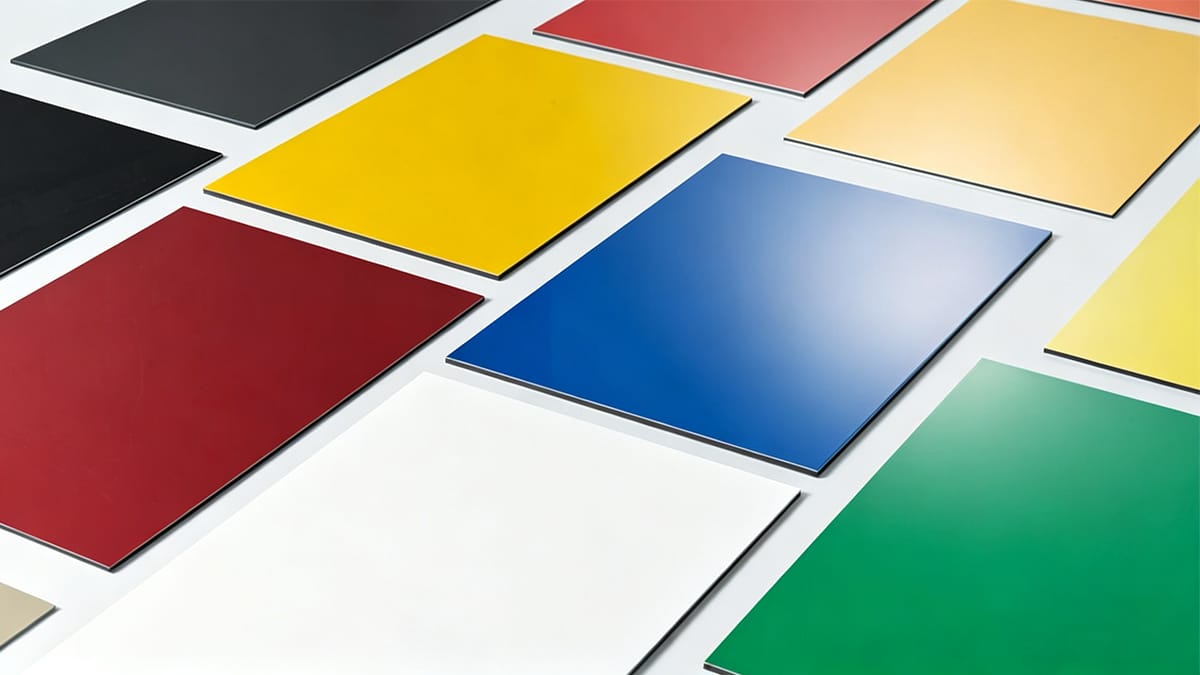
Aluminum composite material is special because of how it is made. It has two thin aluminum sheets stuck to a plastic core. The core is usually polyethylene. This makes the panel light but still strong. The panel is stiff for its weight, so it is good for many uses. The surface is smooth and looks modern. These panels can handle bad weather and last a long time outside. They also help keep buildings warm or cool. But, the plastic core means some panels do not resist fire as well as solid aluminum sheets.
Here is a table that compares some key properties:
Property | Solid Aluminum Sheets | |
|---|---|---|
Weight | Lightweight | Heavier |
Aesthetic Flexibility | Many finishes and textures | Limited finishes |
Cost-Effectiveness | More affordable | More expensive |
Thermal Insulation | Good | Less effective |
Maintenance | Easy to clean | Needs more upkeep |
Durability | Less impact-resistant | Very durable |
Fire Resistance | Varies | Non-combustible |
Acoustic Performance | Better | Less effective |
Common Applications
Aluminum composite panels are used in many new buildings. They are popular for covering building exteriors. This protects and decorates the walls. You will also see them in architectural cladding and curtain walls. They are used for rainscreen cladding too. These panels are good for signs in stores and offices. They are easy to cut and print on. Designers use them for canopies, soffits, and fascia. Inside, you might see them on walls and columns. Some transport projects use them for special panels. People use these panels more each year. They are strong, flexible, and light. Many panels use recycled materials and safe coatings. This helps builders make greener buildings. Aluminum composite panels help save energy and fit modern building styles.
What Is Aluminum Sheet?
Structure and Properties
 Structure and Properties
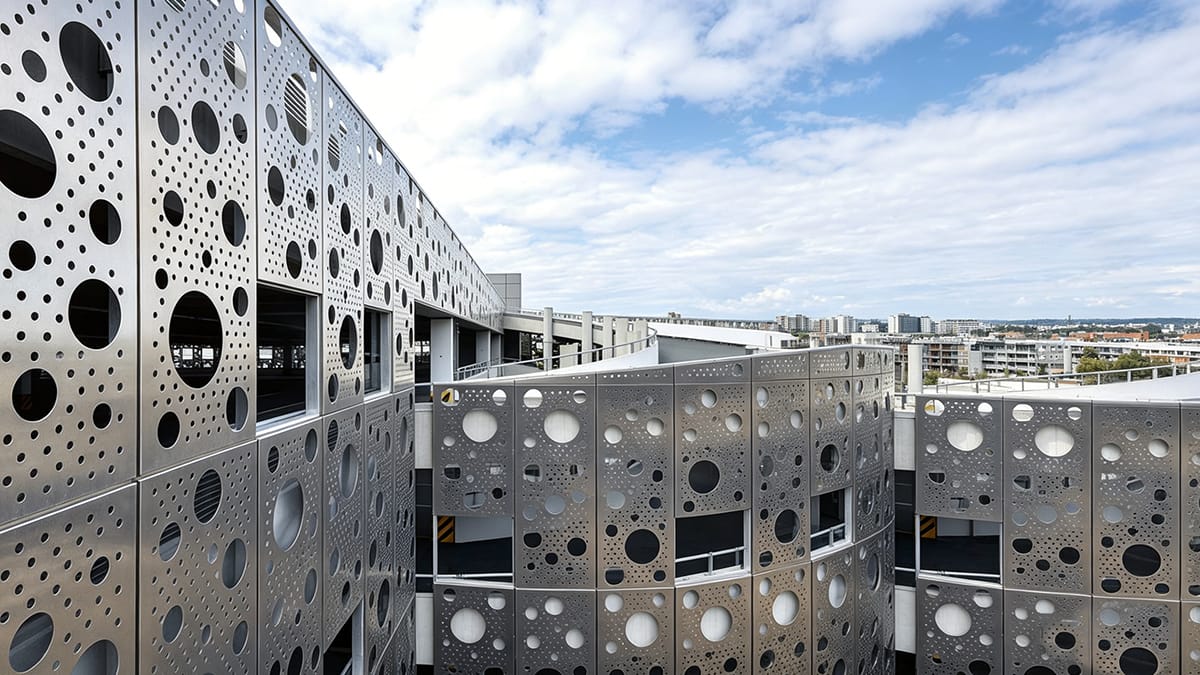
A solid aluminum sheet is just one flat piece of metal. It does not have any layers or a plastic core. This makes it strong and gives it a shiny, metal look. People like aluminum sheets because they are tough and last a long time. They do not break easily and can handle rough use. You get pure metal, so it is very reliable.
Solid aluminum sheet has some important features:
Does not rust and lasts in bad weather
Safe to use in hot places because it does not burn
Looks smooth and neat
Simple to cut, bend, and weld
Solid aluminum sheet is stronger than composite panels. It can take hits and still work well. It does not rust, so you can use it outside for many years. If you need something strong for tough jobs, solid aluminum sheet is a good pick.
Common Applications
Solid aluminum sheet is used in many different jobs. In building, it is used for window frames, door frames, wall covers, roof panels, and gutters. These parts need to be strong and look nice, so builders use aluminum sheet.
Factories use aluminum sheets to make strong parts, bike frames, and airplane brackets. The metal is light but strong, so it is great for these things. Car makers use aluminum sheet for car parts. It does not rust and helps keep cars safe and light.
Here is a table that shows how different industries use aluminum sheets:
Industry | Primary Uses |
|---|---|
Construction | Window frames, door frames, curtain wall facades, cladding panels, roofing systems, gutters, etc. |
Manufacturing | Structural components, bicycle frames, aerospace brackets, etc. |
Automotive | Automotive parts, leveraging high strength-to-weight ratio and corrosion resistance. |
You can also find aluminum sheets in packaging, transport, and art projects. Aluminum sheet is useful for many things because it is strong and looks good. If you want something that lasts and looks classic, aluminum sheet is a great choice.
Differences Between Aluminum Composite Material and Aluminum Sheet
When you look at aluminum composite material and aluminum sheet, you will see they are not the same. These differences change how each one works in real projects. Knowing these facts helps you pick the best material for your job.
Key Differences
Aluminum composite material and aluminum sheet are different in many ways. Their structure, weight, insulation, and surface are not the same. The table below shows these main points:
Feature | Aluminum Composite Material (ACM) | Aluminum Sheet |
|---|---|---|
Structure | Two thin aluminum sheets with a plastic core | Solid metal |
Weight | About half as much as aluminum sheets | Heavier |
Insulation | Provides good insulation due to plastic core | Less effective |
Weather Resistance | Resists weather, UV rays, and moisture better | May require coatings to prevent rust |
Surface Smoothness | Smooth and even due to composite structure | Can warp or bend in large sizes |
Acm has layers, so it is lighter and looks smooth. Aluminum sheet is just metal, so it is heavier and feels stronger. The plastic core in acm helps keep heat in or out. Aluminum sheet does not do this as well. If you want a flat and smooth look, acm is a good pick. If you need strong metal, aluminum sheet is better.
Strength and Durability
Strength and durability are very important for building. Aluminum sheet is strong because it is solid metal. It can take hits and heavy use. You can use it where you need something tough.
Acm is also strong, but in a different way. Its layers make it stiff and light. It does not bend easily and stays smooth. Acm panels last a long time if you care for them. They can last 40 to 50 years. Aluminum sheet usually lasts 20 to 30 years, depending on weather and use.
Feature | Aluminum Composite Panels (ACP) | Aluminum Sheets |
|---|---|---|
Fire Resistance | Good heat insulator, fire resistant | Varies, generally less resistant |
Weather Durability | Resists moisture, does not decay | Can corrode or degrade in harsh conditions |
Lifespan | 40鈥?0 years with care | Typically shorter lifespan, around 20-30 years depending on conditions |
Think about how strong and tough you need your material to be. Acm is good for signs, wall covers, and places that need to look nice for a long time. Aluminum sheet is better for parts that must hold heavy things or take a lot of hits.
Weight Comparison
Weight is another big difference between aluminum composite material and aluminum sheet. Acm is much lighter than solid aluminum. This makes it easier to carry and put in place.
Material Type | Weight per Square Meter (kg) |
|---|---|
Aluminum Composite Panel (4mm) | 3.0 – 8.0 |
Standard Panels (PE cores) | 3.5 – 5.5 |
Fire-rated Panels | Heavier than standard panels |
Acm panels weigh about half as much as aluminum sheets of the same size. This means you can use lighter frames and supports. It also makes putting them up faster and safer. If you want to make your building lighter, acm is a smart choice.
Weather Resistance and Insulation
Weather resistance and insulation are important for outdoor jobs. Acm panels are made to handle all kinds of weather. They do not crack in cold weather. They resist rust, water, and sun. This helps them look good for many years.
Aluminum sheet can last outside too, but it may need special paint to stop rust. In very cold or wet places, aluminum sheet might bend or get damaged. Acm panels stay strong and smooth, even in bad weather.
Acm is also better at keeping buildings warm or cool. The plastic core helps save energy. Some studies show acm panels can save up to 65% in energy use. They help keep rooms at a good temperature.
Composite panels with insulation can save a lot of energy.
Some panels can make rooms much warmer on sunny days.
Acm panels reflect less heat than glass, so rooms stay cooler.
If you want better energy savings and weather protection, acm is often the best pick.
Fire Resistance
Fire resistance is another big difference between aluminum composite material and aluminum sheet. Not all acm panels are fireproof. Standard panels with plastic cores give basic fire safety. Fire-rated panels use a mineral core for better safety. You can find acm panels with B1 or A2 fire ratings. These ratings mean the panels do not catch fire easily.
Rating | Description |
|---|---|
A2 | Non-combustible / limited combustibility; materials that do not significantly contribute to fire load and are difficult to ignite. |
B1 | Hard-to-ignite / flame-retardant; materials with good fire-retardant performance that do not spread flame quickly. |
B2 | Combustible with fire-retardant treatment; materials that can burn but may include additives to slow flame spread. |
B3 | Readily flammable; materials with poor fire performance that ignite easily and can spread flame rapidly. |
Standard PE-core acm is not fireproof.
Fire-resistant acm panels use a mineral-filled core.
Fire performance is checked with standards like EN 13501-1.
Aluminum sheet does not burn, so it is safe in hot places. If you need the best fire safety, look for acm panels with A2 or B1 ratings. These are good for schools, hospitals, and tall buildings.
Tip: Always check the fire rating before you pick acm for your project. This helps you follow safety rules and keep your building safe.
Cost Differences
Material Costs
 Material Costs
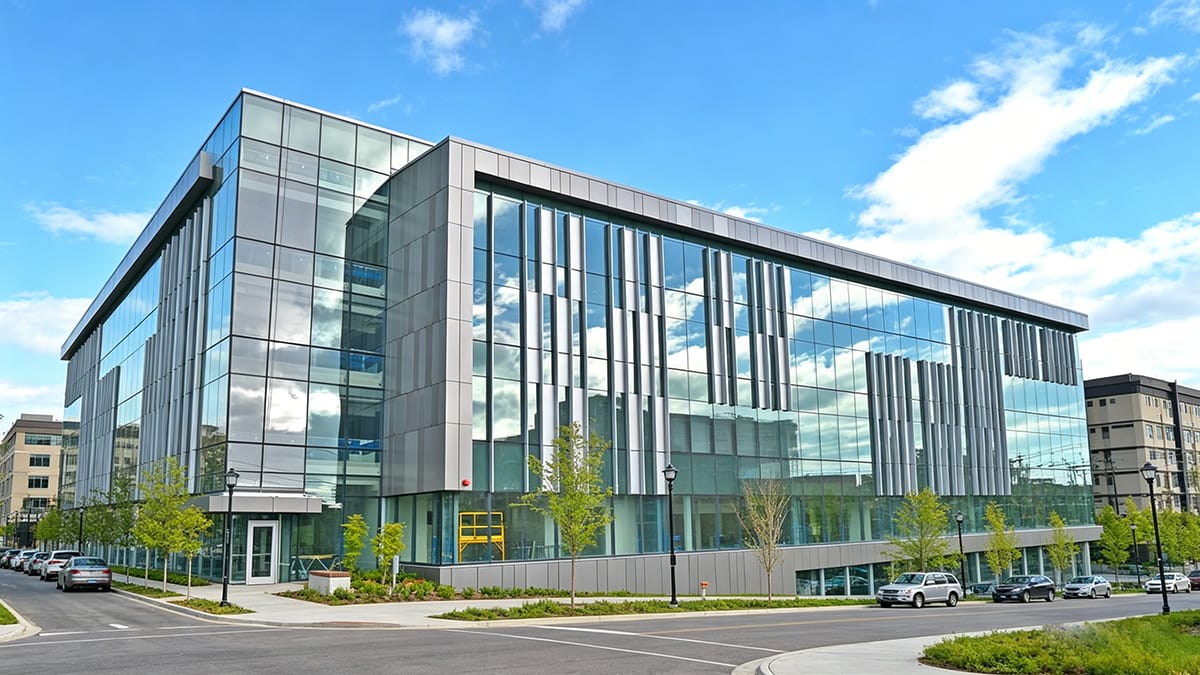
When you look at acm and aluminum sheet prices, you see differences. Acm panels usually cost less than aluminum sheets. The price changes with thickness. A 2mm acm panel costs $10 to $20 per square meter. A 4mm panel costs $20 to $40 per square meter. Thicker panels like 6mm can cost up to $50 per square meter. Aluminum sheets cost more because they are solid metal. This makes acm a cheaper choice for many projects. You can check the price ranges in the table:
Thickness | Price Range (per Sq. Meter) |
|---|---|
2mm | $10 – $20 |
3mm | $15 – $30 |
4mm | $20 – $40 |
6mm | $30 – $50 |
Installation Costs
Installation costs are also different for acm and aluminum sheet. Acm panels are light and easy to move. You need fewer workers to carry them. You can cut and shape acm with simple tools. Fastening is quick with clips or glue. This saves time and work. Aluminum sheets are heavier. You need more workers and special tools. Fastening takes longer and may need welding. Mistakes with aluminum sheet can cause more waste. The table shows how each step compares:
Installation Step | Solid Aluminum Sheet | Composite Aluminum Panel (ACP) |
|---|---|---|
Handling | Heavy, needs more workers | Light, easy to carry |
Cutting/Shaping | Needs special tools | Simple tools, easy to shape |
Fastening | Screws, bolts, welding | Clips, adhesive, cassette systems |
Speed | Slower, more labor | Faster, less labor |
Waste | More waste if mistakes happen | Less waste, easier to adjust |
Acm is better for saving money during installation. You save on labor and time.
Long-Term Value
Long-term durability and maintenance also show cost differences. Acm panels can last 10 to 40 years with good care. They need little upkeep and are easy to clean. Aluminum sheets can last over 50 years if you take care of them. They need polishing and protective coatings. Acm is less likely to dent. Aluminum sheet can get dents more easily.
Acm panels last 10 to 40 years.
Aluminum sheets can last more than 50 years with good care.
Aspect | Aluminum Composite Panels (ACPs) | Aluminum Sheets |
|---|---|---|
Maintenance | Easy to clean, minimal upkeep | Requires polishing and protective coatings |
Lifespan | 20 to 30 years | Often exceeds 50 years |
Vulnerability to Damage | Less prone to dents | More prone to dents |
Acm is a good choice for short or medium-term projects. Aluminum sheet is better for long-term jobs. Always think about both the starting cost and the long-term value when picking your material.
Installation and Maintenance
Installation Process
You will find that the installation process for acm and aluminum sheet is not the same. When you choose acm, you get a lighter material. You can carry acm panels with less effort. You do not need heavy lifting machines for most jobs. You can use simple tools to cut, shape, and fit acm panels. This makes the installation process faster and easier for you.
You can cut acm panels with common tools.
You can attach acm panels using screws, adhesives, or clips.
You do not need special equipment for most acm jobs.
You can shape acm panels to fit corners and curves.
You can finish acm projects quickly.
When you work with solid aluminum sheet, you handle a heavier material. You may need more workers to move aluminum sheets. You often need special tools to cut and shape aluminum. You may need welding or extra fasteners to hold aluminum in place. This can make the job take longer.
You may need special saws or drills for aluminum sheets.
You may need more time to finish aluminum projects.
You may need to plan for extra labor.
Tip: If you want a quick and easy installation, acm panels can save you time and effort.
Maintenance Needs
You will see that acm and aluminum have different needs for care. Over ten years, you will spend less time on acm maintenance. You only need to clean acm panels with mild soap and water. You should check them for damage or loose parts during regular inspections. You do not need to polish acm panels.
Aluminum sheet also needs care. You may need to rinse aluminum panels to keep them clean. You may need to check for scratches or dents. Sometimes, you need to polish or coat aluminum to keep it looking good.
Here is a table that shows the main points:
Material Type | Maintenance Needs | Cost Level | Inspection Frequency |
|---|---|---|---|
Aluminum Composite Panels | Lower | Moderate | Regular inspections |
Solid Aluminum Cladding | Minimal | High | Periodic rinsing |
You can see that acm gives you lower maintenance and easy cleaning. Aluminum may cost more to keep in top shape. You should always check your panels to make sure they last a long time.
Design Flexibility and Aesthetics
Composite Aluminum Panel Options
 Composite Aluminum Panel Options
When you pick a composite aluminum panel, you get many design choices. These panels give you more freedom than regular aluminum sheet. You can choose from lots of finishes and colors. The surface is always flat and smooth. This makes it great for printing pictures or adding special designs. You can use composite aluminum panel for building fronts, signs, and cool displays.
The smooth white finish helps pictures stick better.
The panels are light, so they are easy to put up.
They are strong and last outside in bad weather.
You can cut, punch, or shape them for fun designs.
Composite aluminum panel is good for modern buildings and creative ideas.
Here is a table that shows how composite aluminum panel and standard aluminum sheet are different:
Feature | Composite Aluminum Panel | Standard Aluminum Sheet |
|---|---|---|
Weight | About half as heavy as aluminum | Heavier than composite panels |
Surface Quality | Very flat for nice printing | Might not be as flat |
Durability | Does not break, resists stains and weather | Depends on how it is treated |
Fabrication Options | Easy to saw, route, or punch | Not as many ways to shape |
Cost-Effectiveness | Costs less | Usually costs more |
You can see composite aluminum panel gives you more ways to design and is easier to use. You can use these panels for building fronts or anywhere you want a special look.
Finish and Customization
You can change composite aluminum panel in lots of ways. These panels come in many colors, patterns, and textures. You can pick shiny, dull, or metal looks. You can even get wood or stone styles. This helps you match any style you want.
Composite aluminum panel lets you bend panels into curves or shapes.
You can print pictures or paint right on the surface.
The panels stay bright and clean for a long time with little work.
Standard aluminum sheet gives you a classic metal look. You can paint, anodize, or powder-coat it, but there are fewer design choices. The sheet stays flat and strong, but it does not bend into special shapes as easily as composite aluminum panel.
Note: Composite aluminum panel is now popular for building fronts because you can match any color or pattern. Architects use these panels to make bold designs and save energy. You help the planet too, since many panels use recycled materials.
If you want more design choices and easy changes, composite aluminum panel is the best pick for your next project.
Environmental Impact
Recyclability
It is important to think about what happens to materials after use. Aluminum sheet is good for the planet because it can be recycled. You can melt it and use it again without losing quality. Recycling aluminum saves a lot of energy compared to making new metal.
Aluminum sheets are simple to recycle. You can send scrap aluminum back to the factory, and it becomes new things.
Recycling aluminum uses less energy and makes less waste.
Using aluminum sheet helps keep trash out of landfills.
Acm is harder to recycle because it has a plastic core. The core is usually polyethylene, and it sits between two thin aluminum layers. To recycle acm, you must take apart the layers and the core. This takes more time and energy. Some acm types are easier to recycle, but most are not as good as solid aluminum sheet.
The plastic core in acm makes recycling tough.
Some acm panels have special cores that help recycling, but many still go to landfills.
Aluminum sheet is better for recycling and saves more energy.
Note: If you want the best recycling, aluminum sheet is the best pick.
Sustainability
You help the earth when you pick the right building materials. Both acm and aluminum can help green building, but they do it in different ways. You can see the differences in this table:
Lifecycle Stage | Aluminum Composite Material | Aluminum Sheet |
|---|---|---|
Manufacturing | Uses more energy | Uses less energy |
Use | Heavier, uses more fuel | Lighter, uses less fuel |
Disposal | Recycling is different | 95% recycling rate, low impact |
When making aluminum, extra pieces get recycled back into the process. Scrap aluminum goes back to the factory, so there is less waste. Acm uses about 70% less aluminum than a solid sheet because of its sandwich design. This means you need less new material, which helps the planet.
Acm is light, so it is easier to move and build with. Lighter panels mean you use less fuel for trucks and machines. Acm helps green building by lowering pollution and meeting eco-friendly rules.
Acm can be recycled, which is good for the earth.
Its light weight means less pollution from moving it.
Acm panels help you reach green building goals.
Tip: Always check if your acm panels use recycled stuff or have green labels. This helps you make the best choice for the planet.
Choosing the Right Material
Factors to Consider
 Factors to Consider
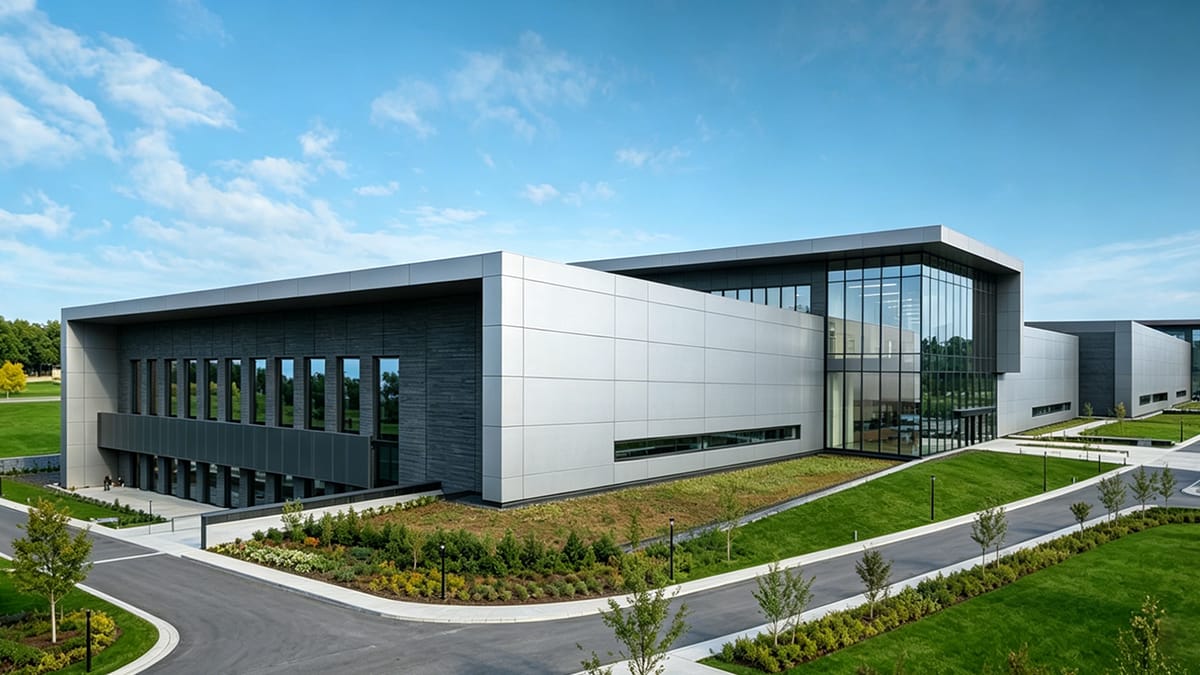
You need to think about several things before you choose between acm and aluminum for your project. Each material works best in different situations. You should look at the following points:
Material hardness: Think about how tough you need your panels to be. Aluminum gives you more strength for heavy jobs. Acm offers enough hardness for most building covers and signs.
Purpose and end use: Decide what you want your material to do. Acm works well for decoration, signs, and wall panels. Aluminum fits best for parts that must hold weight or face strong forces.
Shape and geometry: Check if your design needs curves or special shapes. Acm bends and shapes easily. Aluminum works better for flat or simple forms.
Corrosion resistance: Think about where you will use the material. Aluminum resists rust, especially with coatings. Acm also stands up to weather, but you should check the core type for outdoor use.
Requirement and run length: Figure out how much material you need. Acm is good for large projects with many panels. Aluminum suits smaller jobs or custom pieces.
Size of the prototype: If you need a big panel, acm gives you a smooth, flat surface. Aluminum can warp in large sizes.
Cost: Look at your budget. Acm usually costs less to buy and install. Aluminum costs more but lasts longer in tough jobs.
Exposure to oxidation: If your project faces air and moisture, aluminum gives better protection. Acm also resists weather, but you should check the finish.
Interaction with water: For wet places, aluminum works well with the right coating. Acm can handle water, but you need to seal the edges.
Reaction to other elements: Think about chemicals or salt in the air. Aluminum stands up to harsh conditions. Acm works for most city or indoor jobs.
Cash flow management: Plan your spending. Acm helps you save money at the start. Aluminum gives you value over many years.
Long-term return on investment: If you want your project to last a long time, aluminum may be the better choice. Acm gives you good value for short or medium projects.
Yearly units needed: For big projects, acm helps you save on costs and time. Aluminum fits best for special or high-stress jobs.
Tip: Always match your material choice to your project鈥檚 needs. This helps you get the best results and saves money.
You now know the main differences between acm and aluminum. You see that acm gives you light weight, easy installation, and many design options. Aluminum offers you strength, fire safety, and long life. You should match acm or aluminum to your project鈥檚 needs. Think about cost, durability, and how you want your building to look. You can learn more about acm and aluminum from articles that explain their properties, types, and uses. Some resources even show how acm like AluPOLY works for signs and panels. Always check all facts before you choose acm or aluminum.
FAQ
What is the main difference between acm and aluminum sheet?
You will see that acm has two thin aluminum layers with a plastic core. Aluminum sheet is a solid piece of metal. Acm is lighter and easier to shape. Aluminum gives you more strength and better fire resistance for tough jobs.
Can you use acm panels outside?
Yes, you can use acm panels for outdoor projects. Acm resists weather, sun, and rain. The aluminum surface protects the core. You will find acm panels on building exteriors, signs, and cladding. Always check the panel type for your climate.
Is aluminum sheet better for fire safety?
You get better fire safety with aluminum sheet. Aluminum does not burn. Acm panels with a standard core may not resist fire as well. You can choose fire-rated acm for safer buildings. Always check the fire rating before you decide.
How do you clean acm and aluminum surfaces?
You can clean acm panels with mild soap and water. Use a soft cloth for best results. Aluminum sheet also cleans easily. Rinse with water and wipe dry. Avoid harsh chemicals on both acm and aluminum to keep the surface looking new.
Which material is easier to install, acm or aluminum sheet?
Acm is easier to install. You can cut and shape acm with simple tools. The panels are light, so you need less help. Aluminum sheet is heavier and may need special tools. You will finish your project faster with acm.
Tip: Always follow the manufacturer鈥檚 instructions for both acm and aluminum to get the best results.