
04 Jun What is Aluminum Composite Material Cladding and How is it Used
Aluminum composite material cladding is a modern way to protect buildings. It also makes the outside of buildings look nice. You see aluminum composite material cladding on many buildings. This is because it looks good and works well. If you want a material that does not rust, this is a good choice. It also lets you make cool designs and saves money on repairs. Aluminum composite material cladding is good for the environment and is safe to use. Here are some reasons to pick aluminum composite material cladding:
Aspect | Benefit |
|---|---|
Stays strong in bad weather and does not rust | |
Fire Resistance | Makes buildings safer from fire |
Design Variety | Comes in many colors, textures, and finishes |
Key Takeaways
Aluminum composite panels do not weigh much. They are simple to put up. This helps save time and money when building. These panels last a long time. They can handle bad weather, rust, and fire. This keeps buildings safe for many years. There are many colors and finishes to pick from. This lets people make buildings look nice and unique. Aluminum composite panels do not cost a lot. They do not need much care. This saves money on fixing them later. Using aluminum composite panels is good for the planet. They can be recycled. They also help use less energy.
Aluminum Composite Material Cladding Overview
What is Aluminum Composite Material Cladding
You can find aluminum composite panels on many new buildings. These panels have two thin aluminum sheets with plastic in the middle. This makes them strong but not heavy. People can carry and put them up easily. Builders like these panels because they are light and simple to use. You do not need big machines to move them. This helps workers finish jobs faster and stay safe.
Aluminum composite panels are important in building design. You can use them outside, inside, or even for signs. They protect buildings from rain, wind, and sun. There are lots of choices for colors, textures, and finishes. This lets you make buildings look special and nice. Architects like these panels because they can use them in many ways. You can bend and shape them for cool designs.
Note: Aluminum composite panels follow strict fire safety rules. For example, they can get an A2-s1 d0 fire rating. This means they are safe for tall buildings.
Key Features and Advantages
Aluminum composite panels have many good points for building projects. They are light and easy to put up. This saves time and money when building. The panels weigh about half as much as solid aluminum sheets. You can move and place them without much work. The building does not need to be as strong, so you save money.
These panels last a long time. They do not rust or break down, even if the outside gets worn. Your building will look good for years. The panels also keep heat and cold out. This helps buildings stay comfortable and saves energy.
Here is a table that shows the main uses of aluminum composite panels in buildings:
Architectural Role | Description |
|---|---|
Aesthetic Flexibility | You can pick from many colors, textures, and finishes to make buildings look special. |
Durability | The panels stand up to weather, rust, and sun, so they last long with little care. |
Sustainability | Aluminum composite panels can be recycled and are light, which helps the planet. |
Cost-Effectiveness | You save money because the panels need little care and last for years. |
Versatility | You can use the panels for outside walls, inside walls, and signs, keeping the look the same. |
You also get these good things when you use aluminum composite panels:
Weight reduction: The panels are much lighter than solid aluminum cladding.
Structural efficiency: You need less support, so it costs less to put them up.
Design flexibility: You can make shapes and curves with the panels.
Lightweight and easy installation: You can finish jobs faster and with less work.
Aluminum composite panels are special because they stay flat and smooth. You can use them for big walls without bumps or waves. The panels also help keep heat and cold out. The plastic in the middle helps save energy.
If you want something strong, light, and easy to use, aluminum composite panels are a smart pick. You get many choices for design, long life, and you save money too.
Aluminum Composite Panel Structure
 Three-Layer Sandwich Design
 Three-Layer Sandwich Design
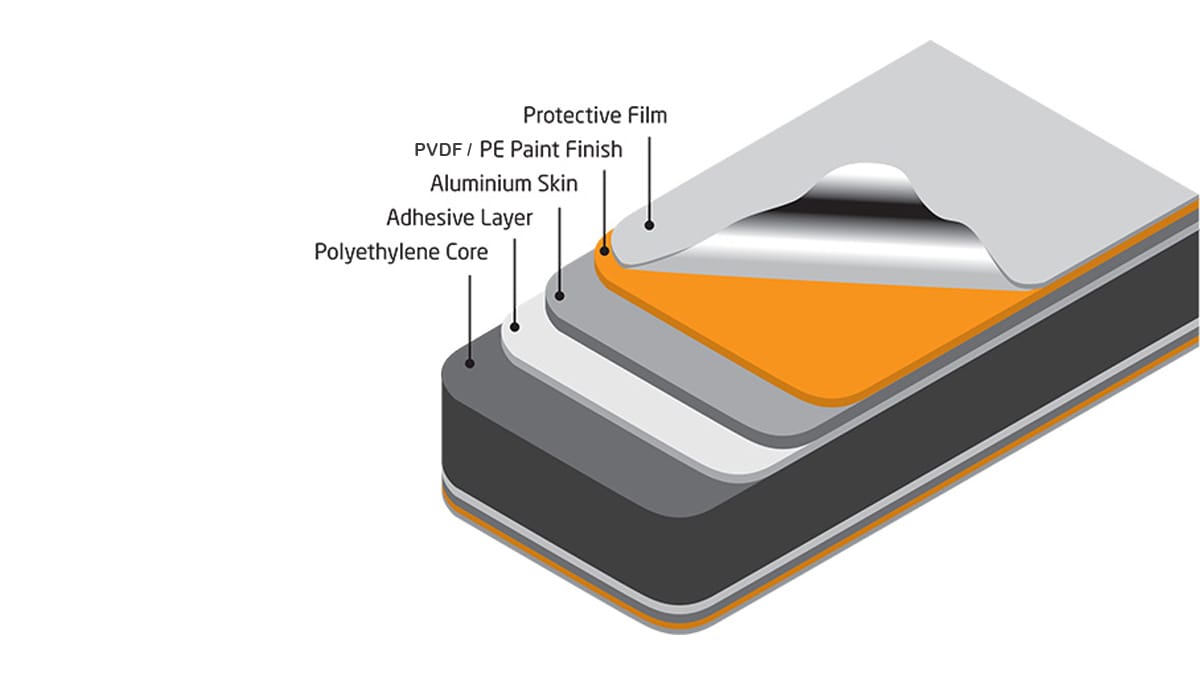
Aluminum composite panels have a three-layer sandwich design. There are two thin aluminum sheets on the outside. The middle layer is made from materials like polyethylene or mineral-filled stuff. Strong glue holds all the layers together. This makes the panels strong and flexible. You can use these panels for many building jobs. They stay flat and smooth.
The aluminum layers stop dents and bending. The core keeps the panels light and helps with insulation. These panels are easy to carry and put up. The sandwich design makes them last longer and resist bad weather. They can handle strong sun, heavy rain, and big changes in temperature. Special coatings on the surface give more protection.
Tip: Pick panels with a fire-retardant core for extra safety in tall buildings.
Here is a simple table that shows the layers:
Layer | Description |
|---|---|
Outer Layer | Two sheets of aluminum |
Core Layer | One fire-retardant or polyethylene core |
Materials Used in ACM Panels
The materials in aluminum composite panels matter a lot. The outside layers use high-purity aluminum alloy. These layers often have a protective film or a fluorocarbon resin coating. This coating helps the panels last longer and look good, even in tough weather.
The core layer can be made from different materials. Many panels use low-density polyethylene, which is safe and light. Some panels use a mineral core. This core gives better fire resistance. You can also find cores made from alloy nano inorganic material. These cores make the panels more fireproof and weather-resistant.
The materials help the panels last longer and stand up to bad weather. Aluminum can be recycled, which is good for the planet. Fire-rated panels use a mineral core with up to 70% inorganic material. This makes them safer if there is a fire. You get panels that are strong, safe, and good for the environment.
Layer | Material Type | Properties |
|---|---|---|
Core | Low density polyethylene (PE) | Safe, light, helps with insulation. |
Core | Mineral or alloy nano material | High fire resistance, good for safety. |
Outer Layer | High purity aluminum alloy panel | Coated for extra durability and weather resistance. |
Aluminum composite panels protect your building and keep it looking nice for a long time.
Applications in Building Facades and Exteriors
Exterior Cladding and Rainscreen Systems
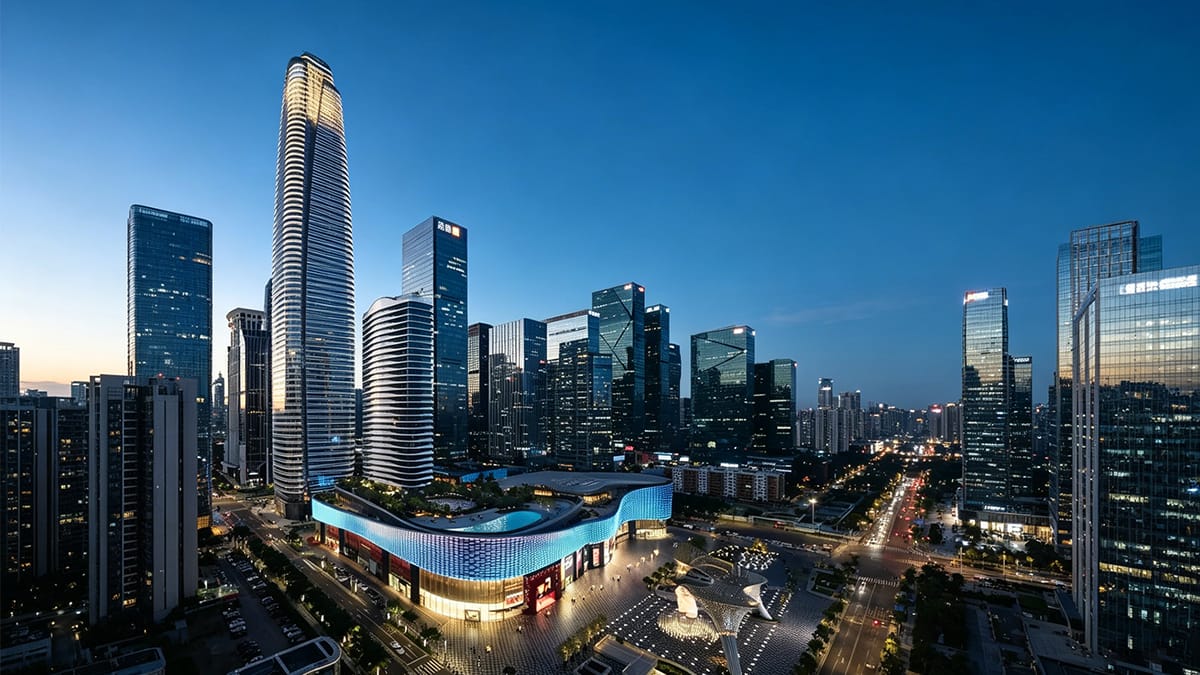
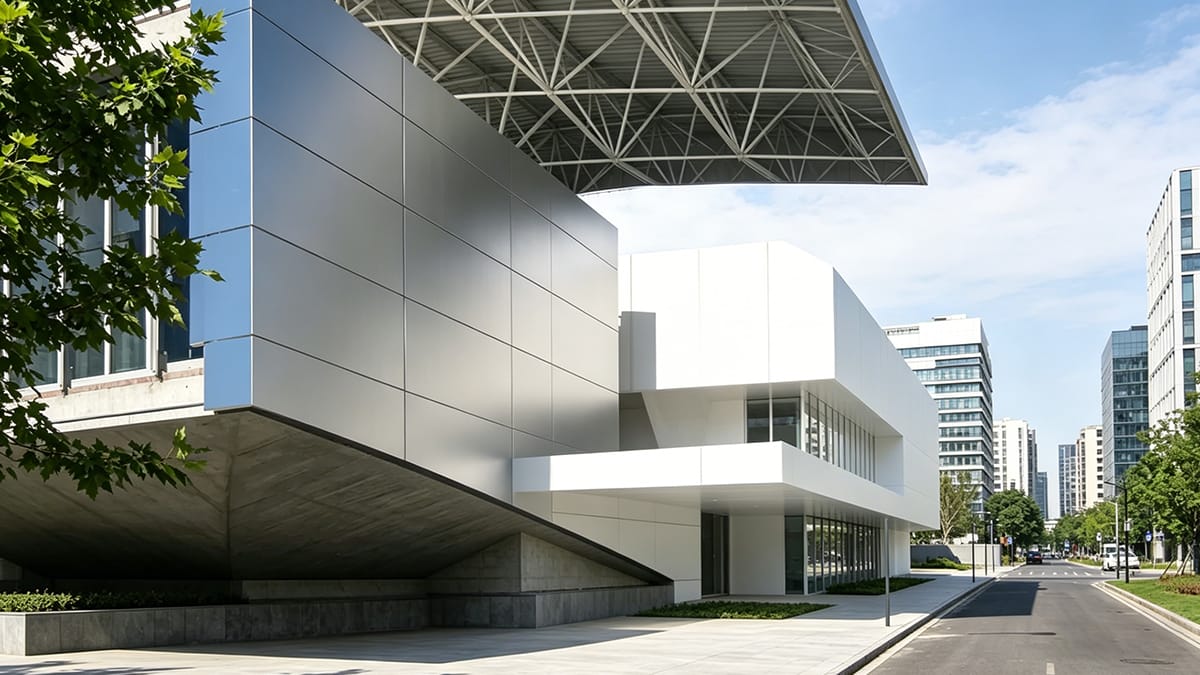
Aluminum composite panels are used on many building exteriors. These panels protect buildings from rain, wind, and sun. You can use them for walls, curtain walls, and roofs. They work in offices, homes, and shops. The panels help buildings last longer and stay safe.
Rainscreen systems add extra protection. The outer cladding acts like a shield against bad weather. There is an air gap between the panels and the main wall. This gap lets moisture escape. It stops mold and damage inside your building. The panels stay strong in storms. They do not crack or bend like wood or vinyl.
Tip: If you live where it rains a lot, rainscreen systems with aluminum composite panels help keep your building safe.
Here is a table that shows how these panels compare to other materials:
Property | Aluminum Composite Panels | Traditional Materials (Vinyl/Wood) |
|---|---|---|
Weather Resistance | Stays strong in sun, rain, heat | Needs more care; can get damaged easily |
Corrosion Resistance | Does not rust; good for wet areas | Can rust or break down |
Impact Resistance | Handles hits from storms | Can break in bad weather |
You can use these panels for modern facades in many places. They work in commercial buildings, hotels, airports, and factories. The panels make buildings look nice and stand up to tough weather.
Interior Uses and Decorative Applications
Aluminum composite panels are not just for outside. You can use them inside buildings too. They work well where you need strong, clean surfaces. You see them in public spaces and exhibition stands. Designers like these panels because there are many colors and finishes.
Here are some ways you can use these panels inside:
Partitions and column wraps for a modern look.
Retail stores and hotels to create a special atmosphere.
Kitchens, bathrooms, and custom cabinets in homes.
Exhibition stands and trade equipment in public spaces.
Artistic wall features with smooth, clean lines.
These panels are easy to cut and paint. You do not need much time for care. They are fire-resistant, waterproof, and do not rust. You can shape them into curves or special designs. This helps you make your building look unique.
Note: Many panels use recycled aluminum, so you help the planet when you choose them.
Here is a table that shows where you might use these panels inside:
Application Area | Description |
|---|---|
Partitions and Column Wraps | Gives a refined, futuristic look. |
Retail and Hospitality | Enhances ambiance and brand presentation. |
Residential Spaces | Used in kitchens, bathrooms, and cabinets for a modern style. |
Public Spaces | Good for exhibition stands and trade equipment. |
Artistic Elements | Lets you create creative designs with smooth surfaces. |
Signage and Other Uses
Aluminum composite panels are good for signs. The panels are light and strong. You can hang them inside or outside. The flat surface is great for printing graphics and text. Your signs will look sharp and last a long time.
Shops, schools, and offices use these panels for signs. You can cut them into any shape you want. They do not fade or break easily. This makes them a smart choice for signs.
Callout: If you want a sign that stays bright and clear, choose panels made from aluminum composite material.
You can also use these panels for art, decorations, and furniture. Their strength and smooth finish make them popular for creative projects.
Aluminum Cladding Systems: Installation and Maintenance
Installation Basics
 Installation Basics
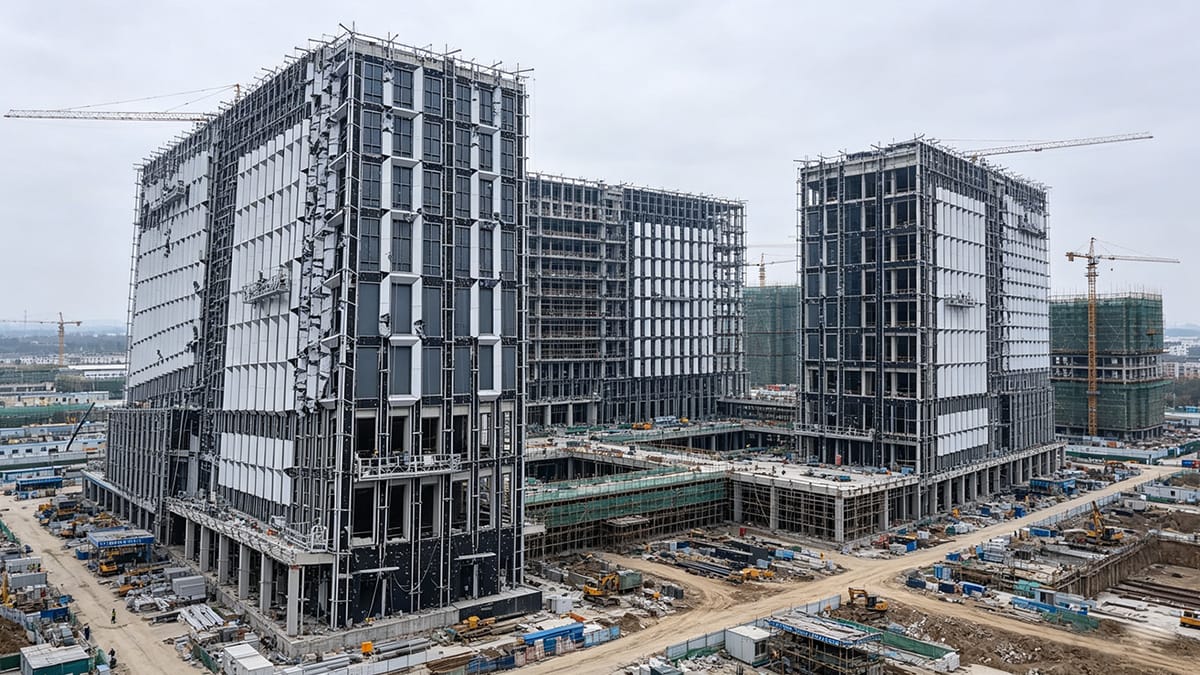
You can install aluminum cladding systems on many types of buildings. The aluminum cladding installation process starts with measuring the building. You need to check the size and shape of the walls. Workers then fix a frame to the wall. This frame holds the panels in place. You can use screws or special clips to attach the panels. The panels fit together like puzzle pieces. This makes the outside of the building look smooth and neat.
You do not need heavy machines for aluminum cladding systems. The panels are light, so you can carry them by hand. You can cut the panels to fit corners and windows. This helps you cover every part of the wall. You can finish the job quickly. Many builders like aluminum cladding systems because they save time and money.
Tip: Always check the weather before you start. Dry days make the job easier and safer.
Maintenance Needs
You do not need to spend much time caring for aluminum cladding systems. The panels stay clean and bright for many years. You can wash the panels with water and a soft cloth. You do not need strong cleaners. If you see dirt or stains, you can wipe them away easily.
You should check the panels once or twice a year. Look for loose panels or broken parts. You can fix small problems before they get worse. This helps your building stay safe and look good. Aluminum cladding systems do not rust or fade. You do not need to paint them often. This saves you money over time.
Maintenance Task | How Often | What to Do |
|---|---|---|
Cleaning | 1-2 times a year | Use water and soft cloth |
Inspection | 1-2 times a year | Check for loose panels |
Repairs | As needed | Fix or replace panels |
Safety and Fire Performance
You must think about fire resistance and safety when you use aluminum cladding systems. The panels can protect your building if you follow the right rules. You should choose panels with a fire-resistant core. These panels help stop fire from spreading.
Many countries have rules for aluminum cladding systems. In the United States, you need to follow NFPA 285 for tall buildings. In the United Kingdom, you must meet BS 8414 and EN 13501-1. For high-rise buildings, you should use non-combustible materials. This keeps people safe.
Here is a table that shows important safety steps:
Safety Measure | Description |
|---|---|
Non-combustible materials | Needed for tall buildings to stop fire from spreading |
Compliance with NFPA 285 | Required for multi-story buildings in the United States |
Adherence to BS 8414 and EN 13501-1 | Needed in the UK for fire safety in cladding systems |
You should always ask your builder about fire resistance and safety. Good aluminum cladding systems protect your building and the people inside. You can feel safe when you choose the right panels and follow the rules.
Note: Panels with a mineral core give better fire resistance and safety.
Aluminum cladding systems cost less to keep up than many other wall coverings. You save money on repairs and cleaning. You also get a safe and strong building that looks good for many years.
Comparing Aluminum Composite Panels to Other Materials
 ACM vs. Traditional Cladding
 ACM vs. Traditional Cladding
You may ask how aluminum composite panels compare to wood, stone, or fiber cement. When you pick panels, your building stays warmer in winter and cooler in summer. This helps you save money on energy bills. Panels keep the inside temperature steady.
Panels are strong against bad weather. They can handle rain, wind, and hits. Wood and stone need more care and do not protect as well. You spend less time fixing panels.
Here are some main differences:
Panels keep heat in better than wood or stone.
Panels stand up to rain and hits.
Wood and stone need more care and do not insulate as well.
How you put up panels matters too. Look at this table:
Material Type | Installation Time | Complexity Level |
|---|---|---|
Aluminum Composite Panels | Faster installation | Less complex |
Traditional Cladding | Slower installation | More complex |
Panels help you finish your project faster.
Cost and Value Considerations
You should think about price and how long panels last. Aluminum composite panels cost less at first than many other materials. Here are some average prices:
Material Type | Cost per Square Meter (USD) |
|---|---|
Aluminum Composite Panels | |
Solid Aluminum Panels | $40 – $80 |
Honeycomb Panels | $50 – $120 |
Colorbond Standing Seam Cladding | $75 – $100 |
Painted Fibre Cement Cladding | $55 – $65 |
Panels save you money when you buy them. Over time, you need to clean panels and check for damage. Solid aluminum panels last longer and need less care. You pay more for solid aluminum, but you fix them less.
Panels last a long time with simple care.
Solid aluminum panels last 40 to 50 years and do not rust.
Panels need cleaning and checks.
Solid aluminum panels save money over time.
Tip: If you want good price and performance, panels are a smart pick for most jobs.
You might pick aluminum composite material cladding for lots of reasons. It makes your building strong and keeps it safe. The panels are light, so you can put them up easily. You do not need heavy tools to install them. There are many colors and finishes to choose from. Your building will last a long time and look nice. ACM cladding is a smart choice if you want style and strength.
Benefit/Application | Description |
|---|---|
Lightweight and Strong | Easy to carry and put up |
Stays tough in sun, rain, and heat | |
Aesthetic Versatility | Lots of colors and finishes |
Cost-Effective | Saves money on putting up and caring for panels |
FAQ
What makes aluminum composite panels different from solid aluminum?
Aluminum composite panels are light and have a strong middle. Solid aluminum is heavier and costs more money. You can use aluminum composite panels for many designs. They are easy to put up.
Can you paint or customize aluminum composite panels?
Yes, you can paint them. You can pick from lots of colors and finishes. You can add pictures or words for signs and branding.
How do you clean aluminum composite cladding?
Clean panels with water and a soft cloth. You do not need strong cleaners. For hard stains, use mild soap. Cleaning often keeps panels looking nice.
Are aluminum composite panels safe for tall buildings?
Panels with a fire-resistant core follow strict safety rules. Always check for certifications like NFPA 285 or EN 13501-1 before using them on tall buildings.