


18 Mar Step-by-Step Guide to Installing Architectural ACP Panels in 2026
You want to learn how to install architectural acp panel in 2026. A step-by-step guide helps you install it the right way and keeps you safe. Architectural acp panel is popular in new buildings because it is strong and looks neat. This guide helps you if you work on homes or business buildings. Recent numbers show architectural acp panel is used in over 62% of business buildings and more than 38% of homes. Before you start, collect the tools you need for a good finish. Aluminum composite panels are light and easy to put up. If you follow the right steps, you can attach the panels well and keep the acp panel in place for a long time. Good acp installation begins with careful planning and getting ready. The table below explains why architectural acp panel is a great choice today:
Feature | Description |
|---|---|
Durability | Stays strong in bad weather and does not rust, so it lasts a long time. |
Makes it easy to carry and put up. | |
Aesthetic Appeal | Gives a smooth, new look and works with many styles. |
Cost-Effectiveness | Saves money because it is easy to install and the materials do not cost much. |
2026 Update: Quick Answer for Step-by-Step Guide to Installing Architectural ACP Panels in 2026
Reviewed 29 July 2026. A reliable installation starts with an engineered substrate, coordinated panel layout, controlled joints, suitable fasteners, drainage, ventilation, and allowance for movement. The panel alone does not make a compliant wall system.
- Approve shop drawings, support spacing, joint widths, corners, penetrations, and interfaces before fabrication.
- Use the specified routing, folding, fixing, sealant, and protective-film procedure.
- Keep coating direction and batch information consistent across connected elevations.
- Inspect drainage paths, fastener engagement, sealant adhesion, surface damage, and completed tolerances.
This update keeps the original topic and search intent while making the decision criteria clear at the start. Project-specific engineering, regulations, test evidence, and supplier documentation remain controlling.
Key Takeaways
Make a good plan and get ready before you start putting up ACP panels. This helps the work go smoothly. – Use the correct tools and wear safety gear. This keeps you safe and helps you do a neat job. – Follow each step in the guide. This helps you not make mistakes and put the panels up the right way. – Seal the joints well. This keeps out bad weather and helps the panels last longer. – Clean and take care of the ACP panels often. This keeps them looking nice and helps them last a long time.
What Is an Architectural ACP Panel?
ACP Panel Basics
Architectural ACP panels have many layers. These layers make the panel strong and nice to look at. The main parts are a front aluminum sheet, a core, and a back aluminum sheet. The front sheet comes in lots of colors and finishes. You can pick what matches your design. The core is made from polyethylene or a fire-resistant material. This helps keep you safe. The back sheet gives support and keeps the panel steady.
Here is a table that lists the main parts of good acp panels:
Component | Description |
|---|---|
Front Aluminium Sheet | Has different colors, textures, and finishes for looks. |
Core Material | Made from polyethylene (PE) or fire-resistant (FR) for safety. |
Back Aluminium Sheet | Gives support and keeps the panel steady. |
Good acp panels have other layers too:
Protection film
PVDF or polyester coating
Adhesive layer
Polyethylene core
Service coating
All these layers work together. They make the panel strong, safe, and nice-looking. If you use an acp sheets guide, you learn how each part helps when you install the panel.
Benefits in Modern Construction
You see acp panels in lots of new buildings. They have many good points. They stand up to bad weather, UV rays, and bumps. You do not need to fix them often. If you compare acp cladding installation to wood or stone, you spend less money over time. Wood needs painting and sealing often. ACP panels only need easy cleaning.
The table below shows how acp cladding installation compares to other materials:
Material | Long-Term Cost | Maintenance |
|---|---|---|
Wood | High | High |
Stone | High | Low |
Concrete | Moderate | Low |
ACP | Low | Low |
ACP panels cost less per square meter than solid aluminum sheets. This helps you save money on big projects. If you want to install aluminum composite panels well, follow every step in the acp sheets guide. This makes sure your panels go up smoothly and last a long time.
Step-by-Step Installation Overview
 Why Follow a Step-by-Step Guide?
 Why Follow a Step-by-Step Guide?
You want your project to look good and last long. A step-by-step guide helps you not make mistakes. It also keeps you safe while you work. If you follow each step, the acp sheets go on without problems. This also helps protect your building from bad weather and damage. Many installers use a step-by-step process. It helps them check their work and fix things early.
Tip: Keep the protective film on the aluminum composite panels until you finish installing acp. This keeps the surface clean and stops scratches.
If you skip steps or hurry, you might have problems. The panels may not fit right or joints could leak. You can see some common problems in the table below. Use these ideas to stop problems during installation:
Challenge | Mitigation Strategy |
|---|---|
Improper Thermal Gap Provision | Make sure you leave space for heat changes |
Incorrect Substructure Leveling | Level the substructure the right way |
Removing Protective Film Too Early | Wait to take off the protective film until after installation |
Ignoring Sealant Quality | Use sealants that are high quality |
Key Phases of Installation
You should know the main steps before you start putting up acp sheets. Each step helps you get the best results. Here is a simple overview for aluminium composite panel installation:
Preparation
Get your tools and materials ready. Clean the area and make sure the surface is smooth. Check that you have the right profiles and fasteners.Cutting the Panels
Use a saw or special cutter to cut the aluminum composite panels to the right size. Keep the protective film on while you cut. This keeps the panel safe from scratches.Installing the Frame
Build a strong substructure with vertical and horizontal profiles. Make sure the frame is level and tight. This step is important for putting up acp sheets.Mounting the Panels
Drill holes in the panels and support profiles. Use rivets that do not rust for outside projects. Attach the panels to the frame with care.Finishing Touches
Seal the joints between panels with silicone that keeps out water. This stops water and dust from getting in. Check that all panels are straight and tight.Cleaning and Maintenance
Clean the panels after you finish. Take off the protective film. Look for gaps or loose fasteners. Plan to clean the panels often to keep them looking new.
Note: If you follow these steps, you make fewer mistakes and your aluminum composite panel installation will last a long time.
You can use this guide for homes and business buildings. Each step in the process helps you get a neat look and strong protection. When you use the right steps, installing acp is easier and safer.
Site Preparation for ACP Sheets
 Cleaning and Surface Readiness
 Cleaning and Surface Readiness
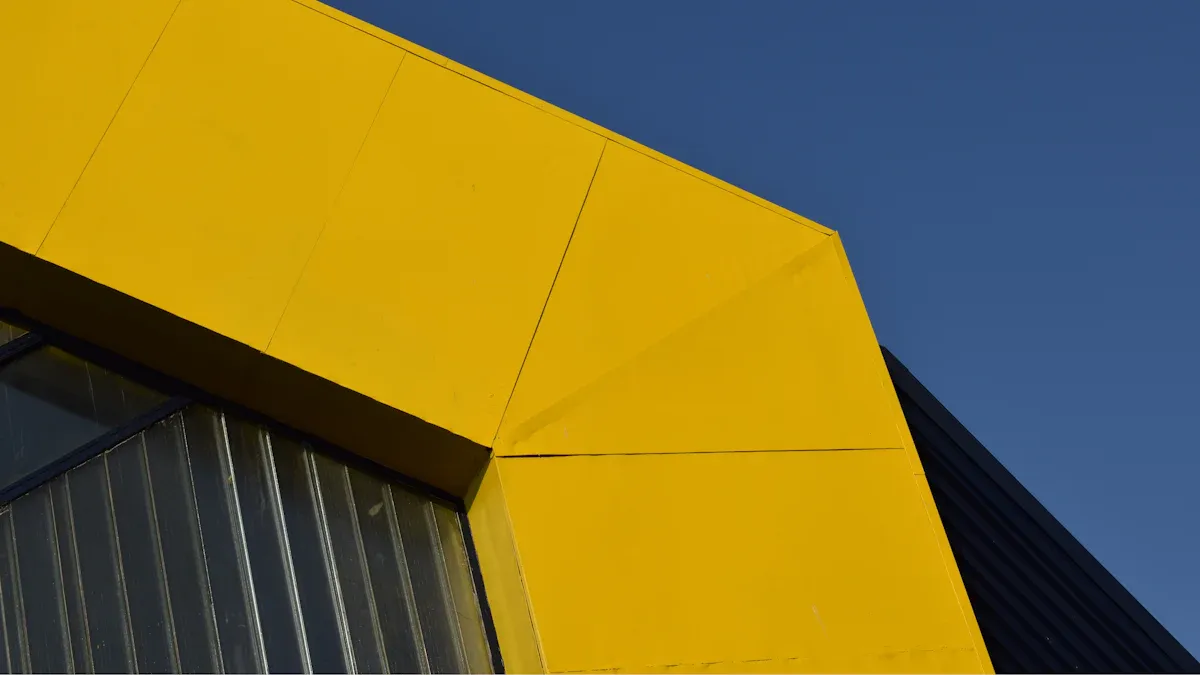
You need to prepare the site before installing acp. Start by checking the wall or surface where you will place the panel. Make sure it is clean and dry. Dirt or moisture can cause problems later. If you see cracks or holes, fix them first. A smooth surface helps the aluminum composite panels stick well and stay strong.
Begin by inspecting the installation site to ensure it is clean, dry, and structurally sound. Address any surface irregularities, such as cracks or holes, as these can affect the installation process.
Follow these steps to get the area ready:
Clean the surface to remove dirt, grease, or any debris.
Look for cracks or damage on the wall and fix them.
Use a level to ensure the wall is flat.
Measure the area accurately with a tape measure.
Allow the ACP sheets to acclimate to the room temperature.
A flat and clean wall helps you avoid problems during installation. If the wall is not level, the panel may not fit right. You should always measure the area before you start. This helps you cut the sheets to the correct size.
Safety and Accessibility
You must think about safety before installing acp. Wear gloves and safety glasses to protect your hands and eyes. Make sure the work area is easy to reach. Clear away any tools or objects that could cause you to trip. Good lighting helps you see what you are doing.
Set up ladders or scaffolding if you need to reach high places. Check that these are stable before you climb. Keep your tools organized so you do not waste time looking for them. If you work with others, talk about the plan and make sure everyone knows their job.
Tip: Always keep a first aid kit nearby in case of small injuries. Safety comes first when working with aluminum composite panels.
You can work faster and safer when the site is ready. Careful preparation helps you install the panel with fewer mistakes. A safe and clean site leads to better results and a longer-lasting acp finish.
Measuring and Marking for Installation
Accurate Measurement Techniques
You should always start with careful measuring. This helps you not make mistakes when putting up acp. Use a tape measure or steel ruler to check the length and width of the space. Always measure each part before you cut it. If you want your cuts to be very exact, you can use a CNC router or a laser cutting machine. These tools help you get the right size for aluminum composite panels.
Here are some tips to help you measure better:
Use a tape measure or steel ruler for straight lines.
Make clear marks with a chalk line or marking knife.
Try out jigs or templates on scrap pieces first.
Check your measurements two times to be sure.
Make sure your measuring tools are working right.
Measuring the right way saves you time and materials. If you measure wrong, you might waste panels or have to do the work again. Take your time and check your numbers before you move on.
Marking Panel Placement
After you measure, you need to mark where each panel will go. This step helps you know where to put everything and keeps things straight. Start by marking where the brackets, screws, or adhesive will go. Use a pencil or marker that you can see well on the surface.
Here are the steps for marking:
Measure the area where you will install the panels.
Write down where each panel goes.
Line up the panels with your marks.
Use a level to make sure everything is straight.
If you mark each spot clearly, you make fewer mistakes and installing acp is easier. Good marks help you put aluminum composite panels in the right place. You get a neat look and strong support. Always check your lines before you put the panels up. Good measuring and marking help you finish the job well.
Tip: Always label each panel and check your marks before you fasten them. This helps you not make expensive mistakes and keeps your project going well.
Sub-Frame Preparation
Choosing Substructure Materials
 Choosing Substructure Materials
You need to pick good materials for the sub-frame. The sub-frame holds the panel up and makes it strong. In hot places, use aluminum for the substructure. Aluminum does not rust and can handle heat. You should use sealants that block UV rays. These sealants keep sunlight from hurting the joints. For buildings in sunny spots, use a ventilated fa莽ade system. This system lets air move behind the panels. It helps keep the wall cool.
Here are some tips for picking substructure materials:
Use aluminum in hot or wet places.
Pick UV-resistant sealants for outside jobs.
Choose ventilated systems to stop heat buildup.
If you pick the right materials, your work will last longer and look nice.
Aligning and Securing the Frame
You must make sure the sub-frame is straight before you add panels. A straight frame helps you avoid problems later. Use a level to check if the frame is even. Fasten the frame tight to the wall so it does not move. You can use screws, anchors, or bolts. Pick what works best for your wall.
Industry rules show ways to join and seal the frame. The table below lists common joint types and where to use them:
Joint Type | Drainage/Ventilation | Sealant/Barrier | Typical Use |
|---|---|---|---|
Rainscreen (Open Joint) | Rear-ventilated cavity, lets air flow | Weather barrier behind panels | Outside walls, curtain walls |
Sealed Joint | Little ventilation | Neutral-cure sealant at panel joints | Inside walls, signs, some outside trims |
Route-and-Return Cassette | Can be ventilated or sealed | Caulking at edge if needed | Fancy facades, modular panels |
Face-Fastened Panel | Usually sealed | Sealant or gasket at fastener | Utility cladding, acm sign blanks |
Pick the joint type that fits your project. For most outside walls, a rainscreen system works well. For inside spaces, a sealed joint is fine. Always check the frame is tight before you install acp. This step keeps the panels safe and helps your work last.
Tip: Check the frame is straight before you start the next step. A strong and straight frame makes the job easier.
Panel Cutting and Grooving
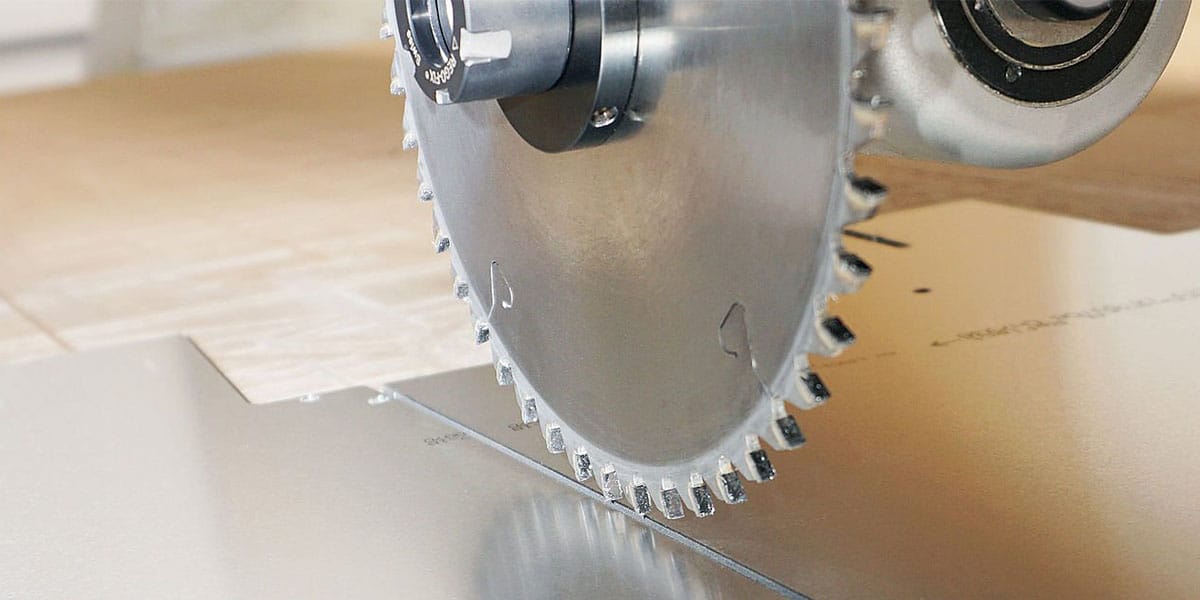
Cutting ACP Sheets Safely
 Cutting ACP Sheets Safely
You need to cut each acp panel to the right size before installation. Safety comes first when you work with sharp tools and metal edges. Always set up your workspace in a clean, dry area with good lighting. Remove clutter from your workbench and floor. Place the panel on a stable, flat surface and use clamps to hold it steady. This keeps the panel from moving while you cut.
Tip: Wear gloves, goggles, and a dust mask to protect yourself from sharp edges and flying debris.
You should also wear safety boots with steel toes and long sleeves. Use safety glasses rated for impact resistance. An N95 dust mask helps you avoid breathing in dust. Keep your tools organized and within easy reach. Have a fire extinguisher nearby and make sure exits are clear in case of emergency.
Here is a quick safety checklist:
Wear gloves, goggles, and a dust mask.
Clamp the panel tightly.
Keep your workspace clean and well-lit.
Use safety boots and long sleeves.
Keep a fire extinguisher nearby.
Grooving for Fit
Grooving helps you bend or shape the panel for a perfect fit. You need to choose the right method based on your project needs. Start by thinking about the design and what kind of groove you need. Check the thickness and type of acp panel before you pick your tools. You can use manual routing, mechanical milling, CNC grooving, or even laser grooving if you have the equipment.
Follow these steps for precise grooving:
Decide what kind of groove your project needs.
Check the panel thickness and material.
Pick the best tool for the job, like a router or CNC machine.
Think about your budget and how fast you need to finish.
Make sure the groove works for bending or decoration.
Choose a method that matches your project deadline.
Note: Always test your groove on a scrap piece before working on the main panel. This helps you avoid mistakes and get a clean finish.
Grooving the right way makes your installation look professional and helps the panels fit together smoothly.
How to Install ACP Sheet: Drilling and Fastening
Drilling Techniques
You need to drill carefully when working with ACP sheets for a fa莽ade. Start by keeping the protective film on the aluminium composite panels during fabrication. This film helps prevent scratches. Support the panel well to stop vibration. Set your drill to the correct depth so you do not go too far. Use slow and steady pressure. Let the drill do the work. If you rush, you might crack the panel or make rough edges.
Follow these steps for safe drilling:
Clean the surface and make sure it is dry and strong.
Mark the spots where you will drill.
Leave the protective film on the panel.
Support the panel to prevent movement.
Set your drill to the right depth.
Drill slowly and steadily.
Remove burrs after drilling for a neat finish.
Tip: Always use sharp drill bits made for metal. Dull bits can damage the ACP and make the fa莽ade look messy.
Fastening Panels to Sub-Frame
You must choose the right fasteners for a strong fa莽ade. Rivets, screws, and structural adhesives work well for commercial buildings. Stainless steel or aluminum rivets last longer and resist rust. Use slotted holes to allow for thermal movement. This keeps the fa莽ade safe when temperatures change.
Here are common fastener types for ACP installation:
Rivets
Screws
Structural adhesives
You can use blind-fix cassette systems if you want hidden fasteners. Exposed face-fastened panels are easy to check and maintain. Space the fasteners based on the panel size and manufacturer鈥檚 advice. Leave small gaps between fasteners for movement. Apply sealant or gaskets on the edges and joints. Add flashing and vents to help water and air flow behind the fa莽ade.
Note: Always check that each fastener is tight but not too tight. Over-tightening can bend the panel and ruin the fa莽ade鈥檚 smooth look.
A good fastening job keeps your ACP secure and helps the fa莽ade last for years. Careful drilling and fastening make your installation look professional.
Sealing Joints and Weatherproofing
Applying Sealants
 Applying Sealants
You have to seal every joint between the panels. This keeps water, dust, and air out from behind the acp. Sealing helps your building stay safe from bad weather. Pick a sealant that works well with aluminum composite panels. The best sealants keep the building neat and safe for a long time.
Here is a table that lists the top sealant types for ACP panel joints:
Sealant Type | Description | Benefits |
|---|---|---|
Neutral cure, low modulus silicone sealants | Best for ACP panel joints | Strong barrier against mold, mildew, air, and water; withstands bad weather |
SilPruf鈩?series | Designed for curtain wall joints | Durable silicone rubber barrier; maintains joint appearance |
Hybrid technology sealants (MS Polymer) | Dries into a hard, rubbery plastic | Better adhesion, flexibility, UV resistance; can be painted over; dirt-resistant |
You can pick from these popular products:
SilPruf鈩?SCS6000
Neutral Silicone Transparent Sealant 6187
Neutral Silicone Structural Adhesive 6152
Hybrid technology sealants
Tip: Always put the sealant in a smooth line and fill the joint all the way. This keeps the panel safe from leaks and bad weather.
Ensuring Durability
You want your acp panels to last for many years. Sealed joints help make them last longer. The right sealant stops water from getting inside. This keeps the fixings safe and holds the panel in place. Sealed joints also let vapor out, which stops mold and damage.
Here is a table that shows how sealing affects durability:
Aspect | Impact on Durability |
|---|---|
Poor fixing systems | Can lead to panel movement and water ingress |
Inadequate joint sealing | Reduces weather resistance |
Maintenance neglect | Allows water intrusion and corrosion at fixings |
You should check the joints once a year. Reseal them every 7 to 10 years to keep the building safe from weather. The weakest joint decides how long your panels last. Good sealing keeps out water, wind, and heat. It also helps your building look nice for a long time.
Note: Joints filled with silicone or polyurethane keep your acp panels strong and safe from bad weather.
Final Inspection and Cleaning
Quality Check
You should always inspect your work after you finish the installation. Start by looking at each panel closely. Check for gaps, loose fasteners, or uneven edges. Use a level to see if the panels are straight. Make sure the joints are sealed and there are no open spaces. If you find any problems, fix them before you move on.
A good inspection helps you catch mistakes early. You can use this checklist to guide your review:
Inspection Point | What to Look For | Action to Take |
|---|---|---|
Panel Alignment | Straight lines, no sagging | Adjust if needed |
Fasteners | Tight, not over-tightened | Secure or loosen |
Joints and Seals | No gaps, smooth sealant lines | Reseal if necessary |
Surface Condition | No scratches or dents | Replace or repair panel |
Tip: Take your time during inspection. Careful checking helps your aluminium composite panels last longer and look better.
Cleaning After Installation
You need to clean the acp panels after you finish installing them. Cleaning keeps the surface looking new and helps prevent damage. Always use gentle cleaning agents. Harsh chemicals can scratch or dull the finish.
When you clean, follow these safe methods:
Mix isopropyl alcohol with water in equal parts. Wipe the panel with a soft cloth.
Use ammonia-based cleaners. Dilute them as the instructions say, then scrub gently.
Try citrus-based cleansers for tough stains. Use a soft sponge.
Apply hydrogen peroxide mixed with water for stubborn marks.
Mild detergents work well. Mix with water, use a soft sponge, and rinse with clean water.
You should always:
Use a moderate amount of cleaning agent.
Rinse the panel with clean water after cleaning.
Choose soft cloths or sponges to avoid scratches.
Note: Regular detergent mixed with water is often enough for most dirt. Avoid rough brushes or strong chemicals.
A clean finish makes your installation look professional. You protect your acp panels and keep them in good shape for years.
Maintenance Tips for ACP Panels
Routine Cleaning
 Routine Cleaning
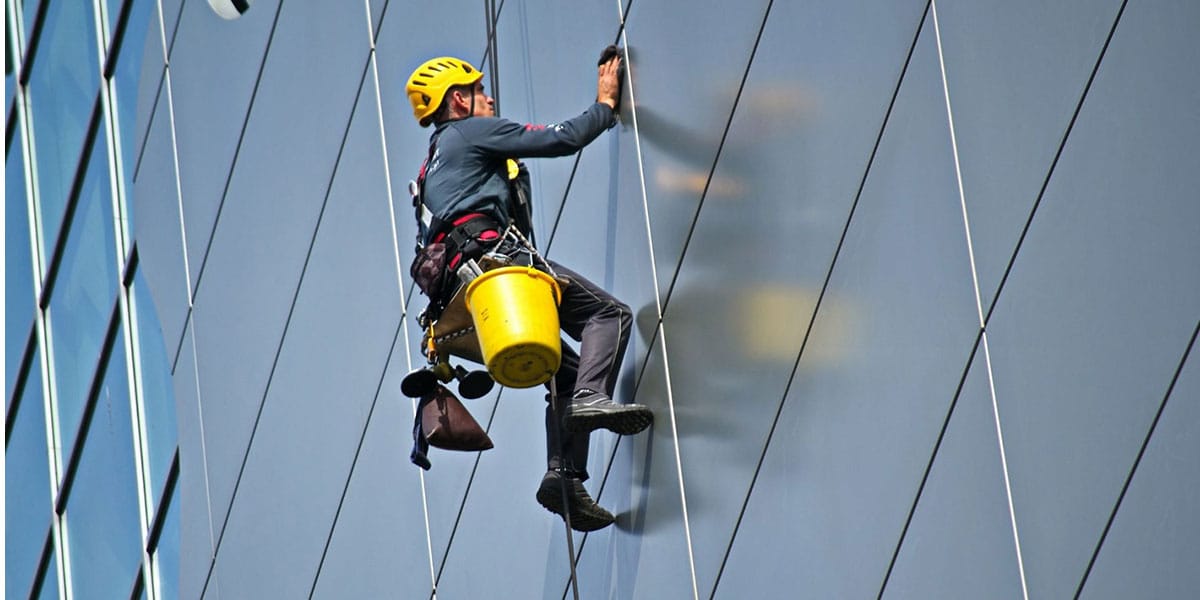
You can keep your acp panels looking new with regular cleaning. Dust, dirt, and pollution can build up on the surface. If you clean the panels often, you help them last longer and look better. Use a soft, damp cloth to wipe away dust and dirt. For tougher spots, mix a little mild detergent with water. Avoid harsh chemicals because they can damage the finish.
You should check your panels a few times each year. Look for stains, mold, or anything that does not belong. If you see something, clean it right away. Exposure to sun, rain, and pollution can make aluminium composite panels fade or lose their shine. Regular cleaning and care help protect your investment.
Here is a simple table to help you remember how often to do each task:
Maintenance task | Frequency | Purpose |
|---|---|---|
Surface cleaning | 2 to 4 times per year | Remove pollutants |
Sealant check | Once per year | Prevent water entry |
Fastener check | Once per year | Avoid vibration damage |
Scratch repair | As needed | Protect aluminum |
Tip: Always rinse the panel with clean water after using any cleaner. This keeps the surface bright and smooth.
Minor Repairs
Small scratches or marks can happen during installation or daily use. You can fix most minor damage yourself. For light scratches, use a fine abrasive paste and gently polish the area. This method works best for small marks and costs very little. If you see deeper scratches that show a different color, use a repair pen or special paint. Make sure the color matches your panel for the best look.
For quick fixes, you can use wax strips or even clear nail polish. These work well in emergencies but may not last as long. Always check your panels for damage during your regular cleaning. Fixing small problems right away helps your acp panels stay strong and look good for years.
Note: If you find a big dent or crack, call a professional for help. Some repairs need special tools or skills.
Common Mistakes to Avoid
Measurement Errors
If you do not measure carefully, your project gets harder. Even small mistakes can turn into big problems later. Panels that are not lined up look bad on your building. Always check if each panel is straight as you work. If you make screws too tight, you can hurt the surface or bend the panels. Use just enough force for each screw or bolt. Leave space between panels so they can move when it gets hot or cold. This stops cracks and bending. Never skip the instructions from the company. Each brand has special steps for their panels. If you do not follow them, your work may not last and you might lose your warranty.
Tip: Check your measurements two times before you cut or drill. Planning ahead saves you time and materials.
Fastening and Sealing Issues
Mistakes with fastening and sealing can cause big trouble for your acp panels. If you use too many screws, you can damage the surface and make it look messy. Using too much silicone or putting it on wrong also makes the panels look bad and not last as long. Some people only use old ways to install, but new systems work better and last longer.
Mistake | Description |
|---|---|
Using too many screws can damage the panel’s surface and compromise the overall look. | |
Excessive or incorrect silicone application | Too much silicone, or poorly applied silicone, can affect aesthetics and reduce durability. |
Ignoring modern installation systems | Relying solely on traditional methods can lead to less effective installations compared to modern systems. |
If you do not seal the joints well, water can get in and cause damage. In wet places, water can make the core weak and cause fading or cracks in a few years. Gaps that are not sealed let in dirt and other things that can hurt the coating. This makes your panels not last as long. Sunlight can also get through gaps and make the core weak. If you do not let the panels move, they can crack or even fall off after some time.
Note: Good fastening and sealing keep your panels strong and safe for many years.
Safety Measures During Installation
Personal Protective Equipment
You must protect yourself during acp installation. Wearing the right gear keeps you safe from cuts, falls, and other injuries. Always check your equipment before you start. The table below shows what you need and why it matters:
Equipment | Purpose |
|---|---|
Gloves | Protect hands from cuts |
Goggles | Keep dust and small pieces out of eyes |
Construction boots | Provide strong grip and foot safety |
Helmets | Guard head from falling items |
Safety rope | Ensure safety when working at heights |
Put on gloves to keep your hands safe from sharp edges. Goggles stop dust and small pieces from getting in your eyes. Construction boots help you walk safely and protect your feet. Helmets shield your head from falling tools or panels. If you work high up, use a safety rope to prevent falls. You should never skip these steps. Good gear can save you from serious harm.
Safe Tool Handling
You need to use tools the right way to avoid accidents. Always keep your workspace clean and organized. Check your tools before you use them. Make sure they work well and have no damage. Hold each tool with a firm grip. Cut away from your body to prevent injury. If you use power tools, follow the instructions and wear hearing protection if needed.
Stay alert when you handle sharp tools. If something goes wrong, you must know what to do. Every job site should have emergency plans. The table below lists important steps for handling accidents:
Procedure | Description |
|---|---|
Hazard Mitigation Analysis (HMA) | Check for risks and set safety rules before you start |
Emergency Response Planning (ERP) | Make a plan for what to do if someone gets hurt |
Access to Battery Management System (BMS) Data | Watch for battery problems if your tools use batteries |
Risk Assessment | Look for dangers like fire, shock, or chemicals and learn how to avoid them |
You should always know where the first aid kit is. Tell your team if you see something unsafe. Quick action can stop small problems from becoming big ones. Safe habits help you finish your panel project without injury.
Tip: Safety is not just a rule. It is a habit that keeps you and your team healthy every day.
If you follow each step, your work looks professional. Careful steps help your acp panel last longer and look nice. The table below shows how good work makes panels stronger, safer, and better looking:
Benefit | Description |
|---|---|
Enhanced Durability | Secure panels last longer and resist damage. |
Improved Aesthetic Appeal | Neat panels make buildings look better. |
Structural Integrity | Strong support keeps panels in place. |
Weather Resistance | Good sealing protects against rain and sun. |
Energy Efficiency | Proper insulation saves energy. |
Regulatory Compliance | Correct steps meet building codes. |
Wear safety gear and check your work often to stay safe. Clean and look at the panels often to keep them looking new. For hard jobs, use guides from trusted companies or ask experts for help. If you use each step, your acp installation will last a long time.
FAQ
How long does ACP installation usually take?
You can finish most ACP installation jobs in one to three days. The time depends on the size of your project and how many panels you need to put up.
What tools do you need for cutting ACP panels?
You need a circular saw, measuring tape, clamps, and safety gear. These tools help you cut each panel straight and keep you safe during the process.
Can you install ACP panels on old walls?
Yes, you can install ACP panels on old walls. You must clean the surface and fix any damage first. This helps the panels stay strong and look neat.
How do you keep ACP panels clean?
You should wipe the panels with a soft cloth and mild soap. Avoid strong chemicals. Regular cleaning helps your ACP panels look new and last longer.
What is the best way to seal joints between ACP panels?
You should use a neutral silicone sealant. Apply it in a smooth line along each joint. This keeps water and dust out and helps your installation last.