


12 Apr How to choose the right aluminum composite material for construction with zero stress
When considering how to choose the right aluminum composite material for construction, you can feel confident in your selection of aluminum composite materials for your building. These panels are popular in the construction industry due to their longevity, cost-effectiveness, and energy-saving properties. Many new designs incorporate them because they are lightweight and can withstand strong winds. It鈥檚 essential to select materials that are fire-resistant, durable, and compliant with safety regulations. By focusing on what is important, choosing the right aluminum composite material becomes a straightforward process.
2026 Update: Quick Answer for How to choose the right aluminum composite material for construction with zero stress
Reviewed 29 July 2026. The useful answer is not a universal winner. The right option depends on exposure, fire requirements, panel construction, finish, fabrication, support system, maintenance, budget, and the evidence required by the project.
- Compare products against one written project specification.
- Separate total panel thickness from aluminum skin thickness and core type.
- Check coating and finish suitability for the actual exposure.
- Confirm test reports, warranty scope, fabrication, packing, and delivery basis before comparing price.
This update keeps the original topic and search intent while making the decision criteria clear at the start. Project-specific engineering, regulations, test evidence, and supplier documentation remain controlling.
Key Takeaways
Think about what your project needs. Look at where it will be and how it will look. This helps you pick the best aluminum composite material.
Make sure the panels are fire resistant and strong. Pick ones that follow safety rules and can handle bad weather.
Look at different brands and see how good they are. Read what other people say and ask about warranties. This helps you get materials you can trust.
Check out the design choices and finishes. Pick colors and textures you like. Also, think about saving energy.
Use a checklist so you do not make mistakes. Pay attention to fire safety, how thick the panels are, and how to install them. This helps you choose with confidence.
Identify Project NeedsPurpose and Application
First, think about how you will use composite materials. These materials are strong and light. They are easy to shape. Many construction projects use them. Look at the table below to see how different sectors use them:
Sector | Application Description |
|---|---|
Commercial | Used in signs and advertising boards. They show bright graphics and last a long time. |
Residential | Used for facades, cladding, and roofs. They look nice and protect from bad weather. |
Industrial | Used in vehicle panels and cleanrooms. They are light and easy to clean. |
You can also use composite materials for cladding, partitions, and energy-saving buildings. These panels help make modern facades. They also improve insulation.
Location and Environment
Think about where your project will be. The environment changes how composite materials work. If your building faces tough weather, you need panels that resist wind, rain, and sun. You want your materials to last a long time. Composite materials are light, so they are easy to move and install. This saves time and money. Check if the panels can handle your local climate.
Tip: Ask your supplier if the panels are tested for weather and durability.
Design and Aesthetics
Design trends help you pick composite materials. Architects and designers like these panels. They come in many colors and finishes. You can make your building look special. More people use aluminum composite panels now. They want materials that look good and work well. These panels help keep your space warm and quiet. You can match your design ideas with composite materials.
Factor | Description |
|---|---|
Lightweight Nature | ACM panels are easy to carry. This lowers transport and installation costs. |
Durability | They stand up to tough weather. They stay strong for a long time. |
Aesthetic Versatility | They come in many colors and finishes. You can make creative designs. |
Ease of Fabrication | You can cut and shape them with regular tools. They fit many design needs. |
Cost-Effectiveness | Their light weight lowers transport costs. This makes them a smart choice for saving money. |
Choosing the Right Composite Panel
 Panel Core Types (PE, FR, Honeycomb)
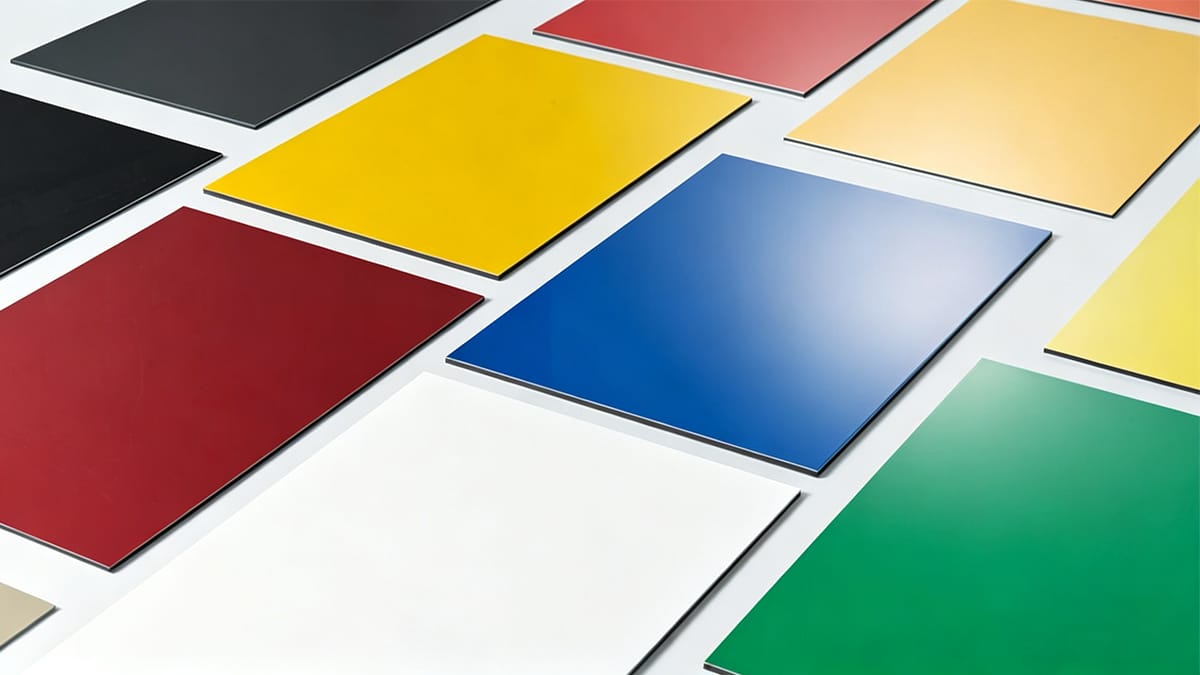 Panel Core Types (PE, FR, Honeycomb)
When you pick a composite panel, you need to know about core types. The core is the inside layer. It gives the panel strength and special features. There are three main types: PE, FR, and honeycomb. Each type has its own material properties. They fit different needs.
Feature | Honeycomb Core | Foam Core (PE/FR) |
|---|---|---|
Weight and Strength Needs | Very strong and stiff. Best for trains and planes. | Good strength. Great for light buildings and insulation. |
Processing and Forming | Harder to shape. Needs special tools. | Easy to cut and bend. Very flexible. |
Cost Considerations | Costs more because of advanced making process. | More affordable. Used in many buildings. |
Application Environment | Handles big impacts. Works well under heavy loads. | Keeps heat in and water out. Resists moisture. |
Typical Applications | Trains, planes, sports gear. | Building walls, boats, signs. |
Honeycomb core panels are best for jobs needing high strength. They work well in places like trains or planes. Foam core panels, including PE and FR, are easier to use. They cost less. They fit most building projects, signs, and insulation needs.
Fire Resistance and NFPA 285 Compliance
Fire safety is very important in construction. You want panels that protect people and property. The fire resistance depends on the core. PE core panels give basic flame resistance. FR core panels use minerals to slow heat and stop fire from spreading fast. Honeycomb cores can be different, so check their material properties.
Panel Type | International Standard | Fire Resistance Rating |
|---|---|---|
PE Core | EN B/C | Flame-Retardant (B1) |
FR Core | EN A2 | Non-combustible (A2) |
Honeycomb Core | N/A | Varies by composition |
Tip: Always ask for test reports showing the fire rating of your panels.
NFPA 285 is a key test for fire safety. It checks how well wall panels stop fire from spreading up and across a building. Panels with fire-retardant cores use minerals to make a barrier. This slows heat and keeps flames from moving fast. To pass NFPA 285, panels must keep flames from spreading more than 10 feet up and 5 feet sideways from a window. Always choose panels that meet these rules for safety.
Durability and Weather Resistance
 You want your building to last a long time. Pick panels with strong material properties. Good panels go through tough tests to prove durability. For example, the ASTM B 117 test sprays salty water on panels for 4000 hours. Good panels show rust spreading less than 1/16 inch from a scratch. They get a blister rating of at least 8.
Test Method | Description |
|---|---|
ASTM B 117 | Panels sprayed with salty water for 4000 hours. |
Corrosion creepage | Rust spreads less than 1/16 inch from a scratch. |
Blister rating | Panel gets a blister rating of at least 8. |
Anodized aluminum composite panels resist rust, rain, and pollution. The sealed core keeps out water. The panels do not swell or rust. Clean the panels often to keep them looking new. This stops dirt and salt from causing damage. These material properties help your building stay strong and look good for many years.
Surface Finish and Color Options
Composite panels give you lots of choices for design. You can pick from many colors, textures, and finishes. Some panels look like wood, stone, or metal. Others have smooth or embossed surfaces. New technology lets you choose custom colors. Some coatings resist scratches and UV rays. Nano-coatings make panels last longer and need less cleaning.
Note: Custom finishes help you match your building鈥檚 style and brand.
You can use composite panels to make bold designs or blend in with surroundings. The right finish can also help save energy. It reflects sunlight and reduces heat.
Budget Considerations
Cost matters in every project. Composite panels come in different price ranges. The price depends on core type, finish, and quality. Here is a simple guide:
Panel Type | Cost Range (per square meter) |
|---|---|
Aluminum Composite Panels | $20 鈥?$60 |
Solid Aluminum Panels | $40 鈥?$80 |
Category | Panel Type | Typical Cost (per sq ft) |
|---|---|---|
Good (Standard Panels) | Corrugated / Simple Horizontal | $3 鈥?$7 |
Better (Enhanced Panels) | Smooth / Embossed Horizontal | $4 鈥?$8 |
Best (Premium Architectural Panels) | Wood-Look / Longboard Siding | $14 鈥?$18+ |
Aluminum Composite Panels (ACP) | PE Core (3mm鈥?mm) | $15 鈥?$25 |
Aluminum composite panels cost less than solid aluminum panels. This makes them a smart choice for big projects. You can balance your budget by picking the right core and finish. Standard panels work well for most uses. Premium finishes cost more but give you a special look and better performance.
Tip: Plan your budget by thinking about both the upfront cost and long-term savings from lower maintenance and energy use.
When you focus on material properties, fire safety, durability, design, and cost, you can make a smart choice. Composite panels give you flexibility and value for many types of construction.
How to Choose the Right Aluminum Composite Material for Construction
Comparing Brands and Quality
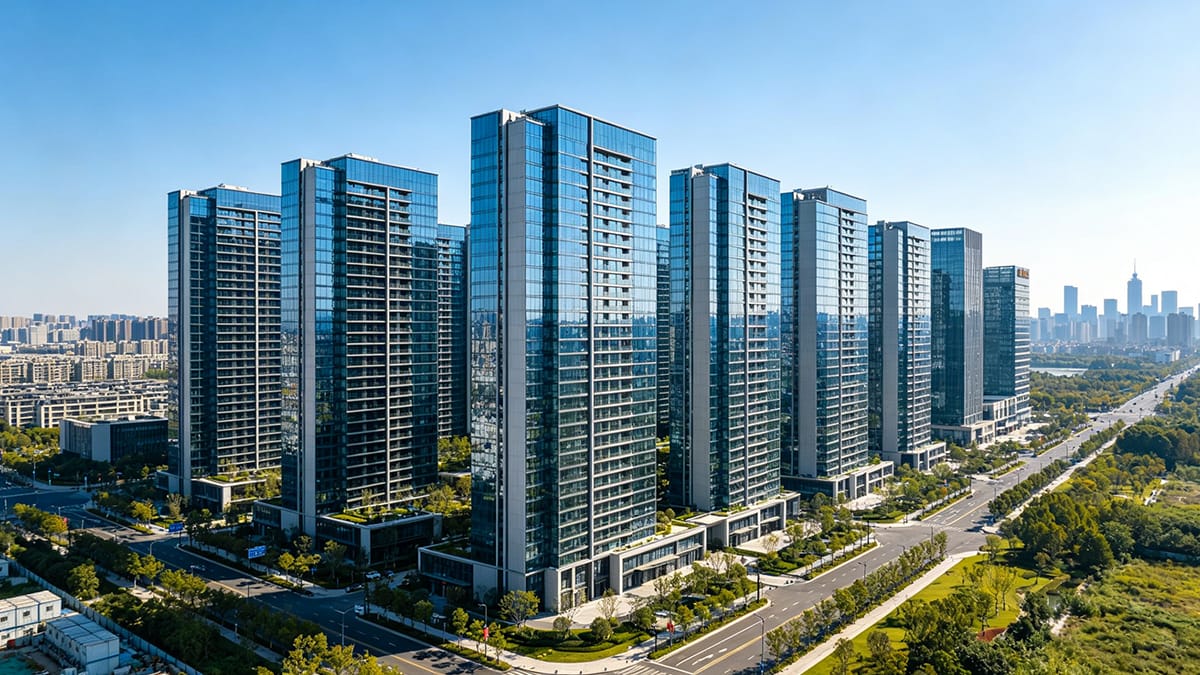 Comparing Brands and Quality
You should look at different brands before picking aluminum composite material for construction. Every brand has its own level of quality, new features, and customer help. There are several things you need to check:
Quality of materials and manufacturing process
Innovation in product features
Reputation and online reviews
Customer service and support
Cost and pricing
Delivery times
Sustainability practices
Good aluminum composite panels are light and simple to put up. They have special features that make them last longer and look better. Many brands offer lots of finishes and colors. This lets you make cool designs. Some brands care more about quality. Others care more about price. This can change how fast you get your panels.
You should check how the panels look and feel. Make sure the color and surface are the same everywhere. Check if the panels follow safety rules. Ask about fire tests and strength tests. Panels must stand up to weather for outside jobs. If you want shiny or natural looks, check the design options.
Tip: Read reviews and stories from customers. These show how brands work in real projects.
Here is a table to help you compare brands and suppliers:
Criteria | Considerations | Score (1-5) |
|---|---|---|
Quality of Materials | Check quality standards and certifications. | 4 |
Manufacturing Process | Look at techniques and technology used. | 5 |
Experience | Years in industry and completed projects. | 4 |
Customer Reviews | Testimonials and feedback from clients. | 3 |
Pricing | Compare cost effectiveness. | 4 |
Customer Service | Responsiveness and support. | 5 |
Delivery Times | Reliability of schedules and lead times. | 3 |
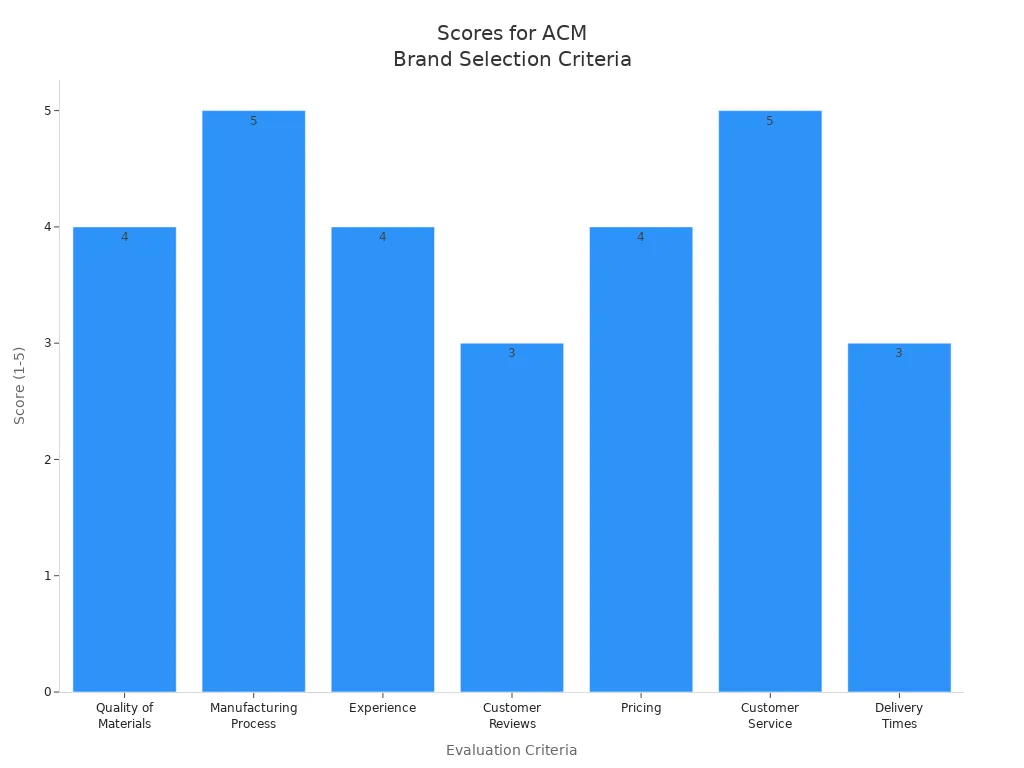
Top brands are known for strict quality rules and new ideas. They also give good customer help. These things affect how happy you are with your panels. Always check these points when choosing aluminum composite material for construction.
Certifications and Warranty
Certifications show if a product is safe and good quality. When picking aluminum composite material for construction, check for certifications. These prove the panels are safe and strong.
Description | |
|---|---|
ISO 9001 | Good management and quality checks by the company. |
ASTM | Compliance with American safety regulations. |
EN and CE | European safety standards and performance. |
NFPA | Fire safety in buildings. |
Look for fire tests like ASTM E119, EN-13501-1, BS 476, and DIN 4102-98. These tests show how well panels stop fire.
Warranty is important too. The best makers give long warranties. This protects you from problems. Here is a table showing warranty coverage:
Warranty Duration | Coverage Aspects |
|---|---|
Defects in manufacturing | |
| Delamination |
| Color changes |
| Gloss reduction |
| Adhesion issues |
You should get a finish warranty for at least 20 years. This covers fading, chalking, peeling, or delamination. Panel bond warranties last at least 10 years. This covers skins and core coming apart. Pick makers with a good history. Ask for papers for other products. Ask for test data and samples before you say yes.
Note: Field checks are important. Ask for mockups, on-site checks, and inspection points. This helps find problems early.
Sample Testing and Reviews
Sample testing lets you see how panels work before you choose. You need to follow these steps:
Put the sample in a normal place for 24 hours before testing.
Get the specimen ready. Make sure the surface works well both ways.
Place the specimen within 50mm from the product side. Agree on size and number with the supplier.
Test how it looks, thickness, aluminum thickness, coating thickness, and other things.
Check real reviews and stories from projects. These show how panels work in real life. Panels with ISO 9001 standards fail less often. 85% of builders say bad panels cost more to fix. 75% of clients like brands with good records.
Evidence Type | Detail |
|---|---|
Material Failure Rate | Panels with ISO 9001 standards show 30% less material failure. |
Builder Satisfaction | 85% of builders find poor-quality panels increase maintenance costs. |
Client Preference | 75% of clients prefer proven providers. |
Stories from projects show how panels are used and what happens. They show good and bad results. You can learn how to pick aluminum composite material for construction by reading these reviews.
Callout: Always ask for samples and check test results before you decide.
You can avoid stress by doing these steps. Compare brands, check certifications and warranty, and test samples. This helps you know how to pick aluminum composite material for construction. You will make a smart and confident choice for your project.
Decision Checklist and Expert Tips
Selection Checklist
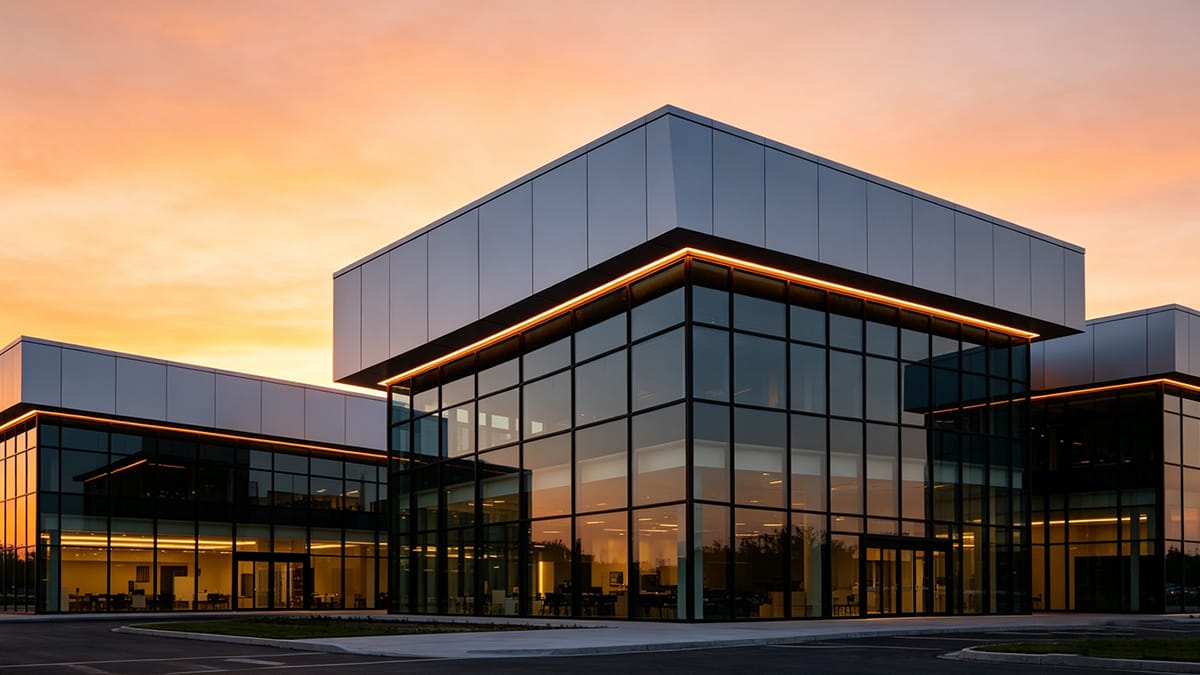 Selection Checklist
A checklist helps you pick the right aluminum composite material. The table below lists the most important things to check before you choose:
Essential Item | Description |
|---|---|
Know Your Project Needs | Think about what your project needs and where it is. |
Check Aluminum Composite Panel Costs | Compare prices and quality from different brands. |
Focus on Strength | Make sure the panels are strong and tough enough. |
Ensure Fire Resistance | Pick panels that can resist fire. Learn about the core materials. |
Explore Design Flexibility | Look at all the colors and finishes. See if you can customize them. |
Check Panel Thickness | Pick the right thickness for your job. Follow the rules for your project. |
Focus on Sustainability | Choose panels that are good for the environment. Check if the maker uses eco-friendly methods. |
Tip: Use this checklist for any project, like cladding or signs. It helps you remember the important steps.
Common Mistakes to Avoid
People often make mistakes when picking aluminum composite panels. You can avoid these problems if you know what to look out for:
Not checking if the panels resist fire.
Forgetting to check the thickness or strength.
Not thinking about how to install or care for the panels.
Not asking for certifications or warranty information.
Picking the cheapest panels without checking the quality.
Not reading real reviews or looking at samples.
Note: Always ask questions and get samples before you decide.
Expert Advice for Stress-Free Selection
Experts have tips to help you choose without stress:
Talk to experts early. They can help you save time and get better results.
Pick a good manufacturer. Check if they have a good reputation for quality and service.
Choose the best core material for your needs. Think about fire safety and the environment.
Pick coatings that last outside.
Choose the right thickness and size for your panels.
Learn how to install and care for your panels.
Make sure you get a strong warranty and good support after buying.
Cons of ACM Panels | |
|---|---|
Easy to shape and flexible | Can get dents in bad weather |
Strong and lasts a long time | Needs to be sealed well when installed |
Light and easy to put up |
|
Saves money for builders |
|
Lots of colors and finishes |
|
Resists UV rays and chemicals |
|
Blocks sound well |
|
Mostly recyclable and eco-friendly |
|
馃槉 If you follow these tips, you will feel sure about your choice and your project will go smoothly.
You can pick the right aluminum composite materials for your project without worry. First, think about what your project needs and what materials you can use. Pay attention to fire safety and check your suppliers. The table below shows how each thing helps you choose the best materials:
Factor | Contribution to ACP Selection |
|---|---|
Core Material | Changes fire ratings, insulation, soundproofing, and how it affects the environment. Some core materials are needed for safety rules. |
Coating | Changes how the panels look, how long they last, and how well they stand up to weather. Different finishes let you pick designs that fit your budget. |
Thickness and Size | Changes how stiff, heavy, and costly the panels are. Thicker panels last longer but weigh more and cost more. Size matters for moving and putting up the panels. |
Installation Technique | Changes how strong and safe the panels are. Wet and dry methods work in different ways for your project. |
Warranty and Support | Gives you help if there are problems after you put up the panels. Checking the warranty and support is important to know if the supplier is good. |
Use the checklist and tips to compare materials and feel sure about your choice. If you have questions, ask experts or suppliers for help. The right materials will keep your project safe, strong, and nice to look at.
FAQ
 FAQ
FAQWhat is the main benefit of aluminum composite panels?
You get a lightweight material that is strong and easy to install. These panels last a long time and help you save money on building costs.
How do I know if a panel is fire-resistant?
Check the product label for fire ratings like “FR” or “A2.” Ask your supplier for test reports. You can also look for NFPA 285 compliance.
Can I use aluminum composite panels for both inside and outside projects?
Yes, you can use these panels for walls, ceilings, signs, and building exteriors. Make sure you pick the right type for your project鈥檚 location.
How do I clean and maintain aluminum composite panels?
Use mild soap and water with a soft cloth. Avoid harsh chemicals. Clean panels regularly to keep them looking new and to prevent damage.
What should I check before buying aluminum composite panels?
Always check the core type, fire rating, thickness, warranty, and brand reputation. Ask for samples and read reviews from other users.