
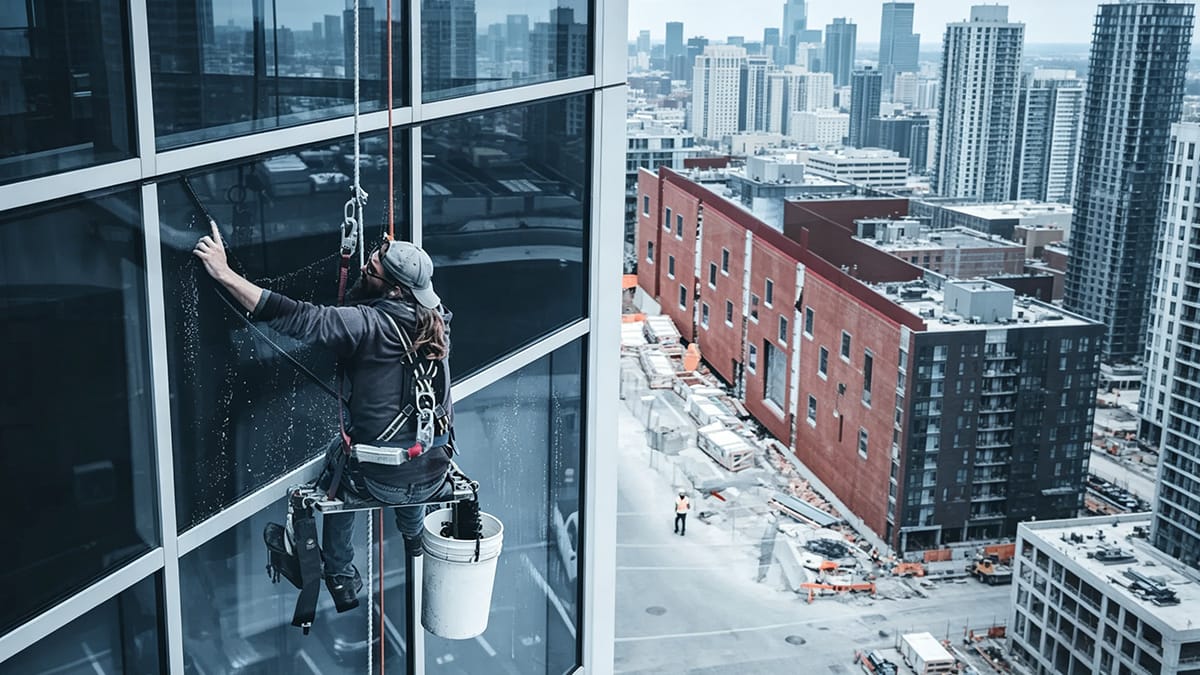
01 Jun Essential Tips for Maintaining Aluminum Composite Material Cladding
You can keep your aluminum composite material cladding looking nice with a few easy tips. Clean it often with mild soap to help it last longer and look good. Check the seals and do not use strong chemicals. This stops water from causing harm. Fix small problems early so they do not get worse. This also saves you money. Studies show that if you take care of MCM panels, they stay shiny for many years. They also help keep your property value high.
Maintenance Activity | Impact on Lifespan |
|---|---|
Annual cleaning with soap | Keeps it looking good and strong |
Fixing small damages | Stops bigger problems from happening |
These easy tips help your cladding last longer and give you peace of mind.
2026 Update: Quick Answer for Essential Tips for Maintaining Aluminum Composite Material Cladding
Reviewed 29 July 2026. Service life depends on the complete panel specification, exposure, detailing, installation, cleaning access, and maintenance鈥攏ot on the face finish alone. Early inspections should focus on water paths, joints, fasteners, sealants, edges, impact damage, and coating condition.
- Create inspection intervals for the actual climate and pollution level.
- Use approved mild cleaners and test any method on a small area first.
- Record defects with location, photos, date, and likely water or impact source.
- Repair system defects promptly and follow the panel, coating, sealant, and fastener guidance.
This update keeps the original topic and search intent while making the decision criteria clear at the start. Project-specific engineering, regulations, test evidence, and supplier documentation remain controlling.
Key Takeaways
Clean aluminum composite panels often with mild soap. This helps them stay shiny and strong. Check seals and gaskets every year to stop water damage. This can also help you avoid expensive repairs. Fix small damages right away to stop bigger problems. This will also help you save money. Use soft cleaning tools and do not use strong chemicals. This keeps the panel’s finish safe. Make a plan for regular maintenance. This helps your cladding look good and last longer.
What Is Aluminum Composite Material Cladding
Features and Benefits
Aluminum composite material cladding is special because of how it is made. It has two thin aluminum layers stuck to a middle core. The core is usually polyethylene or a fire-safe mineral. This makes the panels strong and bendy. They do not break or bend easily.
When you pick this cladding, you get many good things:
It is safe and does not catch fire easily
Water cannot get in easily
It is simple to put up
It is not heavy
You can use it in many ways
You do not have to do much to take care of it
You can recycle it and it is good for nature
It does not cost a lot
There are lots of looks and finishes
It saves energy
Aluminum composite panels can handle bad weather. They do not rust or get ruined like other metals. They are light, so putting them up is easy. You do not need to use a lot of strength or special tools.
Tip: Clean your cladding and check it often to keep it looking nice.
Common Uses
You can find aluminum composite material cladding in lots of places. It works for walls inside and outside. People use it for windows, doors, and the outside of buildings. Designers also use it for walls inside and for signs.
Application Type | Description |
|---|---|
Building Cladding Systems | Used for both inside and outside walls. |
Windows and Doors | Aluminum composite panels are used here. |
Architectural Elements and Facade Glazing | Makes buildings look better and work well. |
Partitions and Internal Walls | Good for many design choices. |
Signs and Display Boards | Used a lot for signs and displays. |
This material is useful for many things. It helps buildings look new and stay strong.
Why Maintenance Care of Aluminum Cladding Matters
 Longevity and Performance
 Longevity and Performance
You want your building to look good and last a long time. Maintenance care of aluminum cladding helps you reach both goals. When you clean and check your panels often, you stop dirt, salt, and pollution from building up. This keeps the panels strong and shiny. Aluminum composite material cladding stands out because it is light but tough. It does not rust easily, even in harsh weather. You save money because you do not need to fix or replace panels as often.
Here is a table that shows why you should care for your cladding:
Benefit | Explanation |
|---|---|
Durability | Reduces repair and replacement costs due to resistance to corrosion and weathering. |
Energy Efficiency | Helps maintain indoor temperatures, lowering heating and cooling expenses. |
Low Maintenance | Minimizes disruptions to industrial operations, saving time and money. |
If you live near the ocean or in a city with lots of pollution, you need to clean your panels more often. Salt and dirt can damage the surface if you do not remove them. Regular cleaning also keeps your building looking new and helps it save energy by reflecting heat.
Tip: Set a schedule for maintenance care of aluminum cladding. This simple habit protects your investment.
Risks of Neglect
If you ignore your cladding, you risk big problems. Skipping maintenance can cut the life of your panels from 20鈥?0 years to much less. Reports show that 60% of cladding failures happen because people do not take care of their panels. Fixing these problems can cost between $5,000 and $20,000 for a mid-sized building.
You may face these risks if you skip maintenance:
Coating can peel or crack, making your building look old.
Water can get inside and cause leaks or mold.
You might need to replace the whole wall, which costs much more than regular care.
Once the coating fails, you pay more for repairs and lose the good looks of your building. You can avoid these problems by checking and cleaning your panels on time.
Maintenance Guide for Aluminium Composite Panels
Regular Cleaning Methods
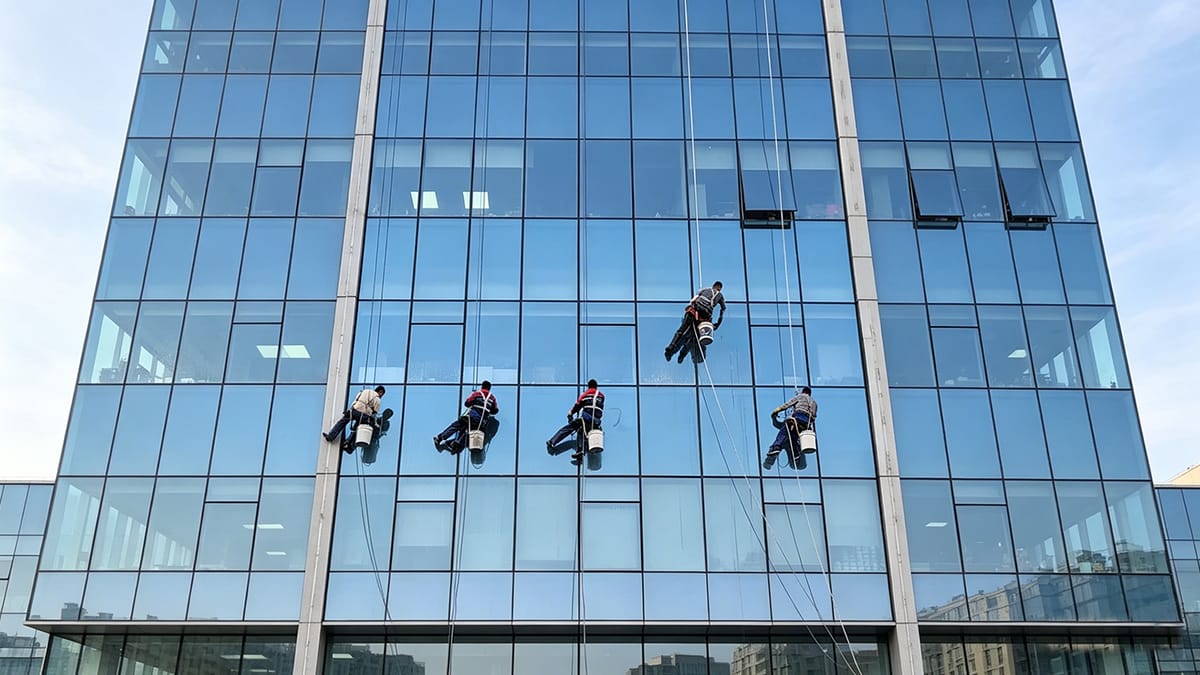 Regular Cleaning Methods
You can keep your aluminium composite panels in top shape by following simple cleaning methods. Start by removing loose dirt or dust with a soft brush or cloth. This step helps you avoid scratching the surface. Next, mix a small amount of mild soap or detergent with warm water in a bucket. Dip a soft sponge or microfiber cloth into the soapy water. Gently wipe the panels, paying extra attention to corners and edges where dirt collects.
If you see stubborn stains, use a non-abrasive cleaner made for aluminum surfaces. Apply it with a soft cloth and rub in small circles. Rinse the panels with clean water from a low-pressure hose to wash away any soap or cleaner. Dry the surface with a soft, lint-free cloth or let it air dry.
Here is a step-by-step guide for cleaning aluminium composite panels:
Remove loose dirt with a soft brush or cloth.
Mix mild soap or detergent with warm water.
Wipe the panels gently with a soft sponge or microfiber cloth.
Focus on corners and crevices.
Rinse with clean water using a low-pressure hose.
Dry with a soft, lint-free cloth or let air dry.
Tip: Always use gentle tools and avoid rough scrubbing to protect the finish.
Safe Cleaning Solutions
Choosing the right cleaning solutions is important for proper care and maintenance. You should use gentle soaps like dish soap, car shampoo, or glass cleaner mixed with water. These options clean well without harming the panels. Never use strong cleaners with acid or alkali. These can damage the surface and shorten the life of your aluminium composite panels.
Avoid abrasive materials such as steel wool or hard brushes. These can scratch and dull the finish. For sticky spots or tough stains, you can use a mild solvent like isopropyl alcohol or mineral spirits. Test any new cleaner on a small, hidden area first to make sure it is safe. Always rinse the panels well with clean water to remove all soap or cleaner residue. Dry with a soft, lint-free cloth to prevent water spots.
Here are some safe cleaning tips for aluminium composite panels:
Use mild soap, car shampoo, or glass cleaner mixed with water.
Avoid harsh chemicals and abrasive tools.
For sticky residue, use a mild solvent like isopropyl alcohol.
Always rinse and dry the panels after cleaning.
Note: Do not clean panels when they are hot or in direct sunlight. This helps prevent streaks and spots.
Cleaning Frequency
How often you clean your aluminium composite panels depends on where you live and the environment around your building. Regular cleaning methods help keep your panels looking new and working well. If your building is in a city or industrial area, you should clean the panels every 6 to 12 months. In coastal or high-pollution areas, clean them every 3 to 6 months. For interior panels or places with little dust, cleaning once a year is enough.
Here is a table to help you decide how often to clean:
Environment Type | Cleaning Frequency |
|---|---|
Urban and Industrial Zones | Every 6鈥?2 months |
Coastal or High-Pollution Areas | Every 3鈥? months |
Interior or Low-Dust Regions | Annually |
Regular cleaning methods and proper care and maintenance help you avoid costly repairs. They also keep your aluminum composite material cladding looking its best for years.
Callout: Set a reminder for your next cleaning. Staying on schedule protects your panels and your investment.
Inspecting and Repairing Seals
Checking for Water Infiltration
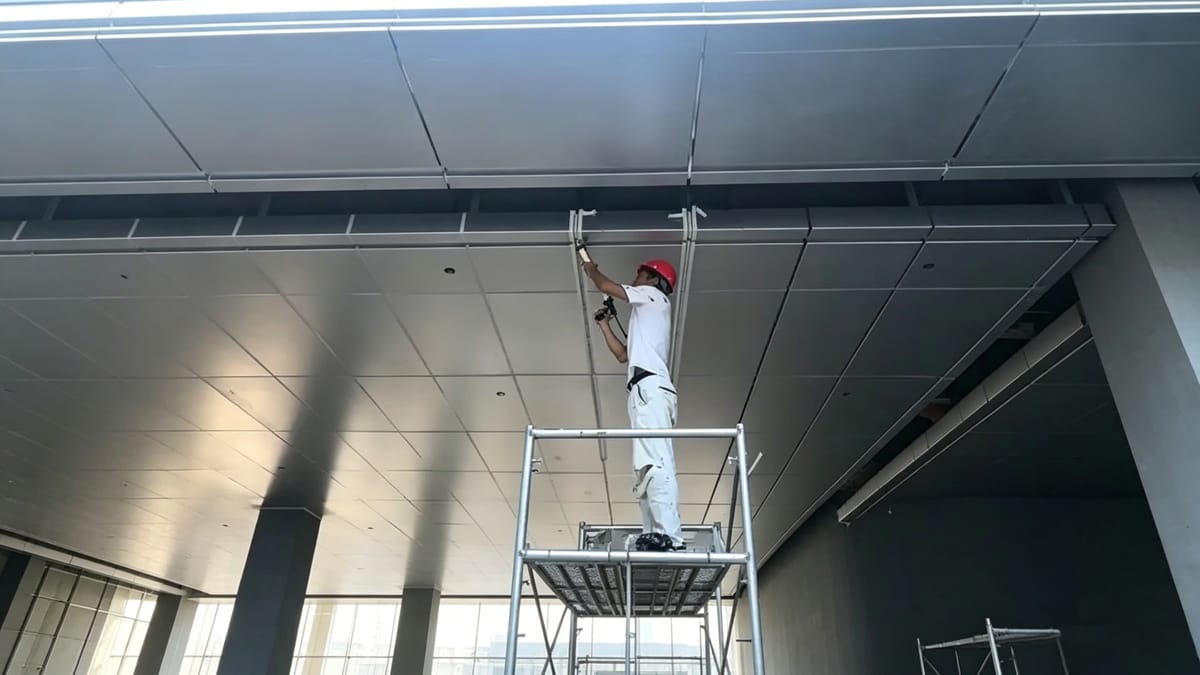 Checking for Water Infiltration
You need to check the seals on your aluminum composite material cladding to stop water from getting inside. Water can cause big problems like mold, rust, or damage to the building. You should look at the seals and gaskets at least once a year. Watch for signs like cracks, gaps, or places where the seal looks worn out. If you see any of these, water might get through.
You can use special tests to find out if water is getting in. These tests follow certain standards. Here is a table that shows some common testing methods:
System Type | Testing Standard | Purpose |
|---|---|---|
Wet-Seal | ASTM E 283 | Air infiltration resistance |
Wet-Seal | ASTM E 331 | Water resistance |
Dry-Seal | ASTM E 283 | Air infiltration resistance |
Dry-Seal | ASTM E 331 | Water resistance |
Rainscreen | ASTM E 330 | Structural performance |
Rainscreen | AAMA 508/509 | Rainscreen requirements |
If you do not have these tools, you can still check for water stains or damp spots near the panels. These signs mean you should act fast.
Tip: Early checks help you catch leaks before they cause expensive damage.
Seal Repair Tips
You can keep your cladding safe by fixing seals as soon as you see a problem. Here are some steps you should follow:
Look at all seals and gaskets once a year.
Search for cracks, gaps, or worn spots.
Fix or replace any damaged seals right away.
Use the right sealant for aluminum panels.
If you find a small crack or gap, you can use a sealant made for aluminum. Clean the area first, then apply the sealant smoothly. For bigger problems or if you feel unsure, call a professional. Experts have the right tools and know-how to fix complex issues.
Note: Do not wait to repair seals. Quick action stops water from getting in and keeps your building strong.
You protect your investment when you check and repair seals often. This simple habit keeps your cladding looking good and working well for many years.
Identifying and Addressing Damage
Spotting Wear and Tear
You should check your aluminum composite material cladding often. This helps you find damage before it gets worse. Look for dents, scratches, or faded spots on the panels. Sometimes panels look wavy or not flat. The layers might start to come apart. This is called delamination. Cracks near the edges or joints can mean the panels moved from heat or cold.
Here is a table that shows common types of damage and their causes:
Type of Damage | Description | Common Causes |
|---|---|---|
Deformation | Surfaces look wavy or uneven | Thin aluminum, weak support, or not enough fasteners |
Delamination | Layers come apart from each other | Bad glue, poor making, or rough weather |
Thermal Expansion Issues | Cracks or joints not lined up | No space for movement, stiff fixing, or not planning for weather |
Surface Coating Damage | Scratches or faded outside layer | Rough handling, wrong coating, sun, or chemicals |
Fire Safety Non-Compliance | Panels do not meet fire safety rules | Wrong materials or not following safety steps |
Tip: Walk around your building every few months. Use a flashlight to check corners and behind things for hidden damage.
Minor Repairs and When to Call a Pro
You can fix small problems if you have the right tools. Waterproof repair tape can seal tiny gaps or holes. Gutter sealant works for seams and edges. If you see small holes from screws or nails, use repair epoxy for aluminum. Always wear gloves and safety glasses to stay safe.
Here is a list of tools and materials for minor repairs:
Tool/Material | Purpose |
|---|---|
Electric Metal Shears | Cut metal panels carefully |
Metal Snips | Make clean cuts and smooth sharp edges |
Waterproof Repair Tape | Seal small gaps and holes |
Gutter Sealant | Seal seams and cut edges |
Repair Epoxy for Aluminum | Fill tiny holes |
Protection Equipment | Keep your hands and eyes safe |
If you see big cracks, large dents, or panels coming off the wall, call a professional. Experts have special tools and know how to fix big problems safely. You protect your building best when you ask for help with tough repairs.
Note: Fix small problems early to keep your cladding strong and nice. Do not wait for damage to get worse.
Restoring Appearance
Removing Stains and Discoloration
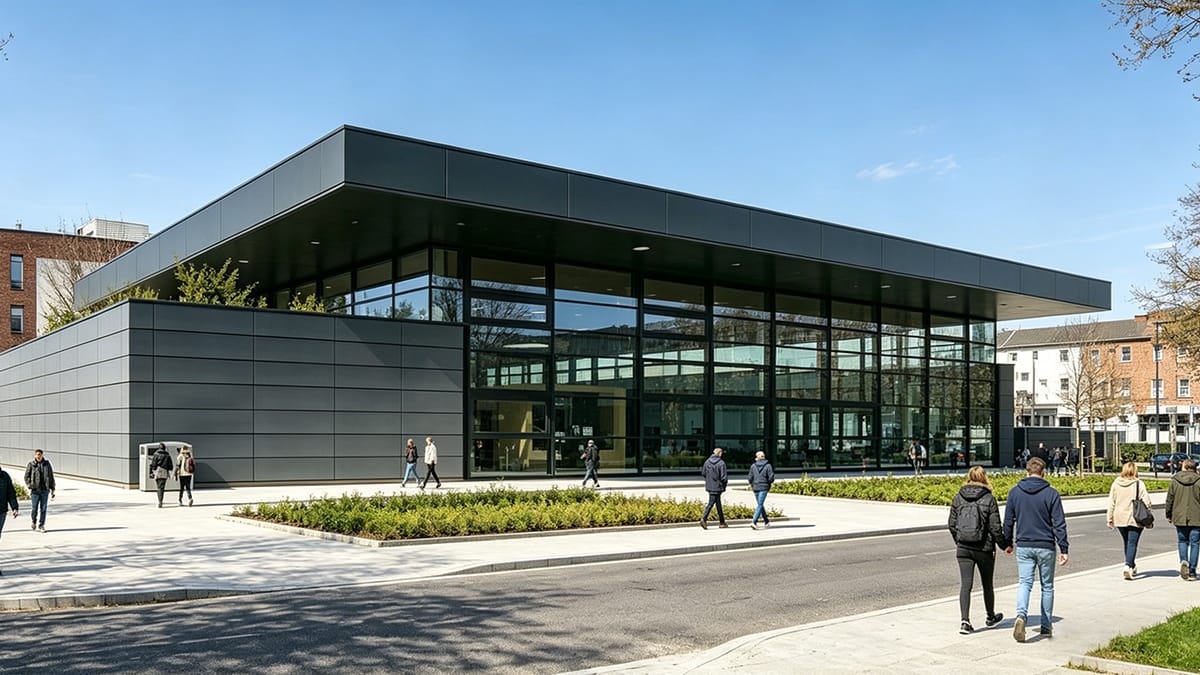 Removing Stains and Discoloration
Sometimes, you might see stains or color changes on your aluminum composite cladding. These marks can make your building look old or dirty. You can make the panels look better by cleaning them the right way.
First, wash the panels with clean water to get rid of loose dirt.
Use a soft cloth and soapy water for tough stains.
If stains stay, try using isopropyl solution.
Always pick mild soap so you do not hurt the surface.
Clean from the top down to stop streaks and drips.
Use soft brushes or sponges to keep the finish safe.
Rinse the panels well to wash away any leftover soap.
Tip: Do not use strong chemicals, harsh cleaners, or rough brushes. These can scratch or dull the panels.
You can use a pressure washer for big spots, but keep the pressure low. Check your panels often to find stains early. This makes cleaning easier and keeps your cladding bright.
Fixing Scratches and Dents
Scratches and dents can happen from weather, tools, or accidents. You can fix many small problems yourself and keep your panels looking new.
For small scratches, clean the spot first. Put a little toothpaste or car polish on it. Rub gently with a soft cloth until the scratch fades.
For deeper scratches, use a repair pen or matching paint. Fill the scratch and let it dry.
For small dents, use gentle heat and pressure to fix the panel if you can.
For big dents or damage, you may need to patch or replace the part. Call a pro for help with large repairs.
Note: Always test any product on a hidden spot first. This helps you avoid changes in color or texture.
Taking care of your panels and fixing problems fast helps your aluminum composite cladding stay strong and nice for years.
Preventive Maintenance Tips
Protective Coatings
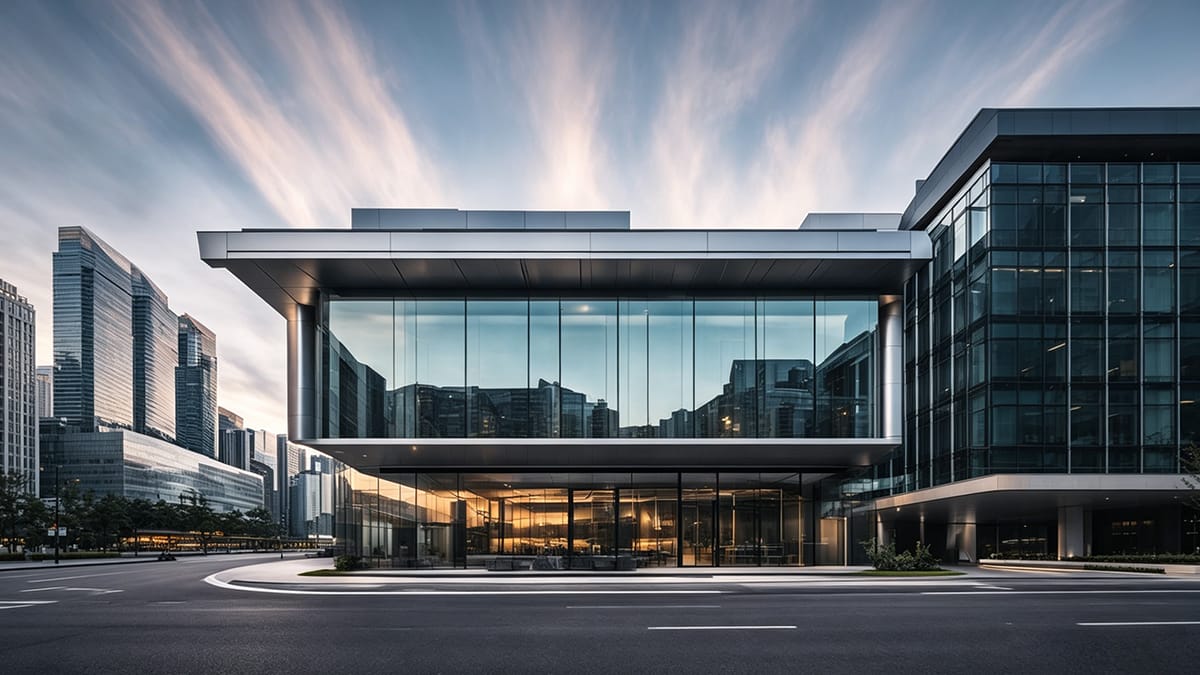 Protective Coatings
You can make your aluminum composite cladding last longer by using protective coatings. These coatings stop water from getting into the panels. They also block the sun鈥檚 rays, which can fade or weaken the surface. When you use a good coating, you help your building meet safety rules and keep it looking new. Coatings are not just for looks. They protect your panels from rain, heat, and cold. This means your cladding stays strong even when the weather changes a lot.
Protective coatings also help your panels handle stress from hot and cold days. You do not have to worry about cracks or peeling as much. Many building codes require these coatings to keep your property safe. You should check your panels often and add a new layer of coating if you see any wear.
Here is a table that shows some key maintenance strategies:
Maintenance Strategy | Description |
|---|---|
Cleaning | Regular cleaning with mild detergent and warm water to avoid damage from harsh chemicals. |
Inspecting | Periodic checks for scratches or dents to prevent long-term damage. |
Sealing | Application of sealant in high-moisture environments to prevent water ingress. |
Tip: For outside panels, check and clean them every three months. For inside panels, twice a year is enough unless they are in busy areas.
Common Mistakes to Avoid
You can keep your cladding in top shape by avoiding common mistakes. Many people use strong cleaners or rough tools, which can scratch or dull the panels. You should always use a soft cloth and a gentle soap. Never clean your panels when they are hot or in direct sunlight. This can leave streaks or marks.
Here are some mistakes you should avoid:
Waiting too long between cleanings. Wash your panels every two or three years at the very least.
Using cleaners with acid or alkali. These can damage the surface.
Scrubbing with rough pads or hard brushes. This causes scratches.
Cleaning in hot or sunny weather. This leads to streaks.
Skipping a test spot. Always try your cleaning method on a small, hidden area first.
Regular cleaning and inspections help you spot problems early.
Use only pH-neutral detergents and non-abrasive cloths.
Note: Simple habits like gentle cleaning and regular checks keep your panels looking great for years.
You can keep your aluminum composite material cladding looking good by doing a few easy things. Clean the panels with a soft cloth and mild soap. Check for dirt, stains, or damage often. Use gentle tools and do not use harsh chemicals.
Safe cleaning stops damage that lasts.
Benefit | Result |
|---|---|
Durability | Panels stay strong and help you save money. |
Appearance | Your building looks neat and nice. |
Keep up with your care routine. You will see good results and your building will look great.
FAQ
How often should you clean aluminum composite cladding?
You should clean your panels at least once a year. If you live near the ocean or in a city, clean them every 3 to 6 months. Regular cleaning keeps your panels looking bright and helps them last longer.
What tools are safe for cleaning aluminum composite panels?
Use a soft sponge, microfiber cloth, or a soft brush.
Avoid steel wool or hard brushes. These can scratch the surface and make your panels look dull.
Can you use a pressure washer on aluminum composite cladding?
You can use a pressure washer, but keep the pressure low. Hold the nozzle at least 3 feet away from the panels. High pressure can damage the surface or force water behind the panels.
What should you do if you find a dent or scratch?
Clean the area first.
For small scratches, use car polish or a repair pen.
For dents or big damage, call a professional.
Fixing problems early keeps your panels strong and looking good.
Are there any chemicals you should never use?
Unsafe Chemicals | Reason |
|---|---|
Acidic cleaners | Damage the surface |
Alkaline solutions | Cause fading |
Abrasive powders | Scratch the panels |
Stick to mild soap and water for safe cleaning.